A Toast to Terroir: 7 of the World’s Best Agave Cocktail Bars
From maguey to mixology, the agave awakening celebrates the cultural connections of this beloved spirit.
May 24, 2026
Casting aside its previous reputation as the mainland’s epicenter of counterfeit designer bags and cheap spa services, Shenzhen has matured into a gastronomic destination over the last decade. Driven by an affluent, youthful population, China’s Silicon Valley has played witness to a boom in high-end contemporary restaurants, sophisticated modern Chinese cuisine, and curated hotel dining experiences, positioning itself as Asia’s newest culinary hotspot.
READ MORE: Shenzhen’s Top 5 Must Visit F&B Destinations
After Shenzhen was declared a special economic zone in 1980, the city underwent an exponential increase in factory work opportunities seemingly overnight[1]. A major influx of migrant workers from around China flooded the city[2]. Economic expansion led to the emergence of a middle class with a rise in disposable income and the free time to spend it.[3]
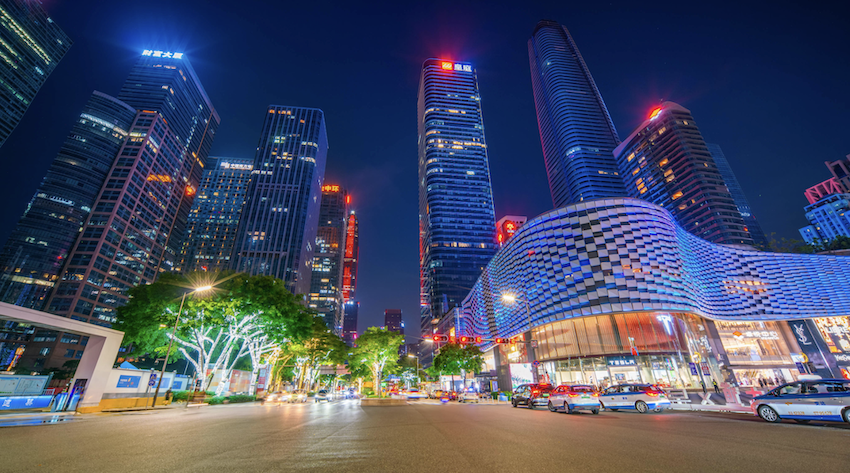
But the high-end dining landscape did not catch up until more recently. As noted by Tata Dai, a China-based fine dining consultant, “Before the pandemic, high-end dining was limited to a few Cantonese, Teochew, and five-star hotel restaurants, plus a smattering of Japanese and Western options.”
The COVID-19 pandemic acted as both a challenge and an opportunity for Shenzhen's dining industry. While many establishments faced temporary shutdowns, the restrictions on international travel spurred a newfound interest in local dining experiences. Food enthusiasts turned to Shenzhen, driving demand for high-quality dining. Dai adds, “during COVID, many tasting menu-centric restaurants opened because people couldn’t travel but still wanted an outlet for enjoyment.”
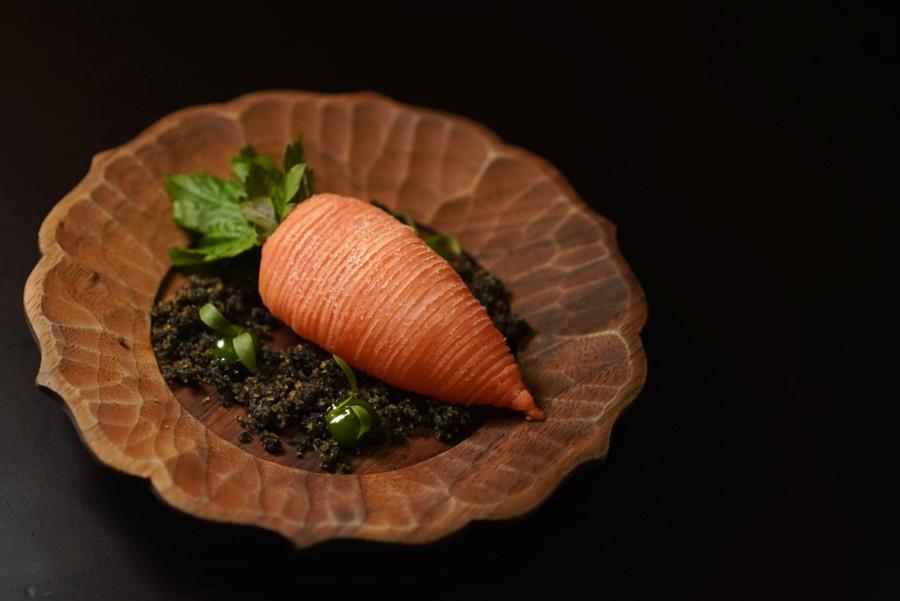
Ensue
Jeffrey Wu, Head Chef of Ensue – one of Shenzhen’s progressive fine dining establishments that follows a Californian farm-to-table ethos – recalls, “COVID actually helped accelerate a change in people’s tastes. During the three years when international travel was restricted, people became more connected to local flavors and developed a deeper appreciation for regional cuisine.
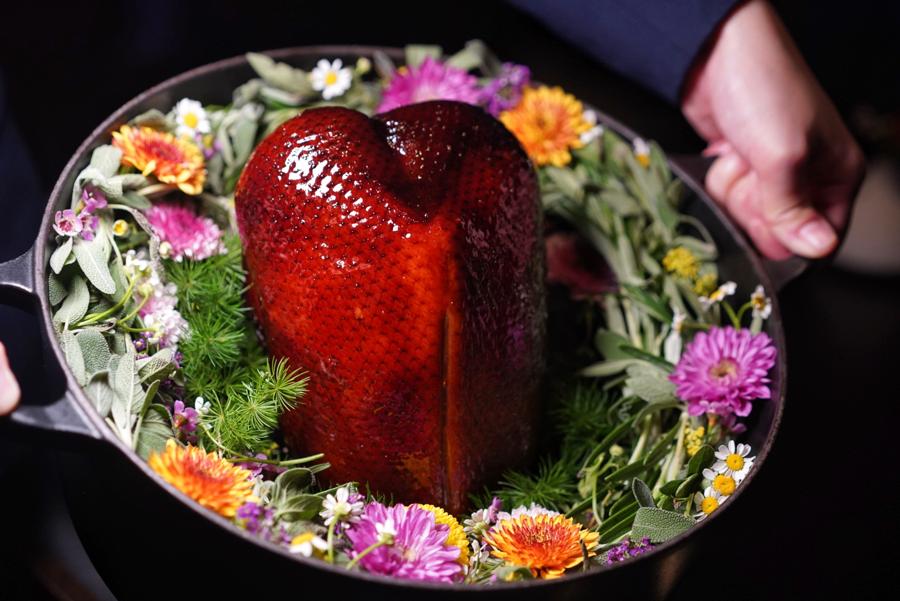
Ensue
Pioneers in the industry, like Ensue, set benchmarks for local fine dining and thus expanded the market. “When Ensue opened in 2019, it was one of the best fine dining establishments not just in Shenzhen, but in all of Asia. So many chefs, restaurant managers, and marketing professionals today can trace their roots back to this institution,” says Yang Guang, 50 Best Academy Vice Chair for Mainland China.
The post-pandemic landscape was reshaped by a surge in innovative culinary concepts. This escalation was largely propelled by the influx of chefs returning from abroad and international chefs entering the China market, eager to make their mark on the city’s burgeoning food scene.
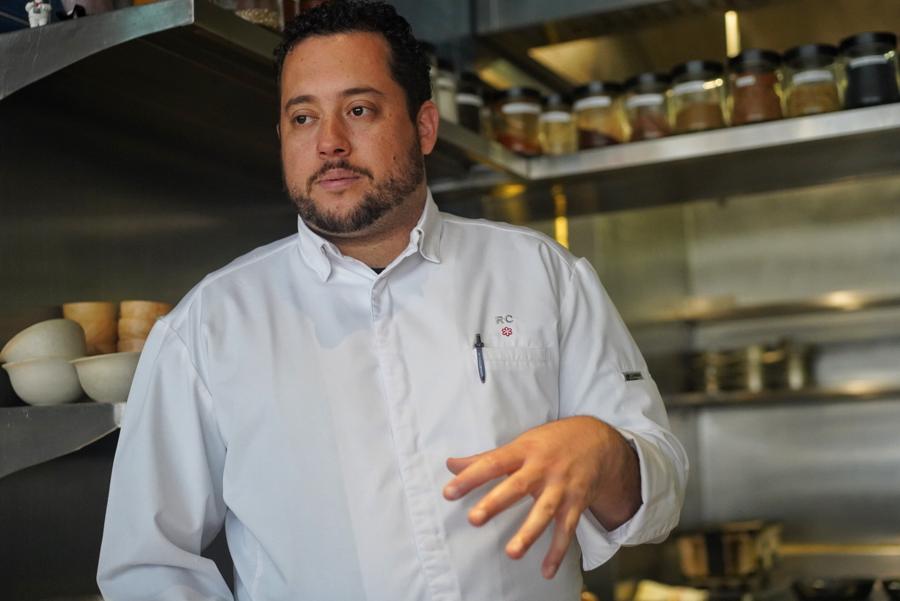
Chef Ricardo Chanton of Mesa (in Shenzhen) and Mono (in Hong Kong)
The arrival of Michelin-starred chefs from renowned food hubs like Hong Kong and the USA elevated Shenzhen's dining standards further. Notable establishments like Avant (opened in 2020 by Chicago’s Alinea-trained Jerry Tian), Mesa (backed by Chef Ricardo Chaneton of one-Michelin-starred Mono in Hong Kong), and Terra Madre (by Estro Hong Kong’s Chef Antimo Maria Merone) have contributed to this movement through sophisticated menus that highlight regional ingredients coupled with international methodology.
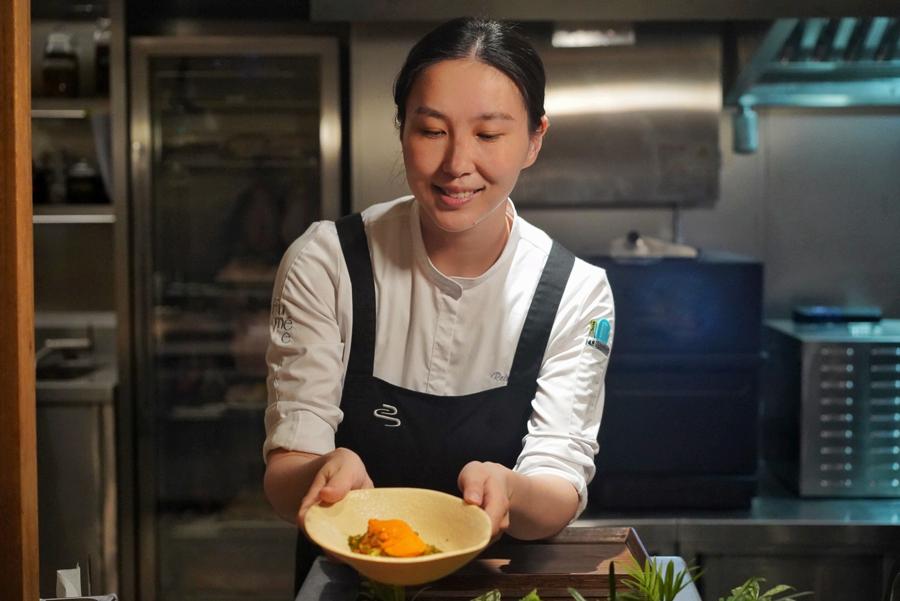
Chef Reina Chen of Fumée
Furthermore, the reopening of borders in 2023 saw a stream of diners from Hong Kong and other nearby fine dining-heavy cities, like Singapore and Tokyo, eager to explore Shenzhen's gourmet offerings. “Many Hong Kong residents are frequenting Shenzhen still today for weekend getaways that are more friendly on the wallet than dining and drinking out in Hong Kong,” observes Reina Chen, Head Chef of Fumée, a modern Chinese-French restaurant with a “province-less” culinary philosophy.
READ MORE: Fumée's Chef Reina Chen Leads the Culinary Charge in Shenzhen with Globally-Inspired Gastronomy
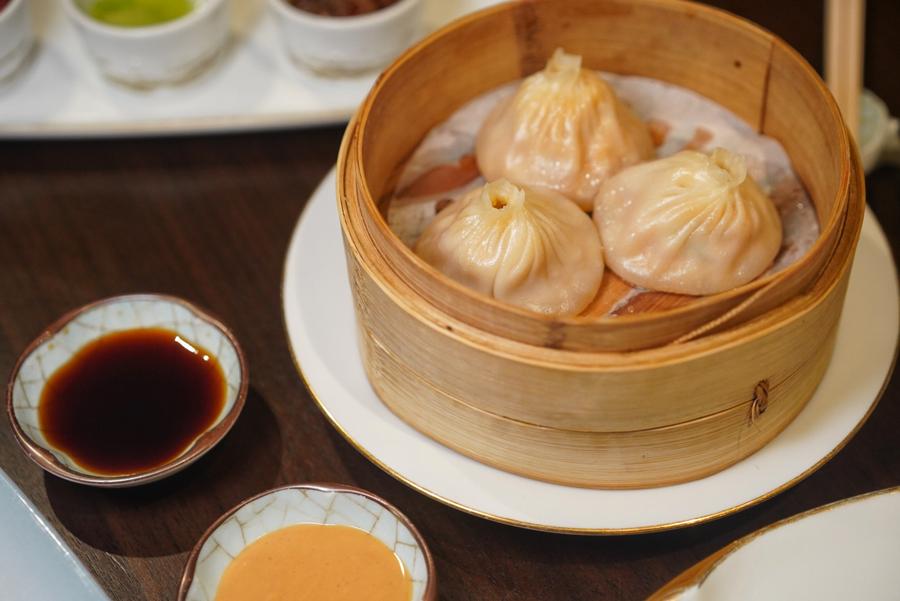
The Bay by Chef Fei at Mandarin Oriental Shenzhen
As a result, Shenzhen’s dining culture has rapidly progressed from a focus on domestic diversity to a more international and cross‑cultural landscape. “With Shenzhen restaurants entering globally-recognized rankings (like Asia’s 50 Best and Black Pearl), alongside the rise of overseas‑trained young chefs, this has spurred growing interest in counter dining, Western techniques applied to Chinese ingredients, and storytelling menus,” lends Christian Dolenc, General Manager & Area Vice President of Operations at Mandarin Oriental Shenzhen.
“International visitors seek dining experiences, from street food to upscale meals, that express Shenzhen’s identity, rather than replicating other global markets.” It is exactly this layered gourmand ecosystem, from local to lux, that continues to attract guests from across the mainland, Hong Kong, Macau, and beyond.
Shenzhen is a city that allows chefs to reinterpret cuisines with contemporary freedom. “While Guangzhou is rooted in history, Hong Kong in tradition, and Singapore in institutional structure, Shenzhen’s greatest strength lies in its openness and forward‑looking mindset,” states Dolenc.
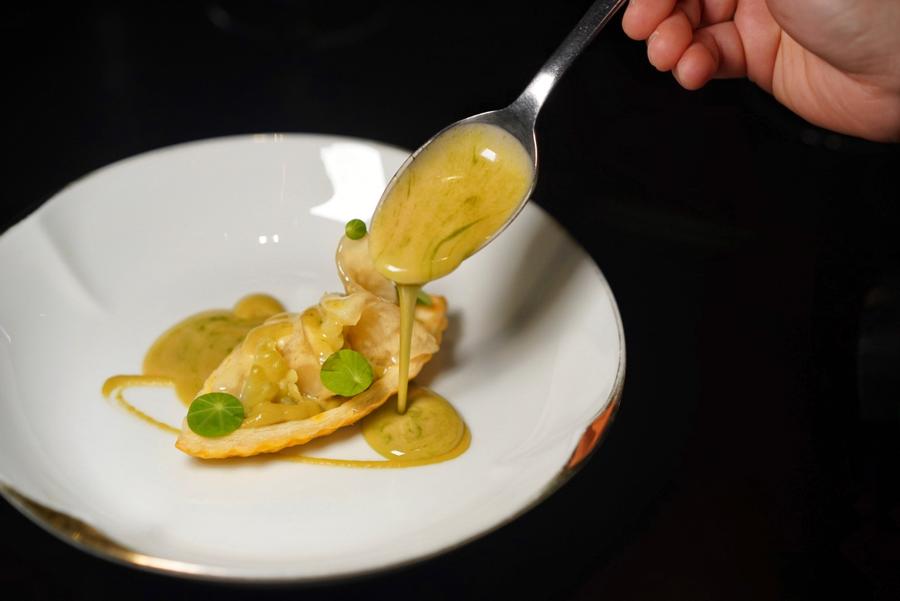
Ensue
Compared to others in the region, Shenzhen is a very young city. “An advantage is that it isn’t bound by tradition or dominated by a single cuisine, leaving space for chefs to experiment and innovate,” explains Wu. This youthful energy has boosted market traction for one-of-a-kind dining experiences, pushing chefs to adapt to the advancing tastes of their patrons.
Luxury hotels, including the Mandarin Oriental Shenzhen and Conrad Shenzhen, play a crucial role in this transformation. As noted by Reto Weber, Director of Food and Beverage at Mandarin Oriental Shenzhen, “Independent restaurants bring energy; luuxury hotels bring structure and continuity, moving the city’s dining scene forward.”
Local diners have become increasingly knowledgeable and discerning, fueling an appetite for authentic culinary experiences and exceptional service. “Shenzhen has international standards but also caters to the local palate,” offers Andrew Ho, co-founder of Hope & Sesame Group, the leading cocktail bar team in China. “The city’s diners seek unique dining experiences, which encourages new restaurants to open.”
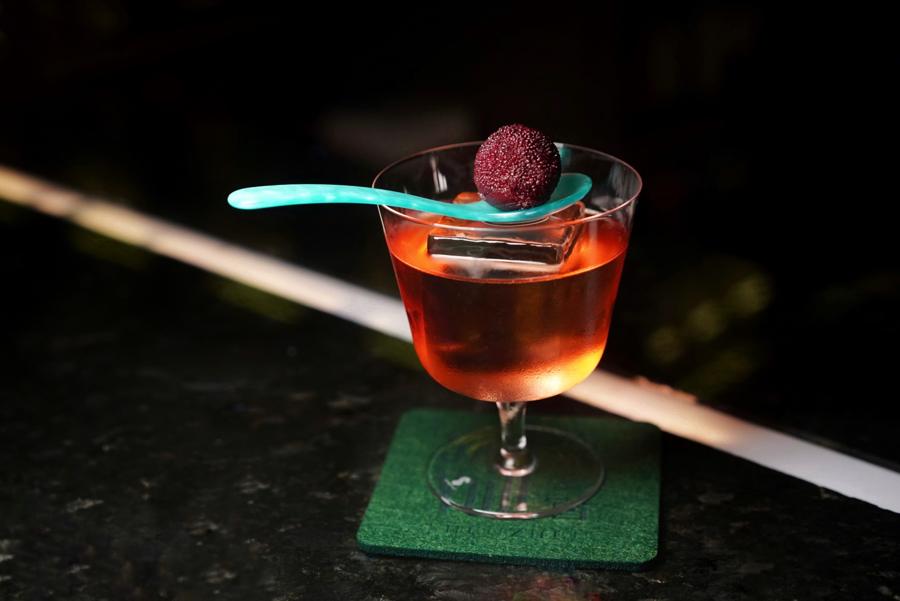
San You
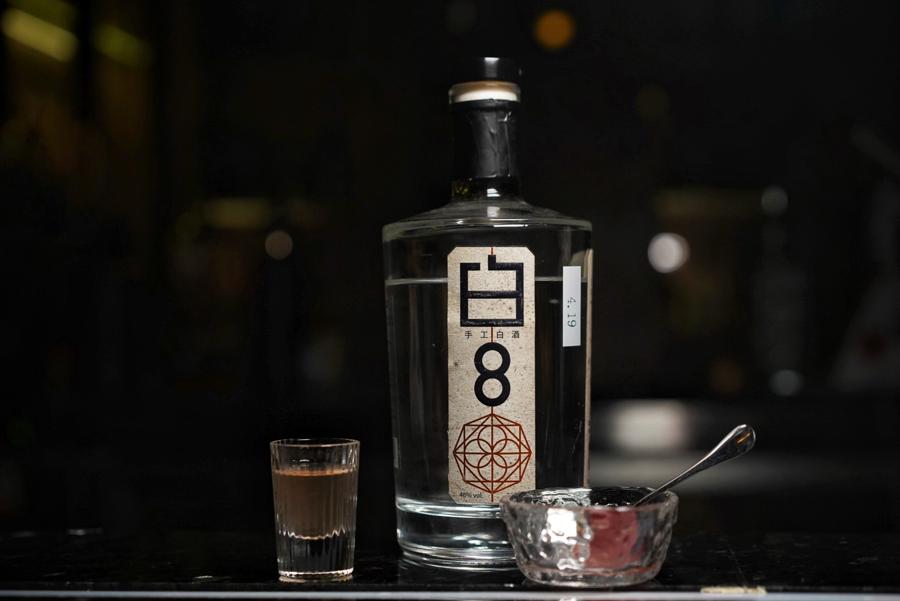
San You
This has also led to an upswing in demand for personalized dining experiences, where patrons prefer off-menu items and customized menus that reflect their tastes. “This trend pushes chefs to work harder to deliver the best to their guests and has helped elevate Shenzhen’s overall dining industry,” muses Wu.
Shenzhen’s epicurean audience today is primarily local and Greater Bay Area–driven, with a strong rebound in Hong Kong diners and a gradual return of international visitors. This shift has transformed local guests into trend leaders whereby menus are now tailored first to local preferences, while international guests look to Shenzhen for insight into new-age Chinese dining. “Shenzhen is no longer just a testing ground, but a market capable of sustaining enduring dining concepts,” comments Dolenc.
For many fine dining establishments, up to half of consumers on weekends tend to be international, while that number dwindles during the workweek. “Forty five percent of our guests come from outside mainland China, with Hong Kong and Singapore being the most common sources,” mentions Wu. Ho adds, “on weekdays, our client makeup is almost entirely locals. But come the weekend, at least half come in town from Hong Kong.”
With more global rankings and guides, such as Asia’s 50 Best Restaurants, the Black Pearl Restaurant Guide, and SCMP Top Tables, alongside major international events like APEC taking place in Shenzhen, the city’s culinary landscape is entering a broader global spotlight. Looking forward, Shenzhen will be included in the 2026 Michelin Guide, marking its official debut as a standalone regional guide.
As time goes on, Shenzhen’s dining scene will continue to strengthen its position within the global market. “We expect to see even more ingredient-led seasonal cooking, restrained cross-cultural techniques, a greater focus on sustainability and supply chain transparency, and closer collaboration between local restaurants and international chefs,” remarks Dolenc.
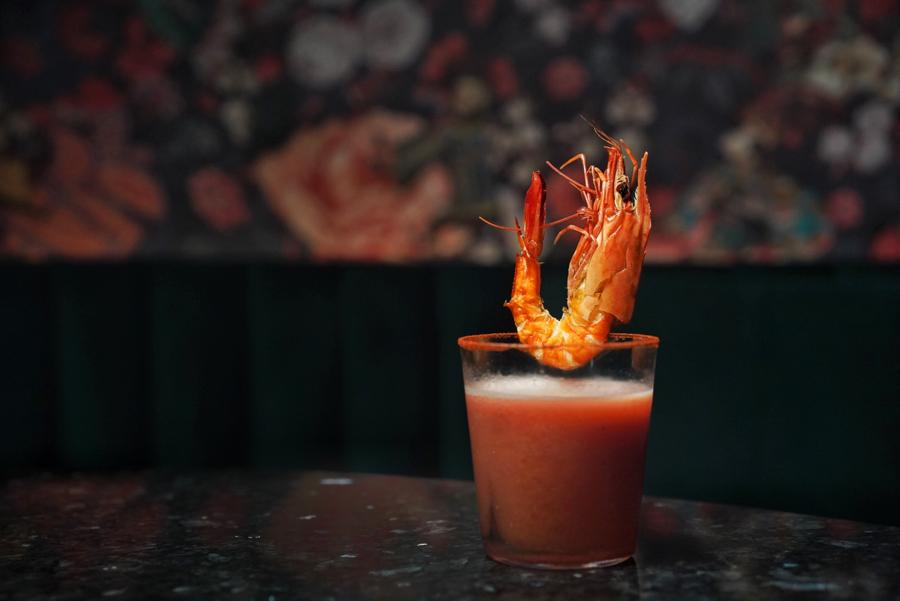
San You
The future looks promising, with expectations of more distinguished F&B brands launching in the market and an increasing number of international events shedding light on the city’s restaurant space. The current loosening of visa policies for international travelers into the mainland has also benefitted Shenzhen immensely. “We see more Europeans and Russians visiting our venues, eager to learn about and experience Chinese flavors,” says Ho
In a city where epicurean boundaries are continually pushed, Shenzhen is not just a destination for food but an expression of the culture and creativity that define its evolving identity. As the city carries on growing, so too will its reputation as a gastronomic playground, inviting bons vivants to explore its multifaceted offerings. As it continues to embrace diversity and originality, Shenzhen is set to redefine its culinary narrative.
This article was originally written for and published on South China Morning Post here.
[1] https://www.doj.gov.hk/en/community_engagement/speeches/20190211_sj1.html
[2] https://www.bbc.com/worklife/article/20170809-inside-chinas-skyscraper-capital
[3] https://webofproceedings.org/proceedings_series/ESSP/FMESS%202017/FMESS_082267.pdf

My name is Sophie Steiner, and welcome to my food-focused travel blog. This is a place to discover where and what to eat, drink, and do in Shanghai, Asia, and beyond. As an American based in Shanghai since 2015 as a food, beverage, travel, and lifestyle writer, I bring you the latest news on all things food and travel.
Your email address will not be published.
Be the first to comment!

Sign up for tips on the latest Shanghai openings, and other food, beverage, and travel content
© 2026 Sophie Steiner
Privacy Policy