Kuala Lumpur Cocktail Week 2026 is Set to Be Bigger, Bolder, and Better Than Ever
Everything you need to know for this year's KLCW
February 7, 2026
What stemmed from a 10-day trip to Hong Kong in 2009 to visit my then-boyfriend blossomed into a lifelong love story with Asia.
My first foray into the East, I landed bright-eyed, eager, and entirely clueless. My welcome meal – a dim sum feast – was a revelation. With my now-husband and 10 of his newest friends, we encircled a table laden with dozens of steamer baskets – each spilling over with dimpled sweet buns, flaky taro puffs, braised meats, crispy-bottomed dumplings, and more.
Ignoring my lack of chopsticks experience, I dove in, unsteadily maneuvering a still-steaming bun towards my plate. My finger slipped. And the pastry – in all its custard-filled rotundness – plopped into my teacup, forming a geyser of hot liquid that sprayed those around me.
Crickets.
Mortified, I vowed to use chopsticks at every meal until I mastered them. And thus, my love affair with Asian cuisine began.
Seventeen years in, it has matured into a committed relationship, one that has defined my sense of self and career as a food journalist. Traversing nearly two decades of epicurean-fueled travels, here are three gastronomic destinations I recommend to fellow travelers, and one I don’t, despite the fanfare surrounding it.
READ MORE: I’m American and Have Been Living in Shanghai for 10 years; Here's Why I'll Never Move Back
From bustling street stalls to iconic hole-in-the-wall gems, Thailand's culinary landscape has pulled me in a dozen times over the last decade. Beyond the conventional pad thai and mango sticky rice, there’s a deep-rooted legacy of punchy flavors – ones that highlight distinctions in regional tastes, produce, and cultural heritage – best washed down with a frothy glass of silky-sweet Thai milk tea.
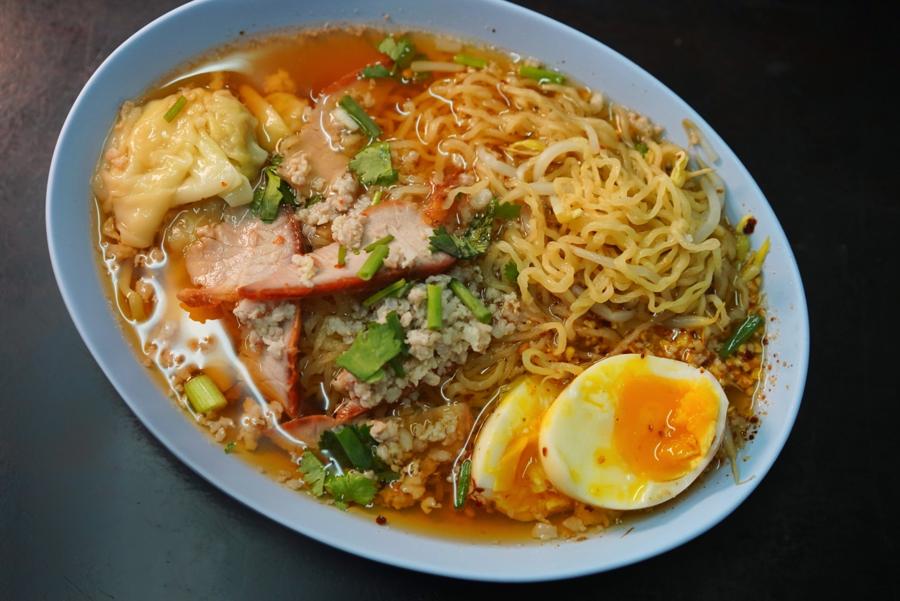
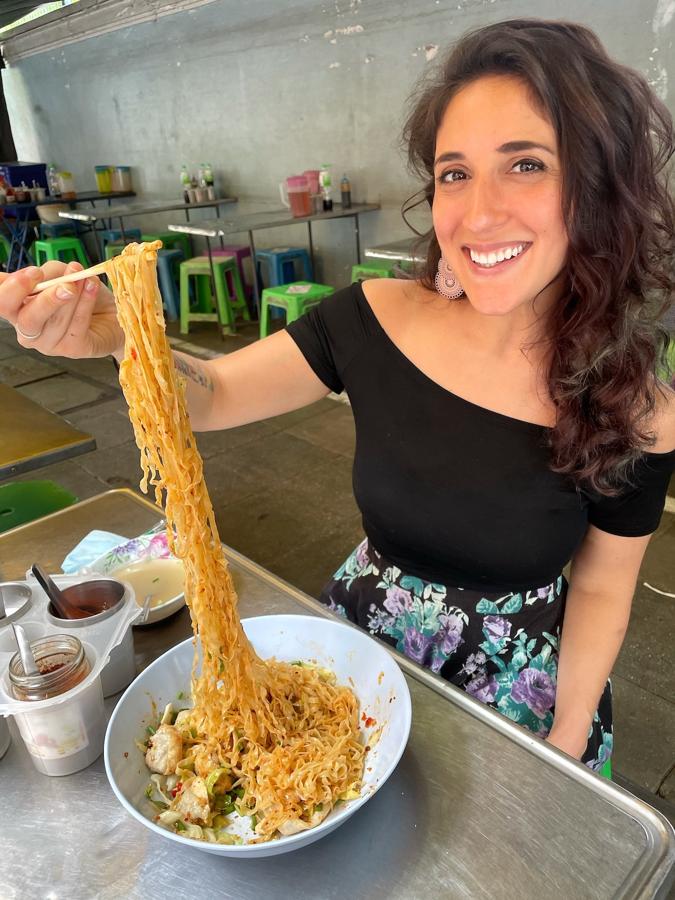
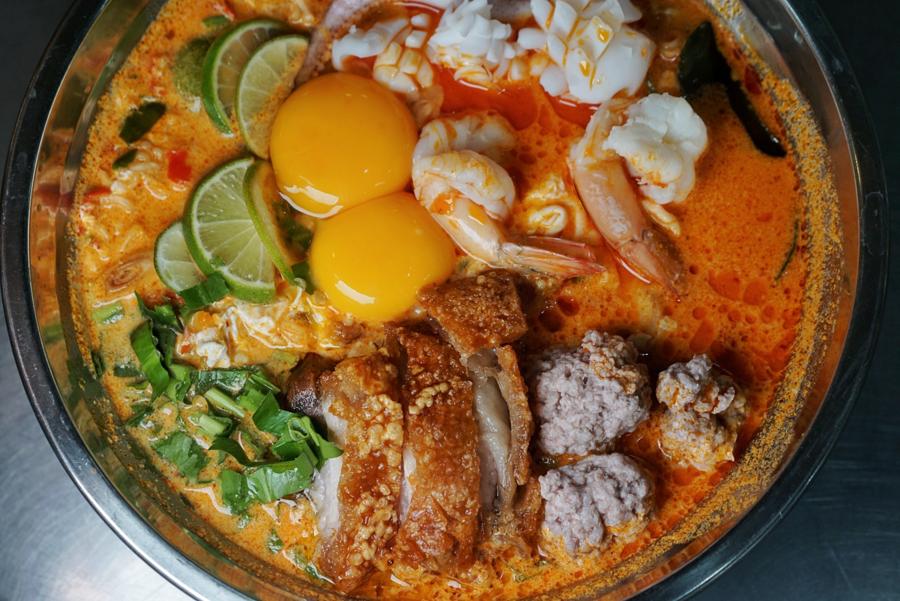
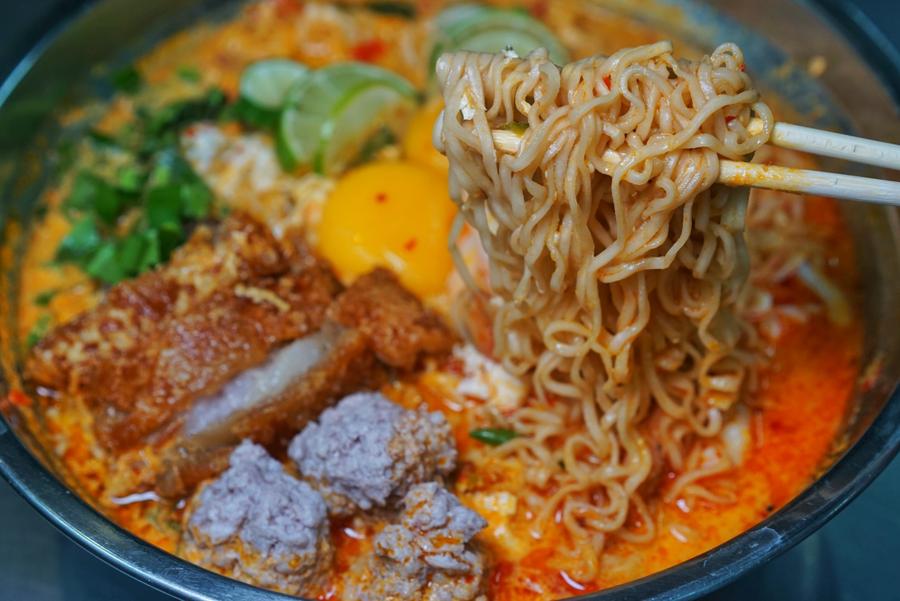
One of my most memorable encounters was serendipitously seeking shelter from a sudden downpour in a small storefront. Distracted by the rain, I didn’t notice the bubbling stockpot, but it was the sight of Lung Cheay's signature ropey egg noodles that snapped me back to reality. Celebrated amongst those in the know for its dry tom yum topped with succulent barbecued pork and flawlessly soft-boiled eggs, it’s a prime paradigm of the Thai rags-to-riches narrative. The constant queue snaking down the block is a far cry from its humble pushcart beginnings.
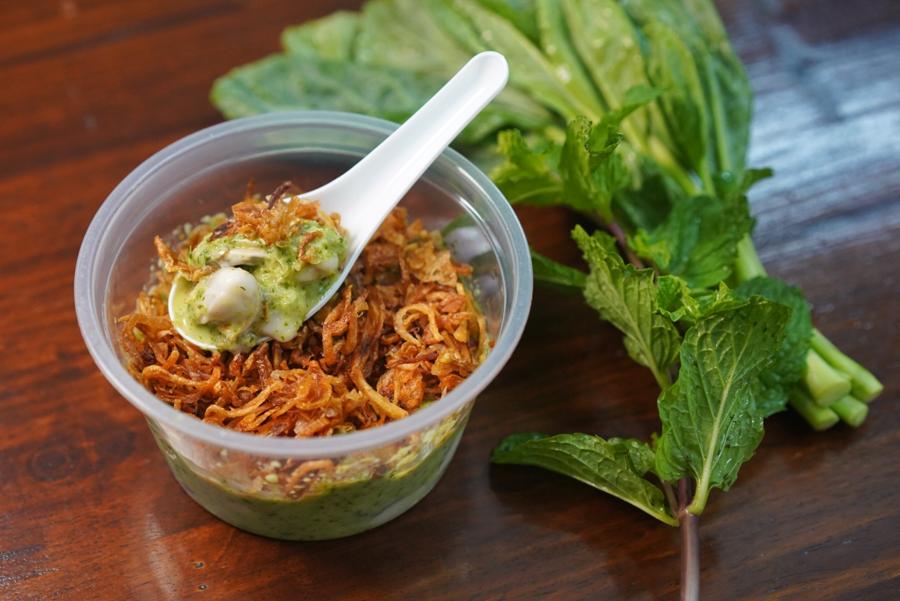
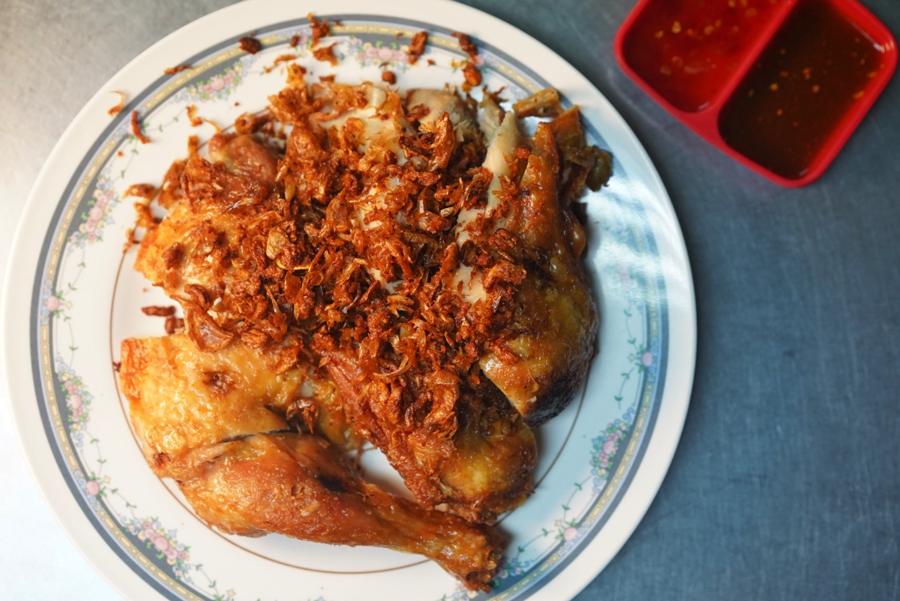
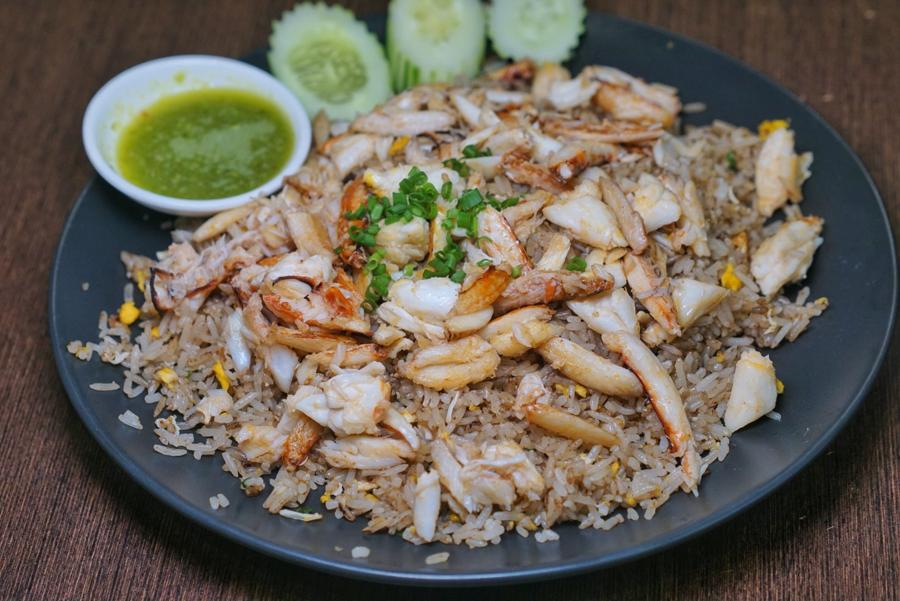
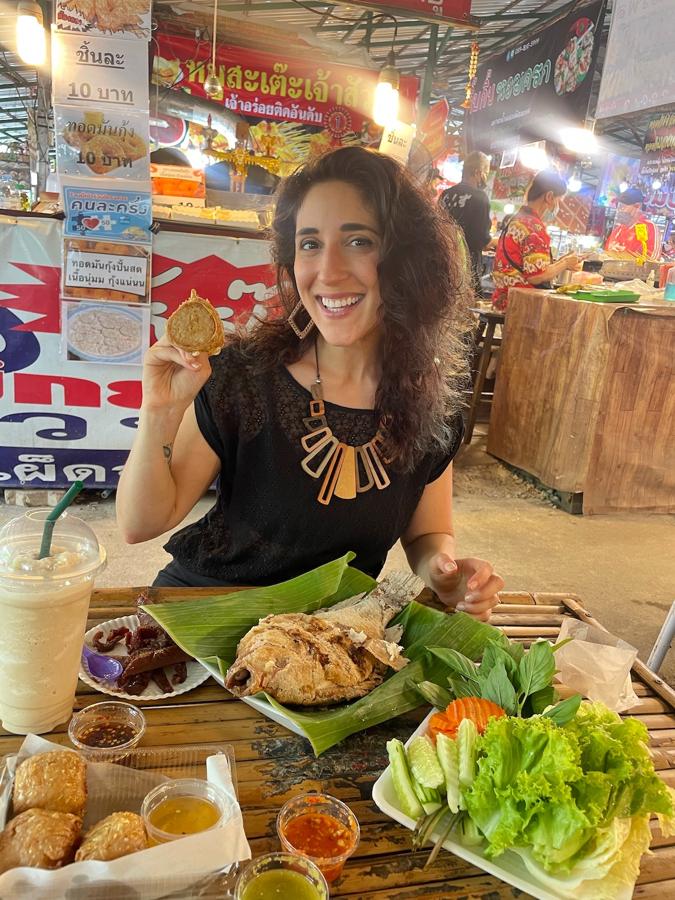
Other bites I never miss span melt-in-your-mouth, marinated seafood smothered in a zingy sour and spicy herb sauce at Pa Nee Kung Chae Nam Pla, fried chicken liberally caked in crisped garlic cloves at Polo Fried Chicken, and late-night pilgrimages to Talad Noi Crab Fried Rice overflowing with carb god devotees praying away tomorrow’s impending hangover.
I first visited Saigon in 2017 and returned three separate times that year; I couldn’t get enough. The city reflects historical influences from China, Cambodia, France, and the USA, culminating in a distinctly southern-style Vietnamese cuisine that bridges bold flavors, ferments, and an abundance of fresh herbs.
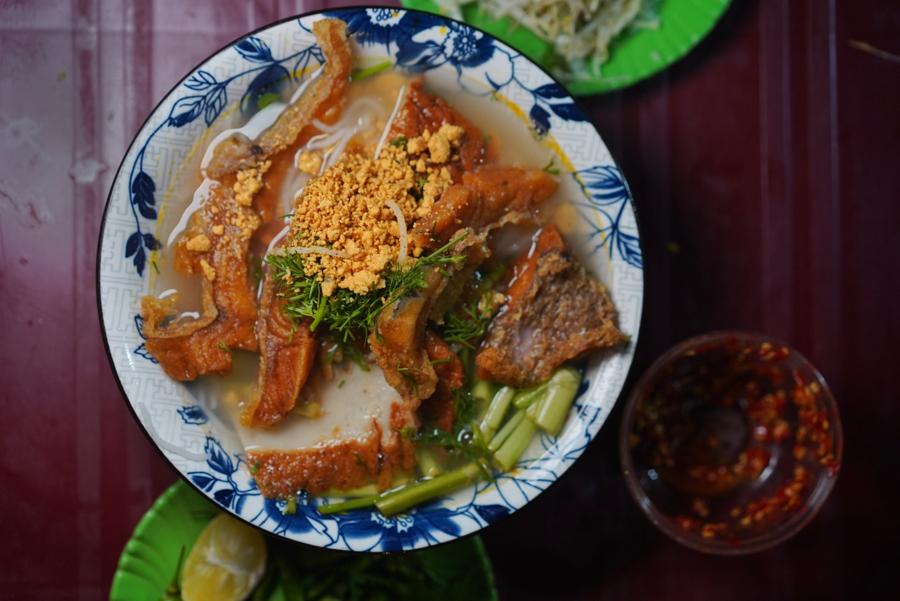
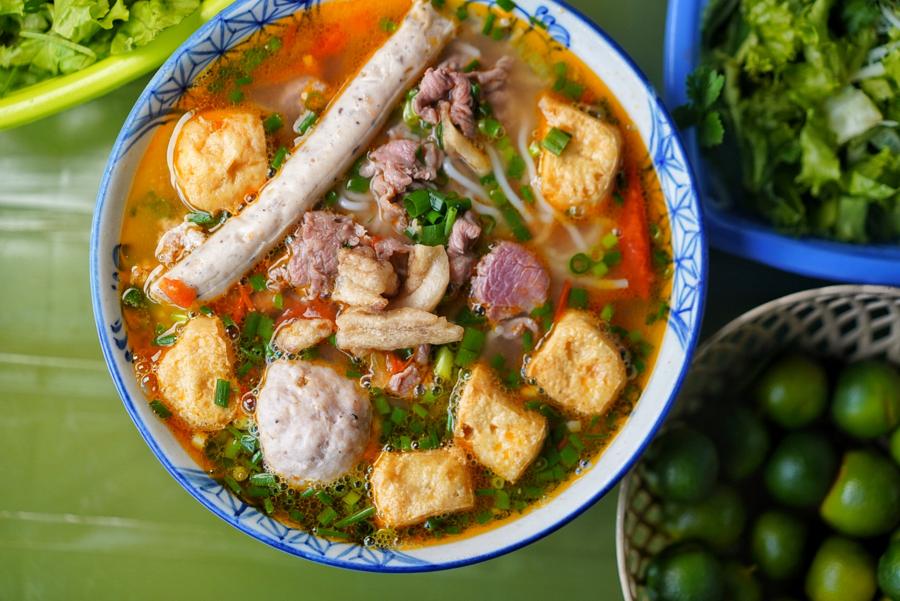
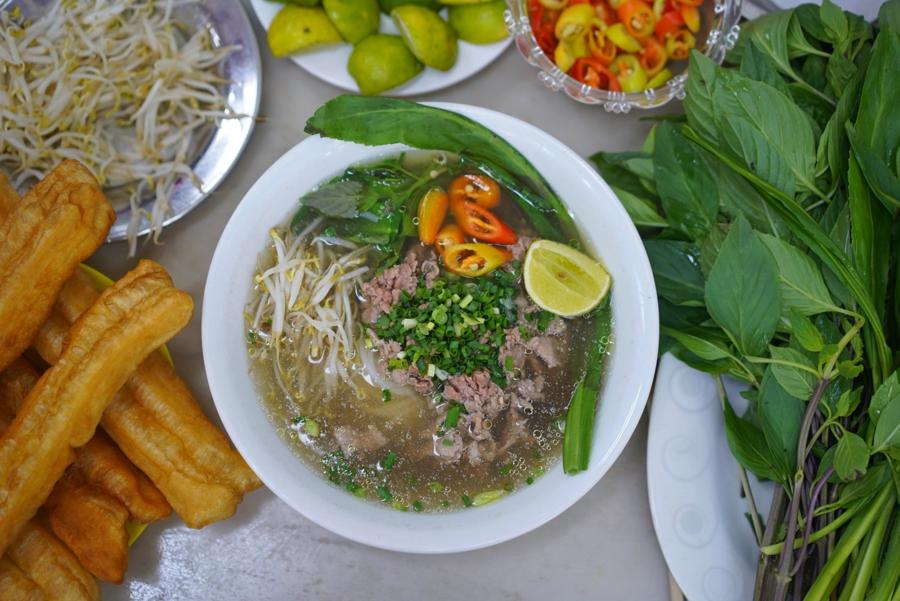
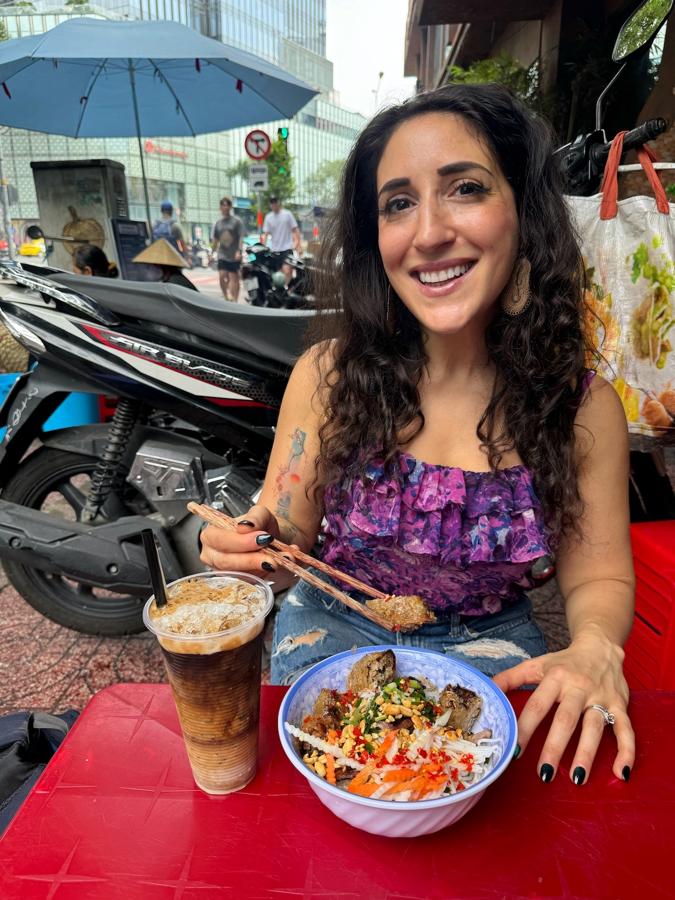
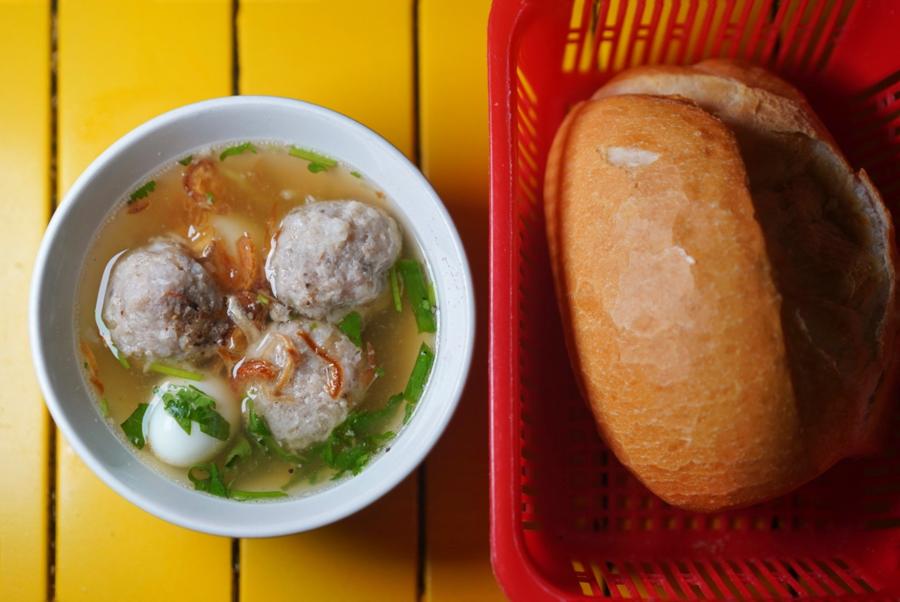
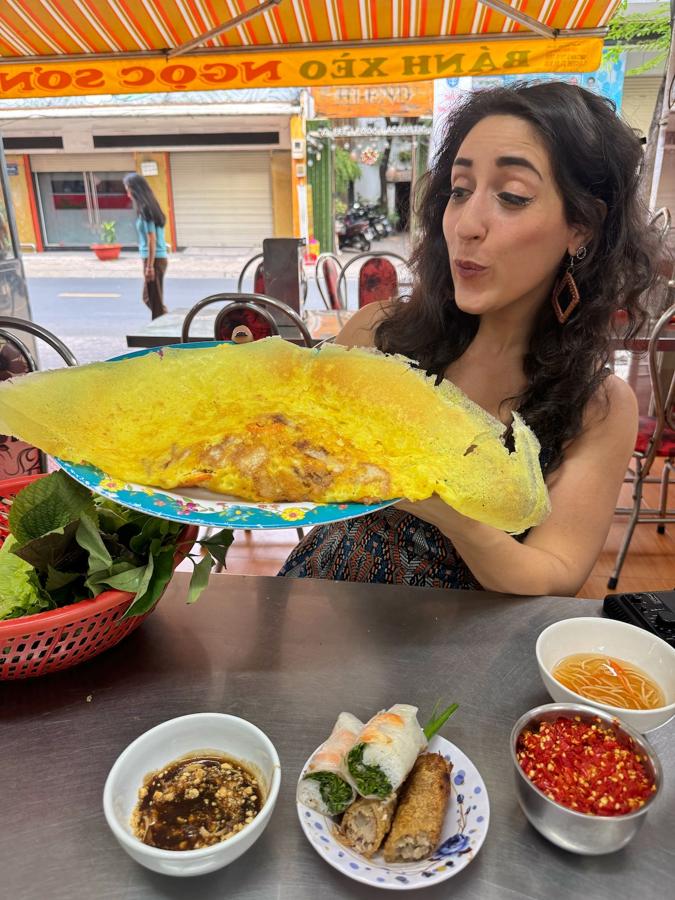
Street food forms the backbone of Saigon, with carts feeding the ebb-and-flow of passersby like blood pumping to the beat of the city’s pulsating heart. As evening marches into night, corners transform into impromptu eateries, with portable tables, plastic stools, and motorbikes abound.
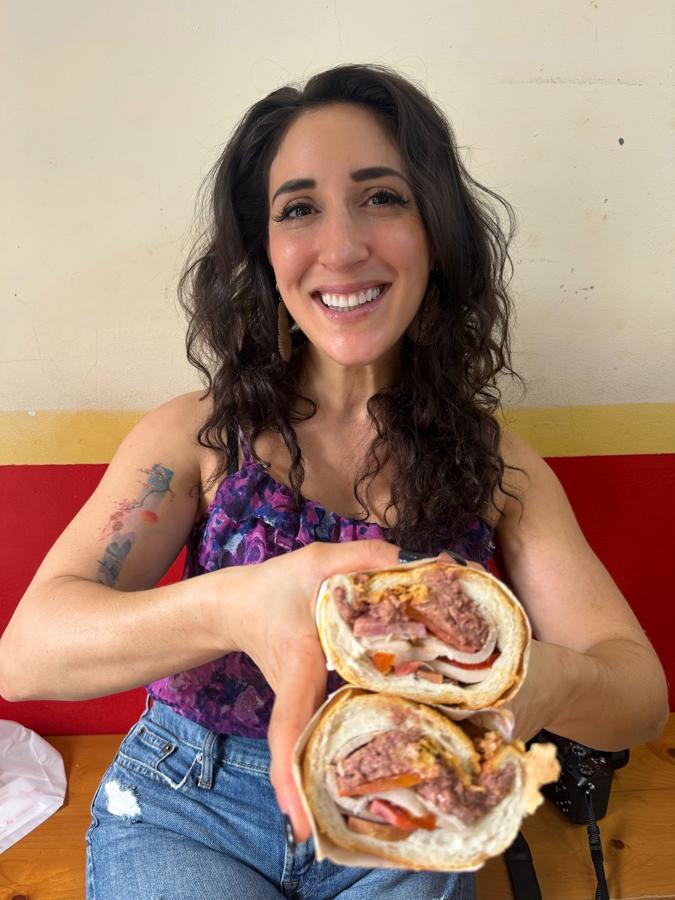
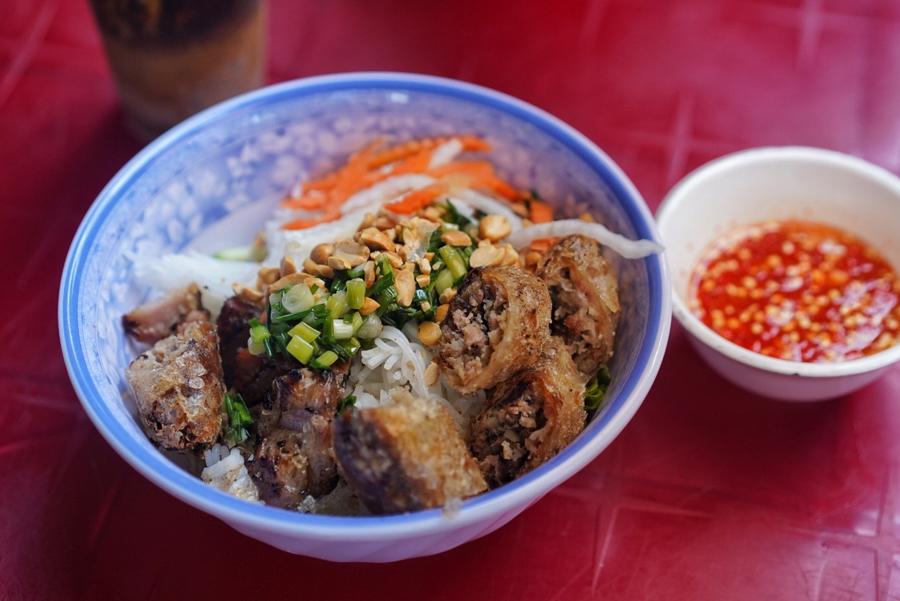
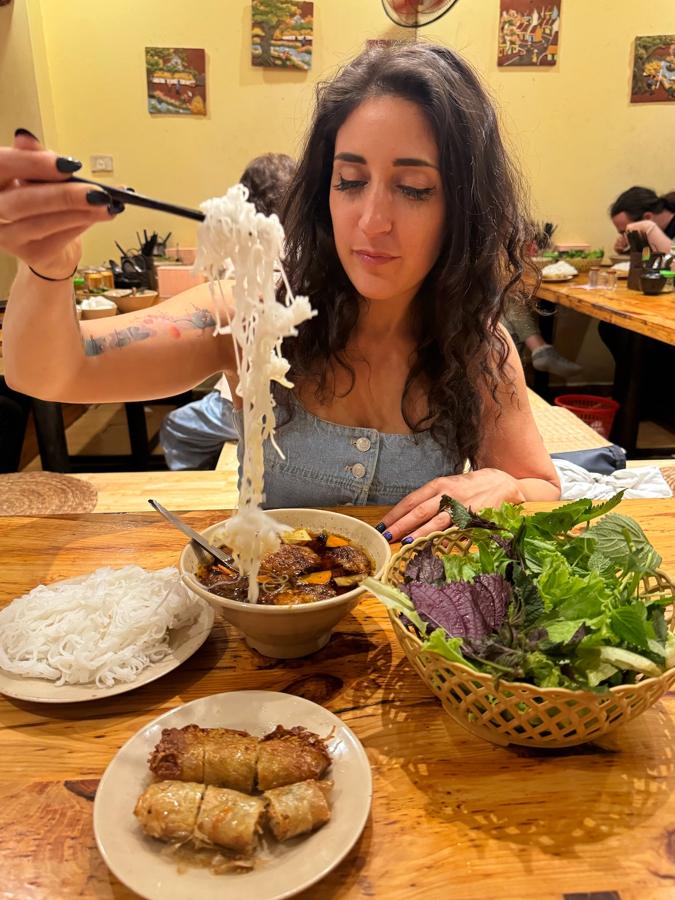
I’ve done my fair share of devouring in this street food Mecca, from Bún Thịt Nướng - Nguyễn Trung Trực – a 30-year-old, no frills stall doling out heaping bowls of vermicelli adorned with grilled pork, shatteringly crisp egg rolls, pickles, and a bouquet of herbs all doused in a zippy nuoc cham sauce – to Bún Cá Xe Dẩy – a late-night vendor ladling piping bowls of canh chua, a tangy pineapple, tamarind, and tomato soup laced with fried fish – to Xíu Mại chén Đèn Dầu – a lively street stand serving springy Vietnamese-style meatballs swimming in a fragrant broth alongside the ideal dipping fodder: a crusty baguette.
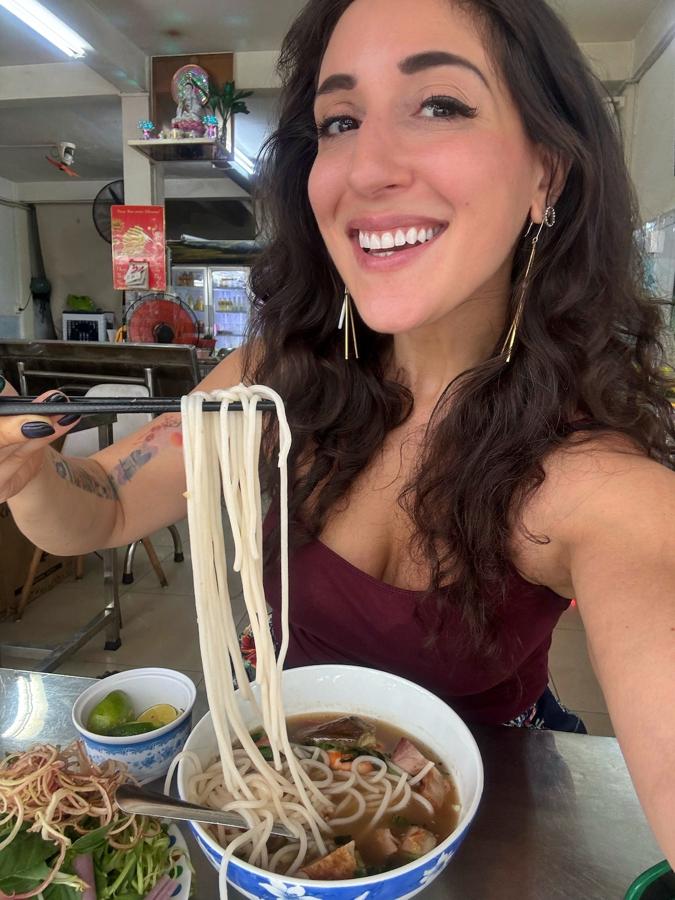
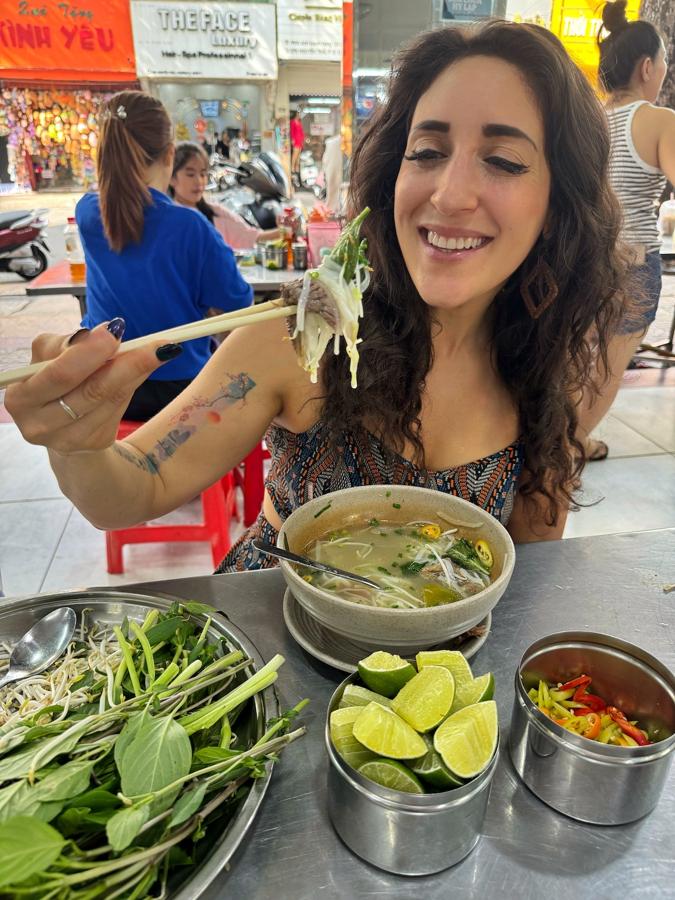
Regardless of how many times I visit, there’s always another miniature plastic chair flanking a buzzing back-alley popup waiting for me to take a seat.
Most famous for turning the spice dial up to an 11 through Sichuan peppercorn flakes that vibrate against your lips long after the meal concludes, and seemingly innocuous bites that still register on the Scoville scale, eating in Chengdu is an all-out heat offensive.
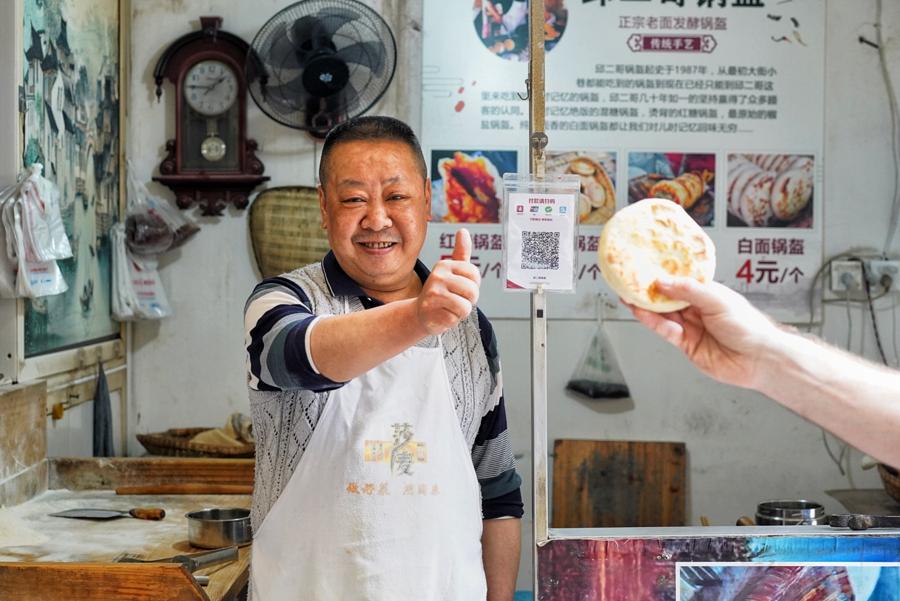
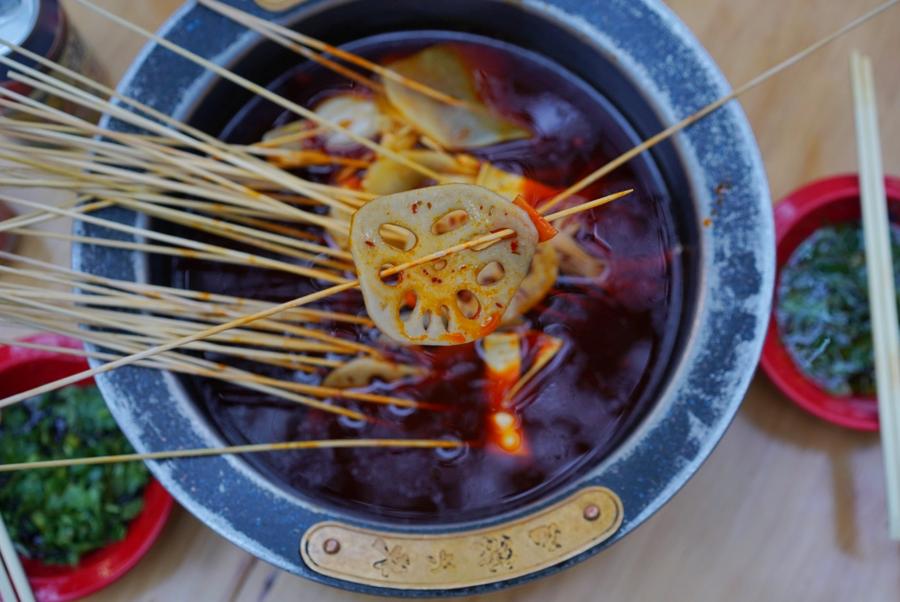
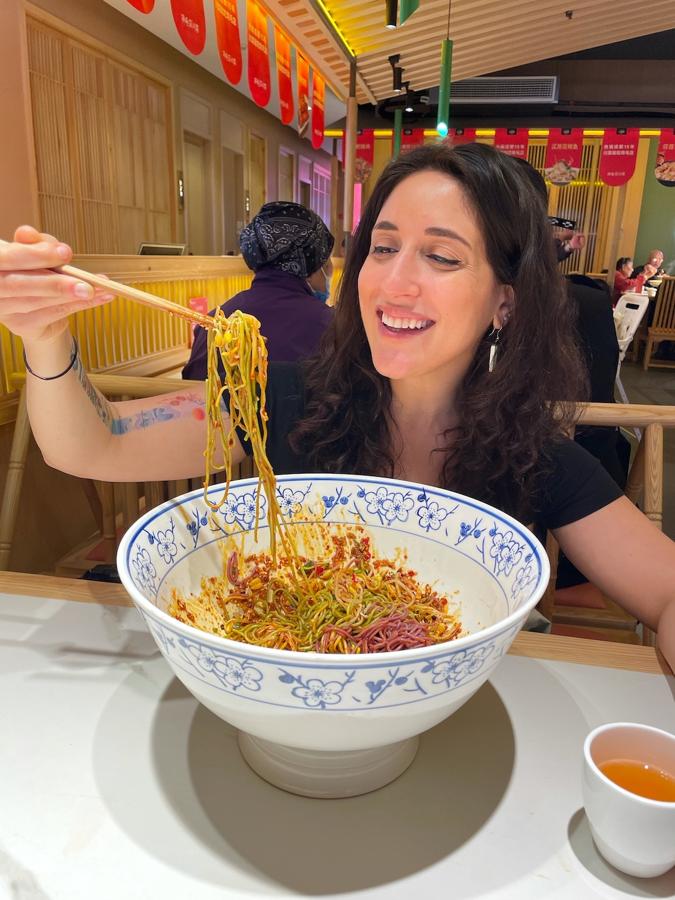
So, naturally, it’s my go-to for China culinary travel.
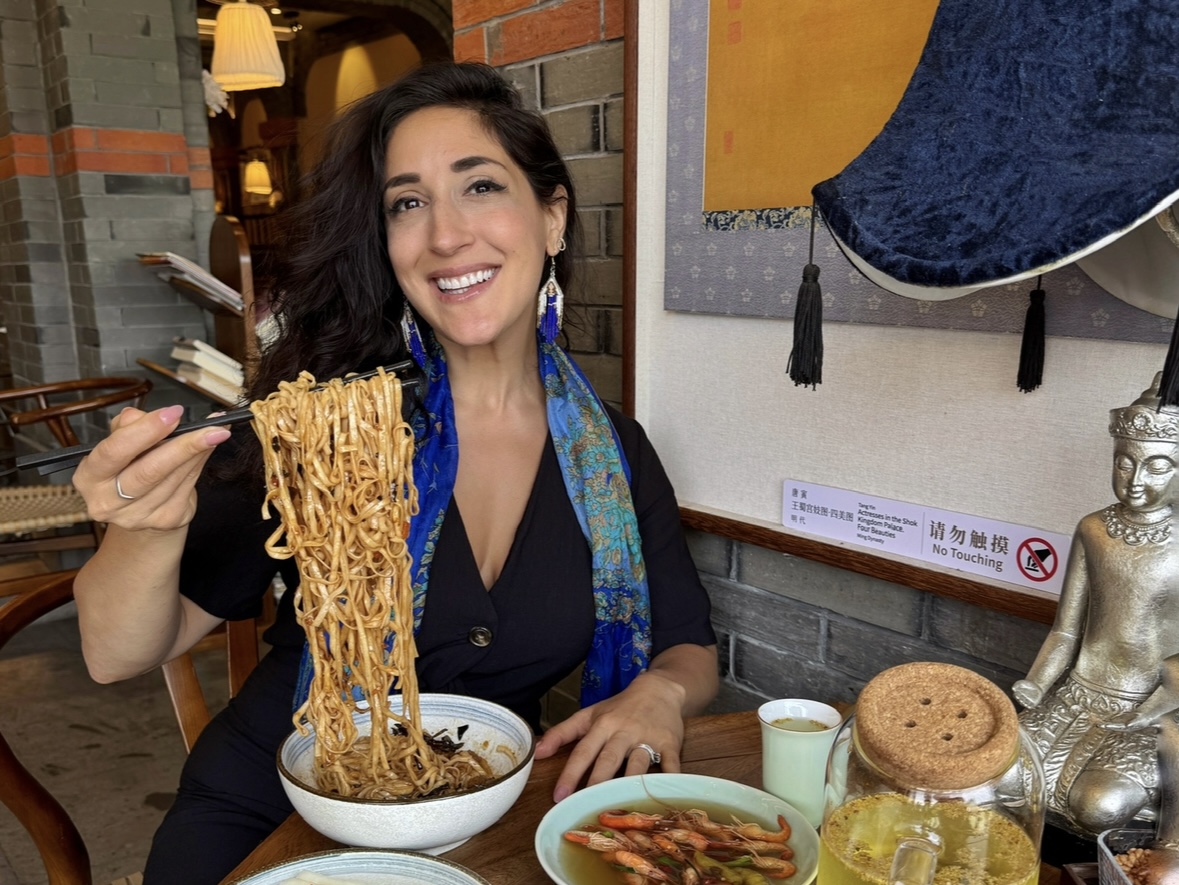
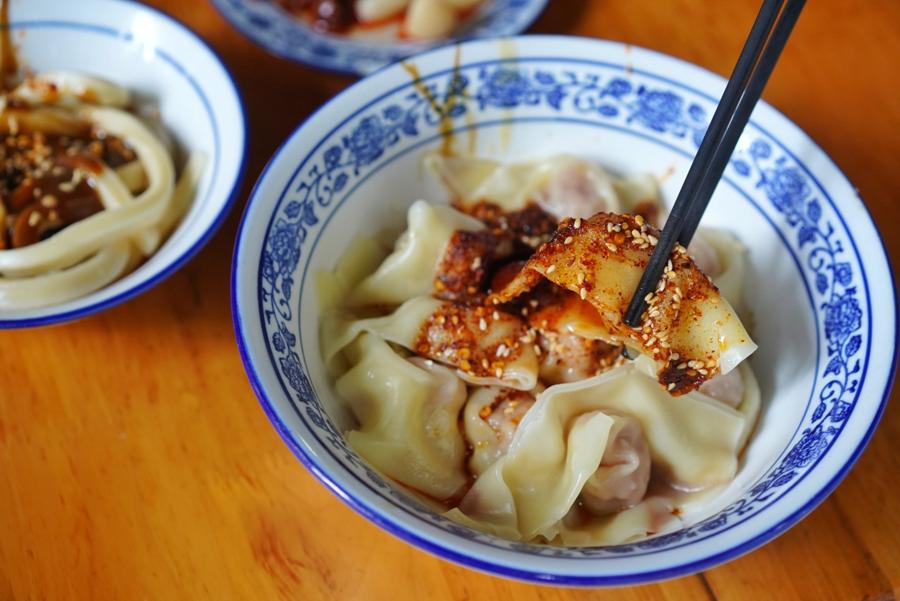
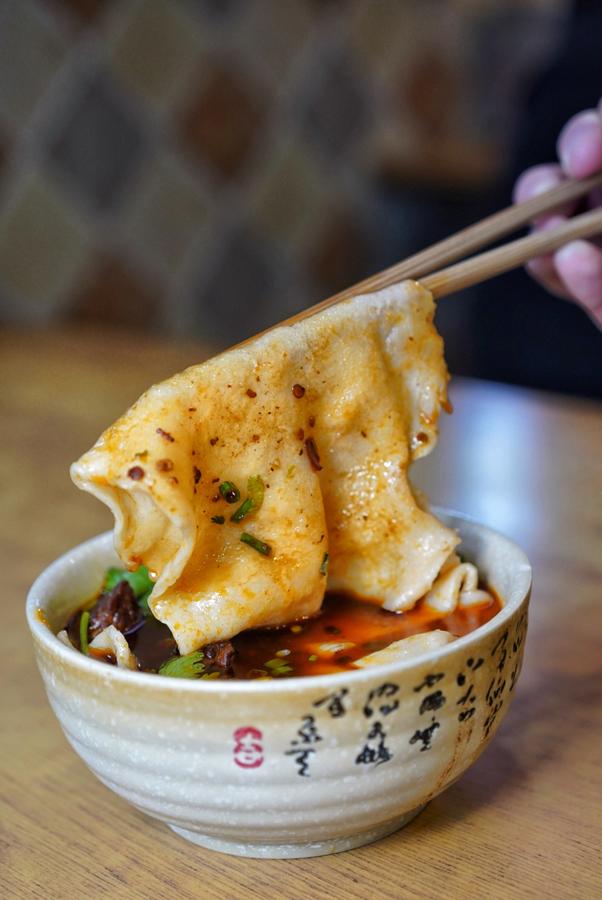
While wontons are ubiquitous within China, only in Chengdu will you find hongyou chaoshou (red oil wontons). Coated in glistening chili oil, these crescent-shaped pockets of joy are omnipresent, each spot tweaking the recipe ever-so-slightly to cause a ripple in the die-hard fandom of one wonton shop over the next. Warming bowls of wontons sprinkled with friendly shopkeeper chitchat earmark my annual pilgrimages to China’s spice capital.
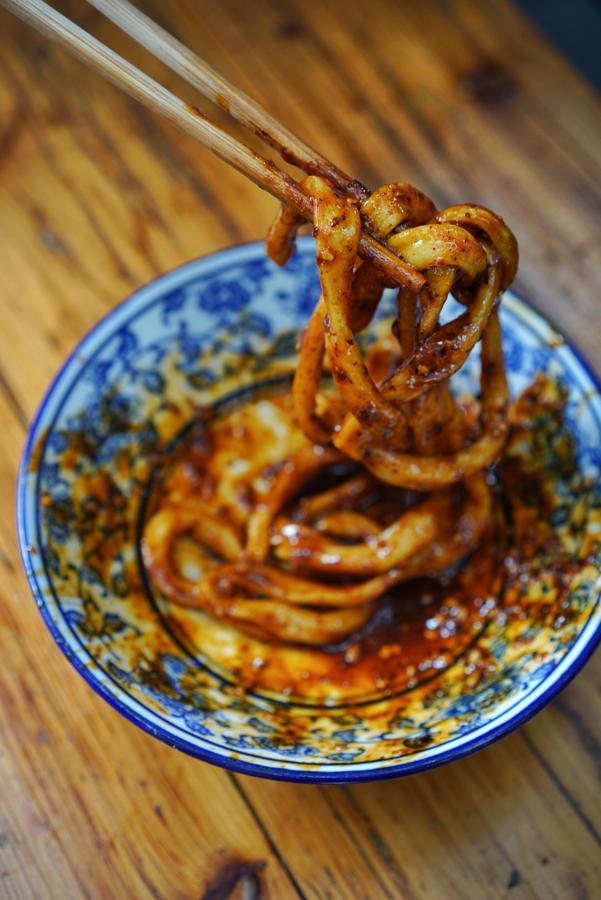
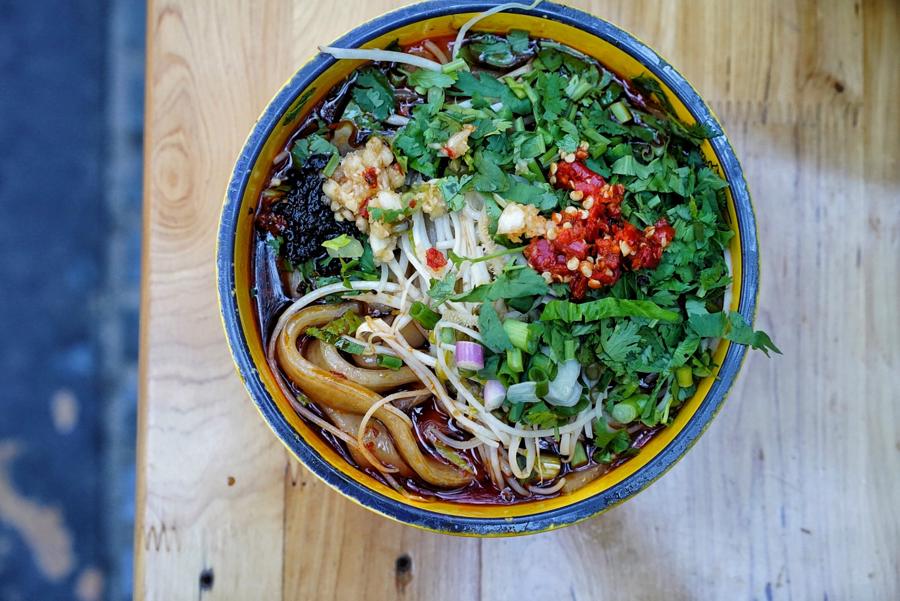
On the other side of the spectrum, tianshuimian (sweet water noodles) spotlight Sichuan’s signature guaiwei or ‘strange-flavor,’ – a seasoning that incorporates spicy, salty, sesame, sour and sweet tastes. Cord-like al dente noodles are swaddled in dark and light soy sauce, chili oil, sesame and garlic pastes, crushed peanuts, Sichuan peppercorns, and brown sugar syrup, forming a slick gravy that varnishes each strand with a nip of addicting, lip-tingling spice.
Sitting with a brimming bowlful of bland noodles in Tokyo, I’ve been left with frustration rather than fulfillment more times than I care to recount. Japan, as a whole, struggles with excess hype and over-tourism resulting from a fetishization of its culture. It’s in vogue to collect kawaii memorabilia, swap coffee for matcha, and recount every Miyazaki movie ever made. Even I have an anime bowl of ramen tattooed on my arm. (Zero regrets)
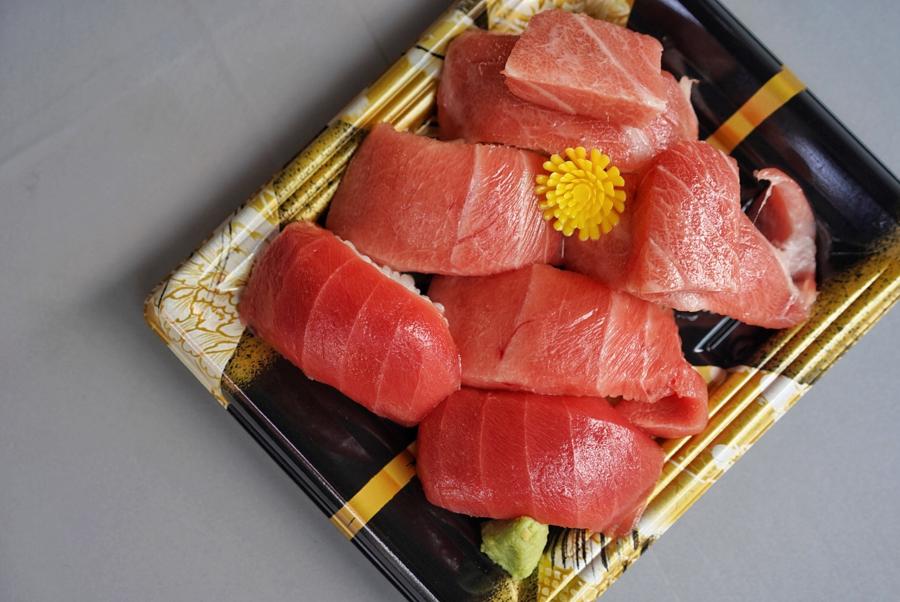
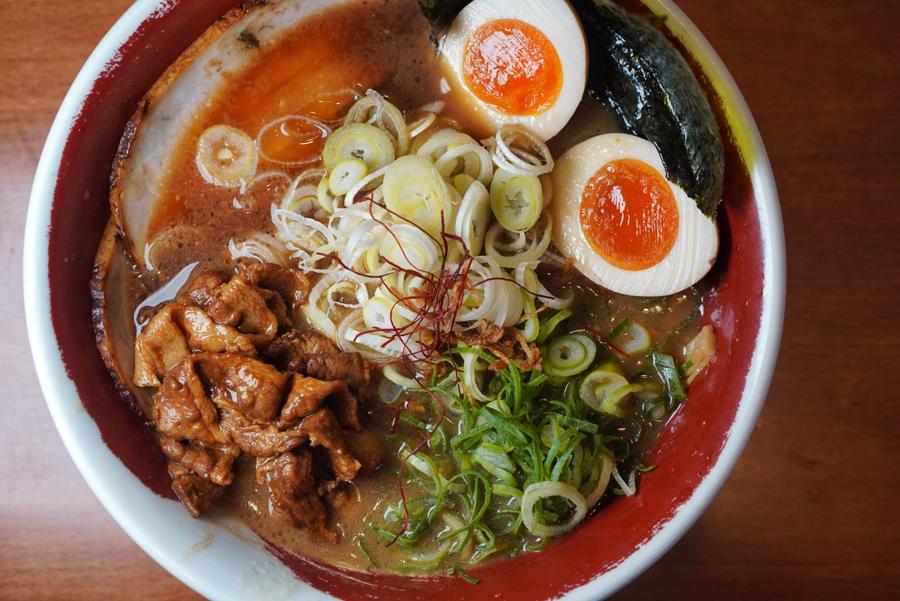
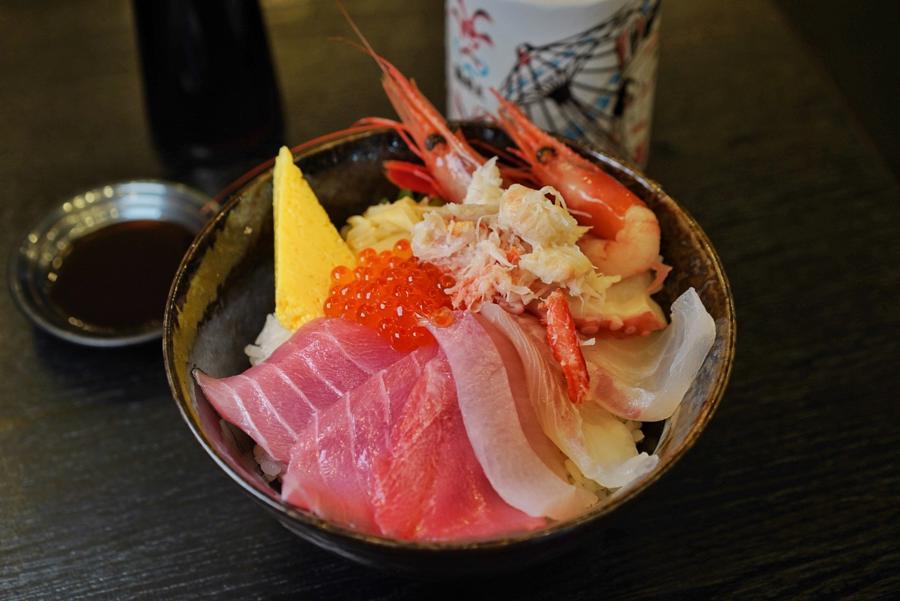
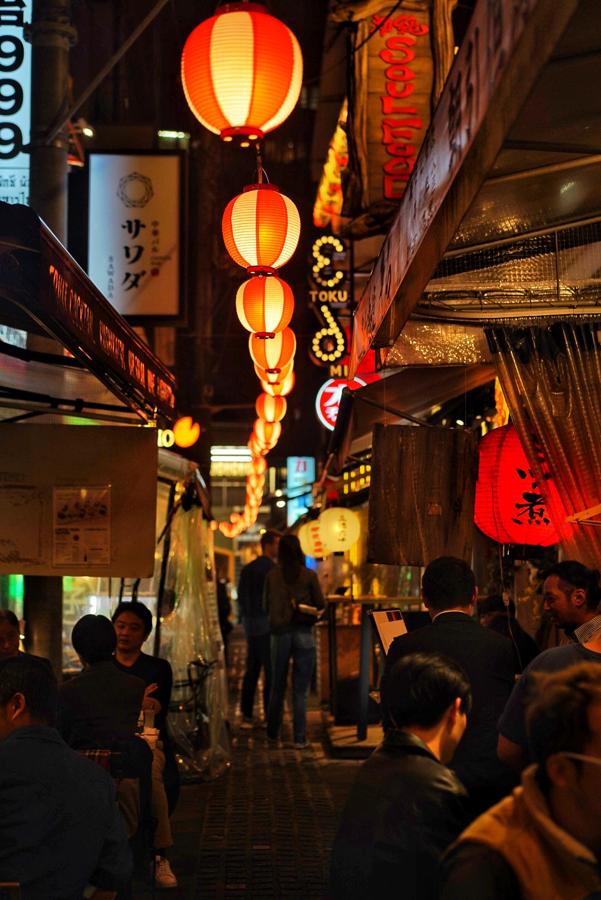
Tokyo is the epicenter of that trendiness.
Misguidedly viewed as the pinnacle of Japanese food, visitors (me included) far too often fall prey to viral ramen shops, jiggly pancake cafés, and must-try markets with inflated price tags to match, places popularized by social media with long waits for mediocre results. While the same argument can be made for many international cities, in Tokyo, I find it to be more blatant.
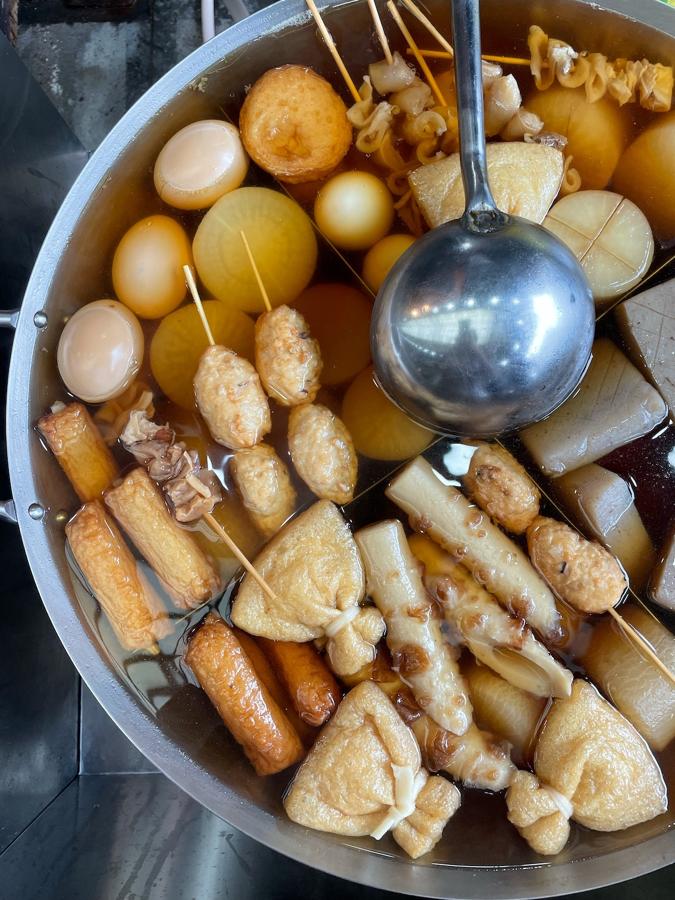
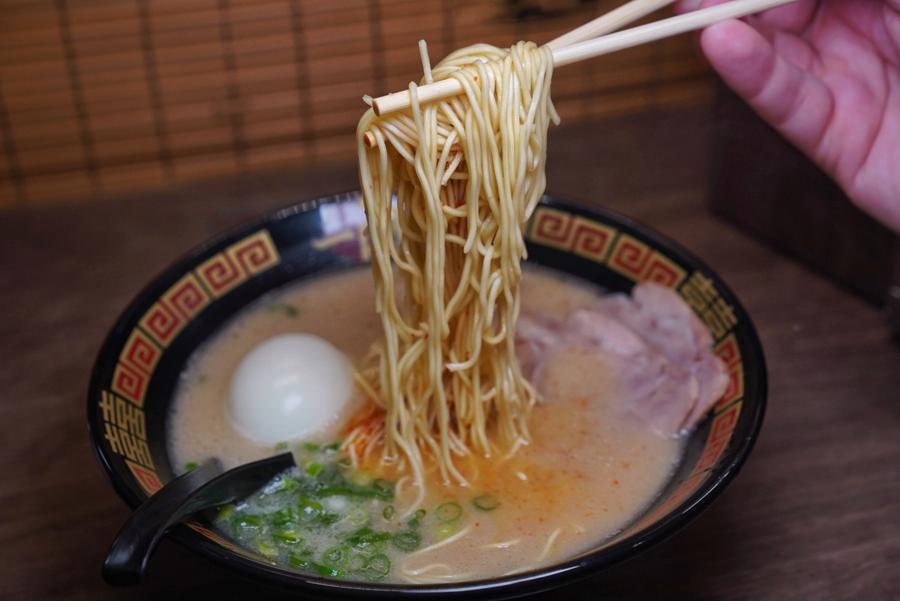
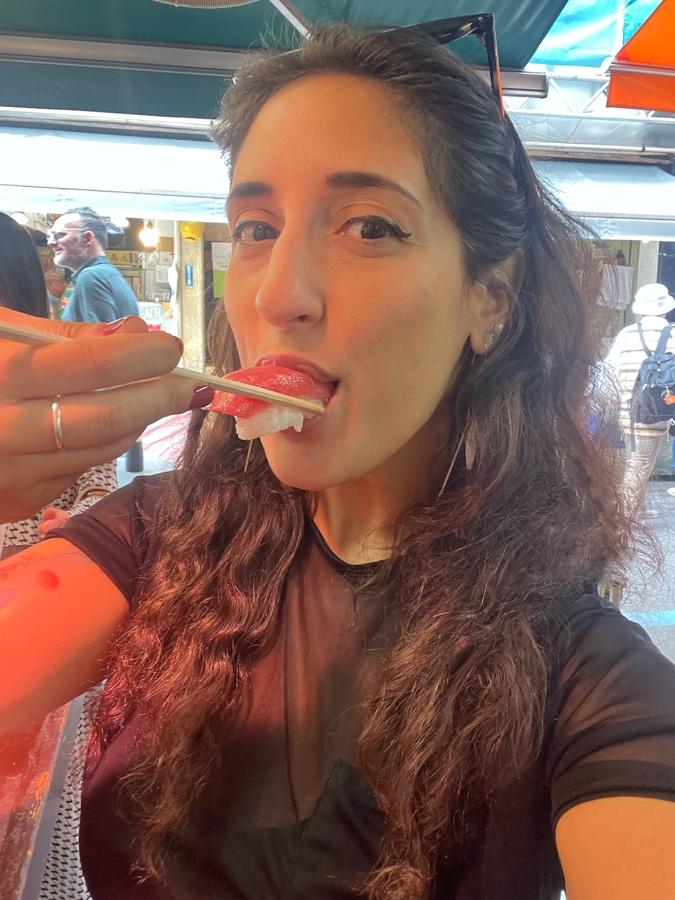
This is in no way a dig at Japanese food; it’s one of my favorite cuisines. From thick-filets of bonito seared over dried straw-fed flames in Kochi Prefecture to bubbling Osaka streetside vats filled with oden (chunks of daikon, tofu, and fish cakes simmered in an intensely aromatic broth, reminiscent of a mug of tea and a good book on a lazy Sunday afternoon), throughout extensive travels in Japan, I’ve returned home satiated and satisfied. But as an outsider in Tokyo specifically, I struggle to decipher between the riff and raff.
However, with Tokyo as my neighbor, there’s always room for a new chapter in my Asian food love saga.
*An adapted version of this article was originally published here on Business Insider.

My name is Sophie Steiner, and welcome to my food-focused travel blog. This is a place to discover where and what to eat, drink, and do in Shanghai, Asia, and beyond. As an American based in Shanghai since 2015 as a food, beverage, travel, and lifestyle writer, I bring you the latest news on all things food and travel.
Your email address will not be published.
Be the first to comment!

Sign up for tips on the latest Shanghai openings, and other food, beverage, and travel content
© 2026 Sophie Steiner
Privacy Policy