48 Hours in Shanghai: What to Do, Eat, Drink, and Explore
A curated guide to Shanghai's best kept secrets
December 3, 2021
Updated February 13, 2026
Still generally unfamiliar to those outside of China, Guizhou province has rapidly become one of the country’s top tourist destinations over the last few years. Rolling verdant mountain scenery, flowing waterfalls, traditional minority villages tucked into valleys and undulating rice terraces make Guizhou a favorite amongst history buffs, nature lovers and photo bloggers alike.
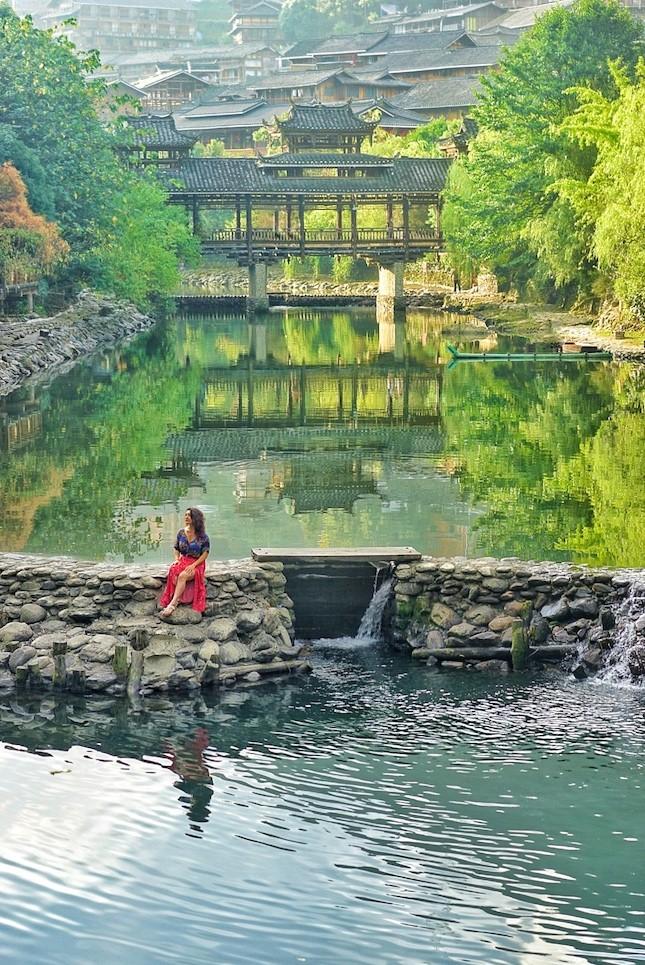
Located in southwest China – nestled between Yunnan, Sichuan and Guangxi – this under-commercialized region acts as a retreat into rural landscapes for those who have already visited China’s most-famed sites and are now ready to understand its other, more authentic side.
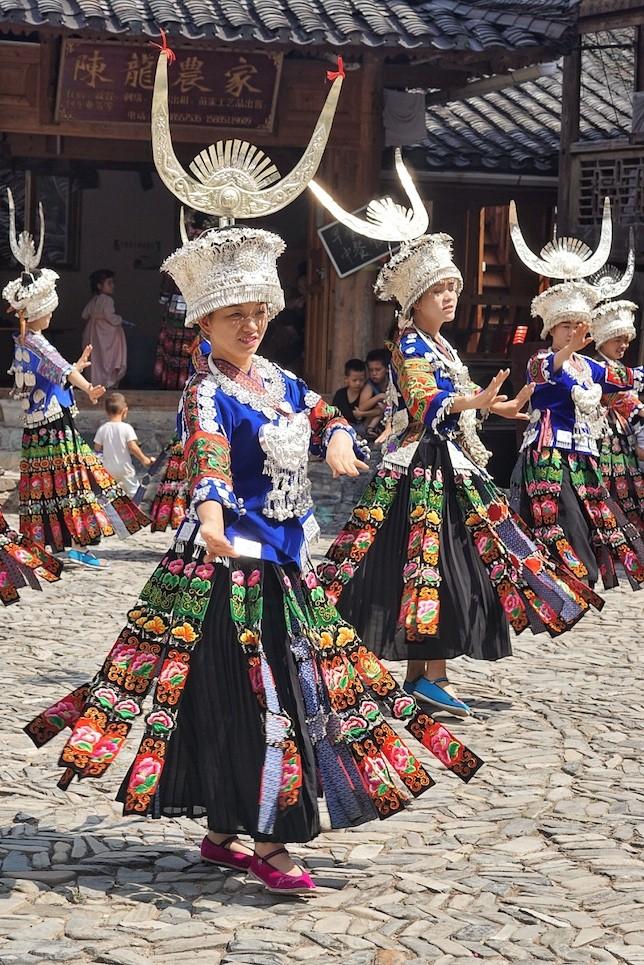
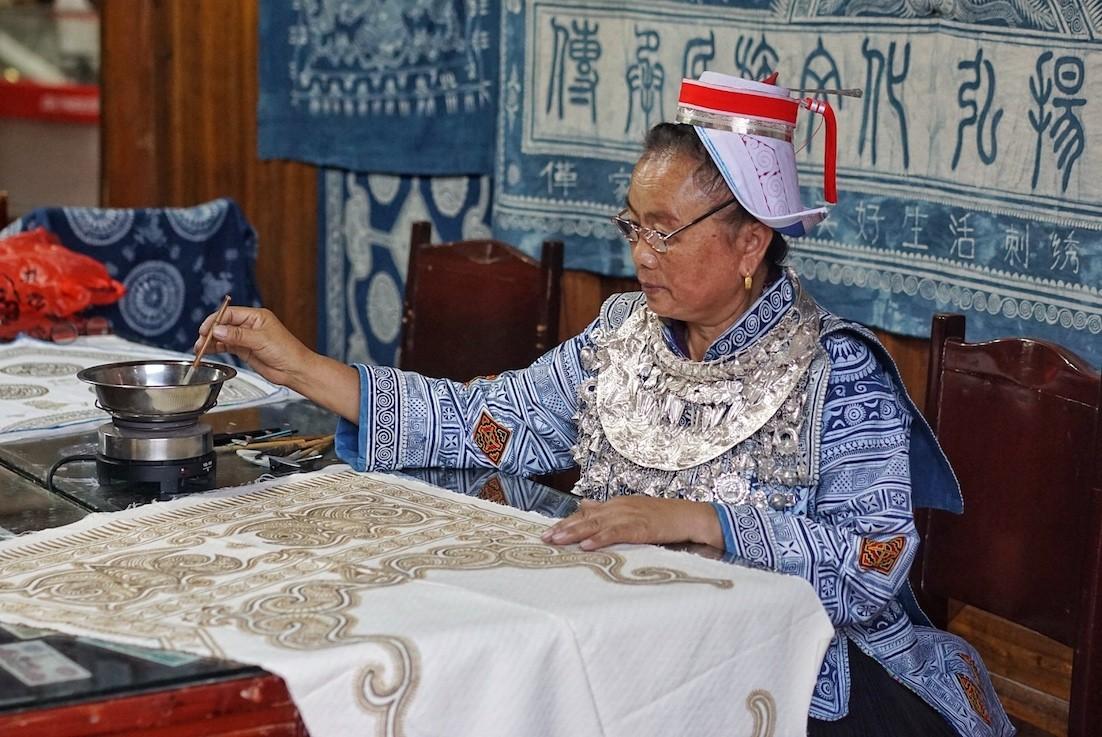
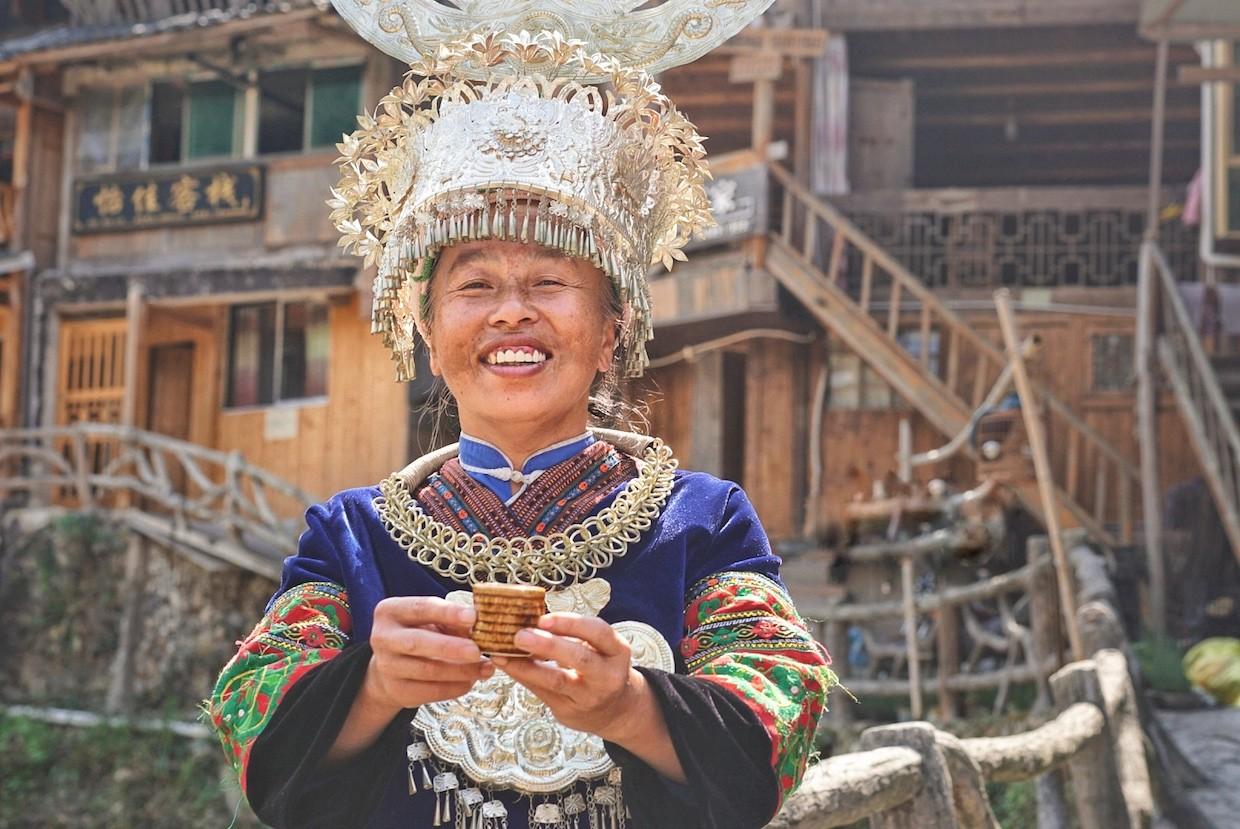
Despite being known as one of China’s poorest provinces, Guizhou is rich in minority heritage. A trip to this unsung area offers travelers a cultural respite for exploring remote countryside communities, observing local customs and experiencing traditions that make each township distinct. The ethnical identity varies greatly, allowing sightseers to discover thousands of years of abundantly diverse Chinese history without the strenuous travel days.
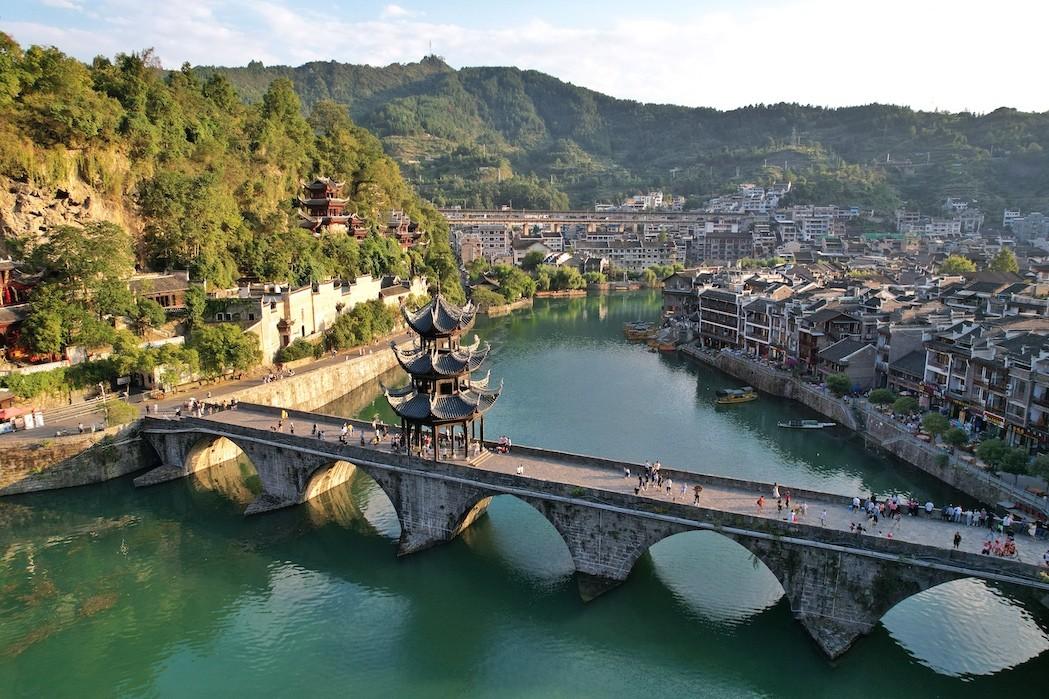
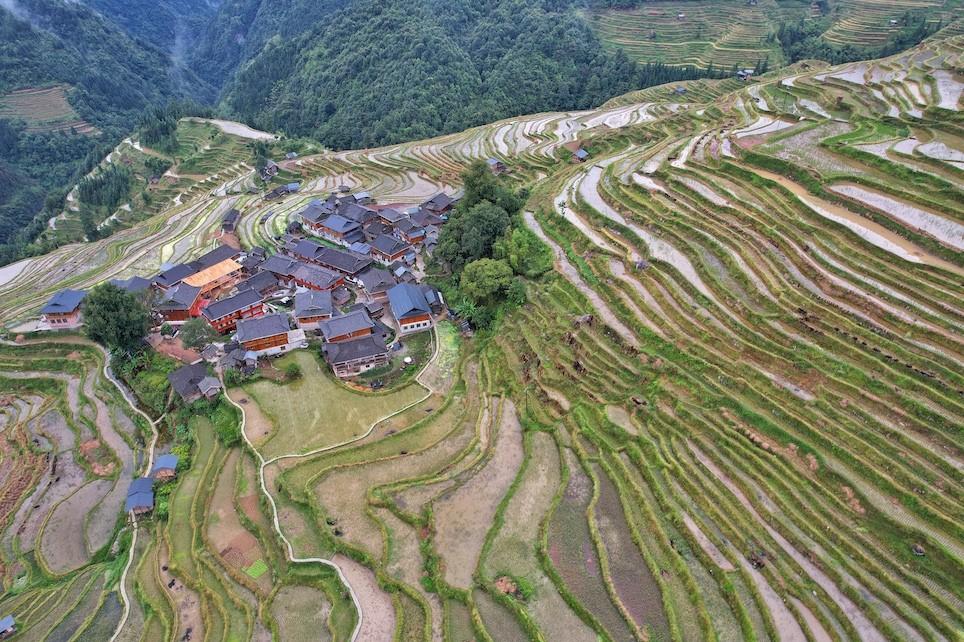
Guizhou also boasts surreal scenery, from pristine natural reserves and sprawling parks to gushing waterfalls, some of the world’s largest cave systems and mountainous hiking routes. And it has the added allure of being almost completely unknown to the outside world, making its unexplored ecological havens all the more enticing.
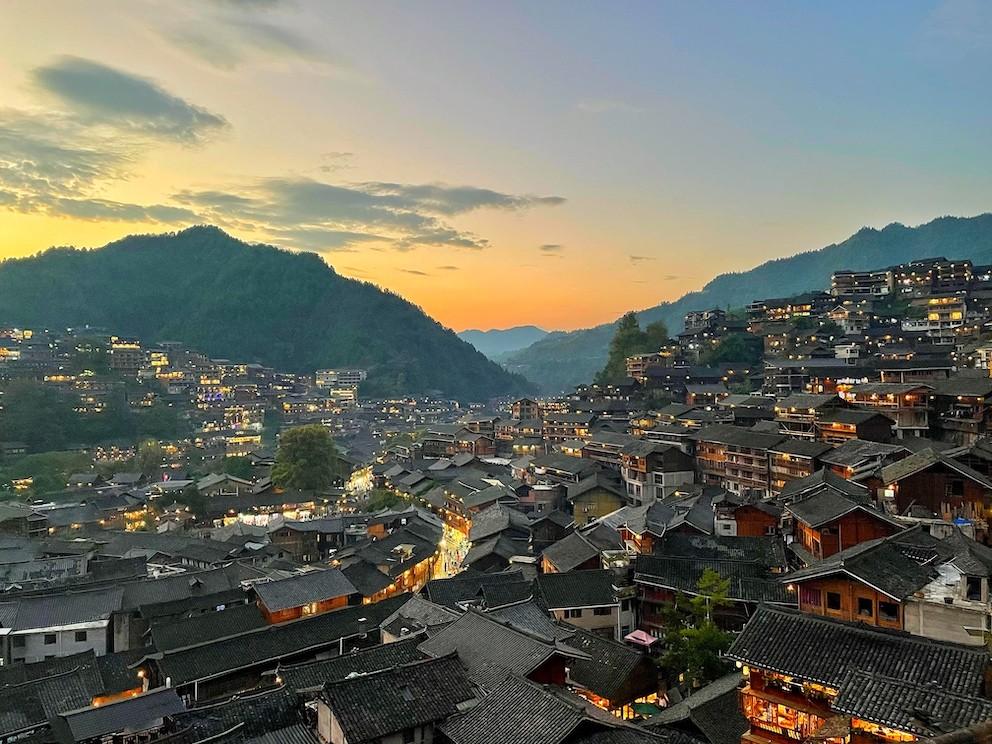
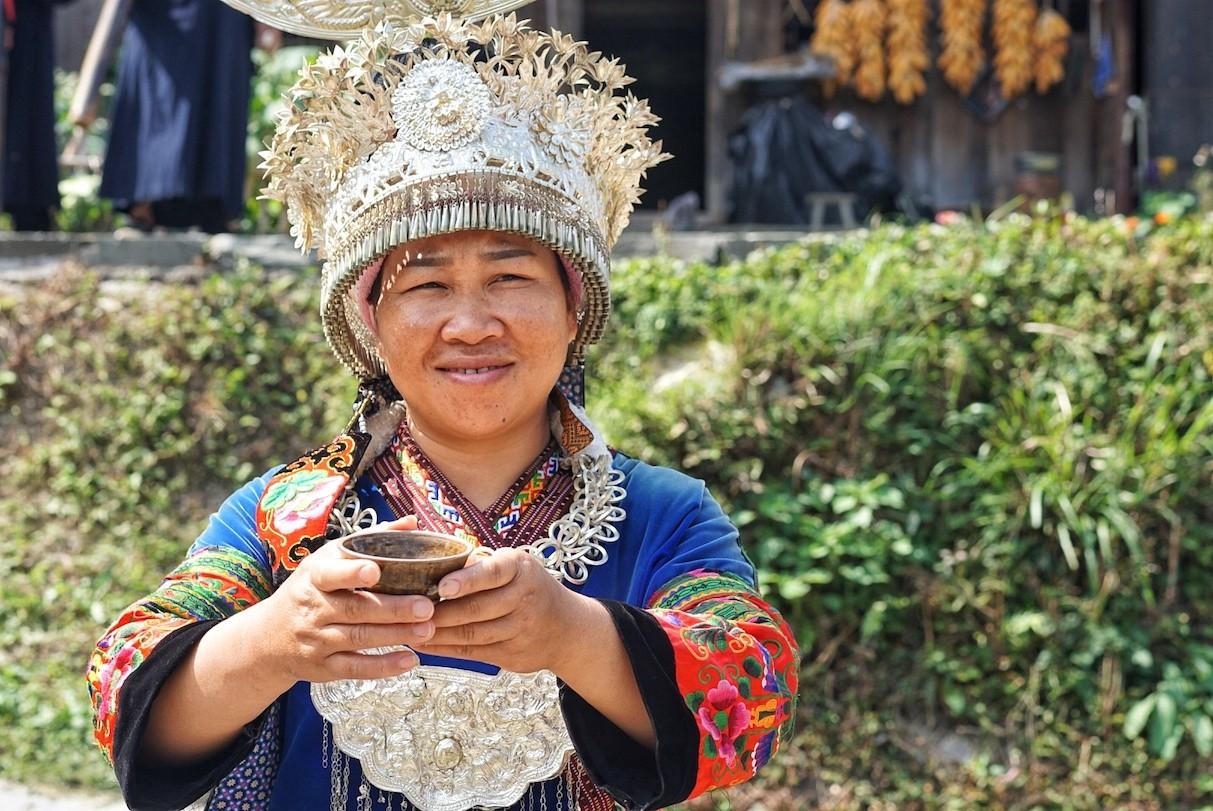
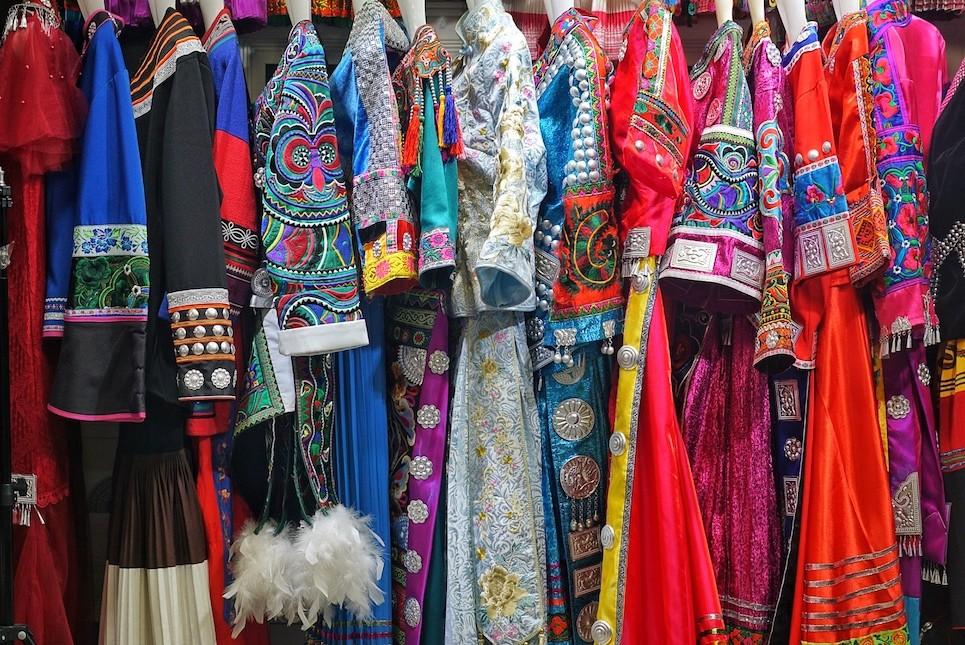
One third of Guizhou’s population belongs to various minority groups, the most prevalent of which include Miao, Buyi and Dong. The colorful multi-day festivals attract thousands of participants to remote hamlets to experience these one-of-a-kind celebrations.
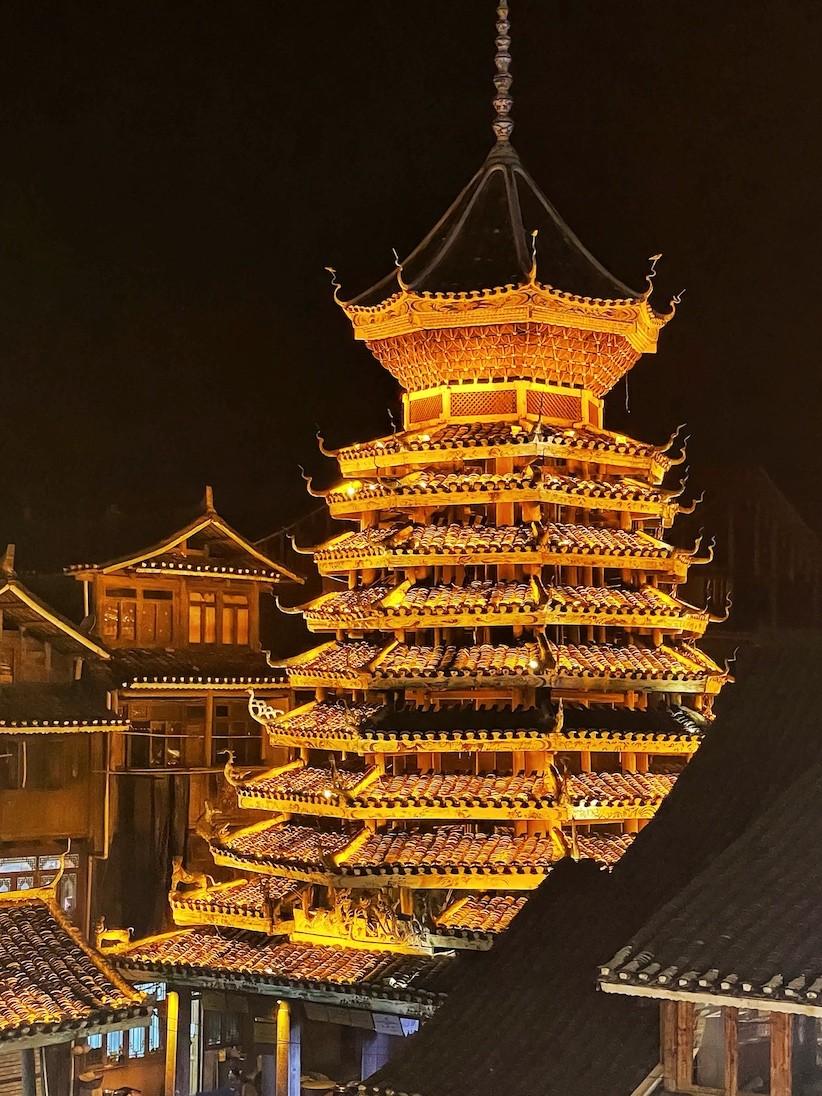
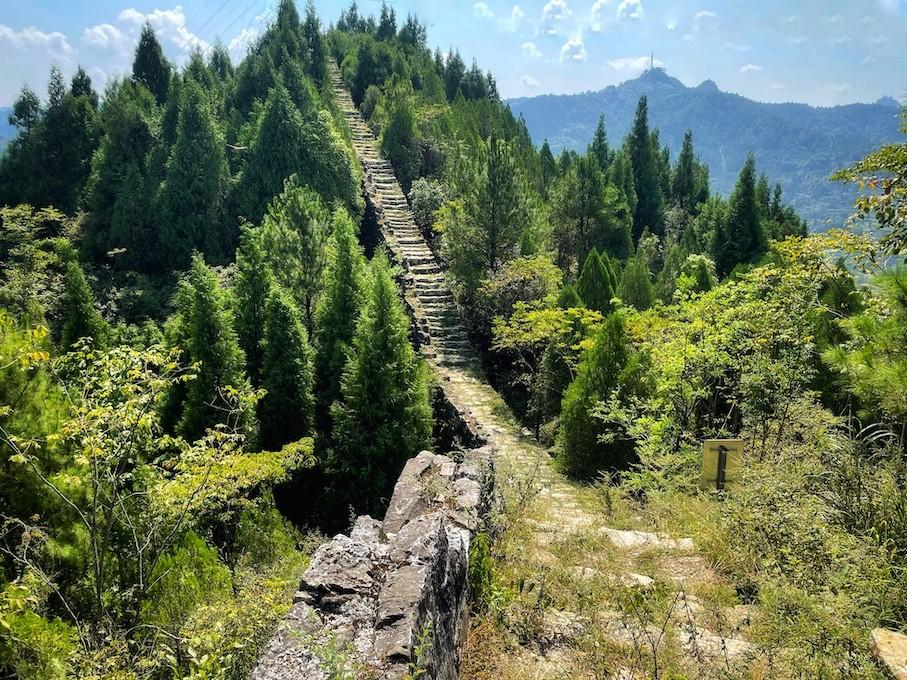
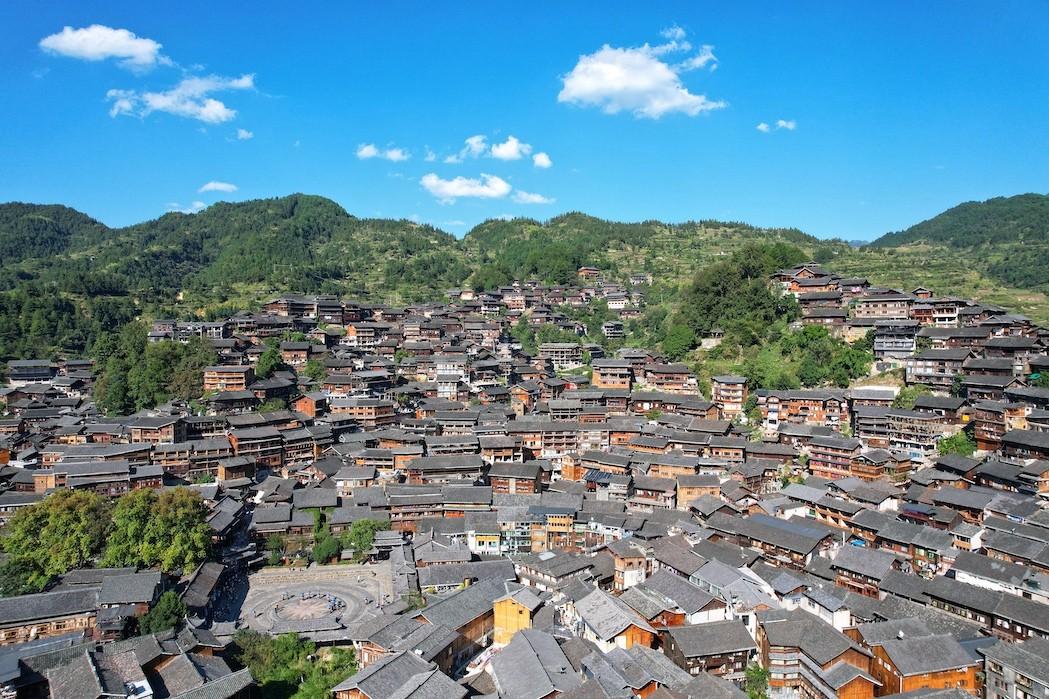
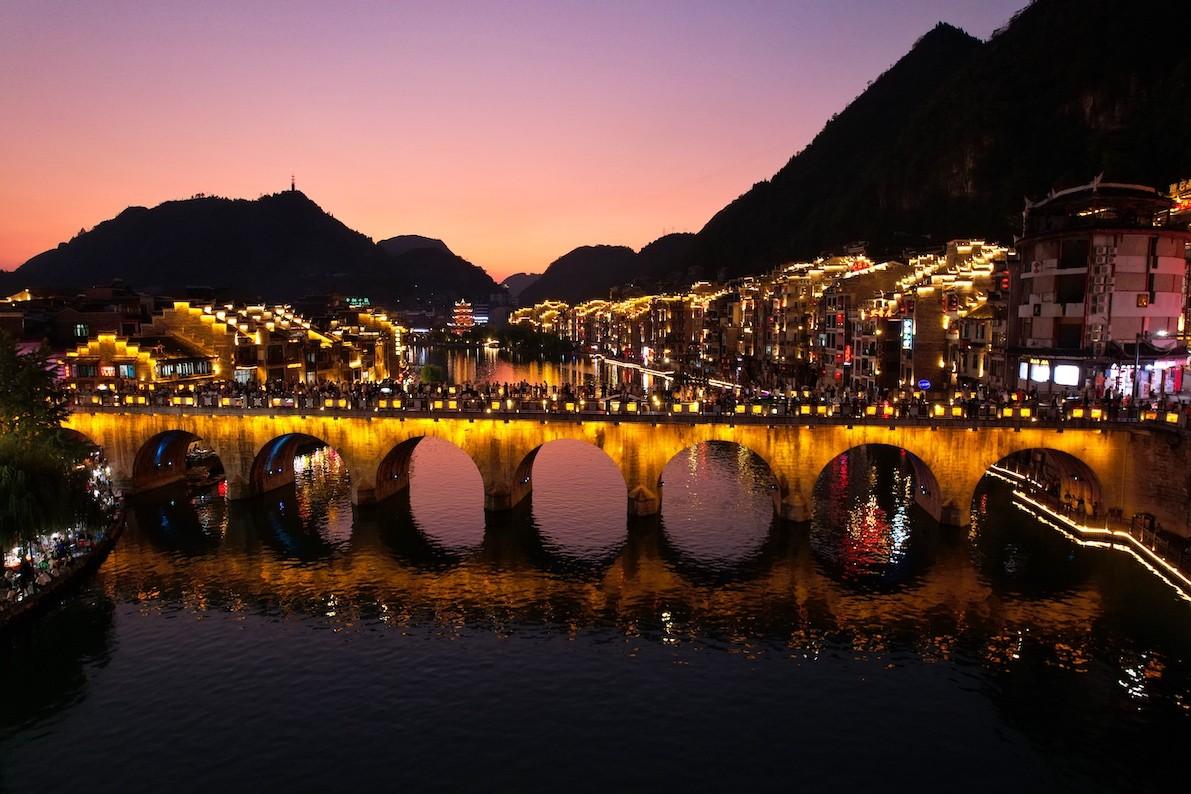
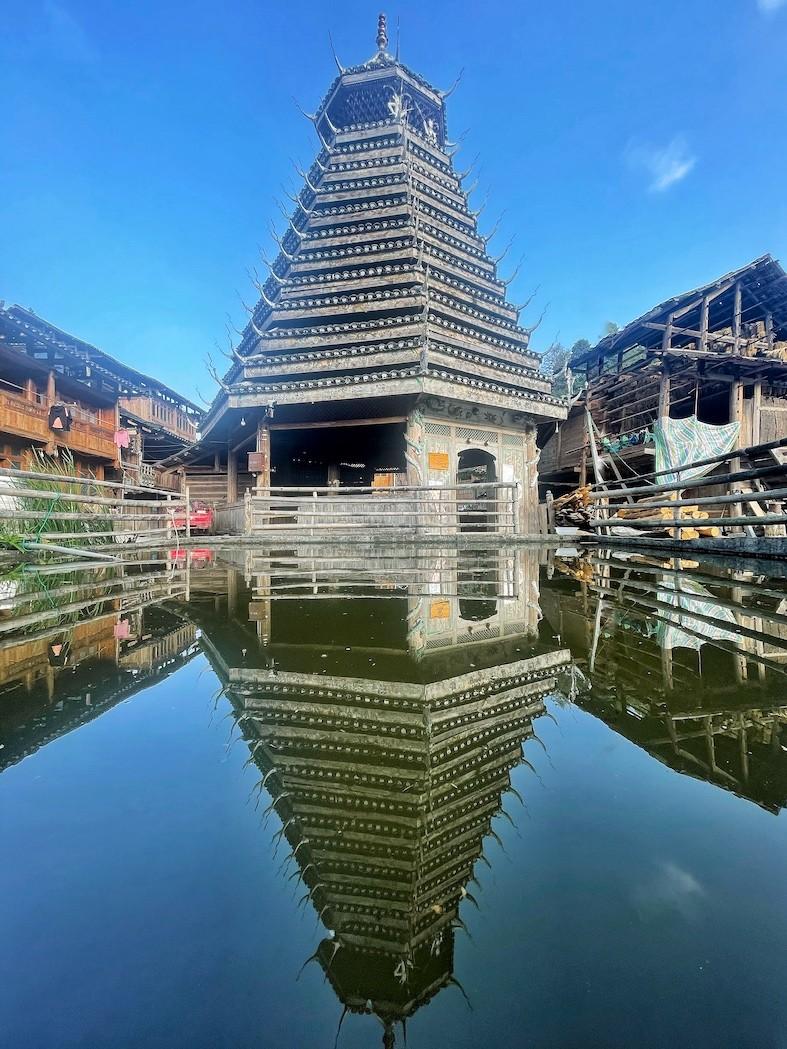
More accessible towns include the well-preserved Zhenyuan, with its twisting back alleys that look like something out of Harry Potter and access to the southern-most section of The Great Wall; Xijiang, the largest Miao village built along the mountains; and sleepy Zhaoxing with its five stoic drum towers lining the horizon.
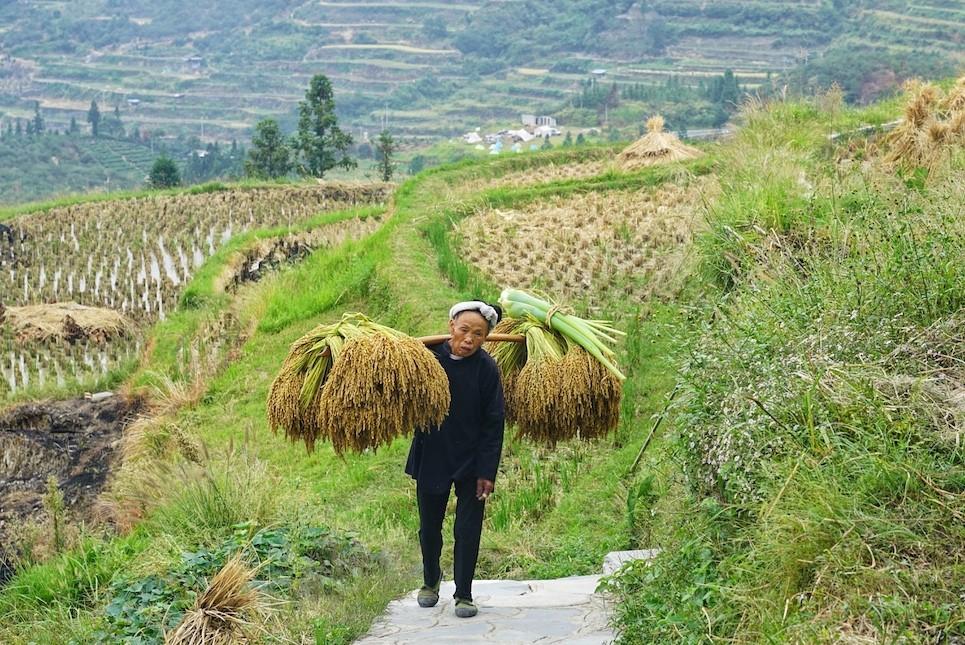
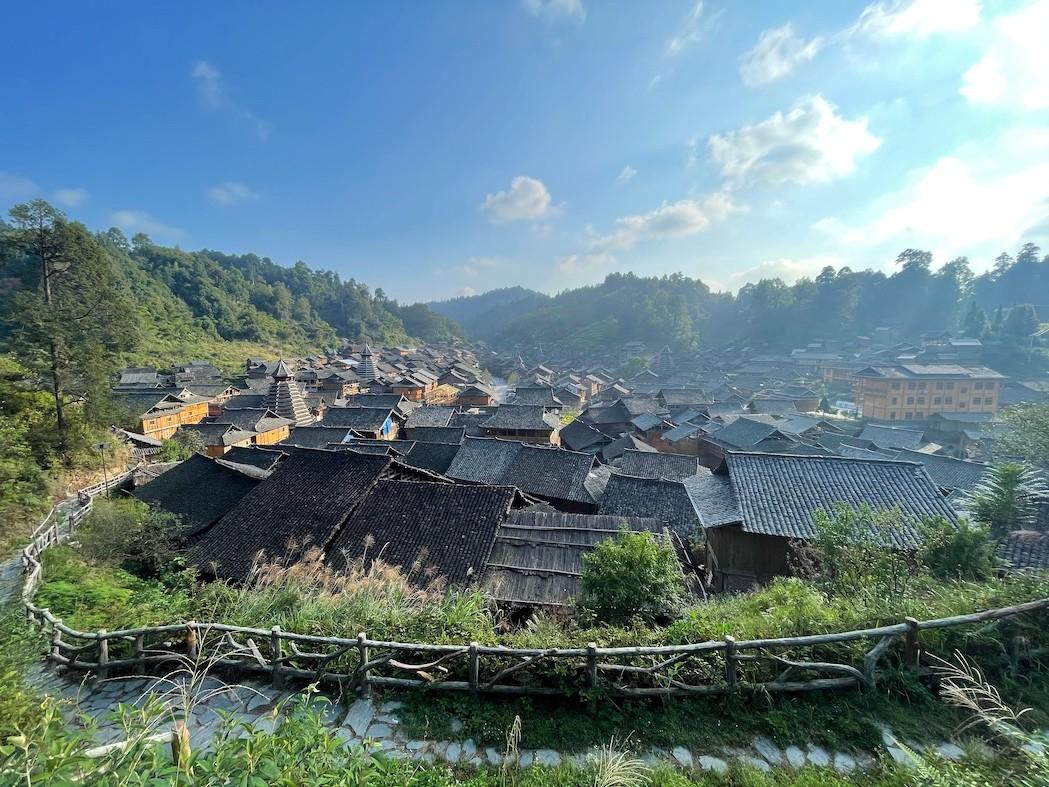
But visitors can break away from the tourist trail to remote, slower paced townships – of which there are hundreds dotting the 176,000 square kilometers that make up Guizhou – where village life still focuses on rice cultivation, indigo dying and farming, rather than tourism.
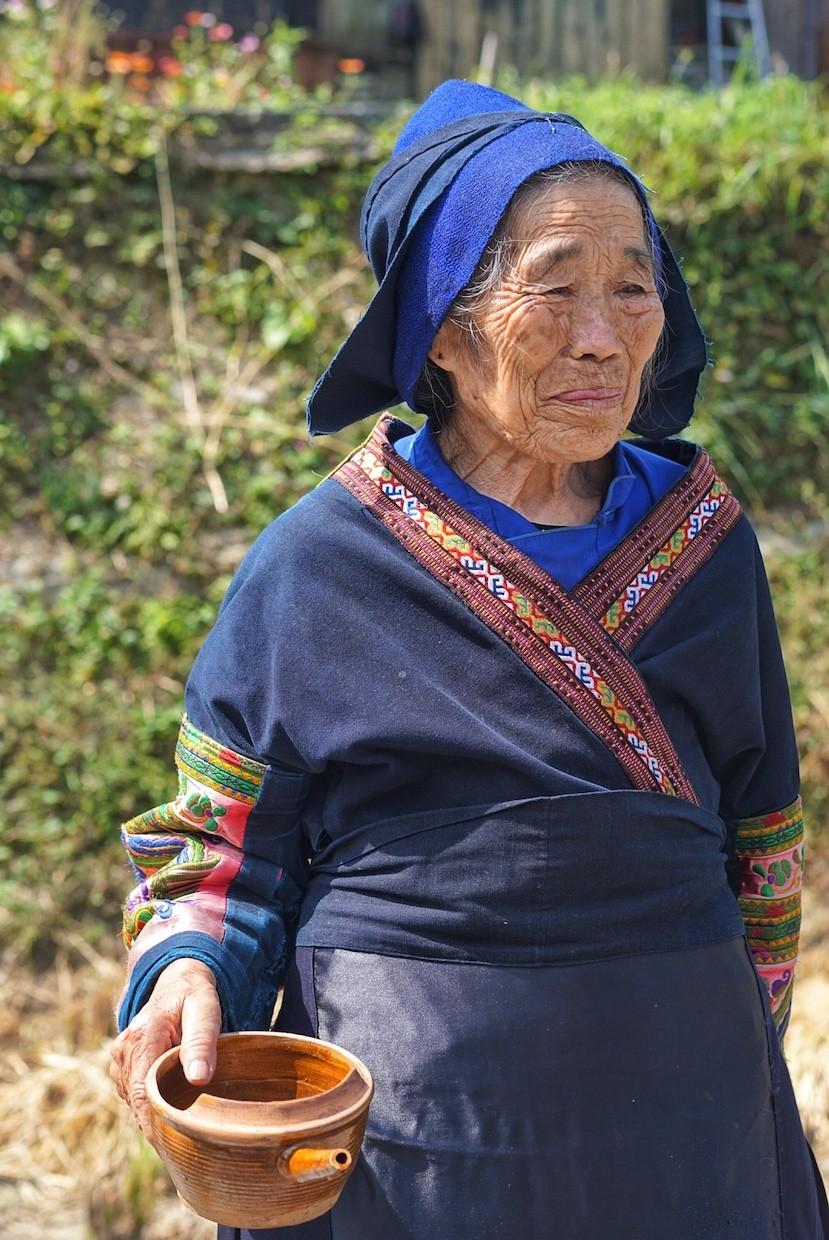
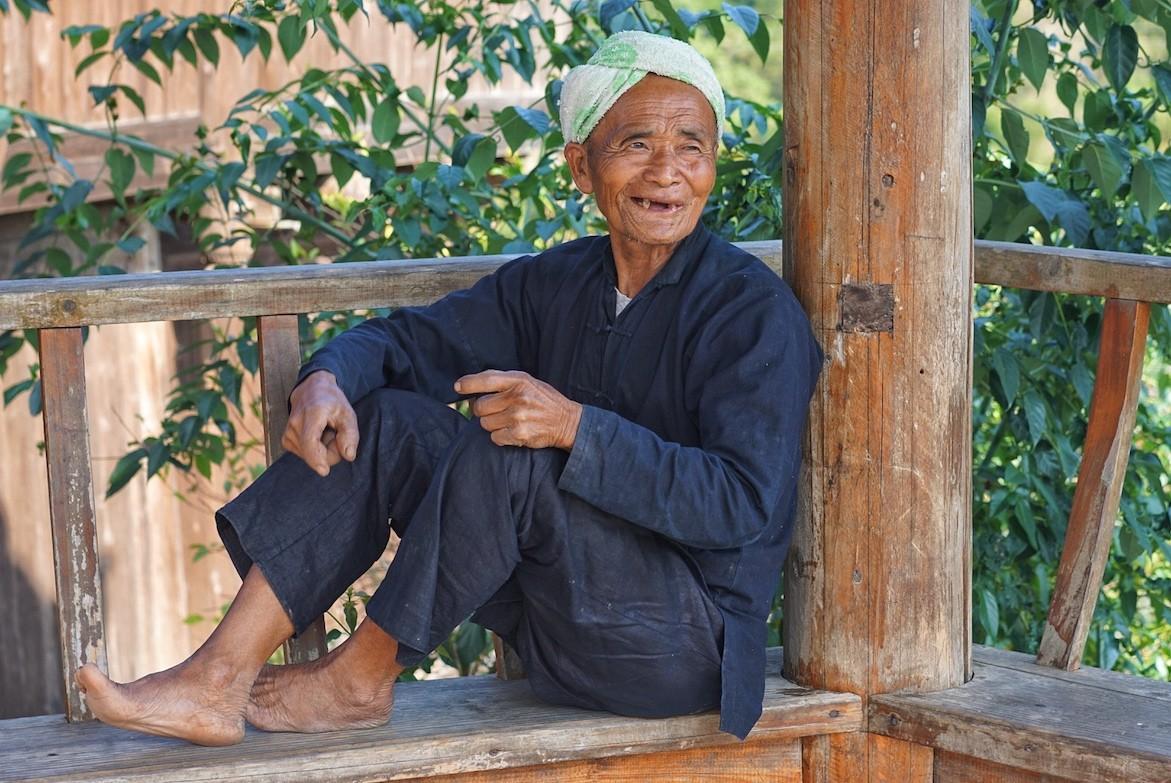
Popular stops include Langde, Matang, Basha, Dali and Huanggang, to name a few.
READ MORE: A Village Retreat with Modern Comforts at Guizhou's Well House
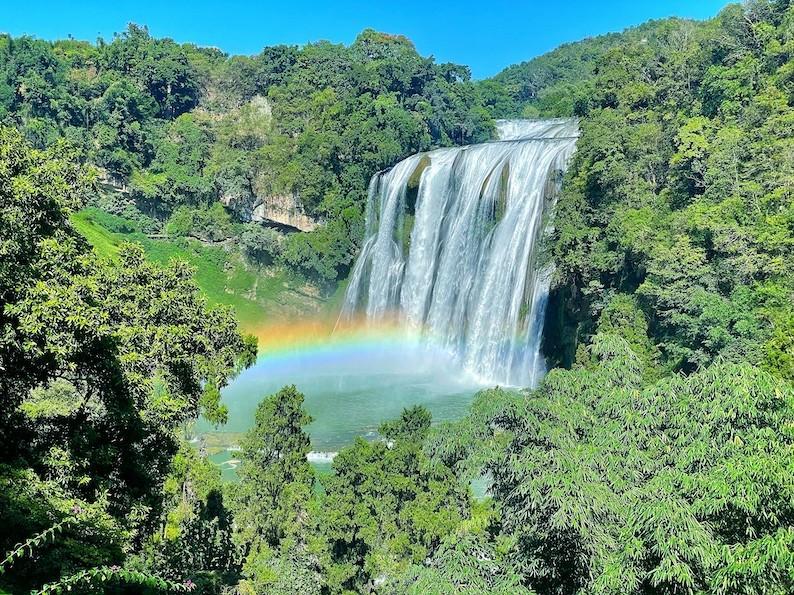
China’s largest waterfall, Huangguoshu, flows from the Baishui River, cascading down nearly a 78-meter drop. Visitors can experience the falls at all angles, including trekking through the Water Curtain Cave behind the falls, relishing in the forceful spray to cool down after the long trek.
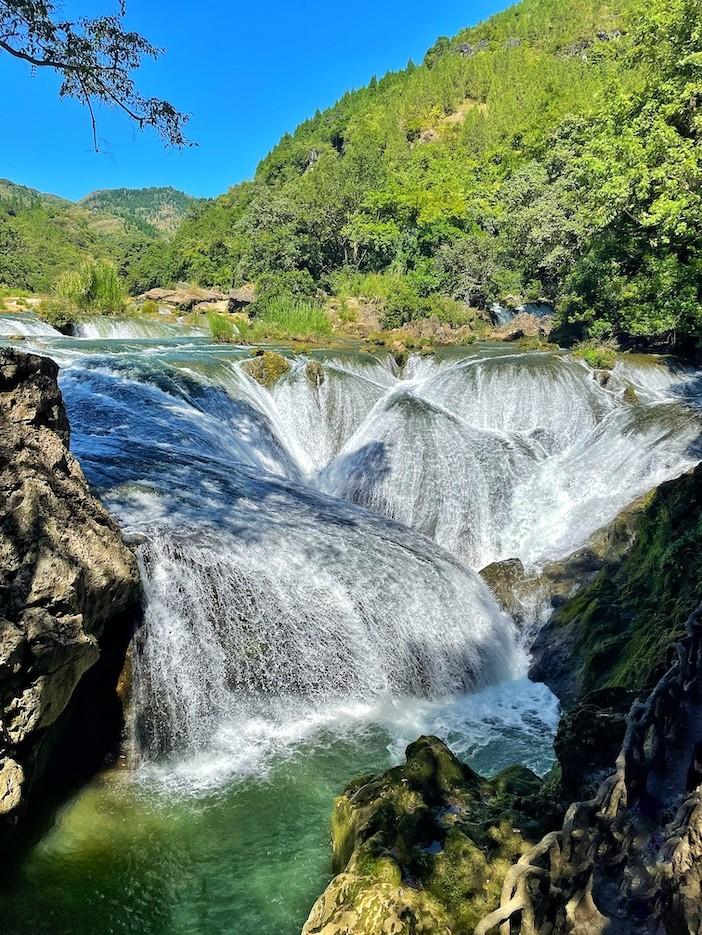
The scenic spot also offers travelers a day’s worth of hiking options in the connecting Doupotang and Tianxinqiao areas, with six viewing platforms, a cluster of 18 additional waterfalls, karst scenery, bonsai gardens and mirror-like lakes.
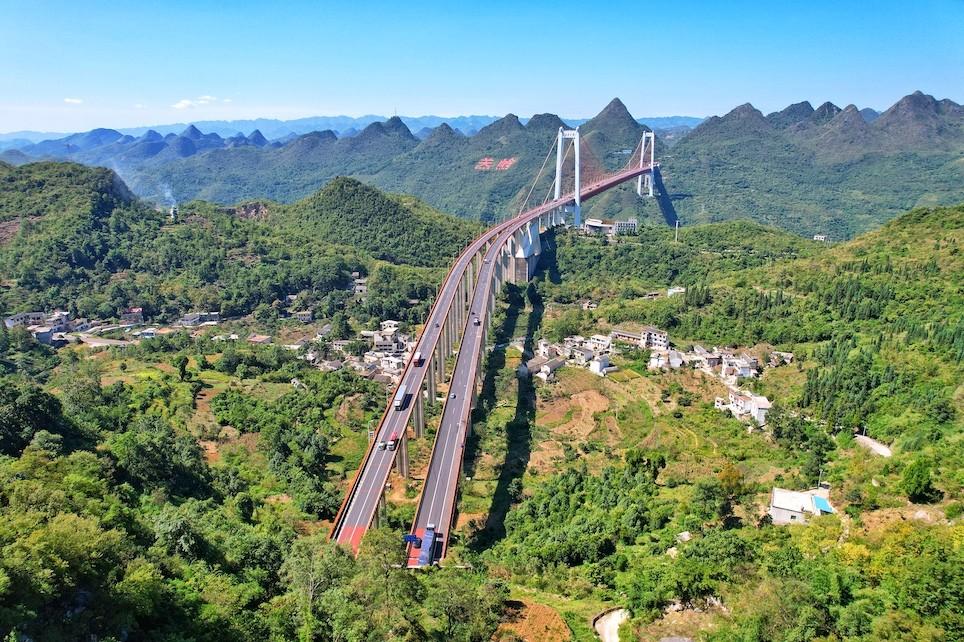
Don’t miss the Silver Spring Waterfall, arguably more striking than Hangguoshu, or a stop at Balinghe River Bridge just 10-kilometers south of the falls – one of the world’s highest bridges.
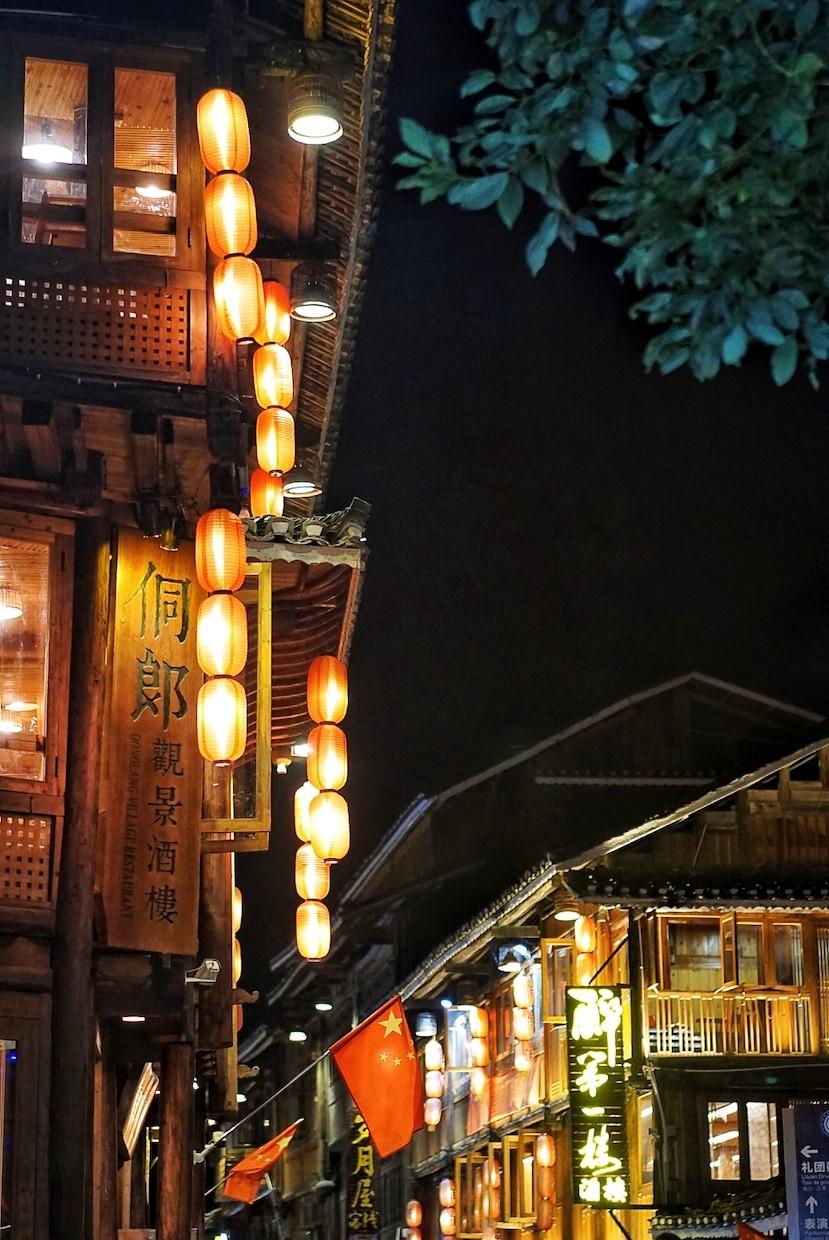
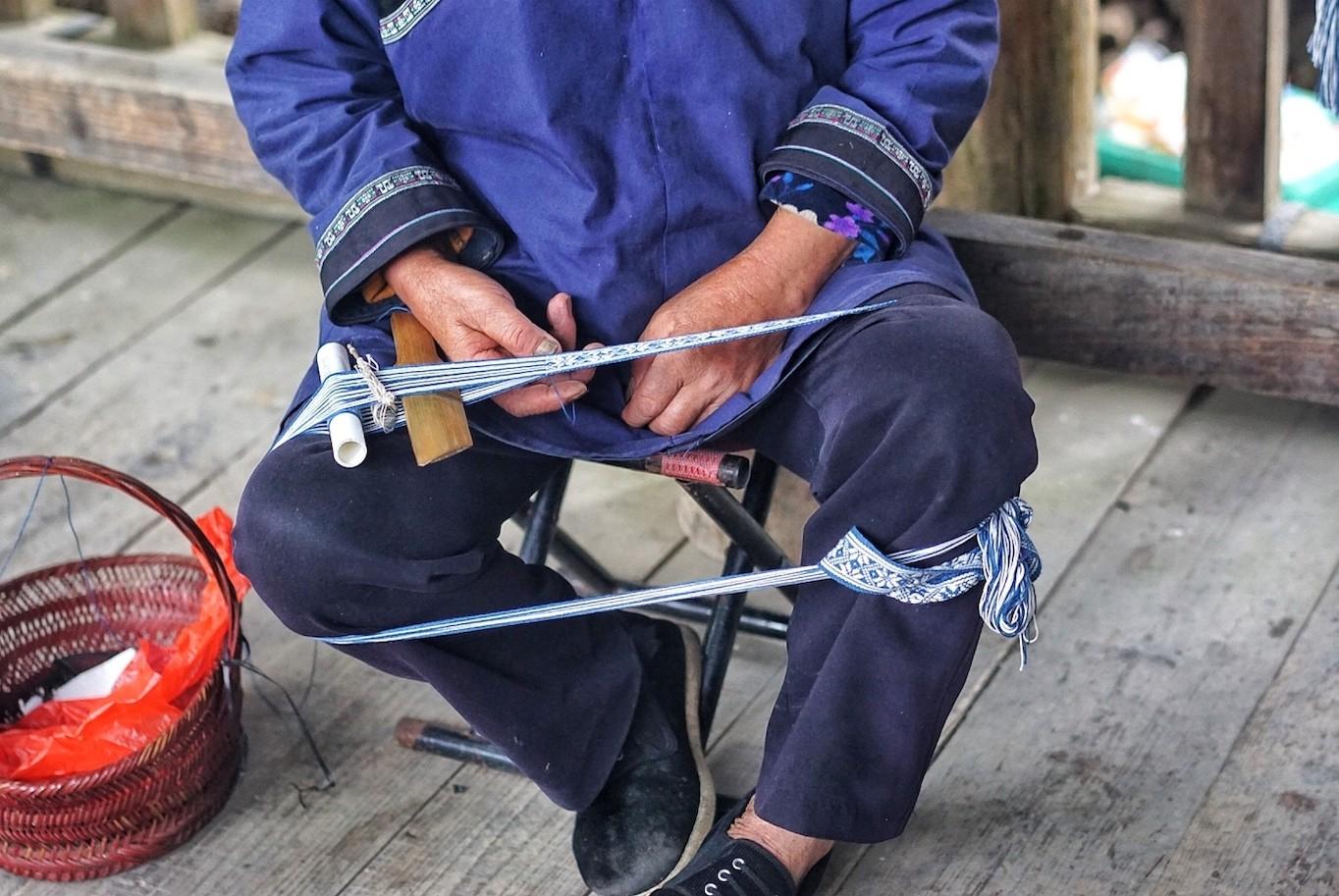
Aside from Anshun, there are other Stone Villages on the upper reaches of the Duopotang scenic area, famed for exquisite batik craft, like Tianlong Tunpu and Yunfeng Tunpu.
Hongshan Lake also makes for a peaceful place to appreciate the relaxing pace of vacation. To get to Huangguoshu Waterfall, take a highspeed train from Guiyang to Anshun and then a bus to the falls, or hire a driver for a 2-hour trip from Guiyang’s city center.
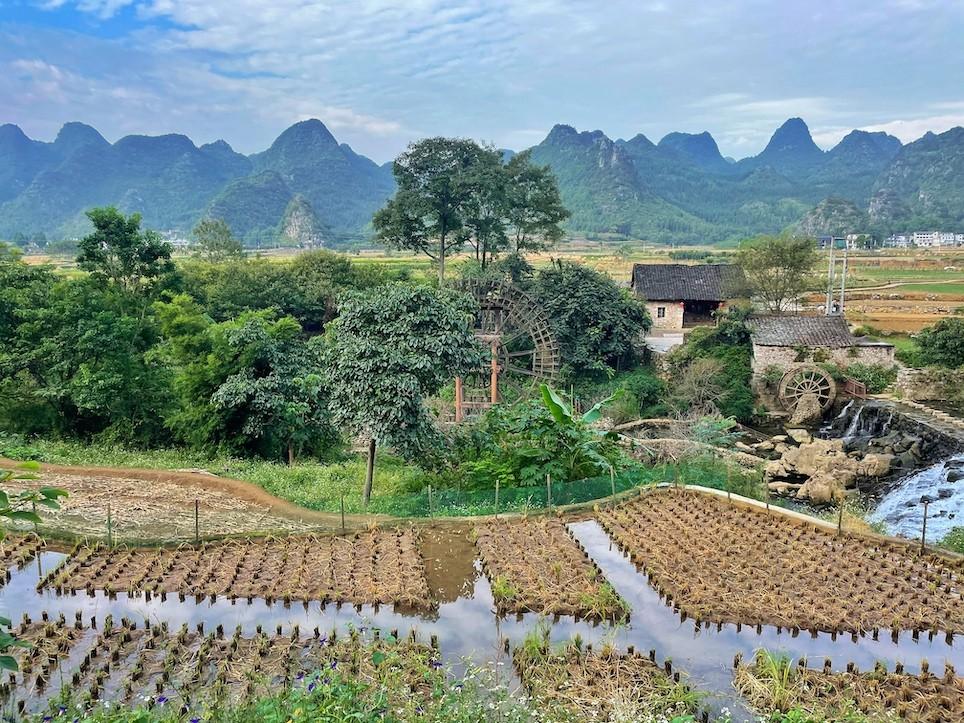
The most visited attraction in the Qianxinan Buyi and Miao Autonomous Prefecture, Ten Thousand Peak Forest is marked by karst peaks, green fields, winding rivers, hidden Buddhist temples and quaint hamlets, located just seven kilometers away from Xingyi city. Wangfenglin shares similarly impressive landscapes as Guilin and Yangshuo, yet without the throngs of people, affording it more of an air of authenticity and undiscovered adventure we all crave in this thoroughly mapped world.
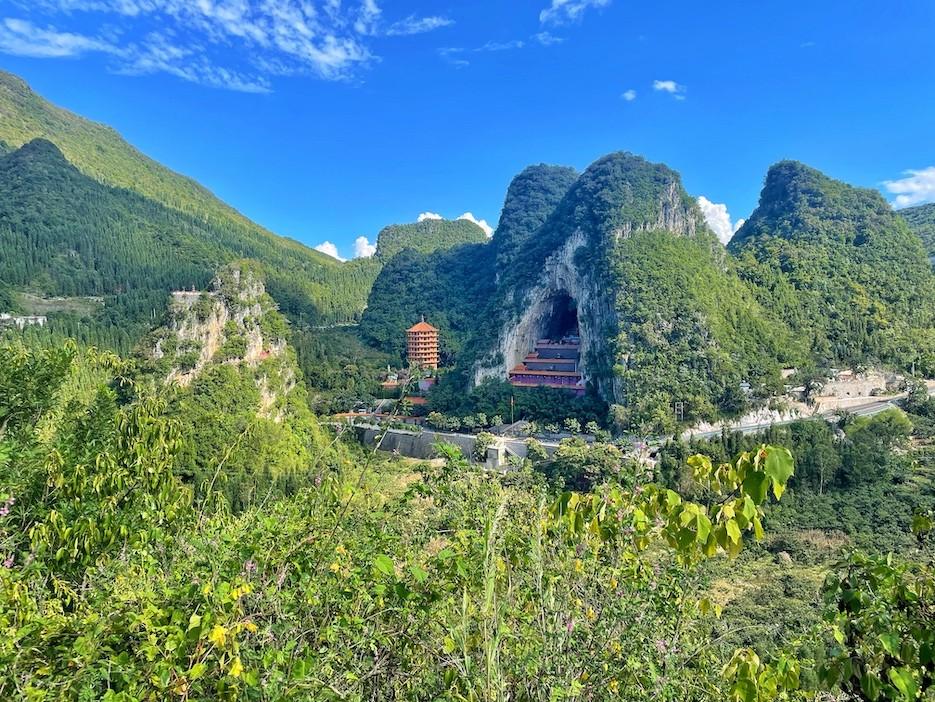
For those on a quicker timeline, there’s an entry fee and a sightseeing bus, but the true experience comes from renting an electric scooter and buzzing around at your own pace. Position yourself in any of the small clusters of Buyi homestays (we suggest Nahui Village) and drive along the fields towards the southern end to Wanfo Temple – a Buddhist Temple built into the side of a cave.
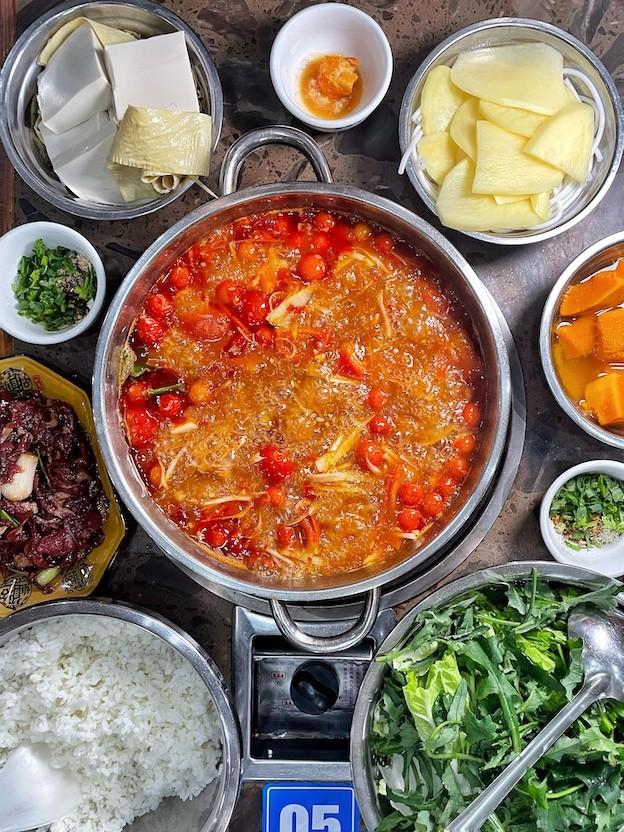
Pro-tip: Don’t miss the sour bamboo, tomato and beef hotpot (酸笋牛肉) found at most rustic restaurants nearby.
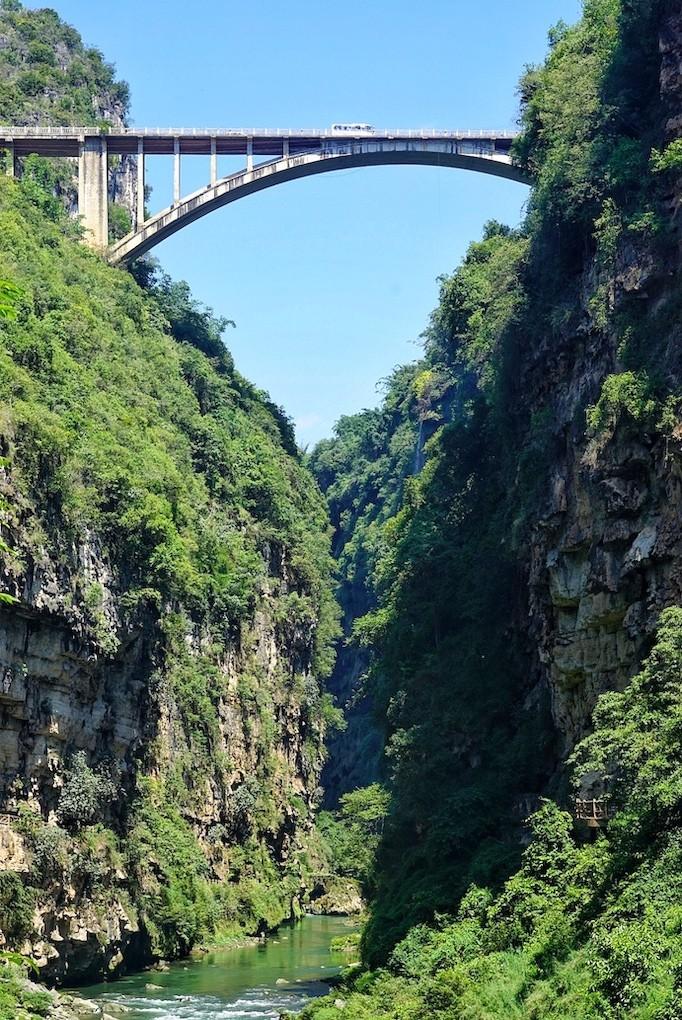
Just south of Wangfenglin sits Maling Canyon and River, a spectacularly steep gorge filled with dozens of waterfalls, arching bridges, hanging bamboo and river rafting. Hikers can traverse the path hollowed out into the gorge walls or take in the views via raft when water levels are high.
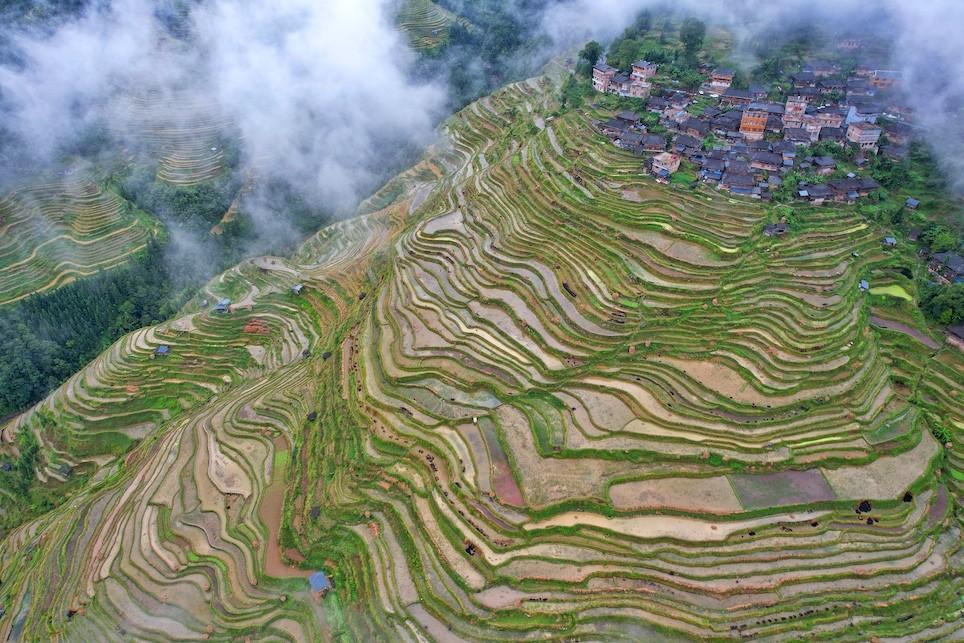
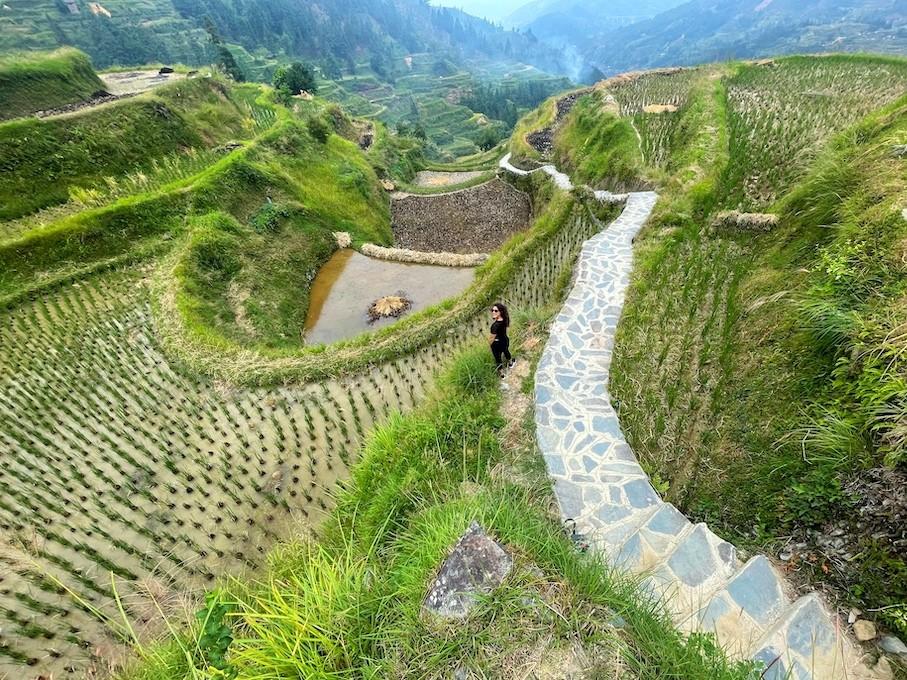
Rice is of the utmost importance in Guizhou, a central focus of life. Rice fields are passed down through generations and entire towns participate in the planting, cultivation, picking, drying and storing process every year.
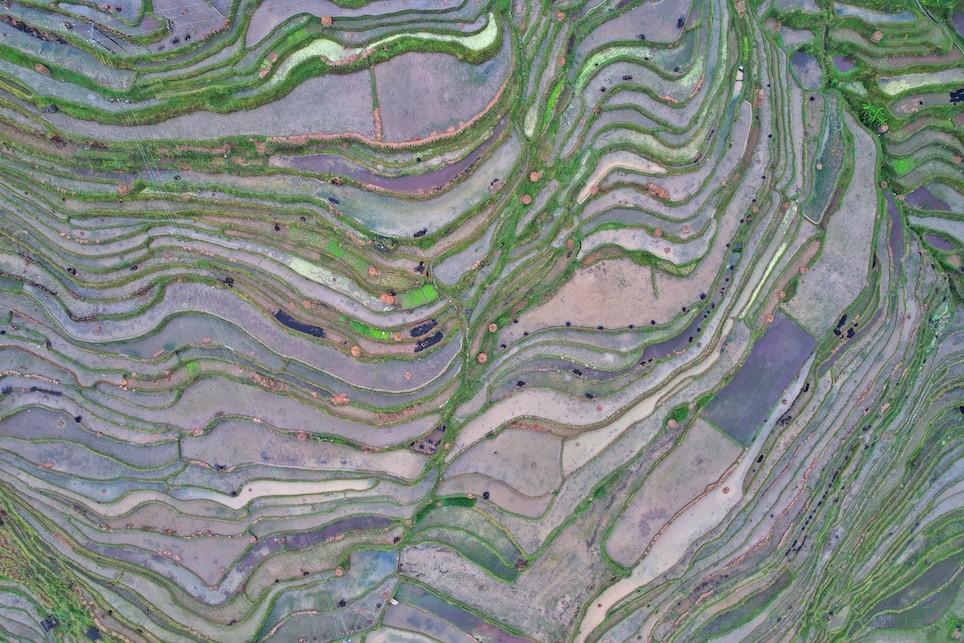
While Guizhou’s expansive countryside offers numerous rice field views, none can be compared to the panoramic sight of Jiabang Rice Terrace.
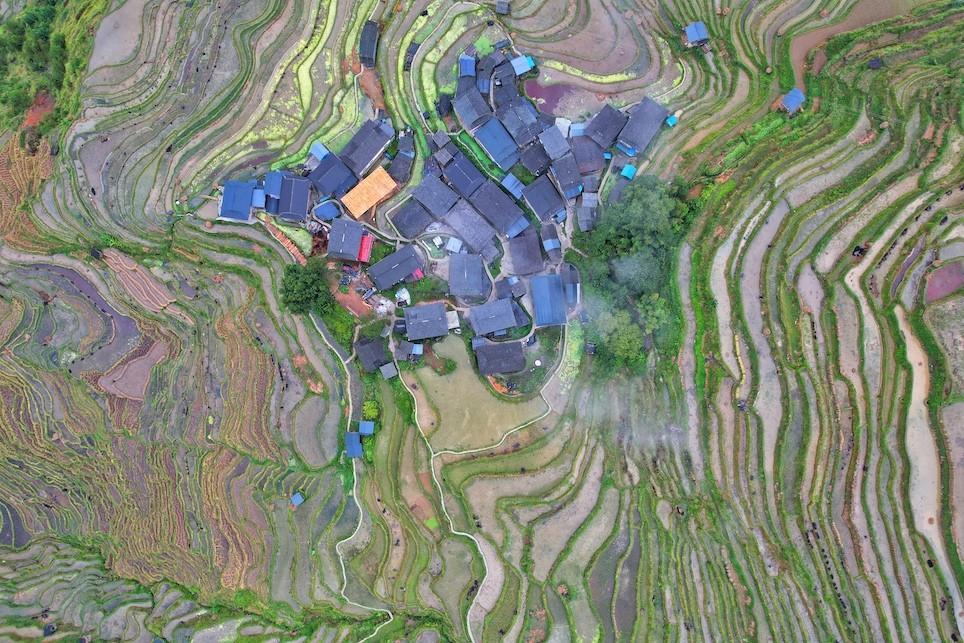
Situated in a secluded part of Congjiang county, the terrace spans ten kilometers, changing from vibrant green in summer to shimmering gold in fall to snow-flecked white in winter to reflective mirrors of watery blue in spring.
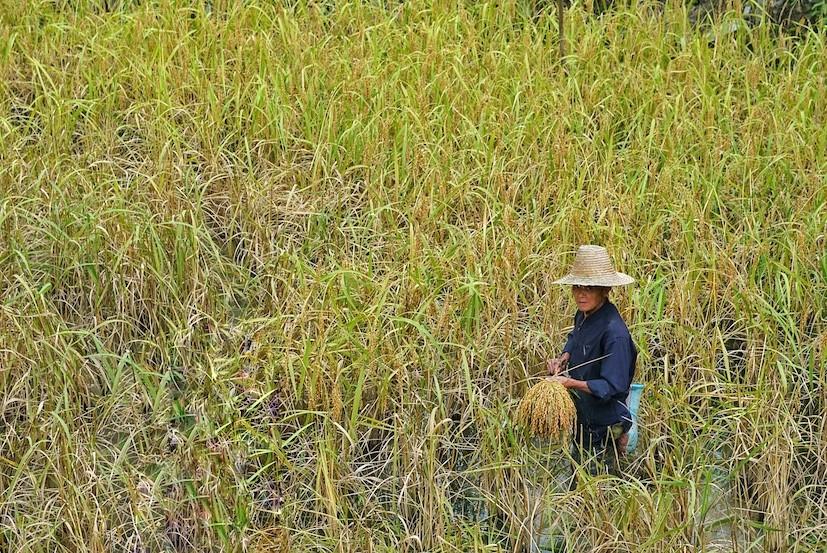
Travelers can hire a private car and choose to spend a night in one of the many bucolic homestays, taking in the star-filled sky in the evening and the misty sunrises early the next morning.
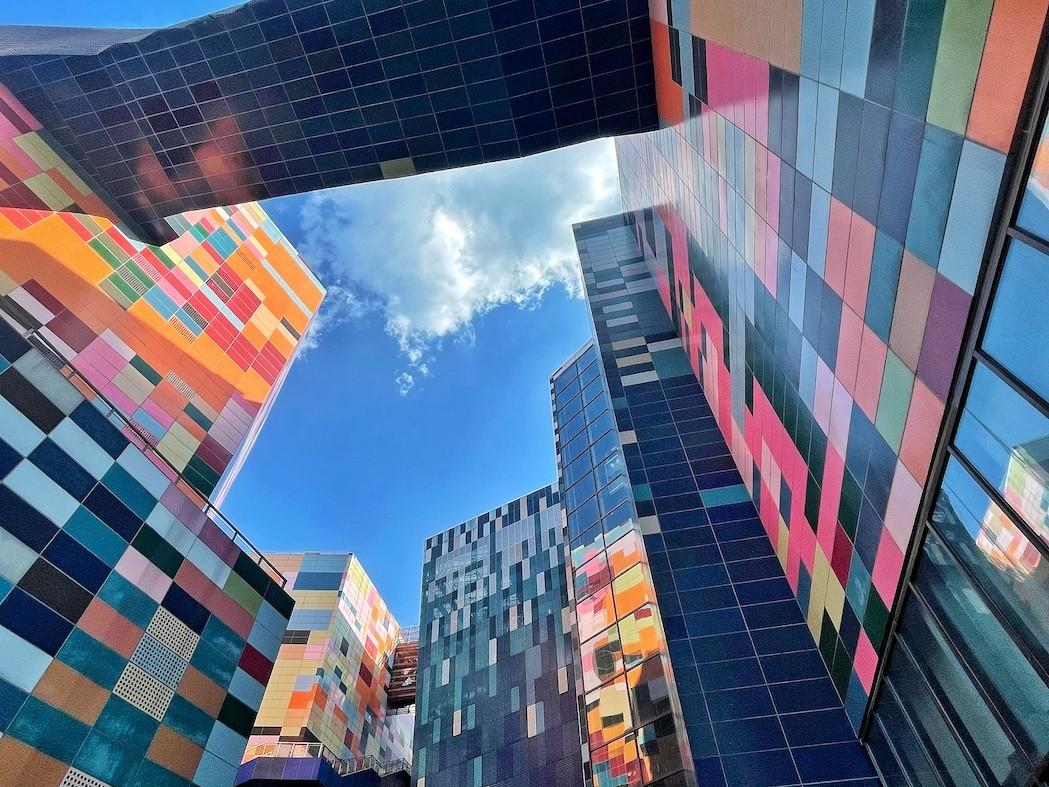
The province’s capital city, Guiyang, is a bustling hub of food and drink culture, museums and nearby ancient towns. Like most of Guizhou, Guiyang enjoys a temperate climate, making it accessible throughout the year.
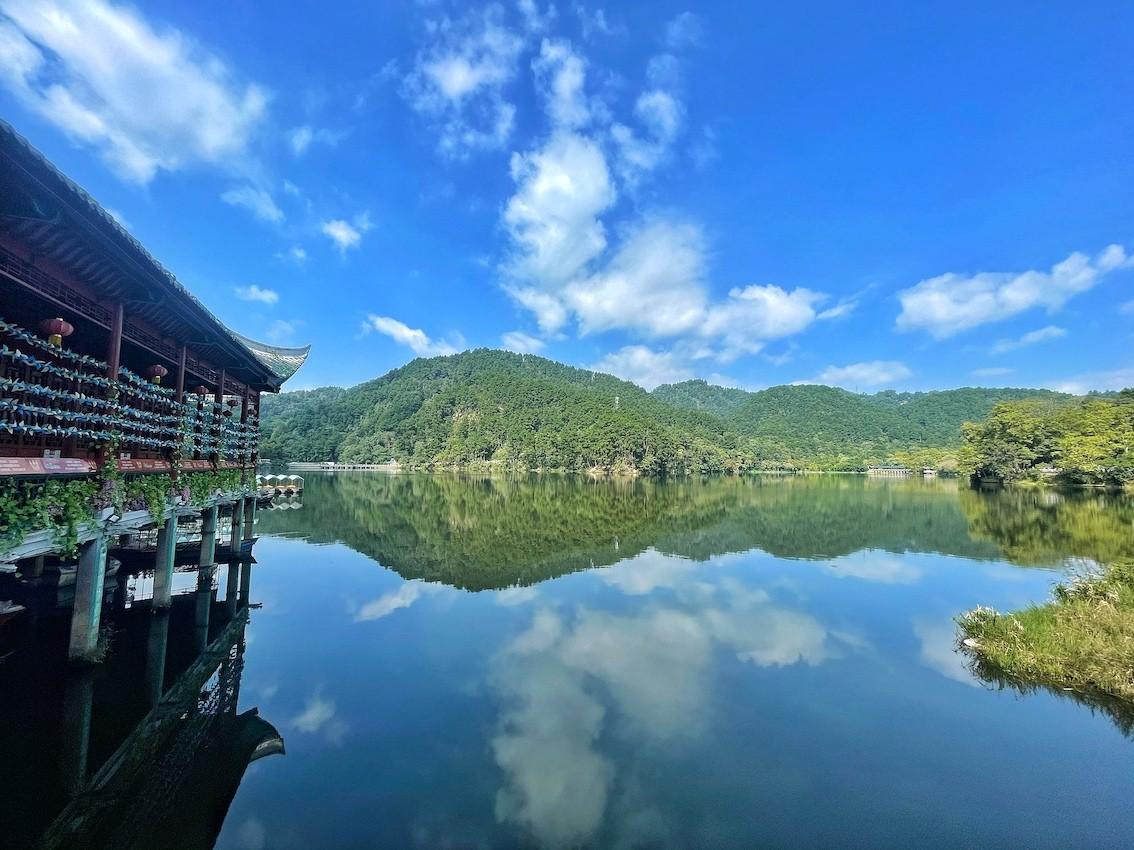
Start out by getting your bearings of the city in the most picturesque way possible, from the top of Qianling Mountain Park – the city’s green lung. The sweeping vistas across the hills, lake and city, paired with wild roaming macaques and the ancient Hongfu Temple make it an ideal place to spend a pleasant afternoon.
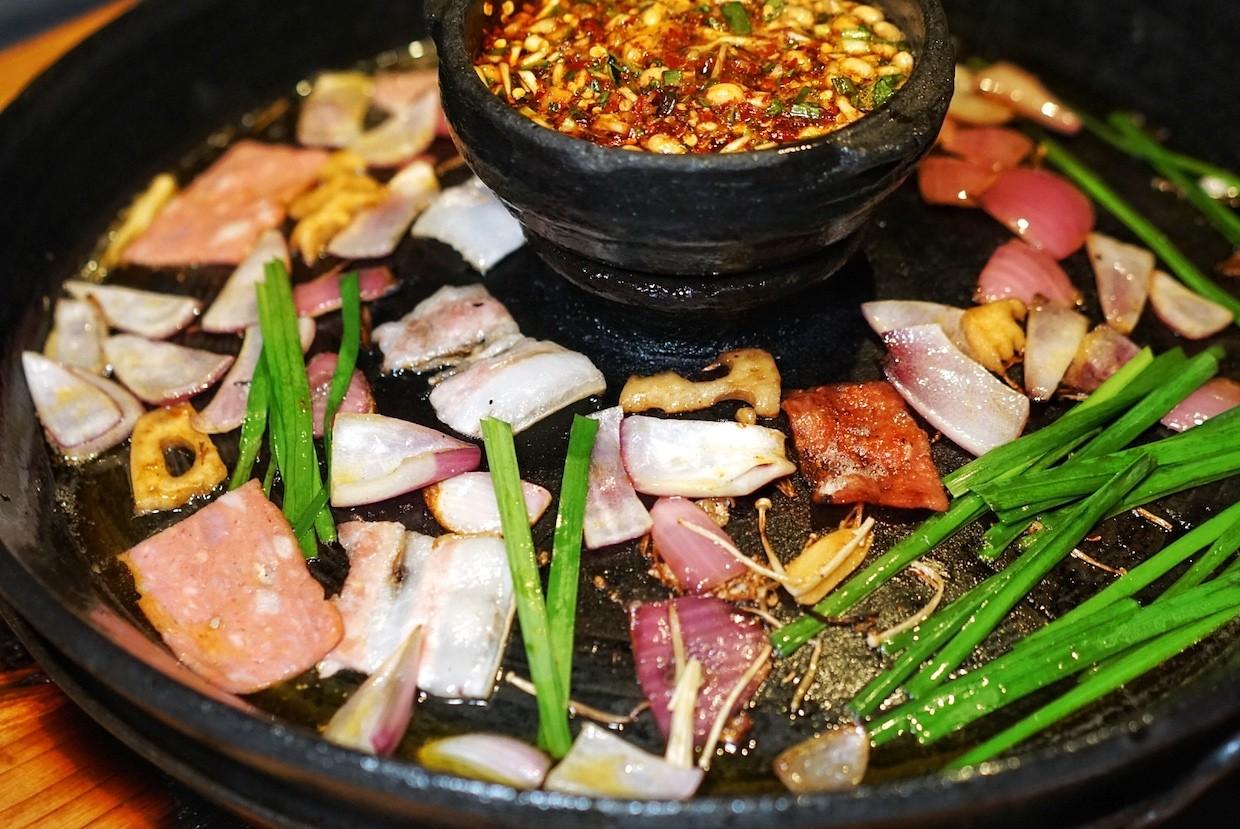
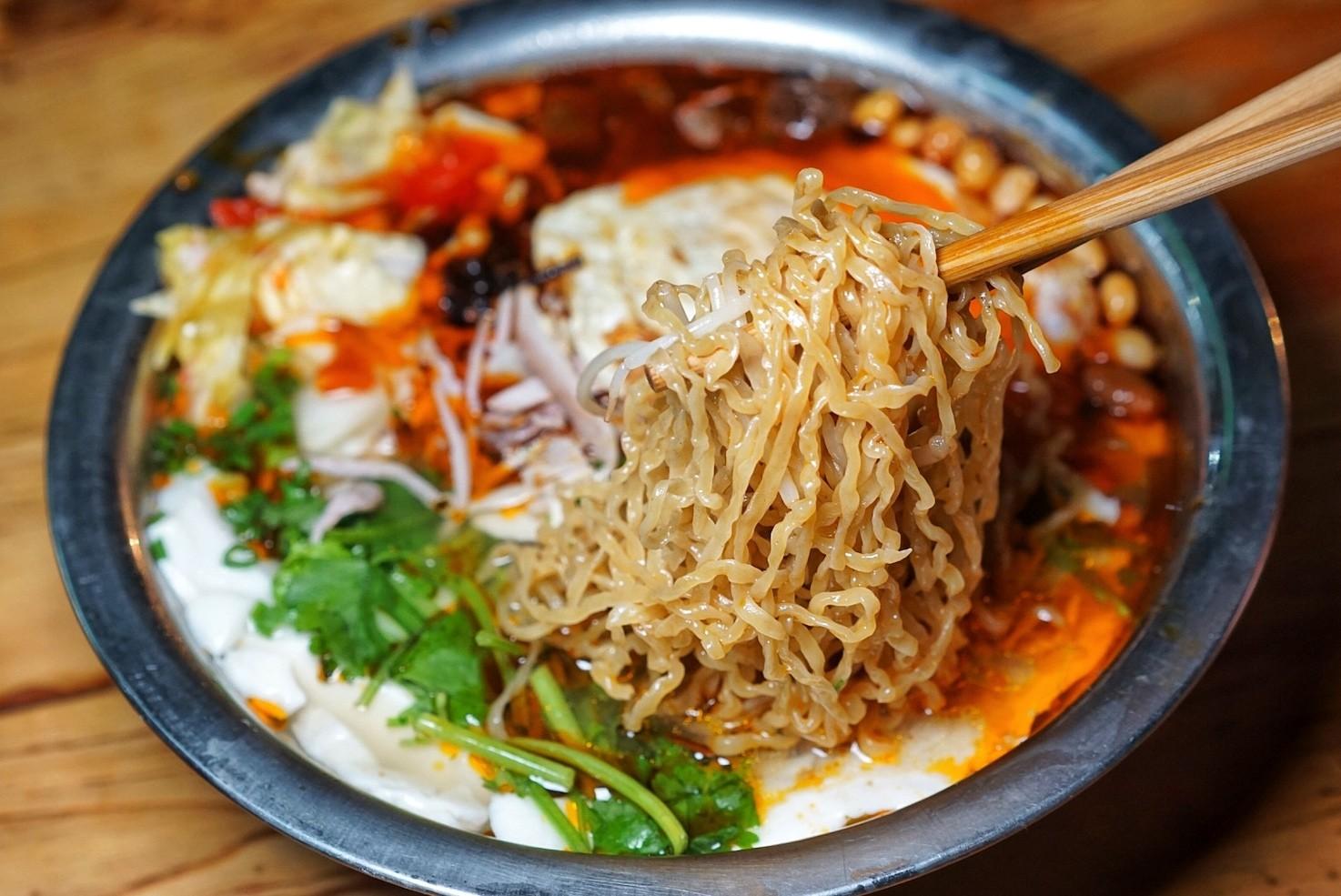
After the sun sets, the city becomes one lively night market, with plastic tables and chairs lining Quanlin Pedestrian Street and Wenchang Bei Lu. A nightly feast involves laoguo (烙锅) – a form of dry pot – that pairs perfectly with a frothy mug of beer, while other food favorites span chicken and tofu noodles, intestine noodle soup and siwawa, with a mandatory stop at Baozheng to sample minority dishes from across the country.
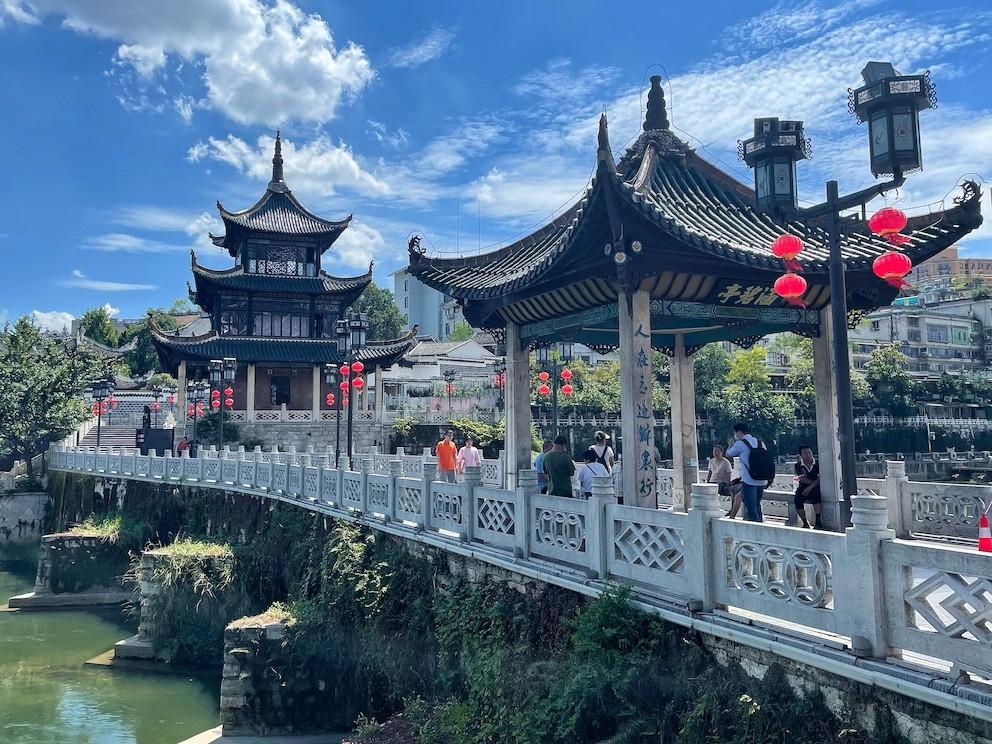
Don’t miss the Jiaxiu Tower lit up at night, an agreeable spot for a stroll along the water to burn off the extra kcals. Additional must-visits include Qingyan Old Town to take in the historical buildings, Yelang Valley and an outing to Tripsmith Brewery, Tap Star or Monkey King to take advantage of the city’s booming craft beer scene.
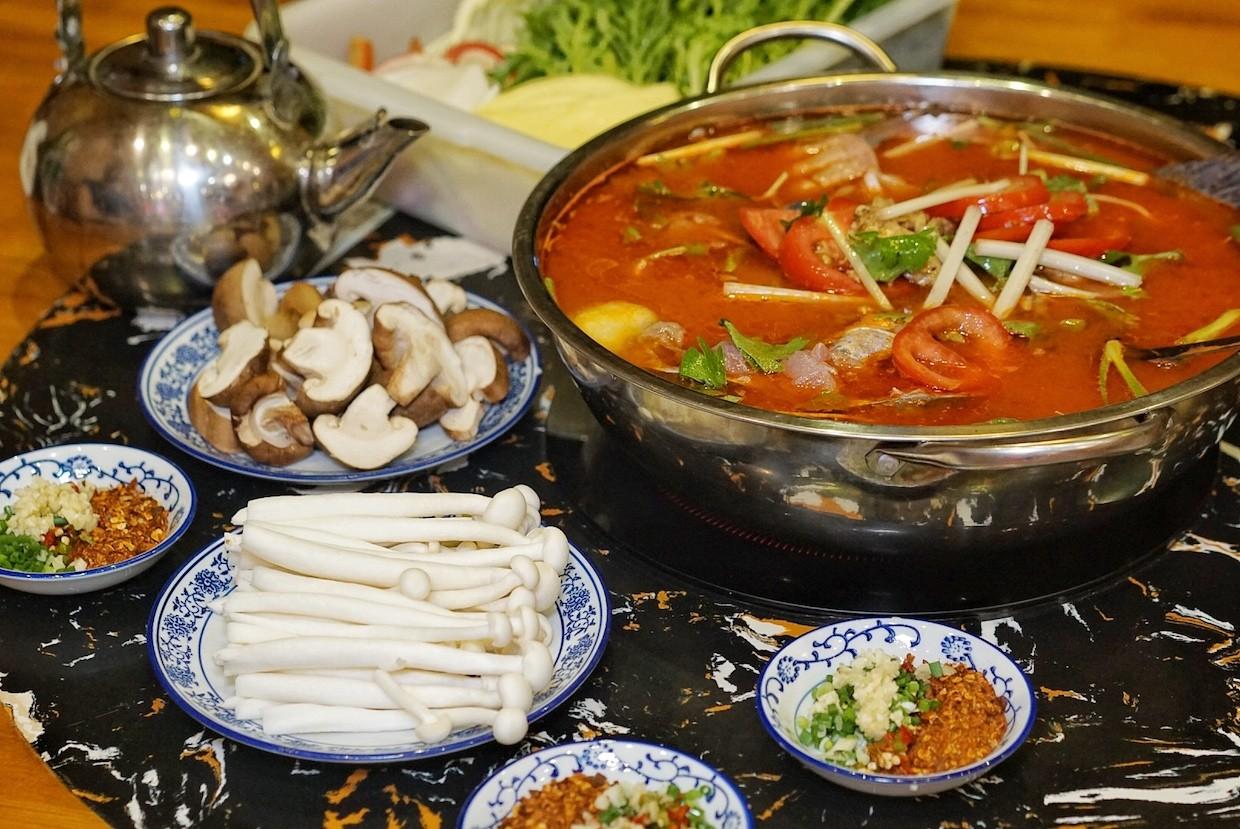
Originating from Kaili, the Miao staple of sour fish soup, or suantangyu, has now become the province’s most applauded dish, and with good reason. The addictingly fermented tomato broth is seasoned with mujiangzi – a regional peppercorn with a notably floral flavor profile – coriander, lemongrass and ginger.
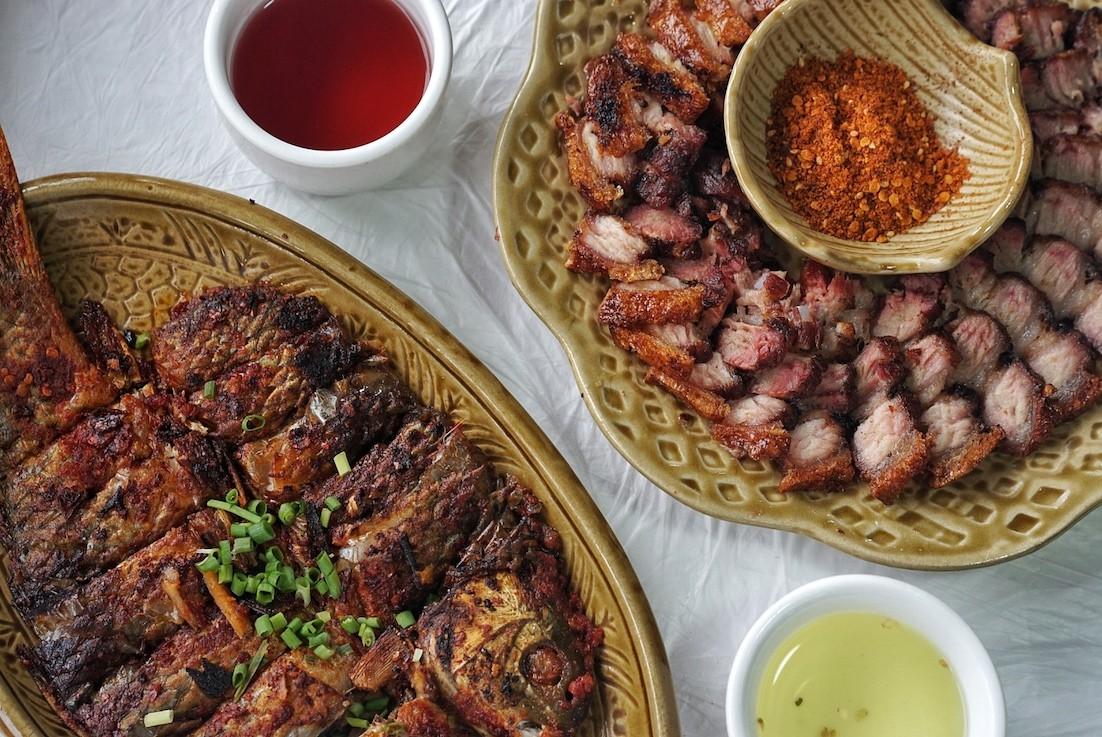
A buttery Guizhou river fish, similar to catfish, simmers in the equal parts spicy and sour soup, surrounded by anything from leafy greens and sliced bamboo to tofu and mushrooms in all varieties, sliced lotus root and other seasonal produce.
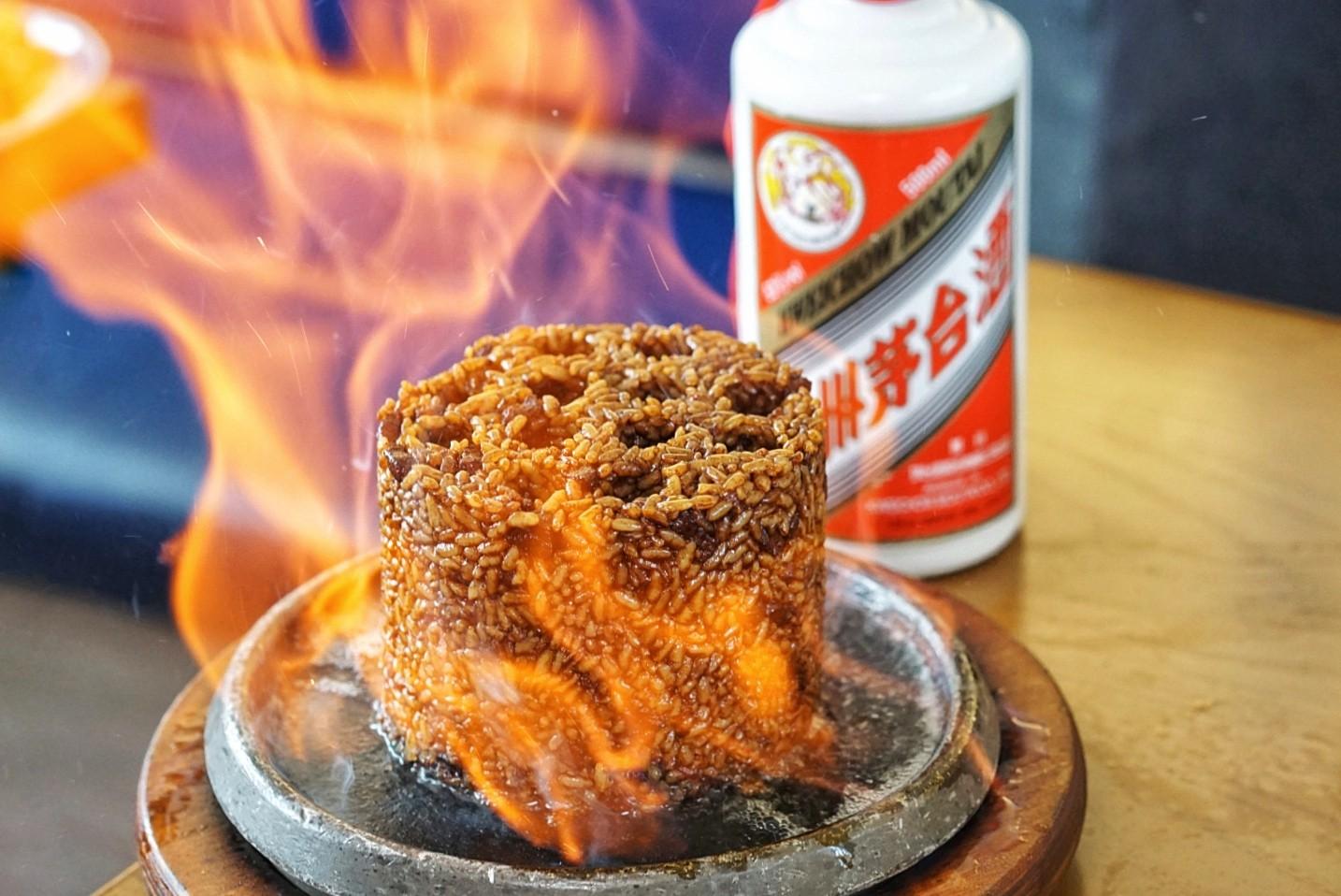
Freshly harvested rice (steamed or fried) serves as the ideal base for soaking up the extra broth that bubbles and thickens into a richer, fish fat-flavored, spiced stew. The complex flavors of this year-round consumed dish are best enjoyed with rice wine, a drinking tradition that is common throughout the entire area.
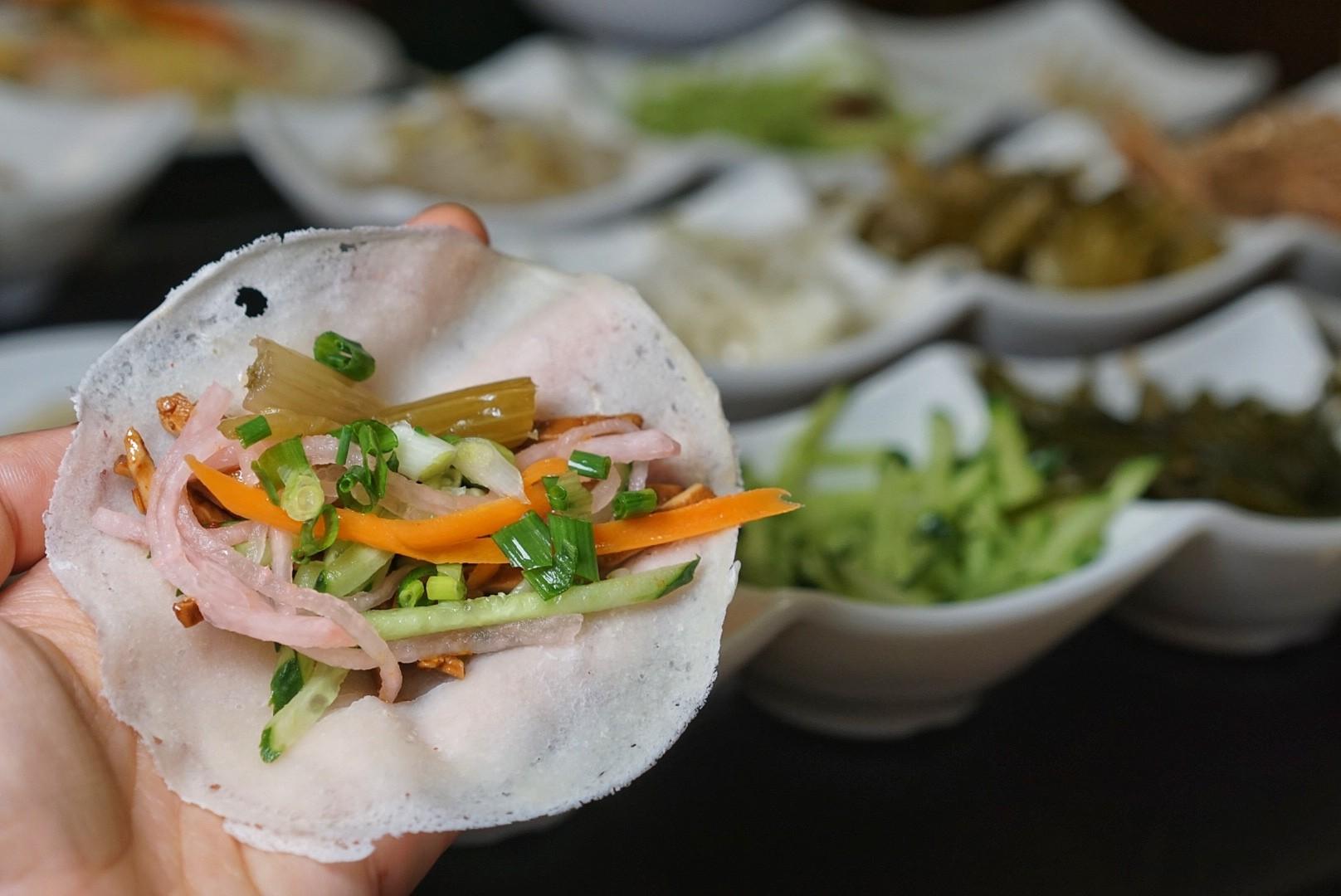
A traditional Guizhou snack, siwawa is a vegetarian spring roll of sorts, made from colorful fillings rolled into thin flour wrappers.
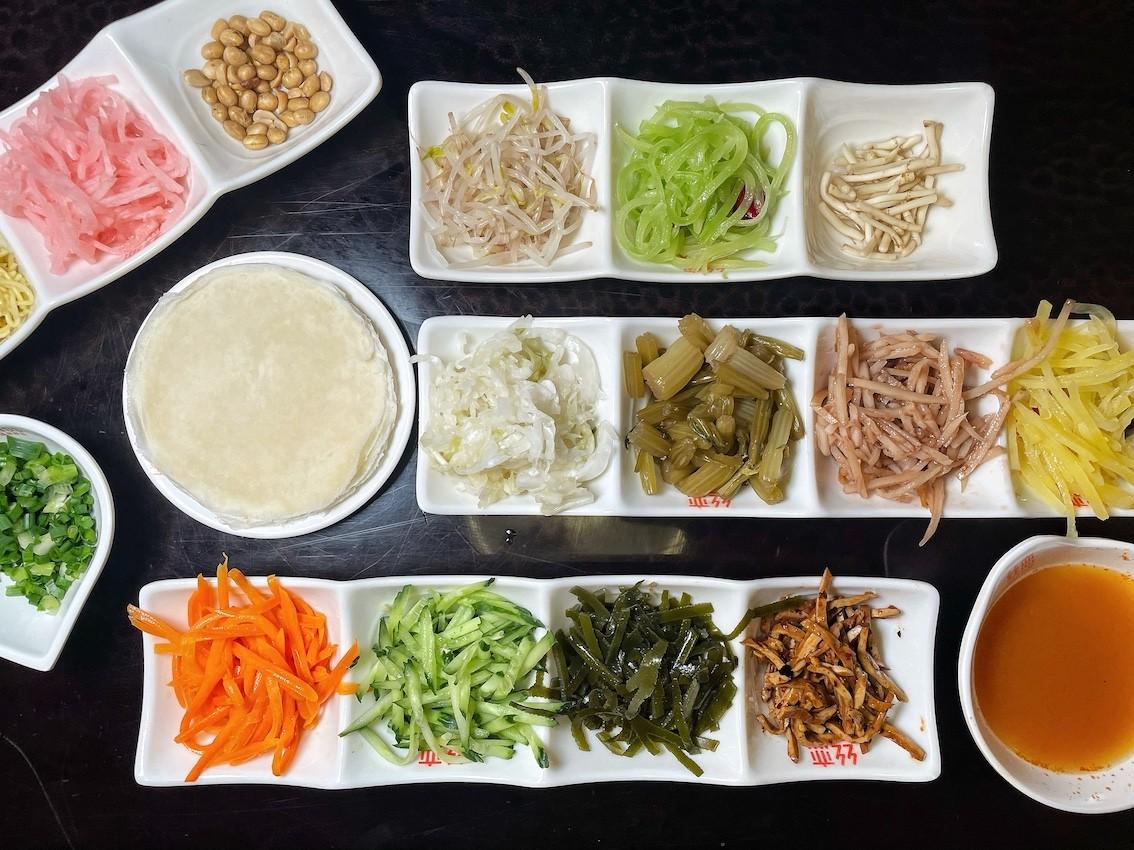
Everything from shredded vegetables, sprouts and pickled garlic to firm, marinated tofu, toasted peanuts and zhe'ergen (折耳根) – a strong-flavored root commonly used in Guizhou cooking – finds its way into these wraps, before being dunked into a tangy tomato broth.
Most visitors begin their travels in Guiyang or Tongren as the airports there serve many domestic flight routes. From there, travel around the province involves a mix of trains or hired drivers, with distances being manageable.
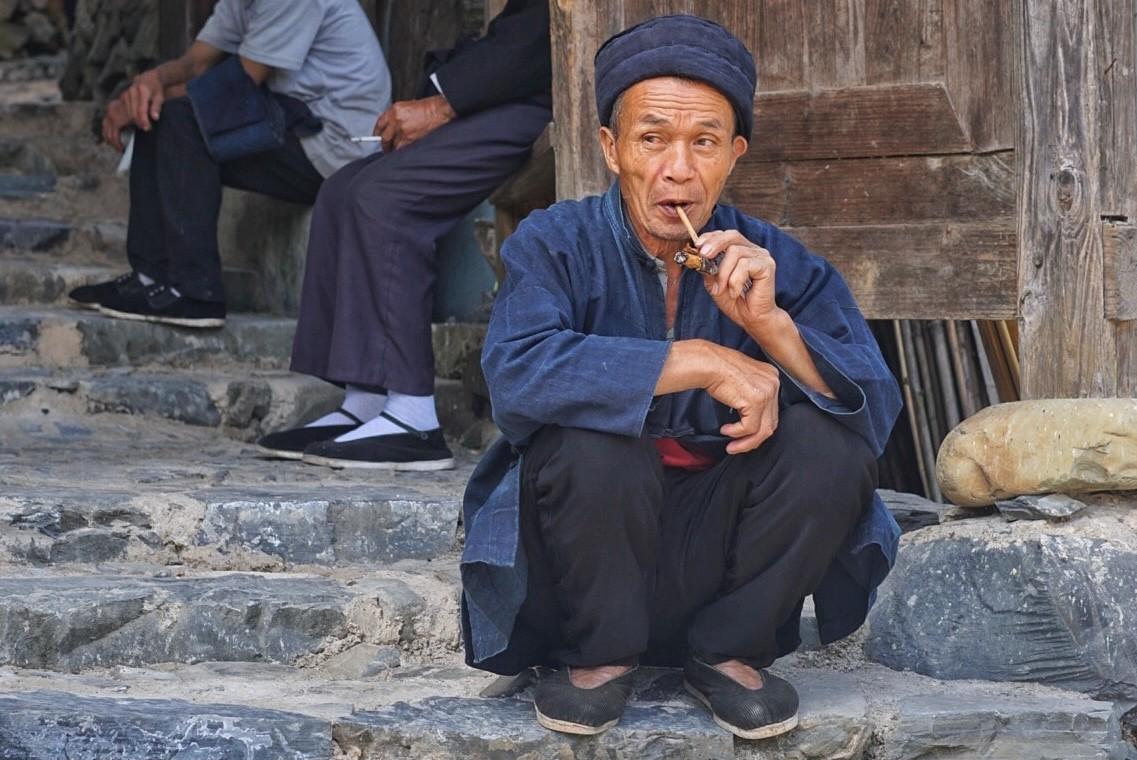
For a portion of our travels, we traversed Guizhou with China Adventure, a Chengdu-based tour agency that offers both guided tours and driver options, with included accommodation at 4-star hotels.
China Adventure also offers trips across the nation to destinations like Xinjiang, Jiuzhaigou, Yunnan and Zhangjiajie, among others. To book your next Guizhou trip with China Adventure, visit www.chinaadventure.org, or follow their Official WeChat by scanning the QR code below.

For travel-related inquiries, contact their travel consultants by scanning the QR code below.


My name is Sophie Steiner, and welcome to my food-focused travel blog. This is a place to discover where and what to eat, drink, and do in Shanghai, Asia, and beyond. As an American based in Shanghai since 2015 as a food, beverage, travel, and lifestyle writer, I bring you the latest news on all things food and travel.
Your email address will not be published.
Be the first to comment!

Sign up for tips on the latest Shanghai openings, and other food, beverage, and travel content
© 2026 Sophie Steiner
Privacy Policy