48 Hours in Shanghai: What to Do, Eat, Drink, and Explore
A curated guide to Shanghai's best kept secrets
December 12, 2020
Updated February 13, 2026
We are all familiar with jianbing, dandanmian and jiaozi – snacks spoken about in a shared Street Eats Language from the eastern cities to the western highlands, from the northern wall to the southern domains. But what about huoshao or tanghuachun? These are utter nonsense words to us southerners, who cannot deign to understand the rolling pirate-like ‘rrrrrs’ of the Beijingren – it’s northern lingo that just doesn’t jive with us southern folk… but it should.
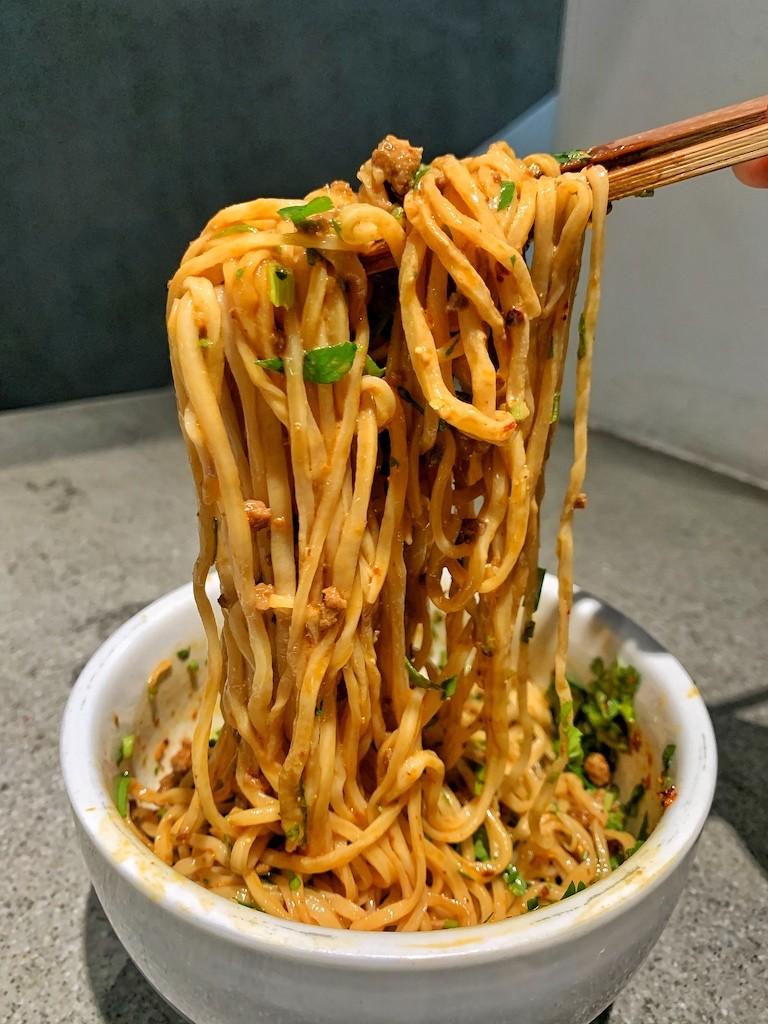
These are tasty snacks – common street eats – that are all too familiar in the north, yet we just haven’t caught on to them down here in the humid wetlands of Shanghai. It’s about time to venture into the northern snack world found on the street corners of the capital city and we did so with carbo-loaded glee. Without further ado, here are a few of our favorite Beijing street snacks.
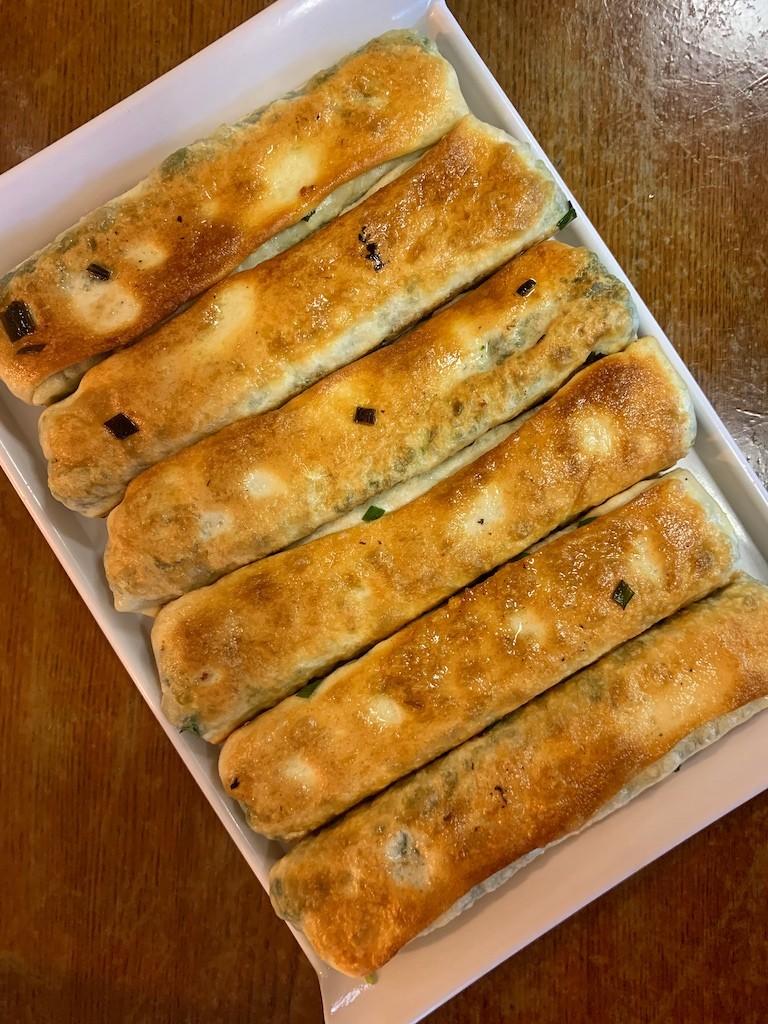
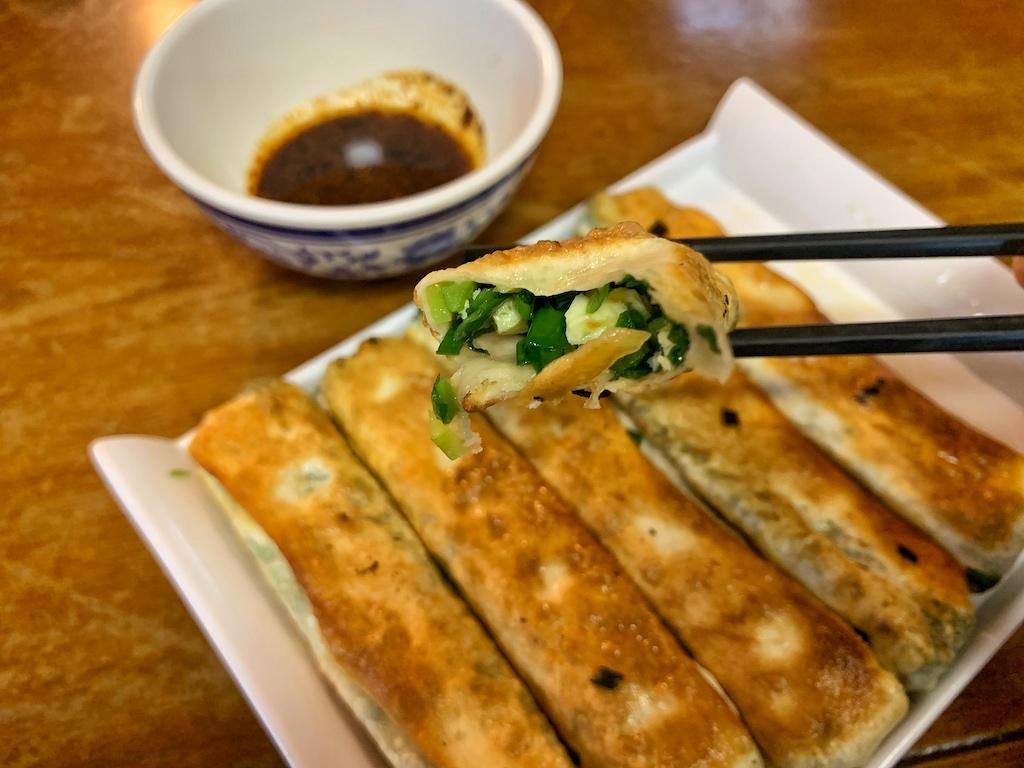
This pouch-shaped log of a dumpling is stuffed with various fillings of the consumers’ choice (anything from egg and scallions to pork and mushroom) before being pan-fried until crispy. As a heavier alternative to the dainty (in comparison) guotie, a set of 4-5 (roughly RMB20-25) is a full meal on its own. Think Chinese potsticker meets Mexican burrito where, instead of salsa, you dip in vinegar and chili oil.
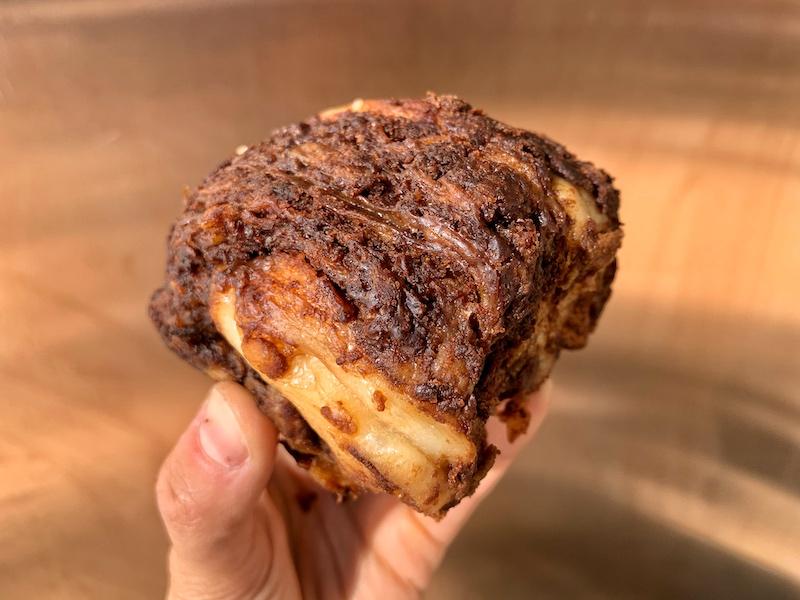
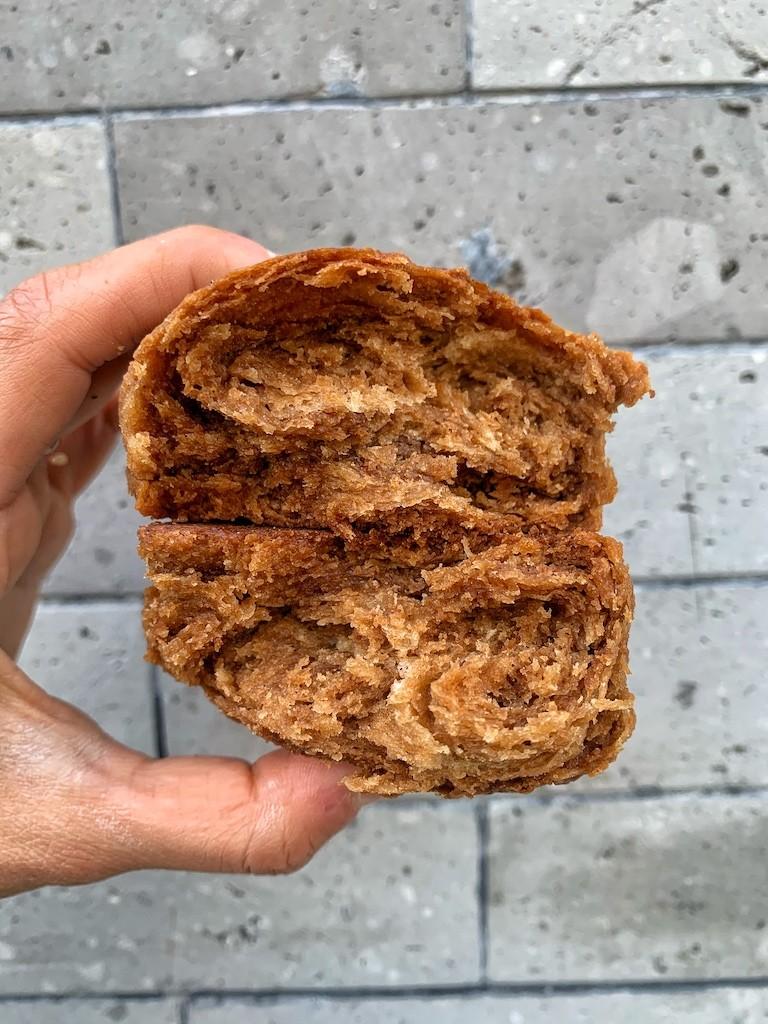
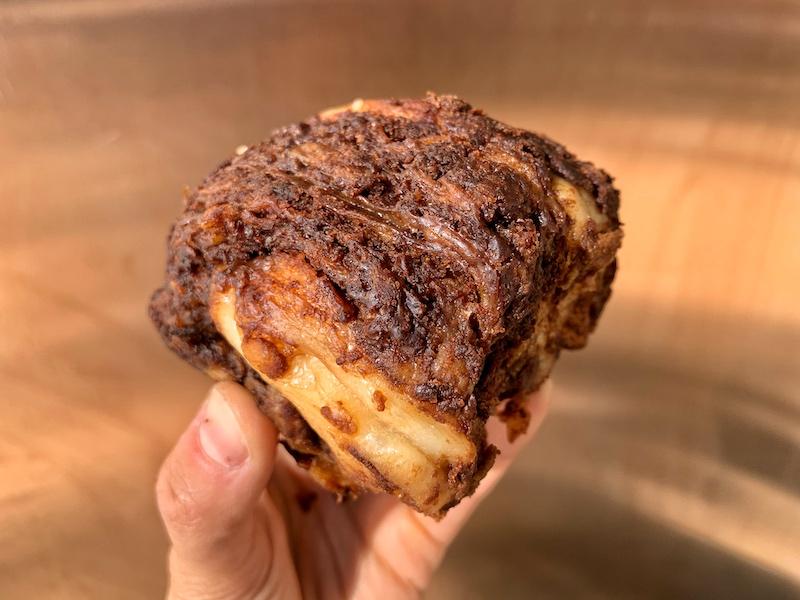
Dense like an American south-style biscuit and sweet with flavors of cinnamon and chocolate, these thick bread-like rolls are China’s answer to Jewish babka. The swirls of flavor pull apart into delectable layers that get moister, like the inside of a cinnamon roll the closer you get to the center.
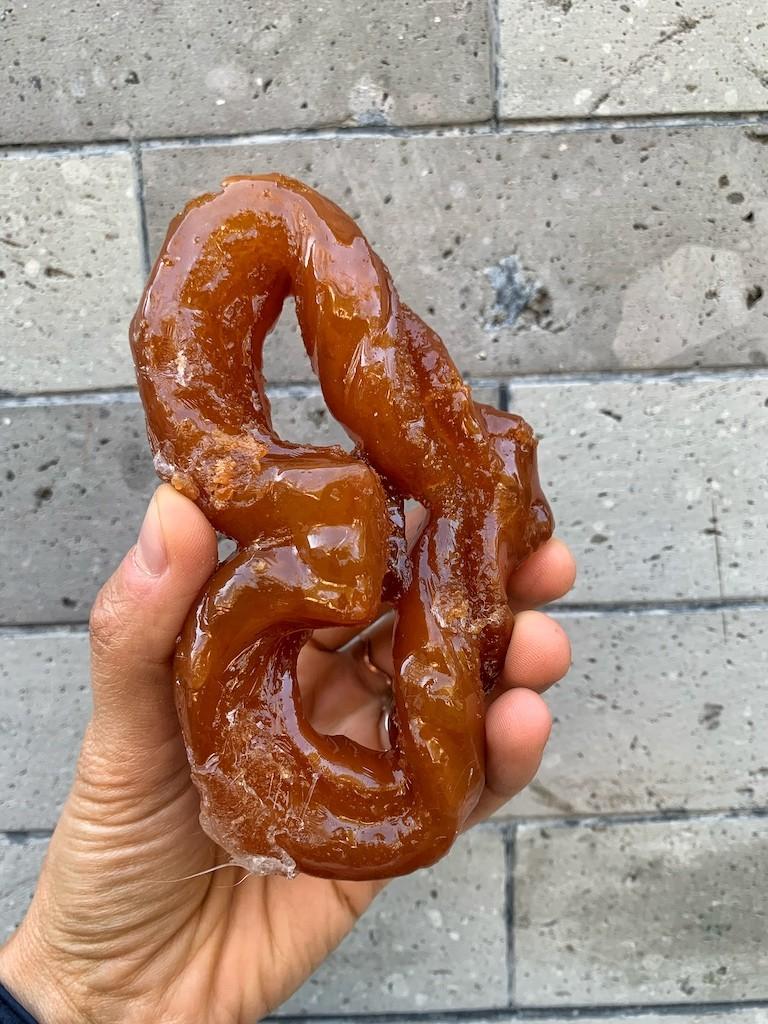
Named for their ear-like shape, these fried dough twists are submerged in a hot, thick sugary super glue-esque paste that will make dentists and doctors alike cry. One bite will have your teeth sticking together and your jaw locked, but your tummy happy. Carbs, oil and sugar, this sweet treat definitely covers all of the necessary food pyramid bases.
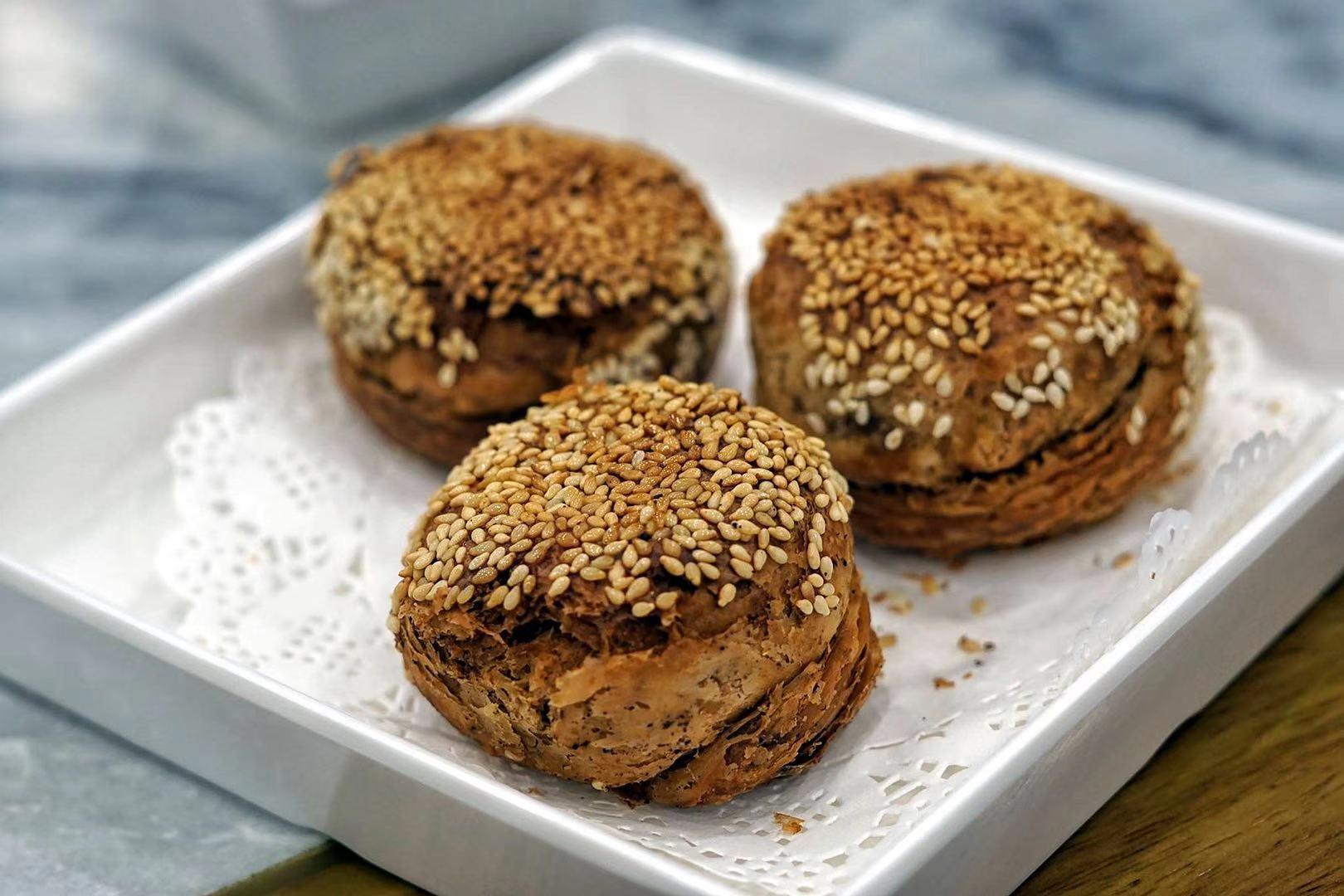
While Shanghai does have its fair share of roasted bing (round bread-like pastries in both sweet and savory flavor options), the Beijing version is thicker and denser when compared with the flatter Shanghai version. In Beijing, they also have some wacky flavors that are heavily spiced and seasoned, reminding us of one of Chengdu’s signature seasonings – ‘strange flavor’ aka guaiwei.
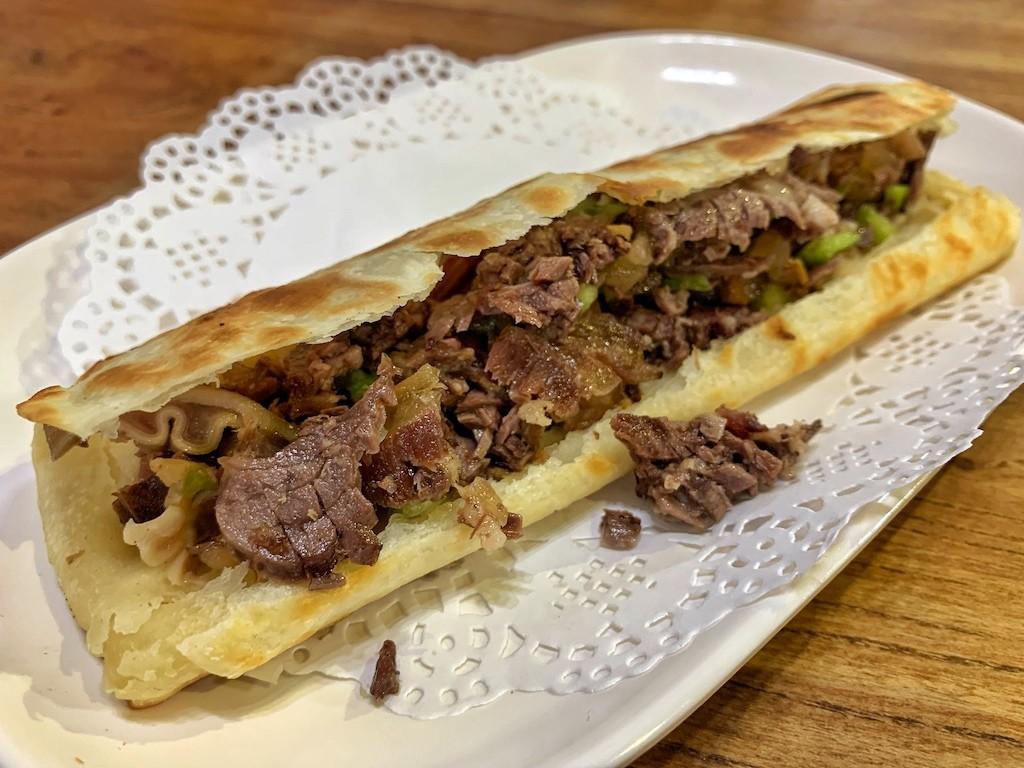
A tasty alternative to the more common roujiamo (or Chinese ‘burger’) is the Beijing-style donkey burger. A rectangular shaobing is toasted and filled with cold shredded donkey meat. The meat is tender with a distinct flavor unlike pork or beef, and depending on the shop you buy it from, it can be quite lean. To balance this, some shops will add chunks of fat mixed in with the donkey shreds for extra flavor.
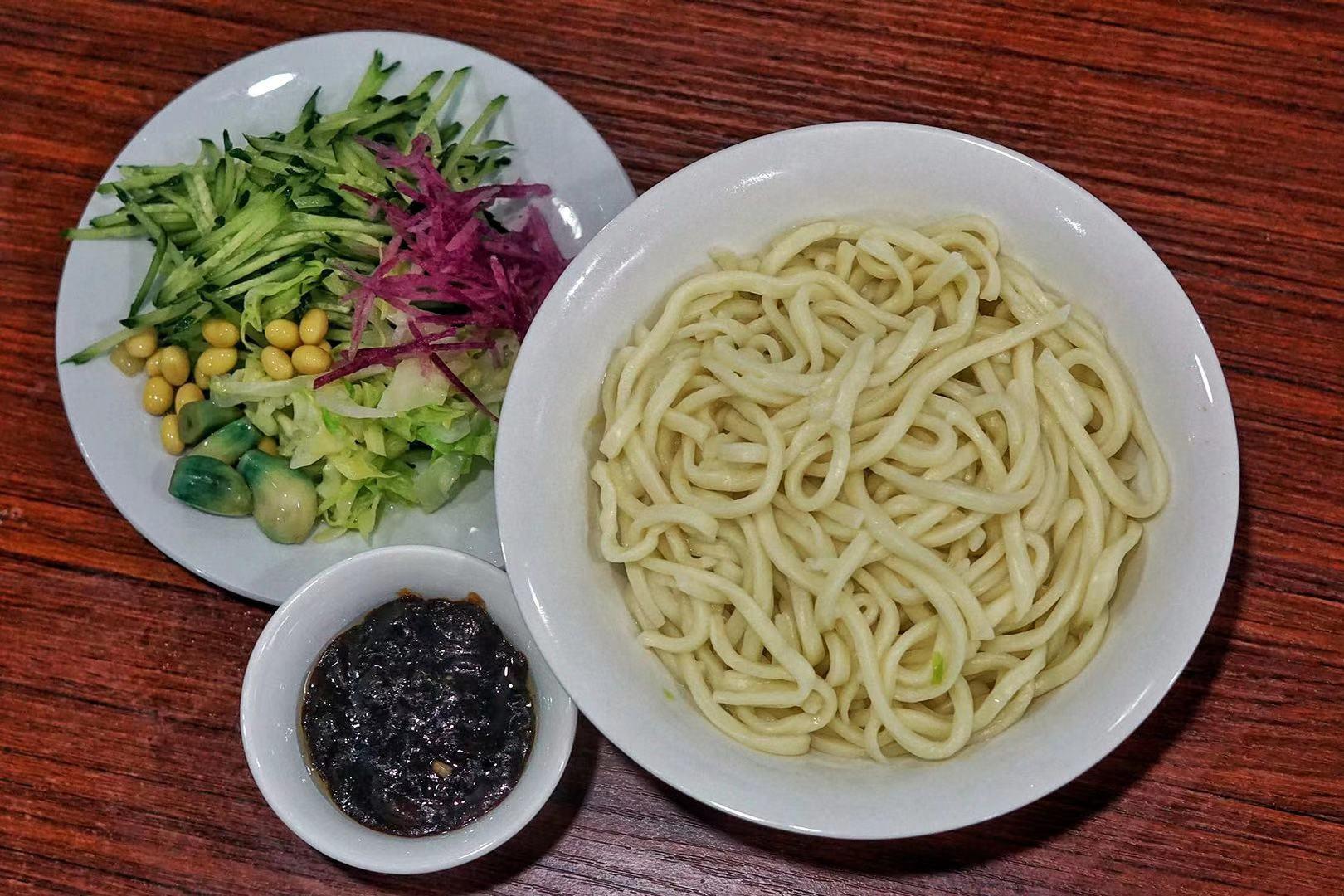
Arguably Beijing’s most famous noodle dish, zhajiang mian is usually served cold. Fat, unctuous noodles are topped with soybean paste and fresh julienned veggies – usually cucumbers, beetroot and cabbage. Garlic finds its way into the mix as well, whether pickled or raw, it’s always welcome.
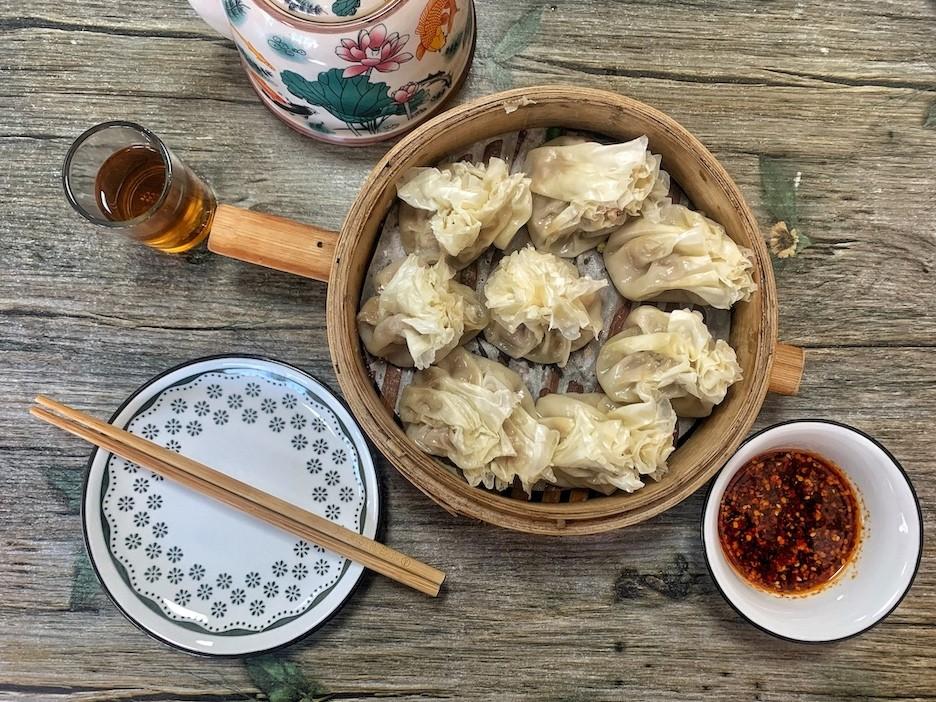
Unlike the rice-filled Shanghai style of shaomai, Mongolian shaomai is typically filled with lamb or beef. The thinner skin is comparable to that of a xiaolongbao as it also helps hold in the meat juices. Steamed and served hot, these are best consumed with copious amounts of dark vinegar and chili oil.
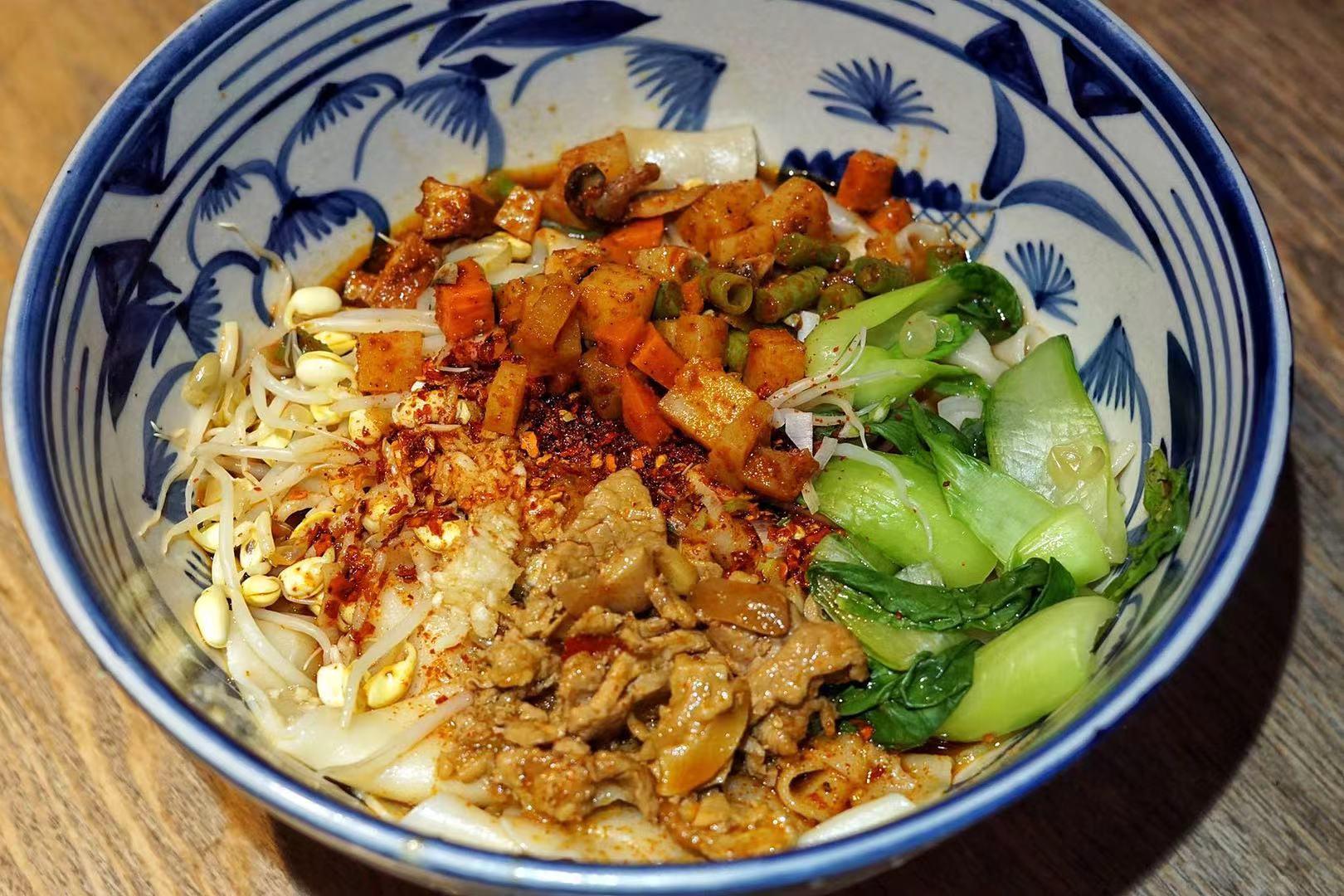
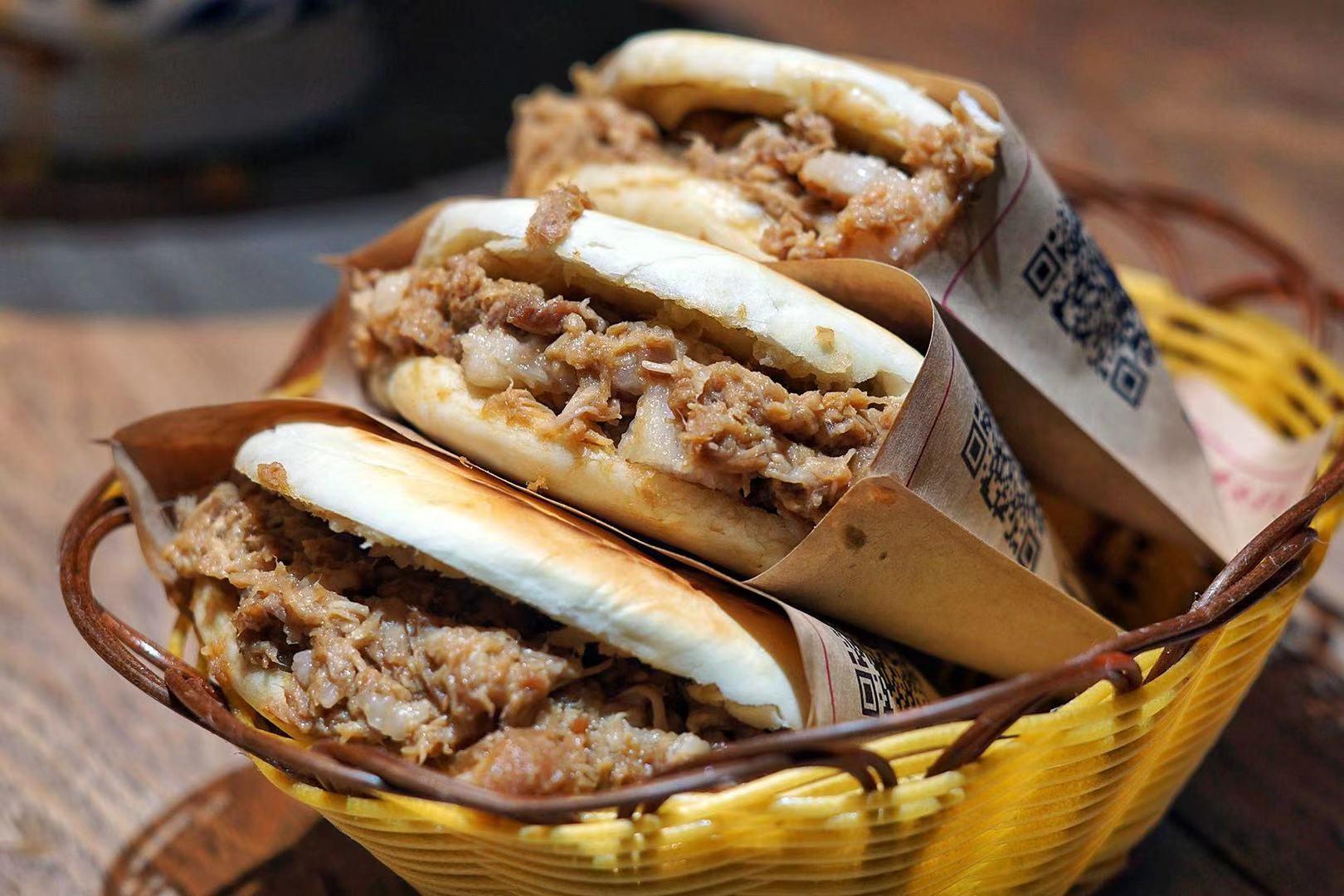
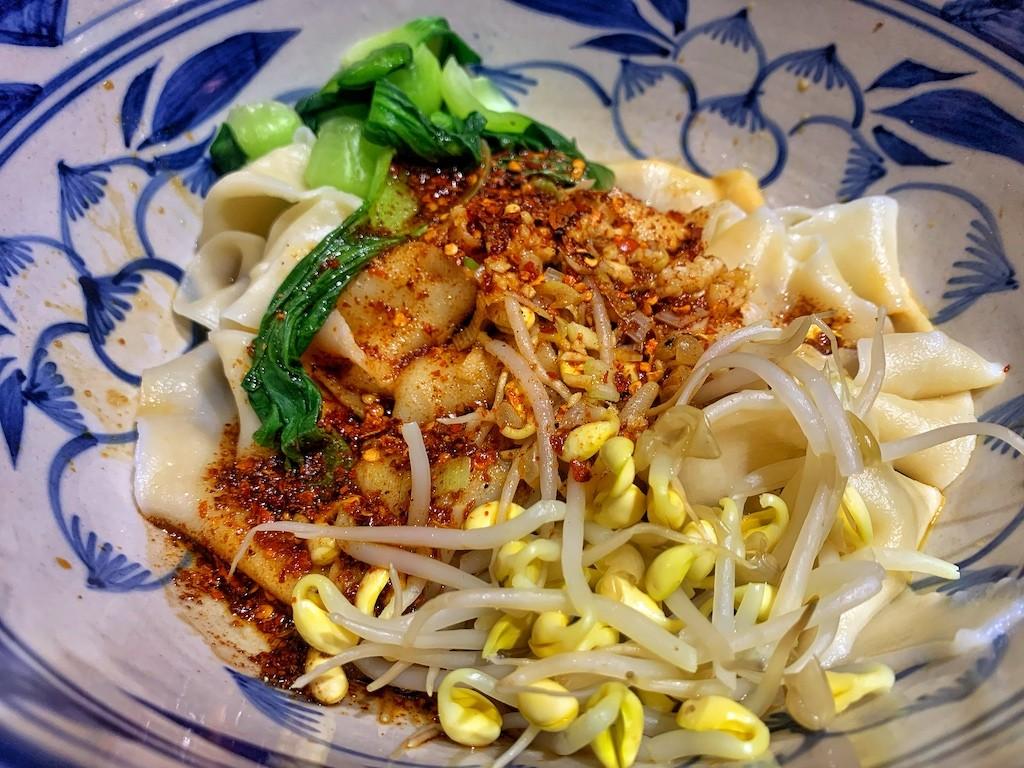
Yes, we know these snacks hail from Xi’an, but they are so much easier to find (and usually tastier) in Beijing than Shanghai, making our consumption levels of both easily double. The thicker the noodle, the better, and always ask for extra meat on the roujiamo for a more Xi’an-like experience.
Yes, yes, Beijingren, we understand this is not an exhaustive list, and – in fact – misses quite a few of your typical dishes. Yet, these are some of the dishes we found ourselves unexpectedly craving upon on our return to Shanghai, with high hopes of consuming them again in the near future.

My name is Sophie Steiner, and welcome to my food-focused travel blog. This is a place to discover where and what to eat, drink, and do in Shanghai, Asia, and beyond. As an American based in Shanghai since 2015 as a food, beverage, travel, and lifestyle writer, I bring you the latest news on all things food and travel.
Your email address will not be published.
Be the first to comment!

Sign up for tips on the latest Shanghai openings, and other food, beverage, and travel content
© 2026 Sophie Steiner
Privacy Policy