Alea: East-Meets-West Bistro Fare & Wine Bar
A neighborhood wine bar that stands out amongst the rest
April 13, 2026
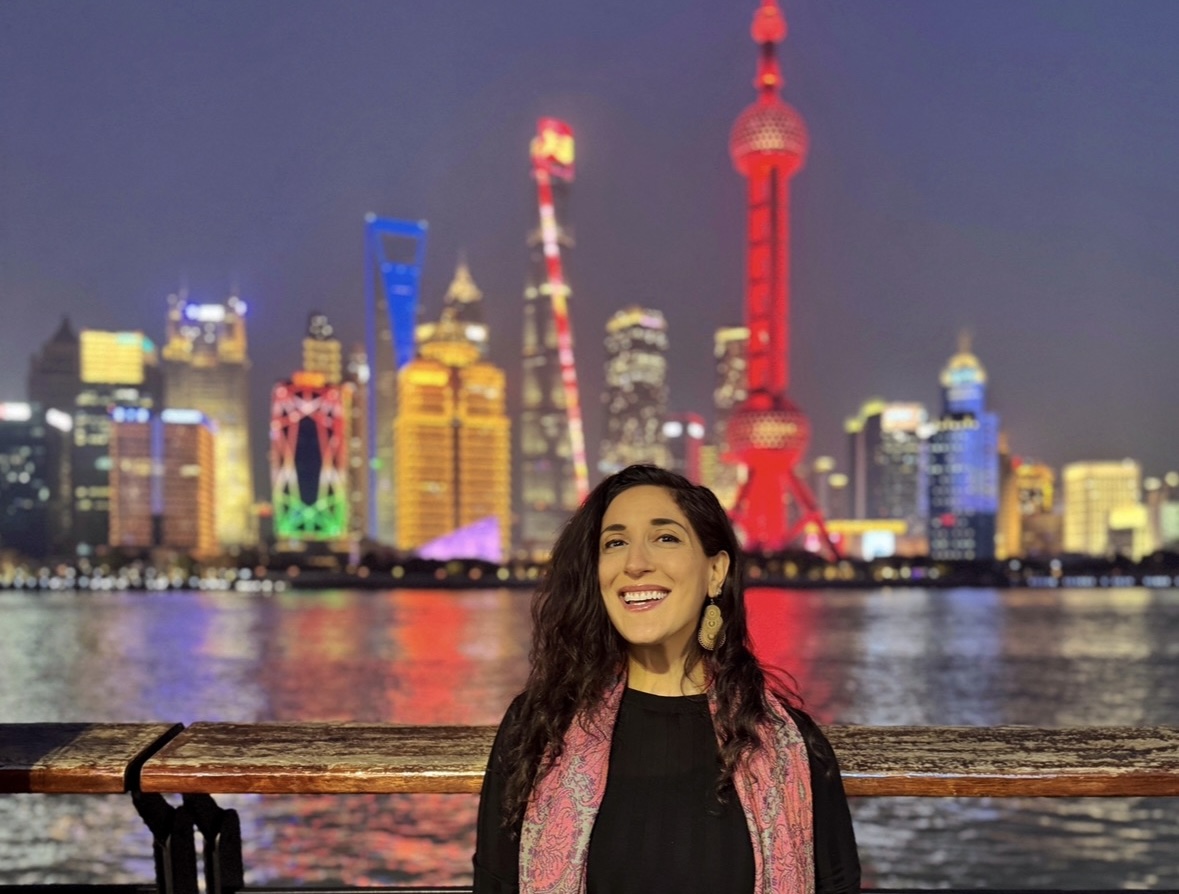
Like every good love story, mine starts with infatuation. I arrived in Shanghai in 2015 with an 18-month contract in hand. I saw the city as just a temporary blip on my life’s radar, a flirtation with a new fate, but nothing serious. This sabbatical was an opportunity to travel abroad, upgrade my Chinese vocabulary beyond ni hao, and – most importantly – taste some real Chinese food, not the Americanized General Tso’s chicken in white takeout pails I had grown up on, often accompanied by a crushed fortune cookie prophesying that “an exciting opportunity lies ahead.”
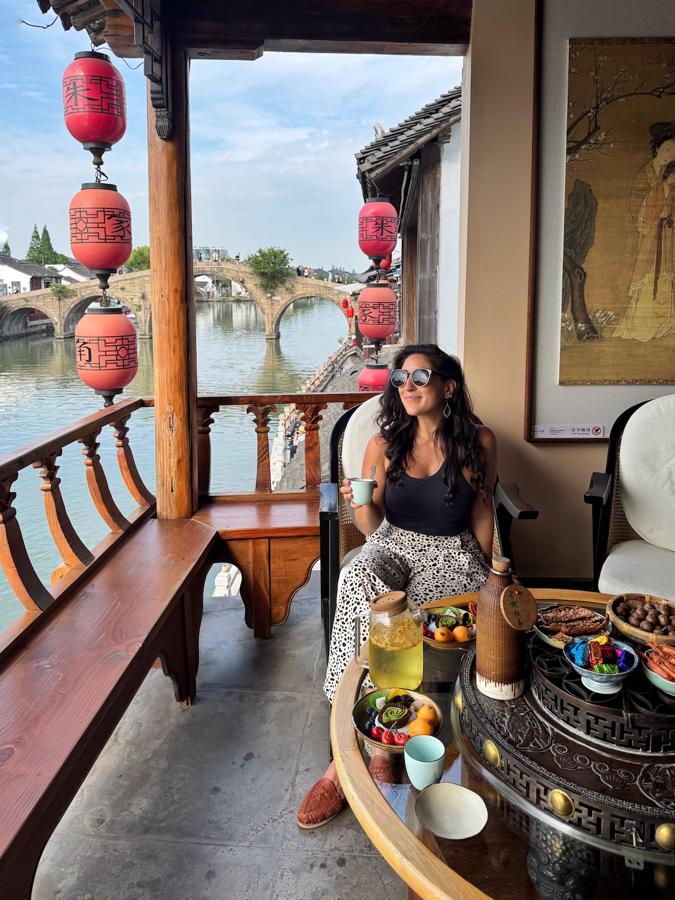

As a self-proclaimed epicure, I put in the food research legwork before arriving to hit the ground running. I consumed every local blog, every Shanghai food influencer Instagram post, every cuisine-centric WeChat account as if it were the city’s street food itself. I could taste the saccharine slickness of fat-pleated hongshaorou (red braised pork), feel the eruption of soupy pork inside my mouth from xiaolongbao, and smell the fried green onion fragrance of congyoubing (scallion oil pancakes) sizzling in hot oil long before I ever trapsed Shanghai’s backstreets.
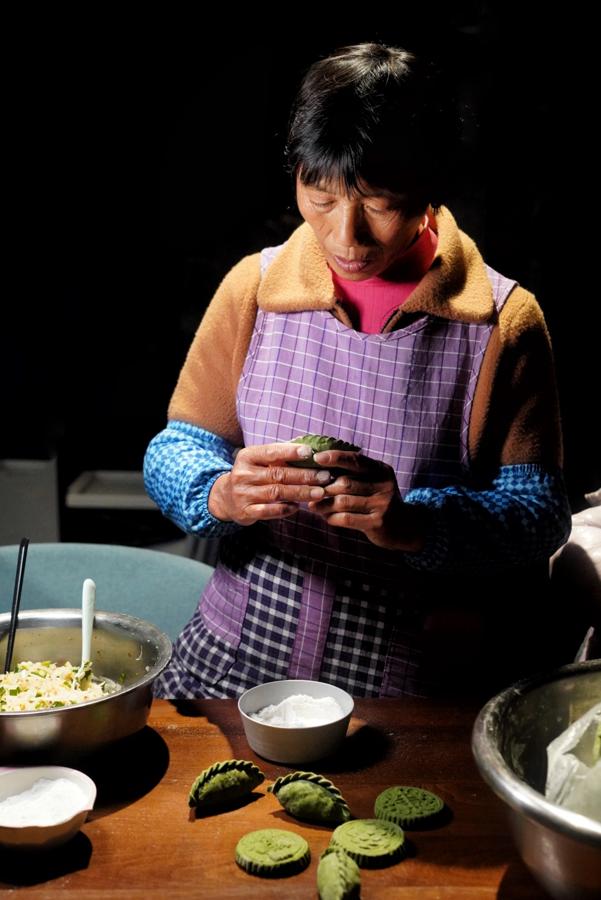
I came in with a chip (read: fried wonton crisp) on my shoulder, assuming I knew it all. But, I soon realized there’s an entire subset of local Shanghainese cuisine – benbang cai – that I had overlooked. This is not that which is found primarily on the street, but rather in people’s home kitchens, shared around overflowing tables encircled by close friends and relatives, typically supplemented by baijiu-fueled laughter.
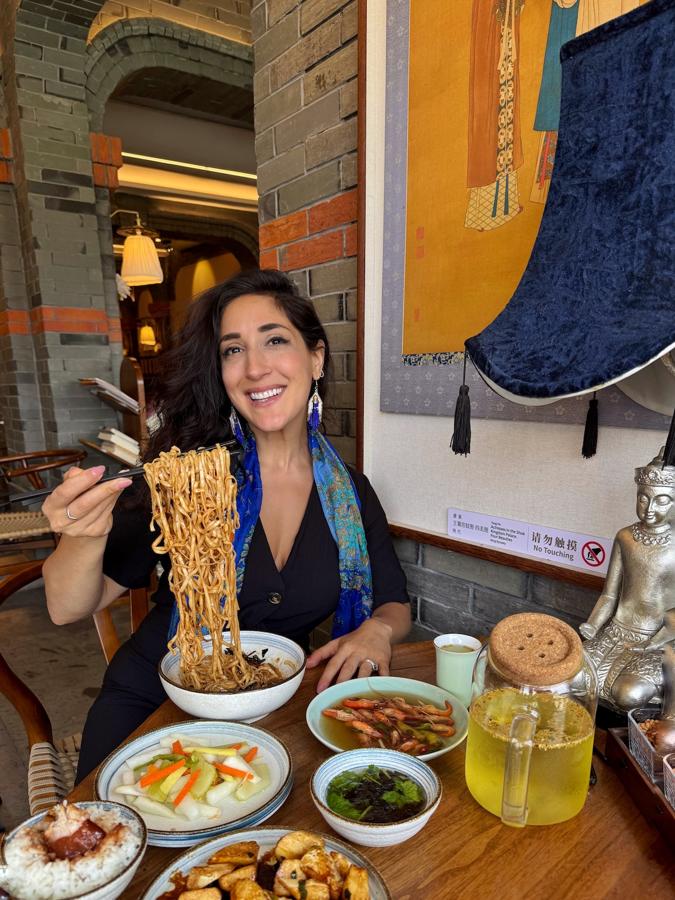
Benbang cai origins date back to East China in the 1600s during the Ming and Qing dynasties, a culinary tradition built around braises, stir fries, and steaming of local Yangtze River Delta seasonal ingredients, coupled with a liberal use of oil and sugar. It differs from contemporary Shanghainese cuisine, which is more an amalgamation of gastronomic influences owed to Shanghai’s diverse and internationally-shaped past as a trading port.

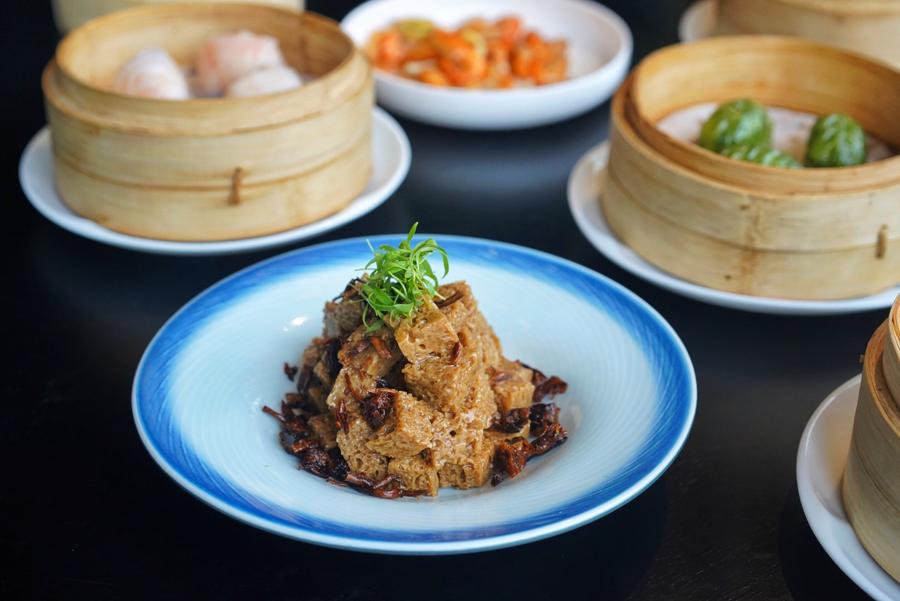
Within that category is where I discovered three dishes tourists often overlook but shouldn’t: kaofu (braised wheat gluten), youbaoxia (fried shrimp), and the breakfast staple douhua (silken tofu).
That aforementioned fortune cookie was right. The exciting opportunity lying ahead in 2015 has since evolved into a committed relationship with the city I proudly call home.
At first, I avoided kaofu like the plague. Made from that disdainfully scorned word that Americans flee from as of late – gluten – one that’s whispered in disgust as if it should be banished from the edible world, I thought how could the Shanghainese have an entire dish dedicated to it.
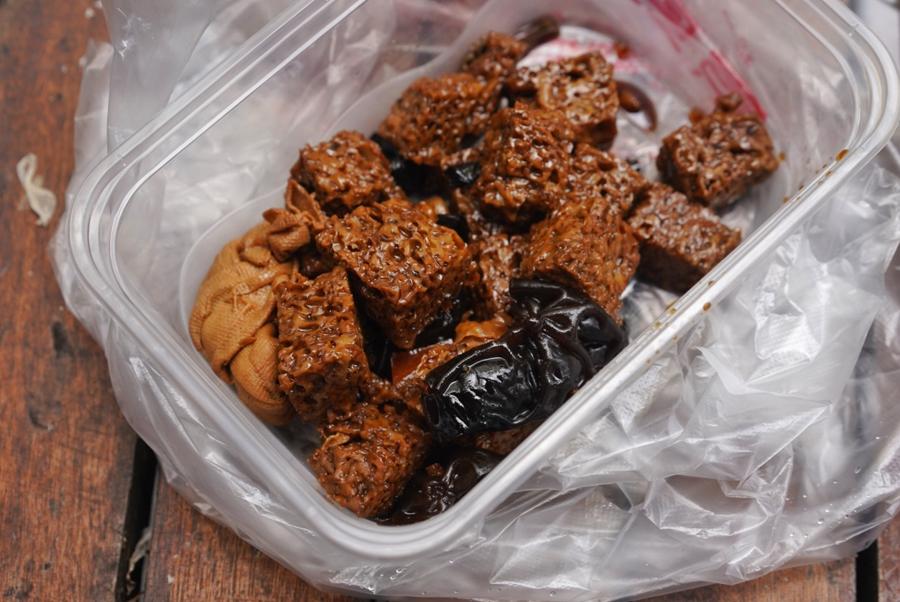
But the elastic mass leftover after washing wheat flour dough is actually high in protein, low in fat, and fermented for improving gut health. Cut into slices, the braised wheat gluten is doused in a sticky soy sauce tossed with wood ear mushrooms, peanuts, bamboo shoots, and – if you’re lucky – tofu knots. Like a sponge, the gluten absorbs the sauce lending a deep sweetness to every morish morsel, securing its position as a staple in traditional restaurants and home kitchens throughout the city.
Translated as “oil-exploded shrimp,” youbaoxia sees whole, shell-on river shrimp flash-fried in a searing, oil-lined wok until crispy. The shrimp are then immediately stir-fried in a simple reduction of aged black vinegar, Shaoxing wine, sugar, and sesame oil that coats every crevice of the crustacean in a glossy glaze. Some permutation of scallions, garlic, and ginger are often thrown in the mix, the Chinese holy trinity of cooking.

You won’t find youbaoxia outside of Shanghai and Zhejiang province as it traces its roots to the watertowns of Jiangnan, where abundant seafood, like hairy crab, eel, and river fish are a bountiful component of this region’s cuisine. Here, the wild-caught freshwater shrimp are smaller with softer shells, perfect for ultra-high heat cooking that crisps said exoskeleton. The shells and head are customarily left on to preserve the balance of oceanic umami and inherent sweetness of the seafood.
The best youbaoxia is double fried, locking in that sugary sheen for a bold crunch and burst of fragrant aroma that hits you the second it’s served.

Unlike the sweet renditions of douhua, or tofu pudding, found all around China, Shanghai’s douhua is conventionally eaten only for breakfast and in a savory format. Dribbled with aged vinegar, soy sauce and chili oil, a bowl is rounded out by a fistful of chopped scallions and cilantro. More elaborate versions arrive tableside topped with pickled mustard tubers, crushed peanuts, dried shrimp, and fried mung beans.
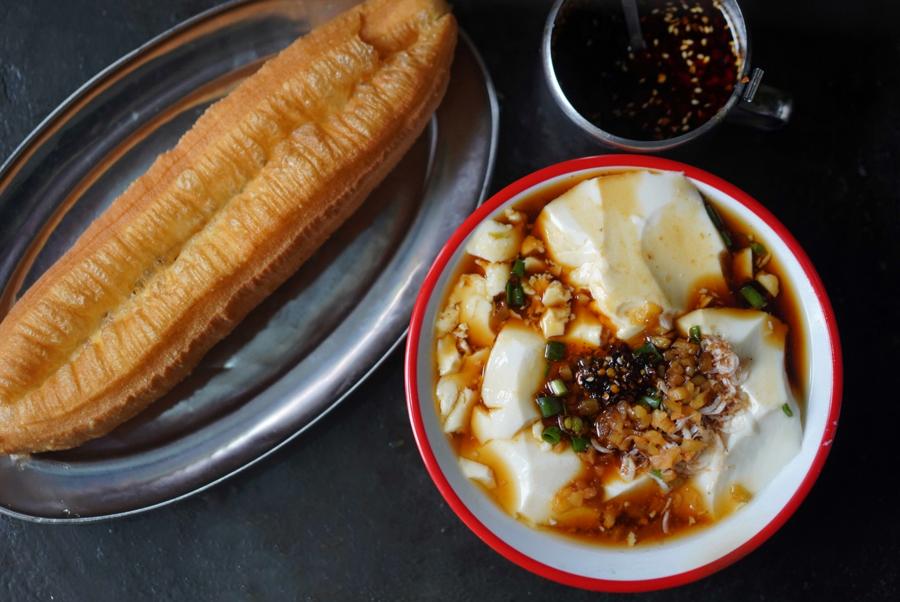
Literally meaning “tofu bloom,” hot fresh soymilk coagulates with dissolved cornstarch and calcium sulfate, affording the douhua its signature silken texture. In just a few minutes, the tofu “flowers,” surrounded by whey. When compressed, it becomes tofu, but before that, it’s just blossomed soy, poetic in its malleability to take on the flavors and textures of that with which it’s presented.

Ladled out warm and luscious, this trembly soy milk custard is delicate, mild, and earthy, enhanced by umami-rich accompaniments. The quintessential pairing, a just-fried youtiao (Chinese cruller), acts as ideal dipping fodder.
This article was originally written for and published on Business Insider here.

My name is Sophie Steiner, and welcome to my food-focused travel blog. This is a place to discover where and what to eat, drink, and do in Shanghai, Asia, and beyond. As an American based in Shanghai since 2015 as a food, beverage, travel, and lifestyle writer, I bring you the latest news on all things food and travel.
Your email address will not be published.
Be the first to comment!

Sign up for tips on the latest Shanghai openings, and other food, beverage, and travel content
© 2026 Sophie Steiner
Privacy Policy