Shanghai Food & Drink Buzz: February 2026
Your trusted source for Shanghai’s F&B happenings
January 30, 2026
It’s not just a trend, but more of a collective trajectory across Shanghai these days to see fine dining chefs leave behind the white tablecloths and gloved service for laid-back concepts, everyday food they enjoy eating themselves. From ex-French Laundry chef Jason Oakley starting Sub Standard to ex-Da Vittorio Chef de Partie Jimmy Shi opening Rozebiff (temporarily shuttered) to ex-Ultraviolet chef Jun Nishiyama opening Sage, before leaving that team to launch his own passion project and latest concept, Rambu.
READ MORE: Sage Gastro – Ex-Ultraviolet Chef Opens Global Bistro
“I want to serve casual, Southeast Asian, flavor-forward fare, the likes of which Shanghai hasn’t seen before,” explains Nishiyama, dunking a succulent piece of flank steak in his homemade, pungent sambal chili paste.
And that’s exactly what Rambu is about.
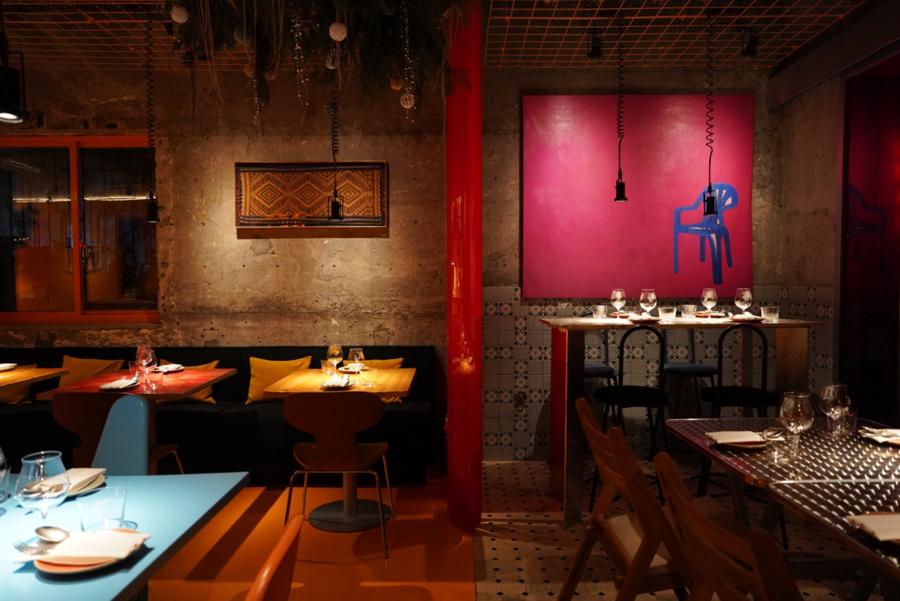
Rambu, backed by Jun Nishiyama and Alice Fan (previously of Sage), Tiger (of Ambra), and Chad Zhu (of Bar Choice), soft opened at the end of last year along Wuding Lu in the old Mavis spot. Diners are greeted by a vibrantly colorful, happening space outfitted in hues of burnt orange, mustard yellow, and brick red plus periwinkle blue accents that evoke a feeling of Singapore’s beloved hawker centers.
The menu offers “cheffed up,” playful riffs on southeast Asian fare, with a focus on Malay, Singaporean, and Indonesia cuisine specifically. Think some traditional offerings – like Nasi Ulam rice salad – and some not-so-traditional offerings – like a Rendang Donut stuffed with Guinness and manis-glazed beef.
Overall, expect approachable dining served with a side of Nishiyama’s signature imaginative style.
A tribute to Southeast Asian flavors, the menu highlights Nishiyama’s heritage – a mix of Singaporean and Japanese – creating a personal bridge between the flavors he grew up with, his multicultural experiences, and the resulting reinterpretation that find its way onto Rambu’s patterned plates.
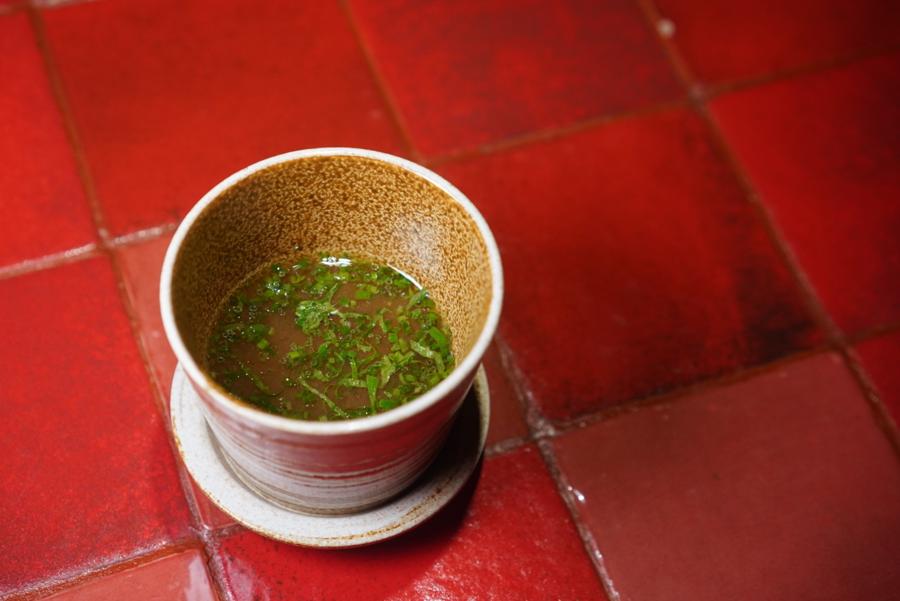
“I like diners to begin with Rasam (RMB24/2 cups), a South Indian sour soup made with tamarind, tomatoes, warming spices, and aromatic herbs. It’s a cure-all in Malaysia, Indonesia, and Southern India that promotes digestion and both prevents or cures hangovers,” adds Nishiyama, steaming ceramic mug in hand.
One sip and you understand why. It’s bold: sour, tangy, refreshing, and sweet with a lingering heat. A thin layer of ginger oil leaves lips glossy and gratified.
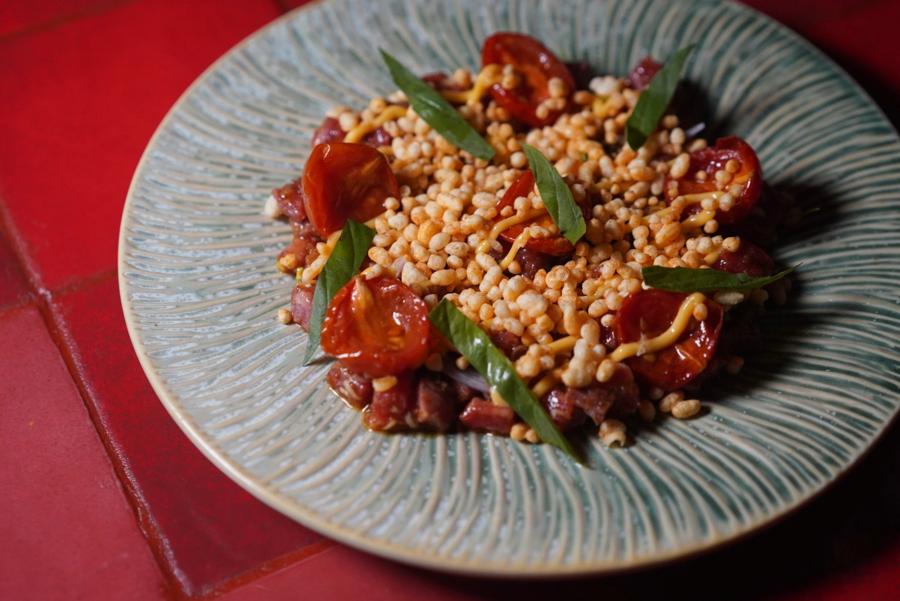
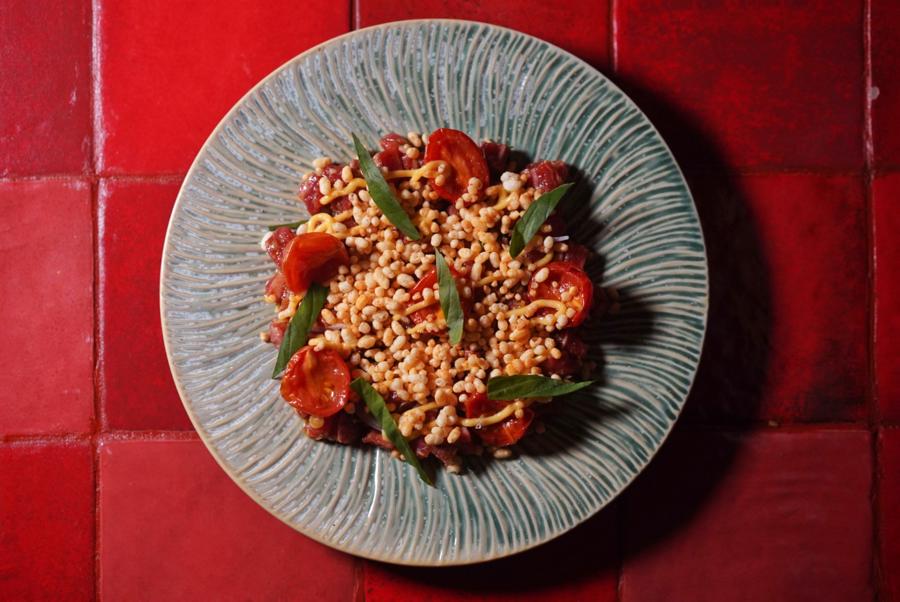
The Thai Tartare-ki (RMB98) – a tartare-meets-tataki with a tom yum zing – centers around marinated cubes of roughly chopped raw beef coated in crispy rice puffs and a dribble of tom yum-laced mayo. This nod to Nishiyama’s six-month stint in Bangkok also indicates his favorite Southeast Asian cuisine: Thai.
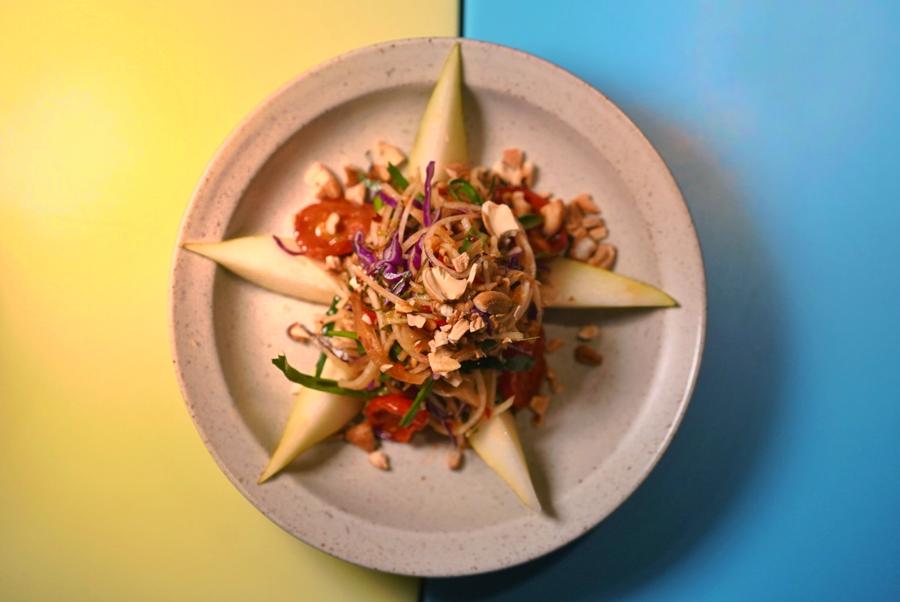
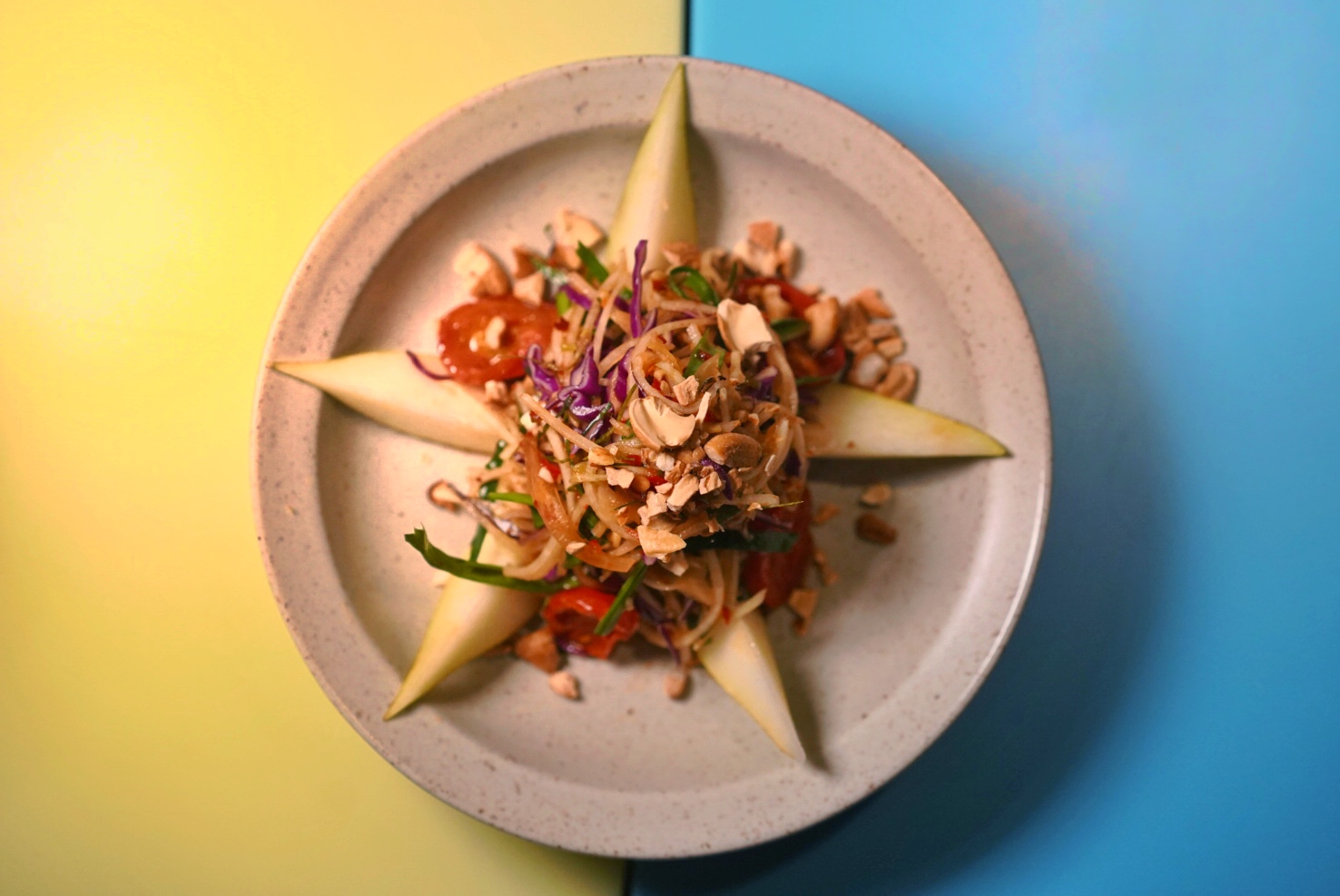
Following in the same vein, the newest menu dish, Papaya Salad (RMB58), is bolstered by the addition of red cabbage ribbons dressed in a tomato juice and lime fish sauce. Toasted cashews and fresh pear slices lend both nuttiness and honeyed sweetness, rounding out the five tastes conventionally represented in Thai cuisine: sour, spicy, sweet, salty, and bitter.
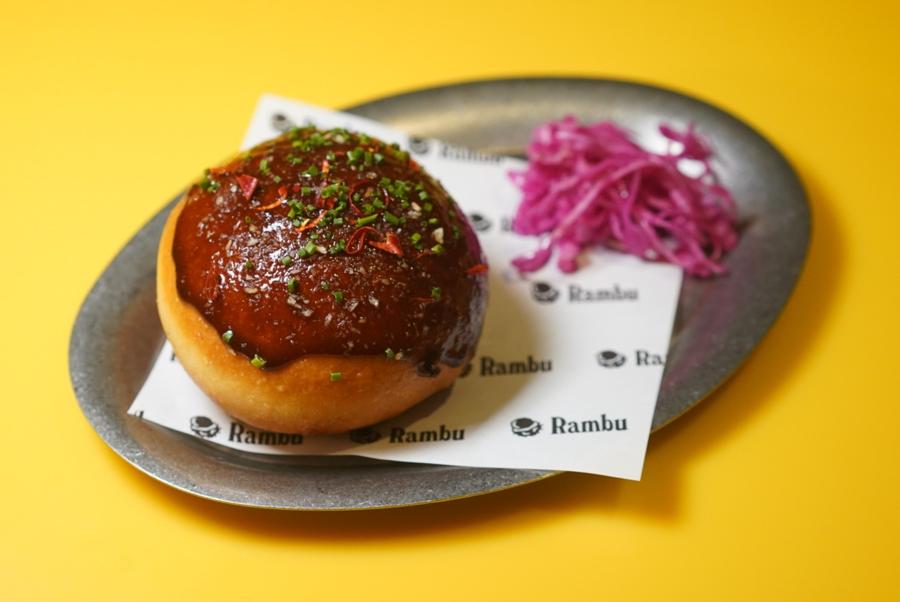
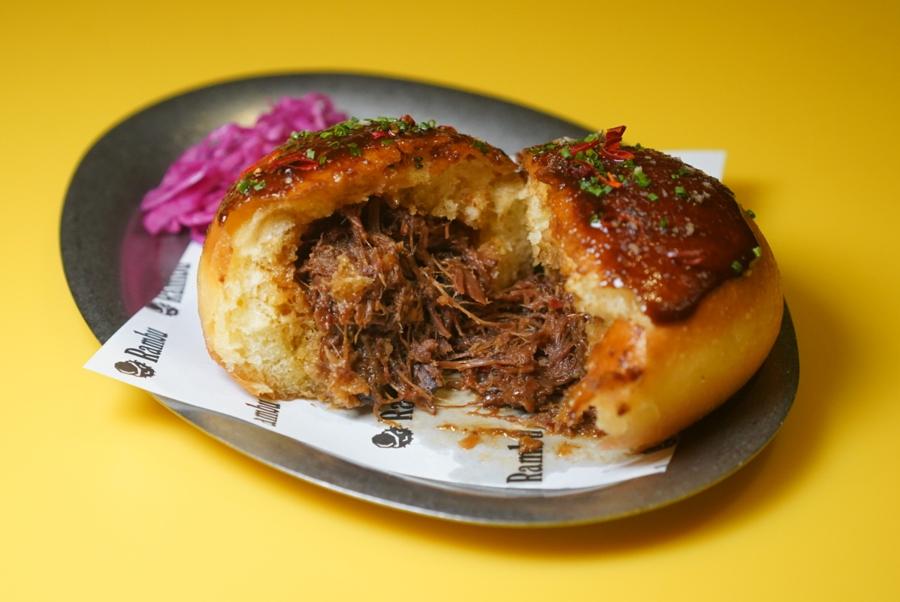
Donuts are no longer just for dessert. Case in point, Rambu’s Rendang Donut (RMB68), one that resembles a glazed chocolate bombolone, but its pillowy center reveals something all the more exciting – stewed oxtail rendang that oozes fragrant, heavily spiced beefy jus down diners’ oh-so-satisfied smiles. The beef is glazed in a reduction of its own juices, kecap manis (a syrupy sweet Indonesia soy sauce), and Guinness glaze, dusted with chilis, chives, and coconut powder “sprinkles.”
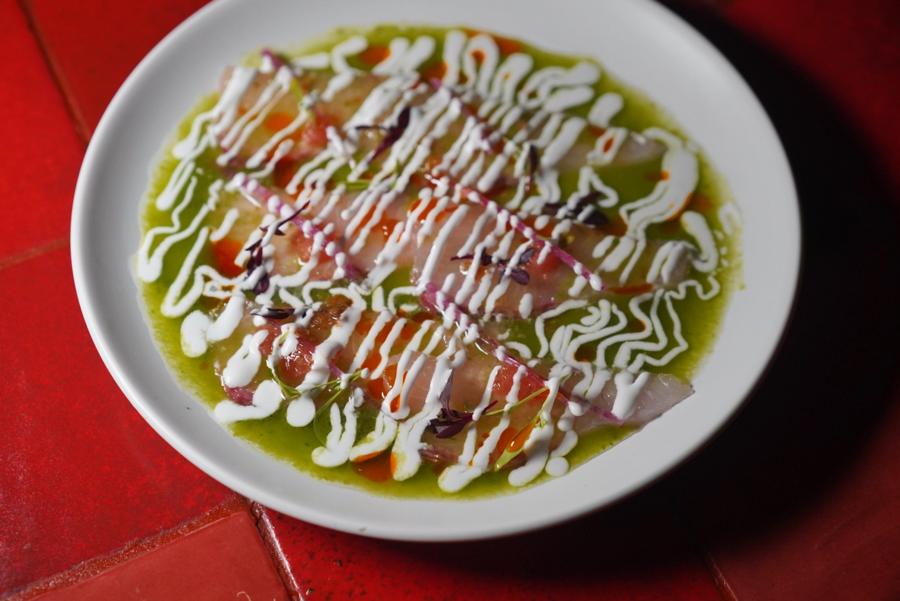
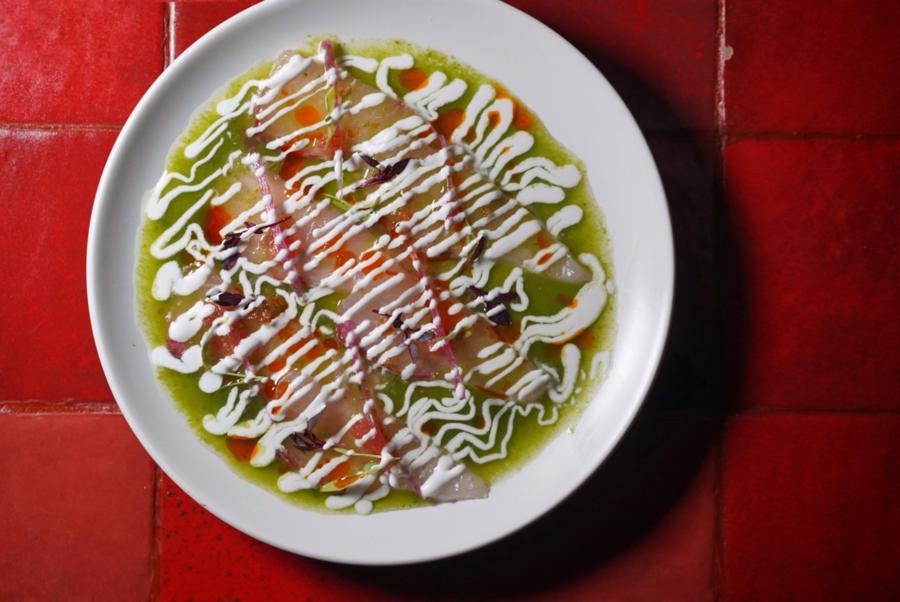
Cleanse the palate next with Rambu’s interpretation of Kinilaw (RMB98), a Filipino-style ceviche. Delicate pleats of yellowtail hamachi are drizzled with alternating stripes of green chili sauce, sambal oil, and coconut cream. Grapefruit segments impart a citrusy, bitter balance.
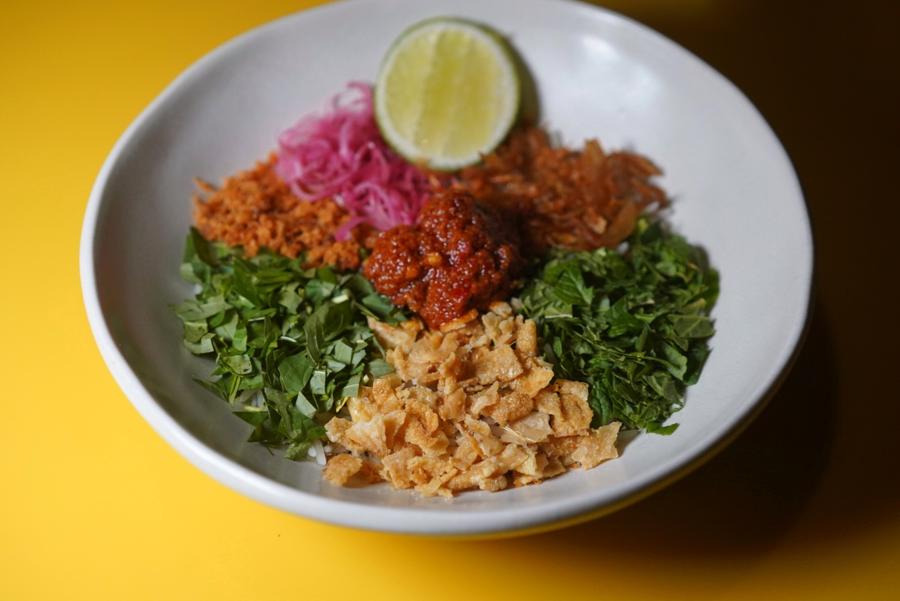
A Malaysian traditional staple, Nasi Ulam (RMB58) is a colorful coconut milk-cooked rice salad combining ginger torch flower, chicken skin, fried salted fish, Vietnamese mint, fried shallots, punchy sambal, and a gasp of lime to bring it all together. A moreish mix of flavors and textures, each bite brings something new to the fore.
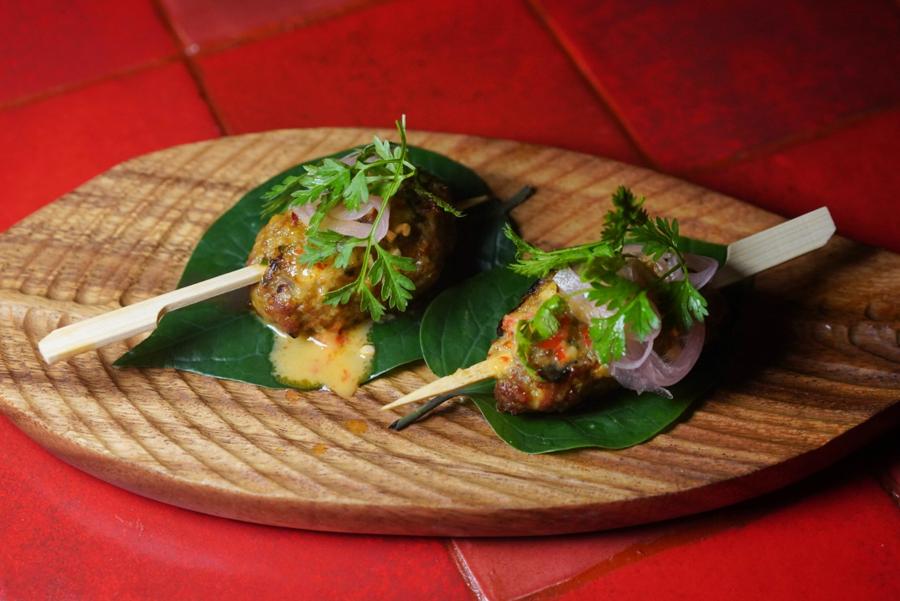
Separate from a Vietnamese streetside stall, but still very much a part of it, the Grilled Mutton Skewers (RMB48/2 pieces) are a tip of the hat to bo la lot, a Vietnamese-style ground meat skewer wrapped in betel leaf and charcoal-charred over open flame. Here, Nishiyama uses tender lamb meat instead of the customary beef, laced with fish sauce, balachan (fermented shrimp paste), pickled red onion, fresh herbs, and peanuts. Roll it up and eat it like an herbaceous taco, because everything tastes better with your hands.
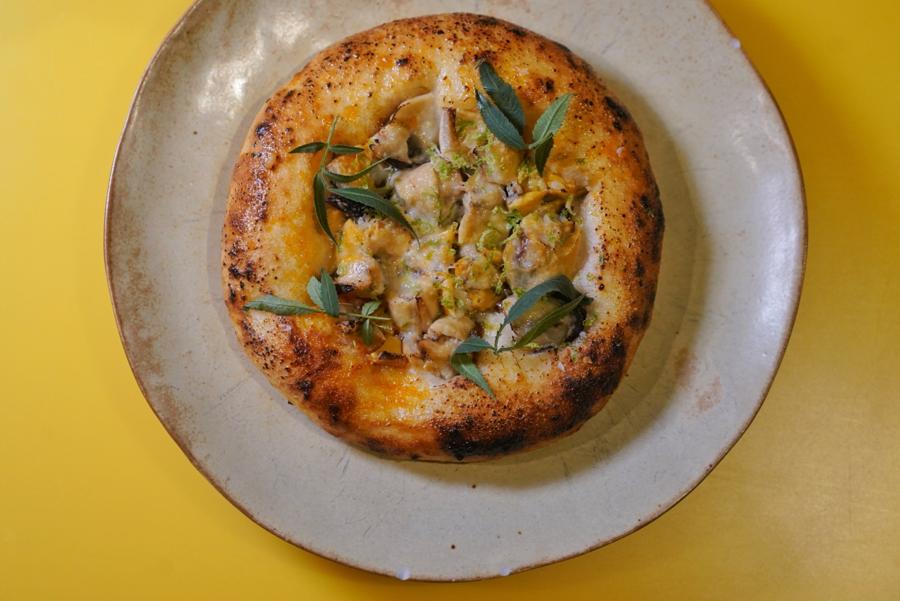
Flat Bread (RMB88) – Rempah butter, buah keluak, Shandong mussels
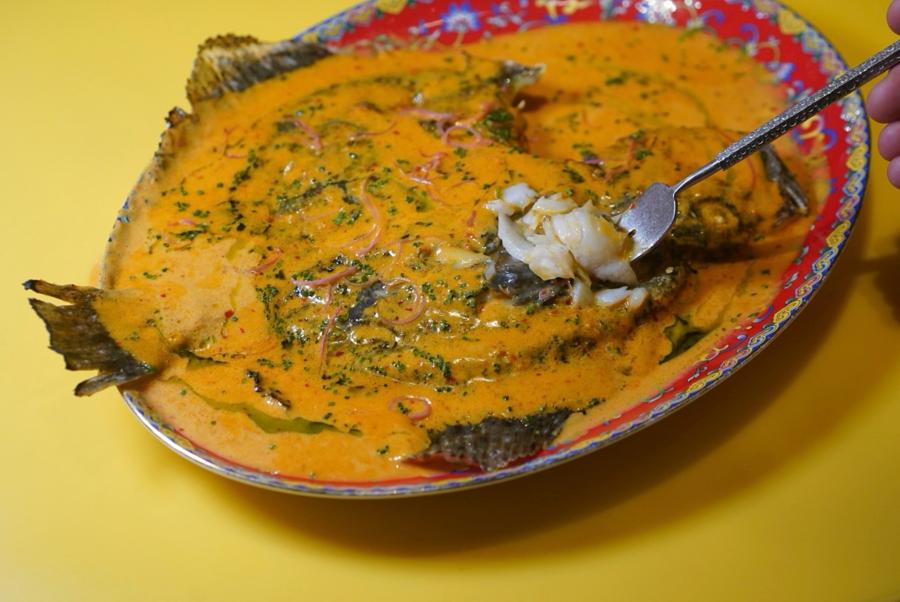
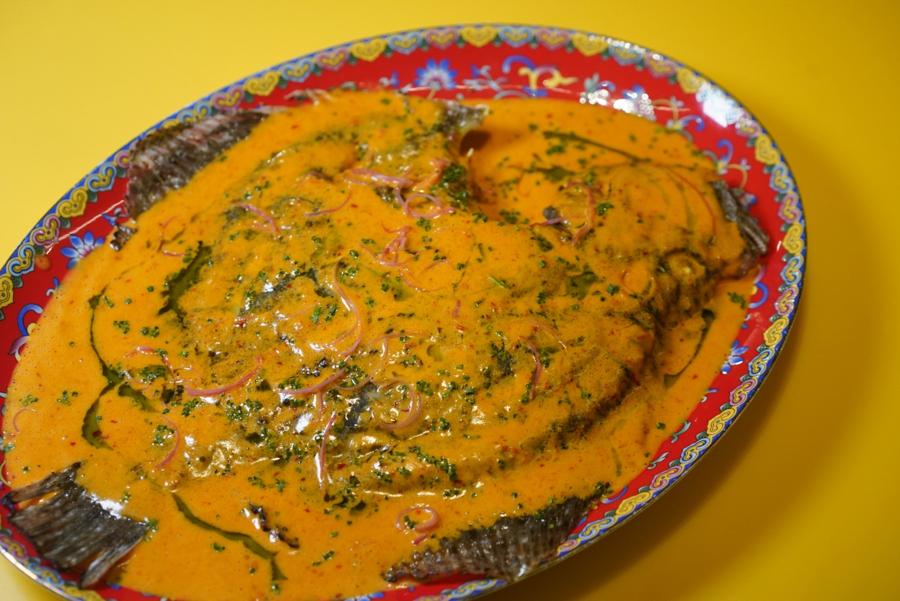
For the main event, the Ikan Bakar (RMB238/500 grams) is the real deal, a whole grilled Dalian turbot smothered in a rich sambal butter, ginger torch flowers, chives, and parsley oil. The flaky yet firm fish soaks up the unctuous sauce, the ideal balance of creamy and spicy.
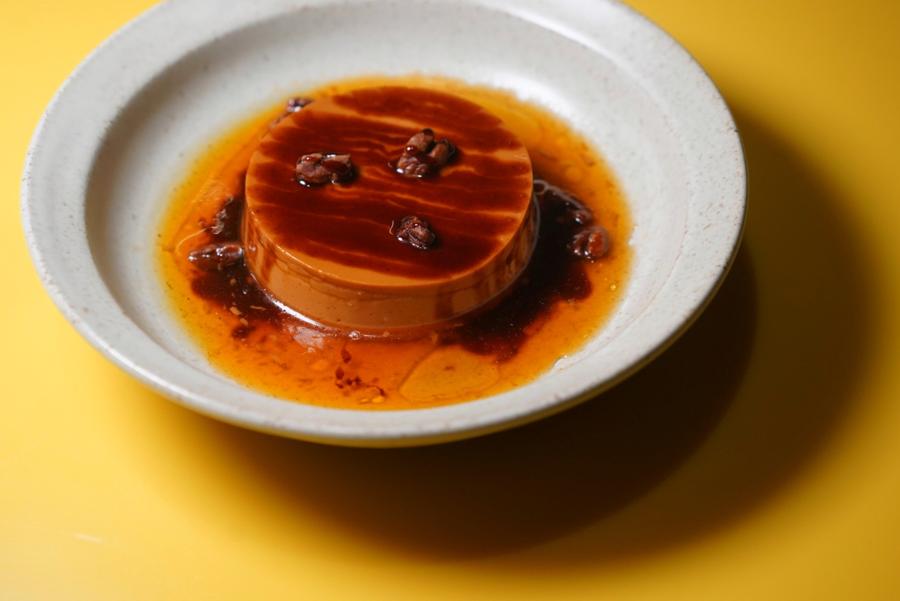
Thai Crème Caramel (RMB58)
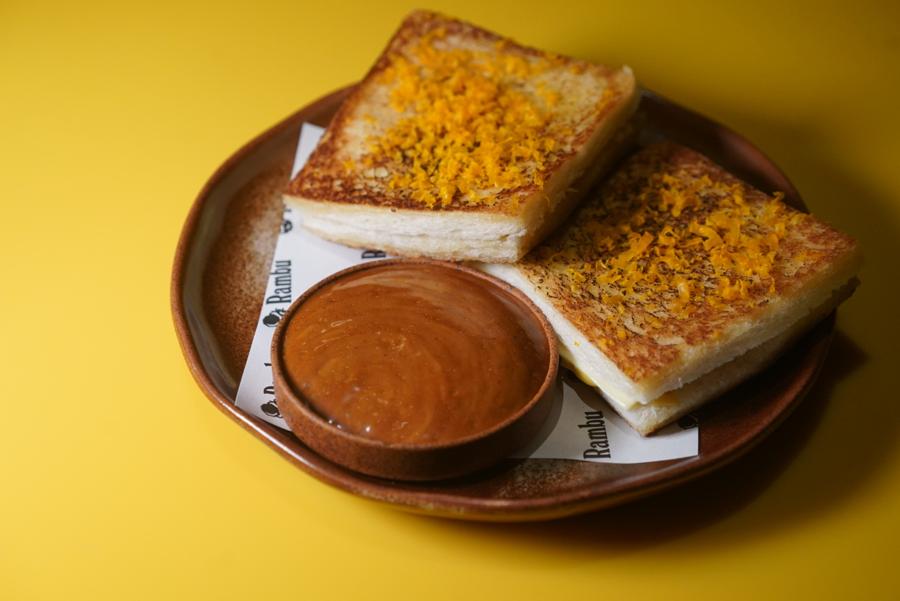
Kaya Toast (RMB42)
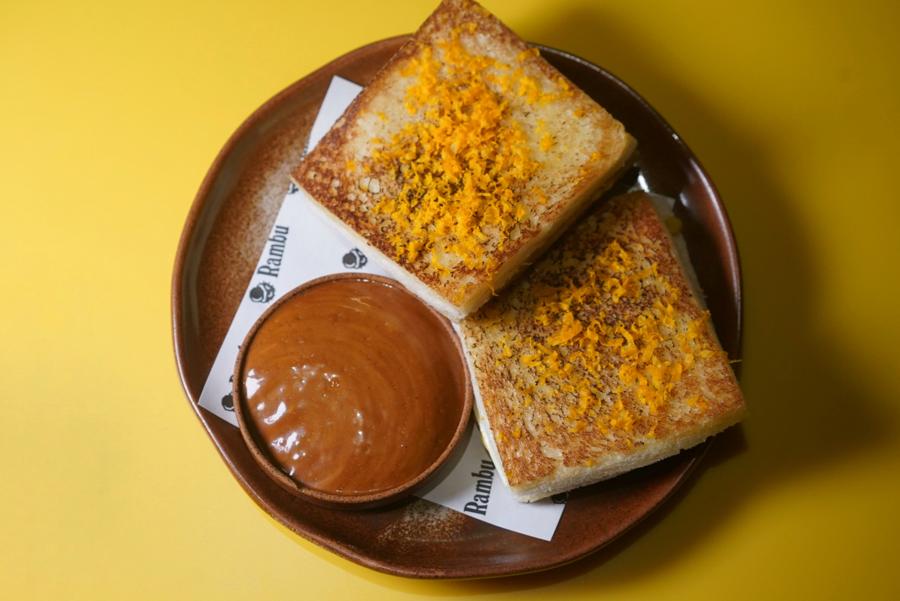
Desserts follow the same reconceptualized culinary ethos, with memorable bites like Thai Crème Caramel (RMB58) – a silky Thai tea custard amplified by a treacly grilled watermelon and calamansi reduction with candied pecans for added crunch – and reimagined Kaya Toast (RMB42) spread thick with homemade kaya and frozen butter, dunked in an umami-bomb gravy made from poached duck yolk, soy sauce, and Sarawak white pepper (an expressive take on soft-poached eggs, the usual kaya toast accompaniment).
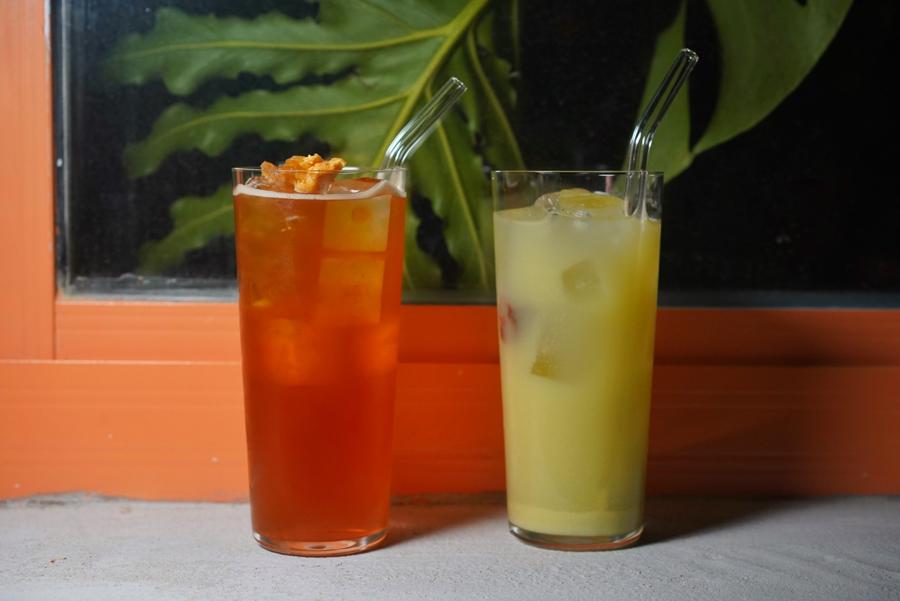
Ke Don Dong Plum Juice (RMB48) right, Tropic Pine Rye (RMB78) left (rye whiskey, vermouth, pineapple juice)
On the drinks front, there are Classic Cocktails (RMB68-88), Wine by the Glass (RMB78-138), Beer Lao (RMB28), and Soft Drinks (RMB28-48), like the unmissable Ke Don Dong Plum Juice (RMB48), a savory sipper made with salted plum and a South East Asian “olive” called ambarella or hog plum.
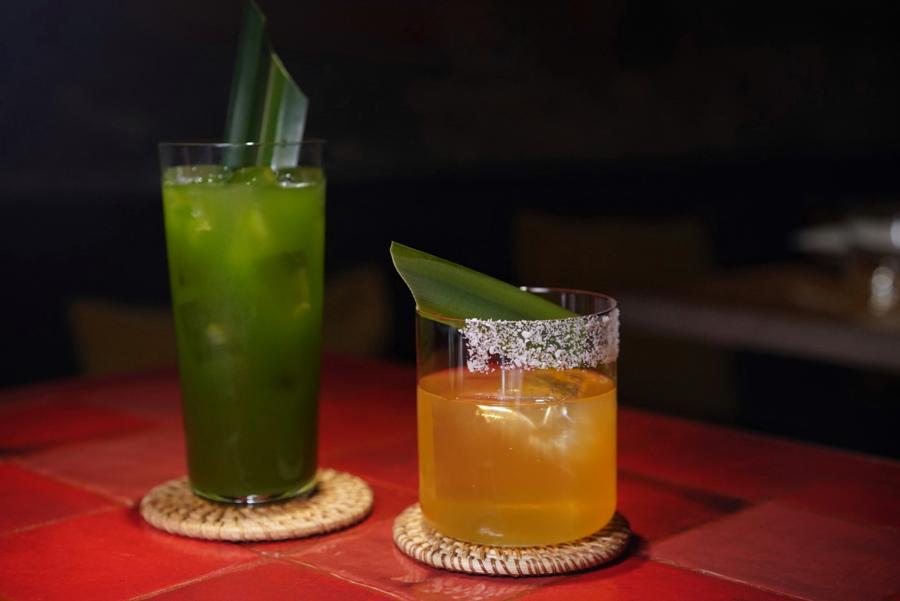
Pandan Haze (RMB78) left, Tropical Tea (RMB88) right
Cocktails lean refreshing, light, and smashable, exactly what you to compliment the robust Southeast Asian flavors throughout. Think rum with pandan, mint, and coconut water as the Pandan Haze (RMB78) or a clarified take on Thai tea with rum, mango, and coconut milk as the Tropical Tea (RMB88).
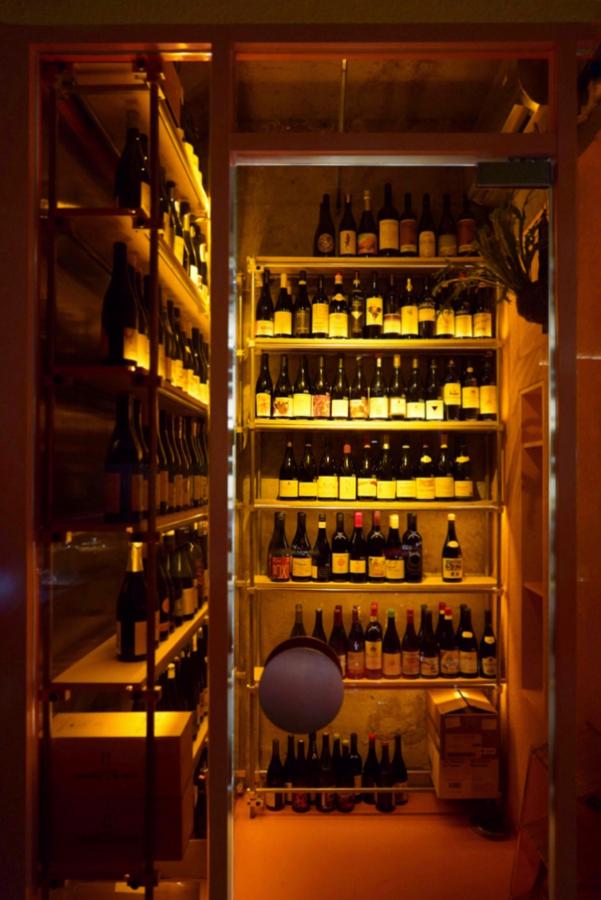
The wine program, curated by Tiger, sees selections based entirely on “what just works with Southeast Asian food,” he remarks. “There are no rules – Old World, New World, natties, noble grapes, and so on. If we like it, it goes on the menu. It’s that simple.” In Tiger we trust.
Derived from the tropical rambutan fruit – signifying a lighthouse or beacon – and wordplay with Rambo (of which you can find the movie poster in the bathroom) is Rambu’s name.
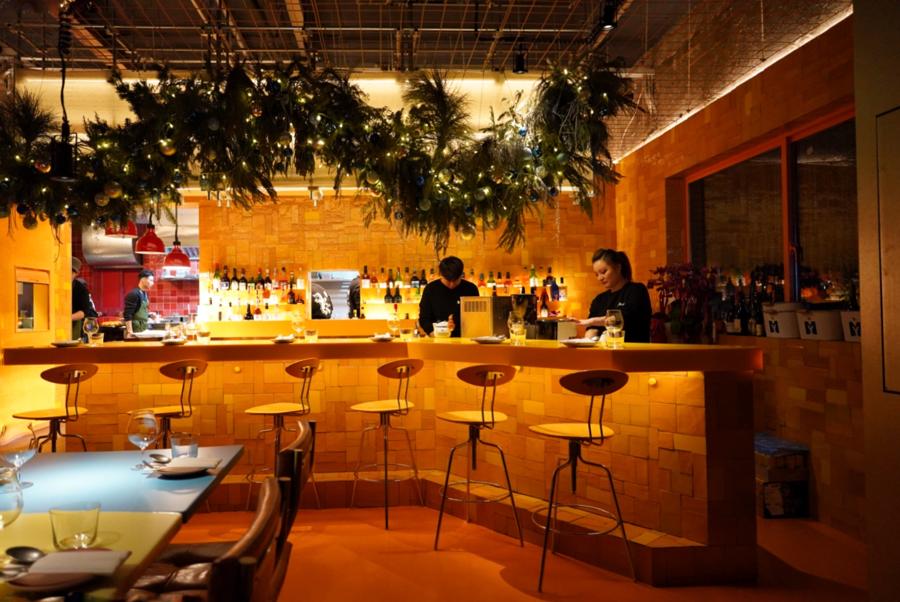
Designed by Skynoa, a Spanish interior decorator that also had its hand in Cilan, the space includes elements like dyed batik fabrics, Peranakan-style tiles, and a canvas print of the restaurant’s mascot (and spirit animal): a pangolin. This deeply significant and multi-faceted mythological symbol is one of protection and power in Indonesian and Malaysian folklore.
With seating for 36 guests, this trendy eatery sees good food sans any pretension, resulting in quick turnover amongst its convivial atmosphere. Tables are close, encouraging conversation with ones’ neighbor, not unlike the hawker center that inspired it.
And this is just the beginning; lunch will launch post-Chinese New Year with more fan favorites from the region, like nasi lemak and laksa, much cheaper (and more convenient) than a plane ticket to Malaysia.
Rambu, 966 Wuding Lu by Jiaozhou Lu, 武定路966号近胶州路

My name is Sophie Steiner, and welcome to my food-focused travel blog. This is a place to discover where and what to eat, drink, and do in Shanghai, Asia, and beyond. As an American based in Shanghai since 2015 as a food, beverage, travel, and lifestyle writer, I bring you the latest news on all things food and travel.
Your email address will not be published.
Be the first to comment!

Sign up for tips on the latest Shanghai openings, and other food, beverage, and travel content
© 2026 Sophie Steiner
Privacy Policy