JUJU Is Back, Baby: Korean BBQ, Soju Bombs, and Seoul-Fueled Shenanigans in Shanghai
Seoul Food, Shanghai Style
April 20, 2026
Updated June 24, 2026
* Receive a 10% discount off any +1 Chopsticks booking by using the code sophiesteiner10 at checkout.
You’ve heard of AirBnB experiences, but we’re sure you’ve never heard of +1 Chopsticks – Shanghai’s first home dining platform connecting travelers with local families for authentic home-cooked meals. These are the kind of memorable meals that never make it into any restaurant guide because they happen in someone’s living room. Booking a +1 Chopsticks experience, in short, is the best restaurant in Shanghai that isn’t a restaurant.
We sat down with the owner Steven To to learn more about how +1 Chopsticks came to be, what participants can expect, and how these kinds of intimate “supper clubs” are changing the way tourists and locals alike experience the city. And, of course, we partook in a +1 Chopsticks experience ourselves, one based on 谷雨 (grain rain) – one of China’s 24 solar terms themed 吃春 (eating spring) – and are here to spill the tea.
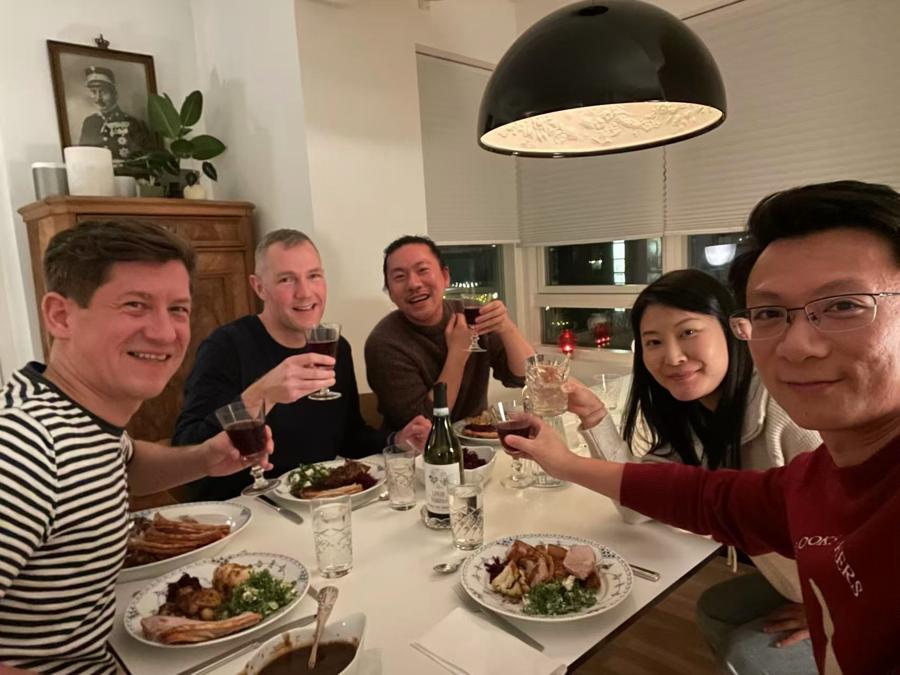

Before we dive into +1 Chopsticks, please share a bit about your background.
I’m Steven, founder and CEO of +1 Chopsticks. Born and raised in Hong Kong, I studied in the US, married my wife from Tianjin, and have lived and worked in China for over 15 years.
I’m a Kellogg MBA graduate (Northwestern University) and a former management consultant, which shaped how I think about building businesses with real operational rigour. I’m also a serial entrepreneur in hospitality and education.
I’m also the author of the “China vs the West” series, which reflects my passion for bridging cultures and showing the authentic China that most visitors never get to see.
Please share your +1 Chopsticks "elevator pitch.”
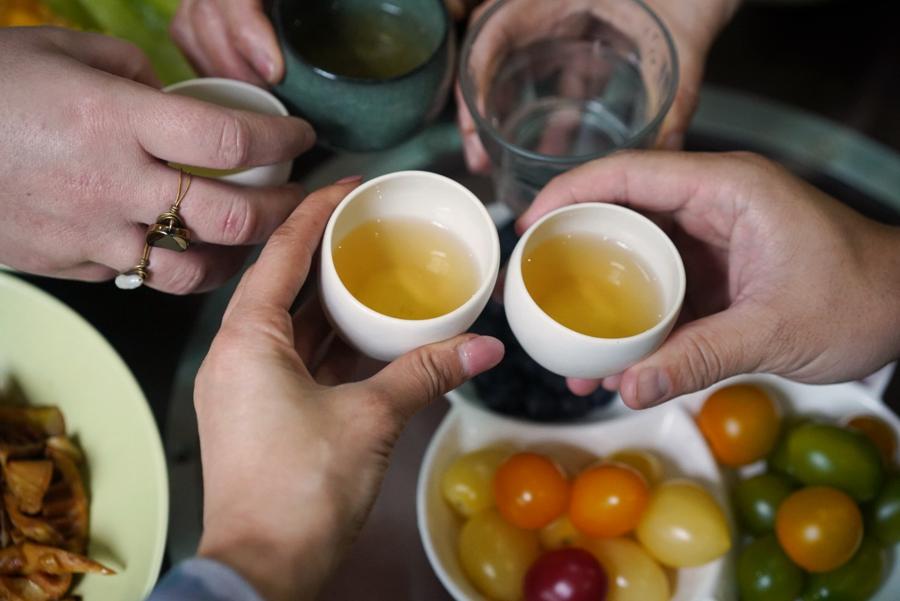
+1 Chopsticks is China’s first home dining platform, connecting international travelers with local families for authentic, home-cooked meals. In Chinese culture, 加一双筷子 – adding an extra pair of chopsticks – is the invitation to dine together. That’s exactly what we do.
Our target audience is curious travelers who want to connect with locals through food – people who’d rather sit at a local family’s table for Shanghainese classics to Northern-Southern fusion to Cantonese home cooking. This includes solo travelers, couples, families, and anyone seeking a genuine connection with China’s food culture.
Why did you start +1 Chopsticks? Where did the idea come from and how has it evolved so far?
The idea came from my own travel experiences. I’ve been to 60+ countries and all seven continents, and the meals I remember most weren’t in restaurants – they were in people’s homes. Dinner at Peer’s place in Copenhagen. Lunch with Ahmed’s family in Fez. A late-night meal in Nairobi. Those were the moments that stayed with me.
Living and working in China for over 15 years, I realized this kind of experience simply didn’t exist here for travelers. So we built it.
Since launching in early 2026, the signal has been clear – this is exactly what travelers are looking for. Guest feedback has been overwhelmingly positive, with many saying it was the highlight of their entire trip.
In the era of AI, we believe such connections will become increasingly more important. After all, the point of travelling (vs browsing on social media) is to experience local cultures and meet local people. As our motto goes, “real connection is the new luxury”.
How does +1 Chopsticks help support those who are hosting guests?
We handle all the heavy lifting so hosts can focus on what they love — cooking and connecting with people. This includes marketing and guest matching, booking management, and a fully automated email system that keeps both host and guest informed at every step — from booking confirmation to a reminder 48 hours before the experience.
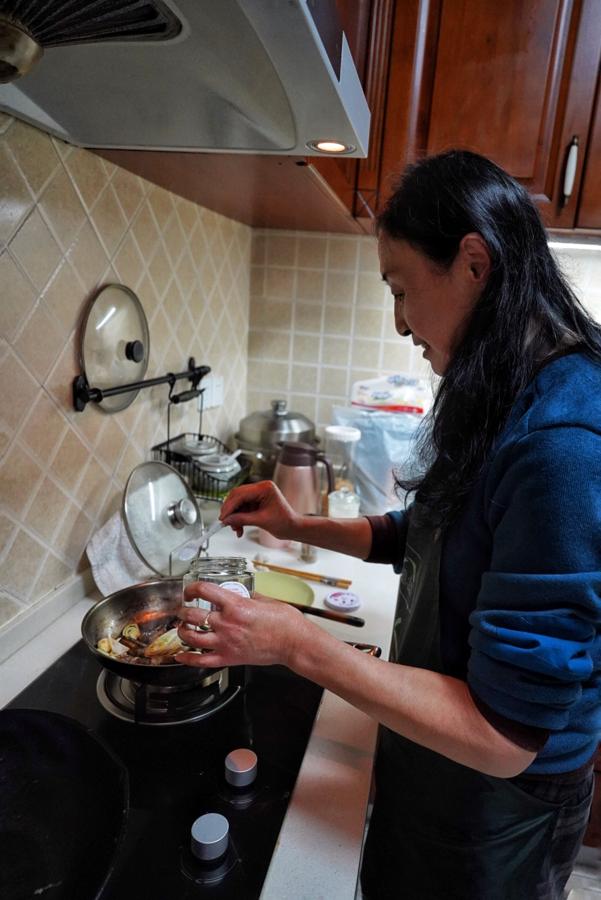
We’ve also designed a Home Dining Cheat Sheet sent to every guest ahead of their visit. Many travelers aren’t familiar with Chinese dining etiquette — things like how dishes are shared, how to pour tea for elders, or what to expect at a home table. This helps guests arrive prepared and genuinely curious rather than anxious, which makes the whole experience better for everyone.
What is the typical group size for each event? Can people book out a "private trip" for just them and their friends?
Each experience accommodates 1 to 6 guests, and in some cases up to 10 depending on the host’s space. Every booking is private by default – the meal is exclusively for your party. So whether you’re a solo traveler or a group of friends, you’re not sharing the table with strangers. It’s your own private home dining experience.
What are some other seasonal themes for future events?
Food in China follows the seasons closely, and our menus reflect that. Hosts naturally cook with what’s freshest and most meaningful at each time of year. Beyond the spring 吃春 menu we’re doing around 谷雨, you can expect summer menus built around lighter, cooling dishes, autumn tables centered on hairy crab season and harvest produce, and winter spreads featuring warming braises and hot pot-style sharing dishes.
Each host also brings their own regional flavors – Shanghainese, Cantonese, Northern Chinese – so every season offers something different depending on who you’re dining with. Prices for these different experiences range from RMB200-500 per person, and last 2-3 hours.
How often do you host these events?
We’ve been running experiences every week since March 2026. As our host community grows, we’re working toward daily availability across different neighborhoods and cooking styles – so travelers can book whenever suits their itinerary, rather than working around a fixed schedule.
Where do you hope to see +1 Chopsticks a year from now? Or 5 years from now?
In a year, we want to be the go-to platform for travelers seeking authentic, curated food experiences in China – known by name, recommended by guidebooks, and loved by the communities we work with.
In five years, we want to be the Airbnb Experiences of China. When someone plans a trip here, picking a +1 Chopsticks experience should feel as natural as booking a hotel. We want to be how travelers form real connections with this country and its people – one home-cooked meal at a time.
What is the best way for readers to learn more, follow your socials, see the calendar for upcoming events, and sign up?
The best place to start is our website at www.plus1chopsticks.com, where readers can browse host profiles, see availability, and reserve a table. We’re also on Instagram at @plus1chopsticks for behind-the-scenes content, seasonal menus, and guest stories. And we’re listed on GetYourGuide if you prefer booking through a platform you already know.
* Receive a 10% discount off any +1 Chopsticks booking by using the code sophiesteiner10 at checkout.
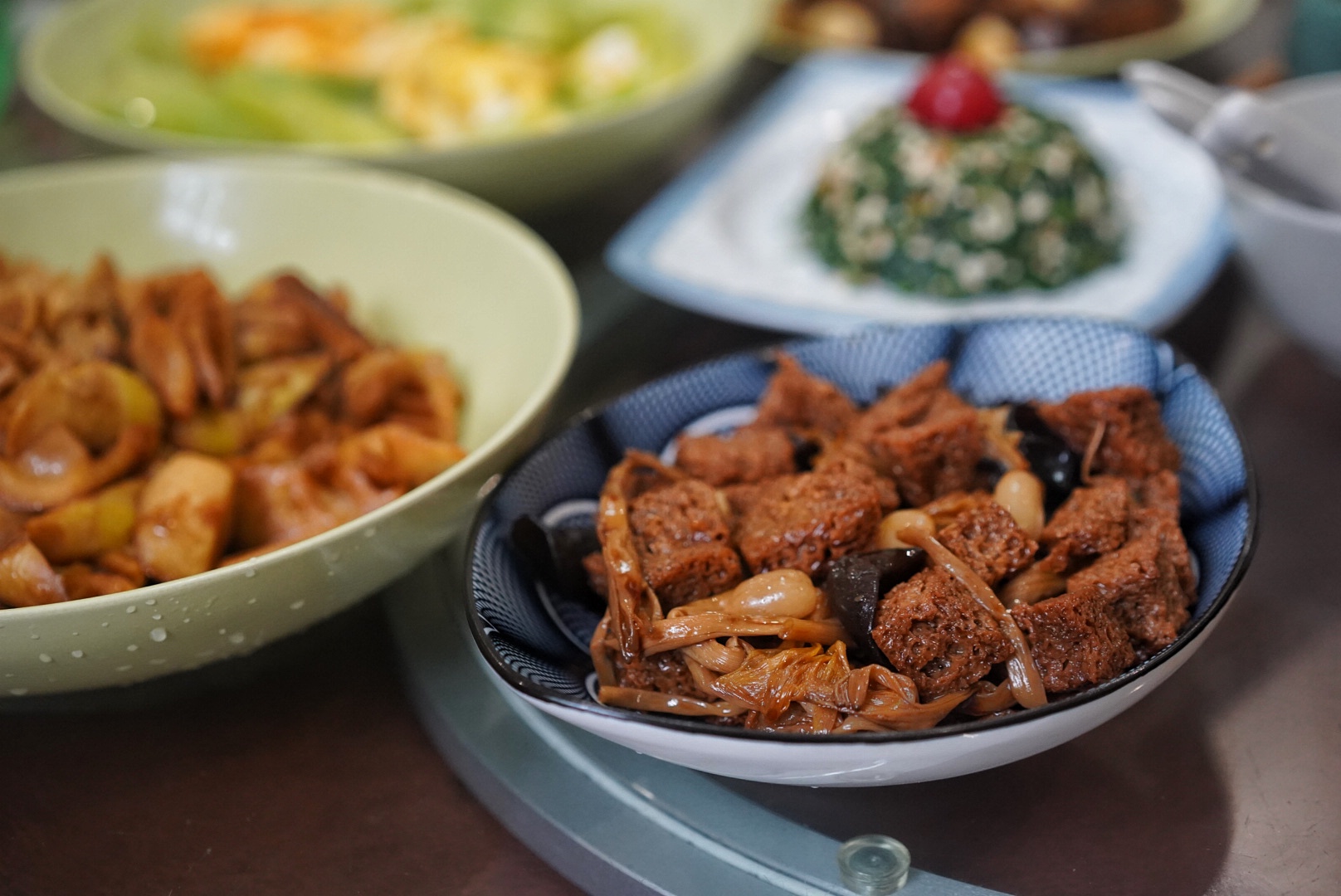
We recently made the trek north to Jiading, on the outskirts of Shanghai, to experience a +1 Chopsticks lunch, and in short, it was some of the most bona fide benbang cai – a traditional home-style of cooking originating from the Ming and Qing dynasties, characterized by "thick oil, red sauce" and a distinctively sweet and savory flavor profile – we’ve had in, well, as long as we can remember. This is not that which is found primarily on the street, but rather in people’s home kitchens, shared around overflowing tables encircled by close friends and relatives, typically supplemented by baijiu-fueled laughter.

A bit of backstory, benbang cai origins date back to East China in the 1600s during the Ming and Qing dynasties, a culinary tradition built around braises, stir fries, and steaming of local Yangtze River Delta seasonal ingredients, coupled with a liberal use of oil and sugar. It differs from contemporary Shanghainese cuisine, which is more an amalgamation of gastronomic influences owed to Shanghai’s diverse and internationally-shaped past as a trading port.
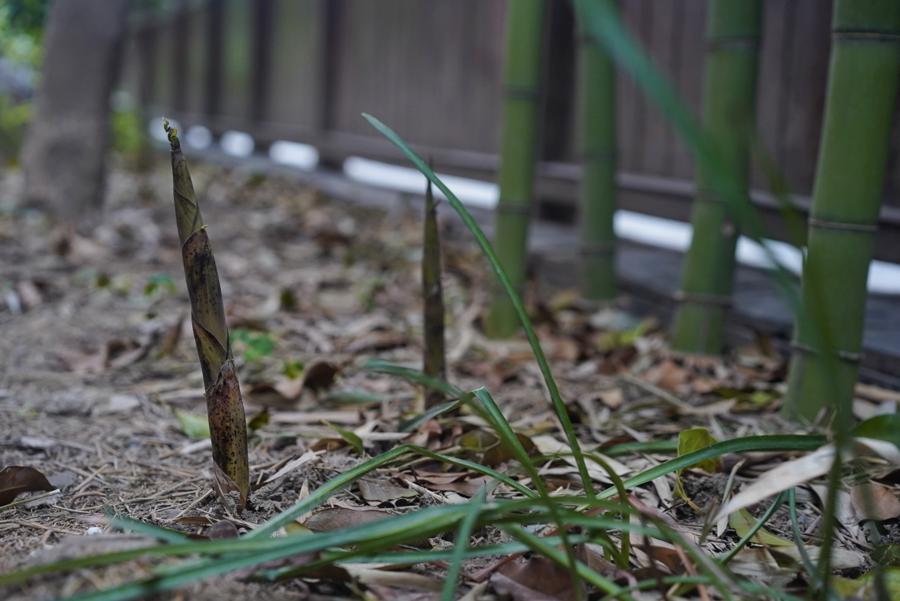
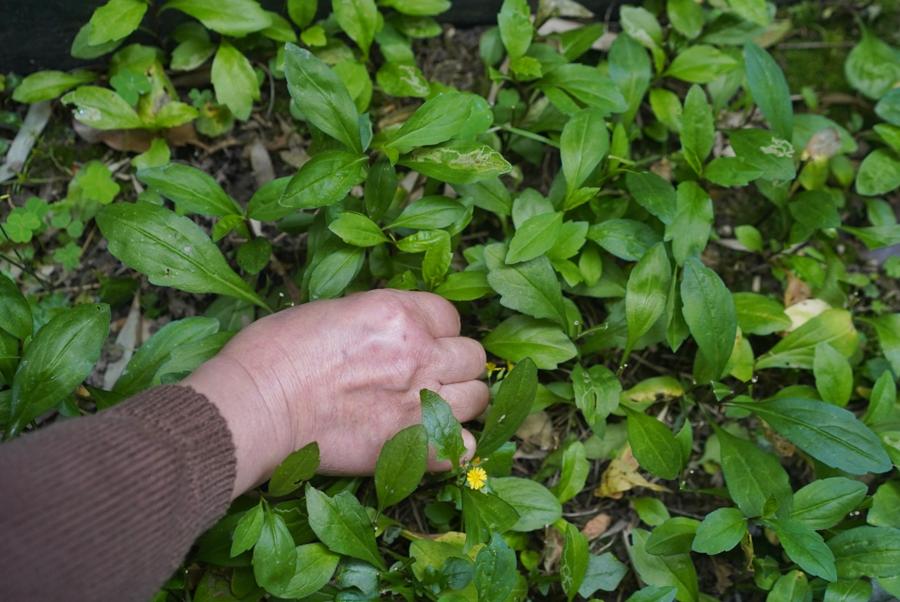
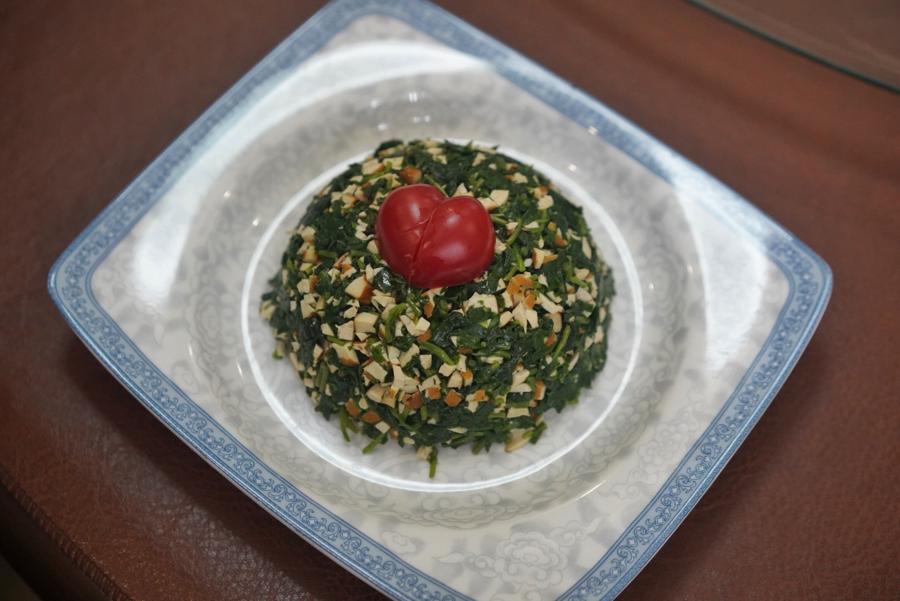
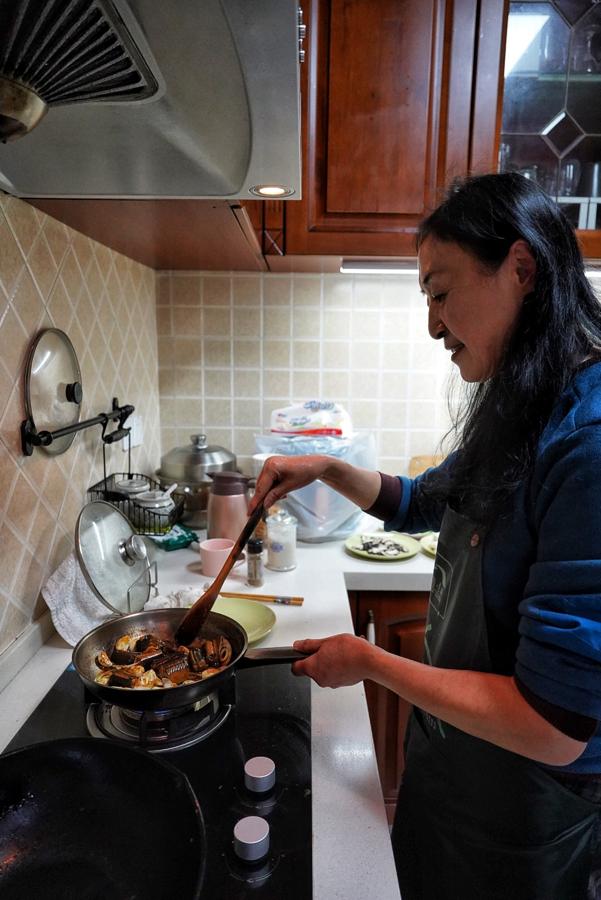
Back to the experience…we arrived just in time for a tour of the host’s garden, where seasonal malantou (a nutritious wild green and seasonal spring vegetable that grows in the Jiangnan region of China, known for its fragrant, slightly bitter taste similar to chrysanthemum leaves) was sprouting, alongside spring bamboo and blossoming flowers. That same malantou found its way into the kitchen wok for a quick blanch before being minced and tossed in sesame oil with firm tofu as a cold salad.
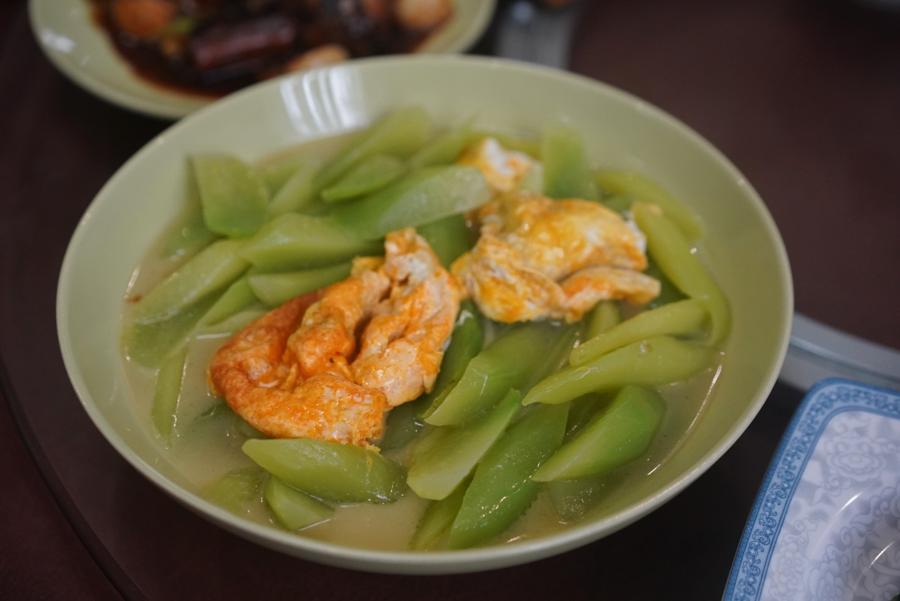
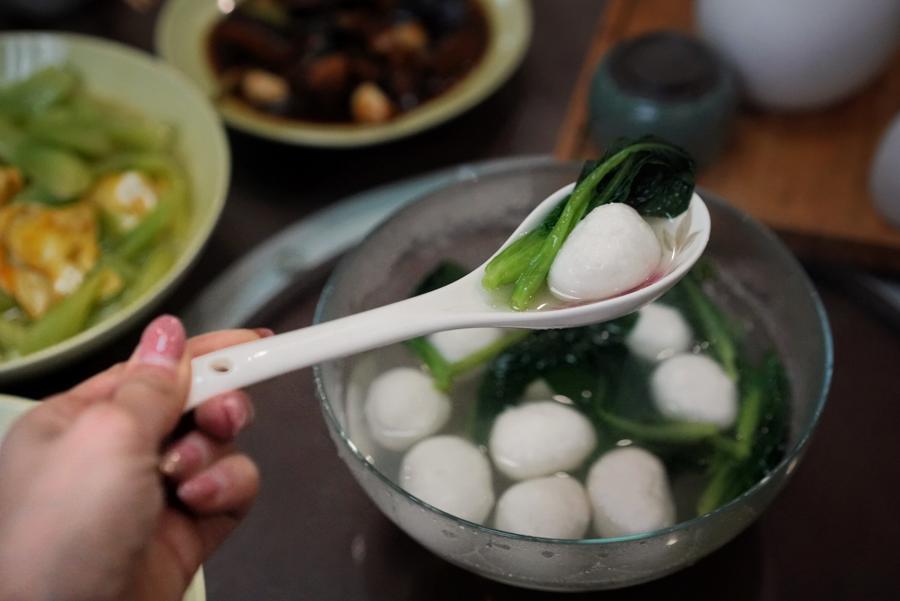
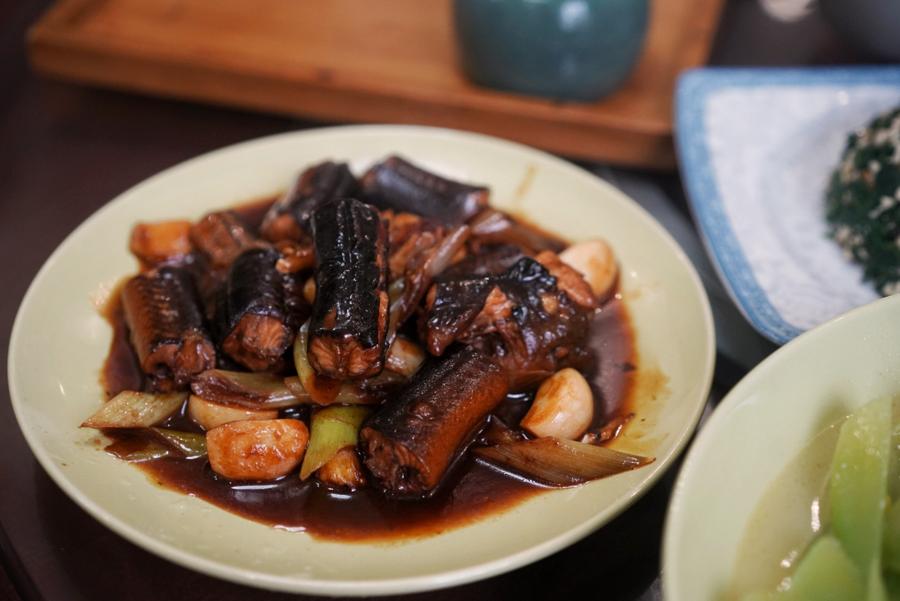
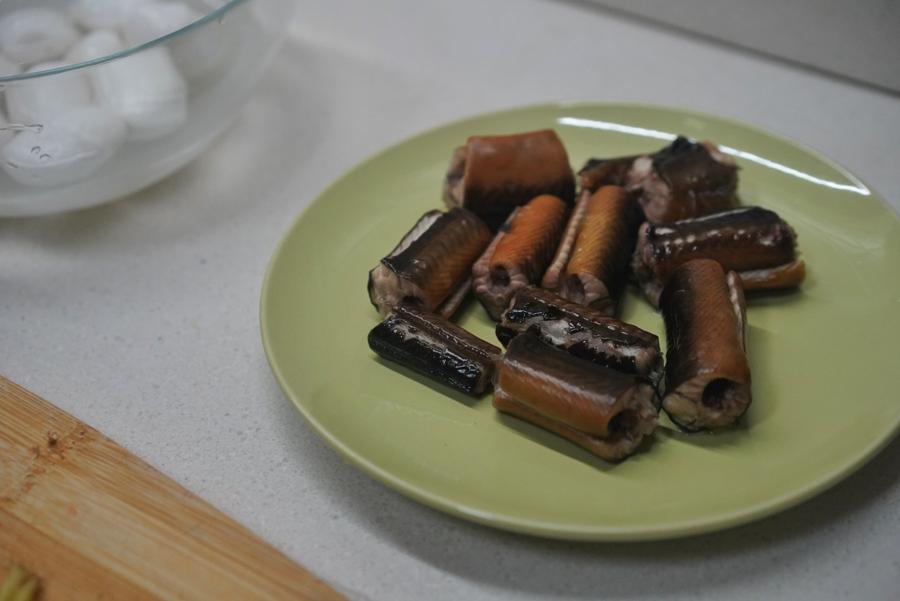
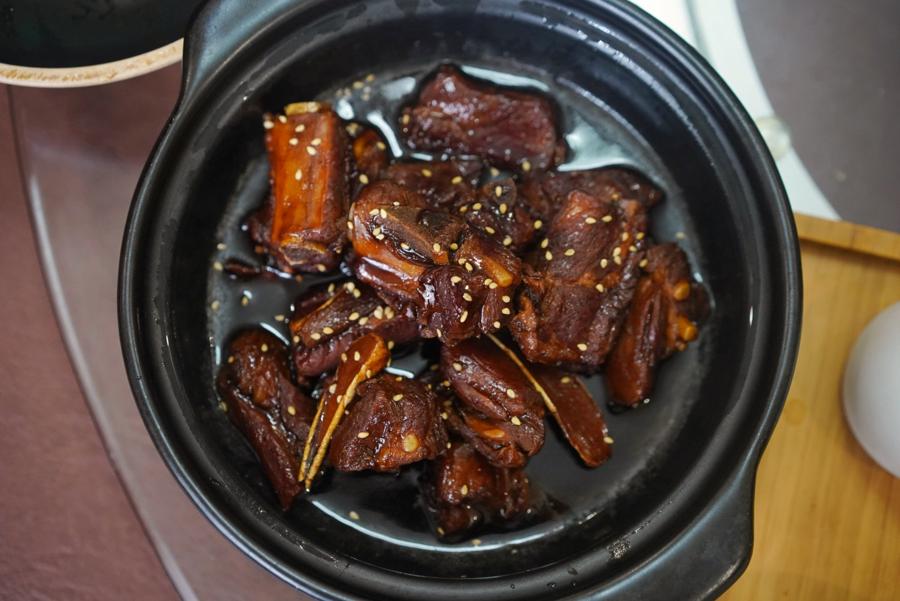
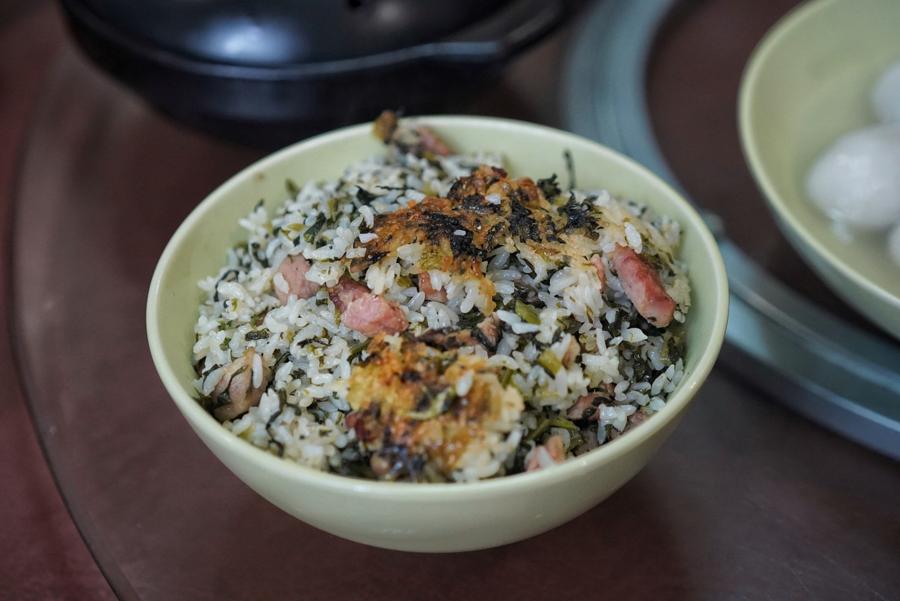
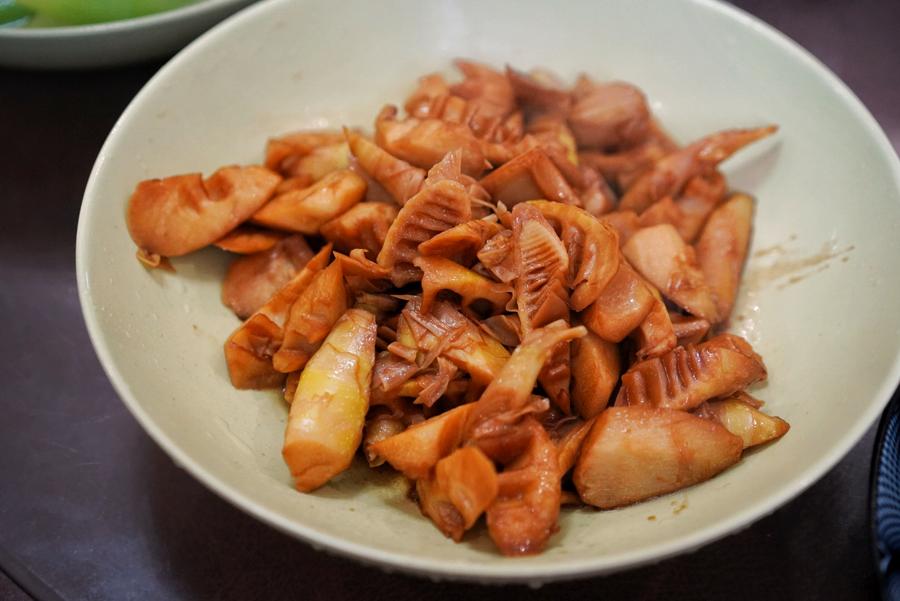
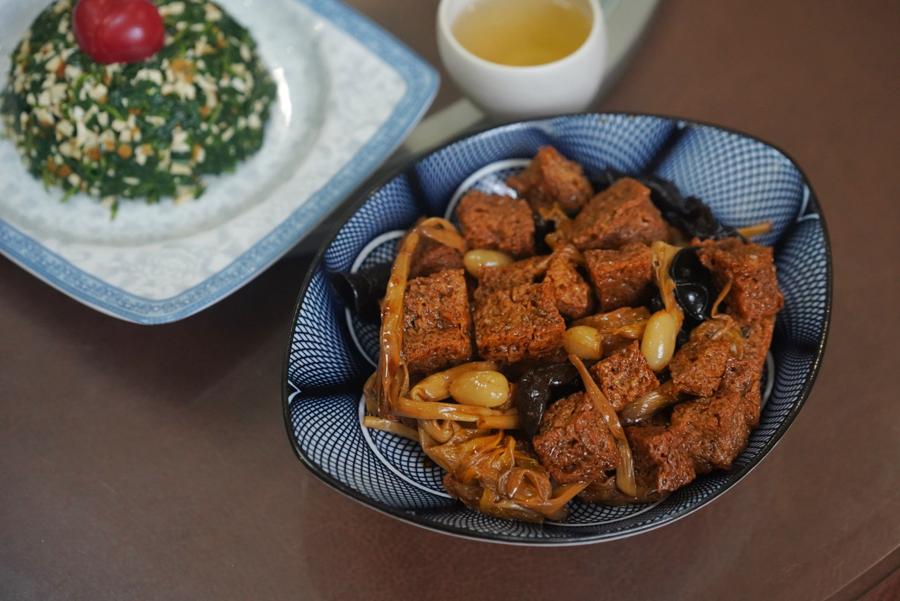
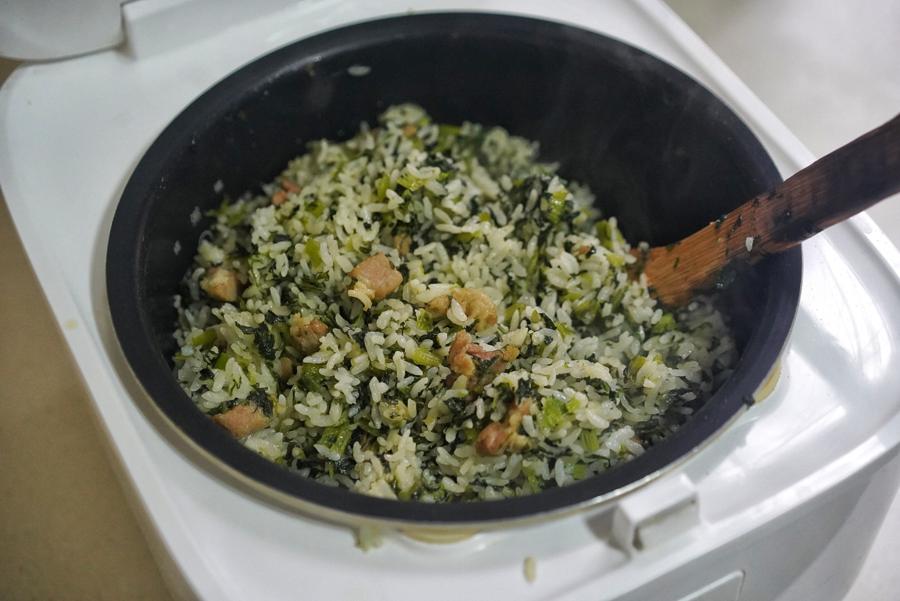
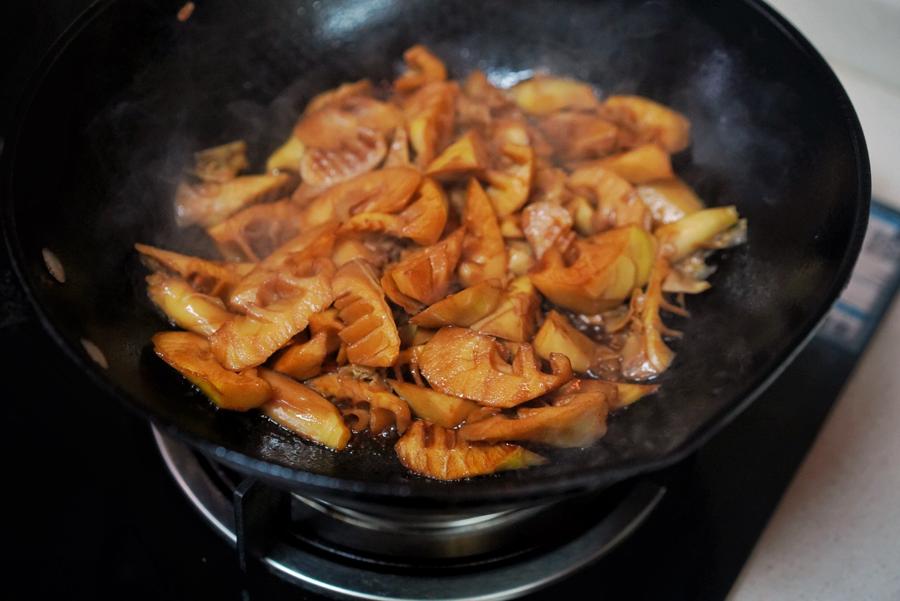
Next, the wok came to life again, this time firing celtuce stems with fried farm eggs, a superlative rendition of the store-bought version, with deep orange yolks and a richer, creamier mouthfeel. Steaming plates arrived in quick succession: sticky pork ribs caramelized in a sweet and sour reduction, braised bamboo shoots in a savory soy sauce, baby bok choy sautéed with white and shitake mushrooms, garlicky river eel rolls, handmade fish balls in a clear broth, crispy-bottomed rice with cured pork and wild greens, and so much more.
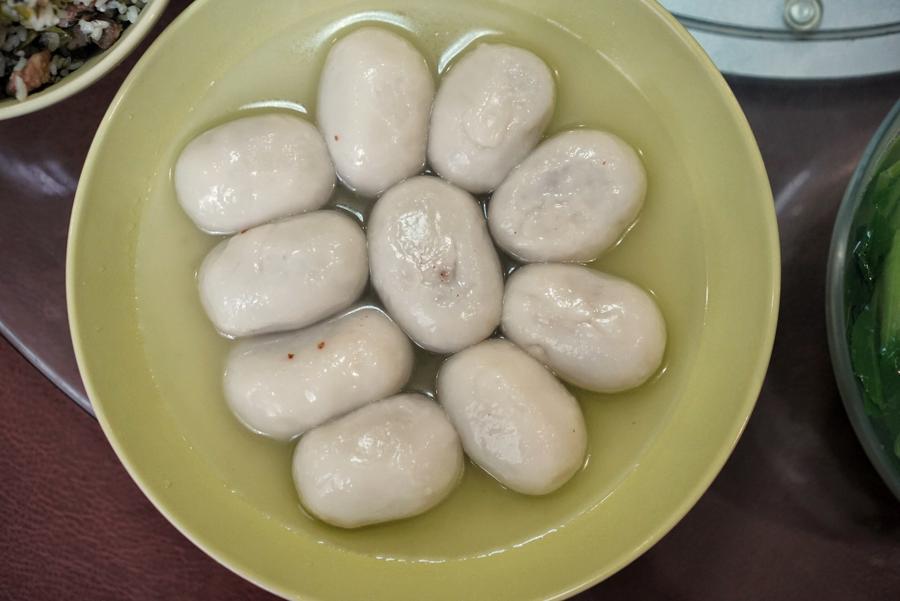
Other favorites, like kaofu – springy braised wheat gluten that soaks up its glossy sweetened soy sauce like a sponge; homemade red bean paste stuffed tangyuan (mochi rice balls); and seasonal tomatoes also made a showing.
But this is just the meal we had on this particular day. There are dozens of hosts around the city sharing their interpretation of a local meal with guests, with cuisines ranging from Shanghainese to Sichuan, from Dongbei to Hunan. No two meal experiences are the same as any other as each host selects only the most in-season vegetables, preparing and cooking them using their own family recipes.
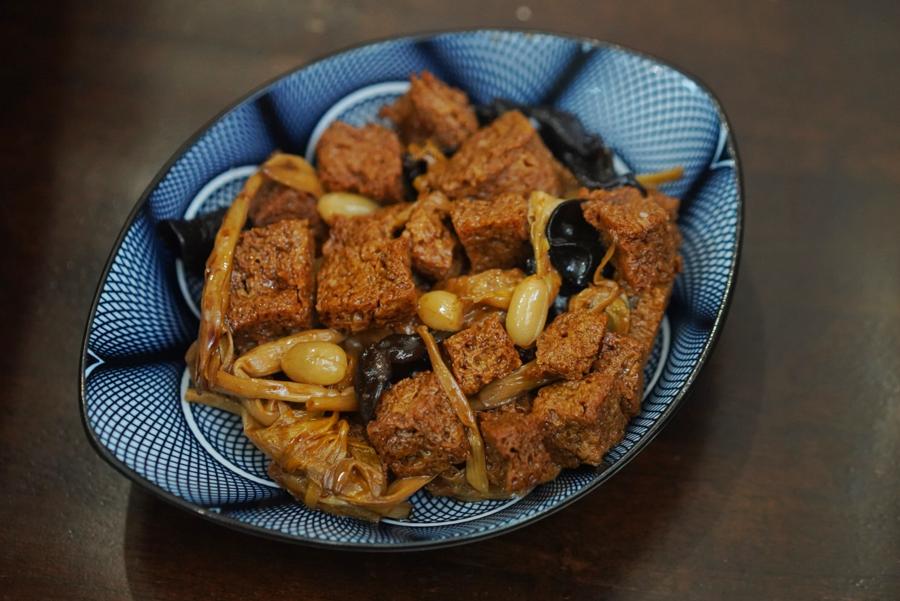
Now back to the food. This is not the overly oily, covered in sugar, ultra-saucy “benbang cai” you’ll find at Shanghainese haunts around downtown, commercialized and tailored to fit the average tourist’s palate. This is the real home cooking – where true flavor comes from homegrown ingredients on the actual property, where the wok has been seasoned by use for decades, and where balance is everything, which translates to a comfortable feeling of fullness without the heaviness.
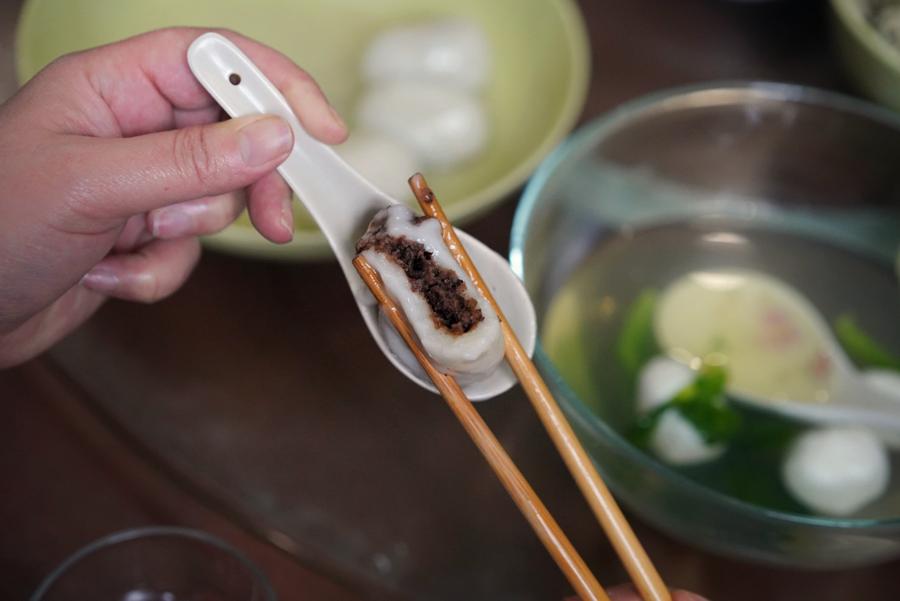
This is all elevated by the intimate family-style experience of connecting with real Shanghainese people who are proud to share their heritage through the food being served on the plate. As Steven put it, the interactions are real, allowing visitors to connect with the local culture on a deeper, more meaningful level, through the universal language of love: food.
* Receive a 10% discount off any +1 Chopsticks booking by using the code sophiesteiner10 at checkout.

My name is Sophie Steiner, and welcome to my food-focused travel blog. This is a place to discover where and what to eat, drink, and do in Shanghai, Asia, and beyond. As an American based in Shanghai since 2015 as a food, beverage, travel, and lifestyle writer, I bring you the latest news on all things food and travel.
Your email address will not be published.
Be the first to comment!

Sign up for tips on the latest Shanghai openings, and other food, beverage, and travel content
© 2026 Sophie Steiner
Privacy Policy