48 Hours in Shanghai: What to Do, Eat, Drink, and Explore
A curated guide to Shanghai's best kept secrets
March 4, 2022
Updated January 8, 2025
If you're planning on splurging, Shanghai's got options. Lots of options. The city is your oyster – a foie gras, caviar and sea urchin topped oyster, served with a flute of champagne.
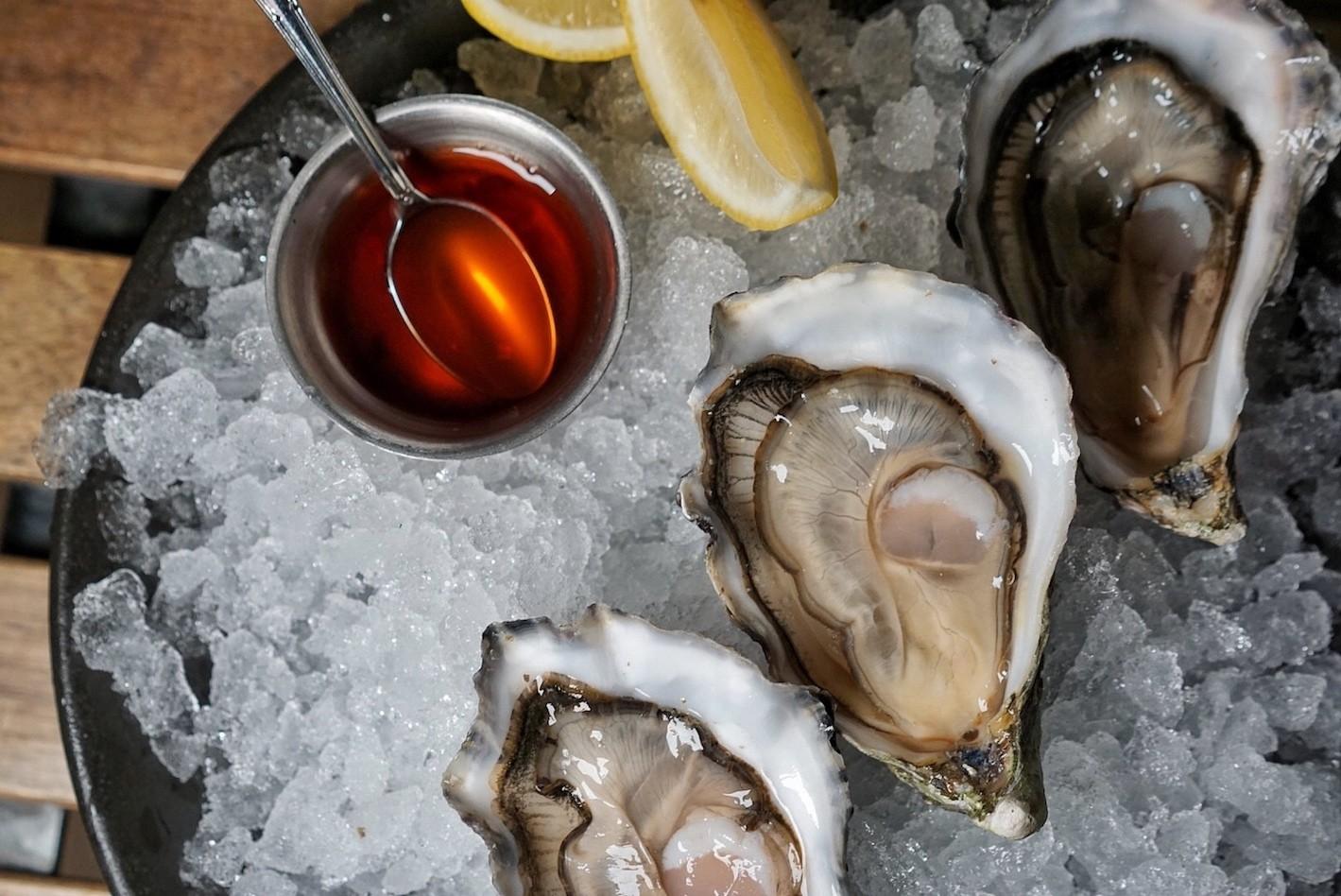
So, be it a souped-up date night to impress, a special occasion celebration or just a downright need to go all out, if you're looking to lavishly indulge in life's finer things, that just so happen to also be edible things, here are three food-centric, stellar options for putting that money to good use.
Check out Part I here, Part II here, and Part III here.
Kaisha offers inventive, thoughtful pairings in their 8 Dish & 8 Cocktail Pairing Menu (RMB680/food, RMB300/cocktails), a series of dishes matched with libations that change every few weeks.
Each dish is assembled in front of diners’ eyes for a tailored, full sensorial experience.
Drawing on his experience working on the Italian island, Chef Shunojo and Chef Kohei Yoshimura applies all Chinese ingredients to recreate characteristic Sicilian dishes, focusing entirely on seasonality of ingredients.
Tomo Shinoda and Naoki Toyodome, the team behind Kaisha’s cocktails, then craft complimentary sips, restarting the process almost weekly to utilize only the freshest materials.
“Wine pairings can be exceptional for balancing a dish, but with cocktails, you can control all elements – flavor, aroma, temperature, mouthfeel – building an inimitable experience for guests,” explains Shunojo.
Here’s the kind of culinary journey you can expect...
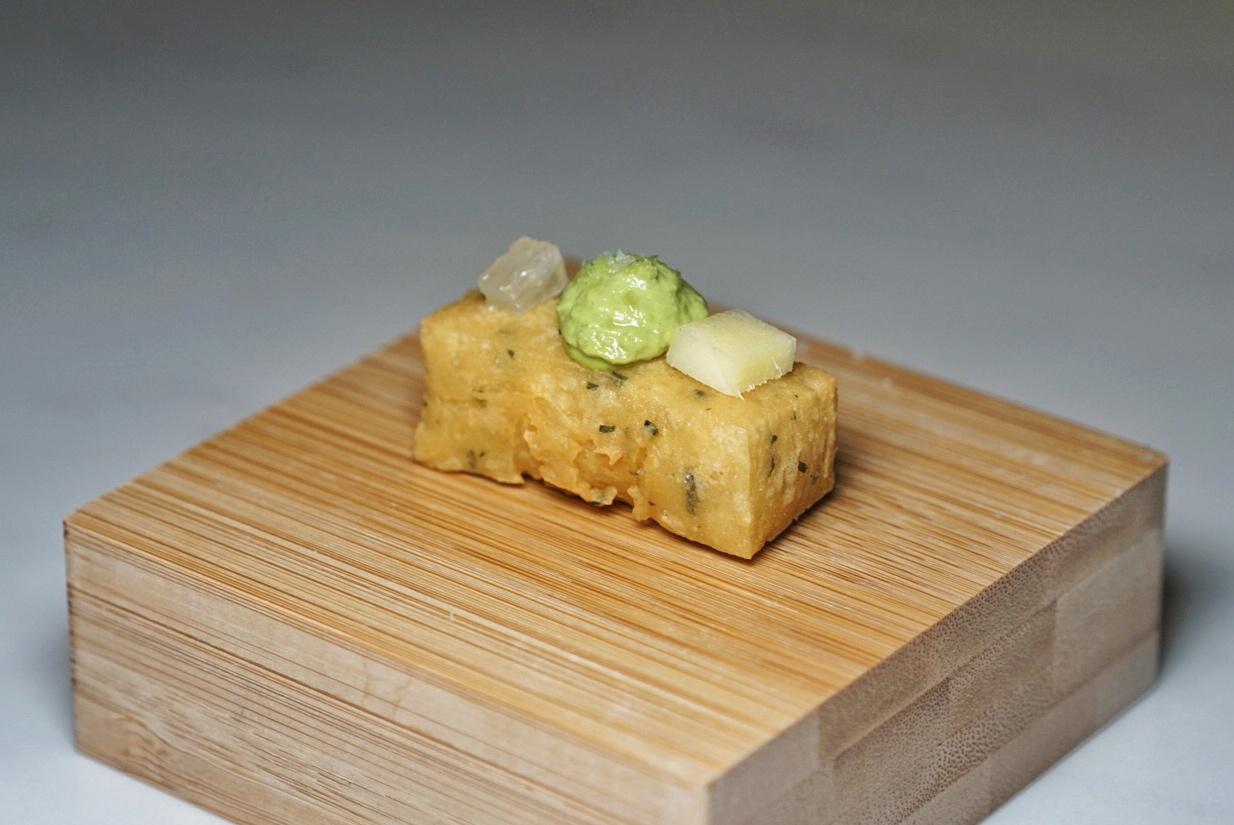
An amuse-bouche, the Panelle is a Sicilian street snack, commonly munched on while drinking. A chickpea fritter is crisp on the outside, gooey on the inside, and topped with Italian parsley, lemon and – for a Chinese palette twist – ginger.
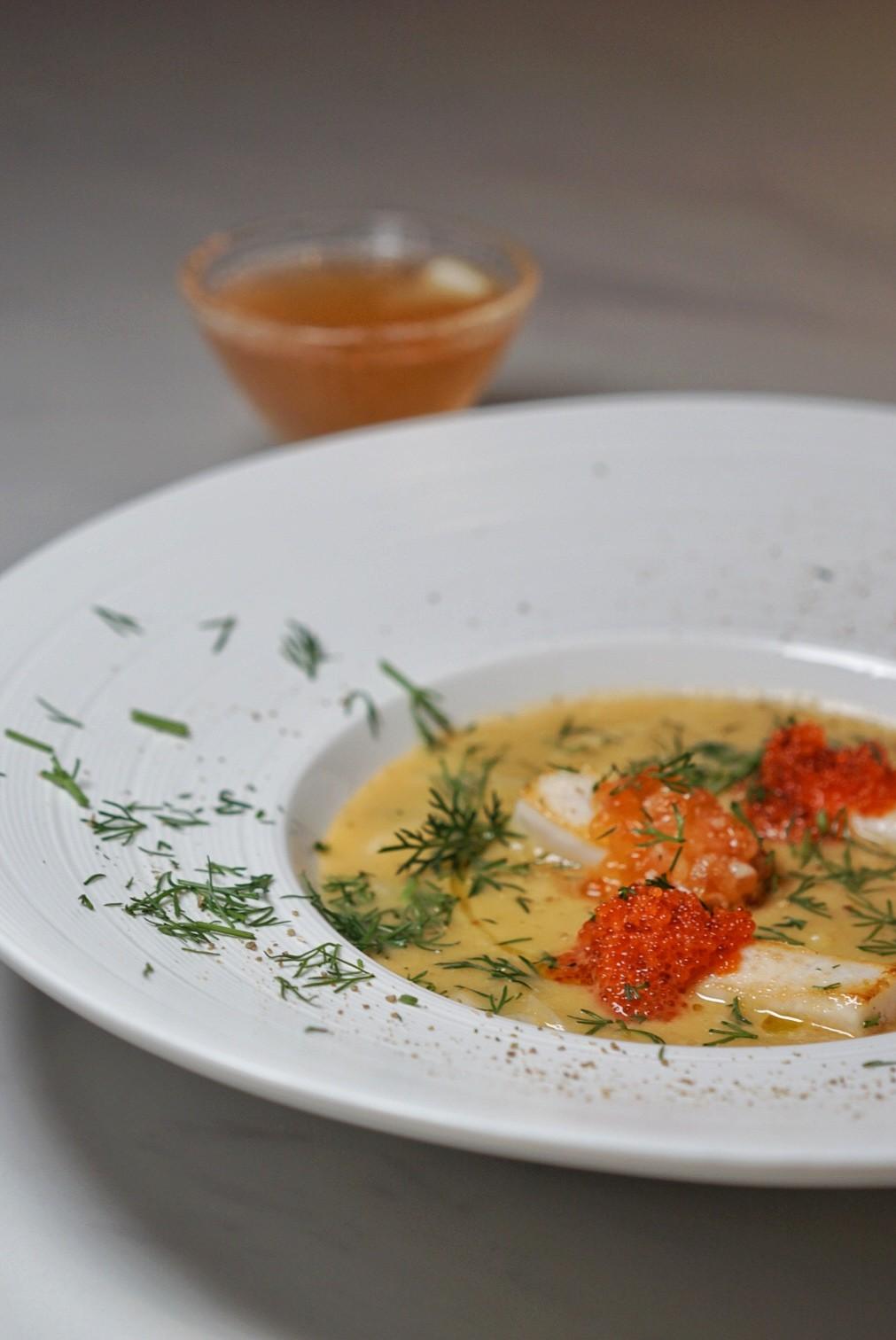
The fennel bulb porridge-base, Siciliano (also known as vellutata di finocchio in Italy) sees sliced swordfish crowned with Ikura salmon roe and tobiko (flying fish roe), with fennel leaves and seeds as garnish.
A salt-heavy umami rich bomb of a soup, it is mellowed by the tart pairing of the warm Siciliana cocktail, made from Marsala wine, Aperol and lemon.
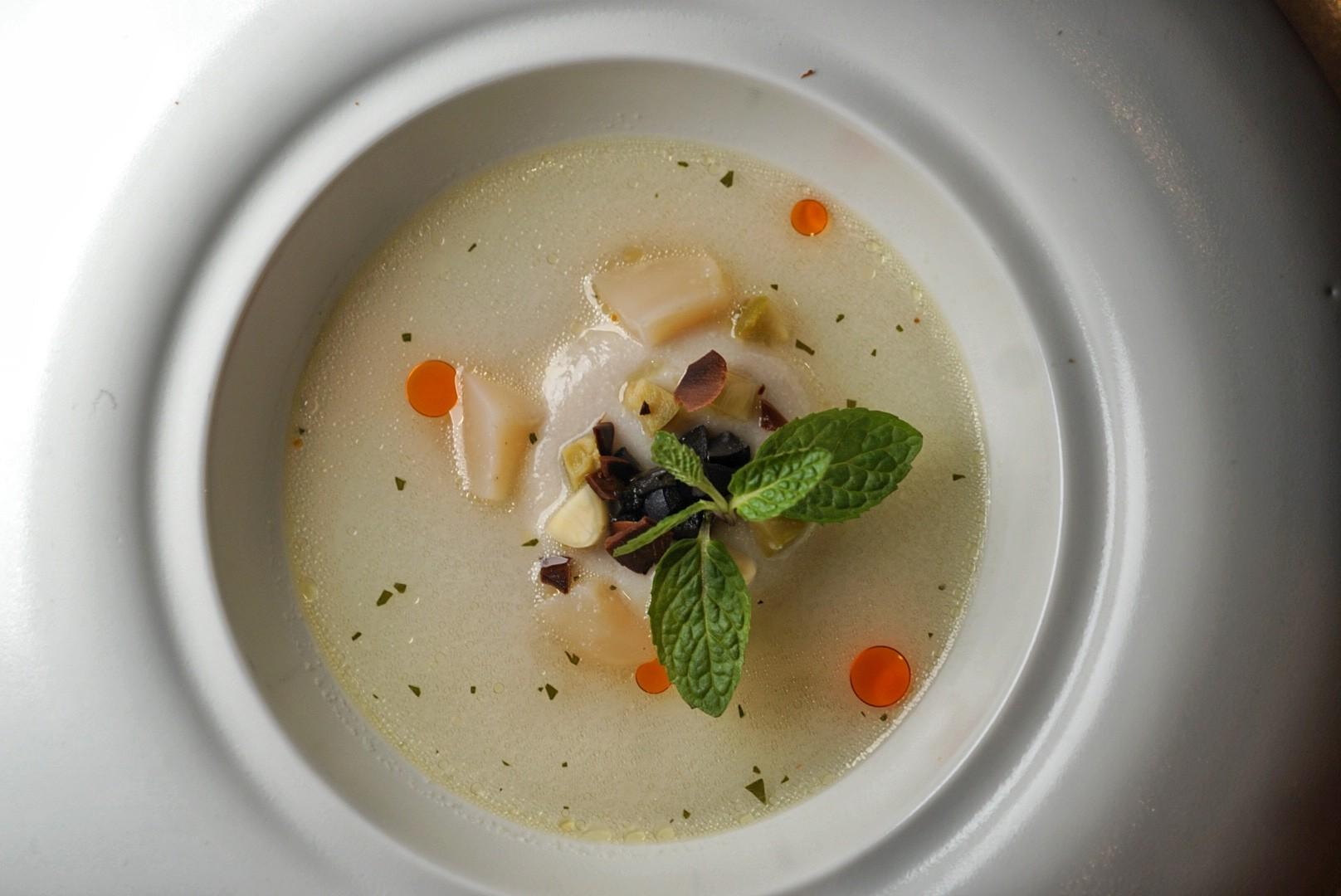
Named for Italy’s dessert version of China’s almond tofu, the Bianco Mangiare is a savory alternative, adorned with sliced scallops. Black olives appear like cocoa nibs, while green olives take the place of pistachios, accented by shaved almonds and orange.
A drizzle of homemade chili oil brings a piquant pop that is balanced by the Douhua 2.0, an almond milk and amaretto drink, stirred with anisette and a hit of daily ground-fresh wasabi.
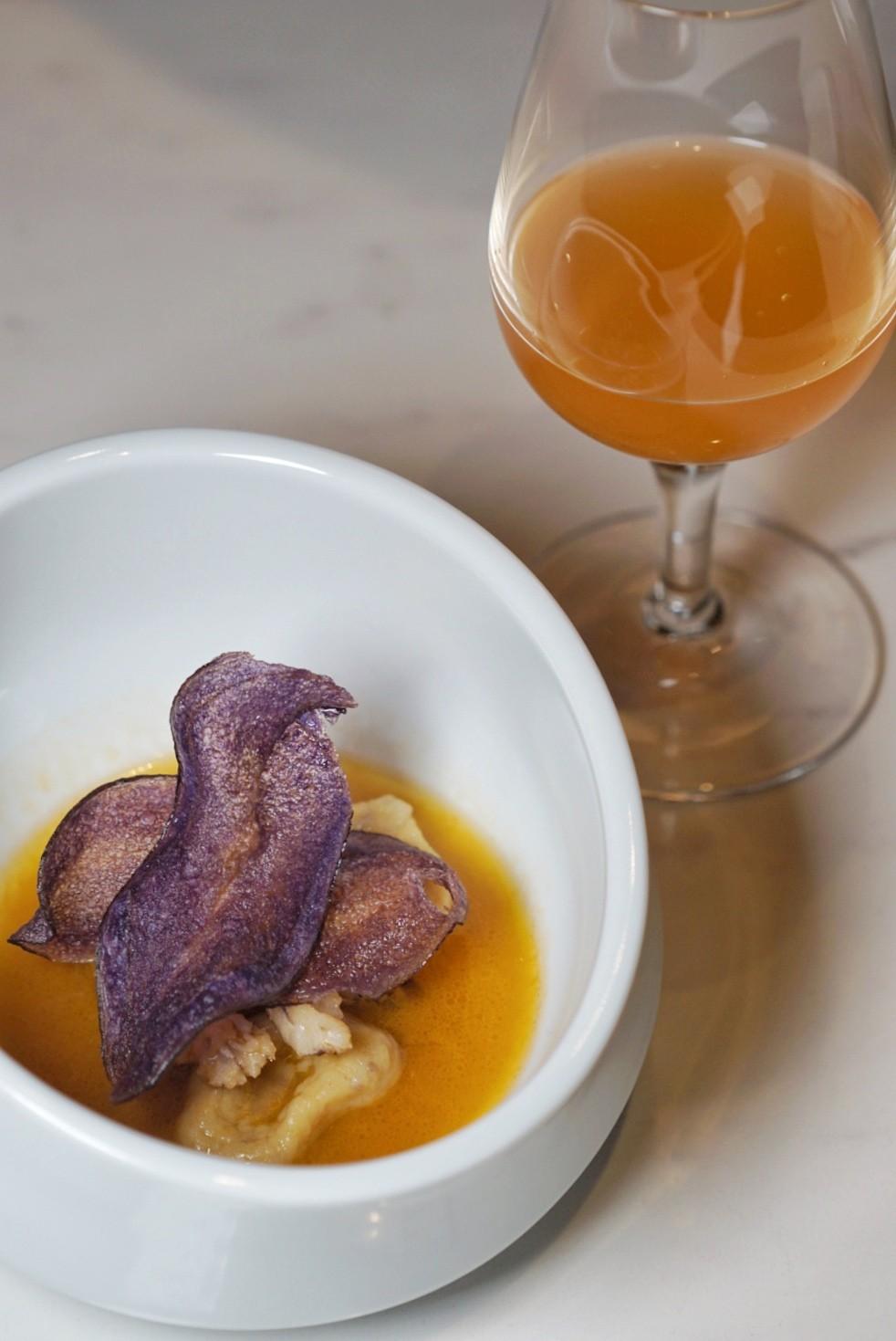
Our favorite pairing starts with what can only be described as a Thai Bloody Mary. Known as the Oriental Sour, it is made from shochu, Thai red curry paste, coconut, lemon and Danish brand Empirical Spirits’ habanero-based liquor Fuck Trump and His Stupid Fucking Wall.
(Yes, that really is the name).
The nose is spice-forward, yet the flavor leans sour, enhancing the Cicala di Mare’s subtle broth. Laden with delicate mantis shrimp and springy water chestnut gnocchi, the broth is topped with purple potato crisps, a crunch that imitates the sound of the shrimp’s shell cracking as you eat it.
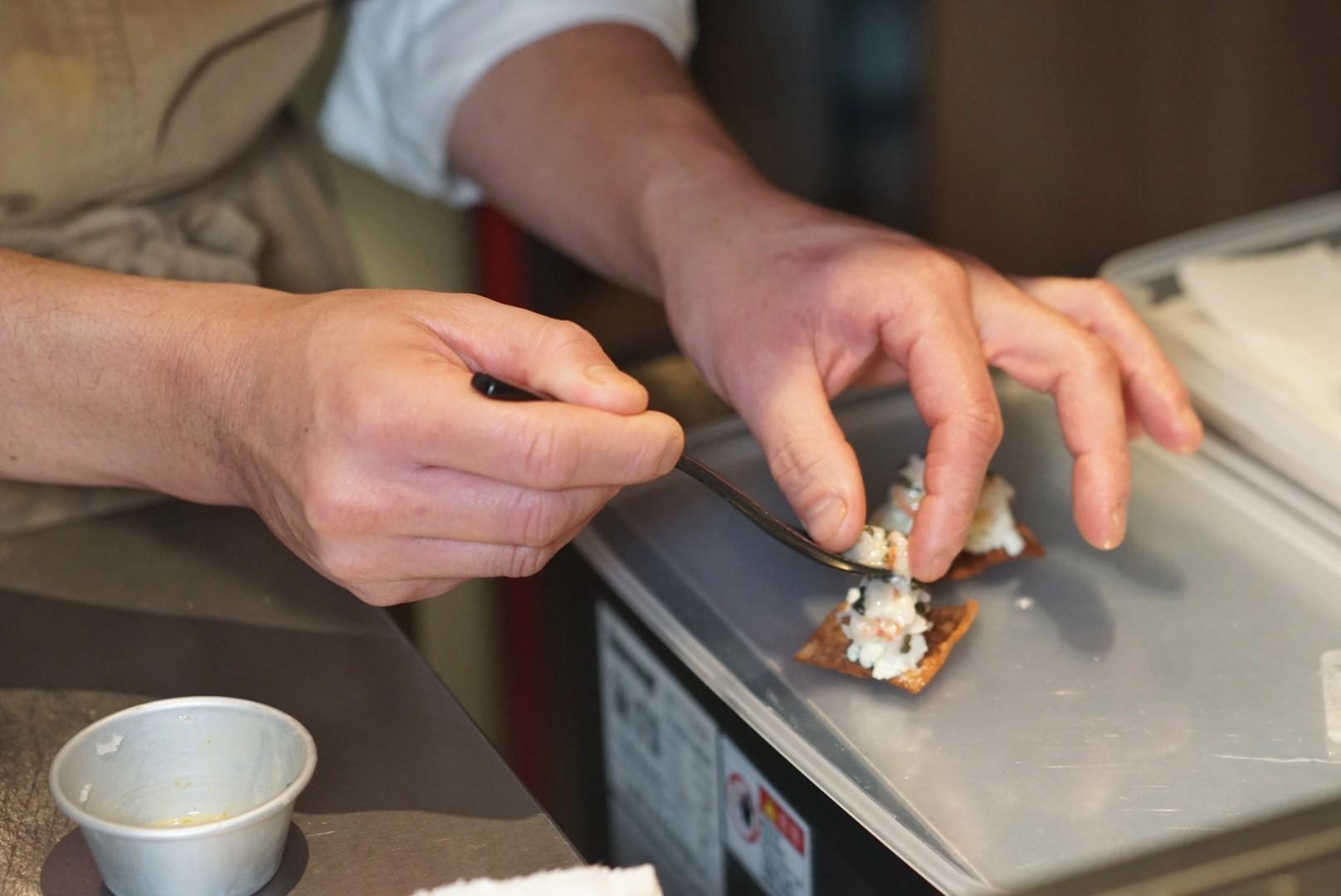
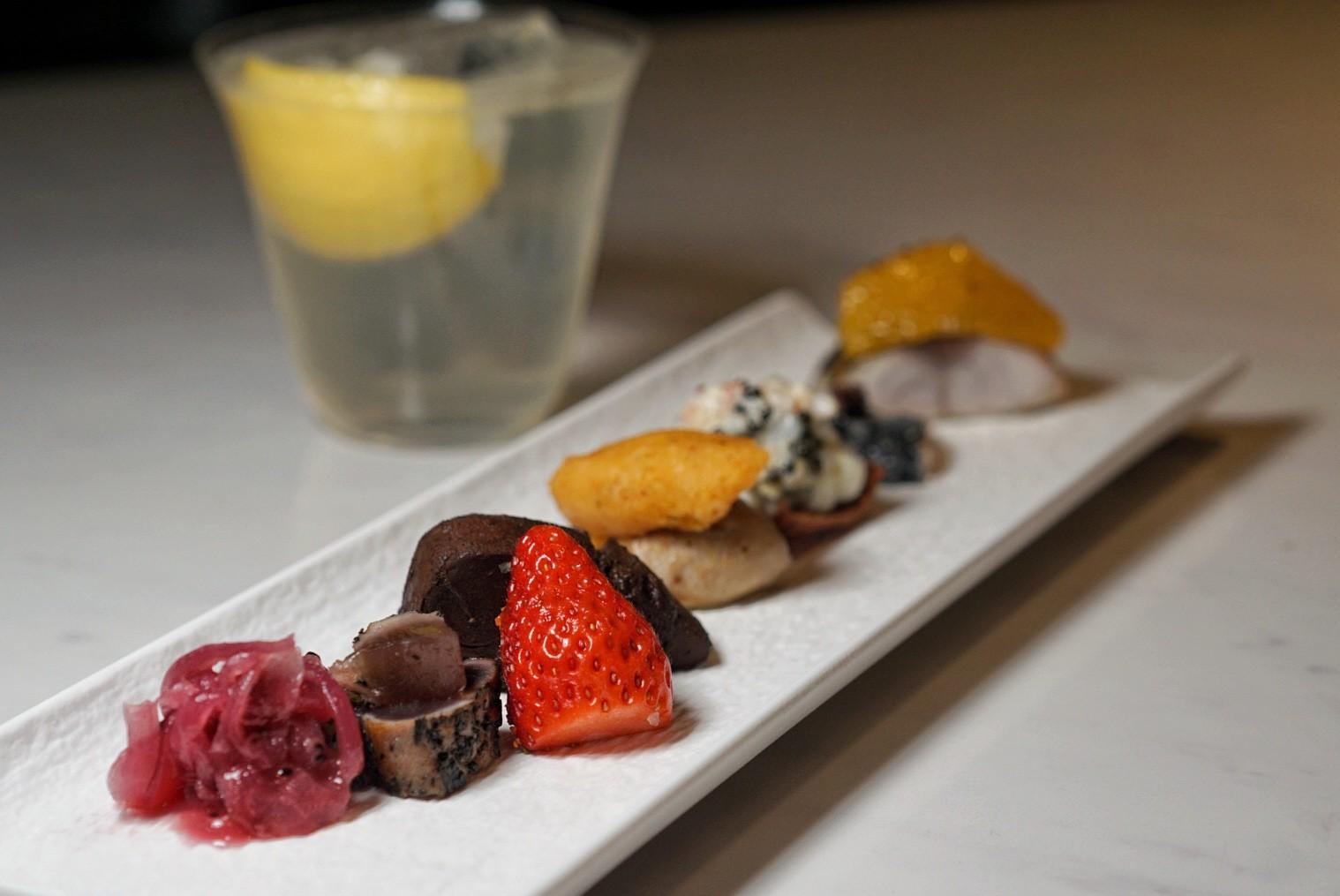
An oceanic play on afternoon tea, the Afternoon ‘Sea’ is an array of nibbles arranged like a tea set, each one an experience in and of itself.
First, there’s smoked bonito with sweet and sour purple onion jam, followed by sawara (Spanish mackerel) cooked in balsamic vinegar, so that it presents like chocolate cake, paired with a chili-salt coated strawberry.
A confit Japanese oyster is crowned with a lemon, panko and sautéed butter quenelle, posted up next to a ‘deconstructed cannoli’ with ricotta, sweet prawn, caviar and bright yuzu flecks.
Pacific saury, an autumnal swordfish, is confit with dried plum, while seared mackerel belly is paired with torched orange.
Just as sashimi is served with a fresh squeeze of lemon, the Afternoon Sea comes with the Real Lemon Sour, a refreshing sipper similar to what you’d find at a neighborhood izakaya in Japan – a simple concoction of vodka, lemon, soda and salt.
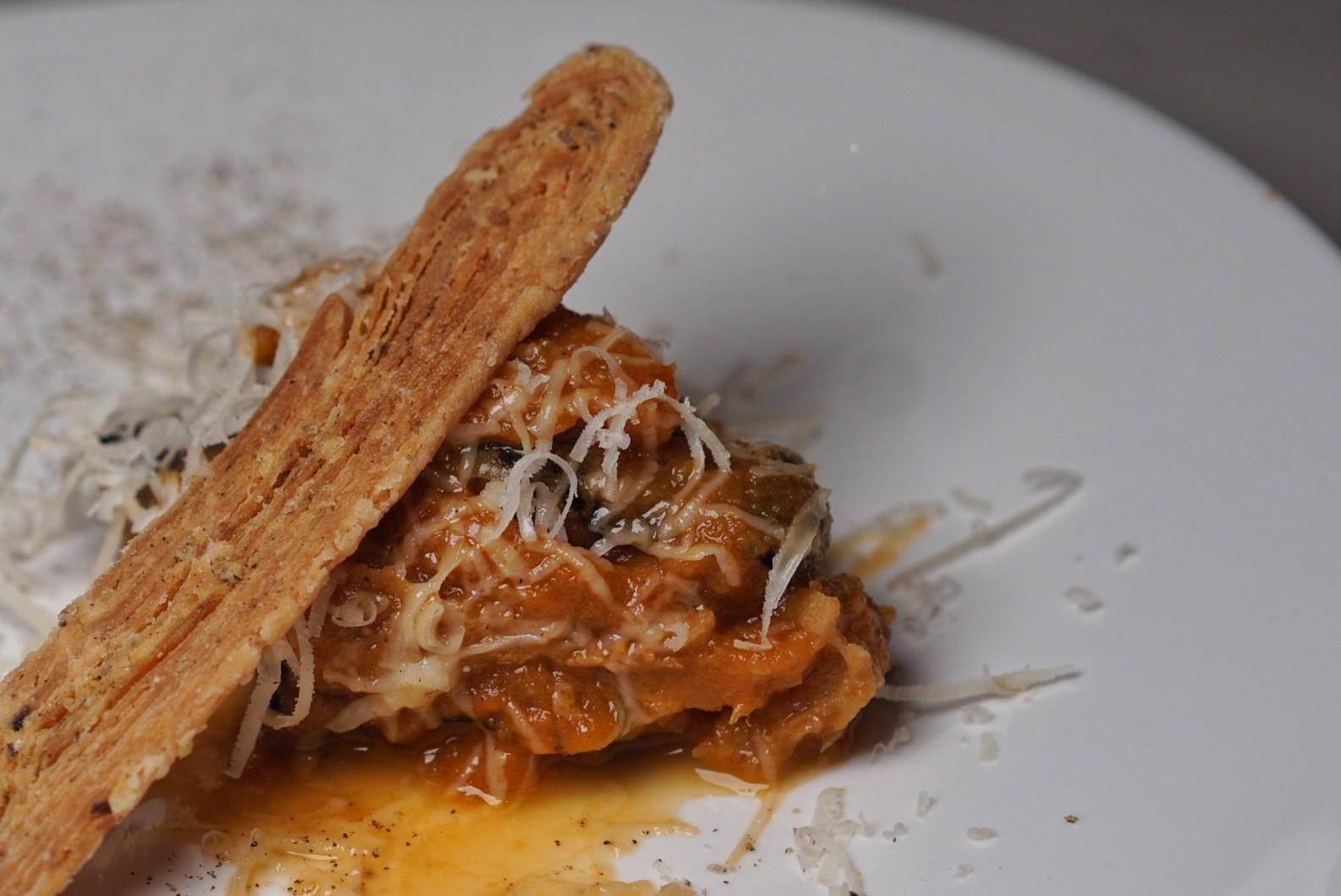
Rosso – Trippa and yellow eel in tomato sauce paired with Carolene Bunny, made from Shaoxing wine, carrot and orange
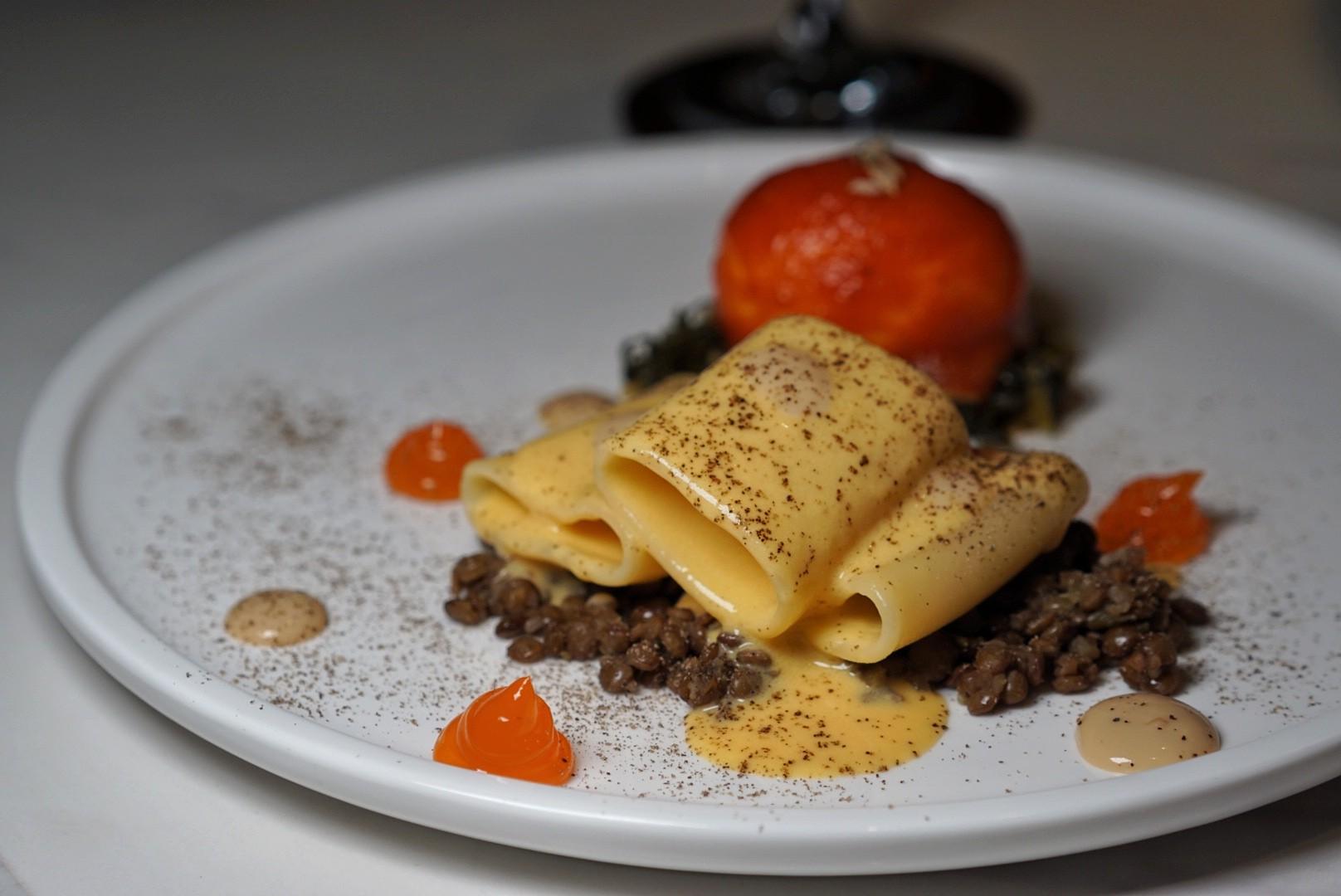
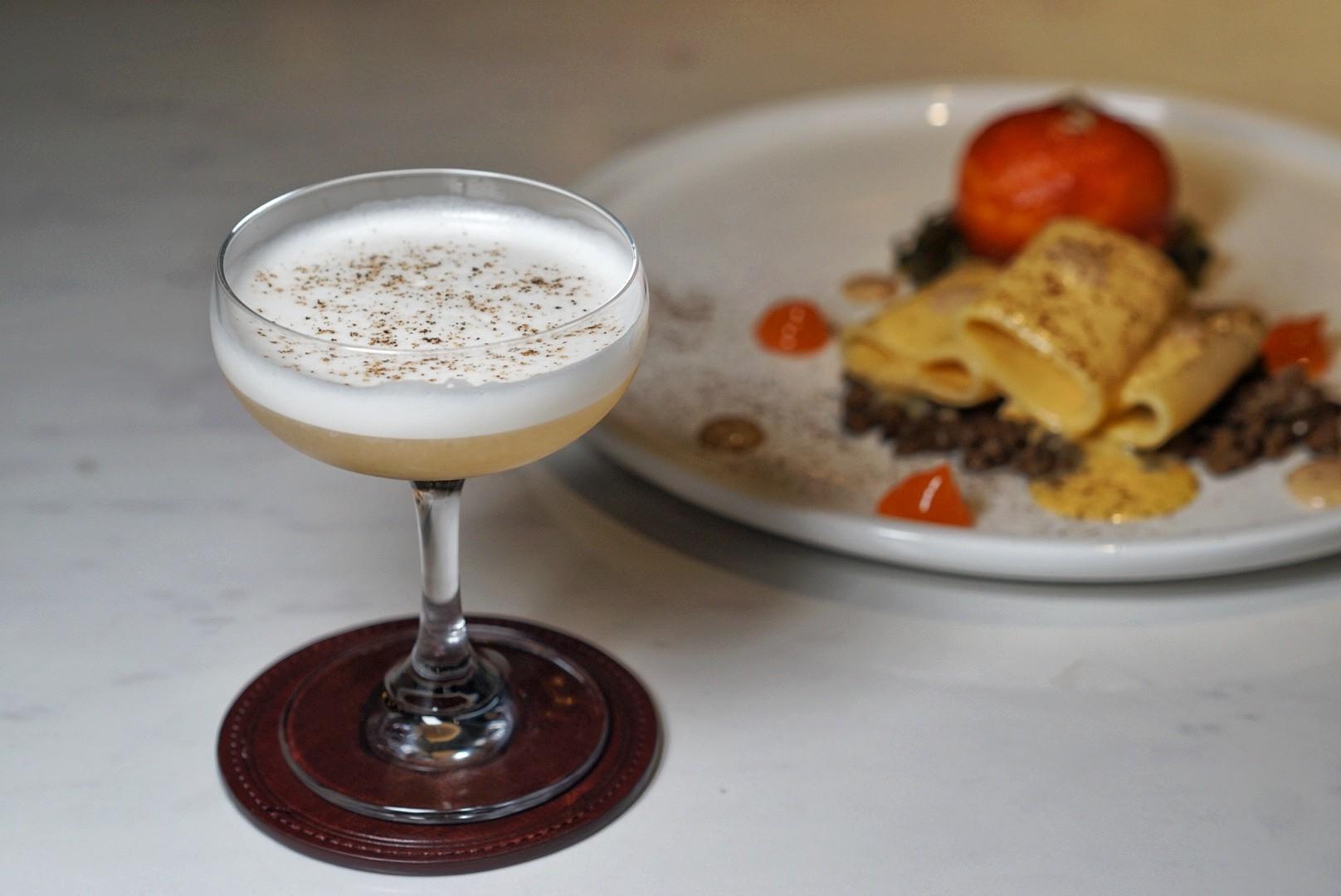
The Chinese Carbonar (a spelling ‘error’ made on purpose) is Chef Shunojo’s version of Italian carbonara, a dish modestly made from four ingredients – bacon, egg, black pepper and cheese.
The plate arrives with thick pasta wheels resting on lentils, dressed with a furu sauce – a Chinese fermented soy ingredient with a pungent flavor that some equate to aged cheese – and soft-boiled egg doused in ketchup perched on xuecai.
For more local flare, he uses Hainan black pepper, Shantong egg and Chinese larou (or cured meat) in place of bacon.
Dots of furu and egg yolk surround the plate, while the egg white is utilized instead in the Carbonara Bianco cocktail, combined with Oloroso sherry, butterscotch and more Hainan black pepper.
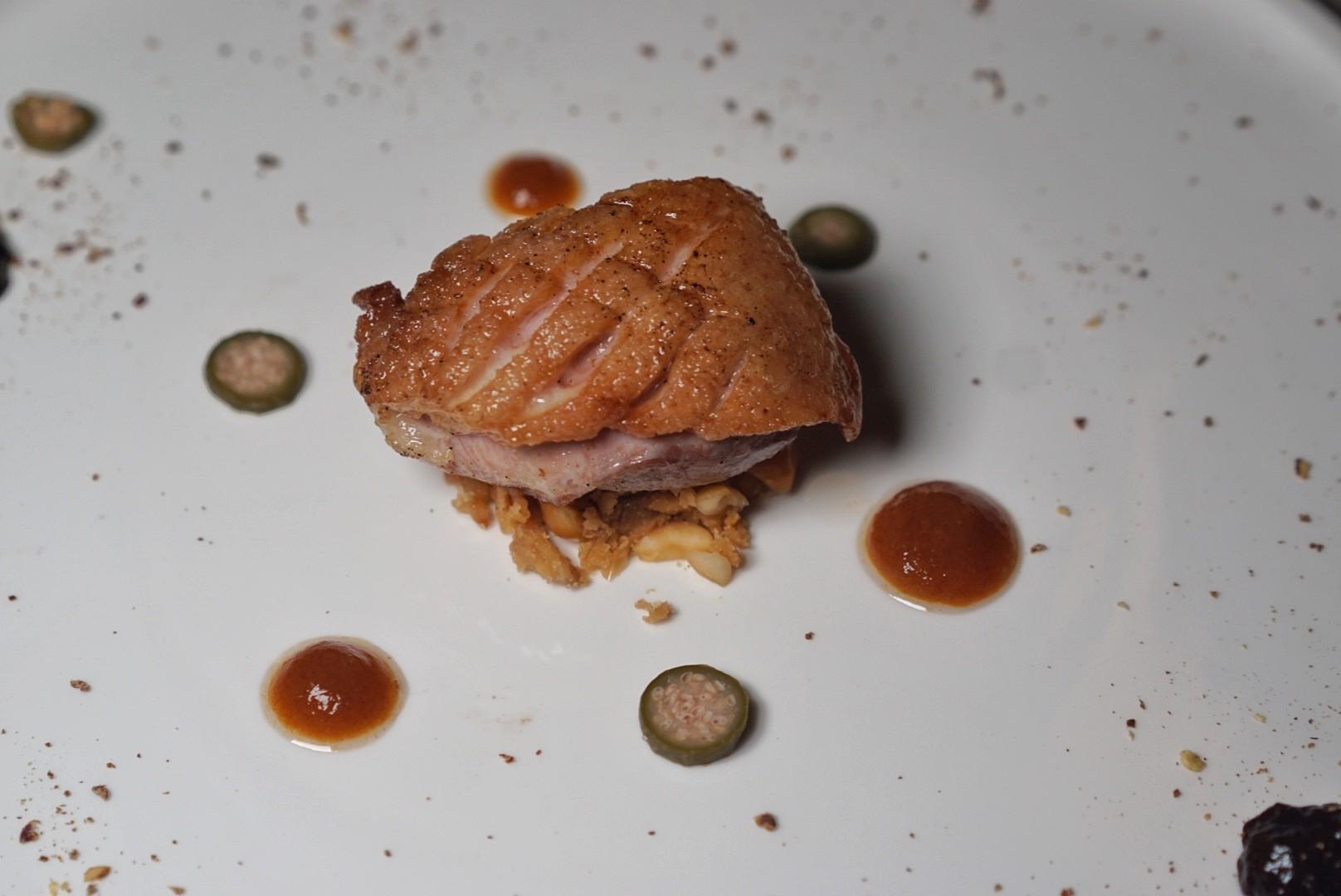
Served in a wine glass, Dewar’l is a mild libation, purely created to mimic a glass of wine that pairs so well with duck breast in the main course, Good Duck.
Dewar’s 15-year is blended with huangjiu, honey, rosemary and orange to allow the crispy duck breast to shine.
Dotted with persimmon sauce, caper berries and a variety of peppercorns, the duck rests on crushed peanuts – the common thread that connects all the other elements.
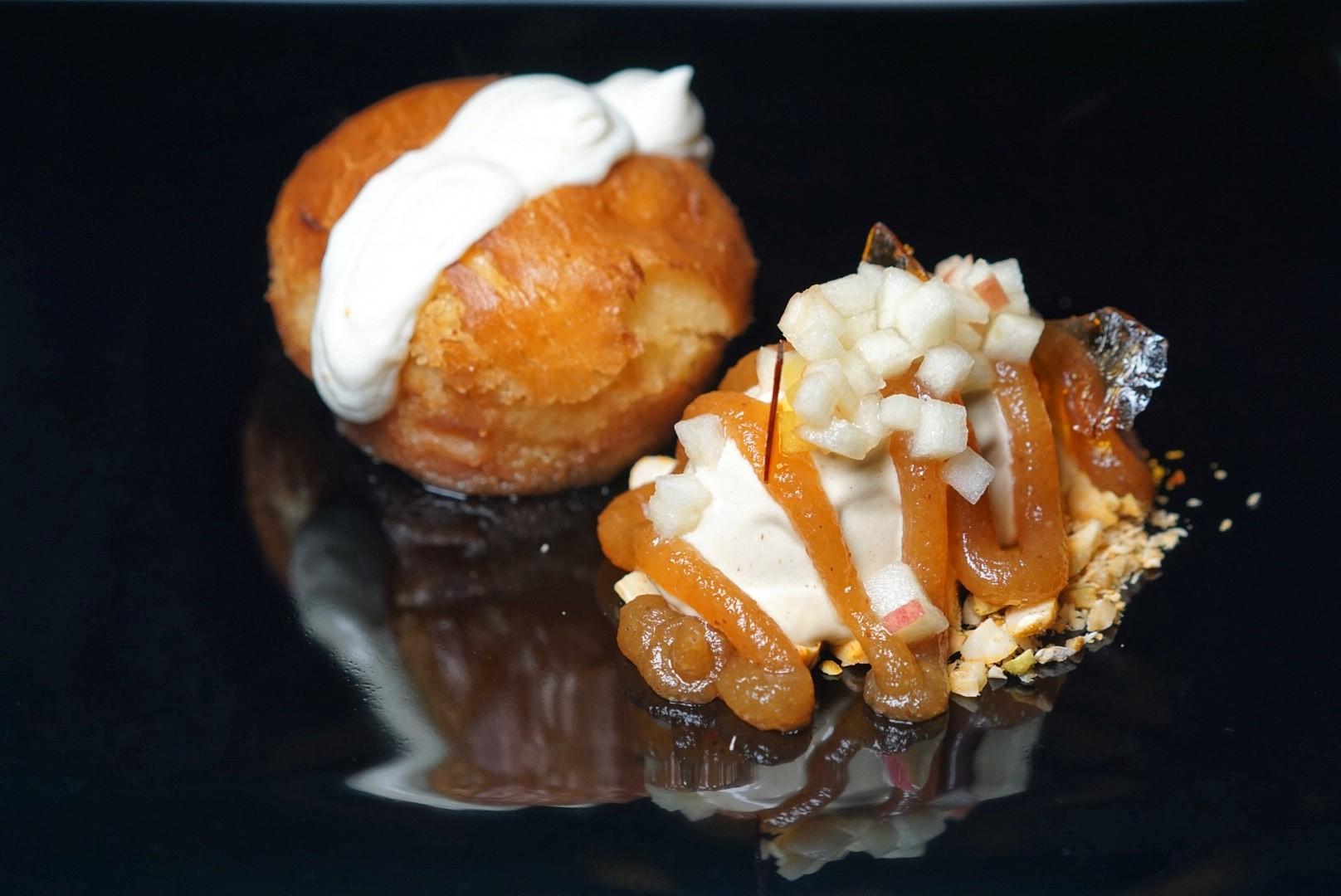
A scoop of apple pie ice cream, drizzled in apple jelly, diced apple, shards of caramelized sugar and cinnamon, sits next to kumquat and apple-laced baba au rhum stuffed with mascarpone cream as The Two Famous Stars.
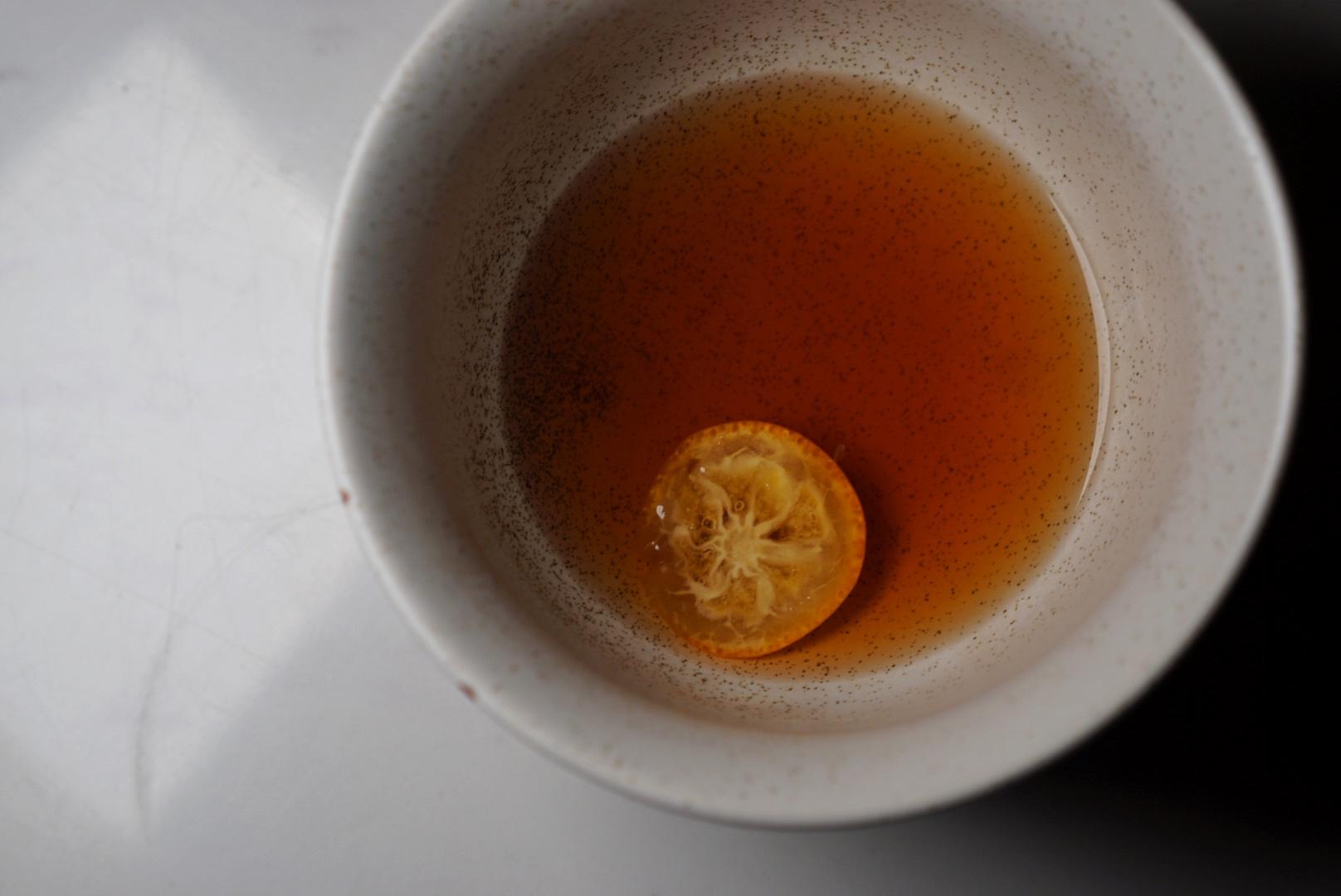
Paired with a tea-like cup of rum, ginger, Qimen black tea and agave syrup, the temperature contrast offers a satisfying finish to this more than complete meal.
After working your way through the entire set, you feel like you've tasted your way down the Italian coast (with a Chinese spin), a filling amalgamation of bites that satiates without making diners feel overly heavy.
There are only six bar seats available each day for the tasting menu, ones that give you a full view of the entire 'show,' like a chef's table.
Our one piece of advice: make sure to book ahead, as the set menu must be prepared in advance.
READ MORE: Kaisha: A Taste of Japanese Refinement with a Hidden Speakeasy
The original Maison Lameloise is located in Chagny, Burgundy, France (population 5,600) and has existed for nearly 100 years. In 2015, Three Michelin Star head chef Eric Pras gathered a team together and started the project of opening his first restaurant outside France, a second replicated location of Maison Lameloise in the most Shanghaiest of places – the iconic Shanghai Tower.
Heard of it?

The seasonally updated Le Grand Menu (RMB2,388) is as grand as the menu’s name suggests, with five courses, plus a selection of amuse-bouche and desserts, while Le Menu Dégustation (RMB1,888) is four different courses, plus amuse-bouche and desserts.
Lunch presents diners with Le Menu du Déjeuner (RMB588/3 courses, RMB888/4 courses) and Le Menu Dégustation (RMB1,588/3 courses), with the same inclusions.
Not feeling a set menu? Opt for any of the a la carte options to build your own cohesive meal. And make sure to come back regularly as the selections are full overhauled and revamped seasonally.
We stopped in to check out the most recent winter menu; here’s a smattering of what you can expect during your next visit.
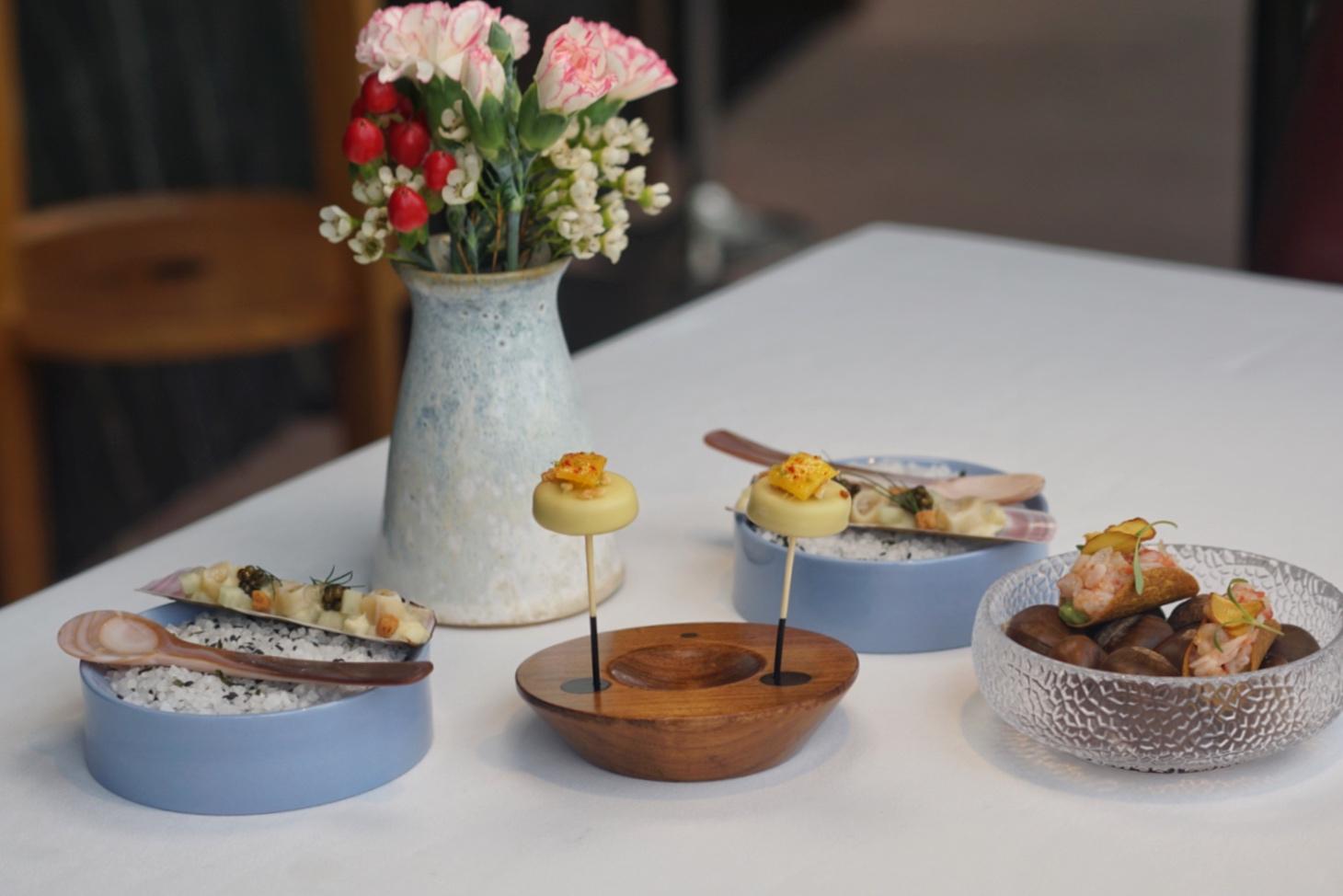
The amuse-bouche consists of foie gras lollipops, dipped in cocoa butter, sprinkled with roasted almond slivers and a trickle of mango jelly and passion fruit for a creamy morsel that melts like – well – cocoa butter.
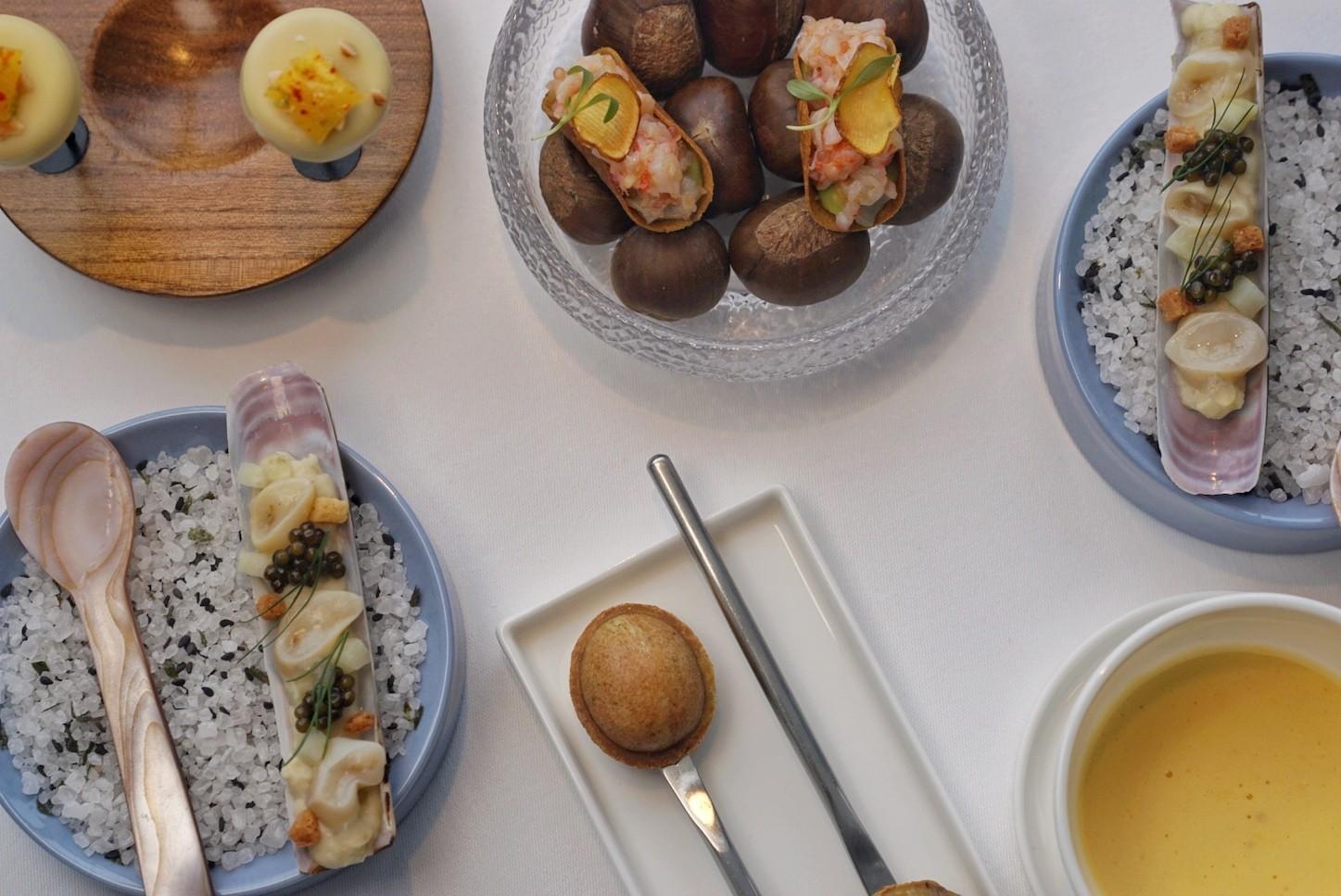
Other nibbles arrive next, like razor clam atop fennel purée with cubed cucumber and green apple, and a crispy Hong Kong bubble waffle stuffed with snail béchamel dipped in a warm saffron aioli.
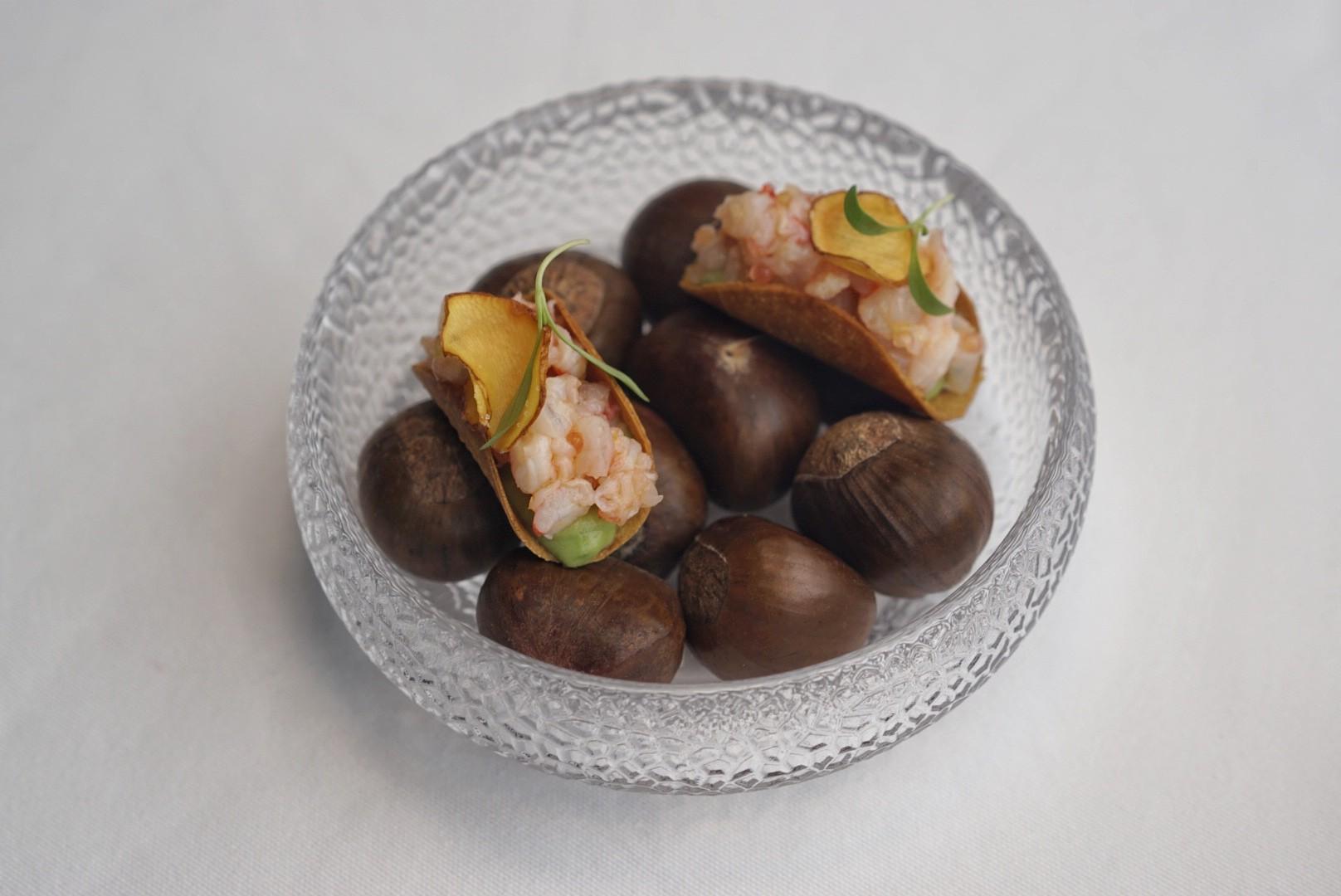
A taco of sorts, made from chestnut flour, holds avocado cream and marinated shrimp for refreshing bite.
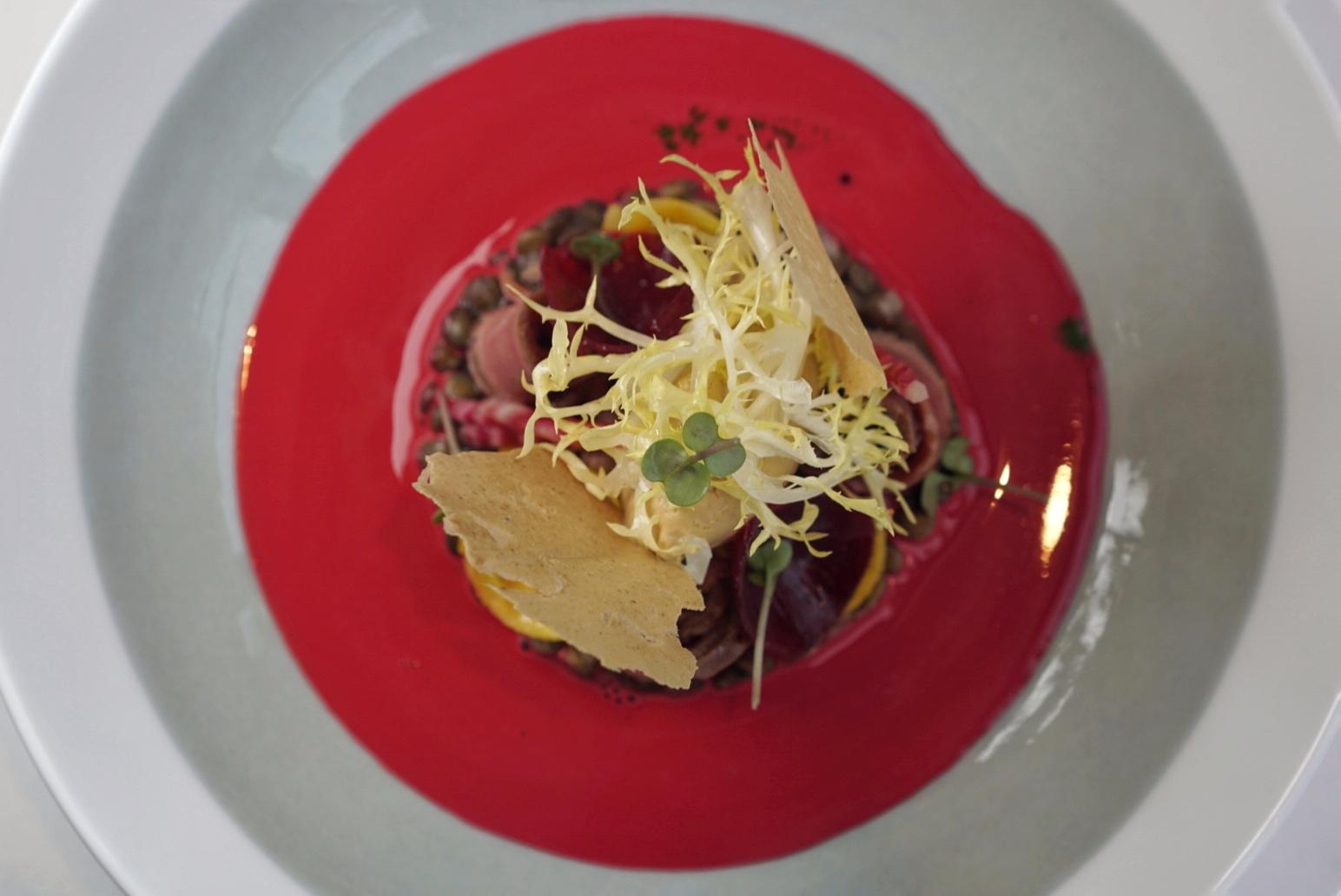
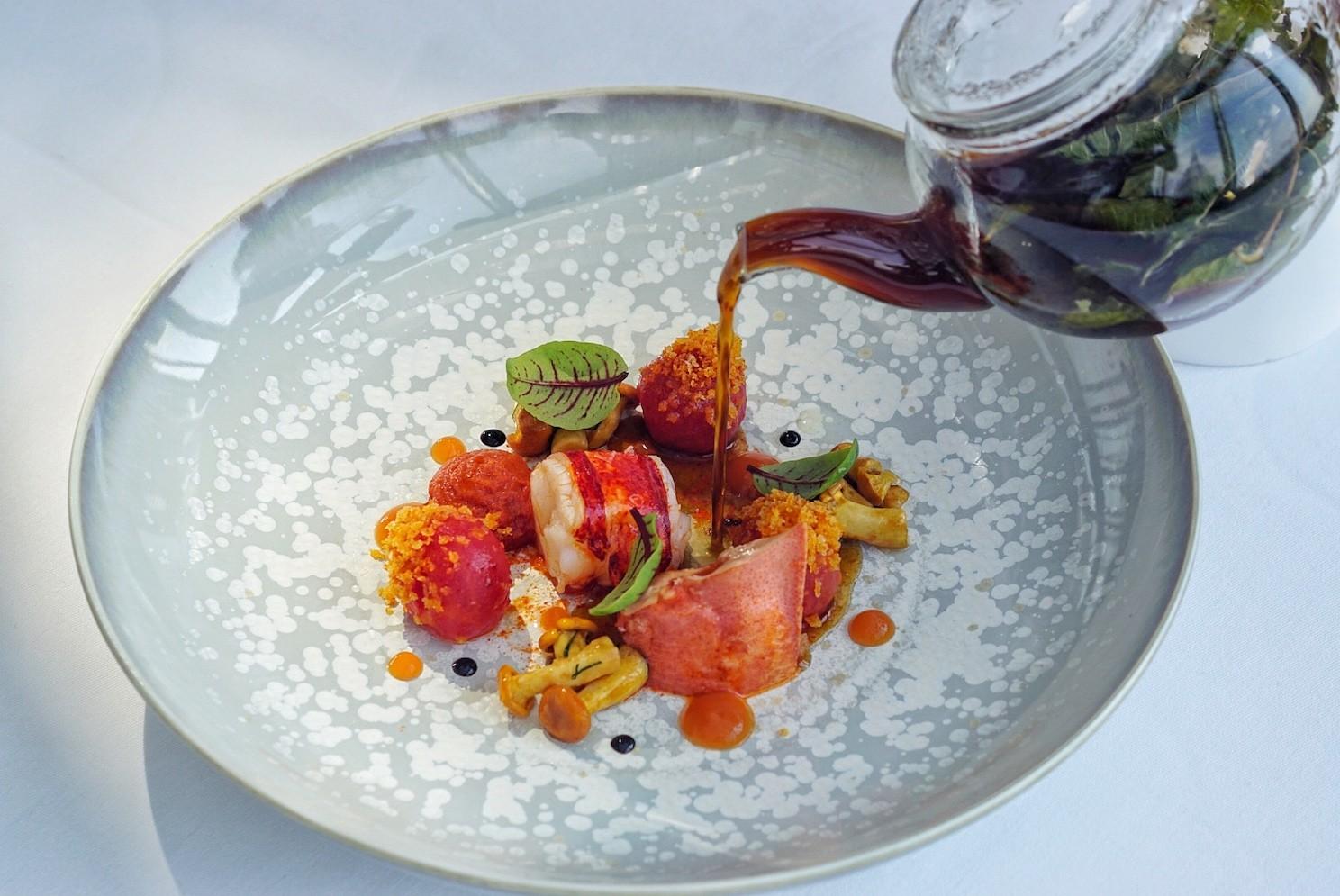
Resting on a salad of green lentils, thin whorls of honey and soy-marinated roasted duck fillets are adorned with a perfectly symmetrical quenelle of foie gras cream as the Duck, Beetroot & Plums.
Drizzled with a tart apple vinaigrette, a lentil salad anchors a trio of beetroot declination – raw, marinated and drizzled as a bright pink sauce – elevated by wheels of sour plums and a crisp tuille.
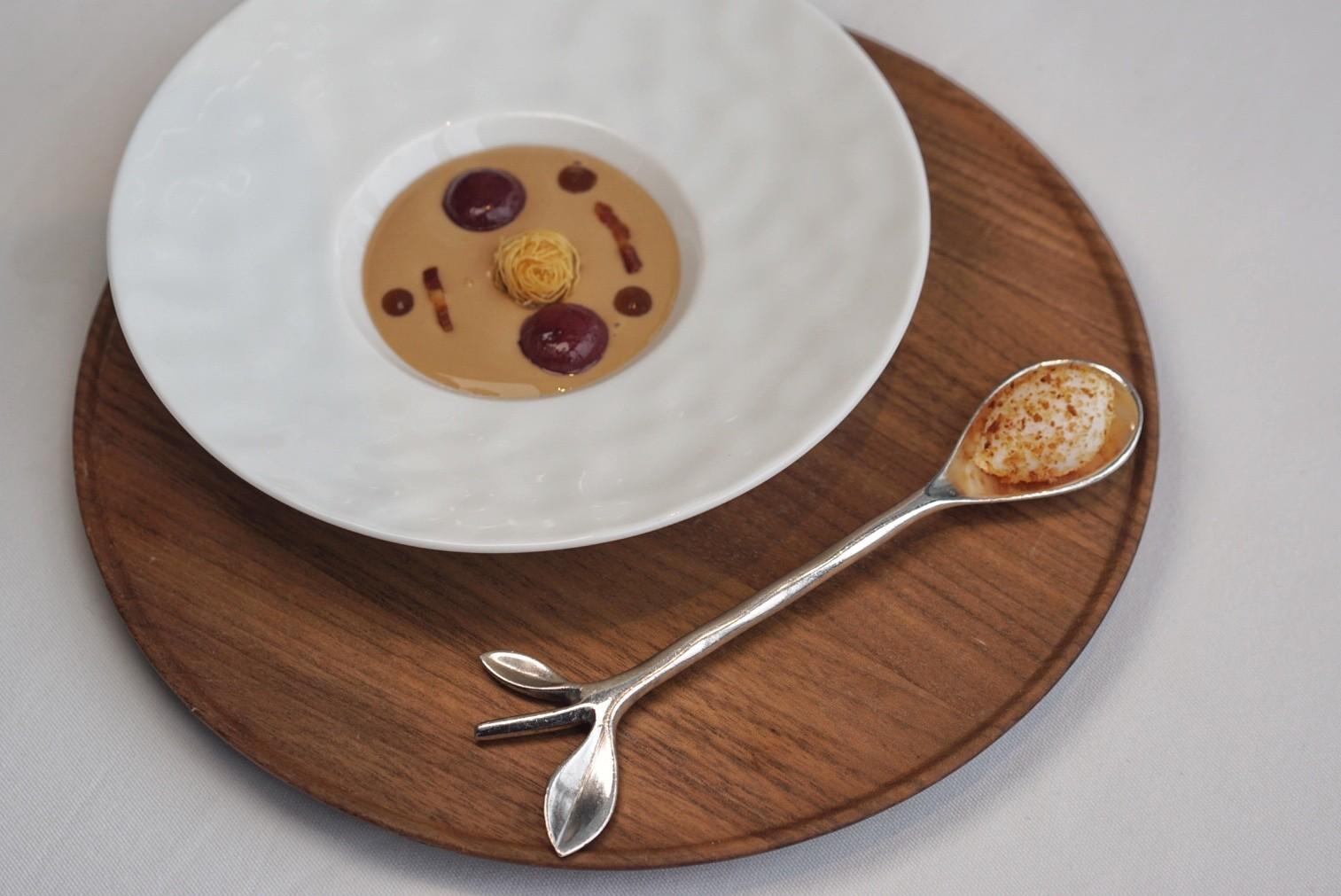
Mushroom Reduction
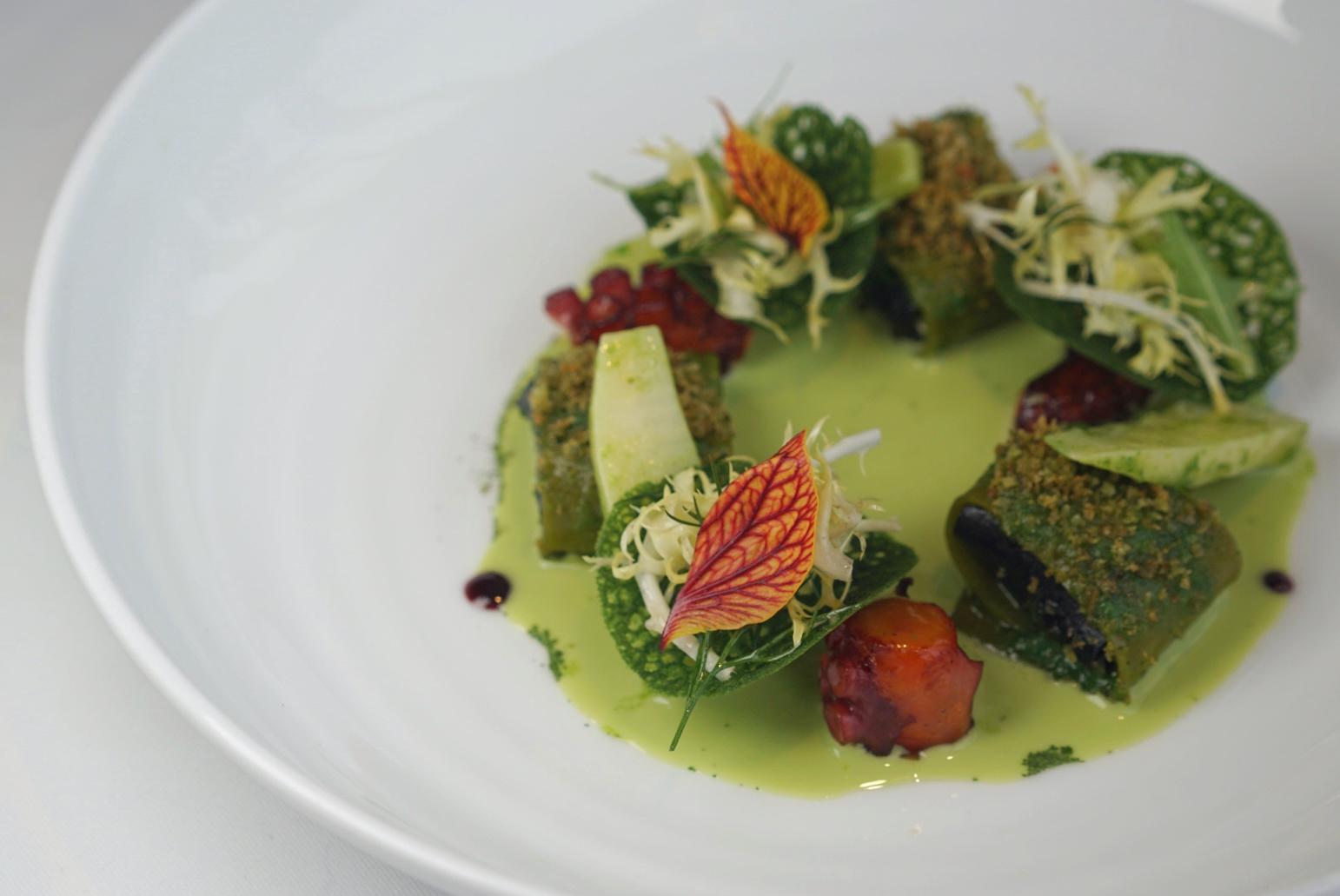
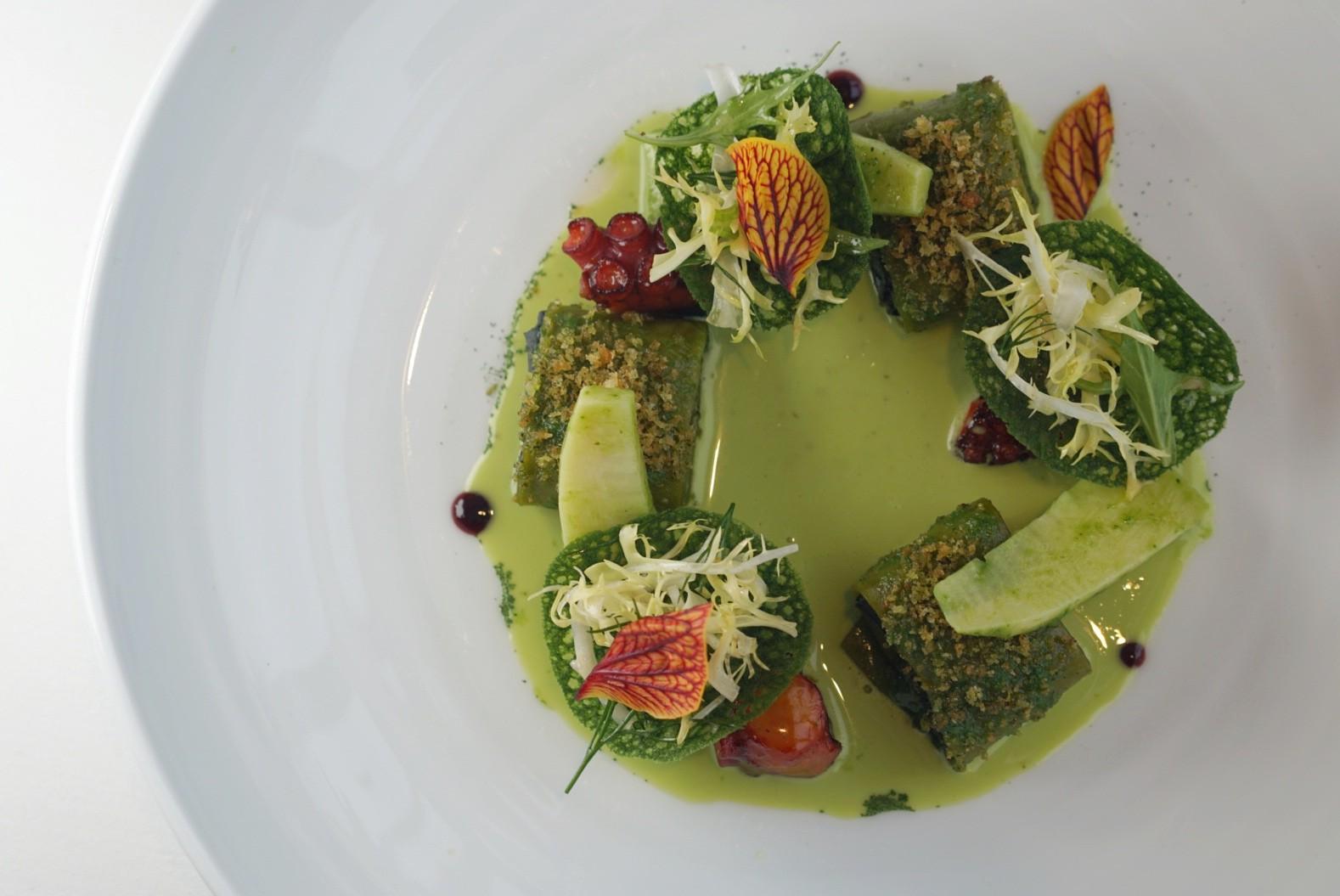
A tribute to the restaurant’s signature dish in Chagny, the Snails & Bamboo is an homage to a traditional Burgundy dish made of snails, garlic and parsley. Soft herb dumplings are stuffed with a potagère of vegetables and snails, flecked with crispy snail and parsley powder.
Expertly seared knobs of octopus are interlaced with green parsley chips, garnished with frisée and edible flowers. An herbaceous snail sauce dotted with licorice bouillon brightens the plate in both hue and heft.
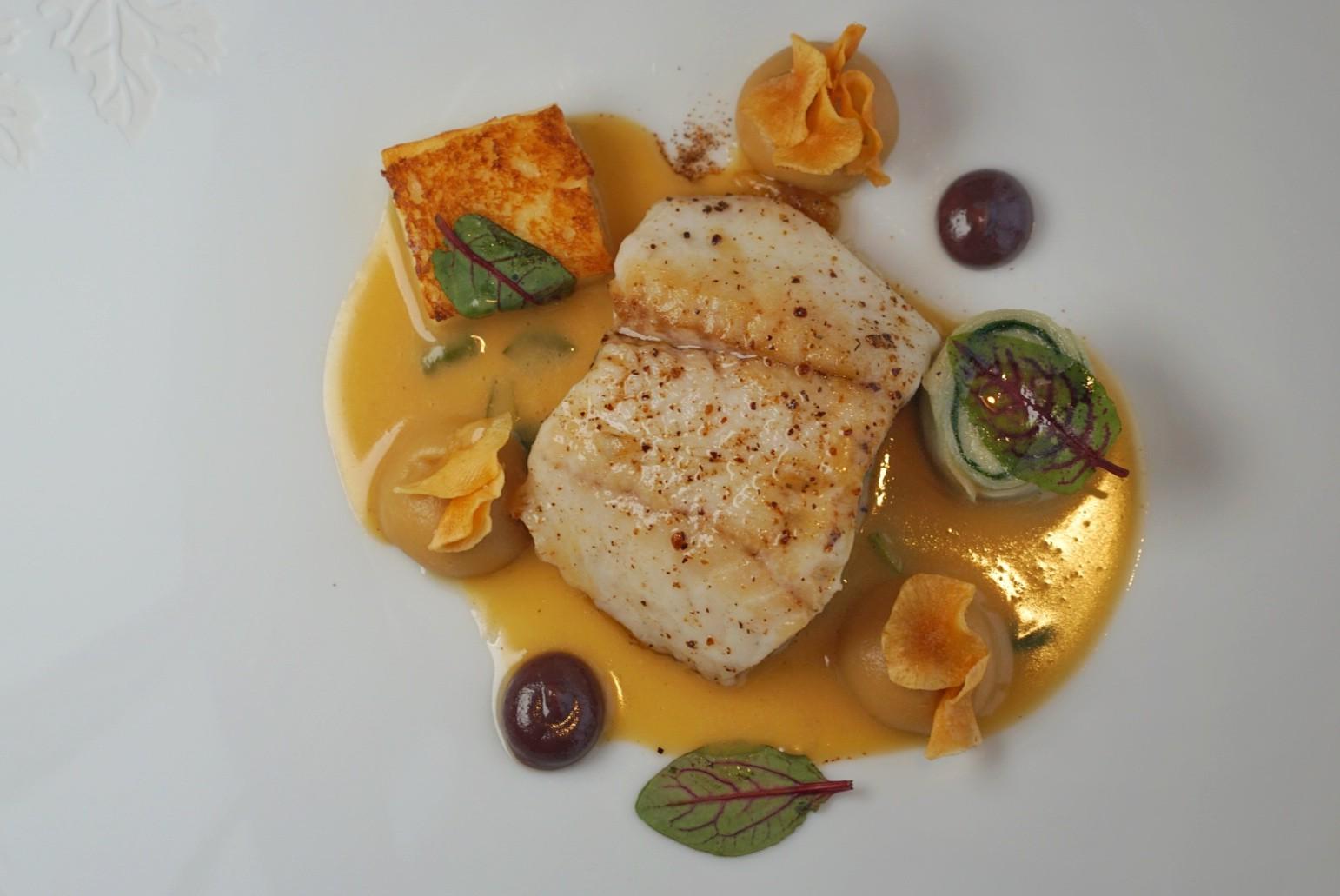
Cooked rustically meuniere style, with juniper and a pochouse sauce (based on the traditional Burgundy fish stew), the Pike Perch & Pike is flanked by seared pike mousse bread, velvety sunchoke purée, a delicate sunchoke spinach roll and dollops of tart 'raisine' made from a combination of dried and fresh grapes paired with anchovies and white wine.
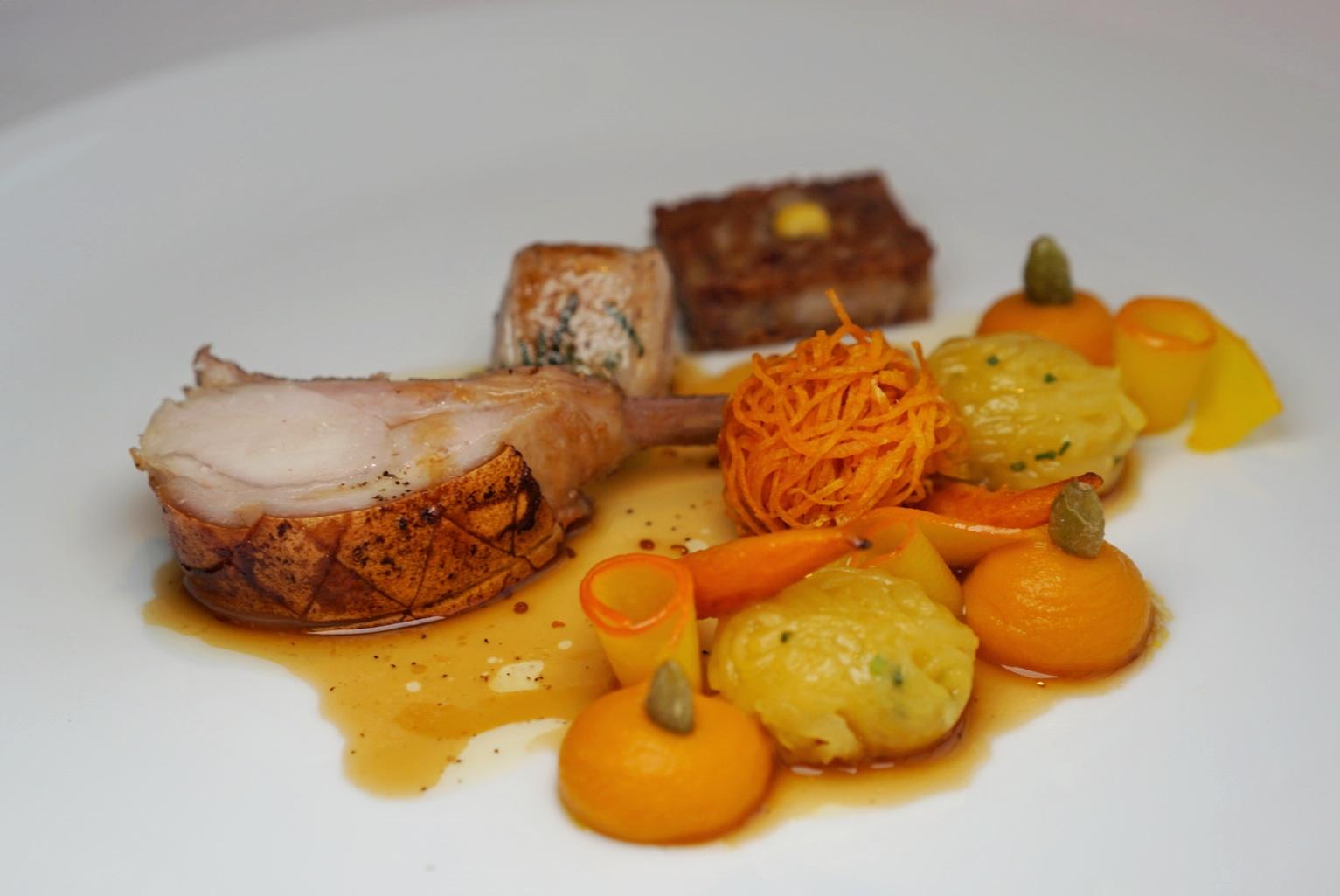
Sourced from Yunnan, the Suckling Pig is presented in four variations – the rack, chop, tenderloin and a fritter made from caramelized head and foot.
Flanked by a textural palette of pumpkin, squash and sweet potato – rolled in whirls, fried to a crunch, mashed and piped in creamy dollops and squiggled into spaghetti – the plate is dribbled with a mustard seed and coffee jus reduction.
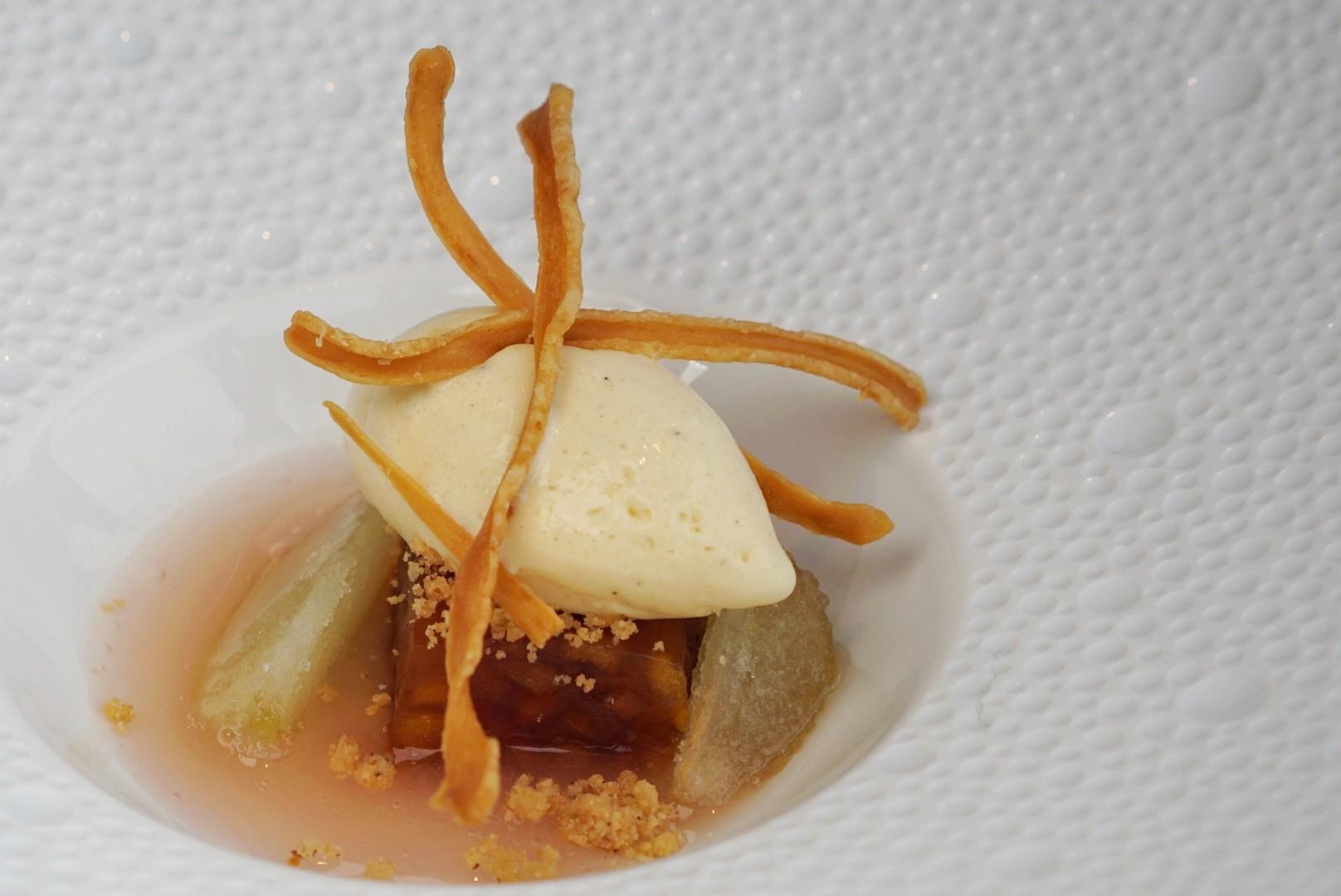
After such bold flavors, a pre-dessert palate cleanser arrives – roasted rye flour ice cream atop a square of apple caramel, bordered by frozen grapes sitting in an apple and grape juice glaze.
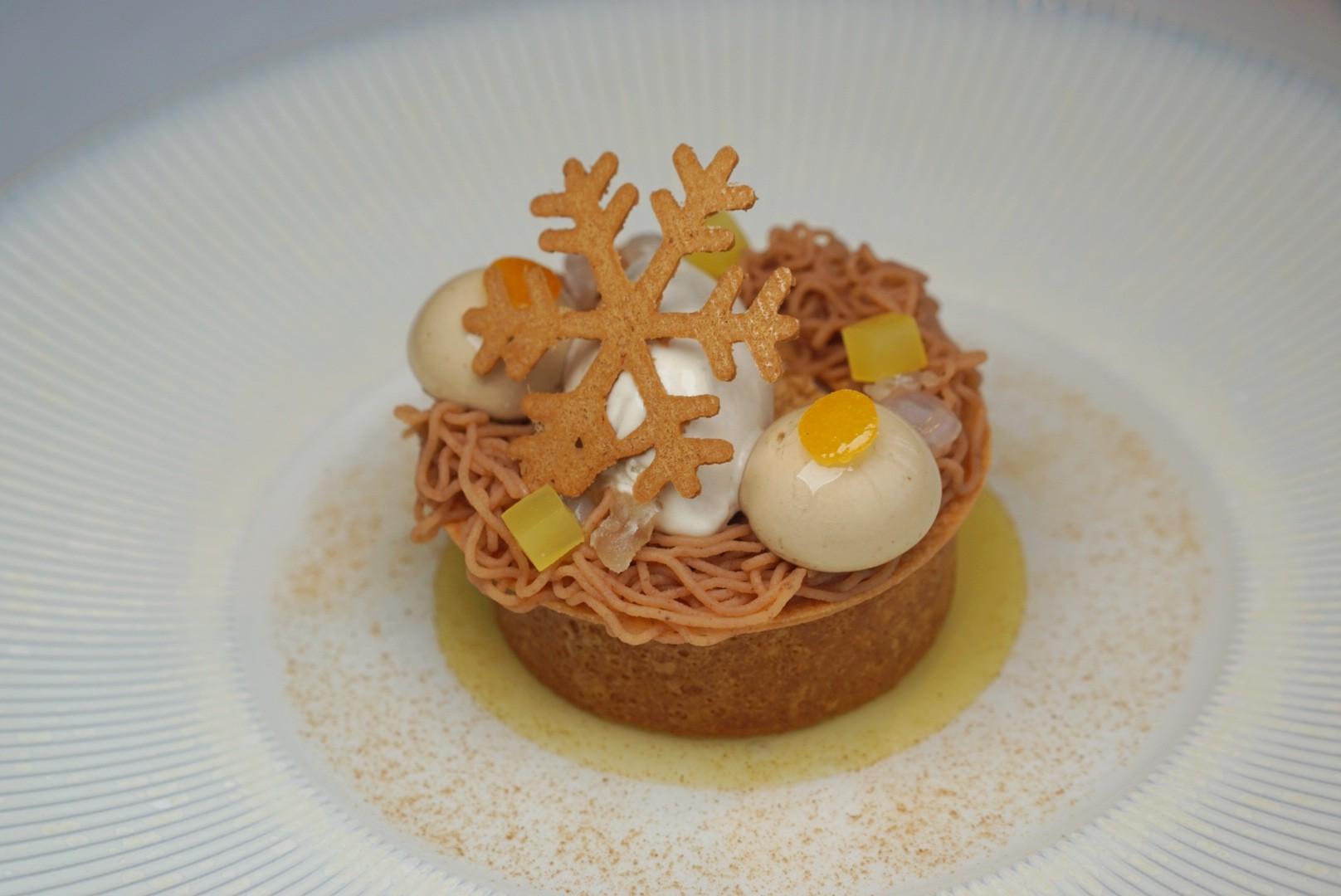
A crispy tuille of chestnut encircles soft biscuit, filled with kumquat marmalade, chestnut cream and chestnut purée in the form of a Chestnut Mont Blanc.
Topped with chestnut ice cream, chestnut jellies and a bubbly chestnut foam, this product-focused dish zeroes in on the nutty winter favorite.
The mantra “tradition is innovation” is what has developed Maison Lameloise into the powerhouse brand that it is today. The aim is to always move forward, always ask questions, always strive towards improvement and – ultimately – perfection.
The dishes scream innovation, living this philosophy of following timeless, classic French traditions while still evolving.
The hero is the product when it comes to Mercado 505, a Spanish gastronomic market concept restaurant modeled off of Mercado San Miguel in Madrid and Mercado La Boqueria in Barcelona.
But don’t come here for the Spanish food alone – you'll also find an impressive spread of only the highest quality imported meats, cheeses, seafood and wines along with a rotating menu of lunch and dinner options based on seasonality and availability.
Through the end of April, Mercado 505 is offering up two sharing sets, available for both lunch and dinner.
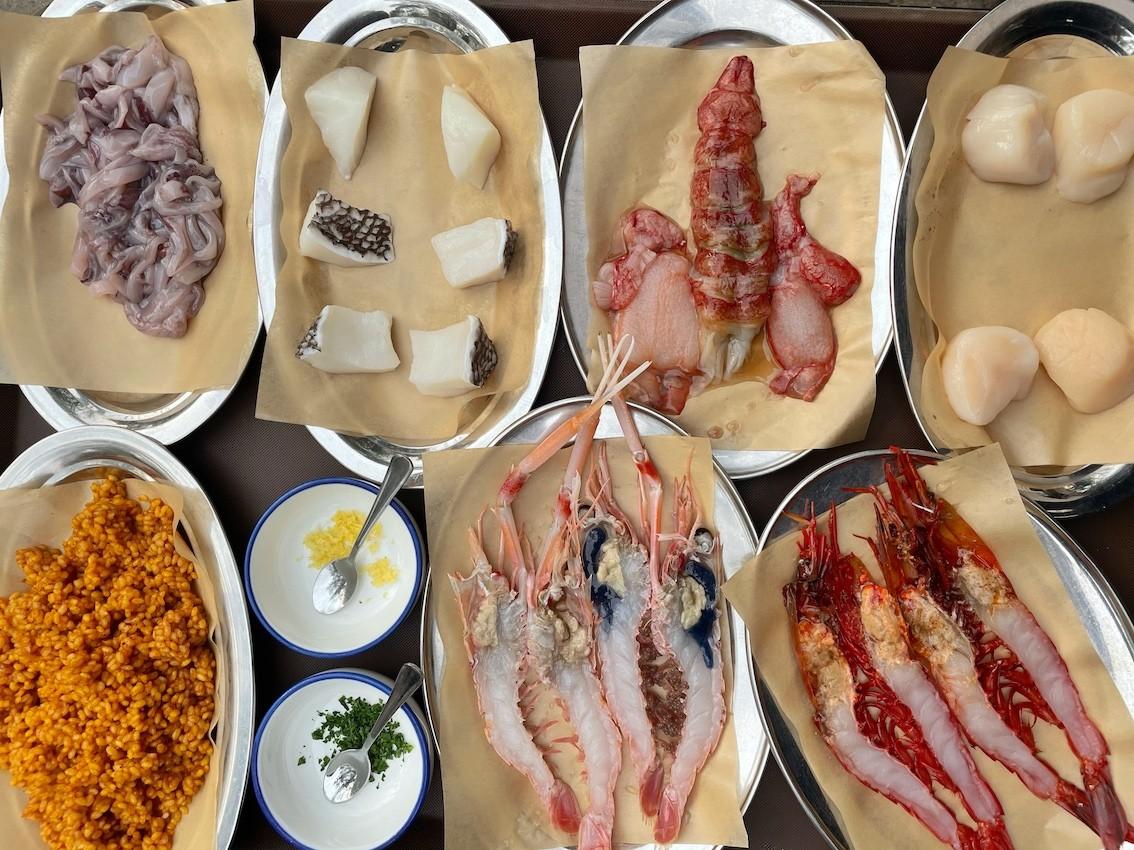
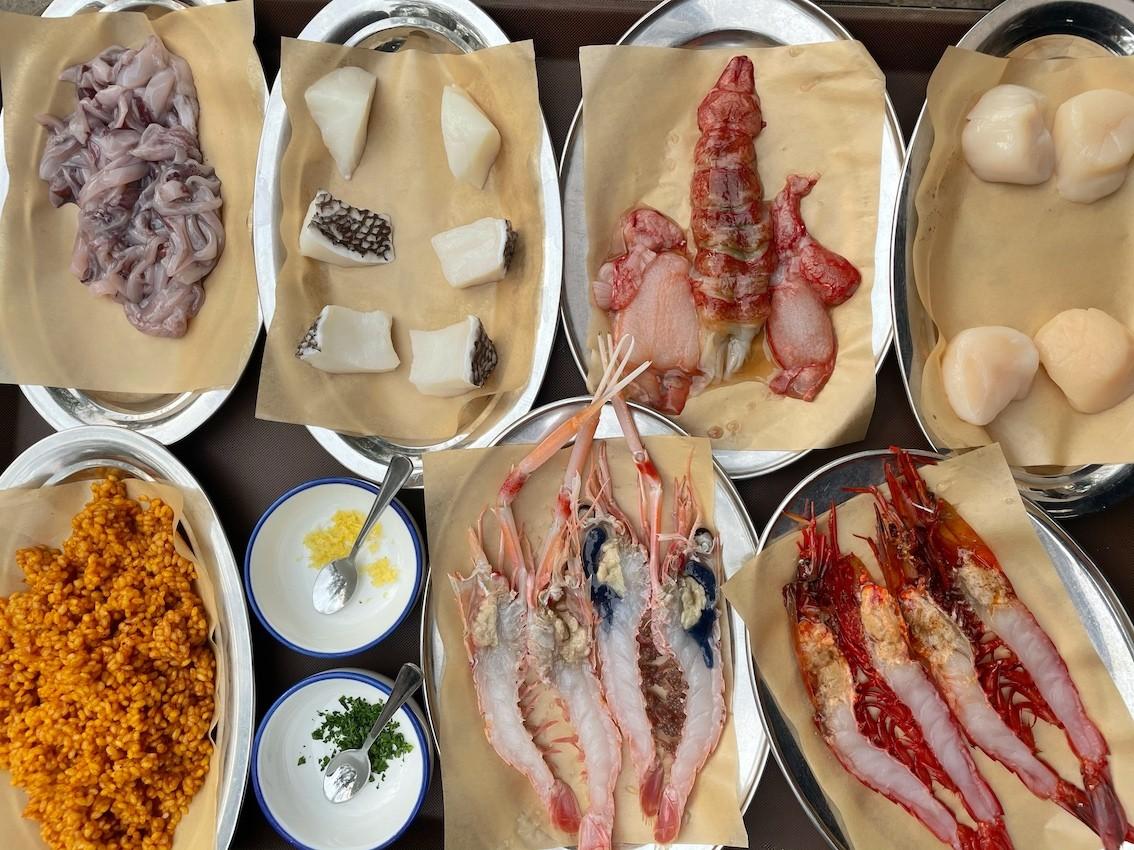
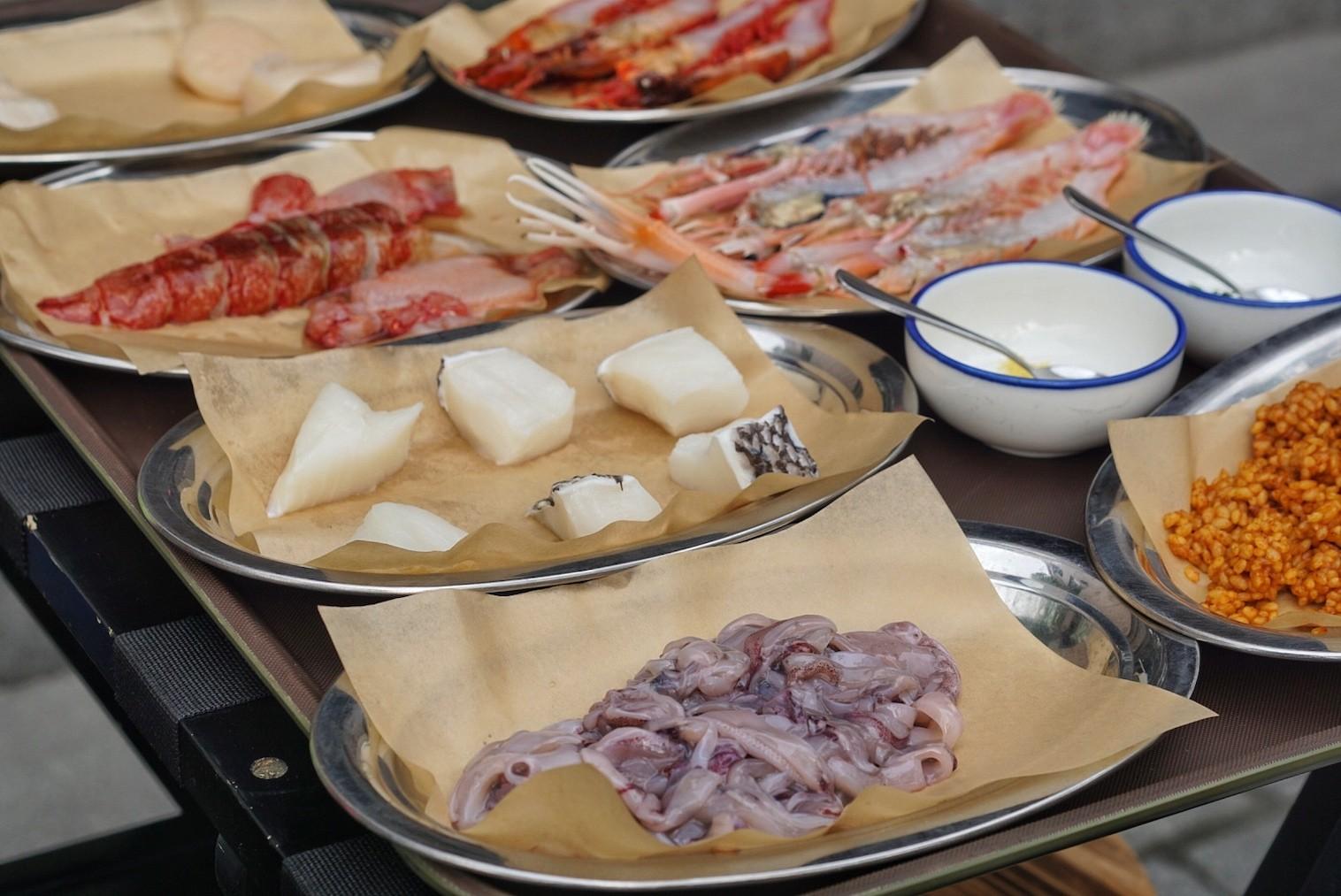
The Seafood Pot Puchero (RMB1,599) focuses on every manner of creature from the depths of Davy Jones' locker – blue lobster, carabinero, scampi, scallops, baby squid, codfish and blue mussels – sourced from around the globe,
The Wagyu Pot Puchero (RMB1,599), meanwhile, appeals to the most diehard carnivors, with Wagyu shortribs, dry-aged Wagyu ribeye, Wagyu oxtail and all manner of Yunnan black porcinis and morels to be enjoyed in a paella bowl.
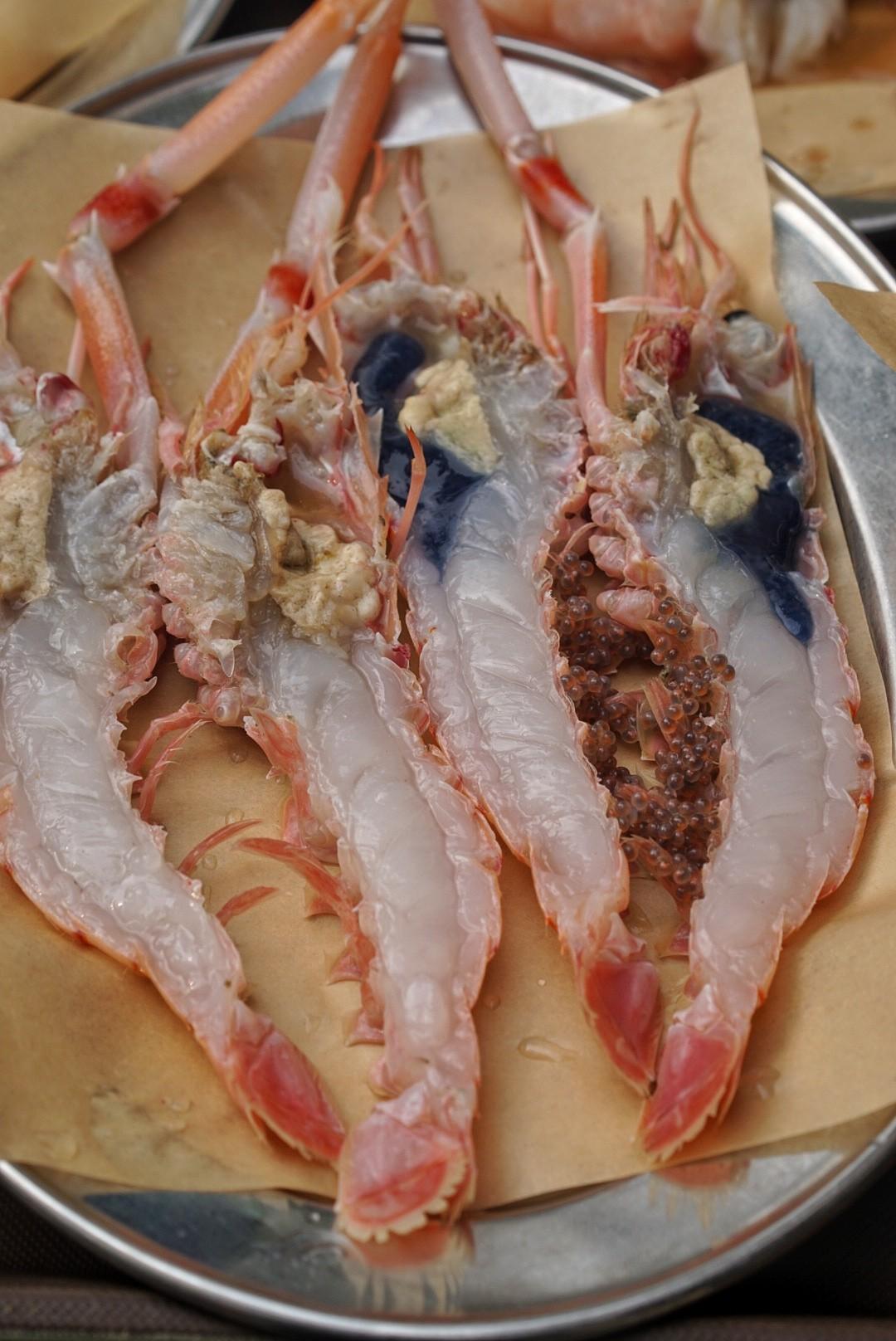
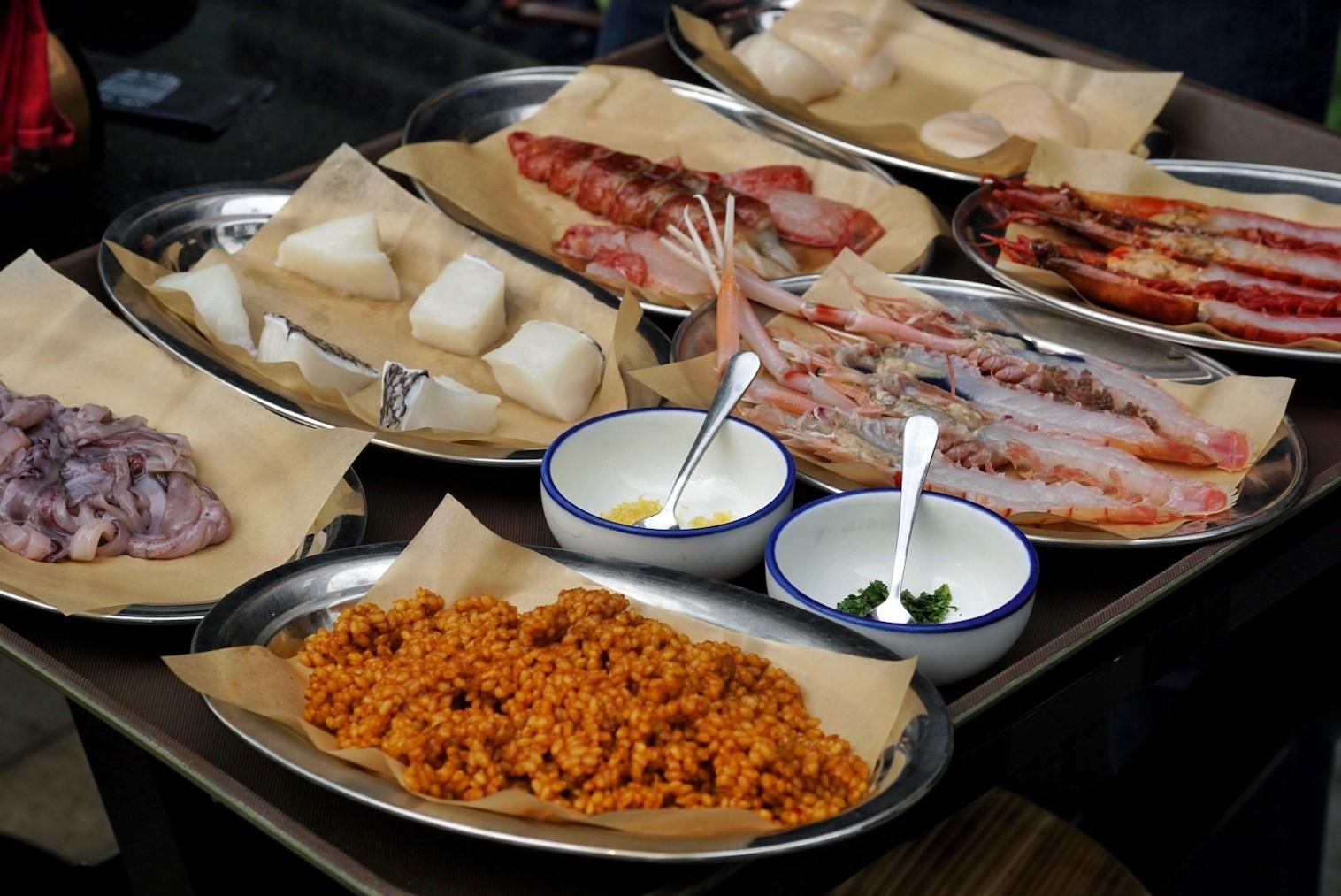
As the warm weather draws near, we opted for the former, a brighter, lighter alternative to align with our summer swimsuit goals.
The puchero, or winter Spanish stew, comes into play in the form of a rich seafood and chicken broth, laden with asparagus, creamy Spanish white beans and porcini mushrooms.
But this concept is combined with that of Chinese hotpot, in that all manner of seafood is added into the mix and boiled together, creating an oceanic tidal wave of flavor.
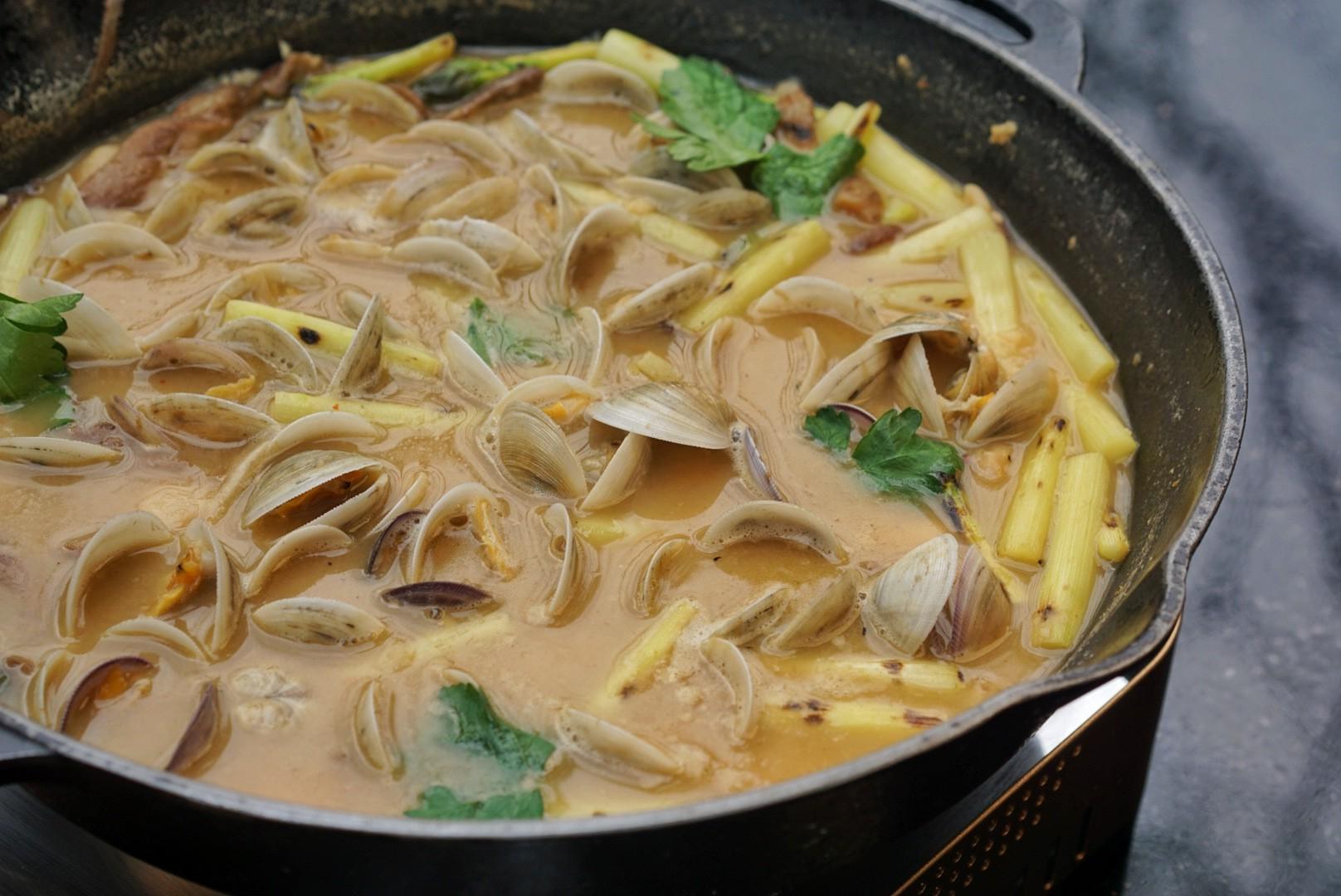
The set is served in three phases: first a bubbling bowl of Guangdong clams in said puchero soup is enjoyed.
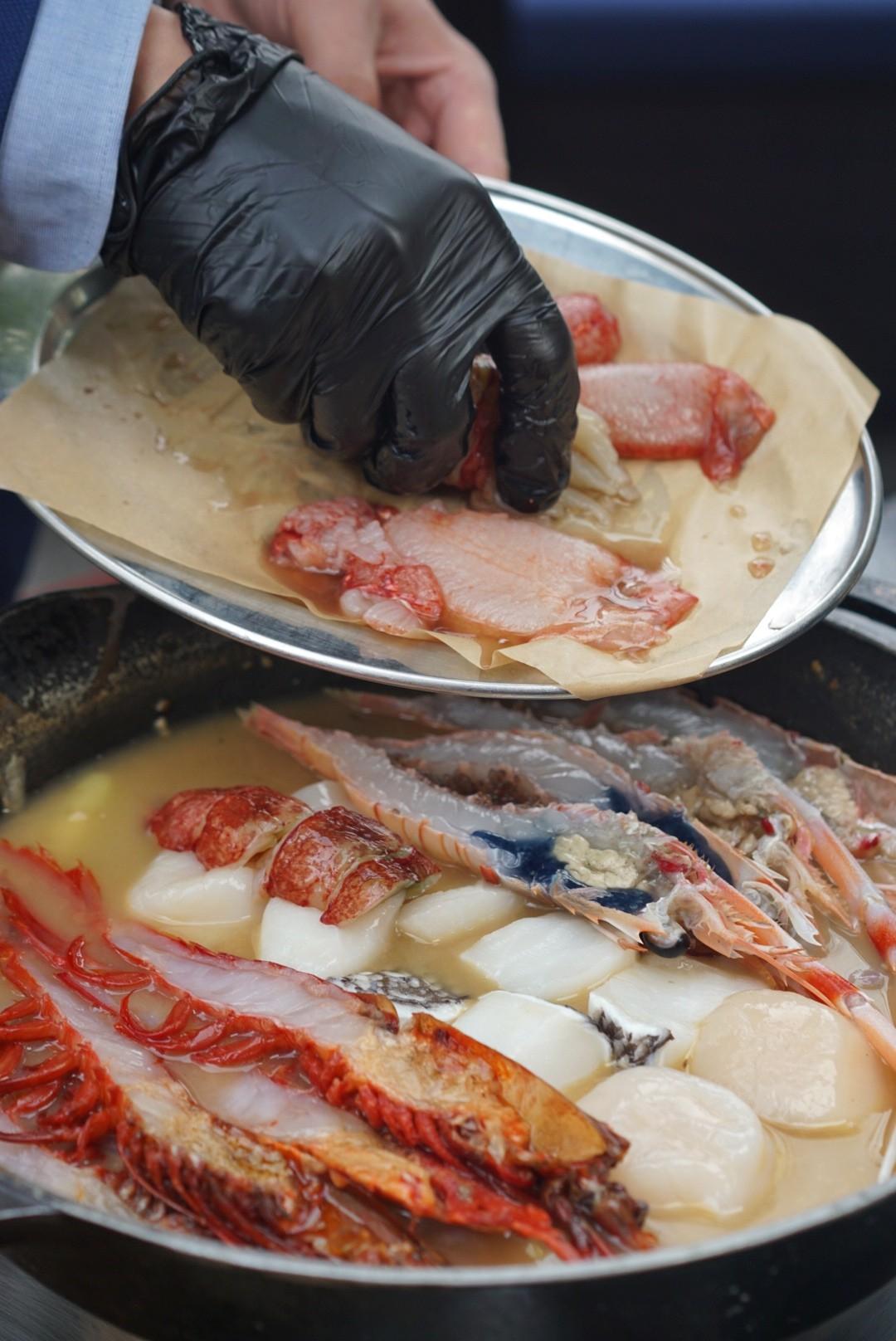
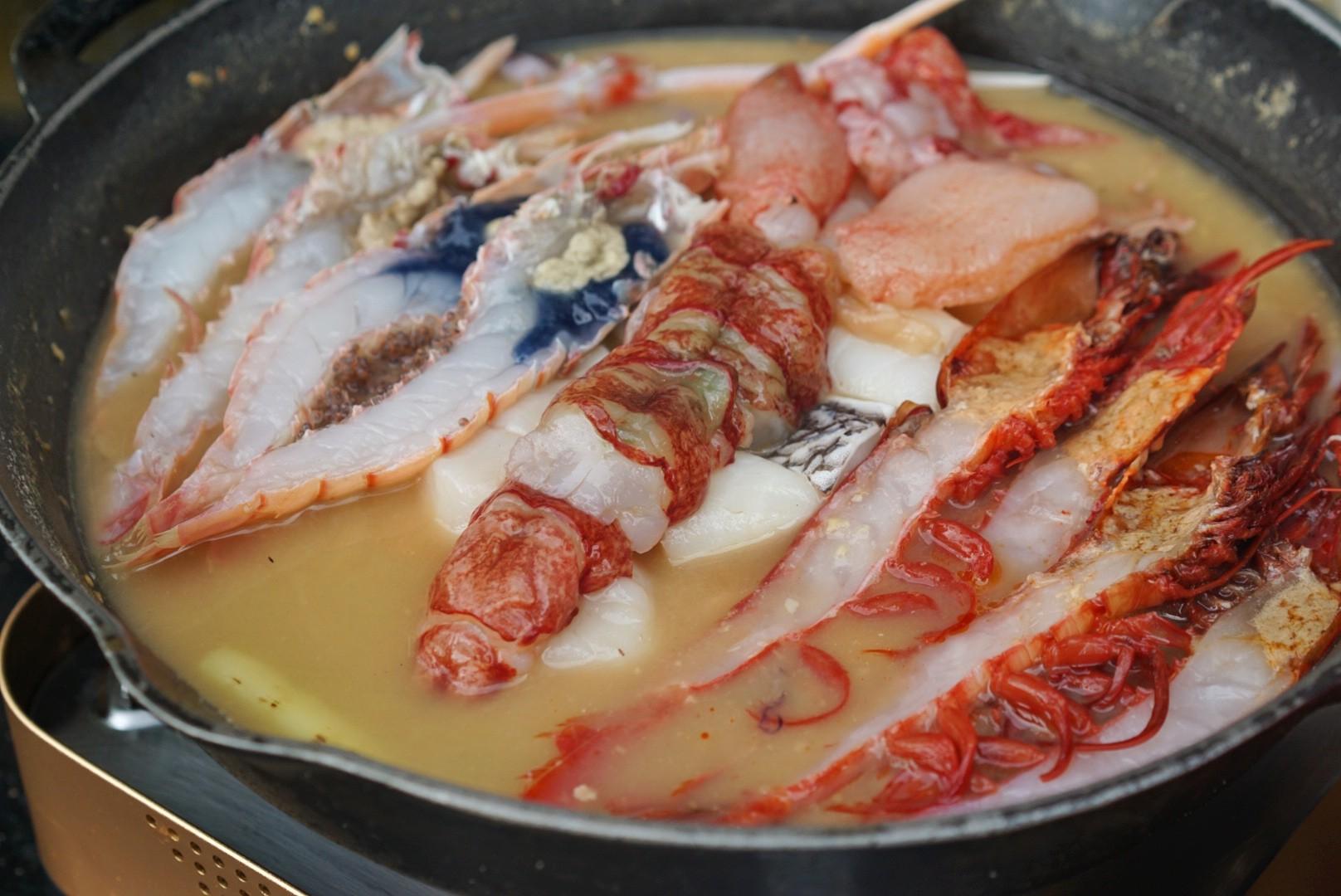
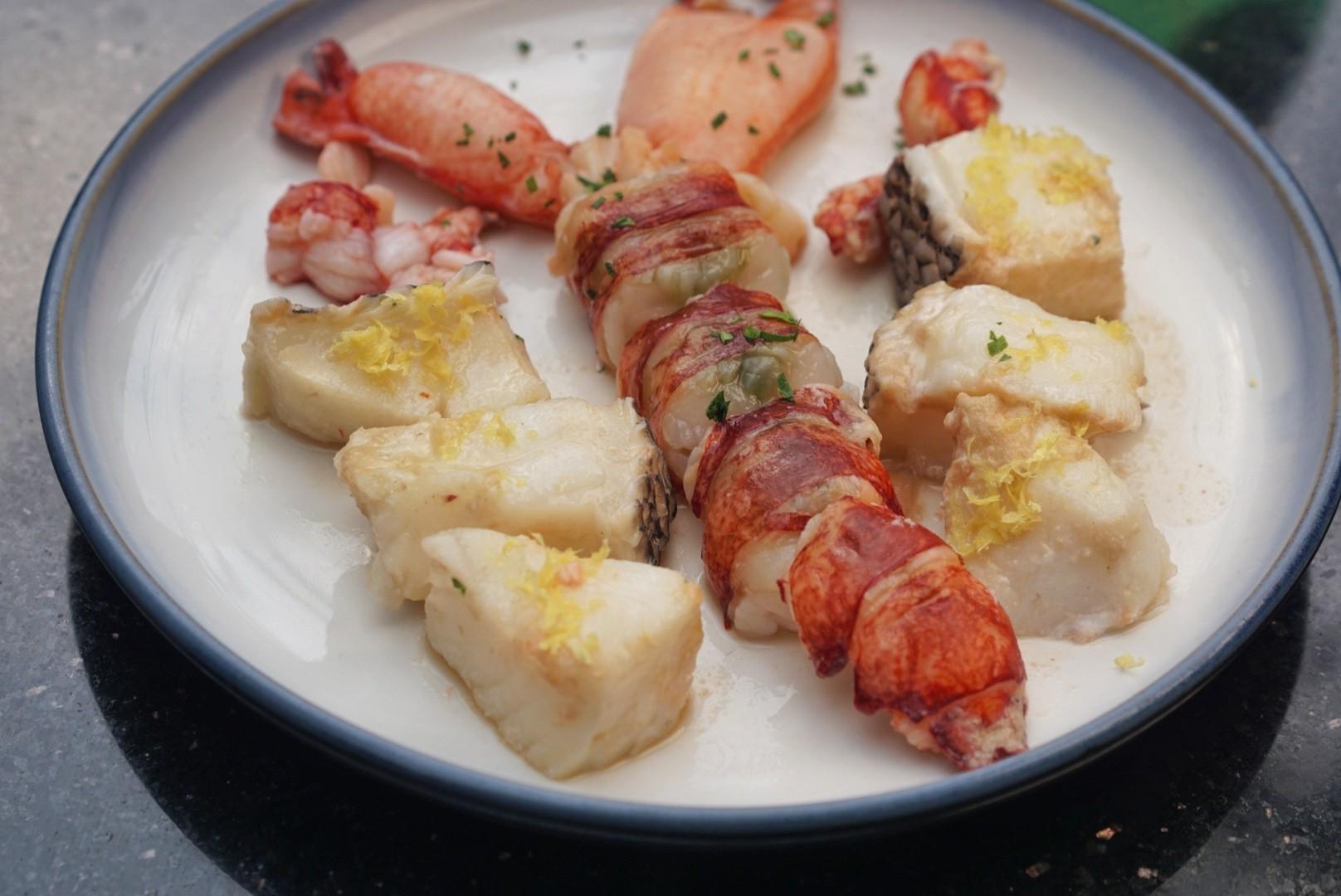
Next, additional broth is added, while the seafood – everything from tender French blue lobster, Spanish-imported carabinero (also known as the king of shrimp), sweet New Zealand scampi, Japanese scallops, Antarctic toothfish, and Guangdong baby squid – is stacked in the pot in an intricate pattern to ensure that nothing is over- or undercooked.
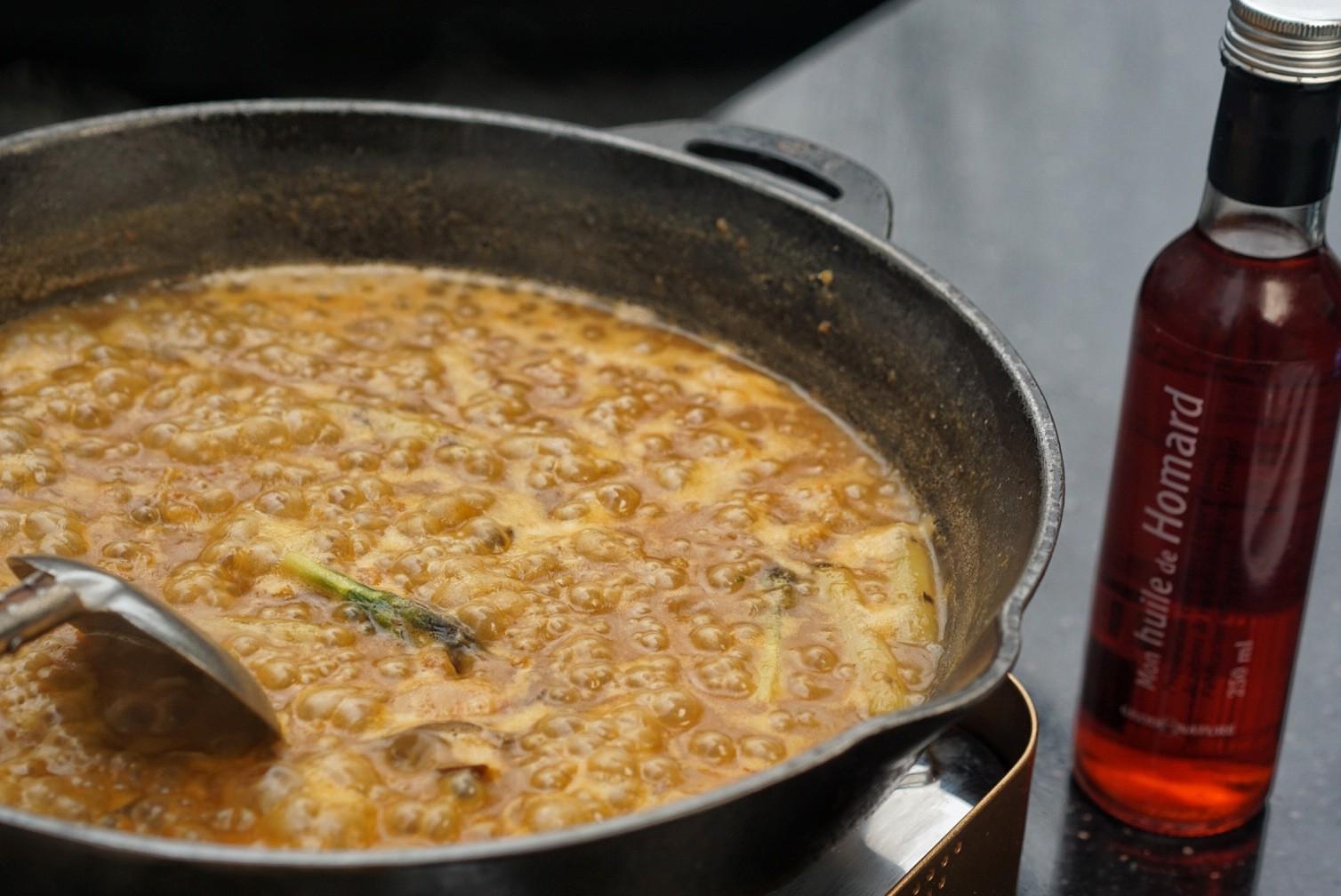
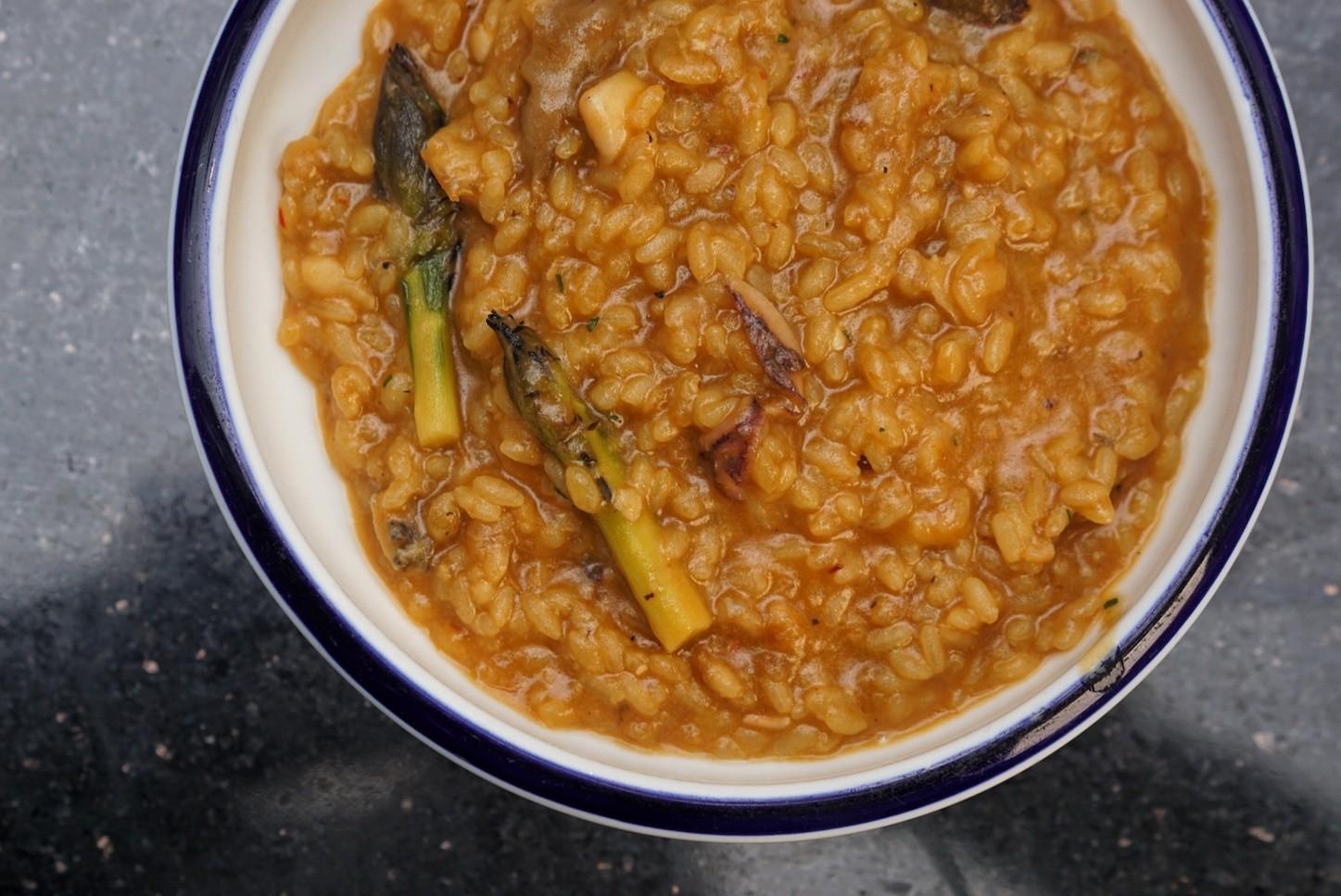
After the seafood is consumed, Spanish rice drizzled with lobster oil is simmered in the remaining broth to finish off the meal with a succulent seafood paella.
The sets easily feed two hungry people, or snag a few extra a la carte items from the menu if you're bringing a third.
READ MORE:

My name is Sophie Steiner, and welcome to my food-focused travel blog. This is a place to discover where and what to eat, drink, and do in Shanghai, Asia, and beyond. As an American based in Shanghai since 2015 as a food, beverage, travel, and lifestyle writer, I bring you the latest news on all things food and travel.
Your email address will not be published.
Be the first to comment!

Sign up for tips on the latest Shanghai openings, and other food, beverage, and travel content
© 2026 Sophie Steiner
Privacy Policy