48 Hours in Shanghai: What to Do, Eat, Drink, and Explore
A curated guide to Shanghai's best kept secrets
May 20, 2021
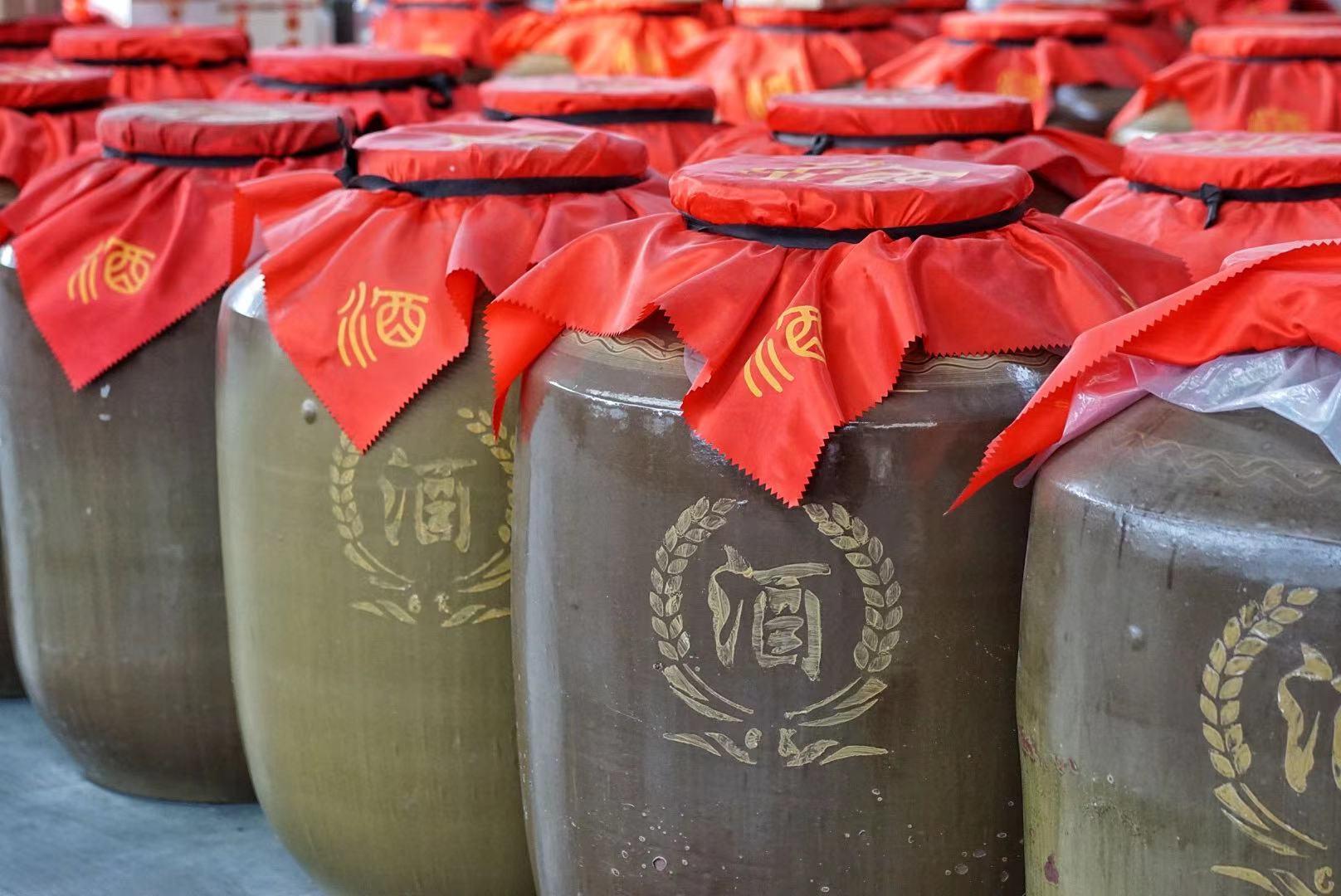
We recently took a deep dive into the world of baijiu; wading into the waters of baijiu knowledge can be daunting. With 12 distinct categories and thousands upon thousands of brands, where does one begin the journey? We've compiled a list to give our readers a (very) basic overview of the big players, the rookies and the curbside ballers in the baijiu game.
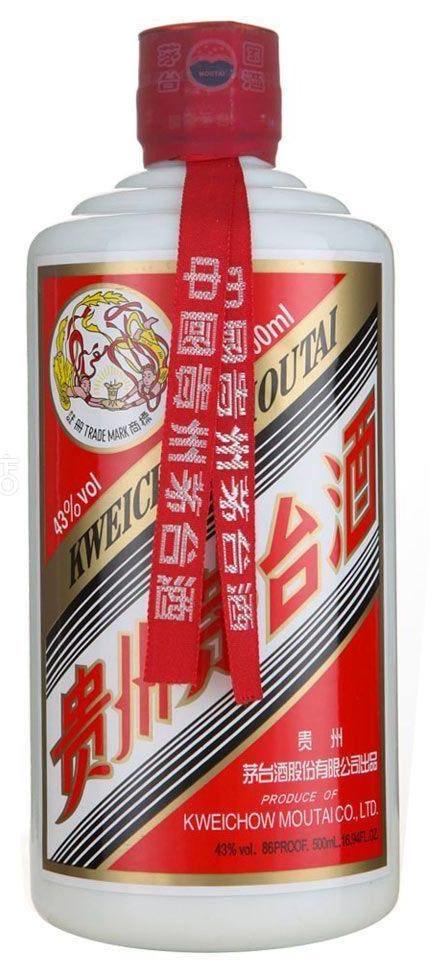
Image via JD.com
Recognized as the holy grail of baijiu and national liquor of China, Moutai (also referred to as Maotai) is served at banquets across the country. Aged bottles can easily sell for thousands of renminbi, causing many to stockpile rare bottles to serve as a retirement plan. Hailing from Guizhou province, this fermented sorghum-based liquor is most known for its ‘sauce’ flavor qualities, like pungent, overripe pineapple.
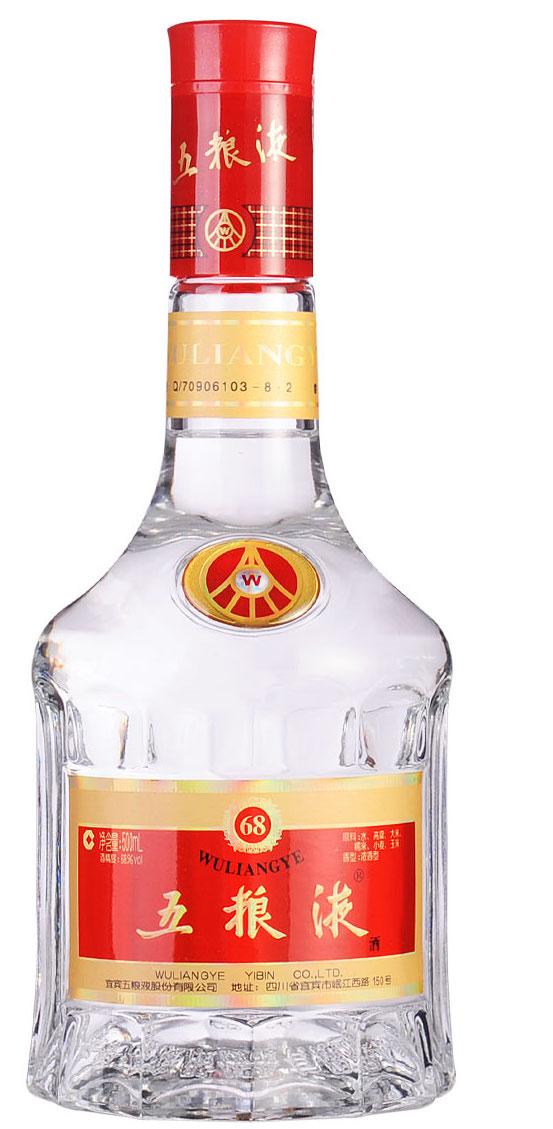
Image via JD.com
Arguably the closest competitor of Moutai, this strong-aroma baijiu from Sichuan is noteworthy for its lingering savory aftertaste. The name itself translates into the baijiu’s main ingredients – wheat, sorghum, corn, glutinous rice and rice. First produced nearly 1,500 years ago, Wuliangye usually clocks in around 45% ABV.
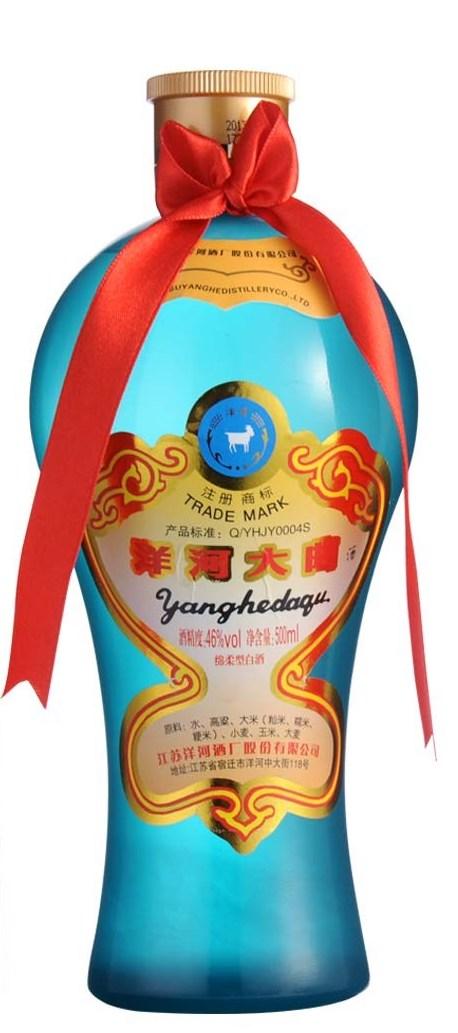
Image via JD.com
The three main varieties of this Jiangsu-originated baijiu come in 55, 61 and 64% ABV, resulting in a mixed-grain strong-aroma baijiu fermented with wheat, barley and pea-based qu. An old local saying from the Sui and Tang dynasties when Yanghe was first made states, “When travelers smell it, they dismount their horses. When they’ve tasted it, they stop their carts.” Bottled in an elegant vessel resembling a traditional Chinese vase, the sweet, smooth tasting liquid inside is surprisingly refreshing.
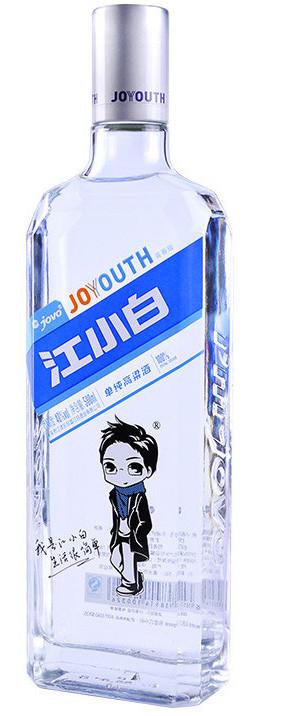
Image via JD.com
One of the newest and most widely accessible baijiu brands in the business, Jiangxiaobai has been available at nearly any convenience store in the country since 2012. Unknown to most, this Chongqing brand actually offers three different lines of baijiu: a 40% collection (the commonly found bottle falls into this category), a light-flavor collection and a hand-crafted collection. This light aroma baijiu brand is geared towards appealing to young adults and is sold at some of the cheapest prices out there. It’s even gaining popularity in India.
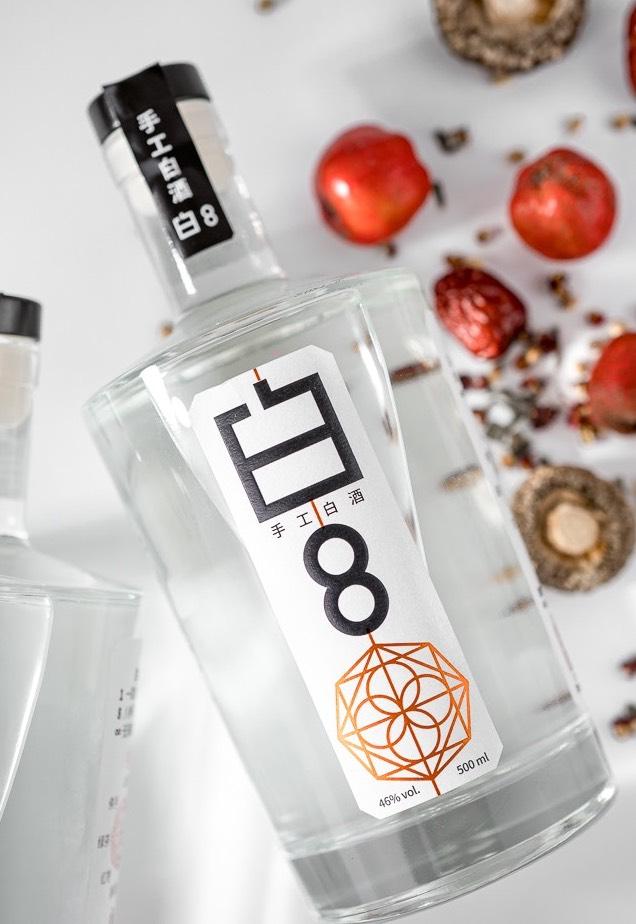
Image via 白8
As a craft baijiu, 白8 (pronounced bai-ba) elegantly finds the balance between heritage and modernity. A refined formula of eight local botanicals (hawthorn, Chinese date, coriander seed, green tea, shiitake mushroom, honey, Sichuan peppercorn and buddha’s hand) – inspired by Chinese apothecaries – give birth to their hero product. 白8 is the first to take this infusion of a finished (small qu fermented) baijiu product and re-distill and blend it to create the ideal baijiu for cocktail mixing, making a new drinking tradition out of one of the world’s oldest.
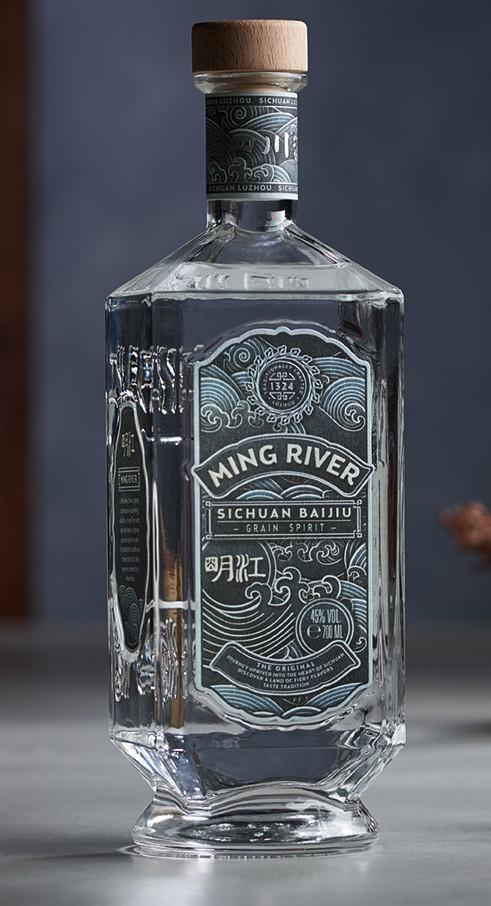
Image via Ming River Baijiu
From the creators of Luzhou Laojiao came Ming River, a baijiu brand specifically geared towards international drinkers. The strong-aroma baijiu is sold at high-end Chinese restaurants and experimental cocktail bars in the US and Europe, which is why the bottle is recognized for its modern, long-neck design, making it easier for bartenders to grab on the speed rail. The flavor is complex with notes of pineapple, anise and cheesy funkiness.
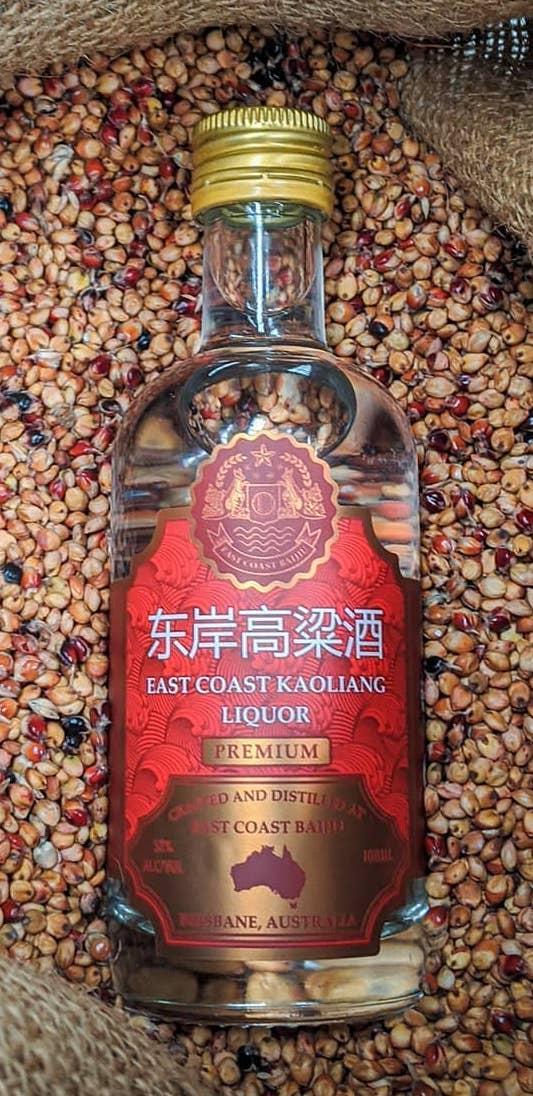
Image via East Coast Baijiu
Aiming to become the largest manufacturer of baijiu outside of China, this Australia-based baijiu uses 100% Australian-grown sorghum to create its product. In the spirit of modernity, East Coast Baijiu also ages varieties in wine and spirit oak barrels. The brand is very up-and-coming, after only launching in mid-2018, but since then, this gaoliang-style baijiu has been awarded a variety of medals in both domestic and international competitions.
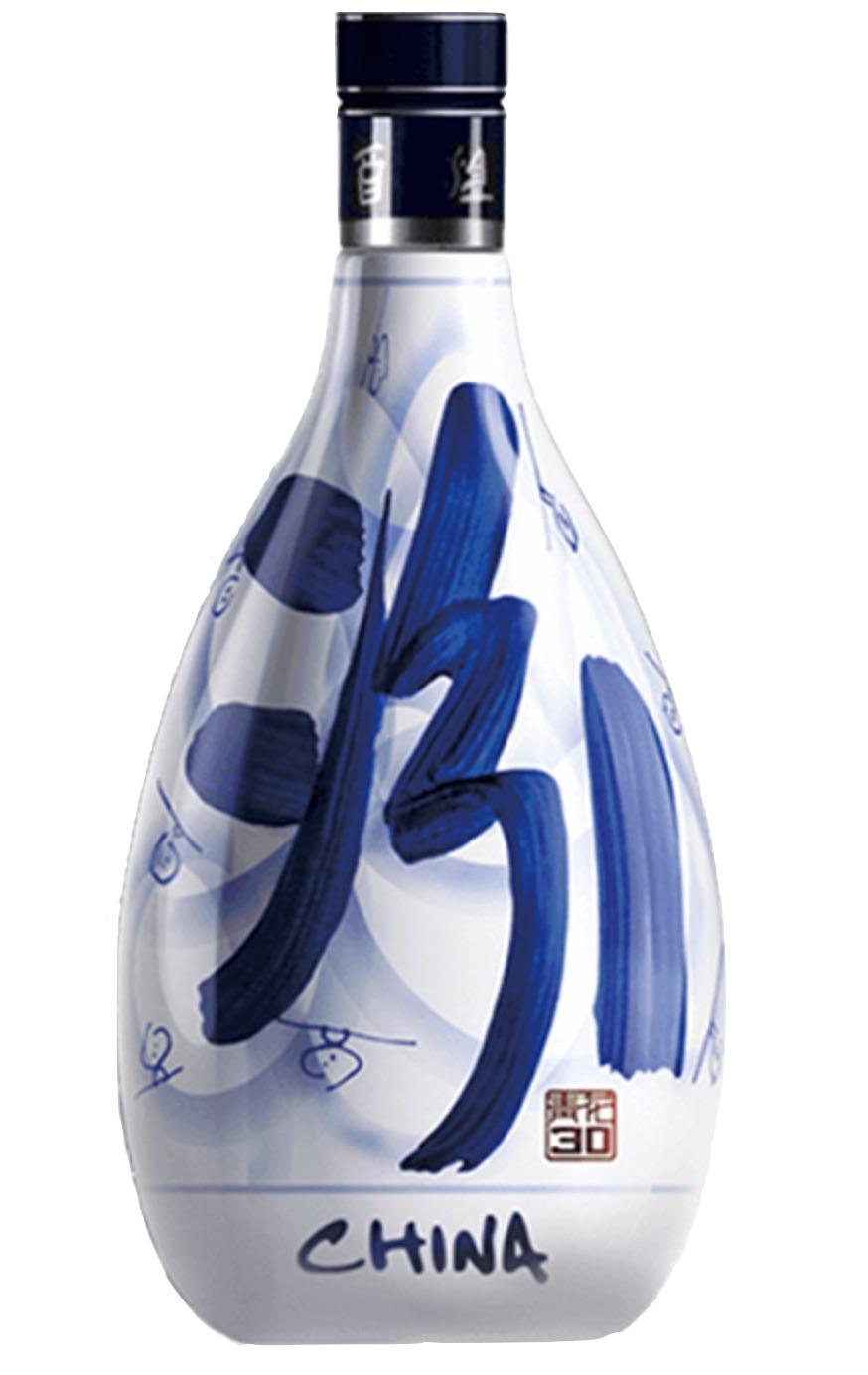
Image via TMall
Fenjiu is characterized by a double fermentation and double distillation process that increases the yield of ethanol, resulting in an institutional mainstream brand. Lauded for its light, mild aroma, fenjiu, with its ABV range of 48-53%, has been introduced to a Western audience through Harrods. The flavor profile of this Shanxi-produced baijiu is sweet with a hint of mint in the finish.
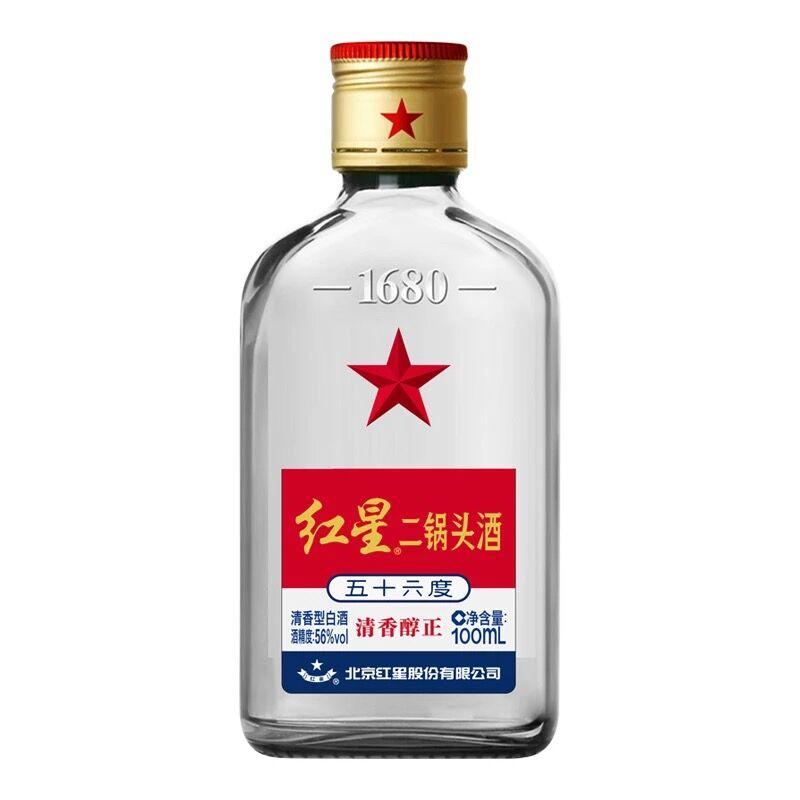
Image via TMall
The most known of the erguotou light-baijiu category is easily Red Star – the ‘Coca-Cola of Chinese spirits’ and the baijiu of the Chinese working class. Made entirely of sorghum, this brand received the first business license issued by the People’s Republic of China in April 1949 to produce alcohol for the nation’s inaugural ceremony on October 1. With the fastest production speed out of any other baijiu distillery – a staggering 30,000 units per hour – it’s no surprise it can be purchased at every corner store for around RMB7 (or USD1).

My name is Sophie Steiner, and welcome to my food-focused travel blog. This is a place to discover where and what to eat, drink, and do in Shanghai, Asia, and beyond. As an American based in Shanghai since 2015 as a food, beverage, travel, and lifestyle writer, I bring you the latest news on all things food and travel.
Your email address will not be published.
Be the first to comment!

Sign up for tips on the latest Shanghai openings, and other food, beverage, and travel content
© 2026 Sophie Steiner
Privacy Policy