48 Hours in Shanghai: What to Do, Eat, Drink, and Explore
A curated guide to Shanghai's best kept secrets
November 5, 2021
Updated January 8, 2025
Located in the sprawling grounds of the InterContinental Ruijin Shanghai, The Pine is Light & Salt's upscale tasting menu venture. The place is helmed by Singaporean Chef Jia Wei Lee, previously of Odette, acclaimed as No. 2 Asia’s 50 Best Restaurant, No. 8 World’s 50 Best Restaurant.
Chef Jia Wei originally specialized in the cuisine of France, so bridges French techniques with Chinese flavors, taking the essence of a particular plate and using that as the backbone for something ingenious.
The current Prestige autumn menu hones in on Sichuan, highlighting the region in both flavors and products.
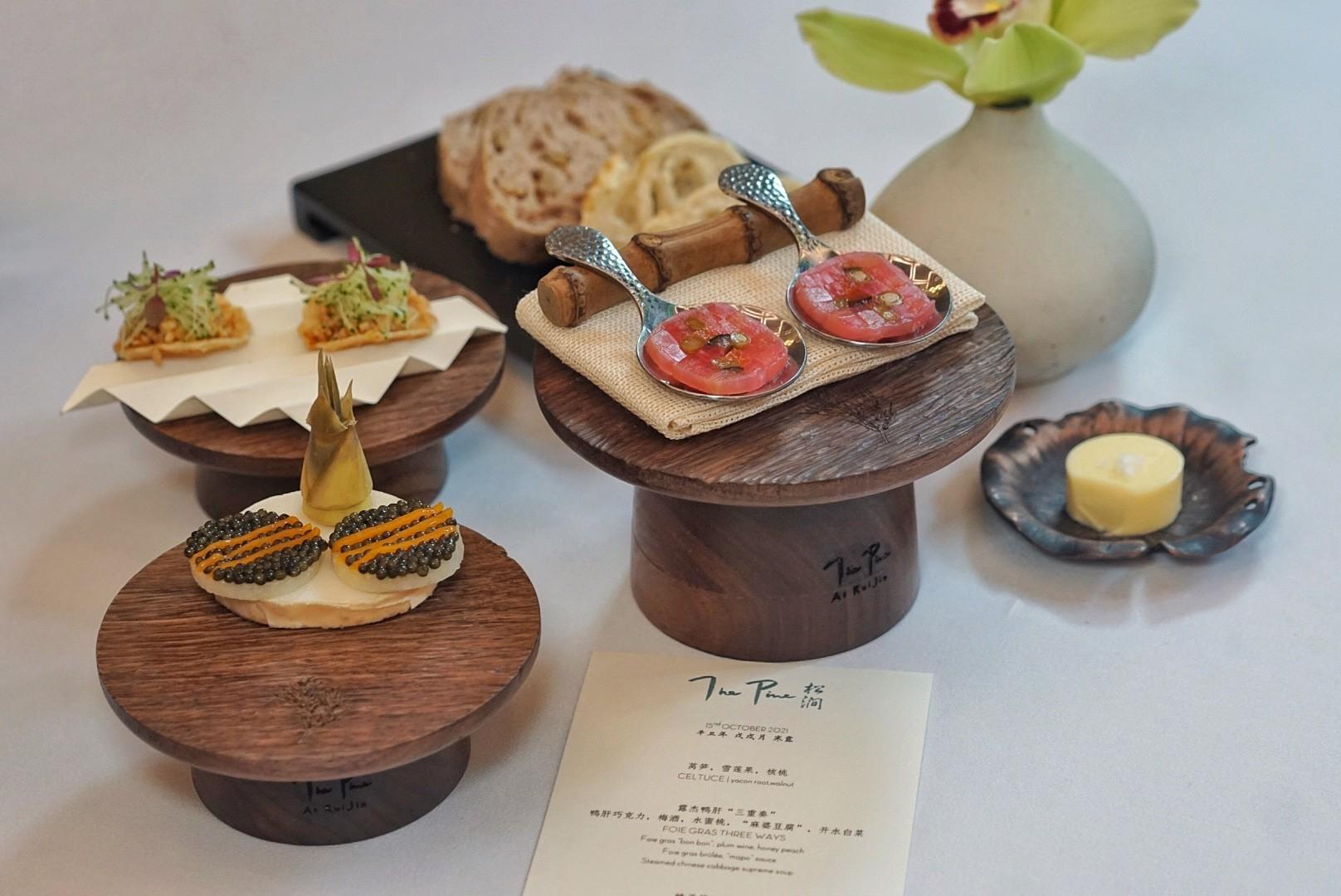
The meal begins with an amuse bouche of asparagus, confit egg yolk and Sichuan caviar, followed by a toned-down version of guaiweiji – or ‘strange-flavored’ chicken – a Sichuan seasoning that incorporates a multitude of tastes (spicy, salty, sesame, sour and sweet) perched atop a brittle, sweetened stroopwafel flecked with refreshing cucumber slivers.
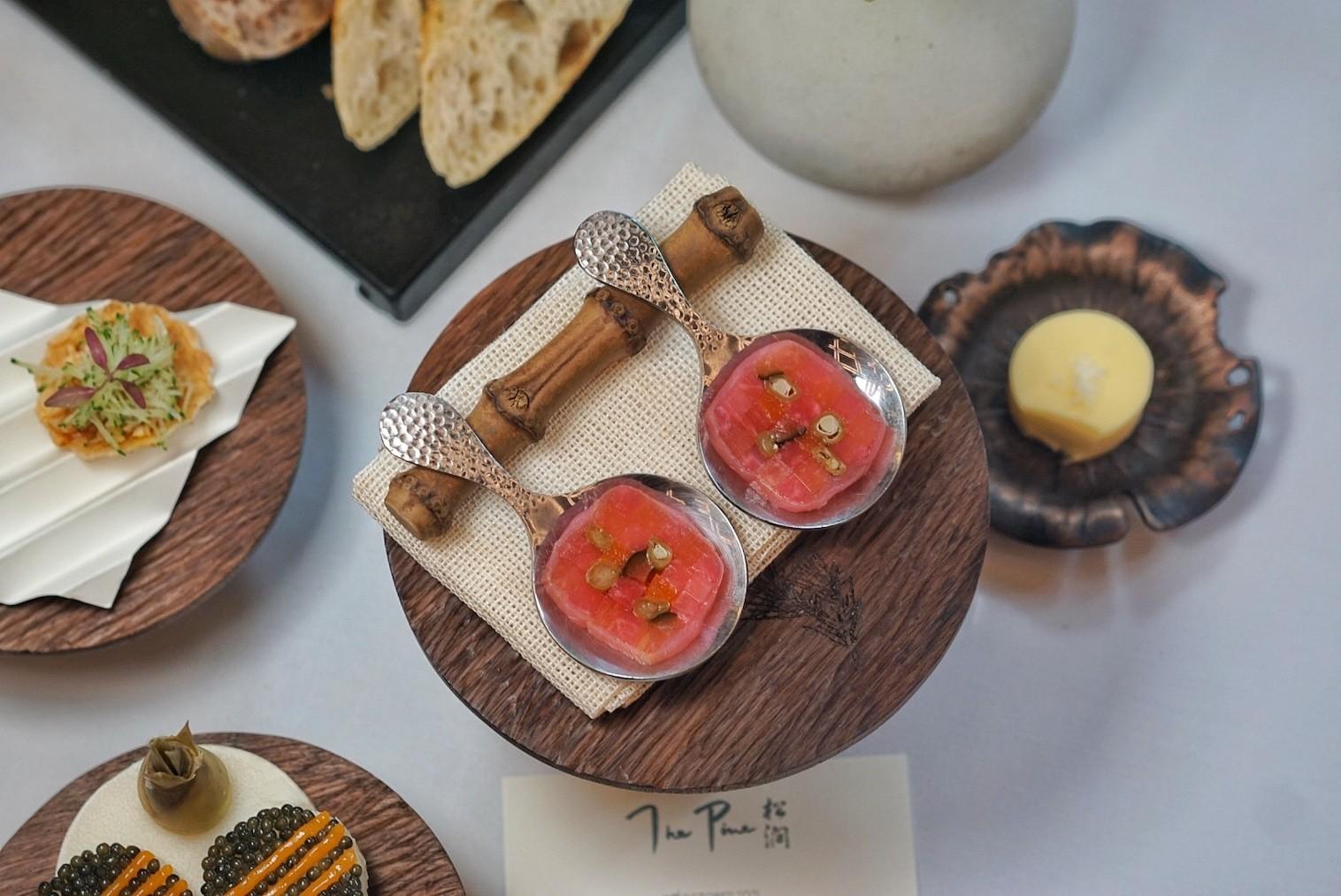
Another amuse bouche is a terrine of Chinese pickles – watermelon skin, Jerusalem artichokes, daikon and beans; a refined palate cleanser that prepares diners for what’s to come.
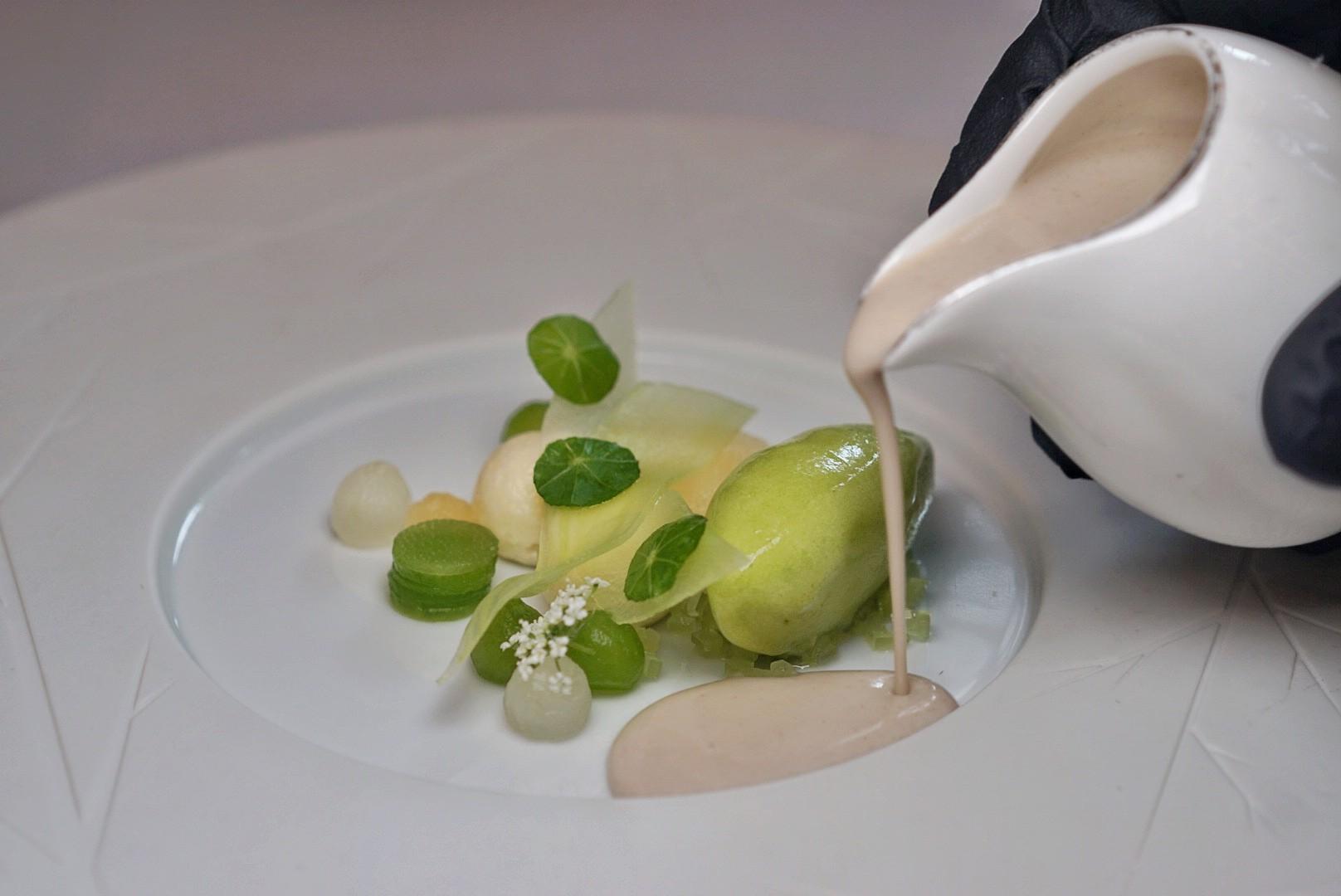
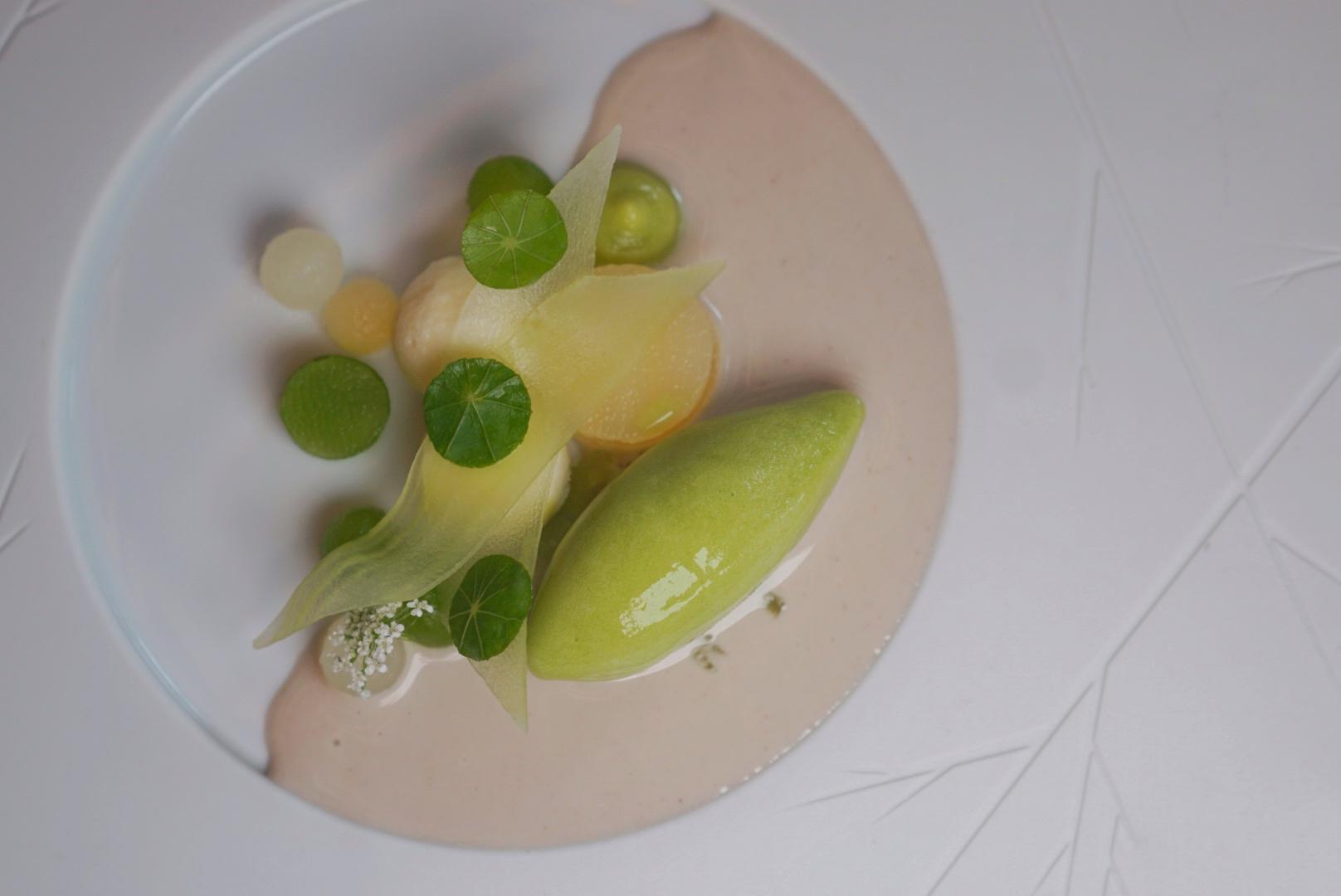
Next arrives the Celtuce, a white gazpacho of sorts, utilizing young celtuce, from Sichuan’s upper highland region, in various forms – crunchy circular discs, shaved ribbons and, most notably, a cooling quenelle of sorbet.
This humble produce is accented by a Sichuan walnut gazpacho and the antioxidant-filled yacon root, both pickled and as a dolloped mousse.
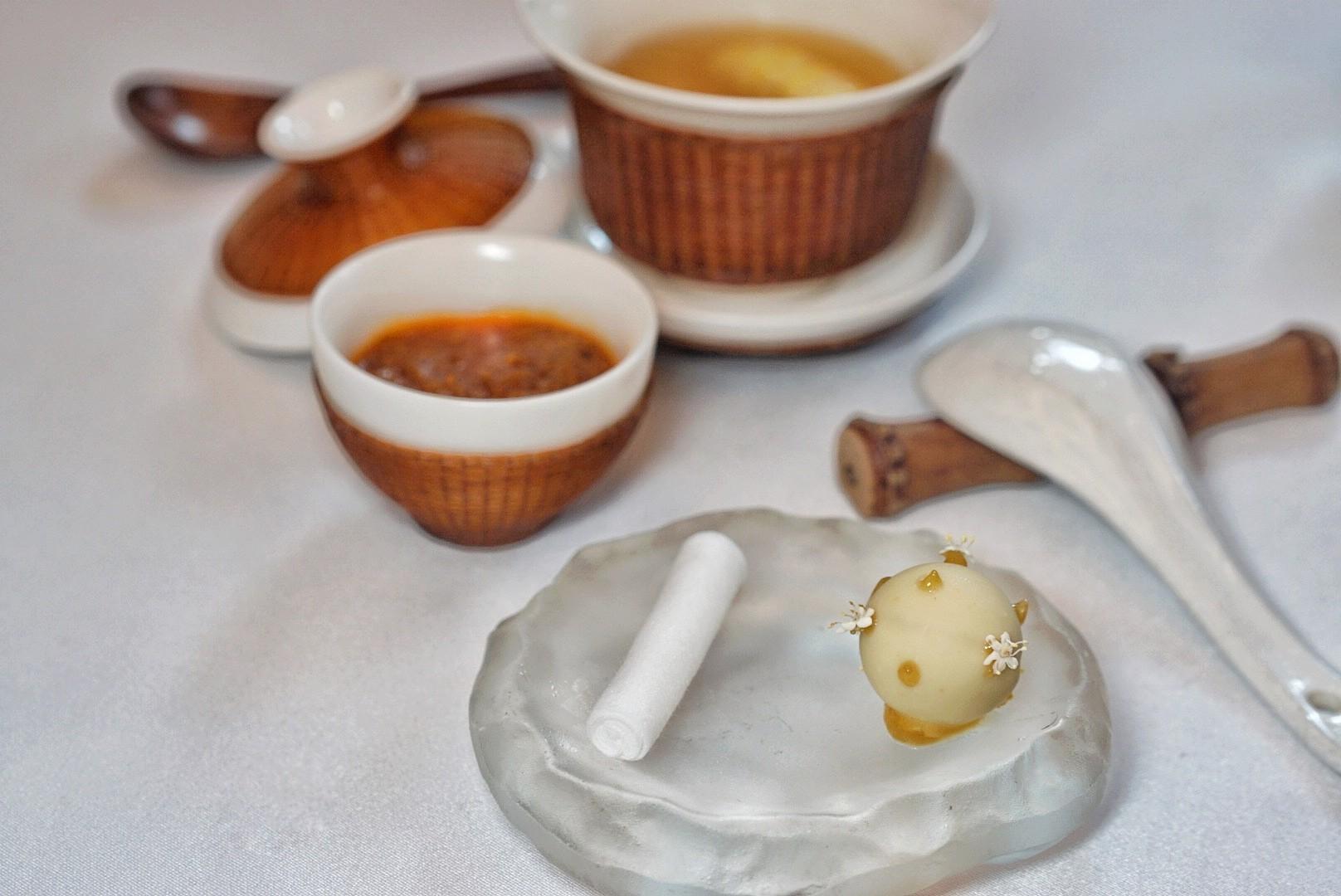
We learned not so long ago that Shanghai’s obsession with foie gras has afforded the ingredient many uses, but chef Jia Wei has found a trio of new presentations with his Foie Gras Three Ways.
A journey in both temperature and texture starts with a cold foie gras bon bon – lush whipped foie gras and plum wine encased in a white chocolate coating, studded with dots of honey and peach.
Next, a foie gras brûlée is topped with a warm mapo tofu sauce, trailed by a play on kaishui baicai, a steamed Chinese cabbage consommé poured over foie gras so it emulsifies into the rich broth, resulting in the most comforting fall soup.
The foie gras enhances each bite, really serving a purpose to better each dish rather than just adding another expensive ingredient on the plate.
READ MORE: Bargain, Balanced, Ballin': 20 Foie Gras Dishes For All Budgets
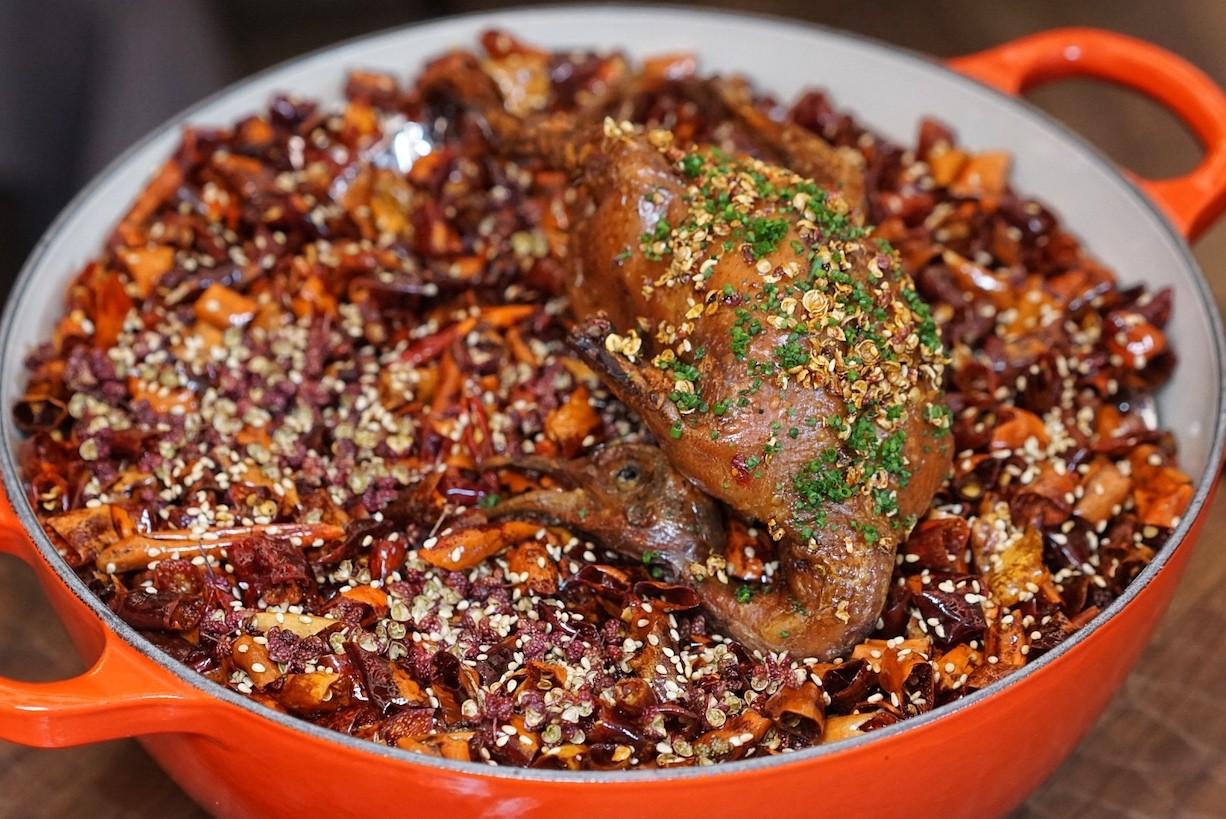
Perhaps one of Sichuan’s most famed specialties, laziji – or spicy chicken – is prepared instead as Lazi Pigeon, a fowl commonly used in French cuisine. First presented Cantonese style, the bird is exalted for its taut, crisp skin that gives way to juicy, tender meat.
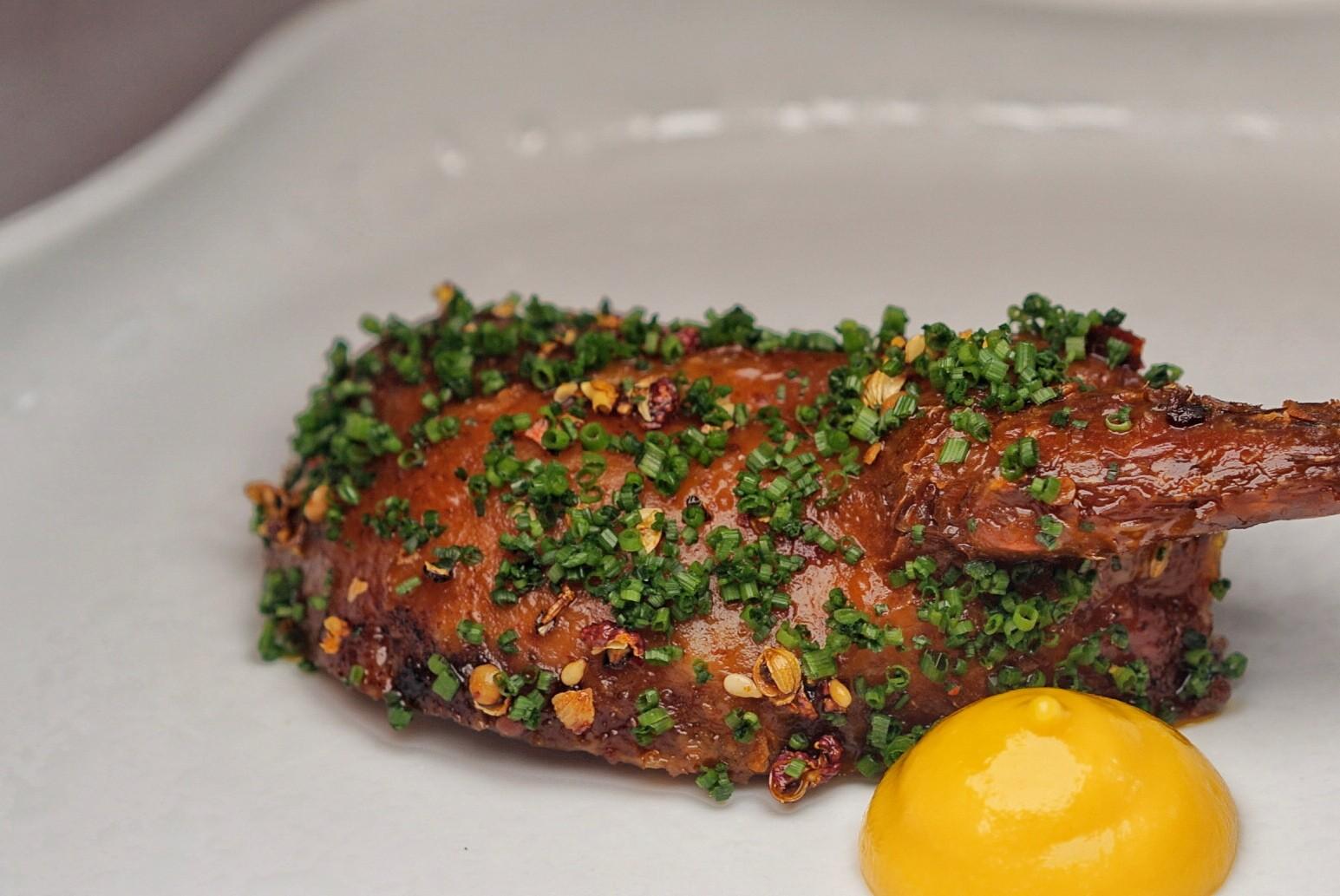
Using a chili blend fully sourced from Chengdu, the pigeon is served with a purée of yellow capsicum and caramelized miso for extra scorch.
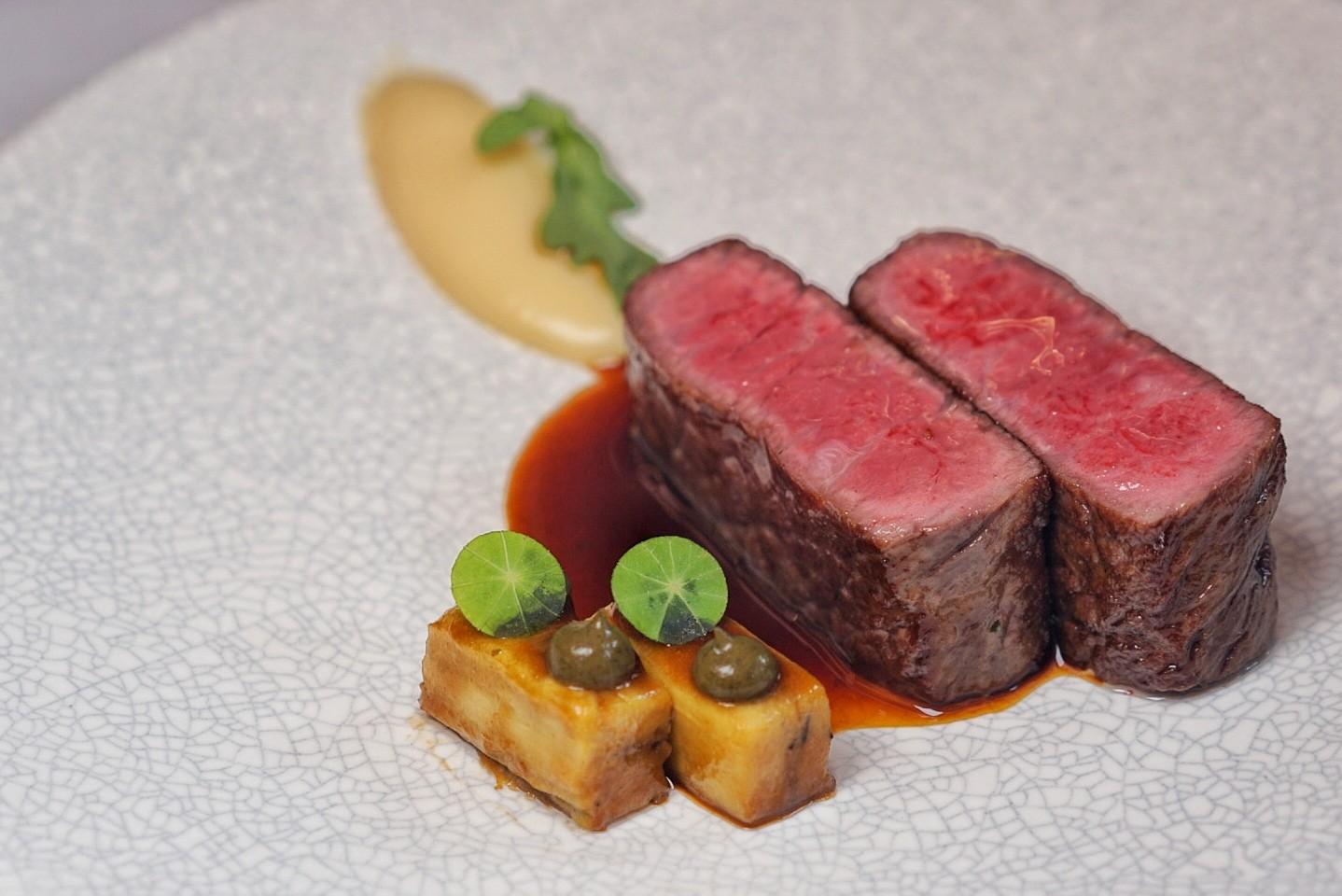
An M7 Rangers Valley Wagyu Striploin is glazed with a garlic soy jus made from sesame oil, garlic and hongyu chili oil, prepared using French methods but with Sichuan flavors. Smoky, charred aubergine cake is dotted with burnt chili, while a horseradish purée highlights yet another of the many Sichuan spices, known as jiela, or mustard spice.
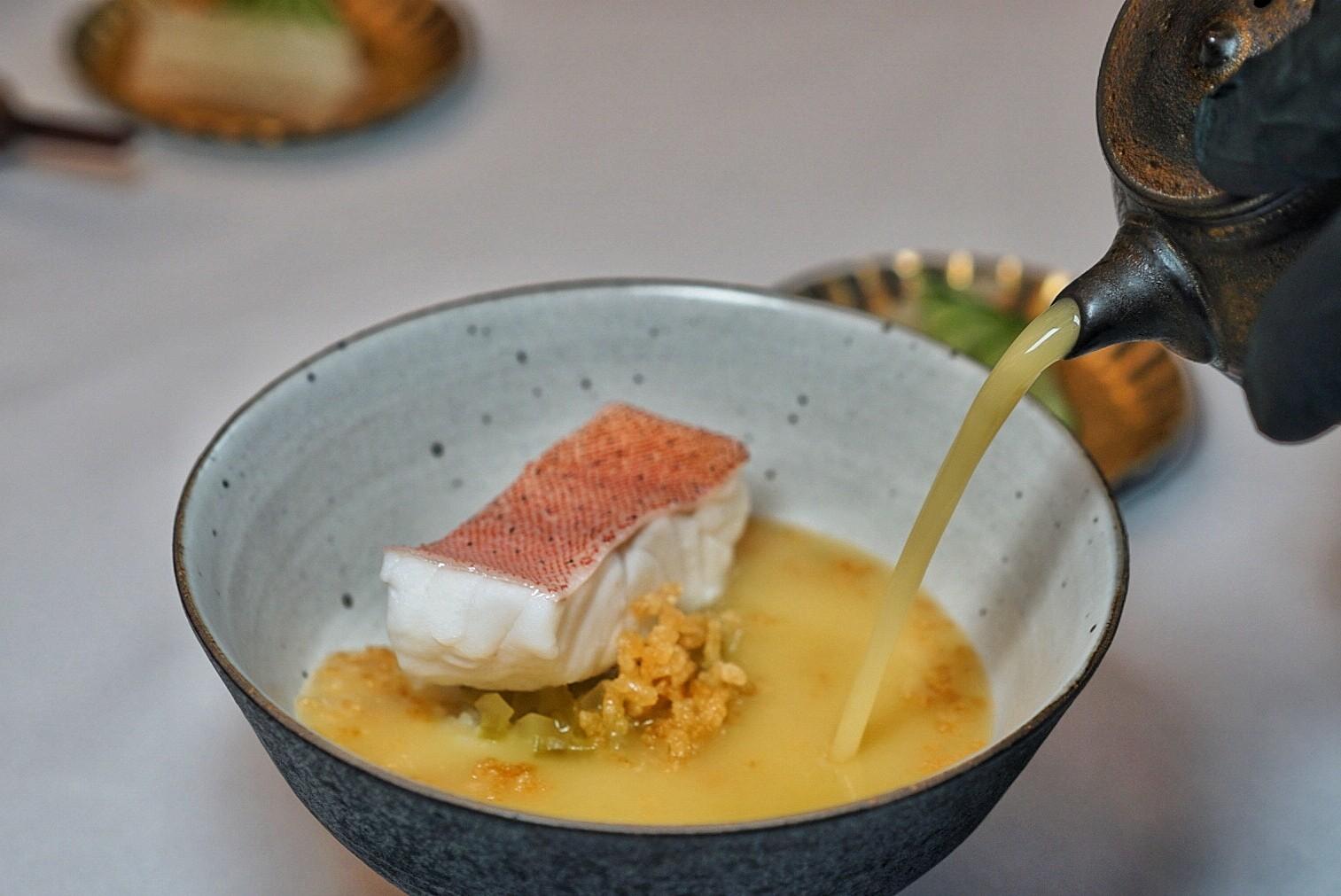
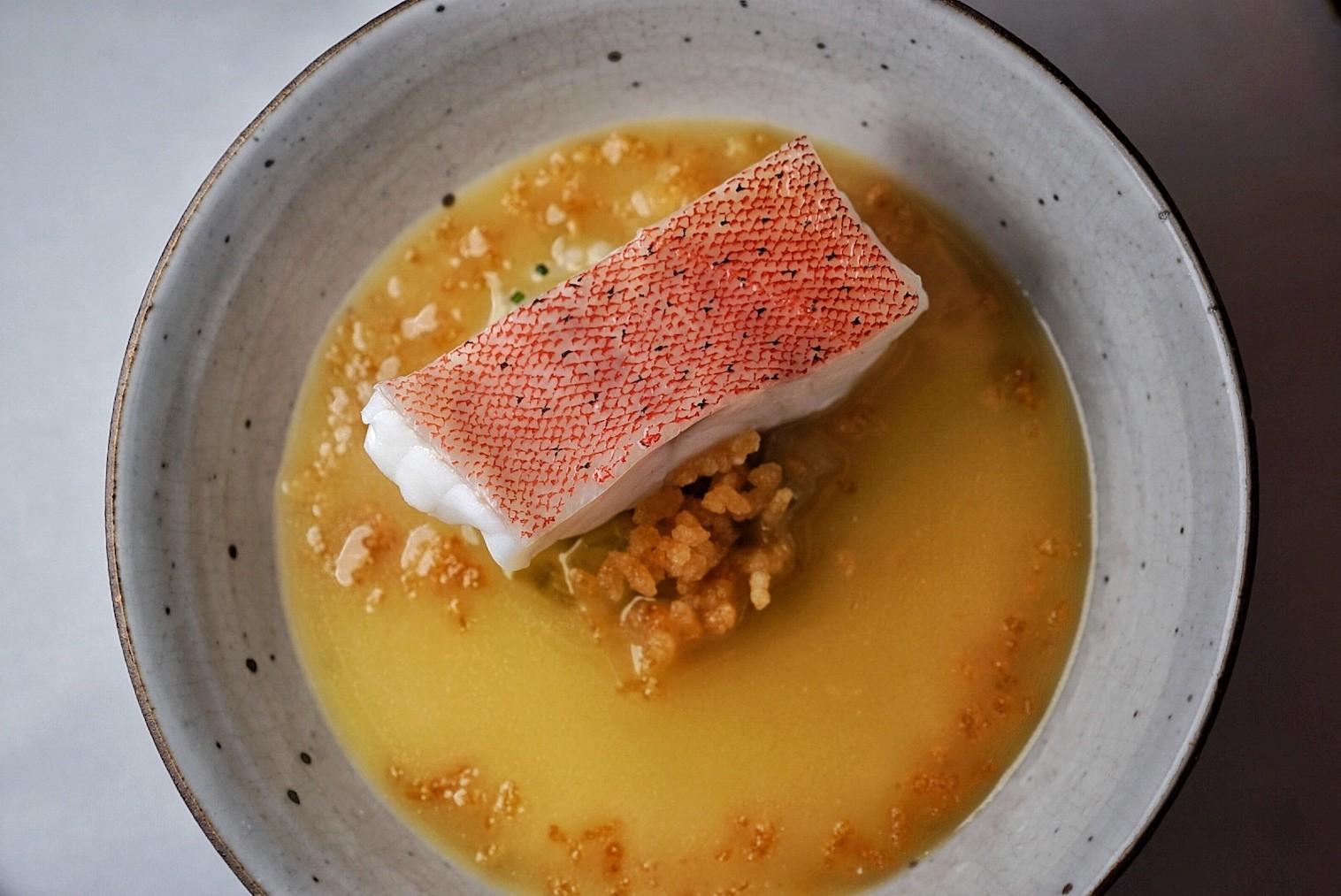
A thoughtful play on suancaiyu, the Coral Trout arrives in a bowl floating atop pickled mustard greens and puffed crispy rice. Laced with Hainan yellow chilis, huajiao and majiao, the aromatic citrus notes from peppercorns elevate each sip.
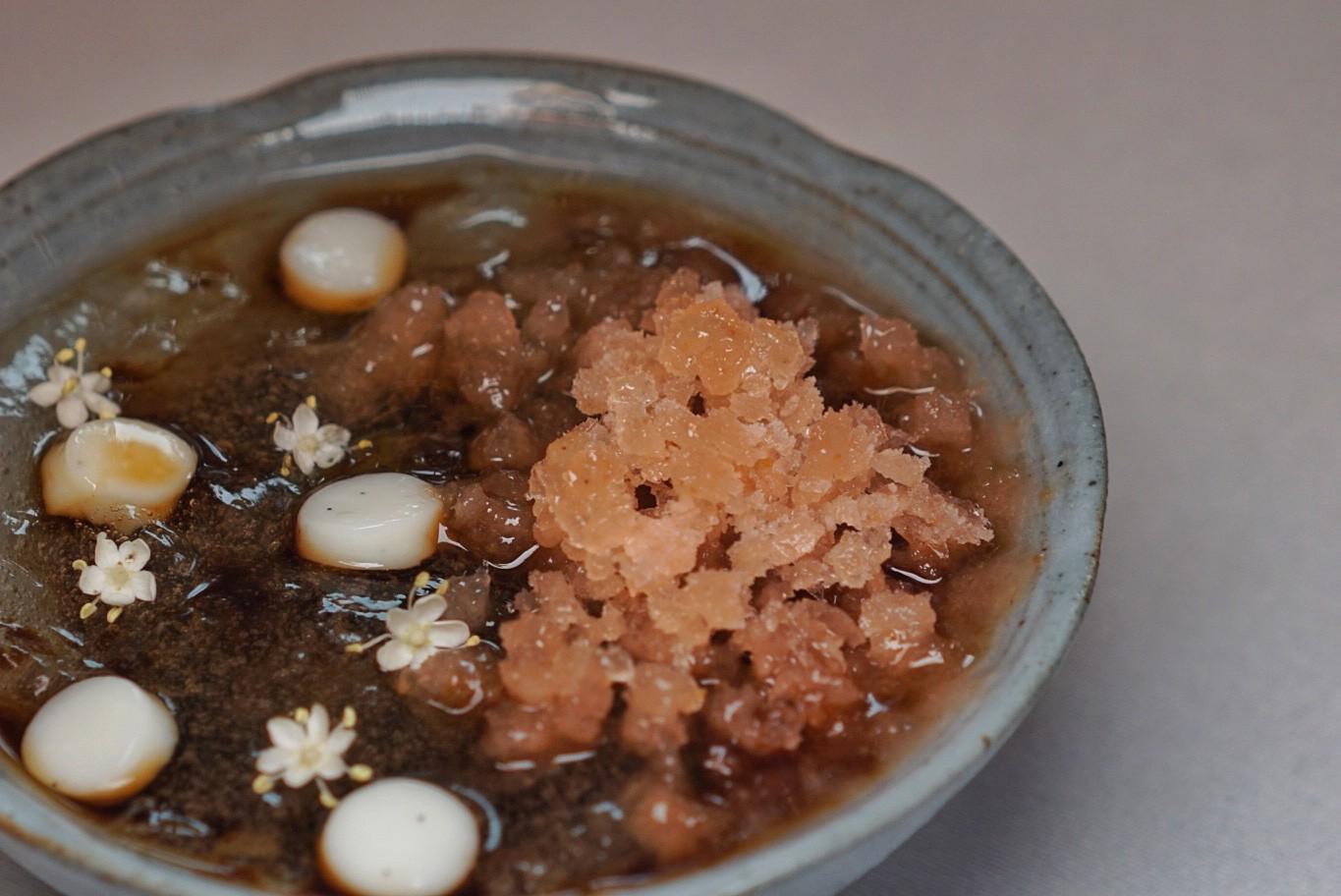
Desert spans traditional to modern. First, a Bingfen (made using hand-ground powder to form the jelly) with fresh melon globes, sticky rice cakes and brown sugar syrup is topped with a cold hawthorn berry granita – instead of the customary shaved ice – adorned with fresh elderflower.
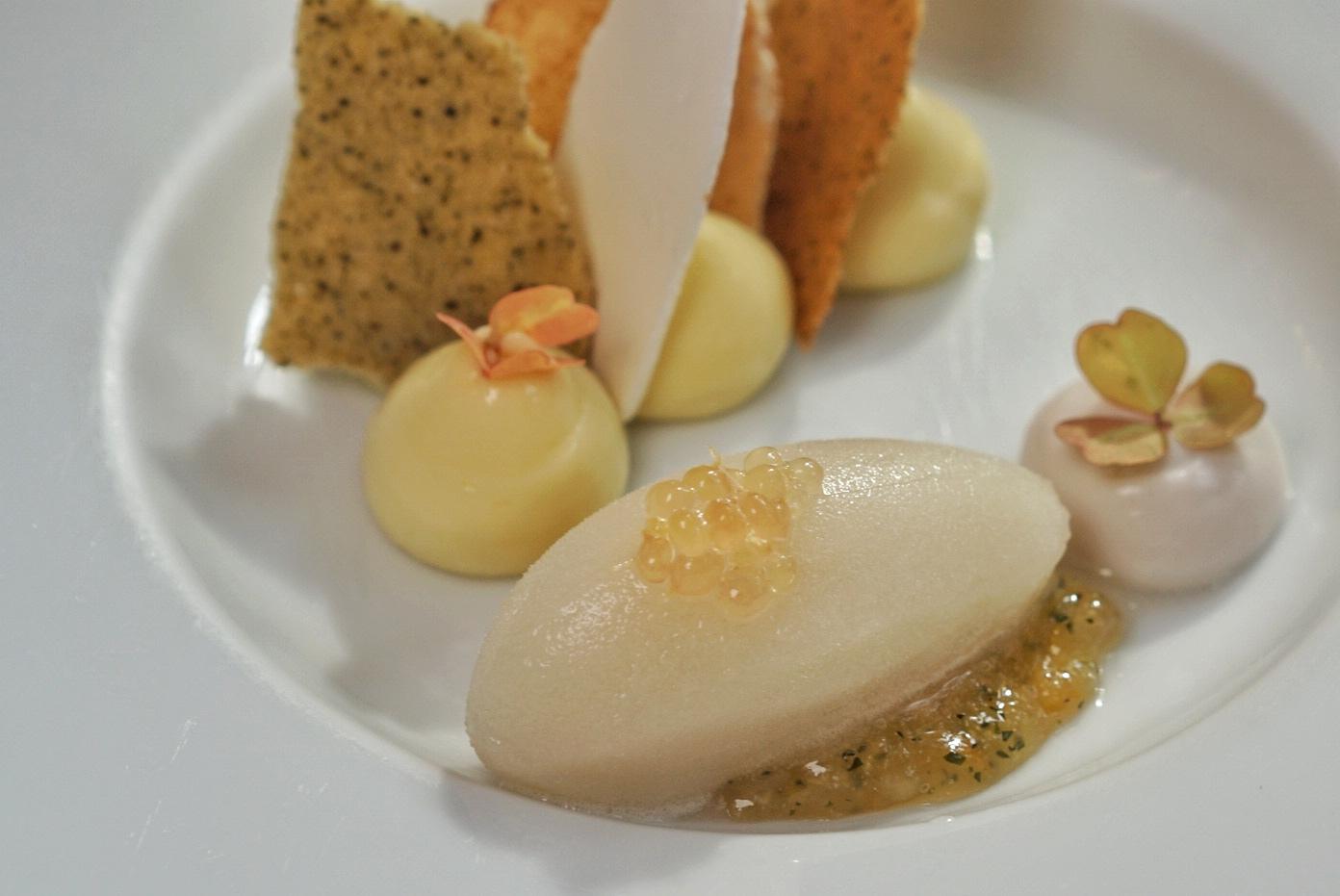
Concluding the meal, a deconstructed Lemon Tart – featuring Sichuan lemons and green tea – is piped with dollops of lemon curd, burnt meringue crisps and green tea sorbet with finger lime beads, all resting on a lemon and thyme compote.
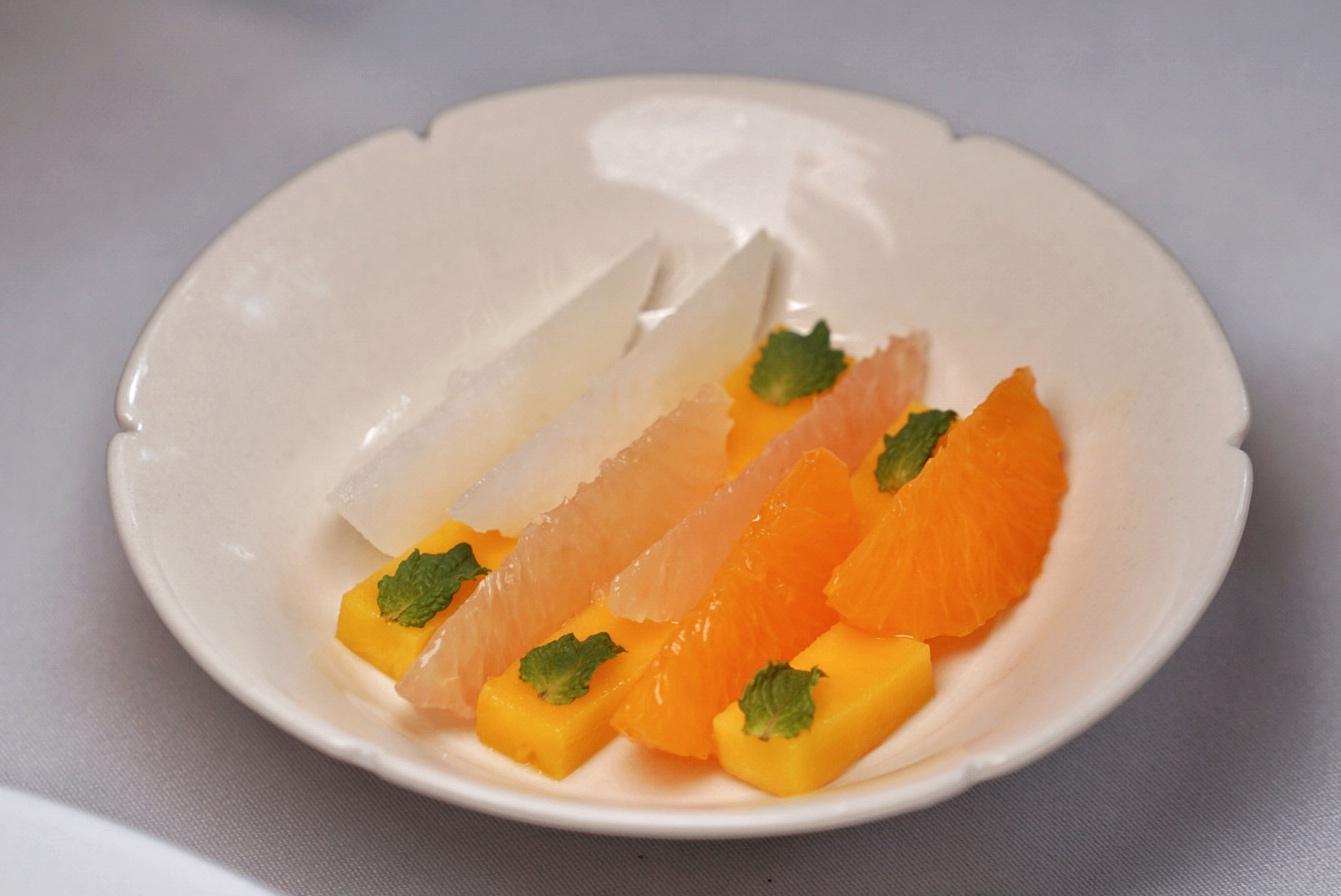
The menu changes quarterly. This is not just to focus on seasonal ingredients, but also to explore varying regions of China, highlighting the diverse flavors and time-honored dishes of particular provincial fare.
Diners can choose from the Gourmet Set or the Prestige Set (both RMB1,397), both with seven courses and a wine pairing recommendation for an additional RMB797.
These two menus are culled down at lunch time and priced at RMB397 and RMB597 respectively. All prices are subject to a 10% service charge, and set menu bookings should be made in advance.
The Pine, Bldg. 11, InterContinental Shanghai Ruijin, 118 Ruijin Er Lu, by Fuxing Zhong Lu, 瑞金二路118号瑞金宾馆11号楼, 近复兴中路.

My name is Sophie Steiner, and welcome to my food-focused travel blog. This is a place to discover where and what to eat, drink, and do in Shanghai, Asia, and beyond. As an American based in Shanghai since 2015 as a food, beverage, travel, and lifestyle writer, I bring you the latest news on all things food and travel.
Your email address will not be published.
Be the first to comment!

Sign up for tips on the latest Shanghai openings, and other food, beverage, and travel content
© 2026 Sophie Steiner
Privacy Policy