48 Hours in Shanghai: What to Do, Eat, Drink, and Explore
A curated guide to Shanghai's best kept secrets
December 31, 2025
Updated March 18, 2026
Kathmandu, the capital of Nepal, serves as a crossroads of history, culture, and spirituality. Nestled within the Kathmandu Valley, it has a history stretching back over 2,000 years, marked by the flourishing of trade routes and the rise of powerful dynasties such as the Mallas and Shahs. Today, the city is home to approximately 1.5 million residents, representing a diverse makeup of ethnicities and religions. The population includes a significant majority of Hindus and Buddhists, with smaller communities of Christians and Muslims, reflecting the city’s historical role as a center of religious harmony.
Kathmandu's landscape is complemented by its temperate climate, characterized by mild winters and warm summers, making it an ideal destination to explore year-round, although the best time to visit is typically during the spring and autumn months.
With its UNESCO World Heritage sites, lively markets, and rich culinary scene, Kathmandu offers an unforgettable experience for travelers. Whether wandering through the streets of Thamel, sampling local delicacies like momo and dal bhat, or visiting ancient temples, visitors are immersed in the city’s dynamic culture.
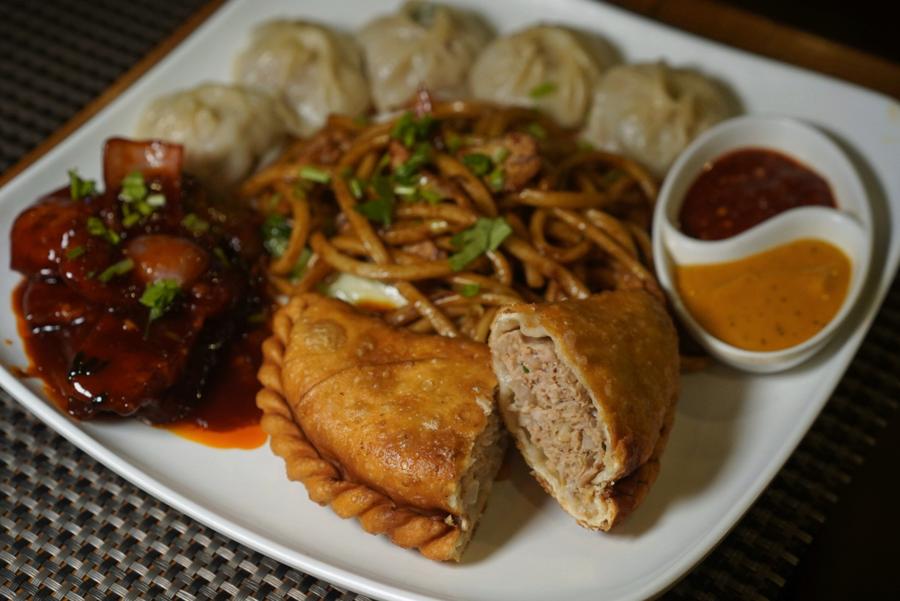
Here’s a comprehensive guide on what to do, eat, and drink in Nepal’s capital.
READ MORE: From Tradition to Trend: 6 Bars Putting Nepal on the Mixology Map
Kathmandu Durbar Square: Kathmandu Durbar Square is a historic, UNESCO-recognized palace complex filled with temples, courtyards, and royal residences from the Malla and Shah dynasties. Known for its intricate Newari (the Newar people are native to Kathmandu Valley) architecture of carved wood, brick, and pagoda-style temples, the palace previously served as a former royal seat. Currently, it’s still home to numerous shrines, including the Kumari Ghar (the residence of the living goddess Kumari) and the Taleju Temple, a major Hindu pilgrimage site.
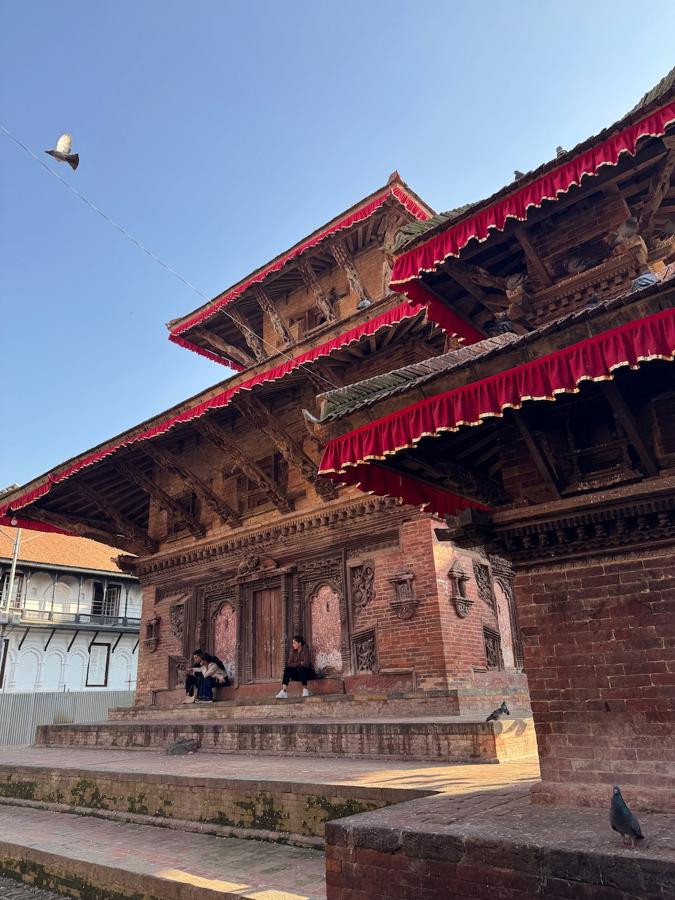
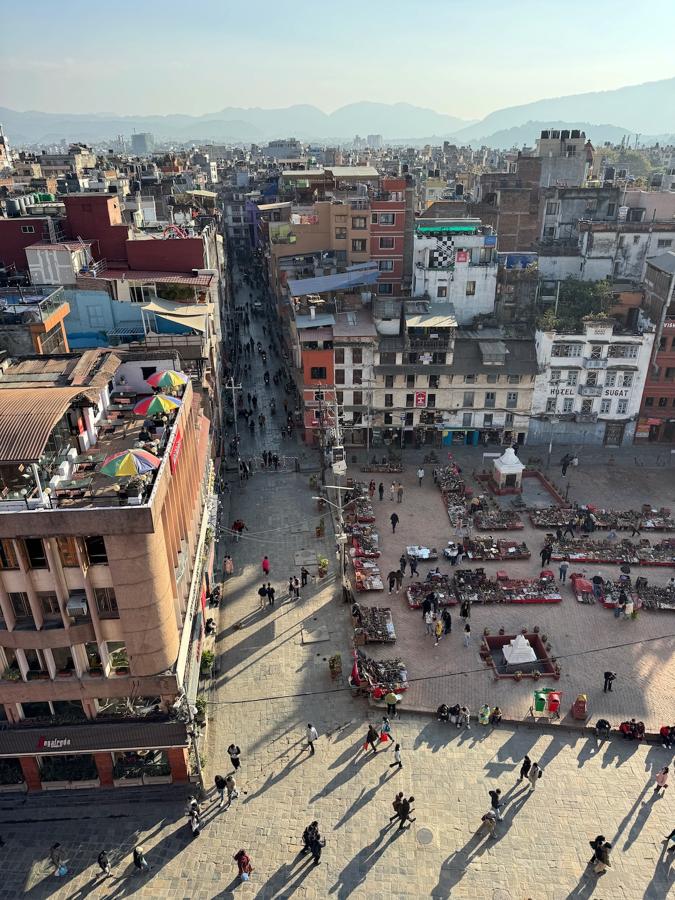
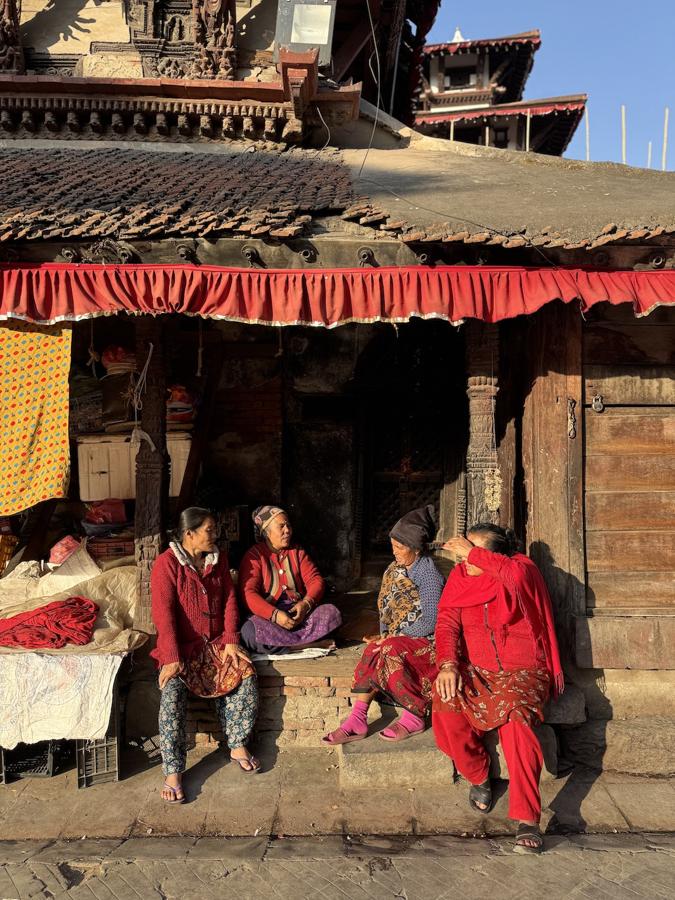
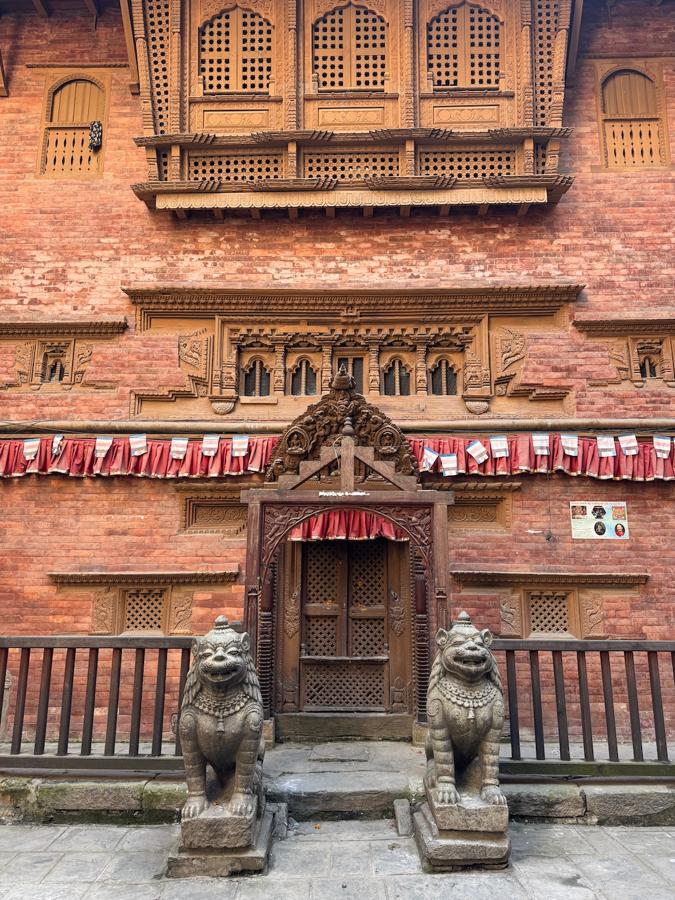
The entire complex is divided into three main sections: the Hanuman Dhoka (the palace complex with museums and courtyards), the Kumari Ghar (the temple housing the Living Goddess), and the Basantapur Square (the southern part with distinctive multi-tiered buildings), with a ticket to the entire space costing NPR1,000 for foreign nationals. Altogether, it's an amalgamation of history, religion, and daily life, replete with markets, gathering spots for locals, and a living museum that showcases Nepal’s royal past, cultural traditions, and resilient spirit.
Patan Durbar Square: Patan Durbar Square, a UNESCO site, is a historic complex famous for Newari architecture, 55 intricate temples, palaces, 136 courtyards, and statues, reflecting Hindu and Buddhist traditions. The stunning Newari design is composed of red brick floors, intricately carved wood, bronze gateways, and unique structures like the Golden Temple (Hiranya Varna Mahavihar).
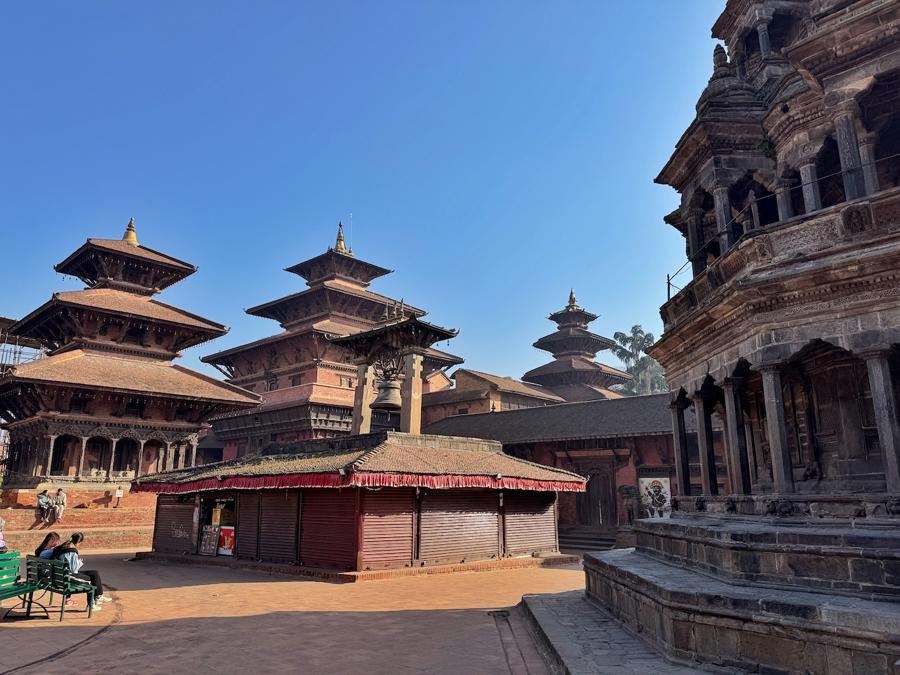
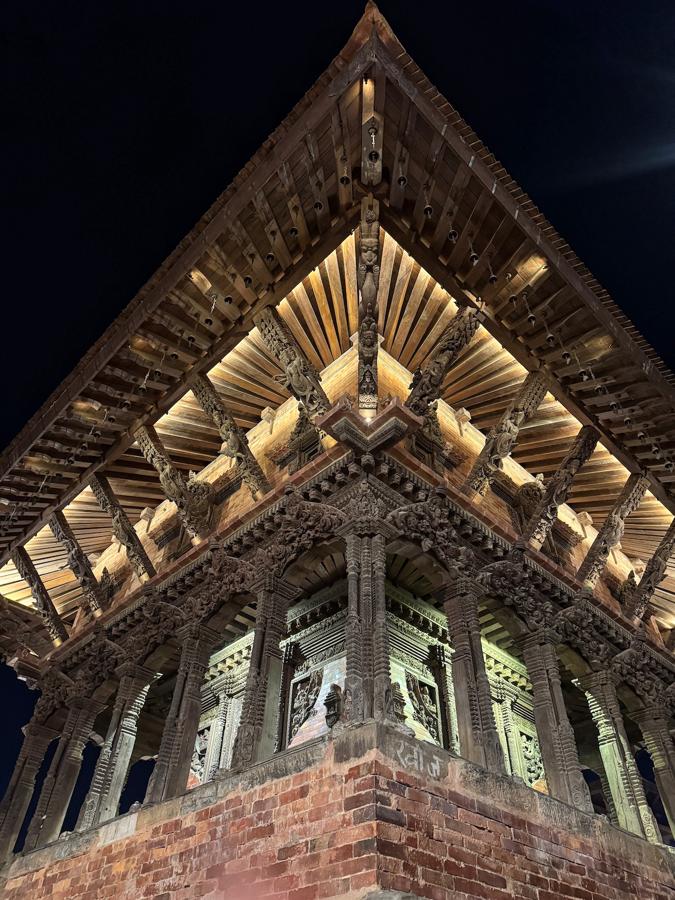
Must visit spots include the Royal Palace complex, Patan Museum, Krishna Temple (Krishna Mandir), Taleju Bell, and Yoga Narendra Malla's column with its legendary bird, all included in the NPR1,000 entry fee for foreign nationals.
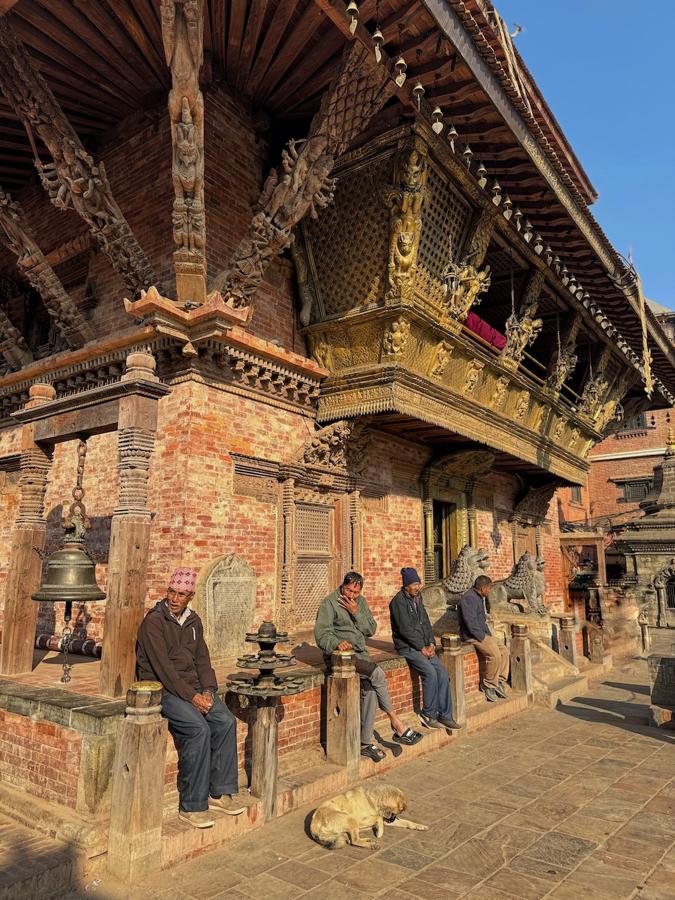
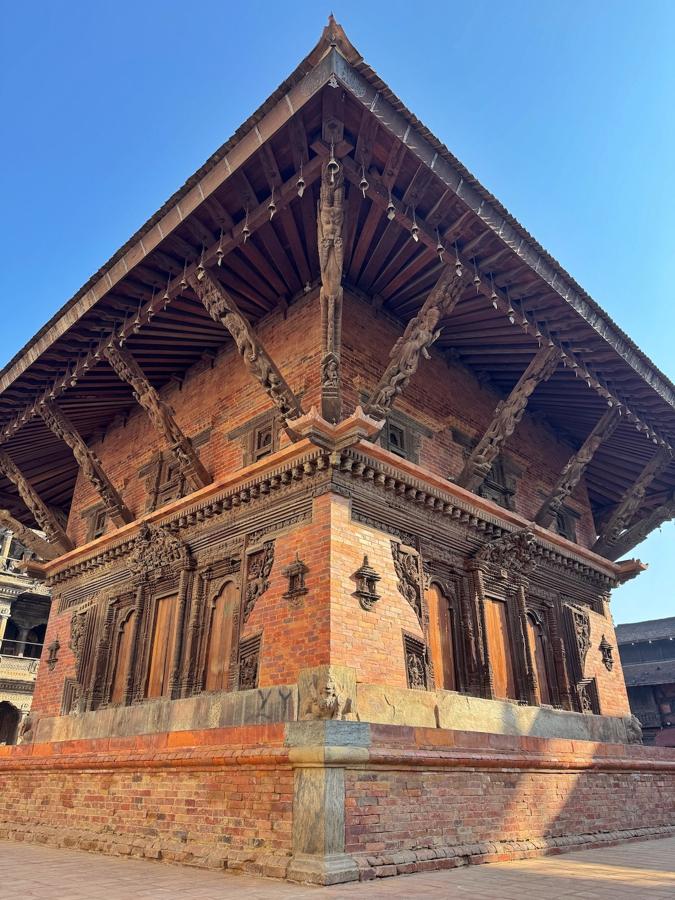
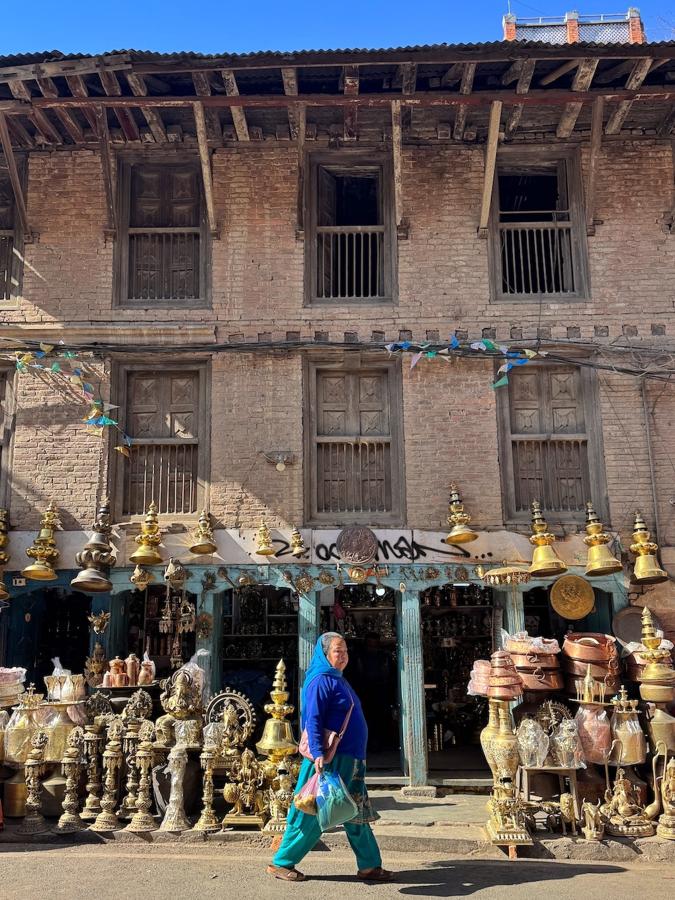
A visit to Patan (Lalitpur) is like traveling to a bygone Kathmandu era. Its winding, cobblestone streets are lined with heritage architecture, historic temples, skilled artisan shops, and local food stalls for a true taste of all that the city has to offer.
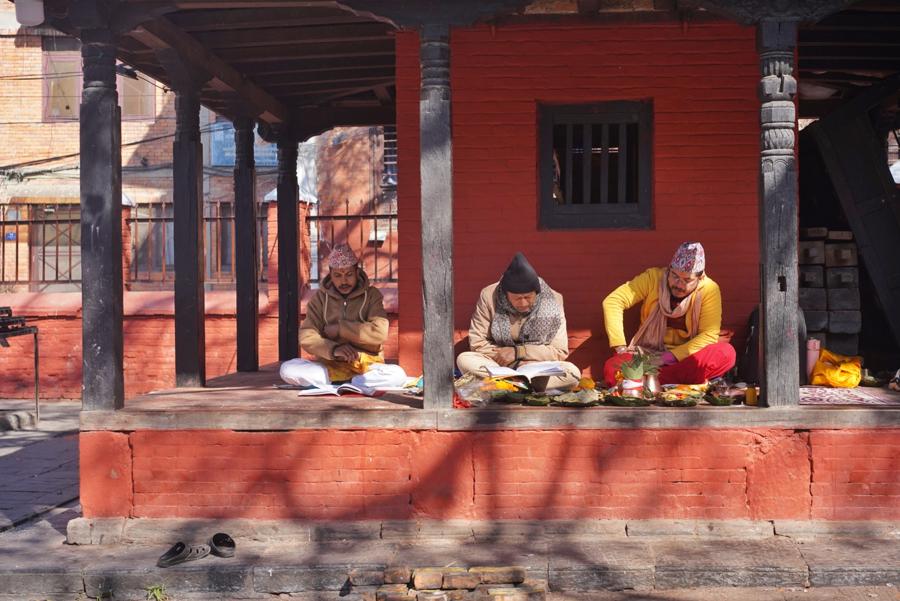
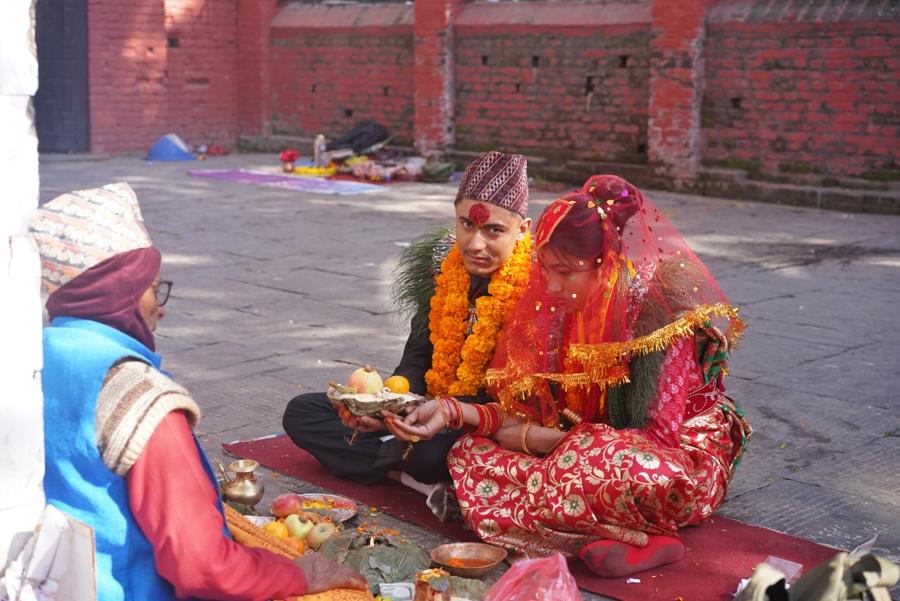
Pro tip: Make sure to visit some of the smaller temples, sch as the Shree Banglamukhi Temple, for an immersive experience to witness people praying, giving offerings, and going about daily life.
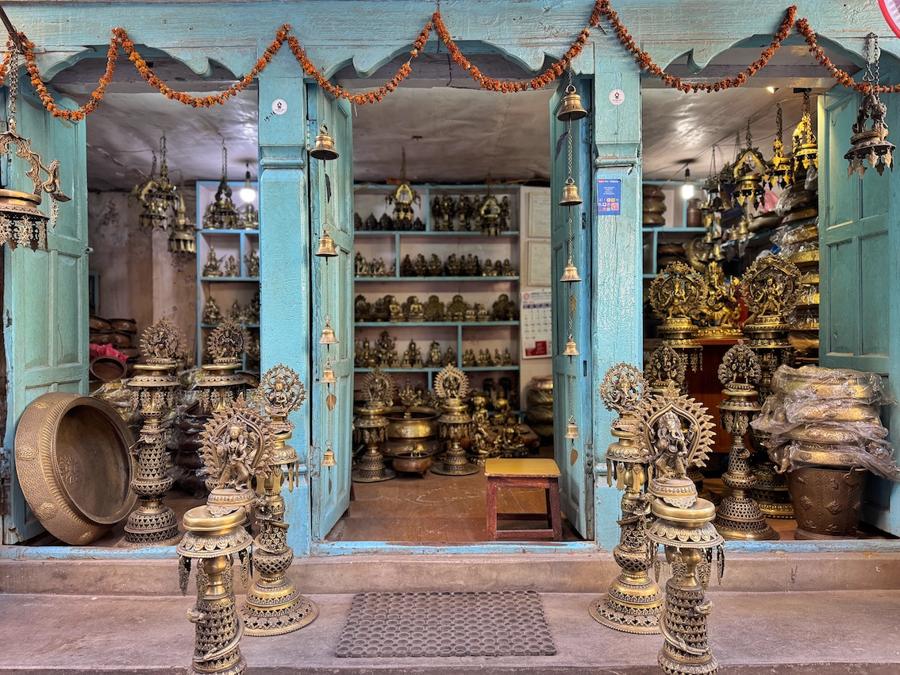
Thamel: Thamel is Kathmandu's buzzing tourist heart, a maze of narrow streets packed with shops selling trekking gear, souvenirs (from singing bowls to pashminas – expect to haggle), and art; endless restaurants (Nepali, Tibetan, Indian, and international) with rooftop bars; and vivacious nightlife with music, serving as a crucial base for trekkers and a center for travelers exploring Nepal.
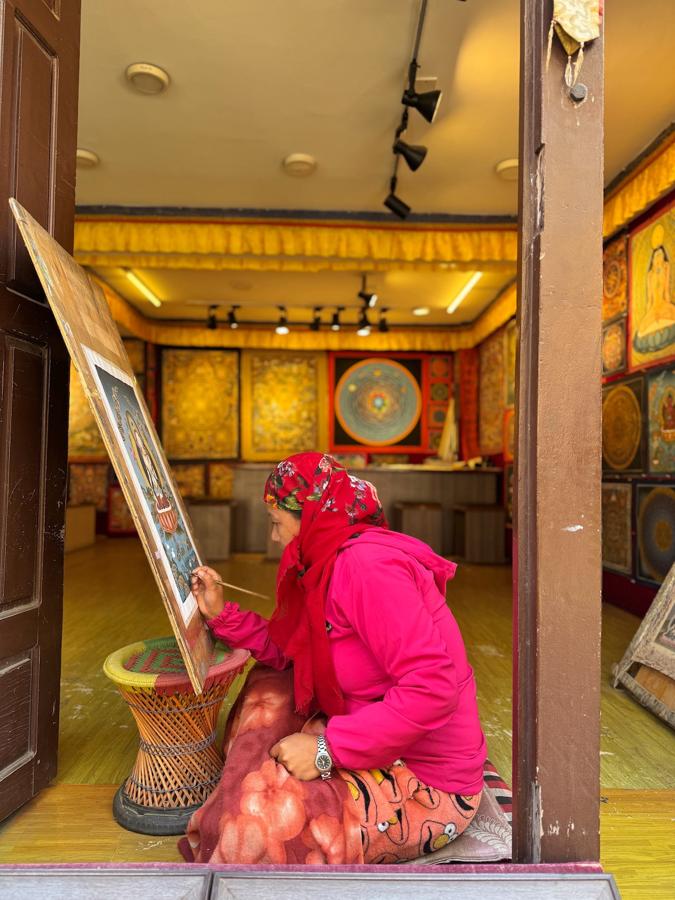
It's a sensory whirlwind, with both traditional Nepali culture and modern tourist amenities, requiring caution amidst motorbikes but offering fulfilling travel experiences from local food to hidden temples.
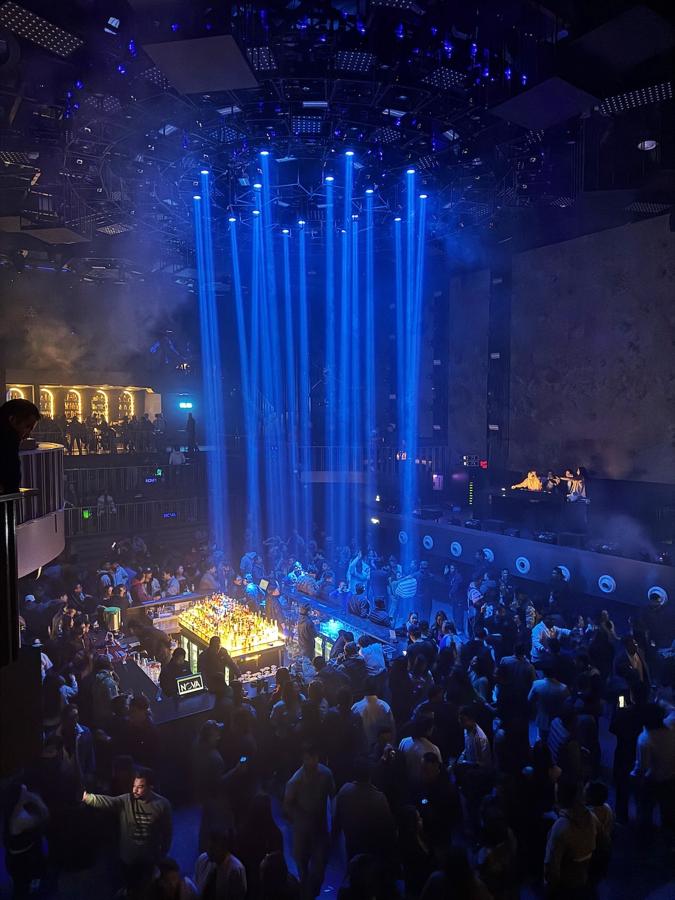
Pro tip: Amidst the karaoke bars and clubs are some worthwhile stops: like Sam’s – the OG dive bar; Blackbird for unpretentious and utterly smashable craft cocktails; Purple Haze for live rock music every night of the week; NOVA – Nepal’s largest nightclub; and Plan B for after-hours hip hop that peaks from 3-7am.
Boudhanath Stupa: This is one of the world's largest spherical stupas, a vital UNESCO World Heritage site that dates back to 600AD, and a major center for Tibetan Buddhism outside Tibet.
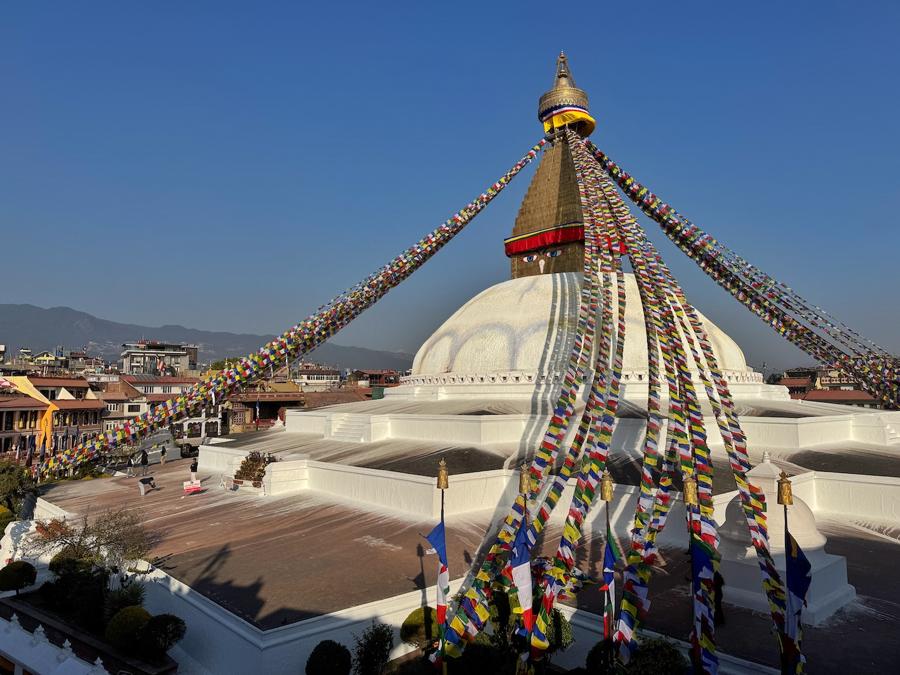
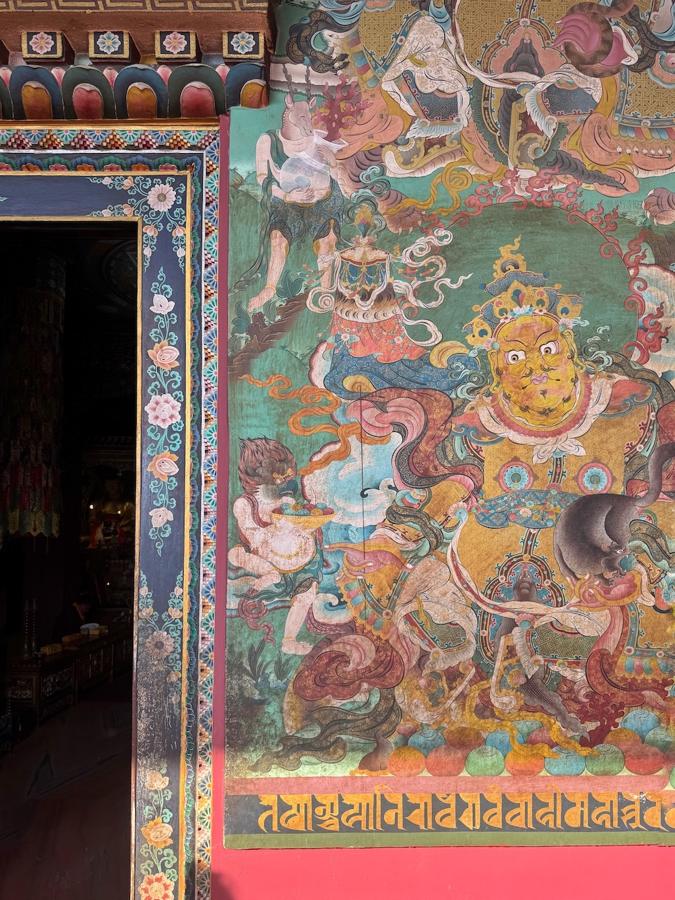
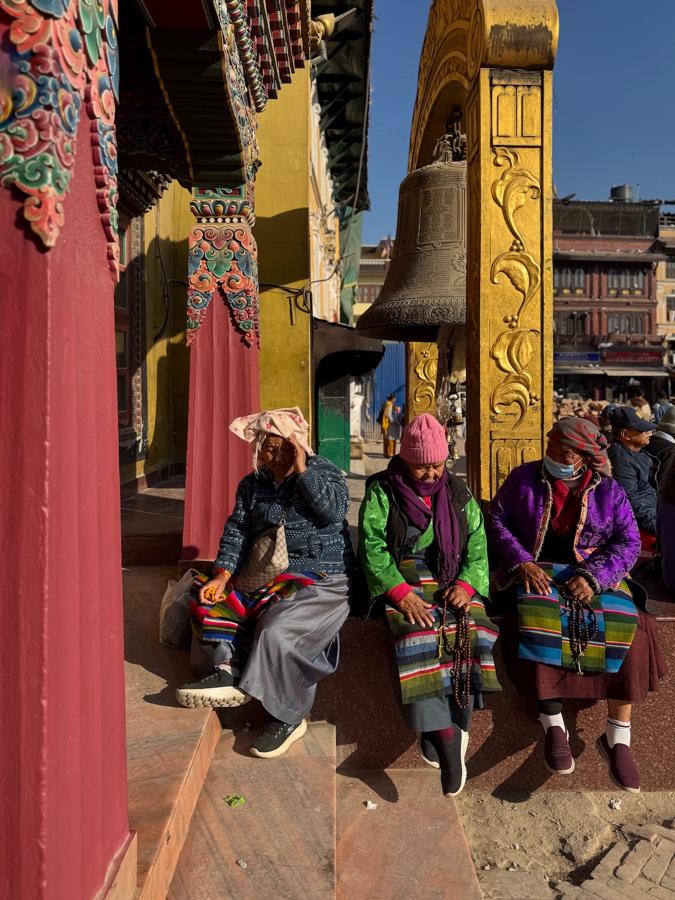
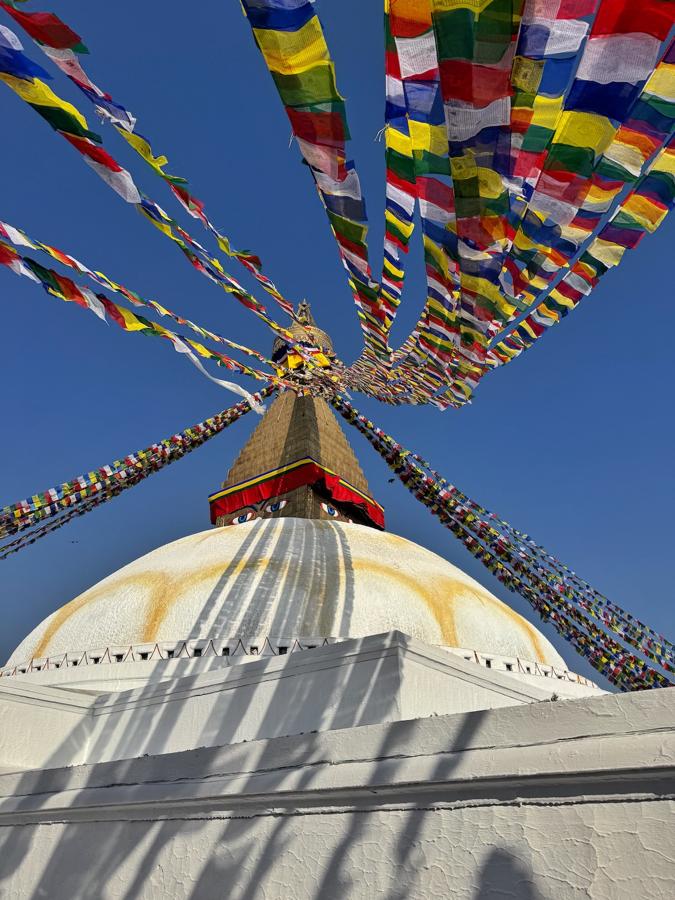
Known for its giant white dome, Buddha eyes, and golden spire symbolizing the path to enlightenment, the stupa is a bustling pilgrimage site, marked by a massive mandala structure, surrounding monasteries, prayer wheels, and cultural activity, historically significant as a trade route stop for Tibetan merchants. Entrance is NPR400 and also gets you access to the many shops, cafes, and Tibetan monasteries (gompas) perimetering the stupa, each with its own rooftop and distinct angle to view this holy site.
Pashupatinath Temple: The Pashupatinath Temple is a sacred Hindu temple and UNESCO World Heritage Site dedicated to the Lord Shiva on the banks of the Bagmati River, which is considered sacred for purification and cremations. This extensive complex includes a main golden-roofed pagoda temple (open to Hindus only), numerous smaller shrines, ashrams, and important cremation ghats, attracting pilgrims for spiritual purification, major festivals like Shivaratri, and a one-of-a-kind cultural experience of life, death, and rebirth.
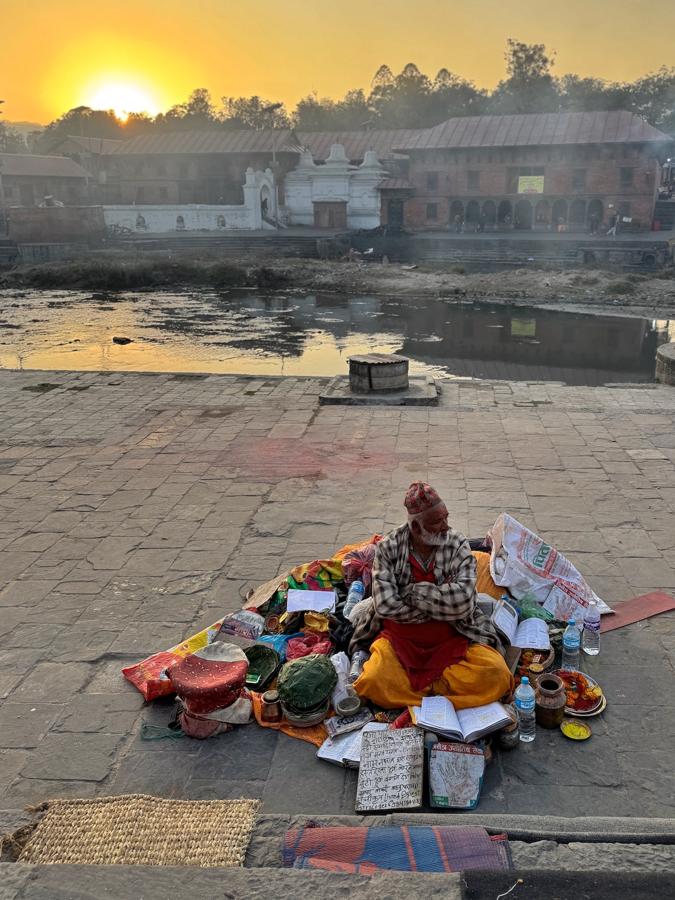
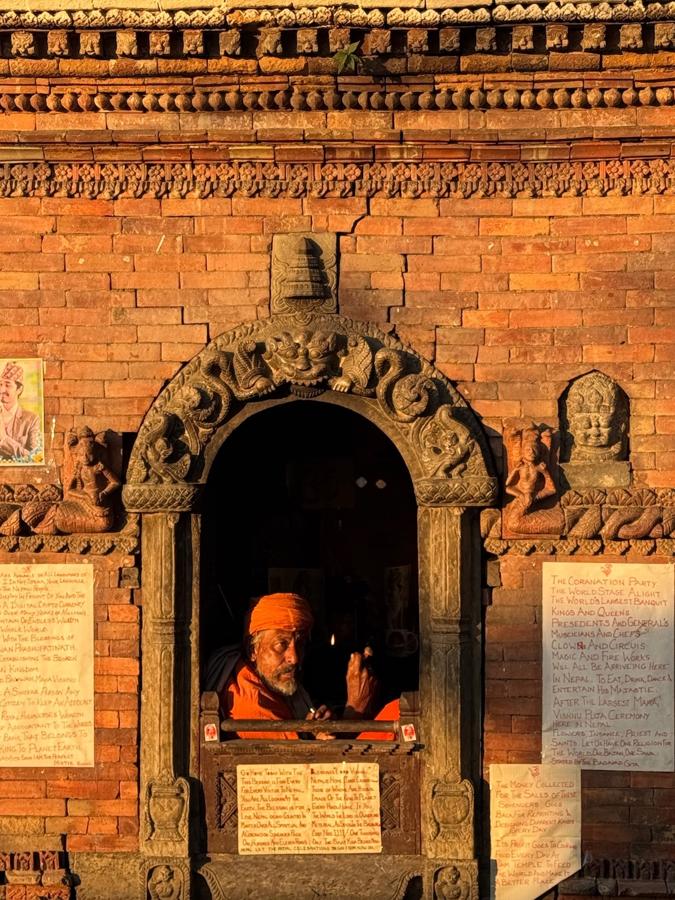
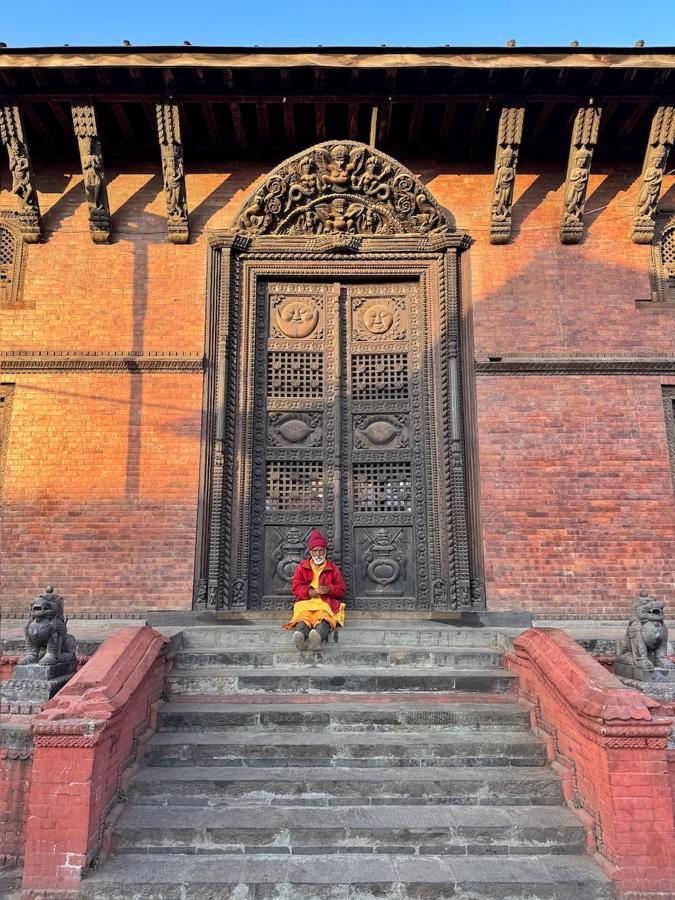
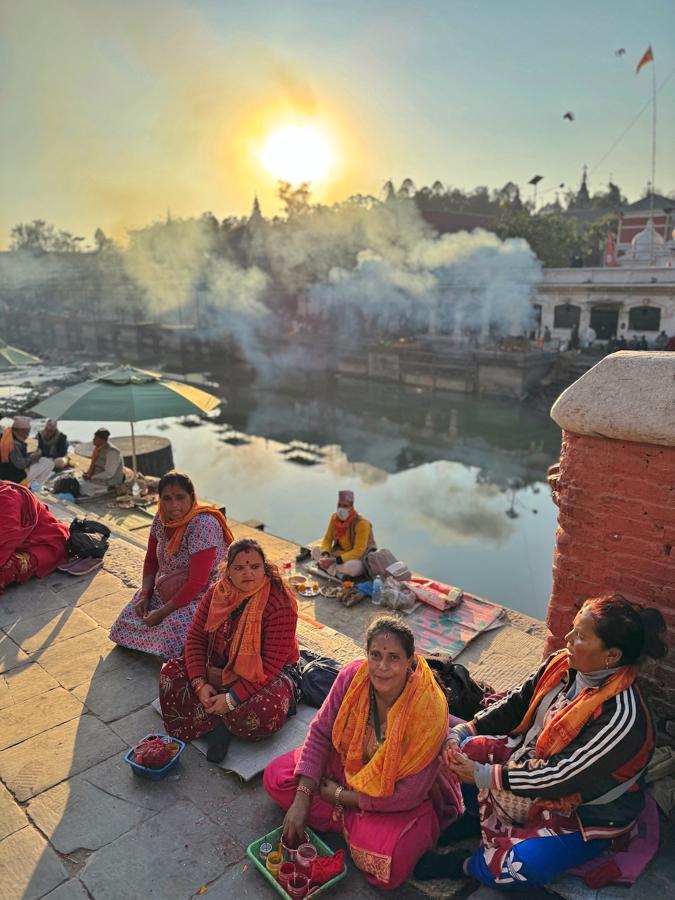
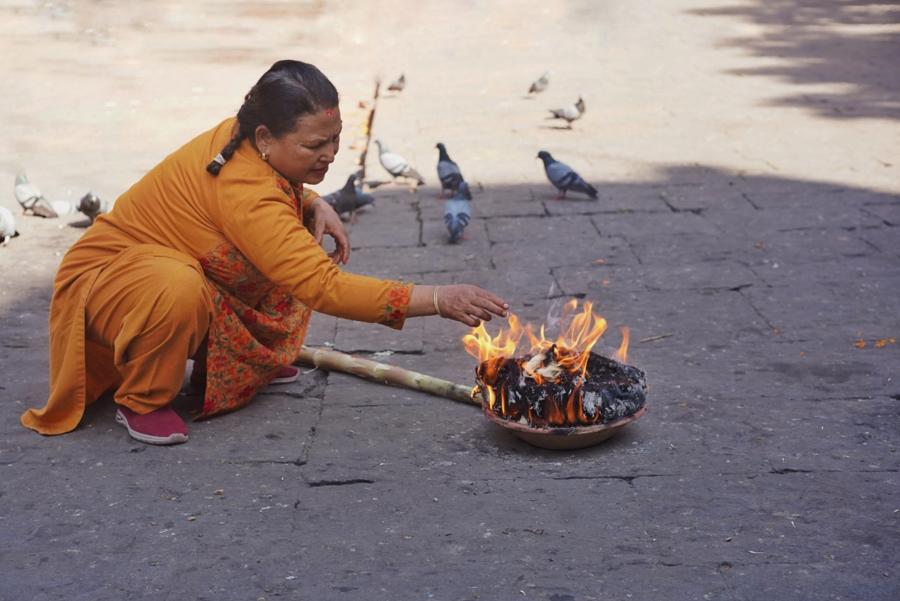
Here, at Nepal's holiest Hindu temple, bodies are burned to help the soul achieve moksha (liberation) by releasing it from the physical body, allowing it to break the cycle of reincarnation and attain salvation. Every sundown, there is a daily aarti (lamp ceremony) on the riverbanks along with daily cremations.
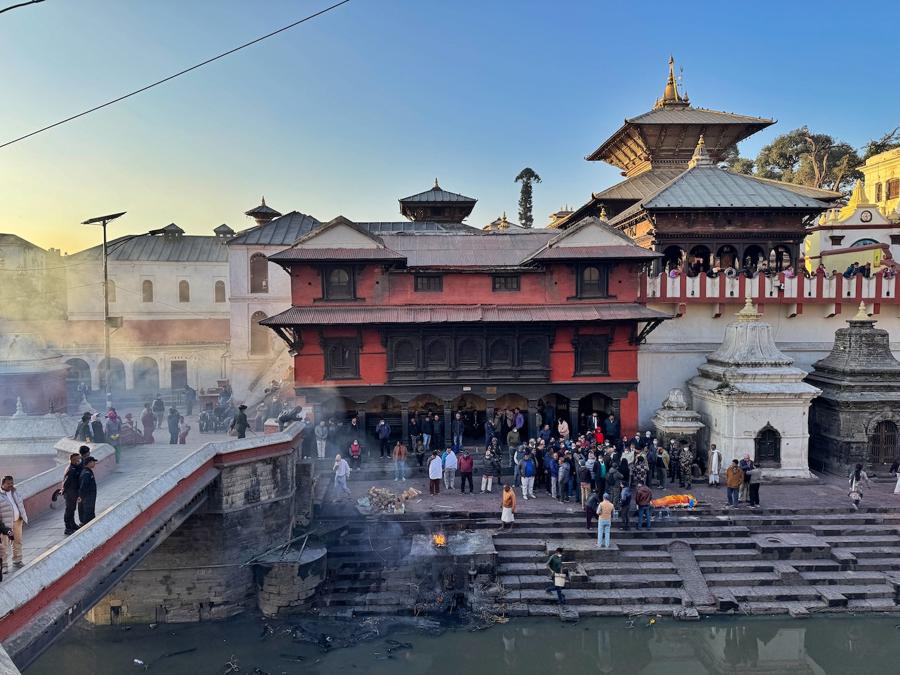
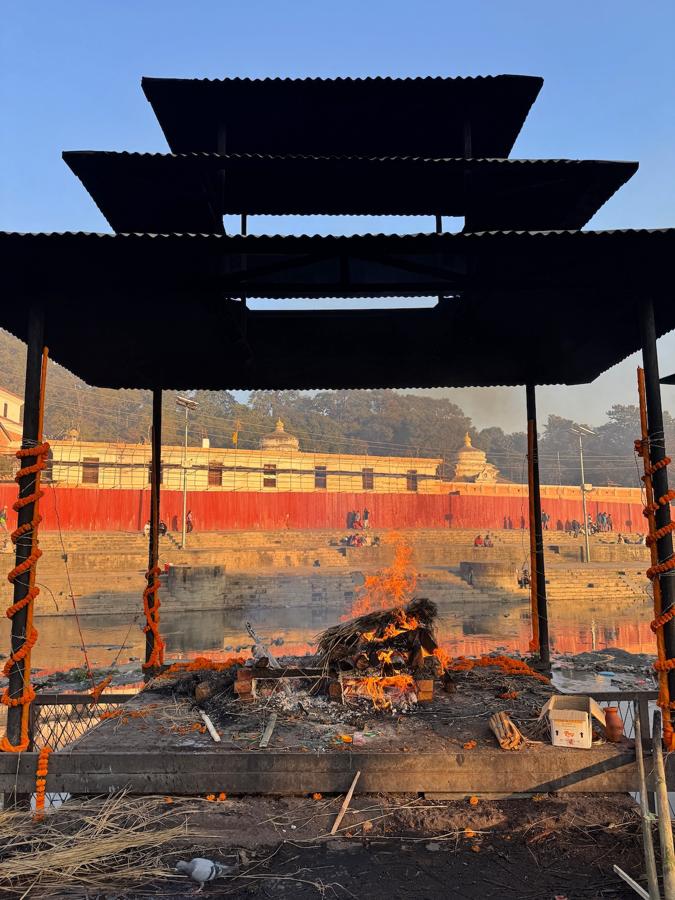
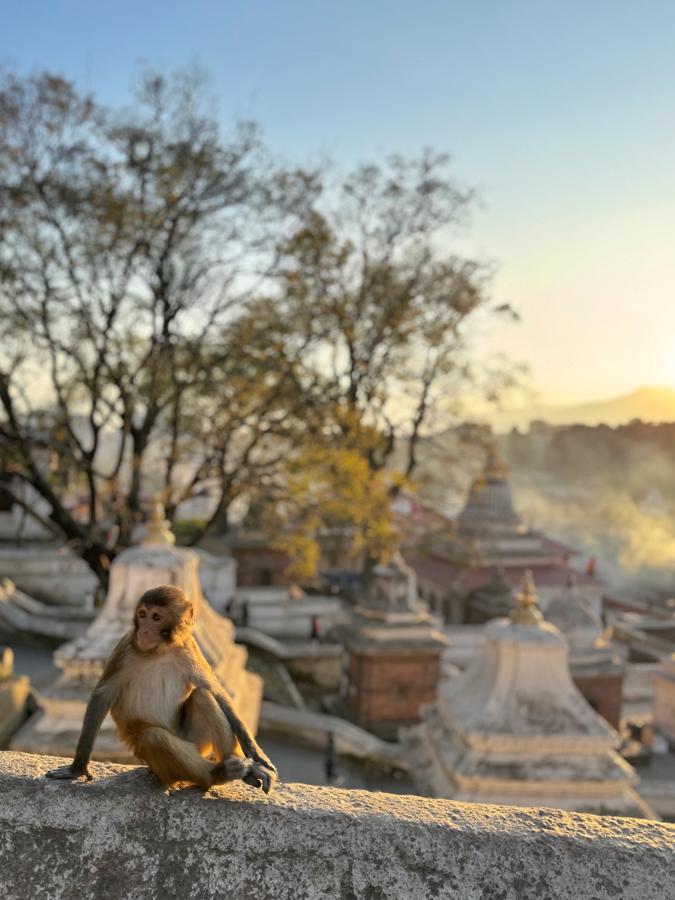
When visiting, make sure to respect the rules: no leather goods nor photography inside the main sanctum. Entrance is NPR1,000 for foreign nationals.
Swayambhu Mahachaity: Also known as the Monkey Temple, this is an ancient, sacred Buddhist stupa and UNESCO site, famous for its iconic dome and resident Rhesus Macaque monkeys, considered holy by both Buddhists and Hindus.
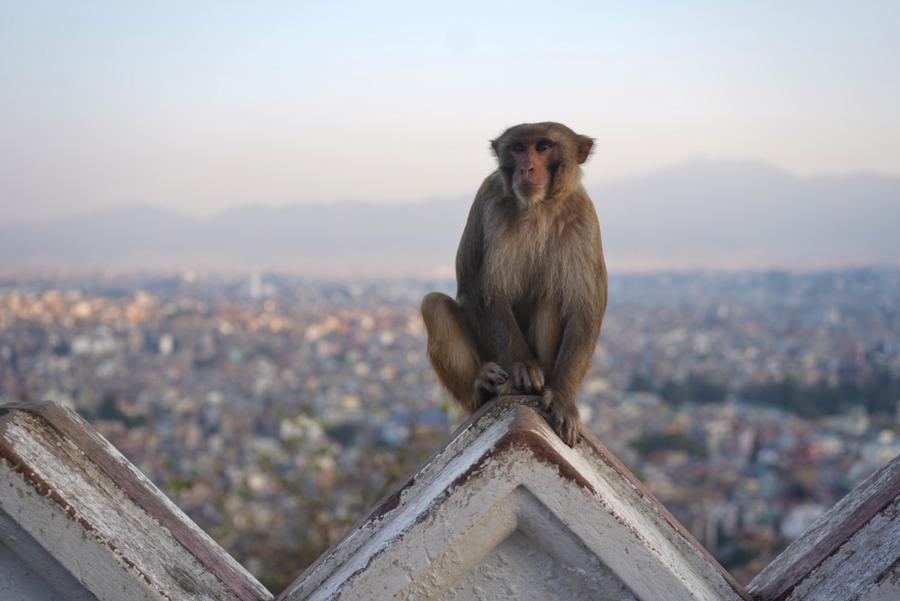
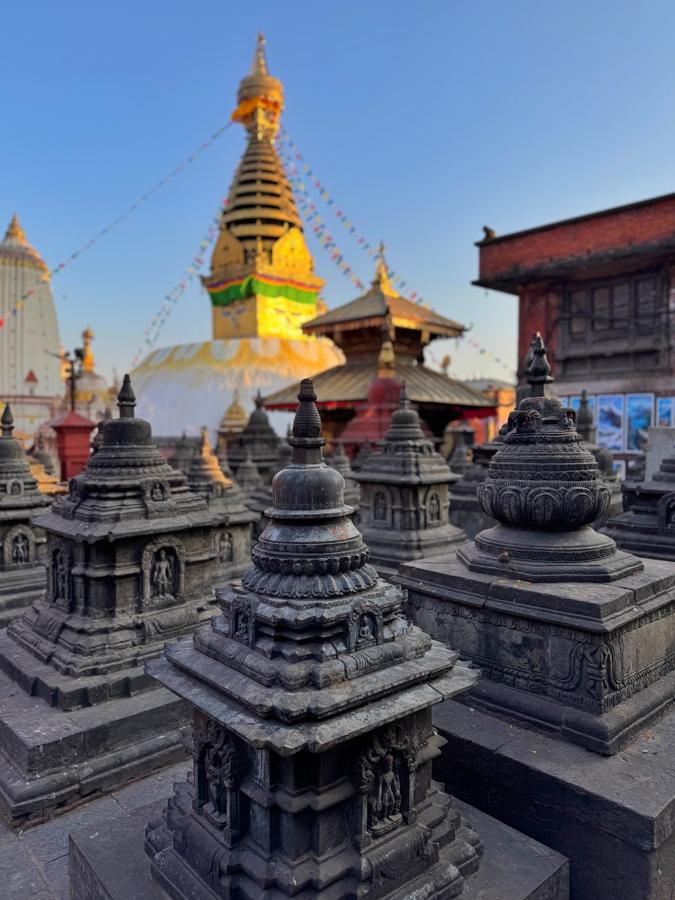
Meaning "self-existent," it's a vital pilgrimage site symbolizing spiritual purity, with prayer wheels, colorful prayer flags, and shrines dedicated to both Buddhist and Hindu deities, a representation of Nepal's religious harmony.
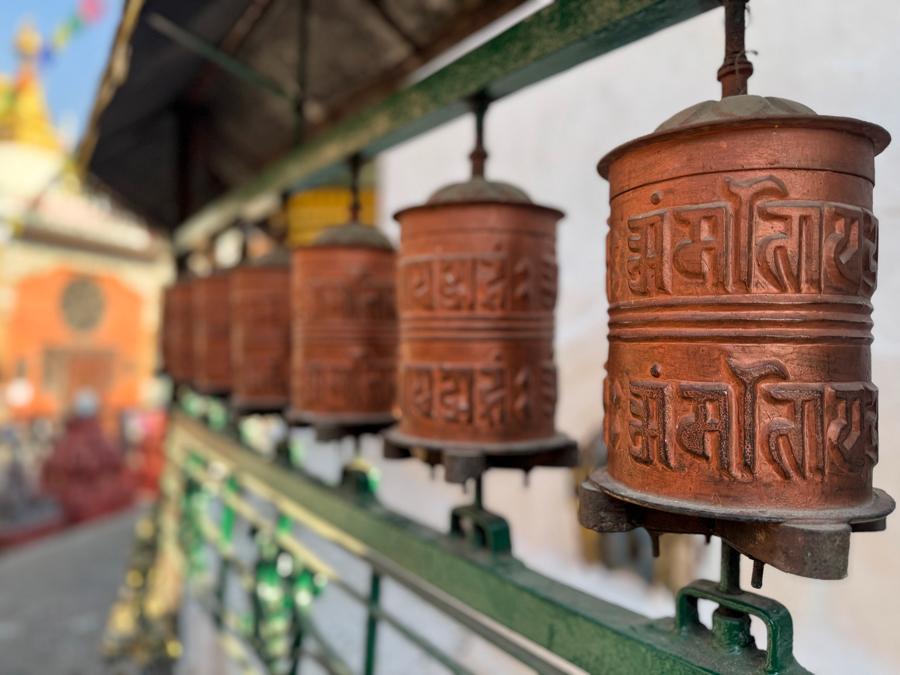
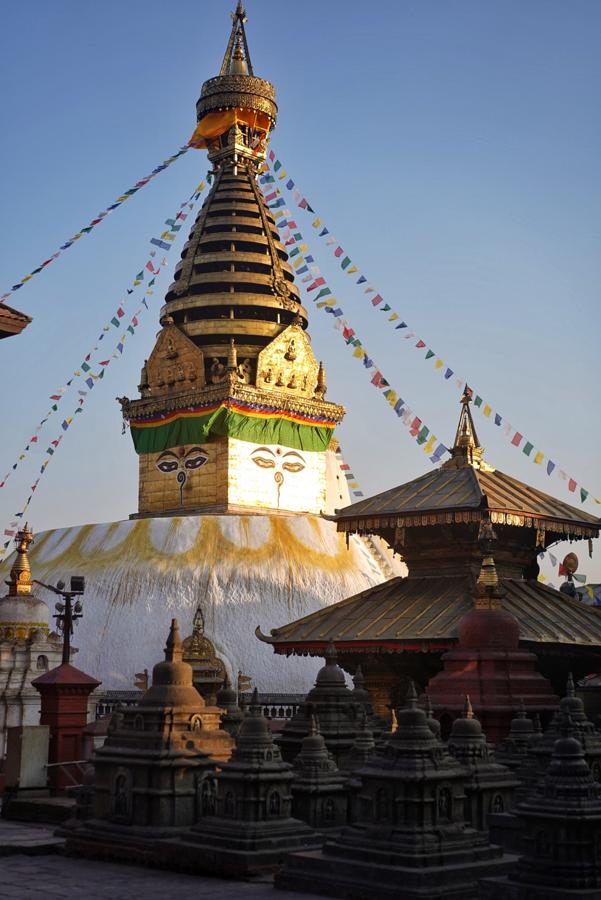
Climb up the 365-stairs entrance (there also a side entrance available via car) and pay the NPR200 fee to access the space, all with the added bonus of stunning panoramic views of Kathmandu Valley.
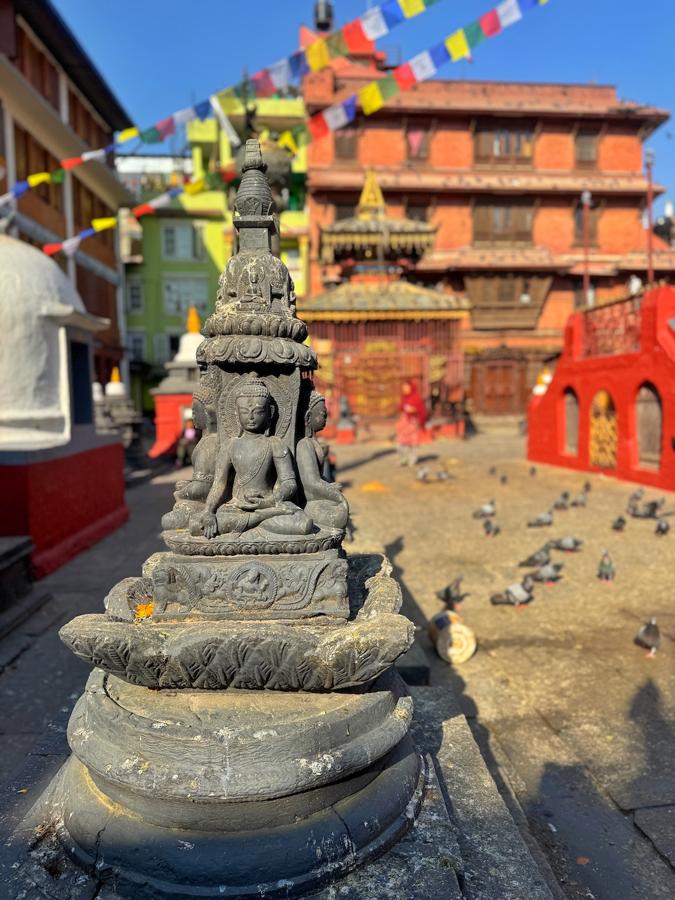
Shree Gha Vihar: This Buddhist stupa was built in the 17th century as a miniature replica of the famous Swayambhunath Stupa, serving as a vital spiritual destination, especially for locals unable to visit the main Swayambhunath. It's a tranquil, less crowded site featuring a white dome, golden spire, prayer wheels, smaller shrines, statues (including Jambhala), monasteries (like Drubgon Jangchup Choeling), and a dynamic square with pigeons, offering a peaceful spot for prayer, meditation, and experiencing authentic Newari Buddhist culture amidst the energetic city. Tucked away in a busy square near Thamel, the stupa offers a contrasting sense of calm amidst urban life.
Pro tip: Make sure to try laphing at any of the surrounding shops, a wheat starch cold noodle wrapped around cubes of spongy wheat gluten and crunchy dried noodles (wai wai) speckled with spice and a vinegary soy sauce dressing.
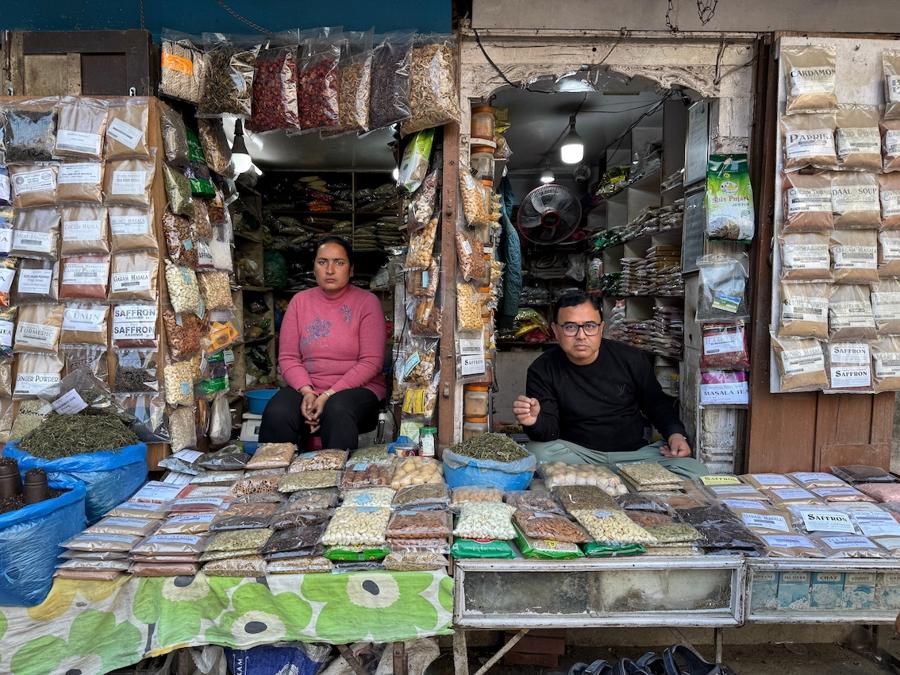
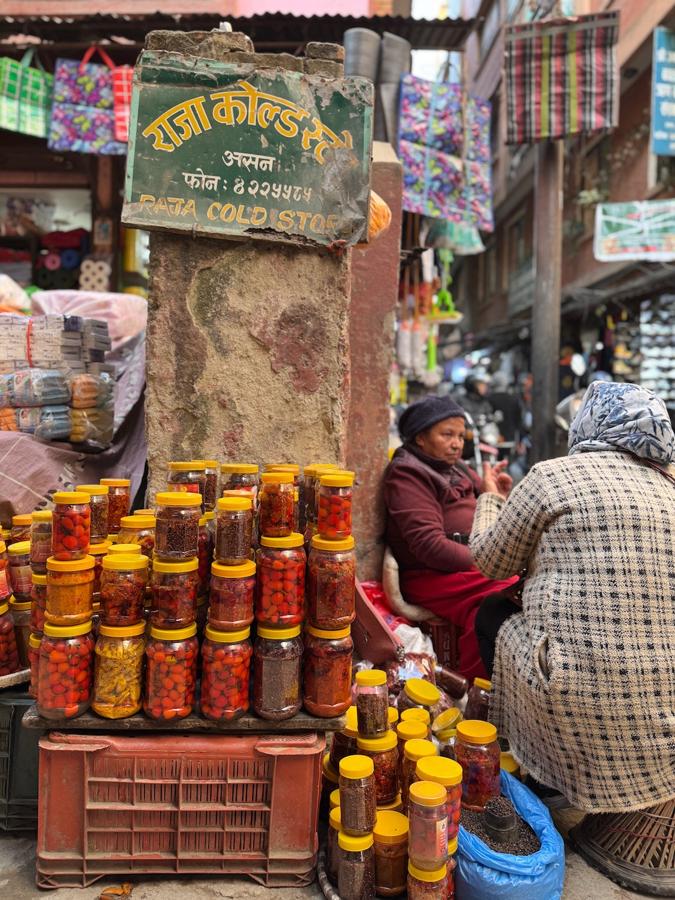
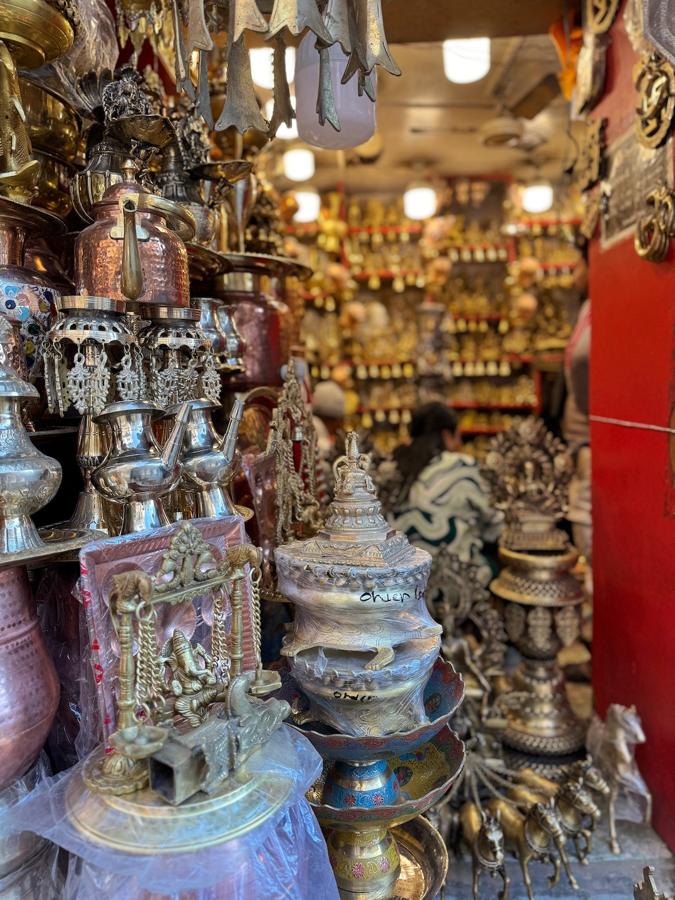
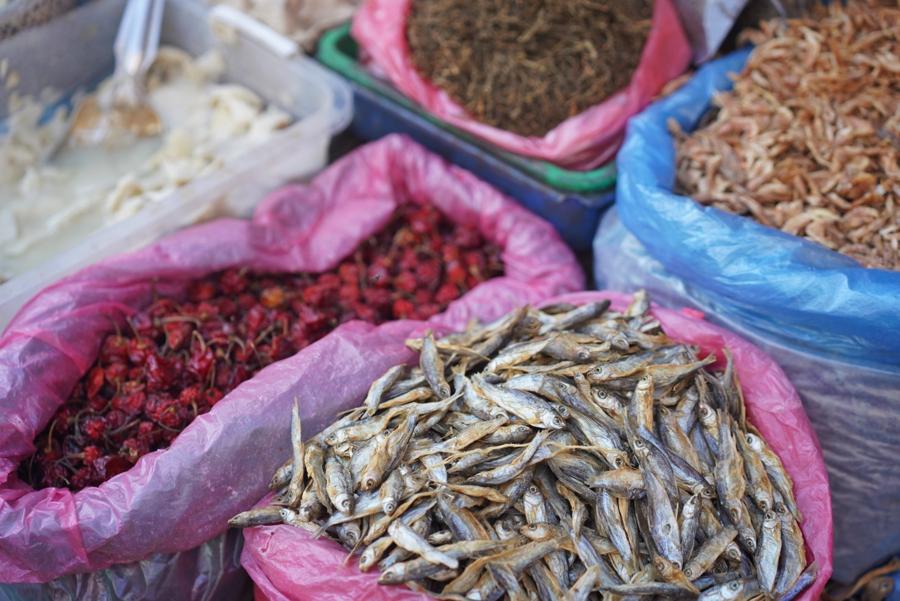
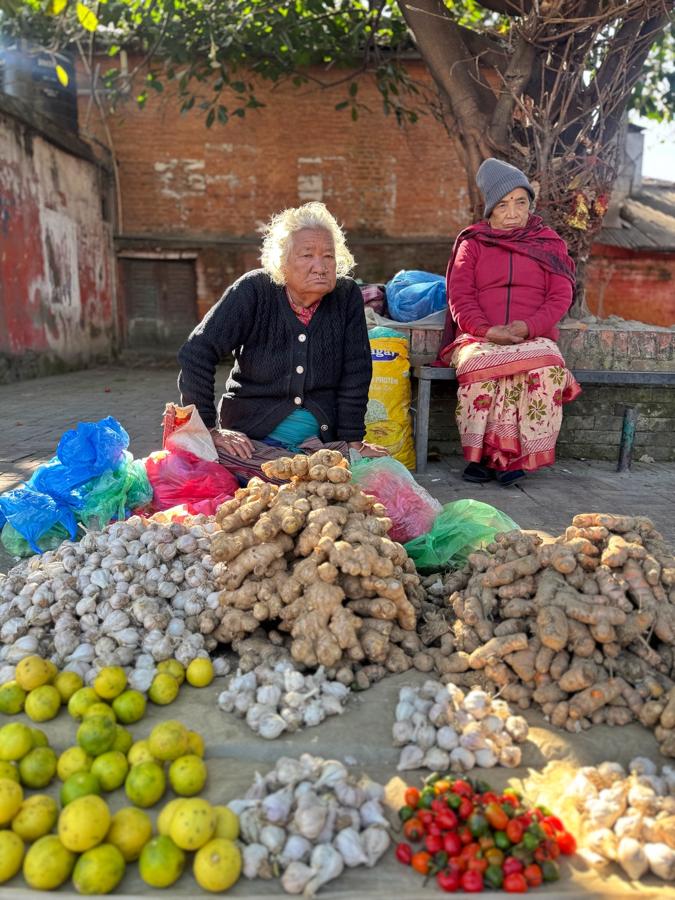
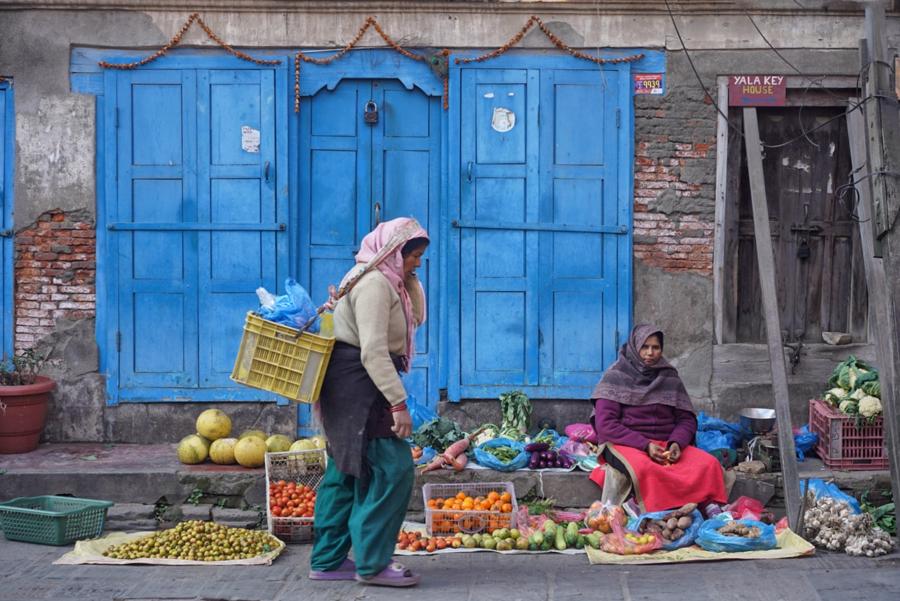
Asan Street Market: Primarily centered around the historic Asan Tole, this sensory epicenter of daily commerce offers everything from fresh produce, spices, and textiles to electronics, handicrafts, and street food, all amidst a chaotic yet organized flow of locals, motorcycles, and rickshaws. It's a historic crossroads, a cultural melting pot, and a shopper's paradise for Nepali goods. The Asan Market is a true local market, not overly touristy, showcasing daily life while still holding historical significance on ancient trade routes. Haggling is expected.
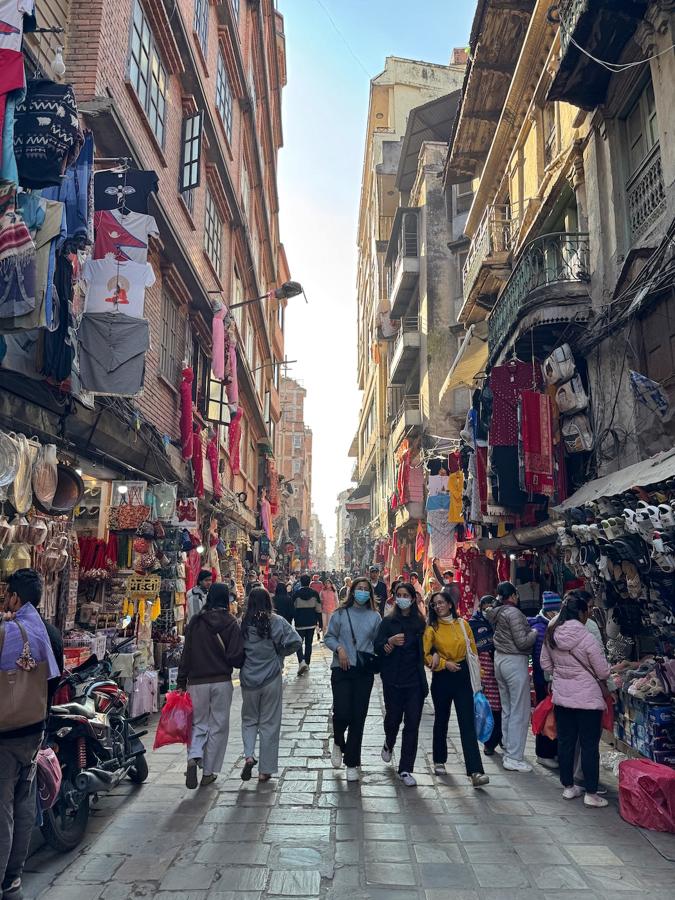
Thamel Bazaar: The most frequented place by tourists in Kathmandu, Thamel neighborhood and its busy bazaar are where visitors can pick up anything from souvenirs to snacks, from gifts to gear (for trekking), and everything in between. Prices here are slightly higher than other markets around the Kathmandu Valley, but the selection is sprawling.
Né Nepal: Né Nepal is a women-led Nepali design house founded in 2018 to revive and sustain traditional Nepali craftsmanship by blending it with modern design. The result is beautifully handmade jewelry, home goods, and ritual objects that tell cultural stories, empower local artisans (supporting hundreds and increasing incomes), and promote sustainable practices using recycled materials and time-honored techniques. Né Nepal offers a range of ethically made products inspired by Nepal's architecture and culture, from lattice window earrings to ritual-inspired necklaces, with physical stores in Kathmandu and an expanding international presence.
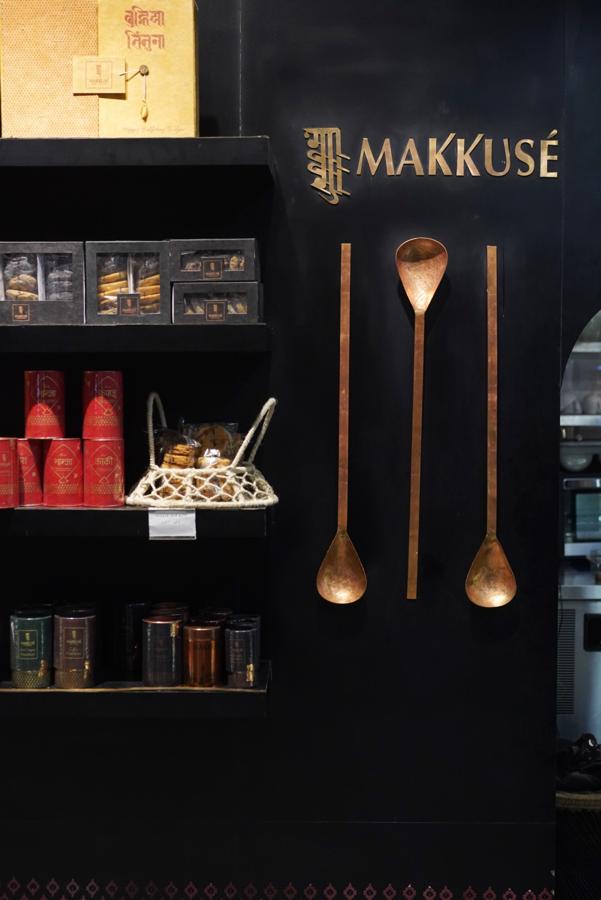
Makkusé: Meaning “scrumptious” in Newari, Makkusé is a luxury modern Nepali dessert brand backed by Miss Nepal 2019, Anushka Shrestha, aiming to globalize authentic Nepali sweets like pustakari, yomari, and gundpak by elevating these conventional desserts with modern presentation and packaging.
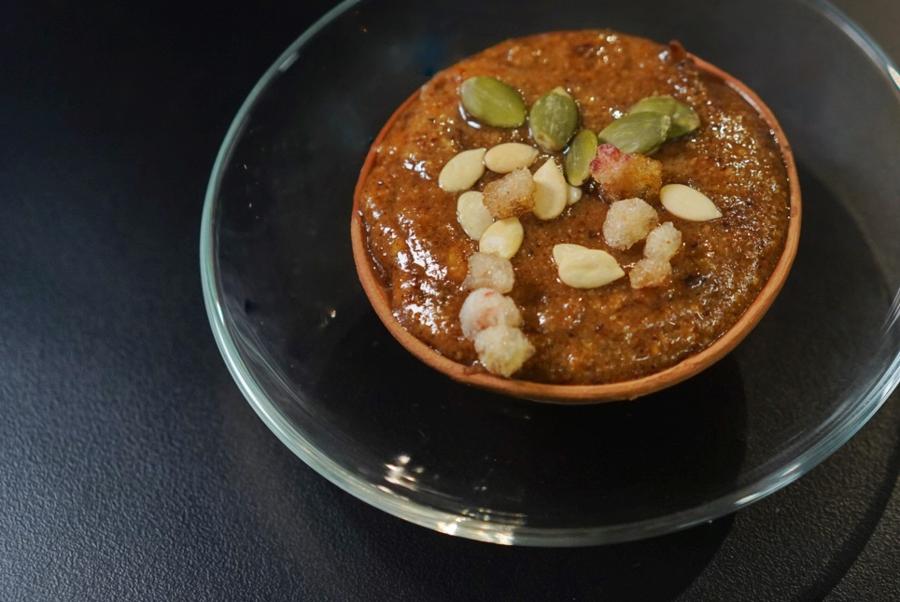
The brand focuses on heritage, sustainability, and quality ingredients for a premium sweet taste of Nepal. Other contemporary treats on offer see the combination of heritage recipes and Western desserts, like a cheesecake with a biscuit and gundpak crust, dark chocolate slice encased in gundpak, and seasonally-rotating stuffed cookies filled with Nepali tastes and spices. Pre-packaged options make for ideal take-home gifts.
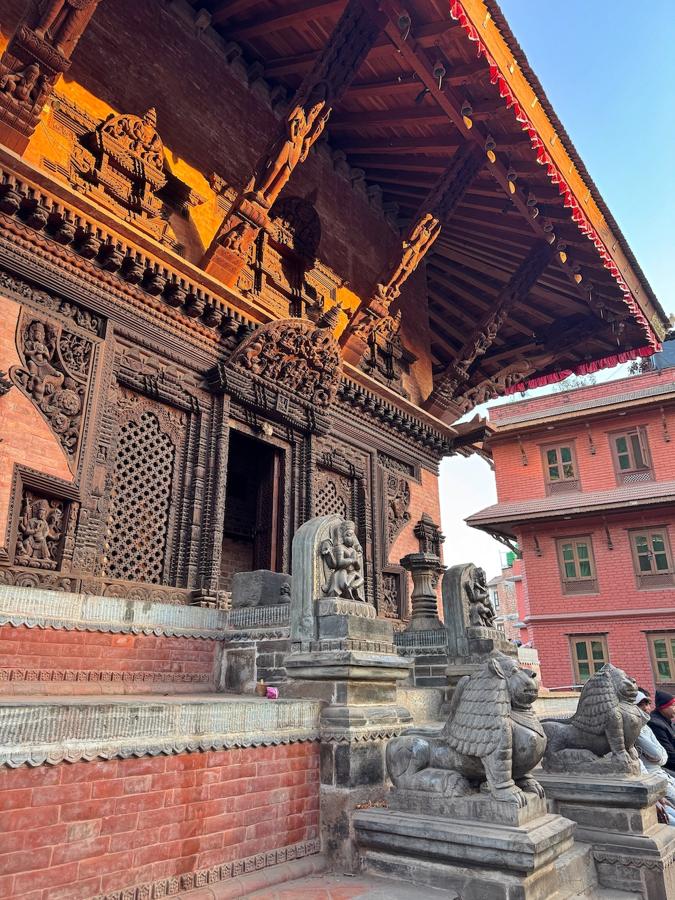
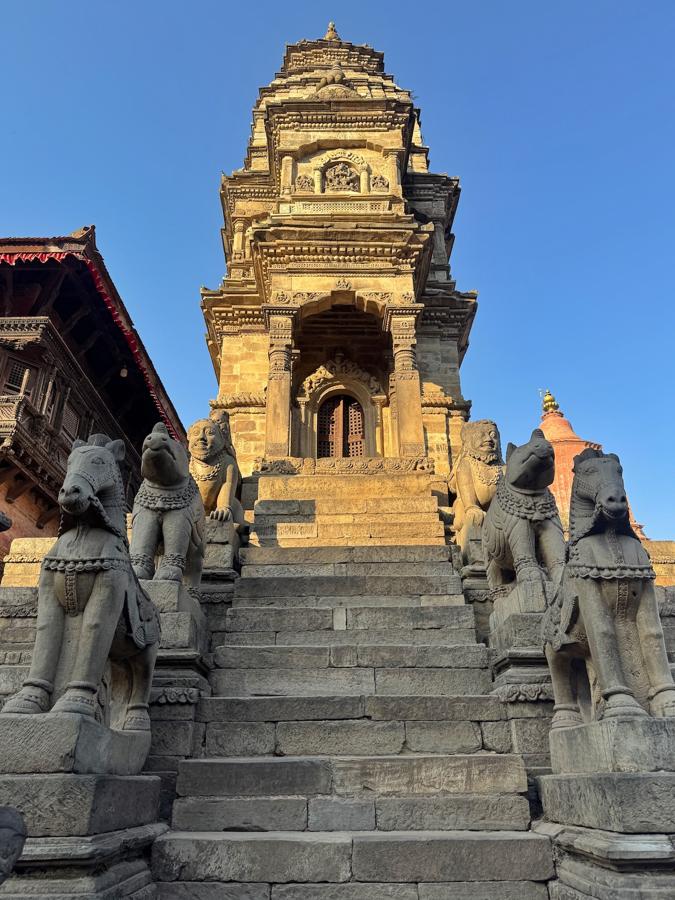
Bhaktapur: Bhaktapur is a former capital of the Greater Malla Kingdom and an ancient "City of Devotees" in the Kathmandu Valley, famous as a UNESCO World Heritage site for its remarkably preserved medieval Newari art, culture, and architecture. The historic old town, centered around Bhaktapur Durbar Square (entrance is NPR1,000), sports the likes of intricate temples, palaces, and still-active customs in pottery and painting. Unlike some historic sites, it's a functional city where locals live, work, and maintain traditions amidst ancient structures, making it feel like stepping back in time.
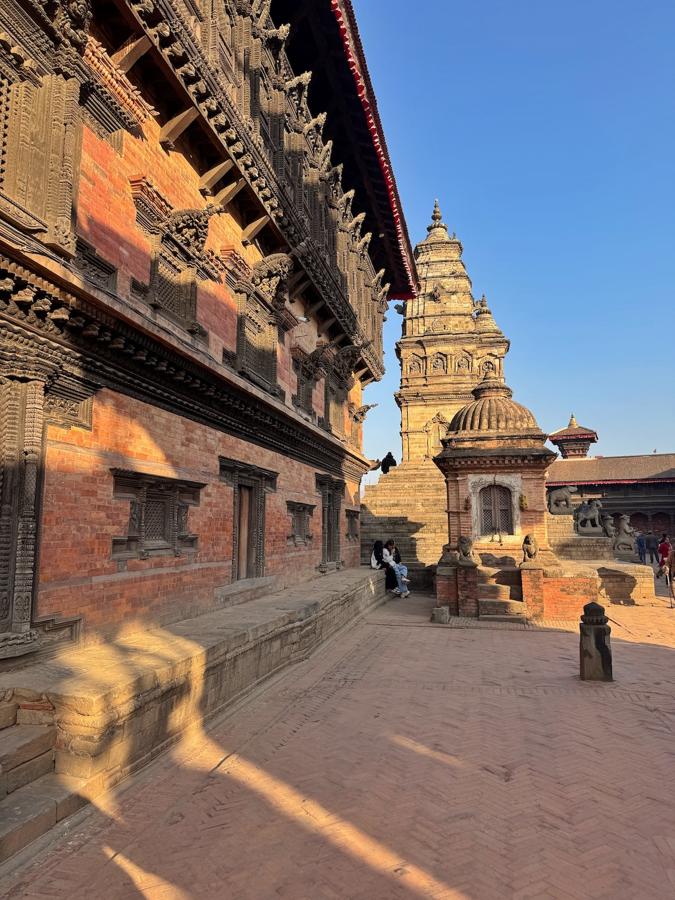
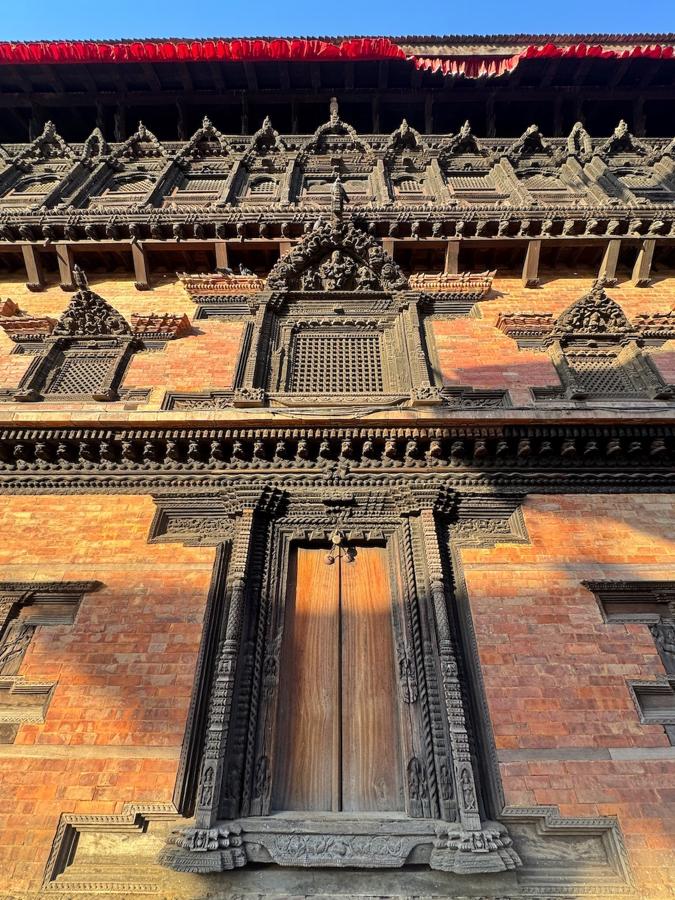
Once a powerful kingdom, it offers a glimpse into historic Nepal with lively squares, narrow lanes, and active local life, despite damage from the 2015 earthquake.
Visitors can enjoy views across the Durbar Square from any of the café and restaurant rooftops that surround it.
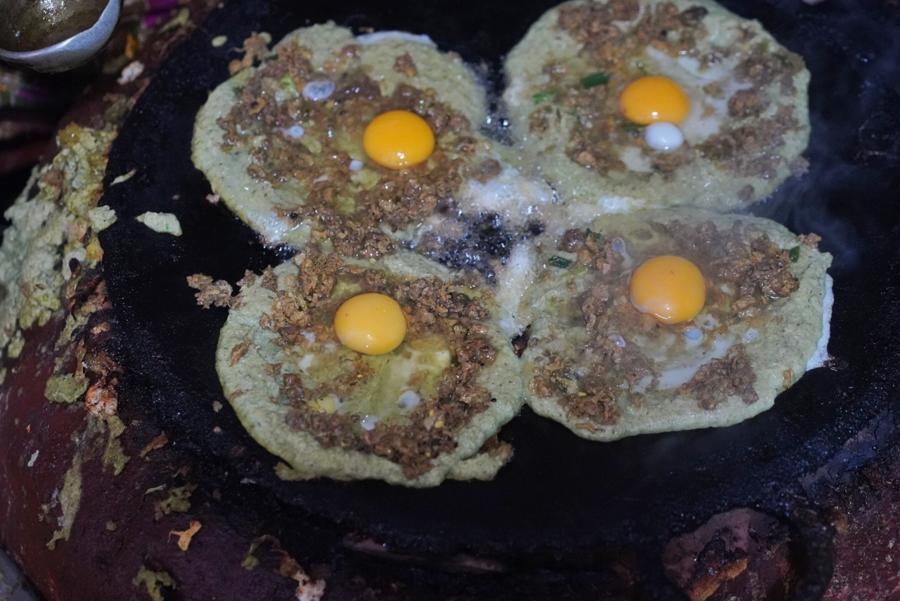
Pro tip: Bhaktapur is famous for several street snacks like:
Pharping: Pharping is a significant Tibetan Buddhist pilgrimage site just south of Kathmandu, famous for the Asura Cave where Guru Padmasambhava (Rinpoche) meditated and attained enlightenment, making it a crucial spot for Vajrayana practitioners. It's a serene, hilly town with multiple monasteries (like Neydo), sacred caves (including Yanglesho), Hindu temples (like Bajra Jogini), and offers spiritual retreats, meditation, and beautiful views.
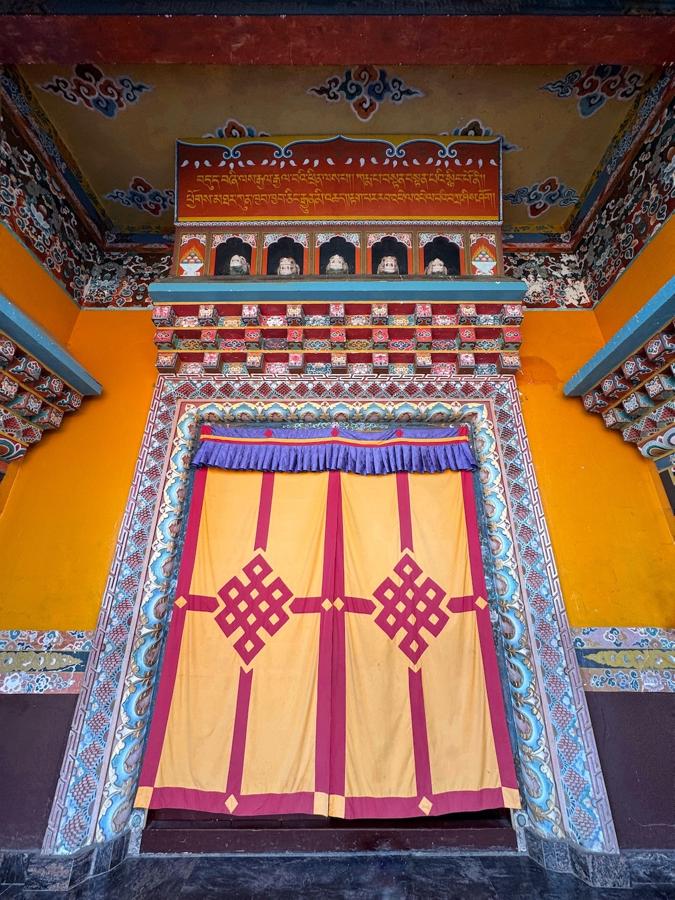
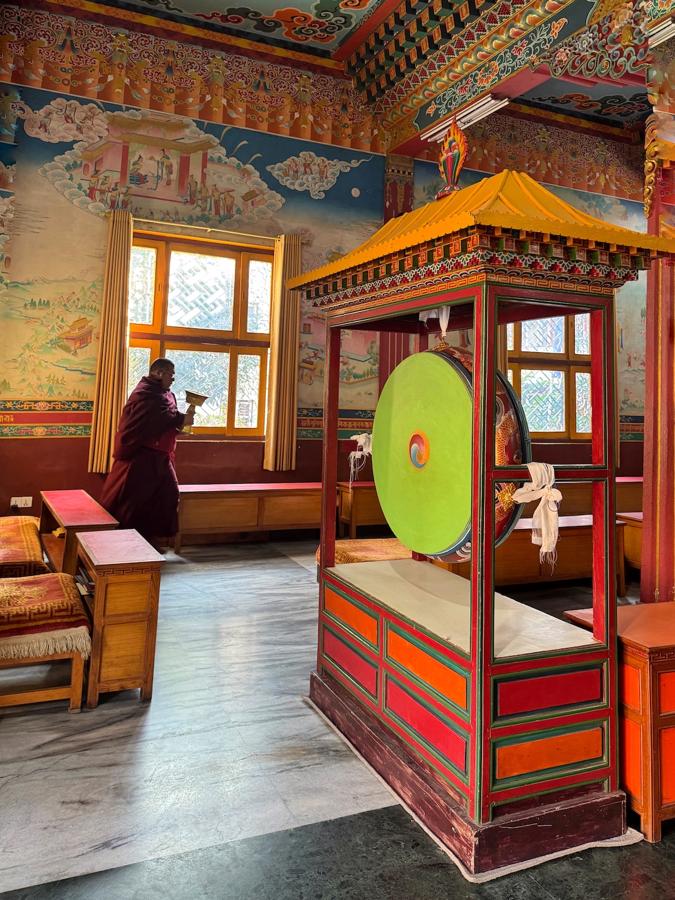
For those interested in an immersive Buddhist retreat, offerings usually span 3-7 days, and include morning meditation and chanting with the monks, yoga, and Buddhist teachings lessons. To book a retreat experience, visit http://bookretreats.com
Nagarkot: Nagarkot is a famous hill station near Kathmandu, renowned for its panoramic sunrise and sunset views of the Himalayas, including Mount Everest on clear days. It offers a peaceful escape with hiking trails through pine forests, making it a popular short trip for nature lovers and photographers.
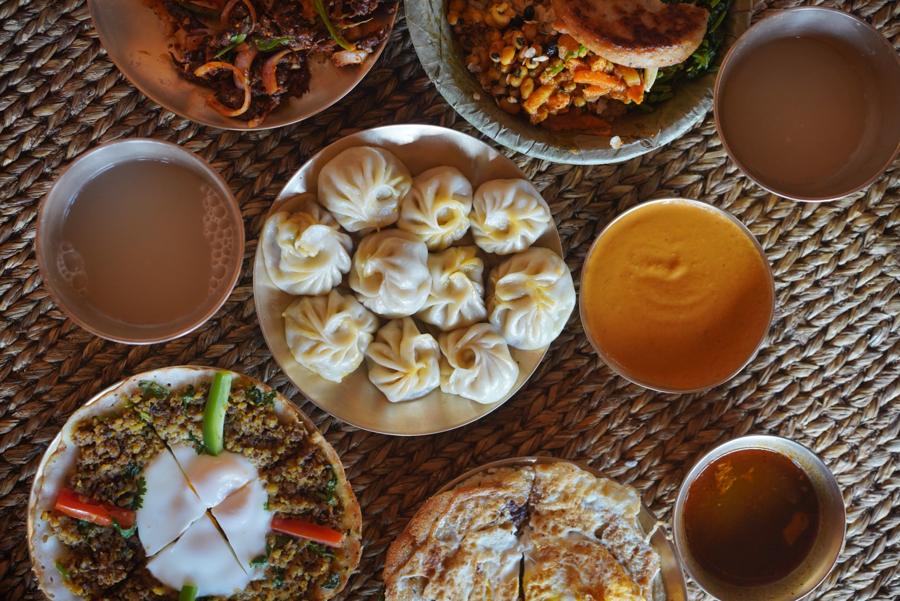
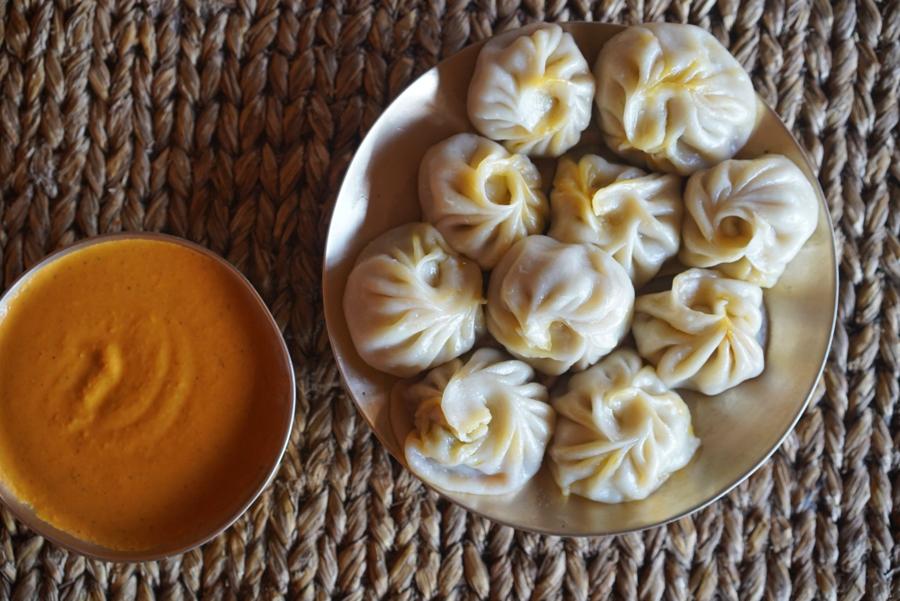
Momo: Nepali momo is a steamed or fried dumpling found throughout the country, a staple of Nepalese cuisine with Tibetan roots. Most commonly, momo are filled with spiced meats (chicken or buffalo) or vegetables (cabbage and potato) in a flour dough, characterized by its round shape.
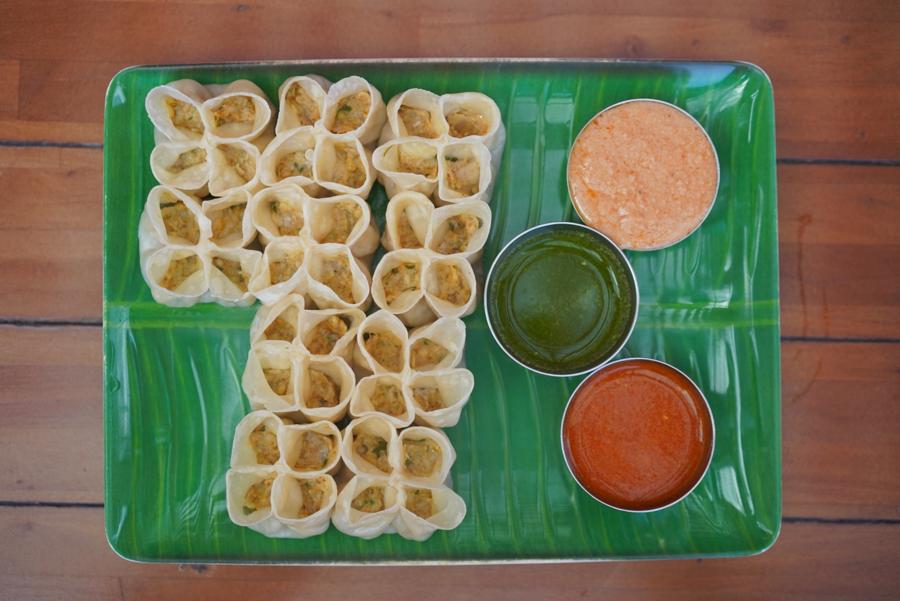
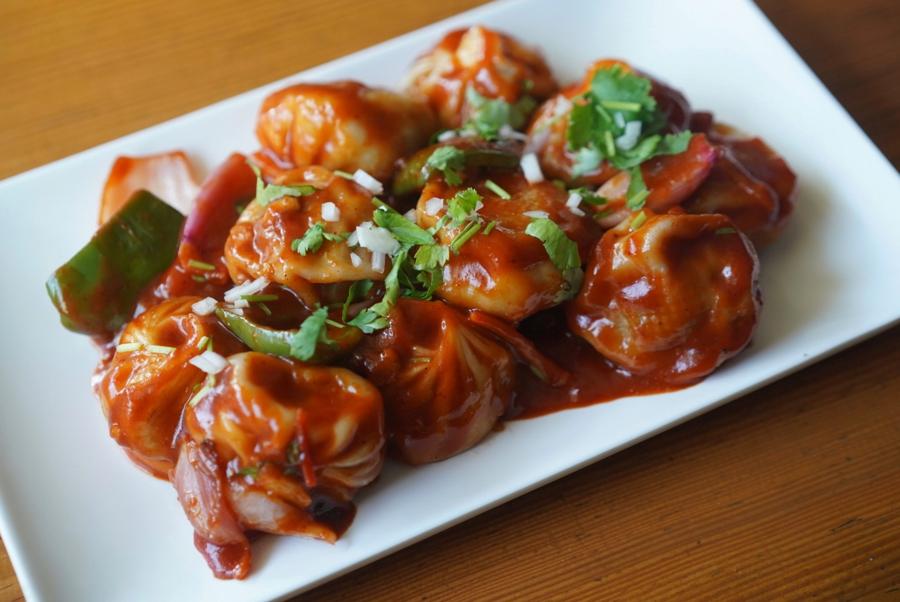
Momo are all about the dipping sauces, with options ranging from spicy tomato achar to mint chutney to spiced peanut sauce. It's more than food; it's a social experience, a symbol of hospitality, and a national culinary icon.
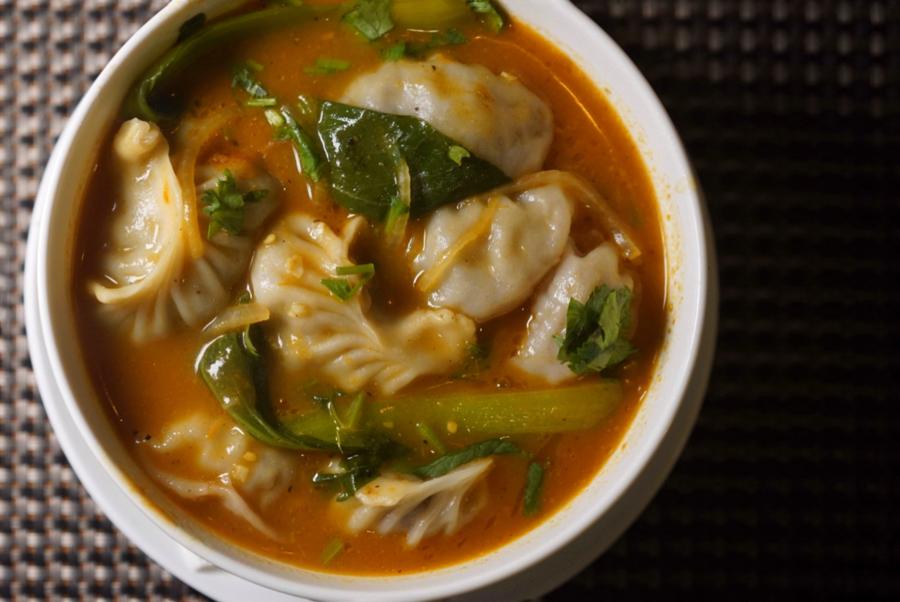
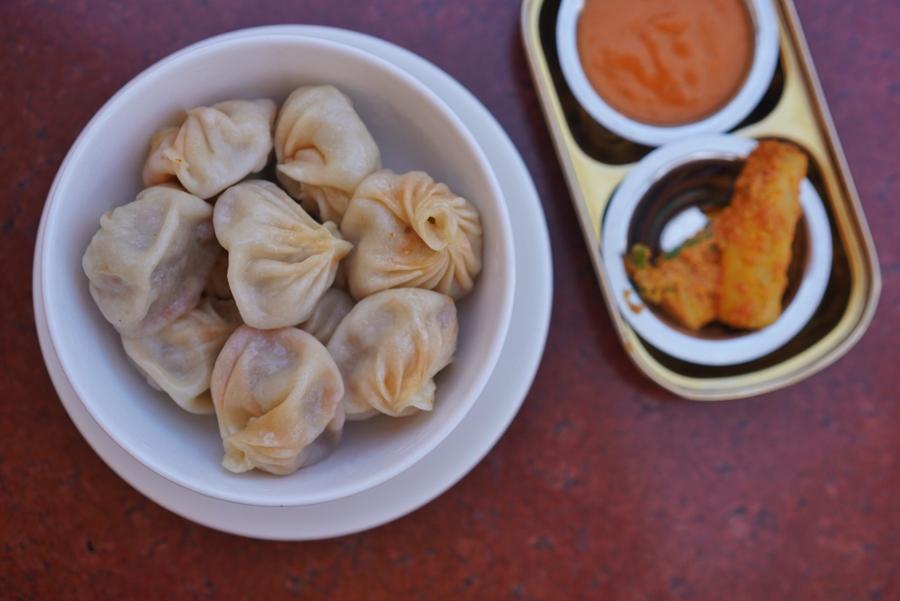
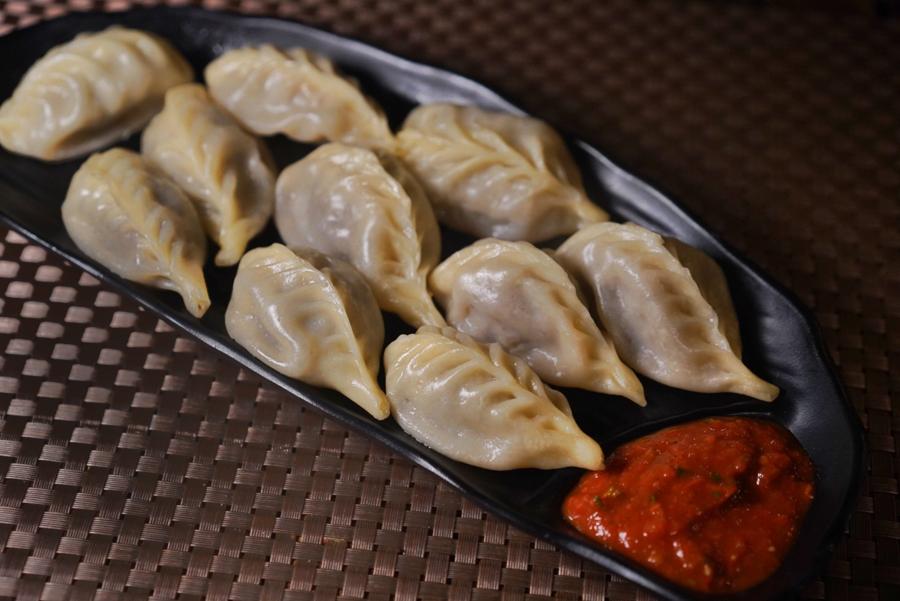
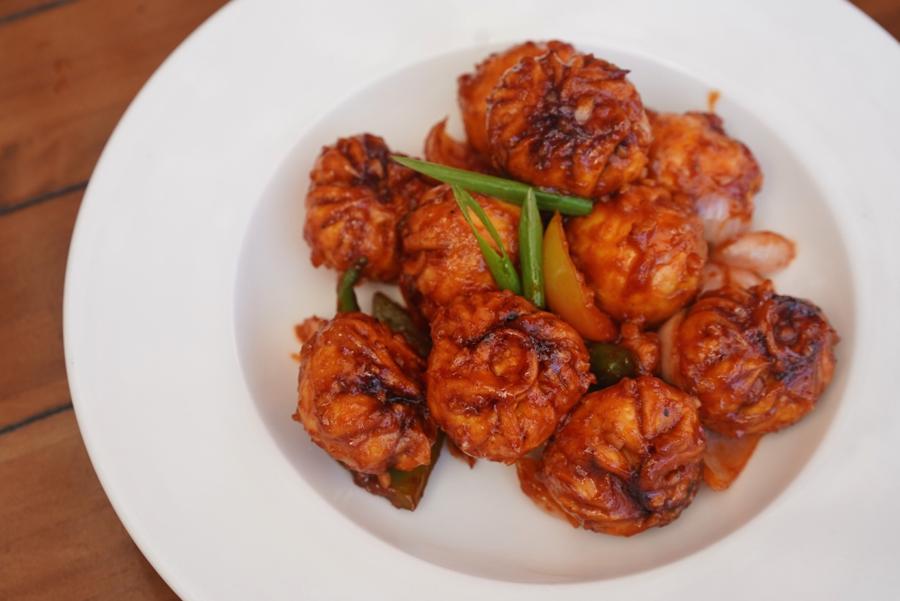
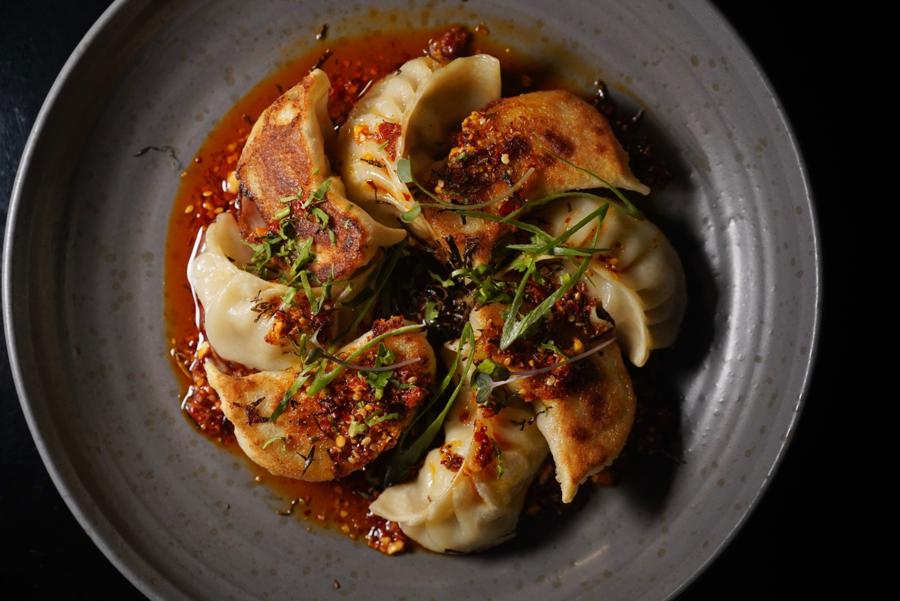
There are several momo variations, including jhol momo in a pleasantly spiced tomato broth; kothey momo that are pan-fried on the bottom; fried momo that are deep-fried and sometimes stir-fried with chili and vegetables; and open momo that are steamed with an open top and finished by pouring various sauces over it.
Where to get it: Ghangri Cafe Lazimpat for open momo and chili-fried momo
Dal Bhaat/Thakali: Dal Bhat, also known as Thakali, is more than just food – it's tradition, culture, and comfort all in one plate.
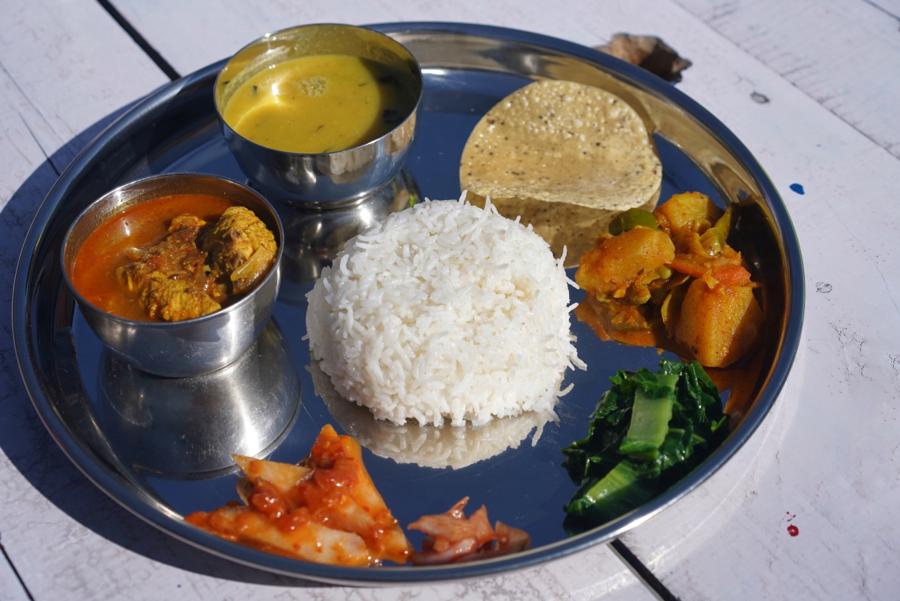
It is a nourishing meal centered around steamed rice (bhat) and lentil soup (dal), served with vegetable curries (tarkari), pickles (achar), and often yogurt or meat to create a balanced and deeply satisfying dining experience.
The Nepali people are proud of the sustained energy it provides (with the tagline dal bhat power for 24 hour), and the symbol of comfort it represents. It can be found everywhere from homes to trekking lodges to restaurants.
Where to get it: Tukche Thakali Kitchen
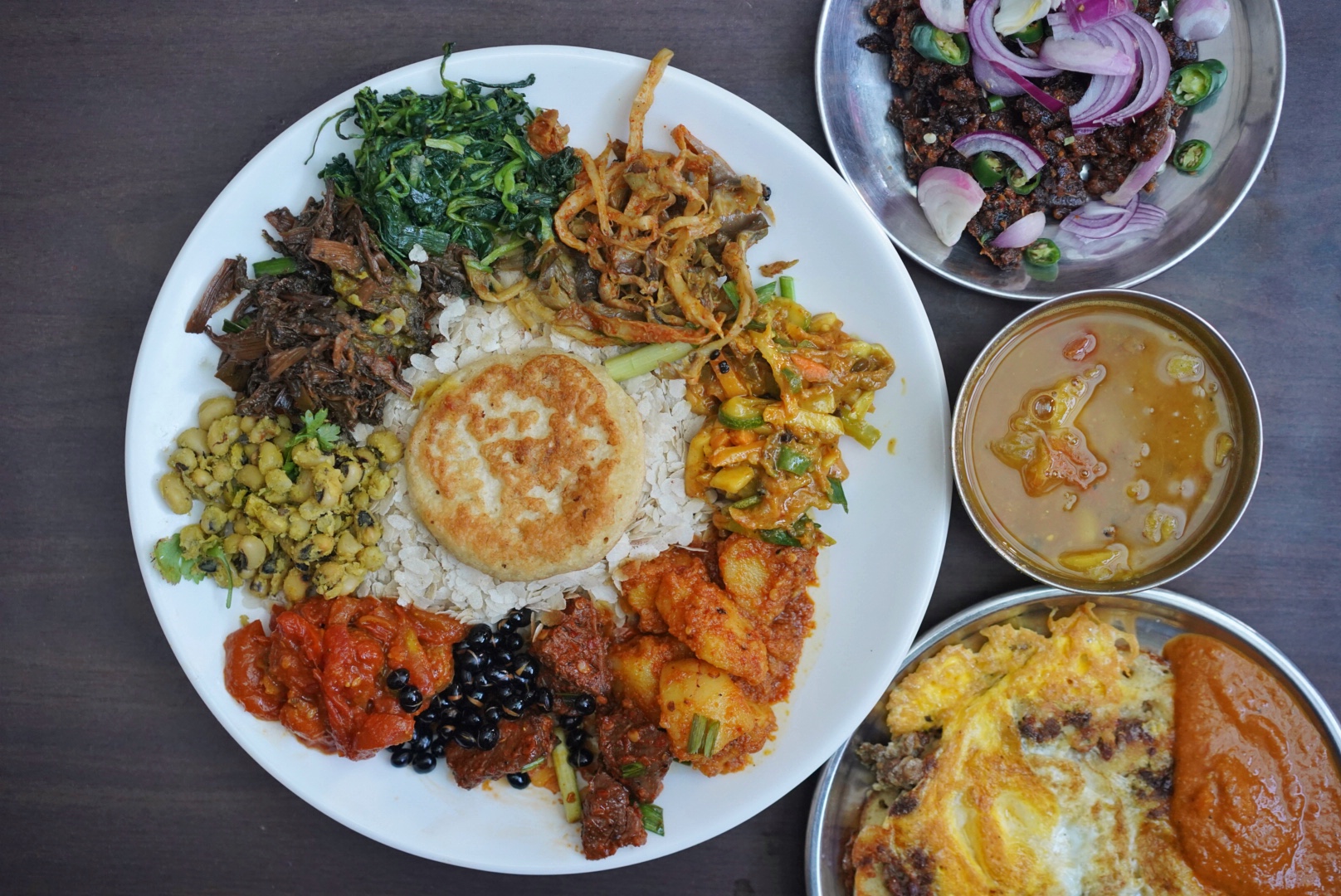
Samay Bhaji: Samay Baji is a significant traditional Newari platter from Nepal, symbolizing good fortune, health, and joy, served during festivals, pujas, and family gatherings.
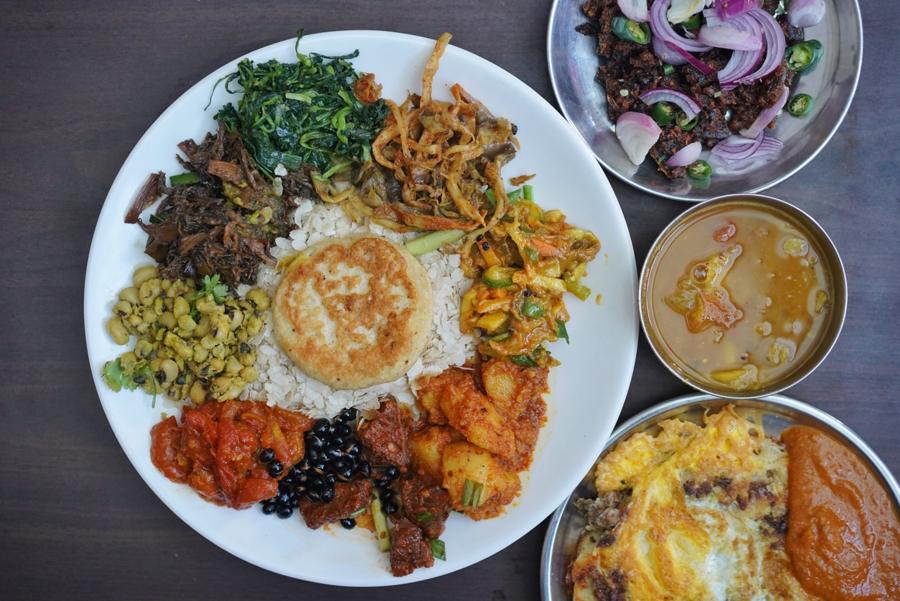
The plate resembles a thali in that its center is beaten rice (chiura) surrounded by various accompaniments like spicy meat (choila), fried soybeans (bhatmas), lentil patty (bara), fermented greens (gundruk), ginger, and sometimes local alcohol (āyla), all served cold. It's a culturally rich meal, enjoyed customarily by hand as a year-round starter or main feast, showcasing Newari heritage through its diverse textures and flavors.
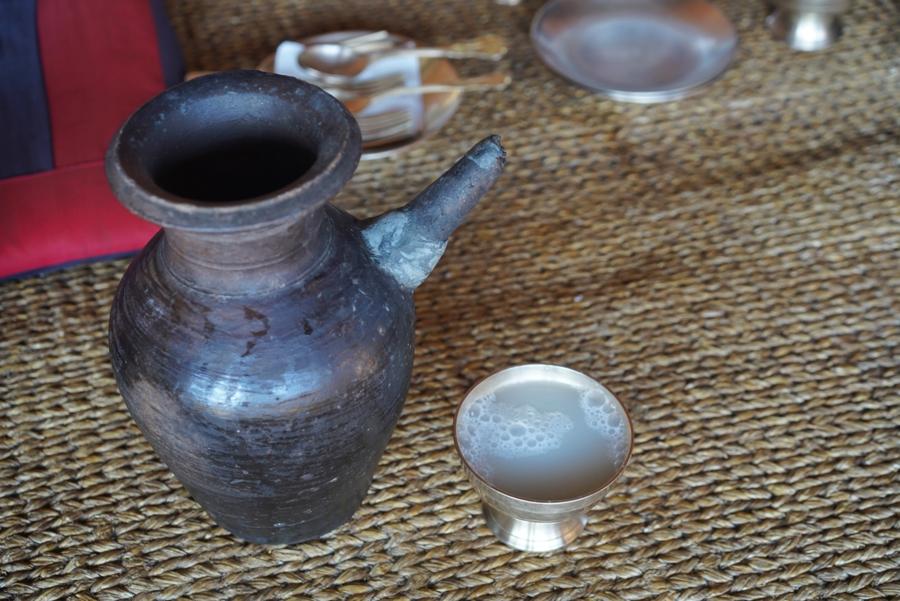
Chaang at Sasa Twa
Where to get it: Nandini Food Court and Sasa Twa
Choila: Choila is a spicy, grilled meat dish from Nepal's Newari cuisine, customarily made from buffalo, but now also chicken, mutton, or mushrooms, marinated in a myriad of fiery spices like chili, ginger, garlic, chili, turmeric, cumin, mustard oil, and fenugreek, then grilled or smoked.
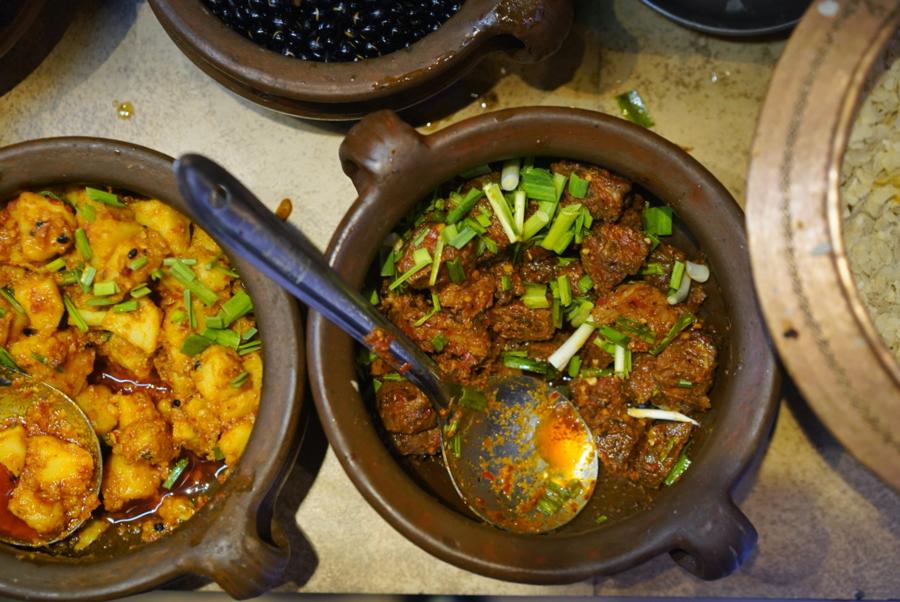
Choila is most often served cold or room temperature with beaten rice (chiura) or mixed as a salad with fresh ingredients like spring onions, cilantro, and lemon for a flavorful appetizer or snack.
Where to get it: Nandini Food Court and Sasa Twa
Pro tip: Make sure to try the yomari at Sasa Twa, a dessert dumpling filled with a sweetened cottage cheese and coconut, or molasses and black sesame.
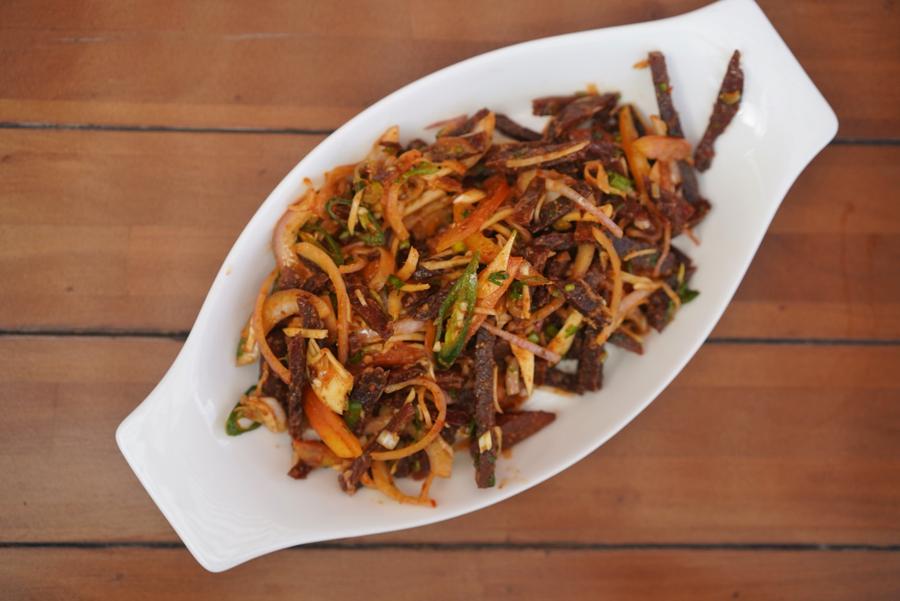
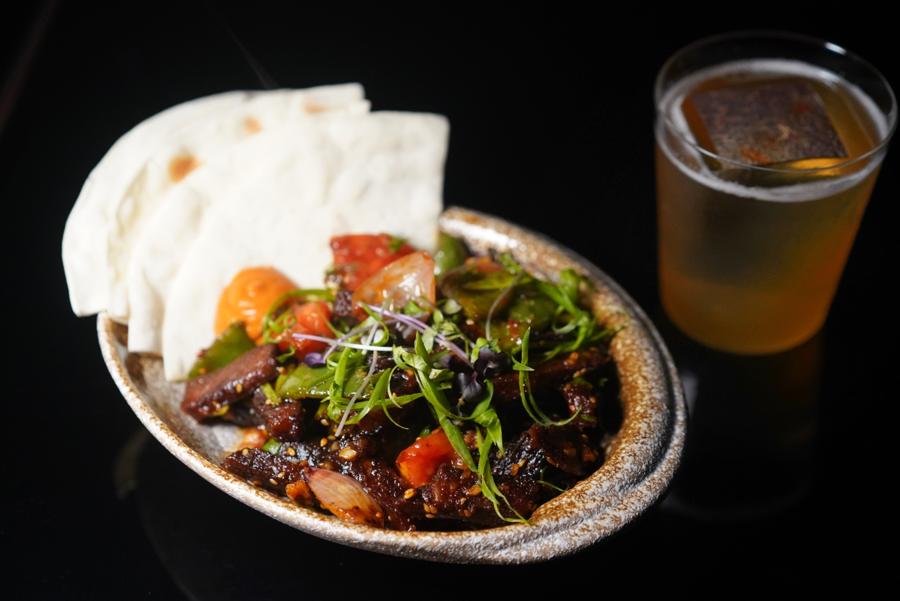
Sukuti: Sukuti is a Nepali dried meat (usually buffalo, goat, or lamb), similar to jerky, that's seasoned with spices like chili, ginger, garlic, and cumin, then dried or smoked for preservation and intense flavor. It's a staple, especially for Himalayan communities, providing a high-protein food that's eaten as a standalone snack (often fried and mixed with onions/tomatoes), in curries, or rehydrated in soups.
Where to get it: Sekuwa & Sukuti House, Ghangri Cafe Lazimpat
Sekuwa: Sekuwa is a popular Nepalese dish of marinated, skewered meat (chicken, goat, pork, lamb, buffalo) grilled over charcoal for a smoky, spicy flavor from spices like cumin, coriander, and pepper (timur).
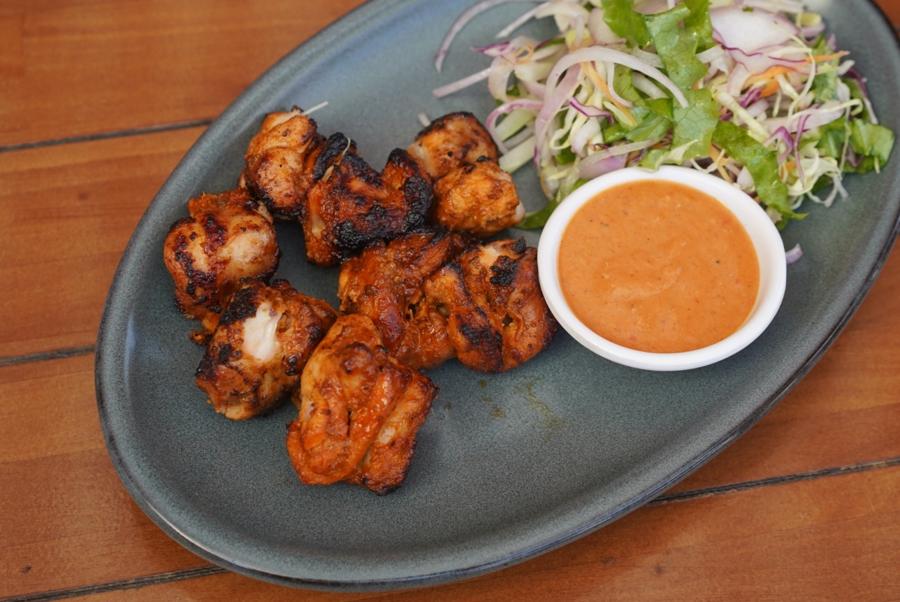
Originating from eastern Nepal as a rustic tradition, it's now a beloved street food and festive snack, typically served with puffed rice (baji) and spicy pickles (achar).
Where to get it: Yangtaru Sekuwa Corner
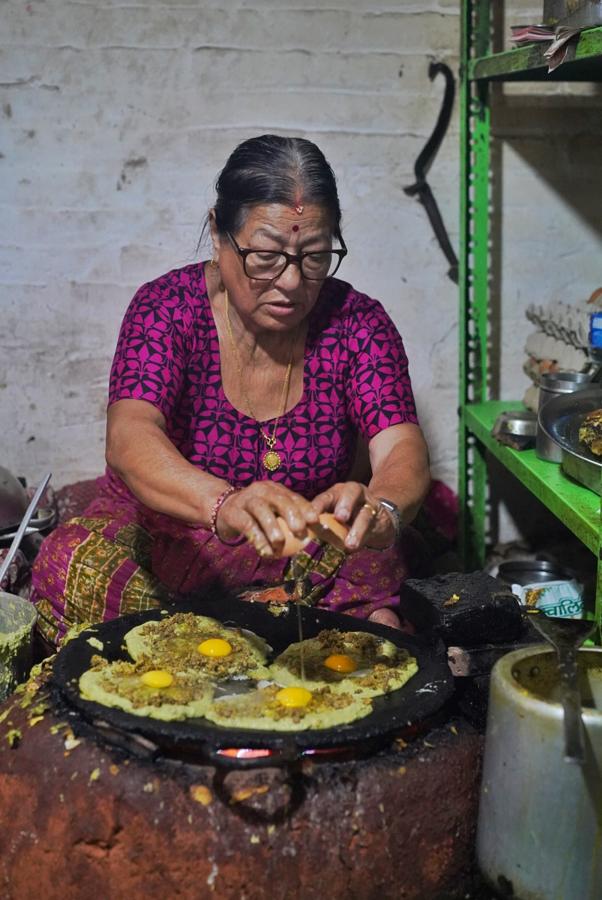
Chatamari: Chatamari is a Newari dish, nicknamed "Nepali pizza" for its pizza-like appearance.
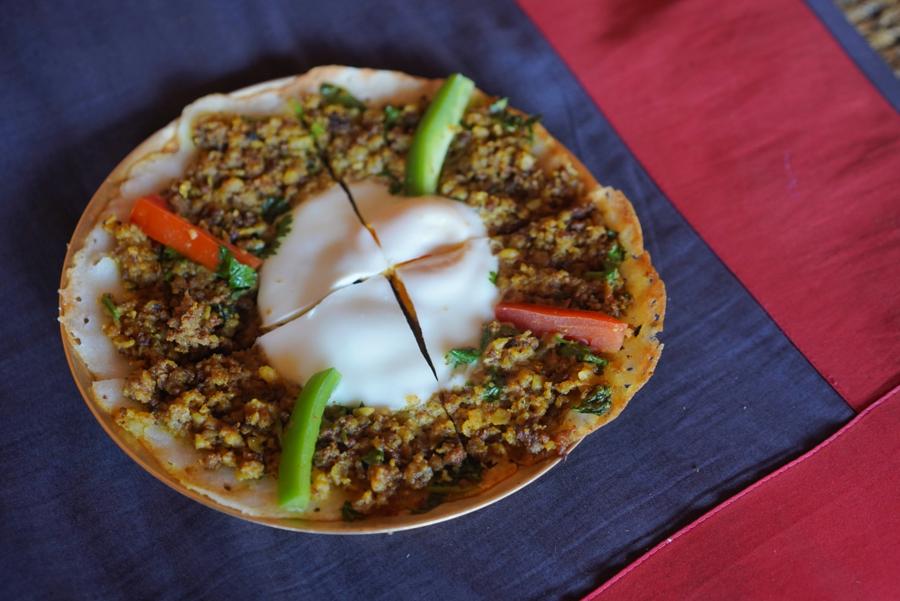
Featuring a thin, crispy rice flour crepe topped with minced meat (chicken, buffalo), eggs, onions, and spices, or vegetarian options like potatoes. It’s typically served as a snack or side dish.
Where to get it: Nandini Food Court, Sasa Twa
Thukpa: Thukpa is a Tibetan-origin noodle soup, eaten as a comforting, warming meal, especially in cold weather.
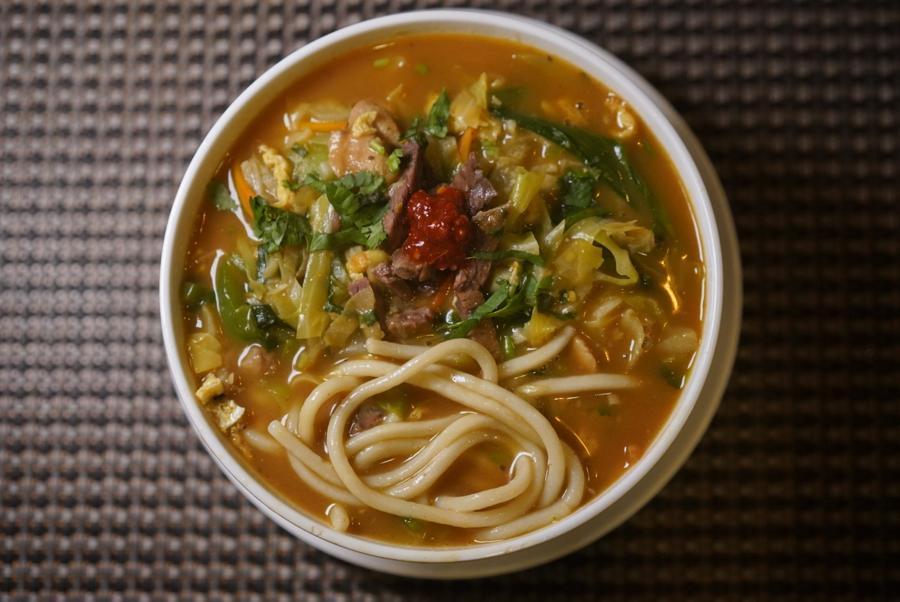
Simple yet hearty, the soup includes fresh noodles, flavorful broth (often spiced with ginger, garlic, turmeric), mixed vegetables, and optional meat (chicken or buffalo) or eggs, serving as a wholesome, satisfying dish found from roadside stalls to restaurants.
Where to get it: Little Tibet Restaurant
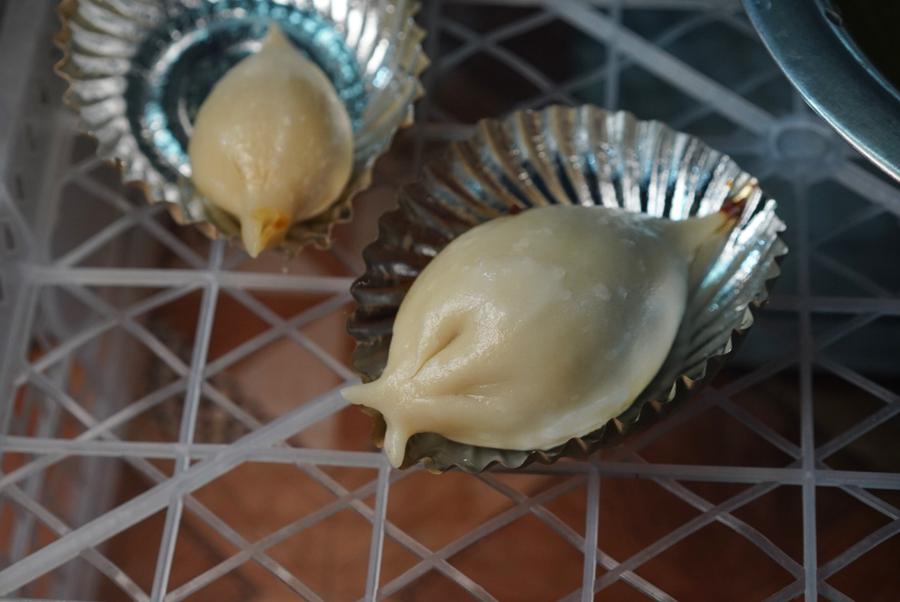
Yomari
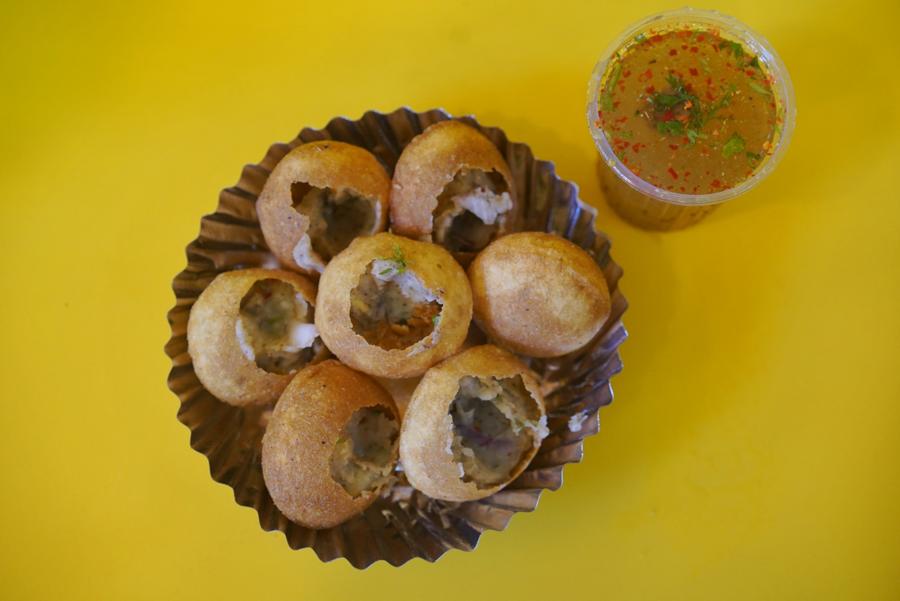
Indian Chaat (Pani Puri)
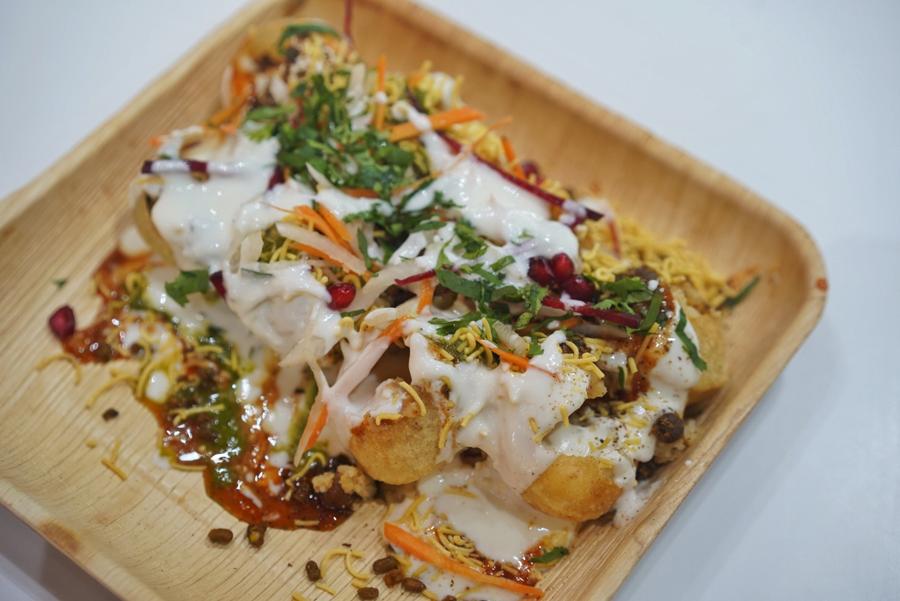
Indian Chaat (Dahi Puri from Tip Top Sweets)
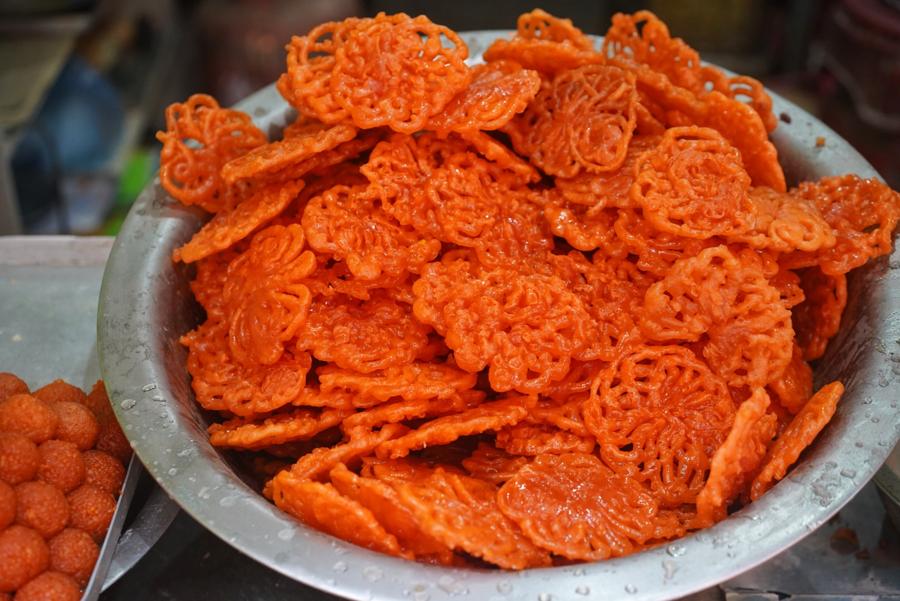
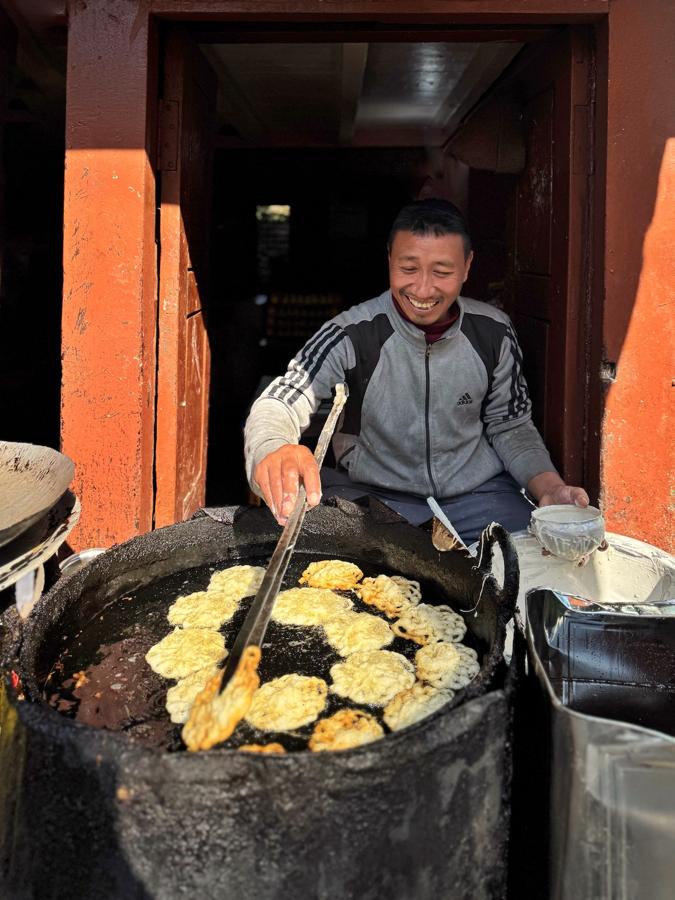
Indian Chaat (Jalebi)
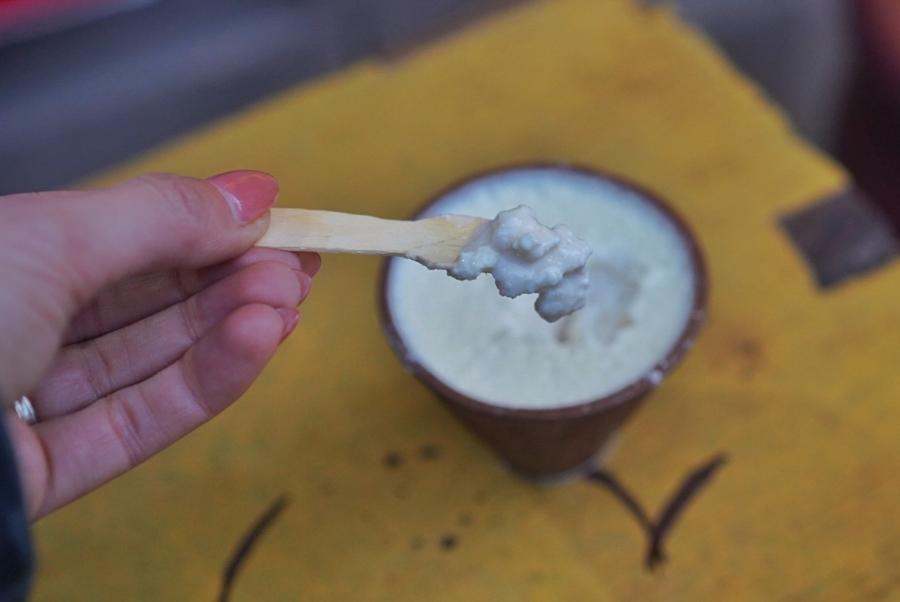
Juju Dhau
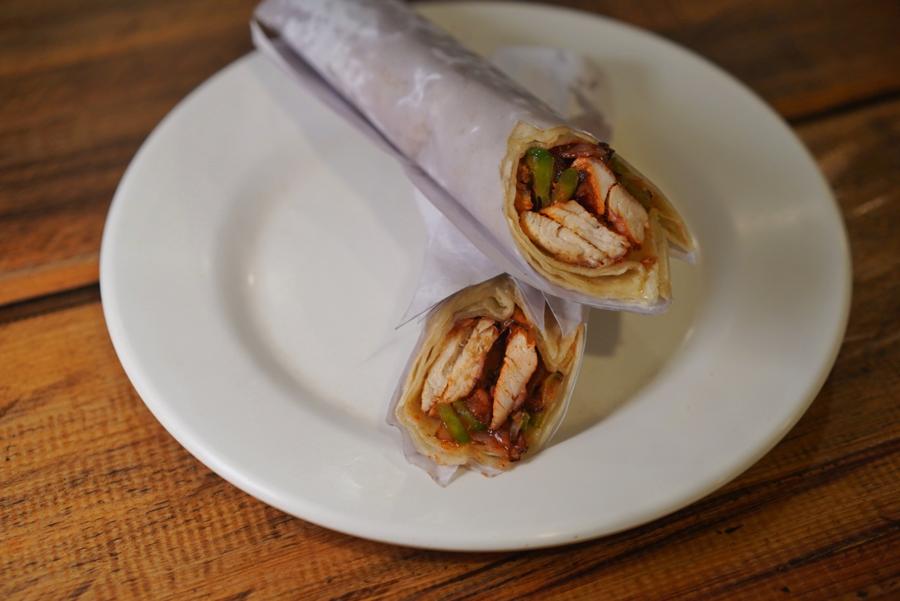
Kathi Roll
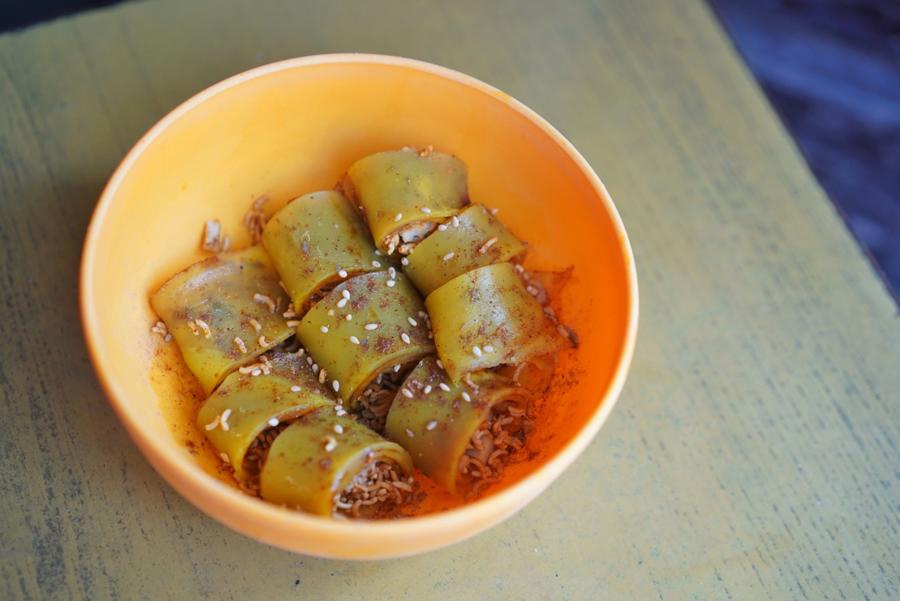
Laphing
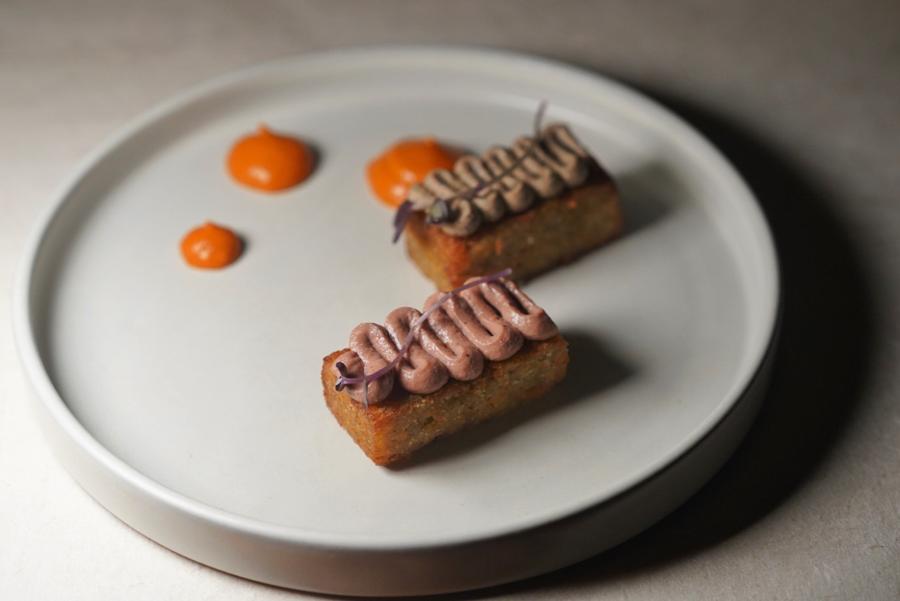
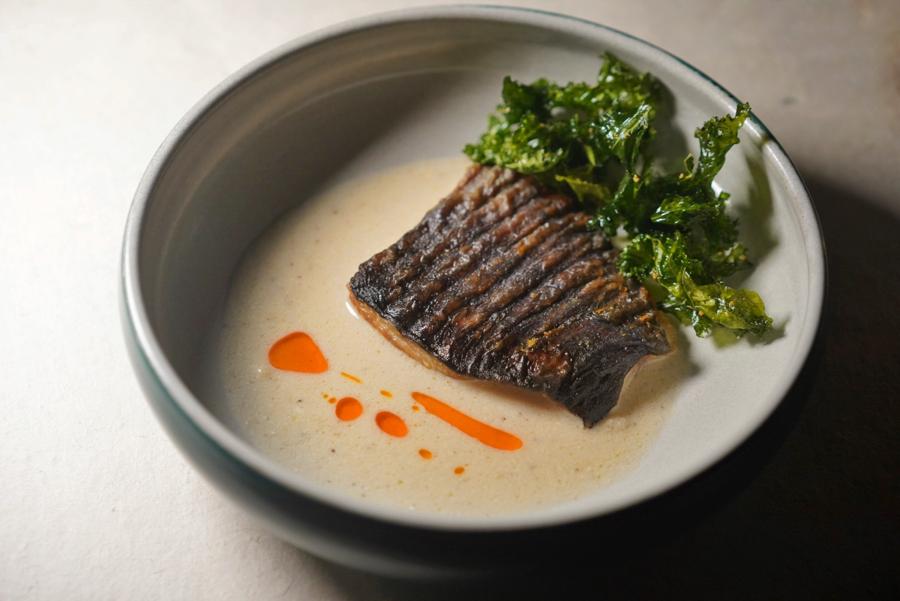
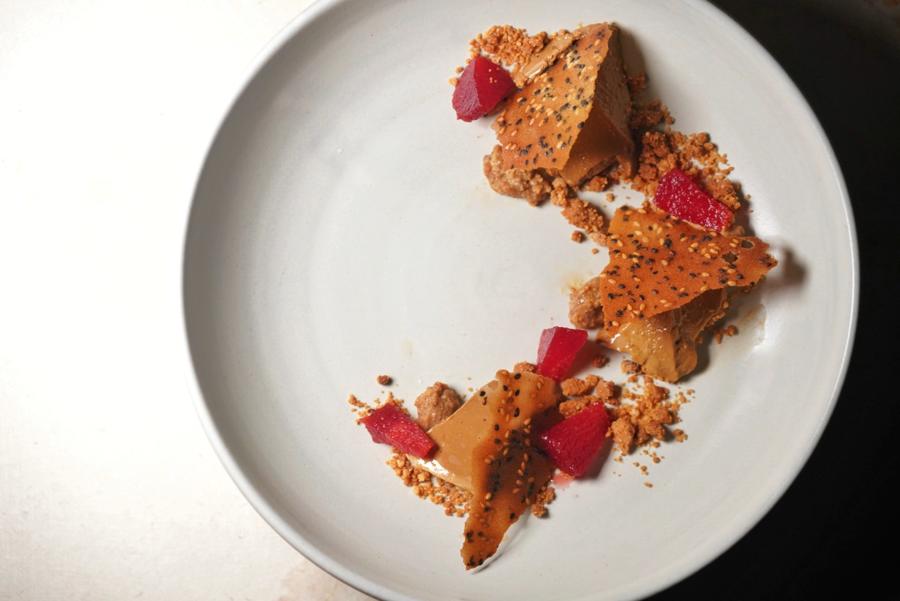
Nepal’s top-rated bar, Barc, has recently launched Barc+, the first ever modern Nepalese experiential dining destination. Barc+ is located in the back building behind the main bar’s rooftop patio. Here, diners can experience Nepalese flavors through a modern lens, with whimsical presentation. Think chaang (local rice beer) beuree blanc sauce with fried catfish, buffalo stew with local rice transformed into a risotto laced with scallion coriander chimichurri, and chaku (caramelized sugarcane juice) panna cotta with gundpak (Nepalese “fudge” made from thickened milk, jaggery, ghee, nuts, and spices).
Traditional Homes – Swotha is a charming boutique hotel down a peaceful lane in the center of historic Patan, converted from an old family residence. This beautifully restored 1940s Newari space is outfitted with intricate woodwork, clay, and brick, sitting at the intersection of historic architecture and modern comfort.
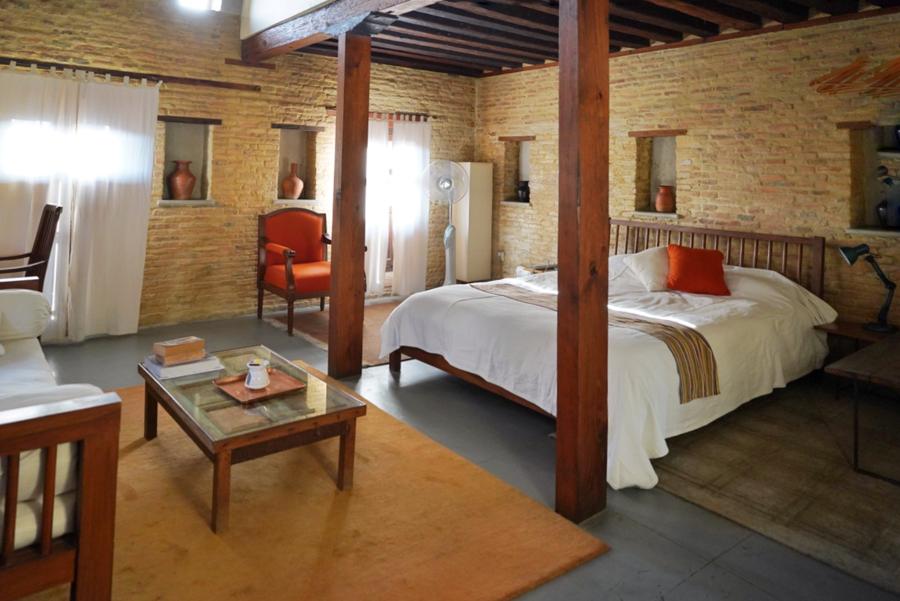
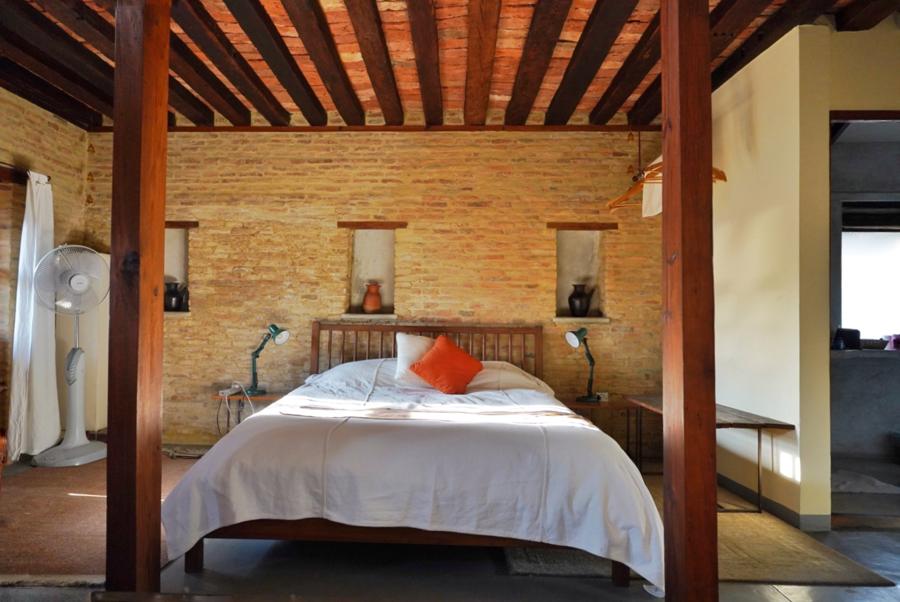
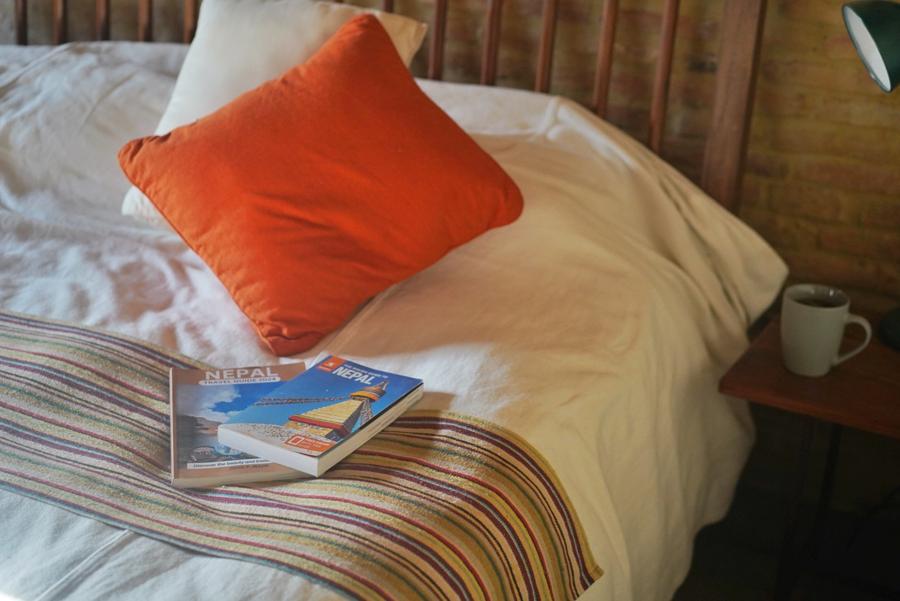
The hotel boasts intimate, cozy rooms with terraces, a restaurant (Cafe Swotha) serving organic Newari/continental breakfast, lunch, and dinner, a bar (Swotha) with contemporary takes on legacy spirits, rooftop views, and standout hospitality near Patan Durbar Square. Praised for its exceptional, friendly staff and welcoming atmosphere, Traditional Homes – Swotha creates a "home away from home" feel. A stay here is a cultural immersion experience, allowing guests to participate in a piece of Patan's history with all the conveniences of a high-end holiday.
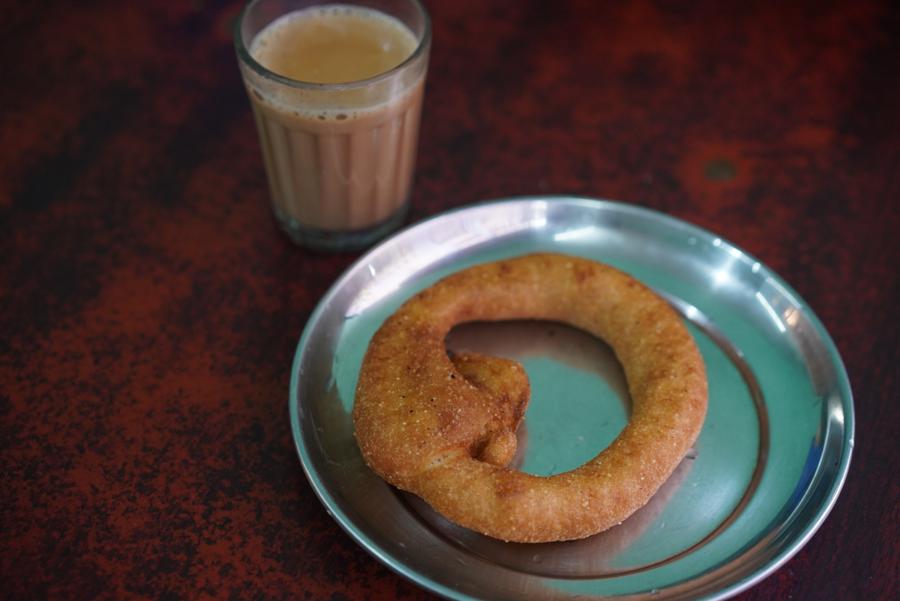
Chiya: Chiya is Nepal's beloved spiced milk tea. More than a drink, it's a cultural cornerstone symbolizing hospitality, community, and daily ritual, made by boiling strong black tea with milk, sugar, and fresh spices like ginger and cardamom. It's often lighter and less sweet than Indian masala chai, yet still served at street stalls or homes, accompanied by biscuits or snacks.
Coffee: Coffee embodies the heart of Nepali hospitality, providing comfort and connection, making it an integral part of the nation's social fabric and daily rhythm. Himalayan Java is Nepal's pioneering specialty coffee brand, started in Kathmandu in 1999, sometimes nicknamed the Nepali Starbucks. Focusing on promoting high-altitude Nepali Arabica beans, supporting local farmers, and building a national coffee culture, Himalayan Java is revered for its cozy cafés, and commitment to quality and sustainability.
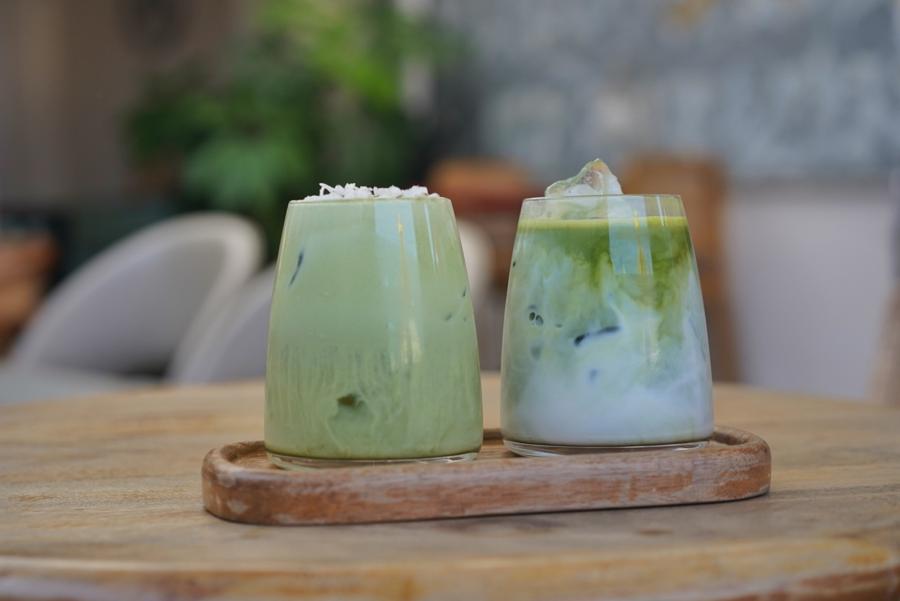
It’s also a great spot for tea and matcha beverages.
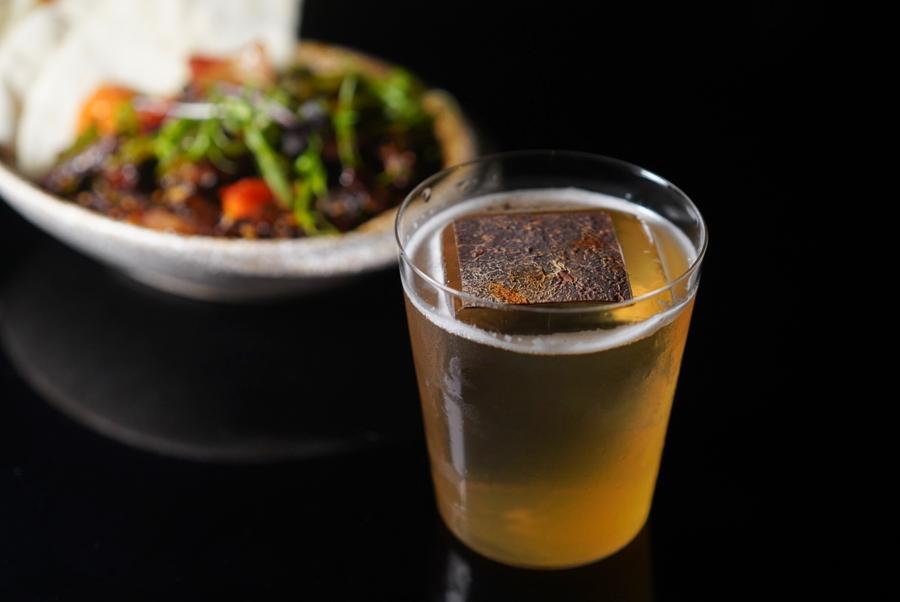
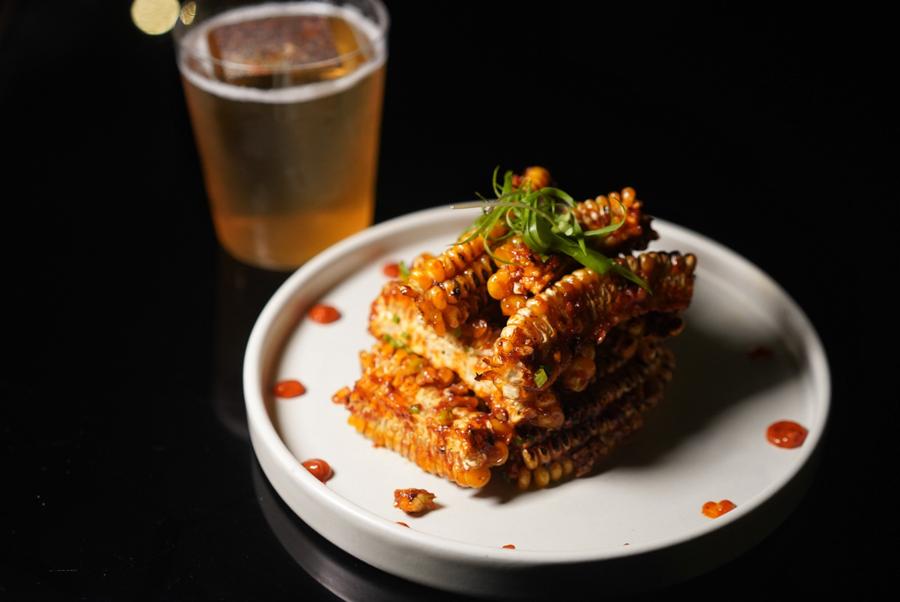
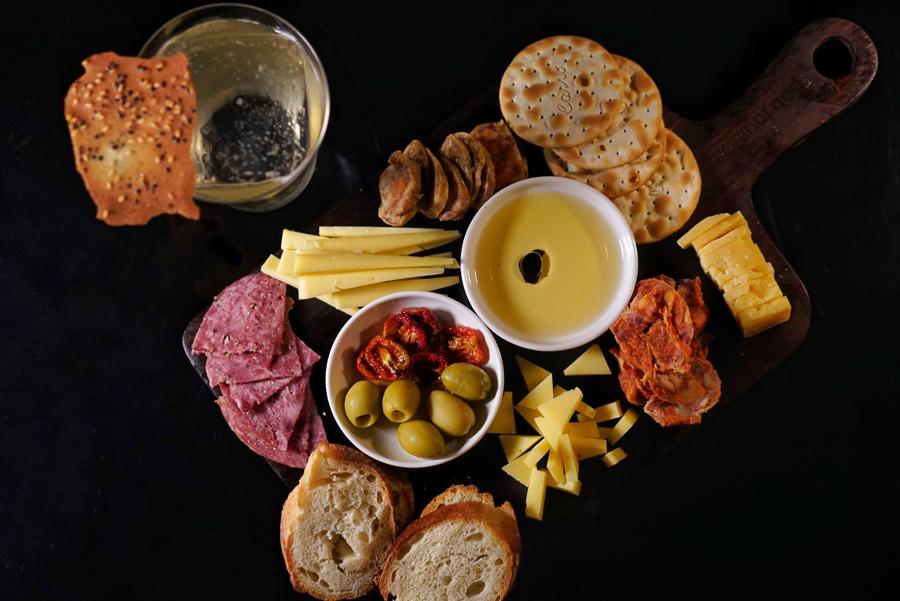
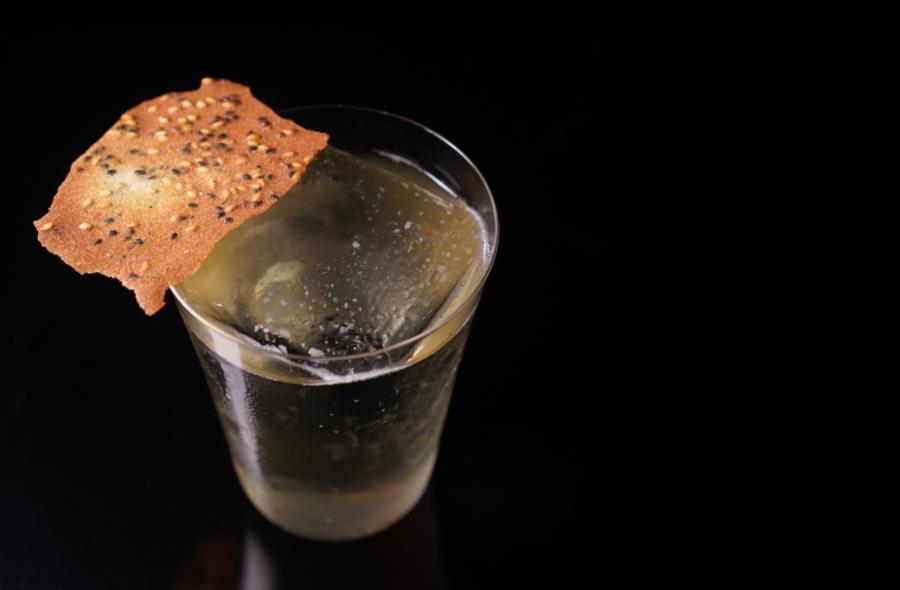
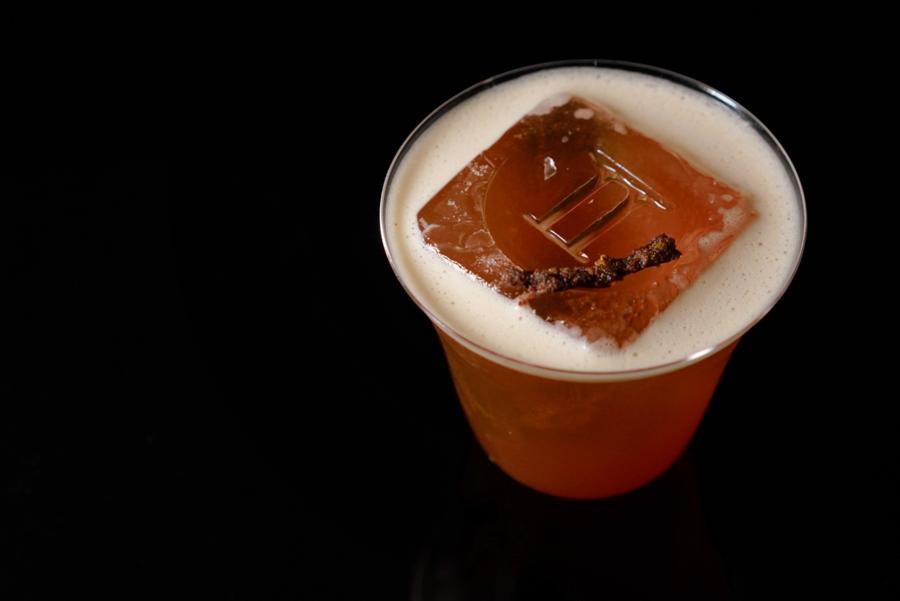
With a menu full of nods to nostalgic tastes of Nepalese childhood and other local ingredients – like lip-puckering hog plum (lapsi), tangy preserved sour fruits (khattu), and citrusy timur spice – the top-ranked bar in Nepal, Barc, is where first class is second nature.
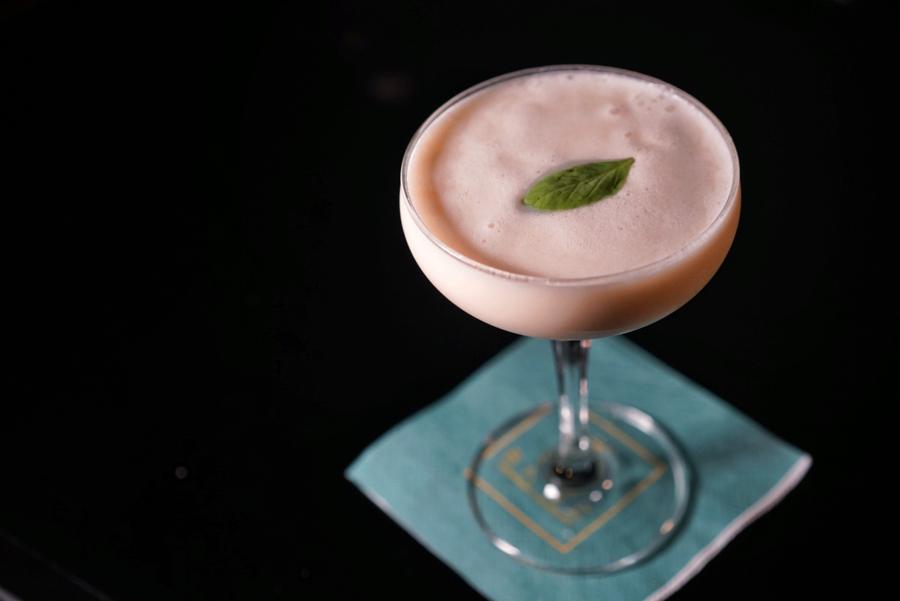
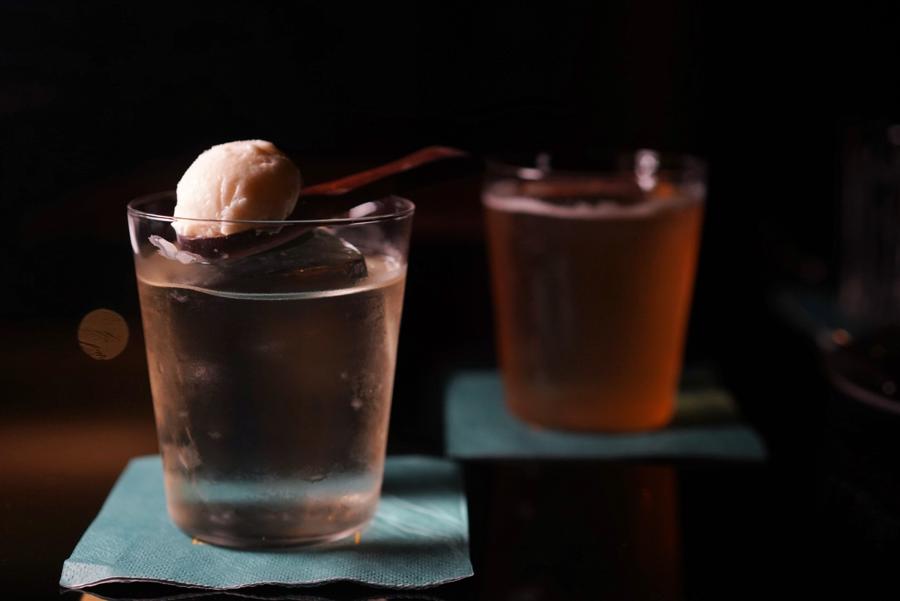
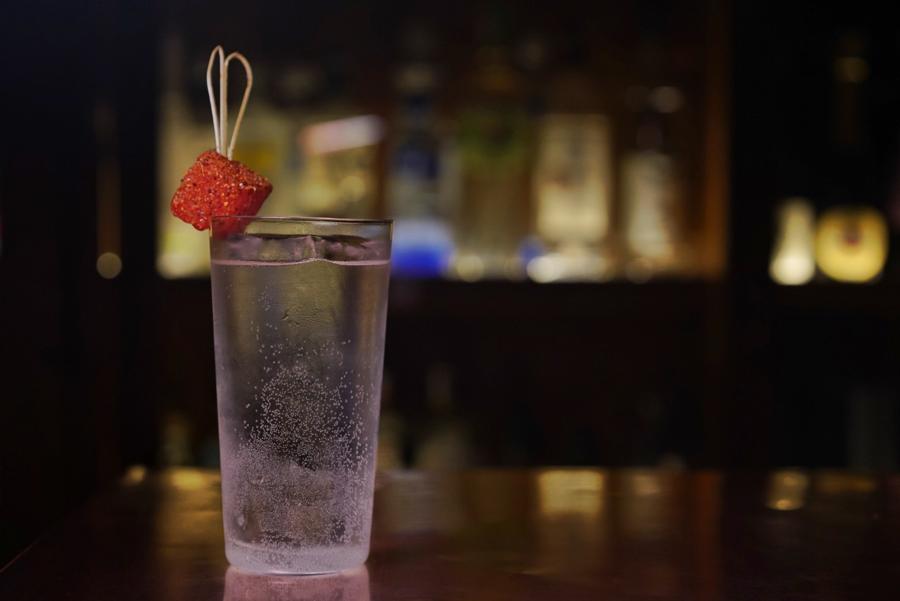
Barc also boasts a standout food menu of modern Nepali and pan-Asian bites, collaborations with local artisan brands, plus the newly launched Barc+, the first ever modern Nepalese experiential dining destination.
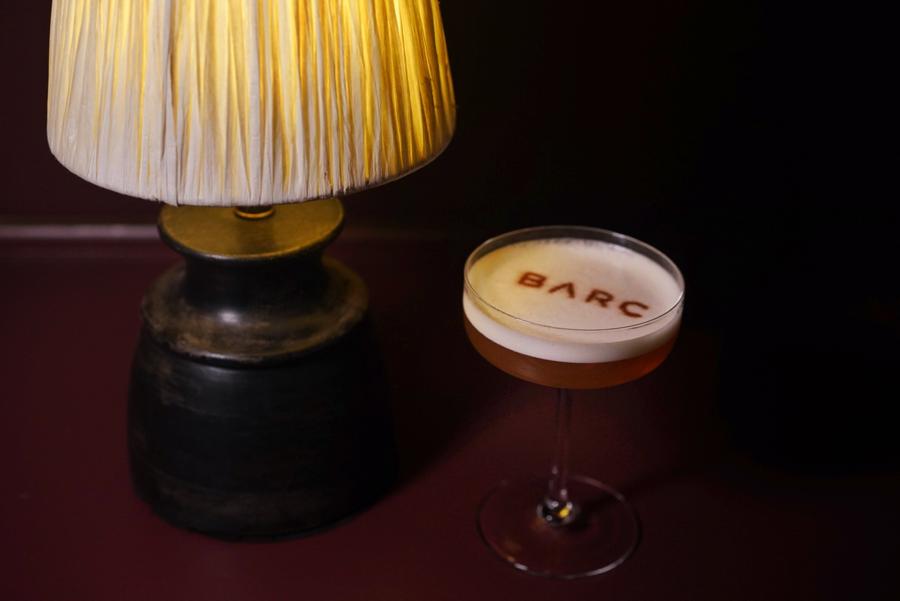
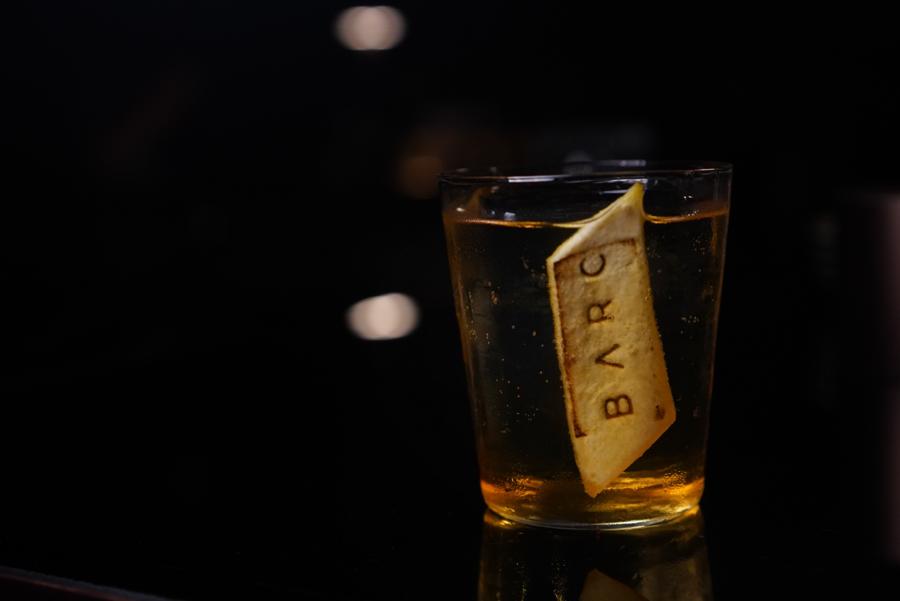
This speakeasy is celebrated for its elevated hospitality and elegant setting. Think forest greens, warm lighting, lo-fi beats, and an arched façade, tucked away on the seventh floor of an unassuming office building.
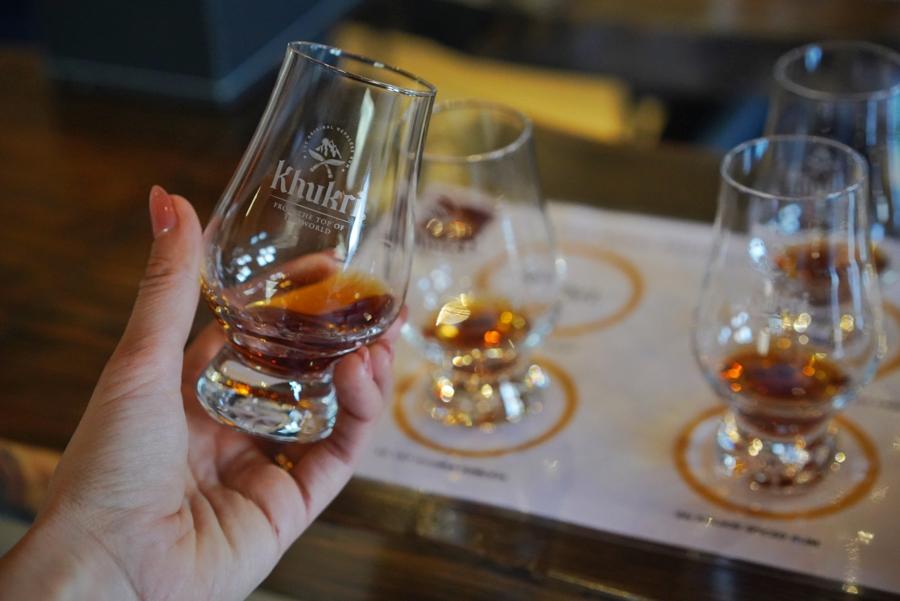
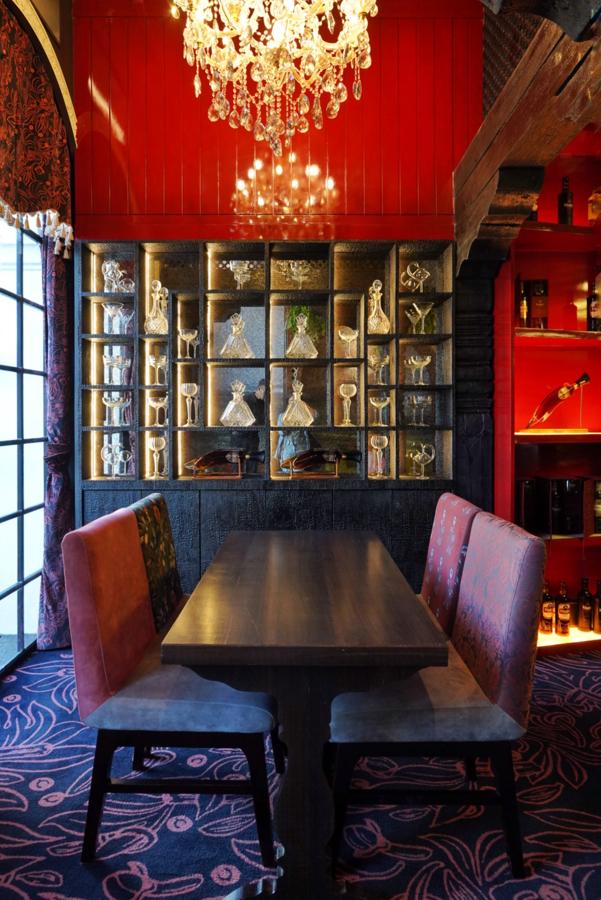
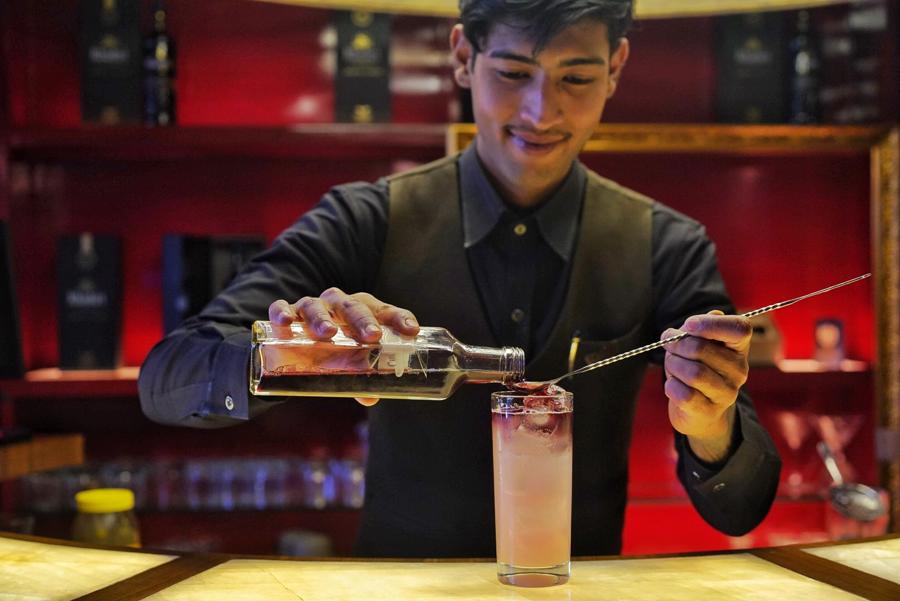
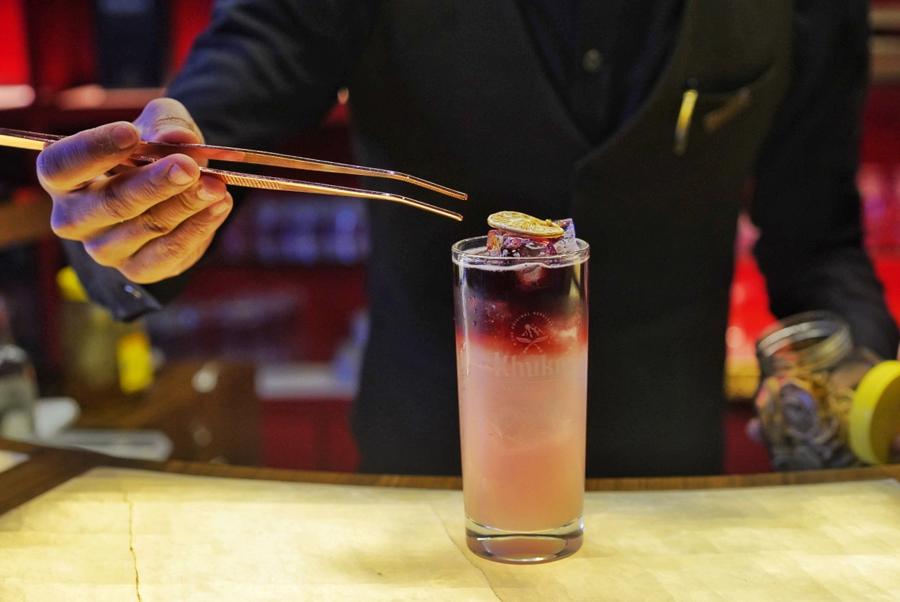
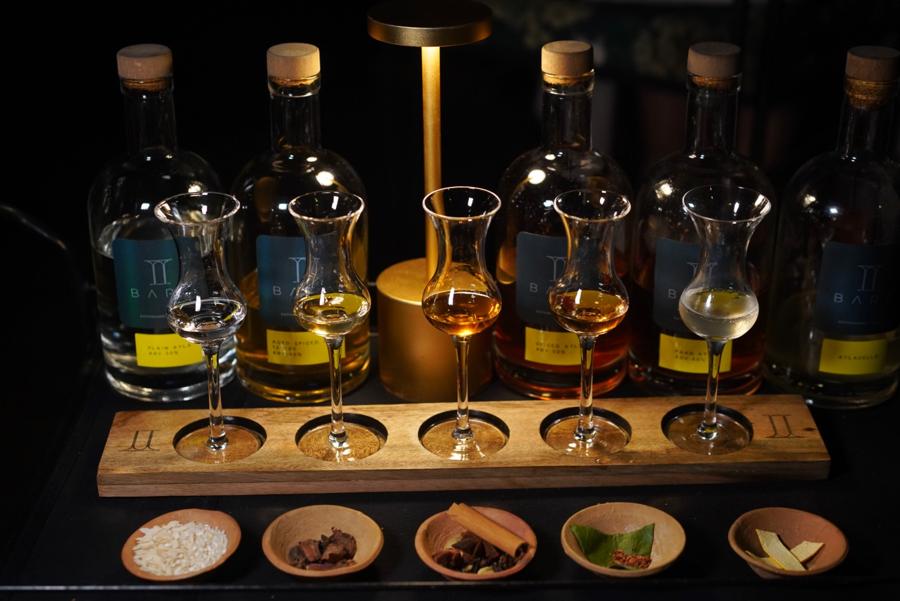
The iconic Khukri Rum brand, established in 1959 and named after the ancient weapon of Nepalese warriors, is the flagship product of Nepal Distilleries Ltd., the country's first distiller. Revered as Nepal’s national spirit brand, it holds a significant, even cult, status in the market and is a source of national pride.
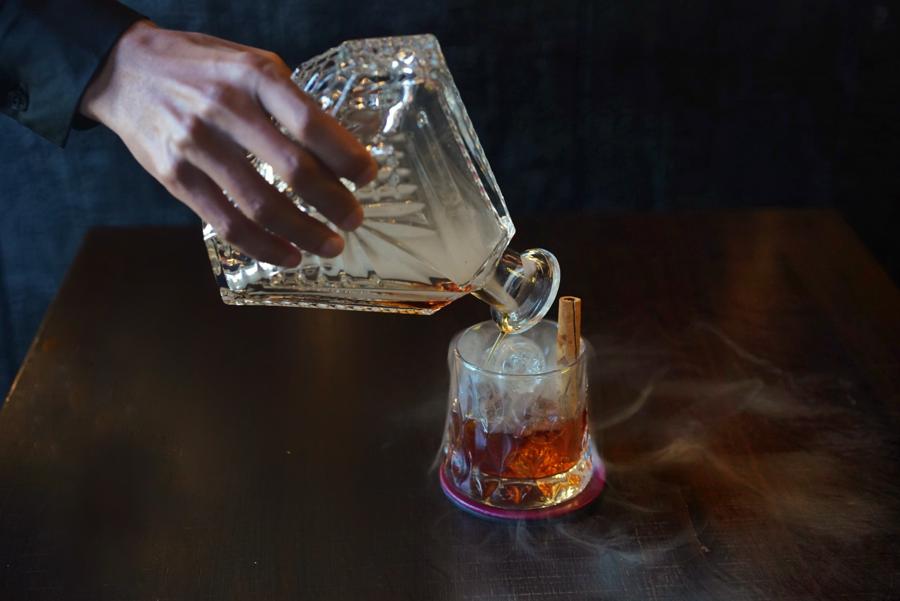
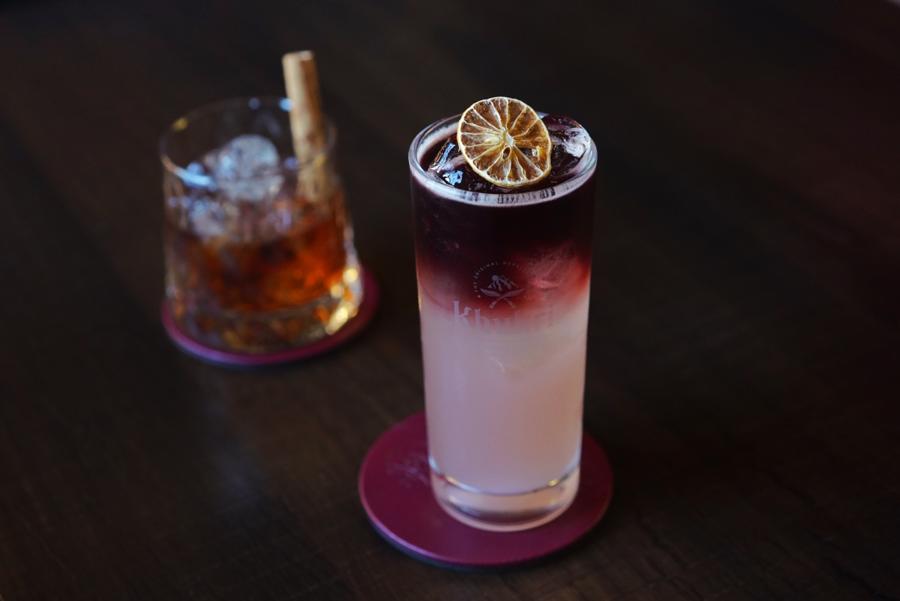
The brand continues to mature beyond neat pours of its five rum SKUs with the recently opened Khukri Rum Experience, an immersive tasting room with over 24 rum-based drams. The bar’s design reflects every step of the rum-making process (like an aged barrel lamp and tasting glass-shaped bar seating), ingredients (cardamom, cinnamon sticks, and anise patterned floors) and craftsmanship.
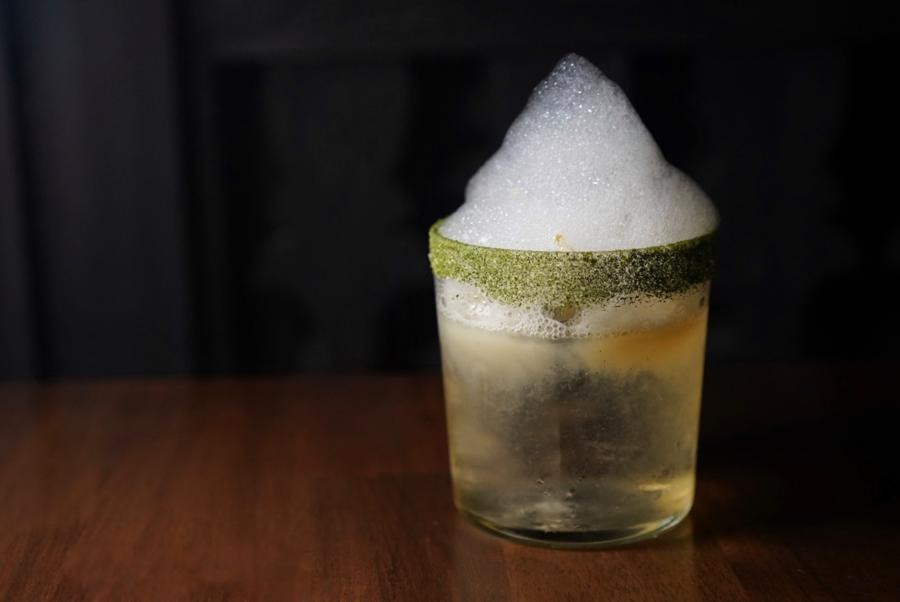
The Old House, by seasoned bar veterans Minakshi Singh and Yangdup Lama, is an homage to the old-world charm of Newari culture. Through architectural style and a heritage storytelling menu that weaves together the tales of Nepali history and geography, here, sacred meets social. Cocktails are crafted like stories that spotlight regional flavors and contemporary riffs on Nepalese plates like sekuwa (barbecue) and momo (dumplings).
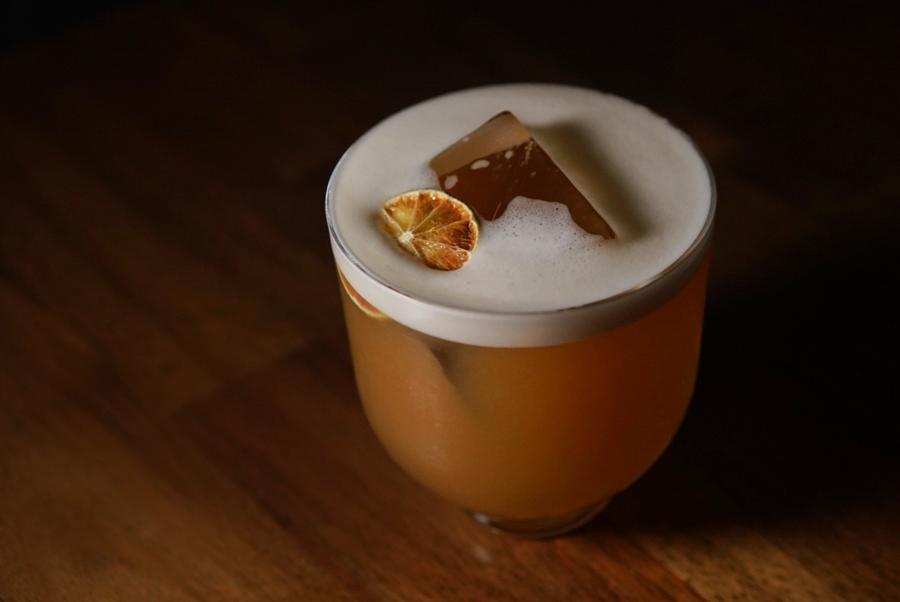
The menu incorporates favorites from the co-founders’ globally-acclaimed bars, like Sidecar (the first Indian bar to ever be recognized on the World’s 50 Best Bars list), Cocktails and Dreams, and The Brook, all to the backdrop of dark wood, handwoven tapestries, and Newari masks.
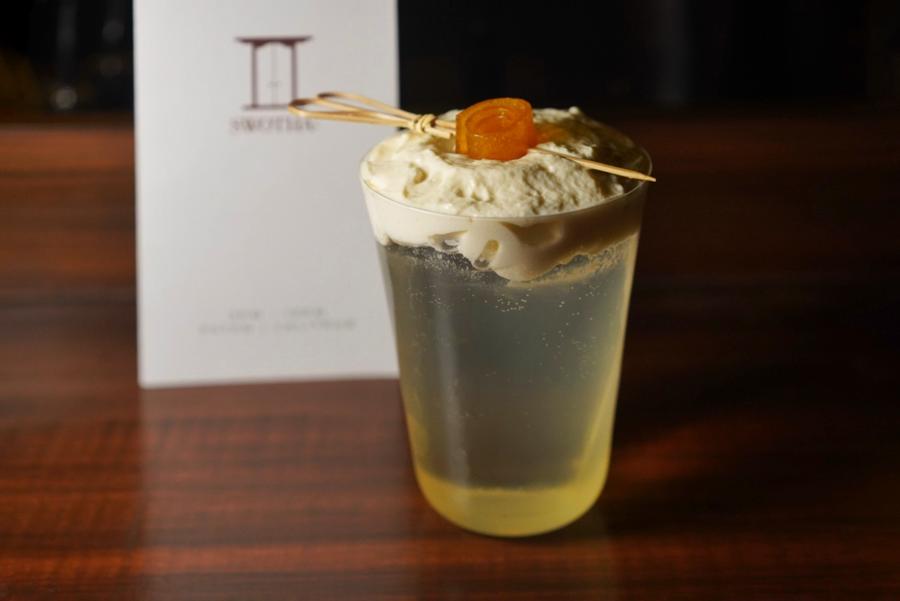
The newest bar to open, Swotha – backed by the same founders as Barc – shines light on the long-overlooked āyla, a Newari spirit that plays a significant role in Nepalese rituals and celebrations. With oral recipes passed down for generations, sharing āyla is a gesture of hospitality, served during feasts and religious gatherings.
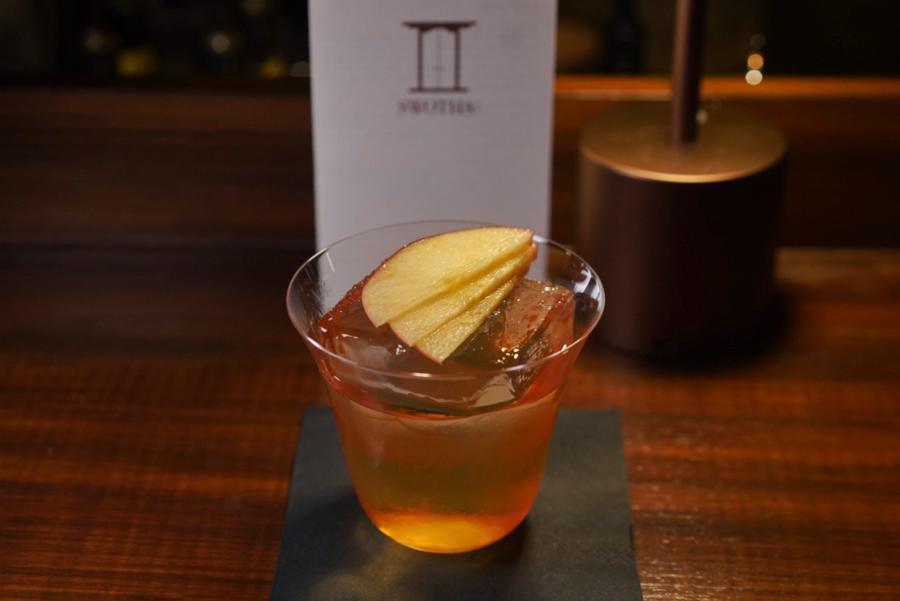
Not unlike sake in Japan or mezcal in Mexico, this 40-55% ABV liquor is finding its footing in Nepal’s current cocktail movement, through libations like the Bloody Āyla, a drink mirroring a beloved childhood snack made with fruit leather laced with a zippy, sour-sweet titaura spice.
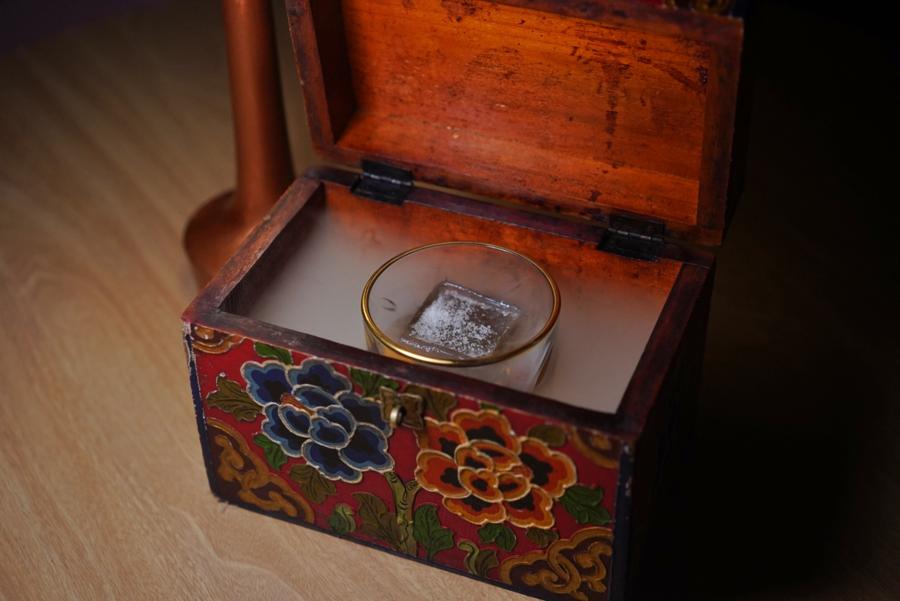
Pouring one out for the cocktail purists, Bitters & Co. sees an extensive roster of meticulously crafted classic cocktails and straightforward signatures. As Kathmandu's pioneering bar, Bitters & Co. brought international attention to the country in 2021, making complex tipples accessible to the Nepalese drinking masses.
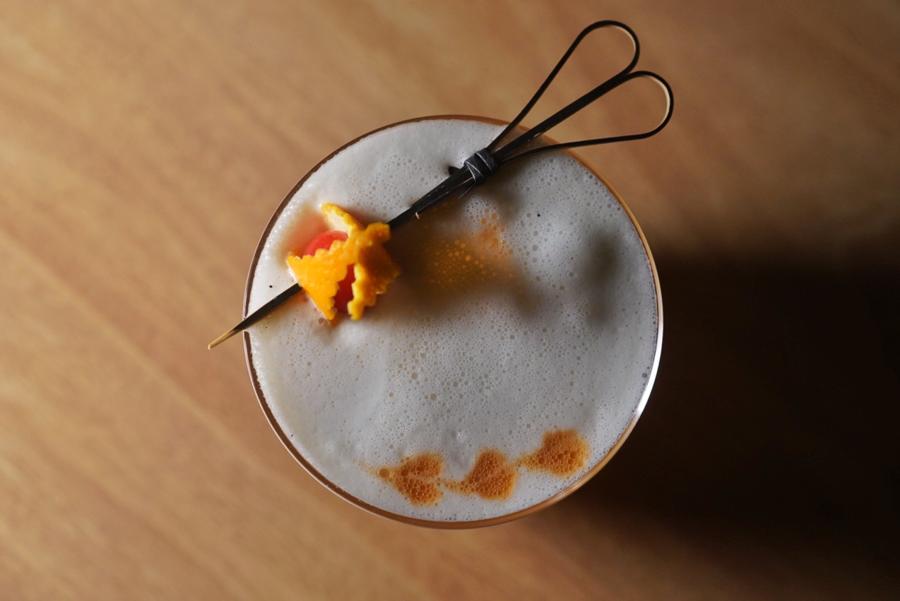
The legendary Old Fashioned arrives tableside in an ornately-decorated box, tendrils of smoke escaping to reveal the booze-forward bevvie below, while an everyday Amaretto Sour is elevated with lemon grown in nearby mountain villages.
Marked by its high ceilings, the focal point is a live tree growing out of the center of the bar, a natural aesthetic that creates a throughline with exposed brickwork and earth tone hues.
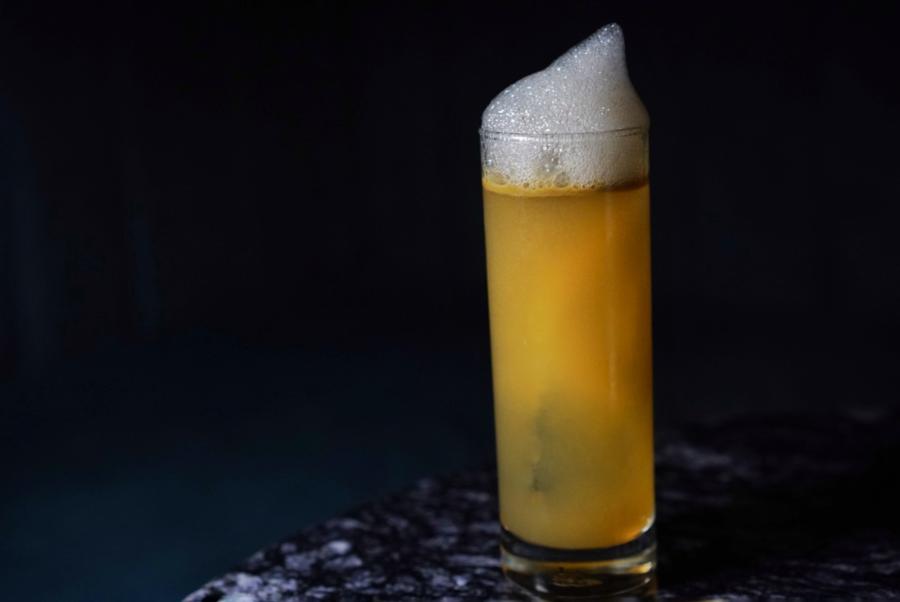
Surrounded by kitschy souvenir stalls and dingy dram dens, Blackbird opened in 2021 in Thamel, Kathmandu’s backpacker district that inspired Bangkok’s Khao San Road. At first glance, this dimly lit watering hole seems like another dive bar, but by the first sip, it’s clearly an exception to the neighborhood.
The menu is peppered with homemade syrups, made from local rhododendron – Nepal’s national flower – or Nepalese chai spice, and other in-house made bitters and tinctures. Each drink is named after the bird it best represents in color, look, or tune.
READ MORE: From Tradition to Trend: 6 Bars Putting Nepal on the Mixology Map
For getting from China to Kathmandu, China Southern flies through Guangzhou and China Eastern flies through Kunming daily. Prices range from RMB2,100-4,200 roundtrip, depending on the season.
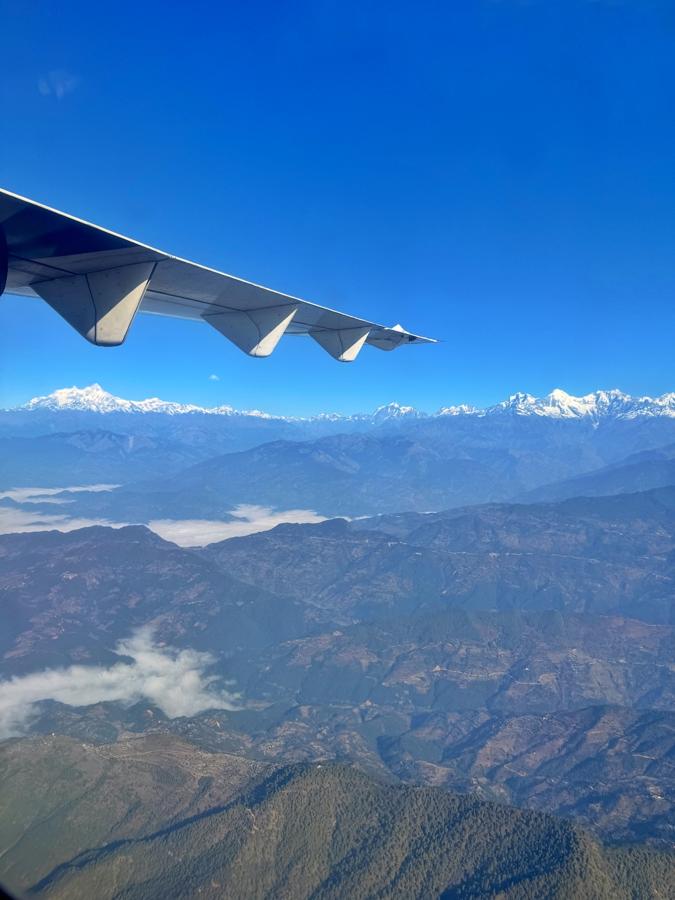
The Tribhuvan International Airport (TIA) is centrally located on the east side of the city so getting from the airport to downtown can take anywhere from 15-45 minutes, depending on time of day and traffic. An airport taxi to Thamel neighborhood costs between NPR500-800 (RMB25-40). Local ride-hailing apps, like InDrive and Pathao, are a convenient way to get around the city, with both motorbike and car options.
Visa is available on arrival for all countries for $30USD allowing visitors to stay for 30 days. All SAARC countries and China can enter visa free. To speed up the process at the airport, visitors can fill in the pre-arrival card at https://nepaliport.immigration.gov.np/. Make sure to print out a copy of the filled in card as well as a copy of your passport for immigration purposes.
SIM and eSIM cards are widely available, and can be purchased both at the airport (at a slight markup) or at convenient stores around town. The two main cell phone carriers are NCell and Nepal Telecom, both working well throughout the city. A SIM card with 30GB for 28 days costs roughly NPR800-900 at the airport.
English is commonly spoken by most in the city, making it easy to communicate and get around.

My name is Sophie Steiner, and welcome to my food-focused travel blog. This is a place to discover where and what to eat, drink, and do in Shanghai, Asia, and beyond. As an American based in Shanghai since 2015 as a food, beverage, travel, and lifestyle writer, I bring you the latest news on all things food and travel.
Your email address will not be published.
Be the first to comment!

Sign up for tips on the latest Shanghai openings, and other food, beverage, and travel content
© 2026 Sophie Steiner
Privacy Policy