8 of Hoi An's Wildest Coffee Beverages
From conventional to creative blends
February 18, 2026
Updated February 19, 2026
Nestled on Vietnam's central coast, Hoi An has a long-standing history as a bustling trading port, influenced by Chinese, Japanese, and French cultures. The result is a one-of-a-kind fusion of architectural styles, cultural and decorative elements like vibrant lanterns abound, and a food scene that is nothing short of spectacular.
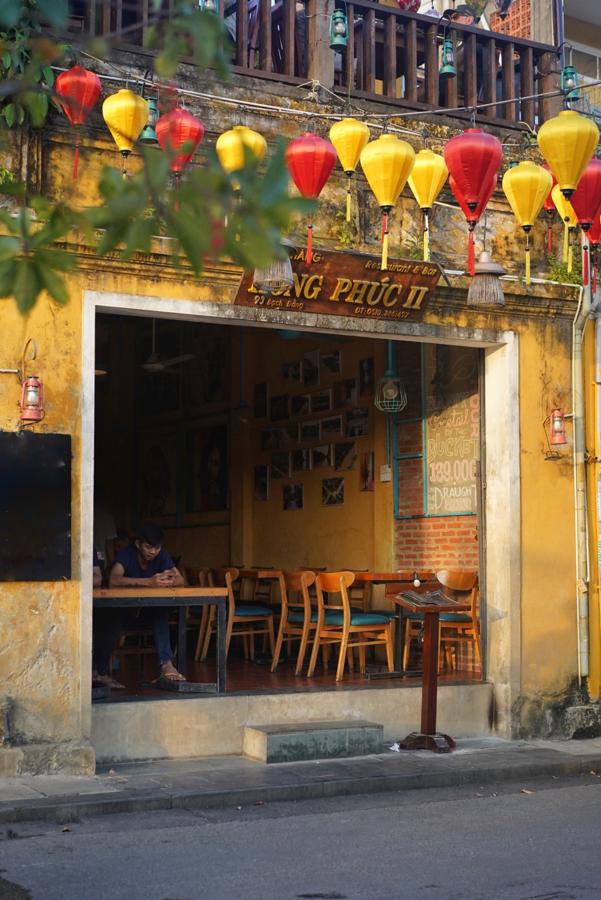
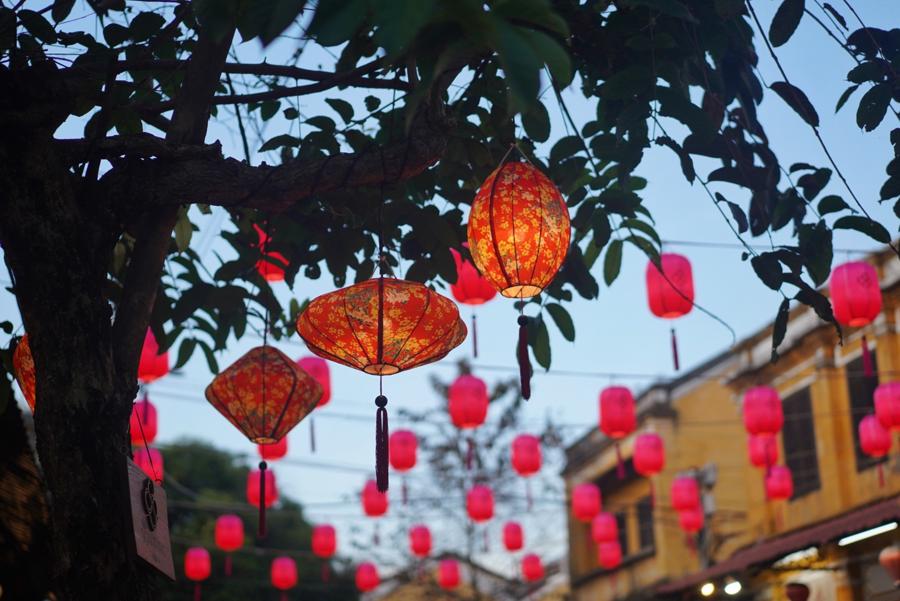
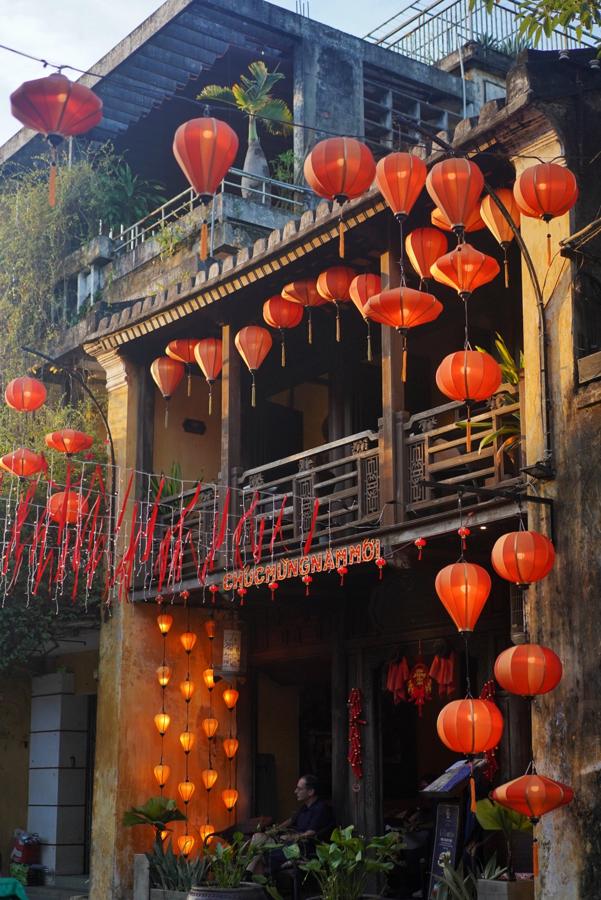
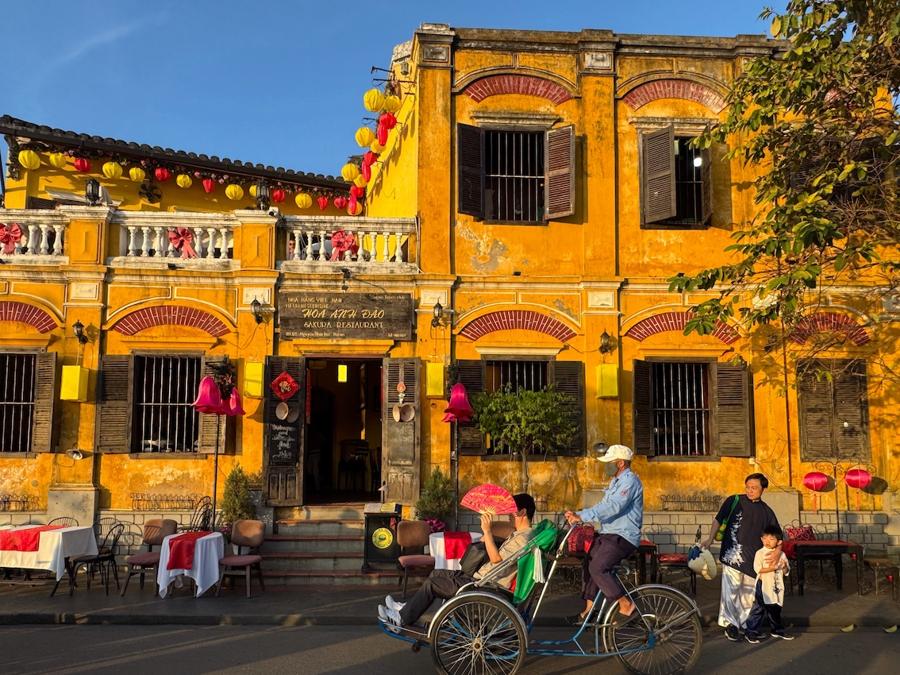
Hoi An sits along the Thu Bon River in central Vietnam, about 45 minutes south of Da Nang. From the 15th to 19th centuries, it was one of Southeast Asia’s most important international trading ports, welcoming Japanese, Chinese, Dutch, and French merchants. That layered history still defines the city today: wooden shophouses with moss-covered roofs, Chinese assembly halls, a Japanese bridge, and mustard-yellow French facades all coexist within a compact, walkable Old Town.
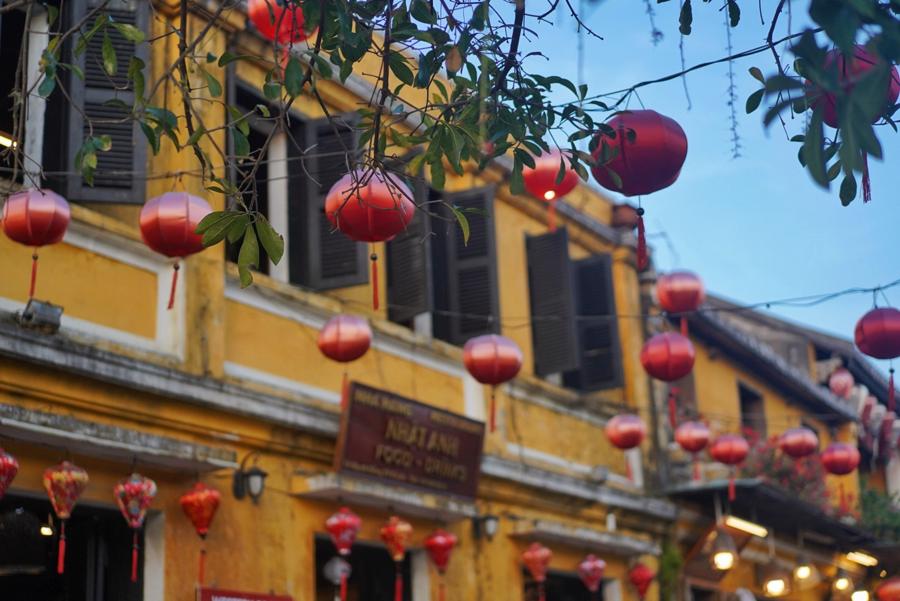
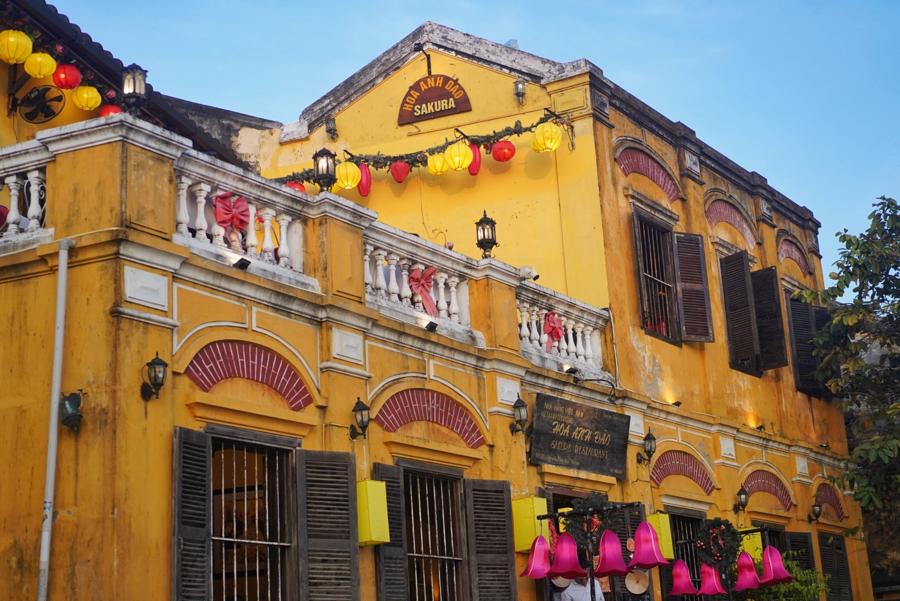
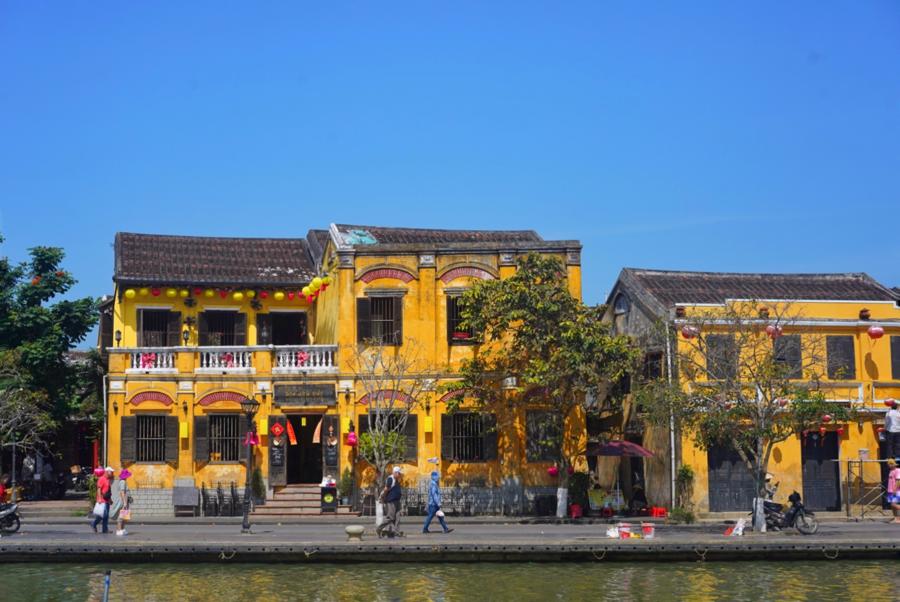
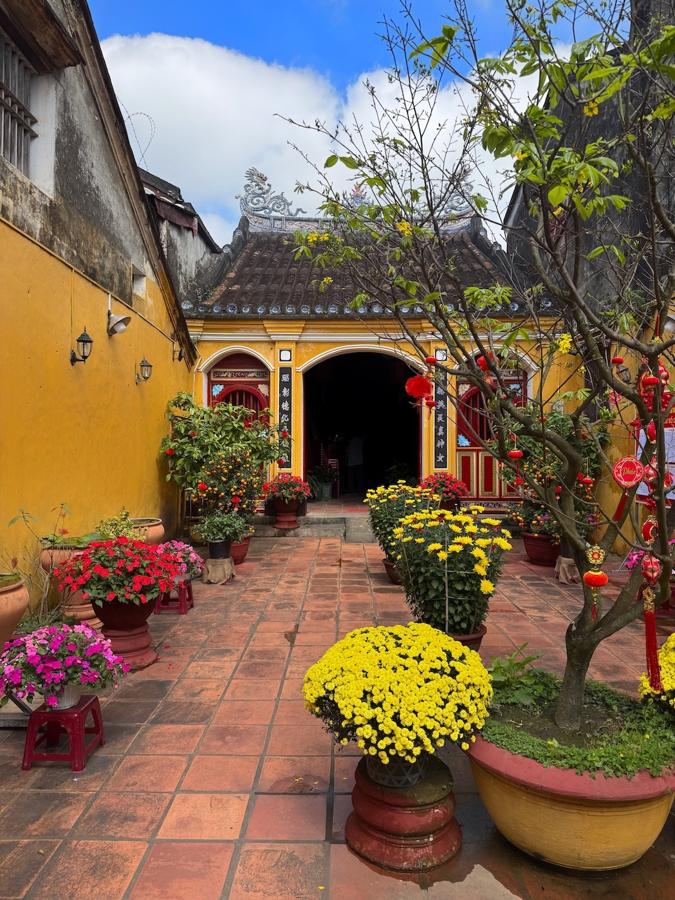
Hoi An is renowned for said well-preserved Ancient Town, a UNESCO World Heritage Site that blends history, culture, and culinary specialties. Here, heritage houses, historic temples, and buzzing markets create a distinctly Vietnamese picturesque landscape.
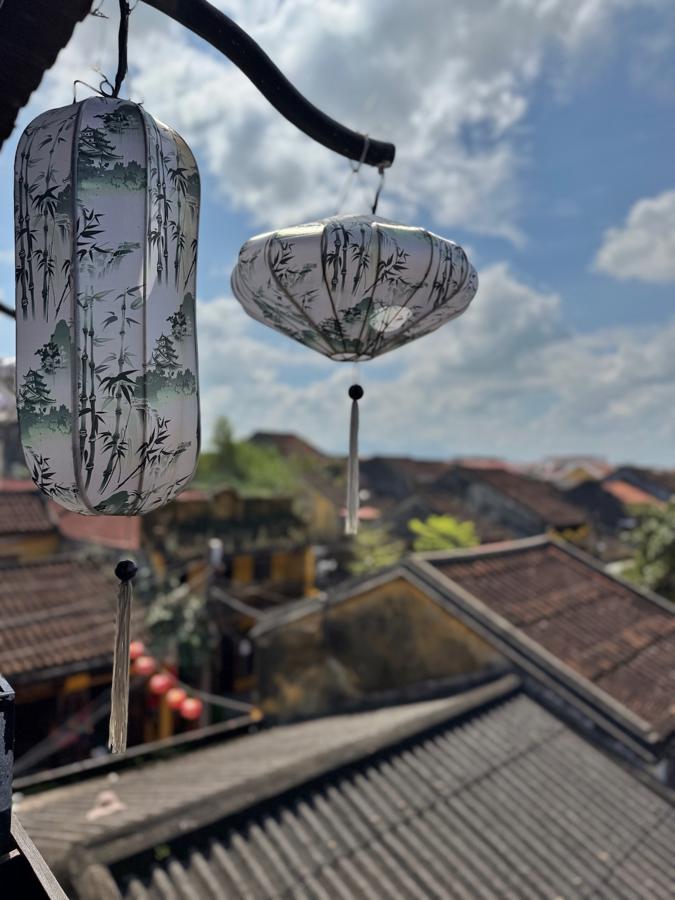
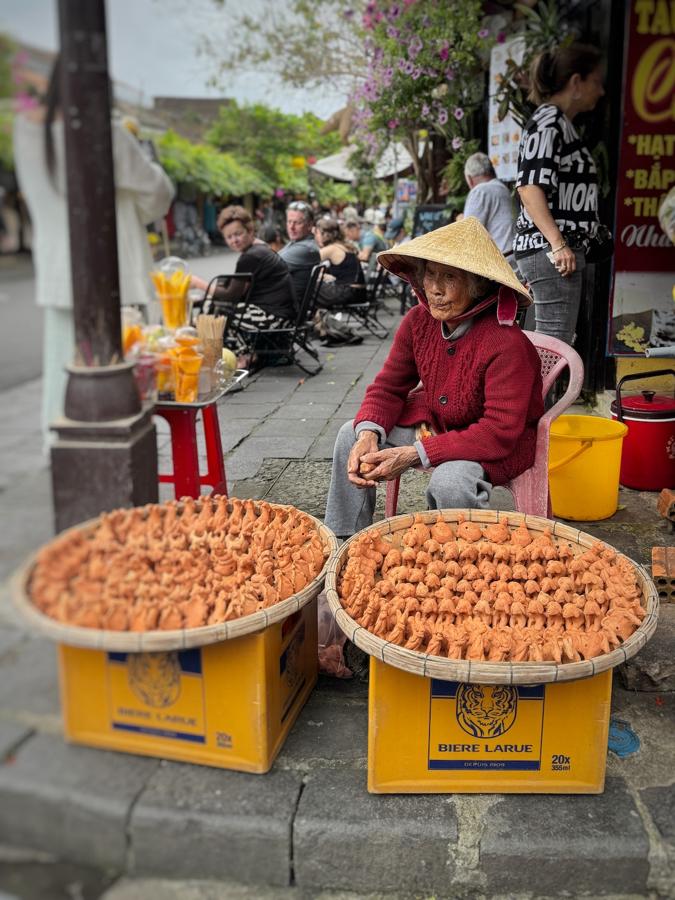
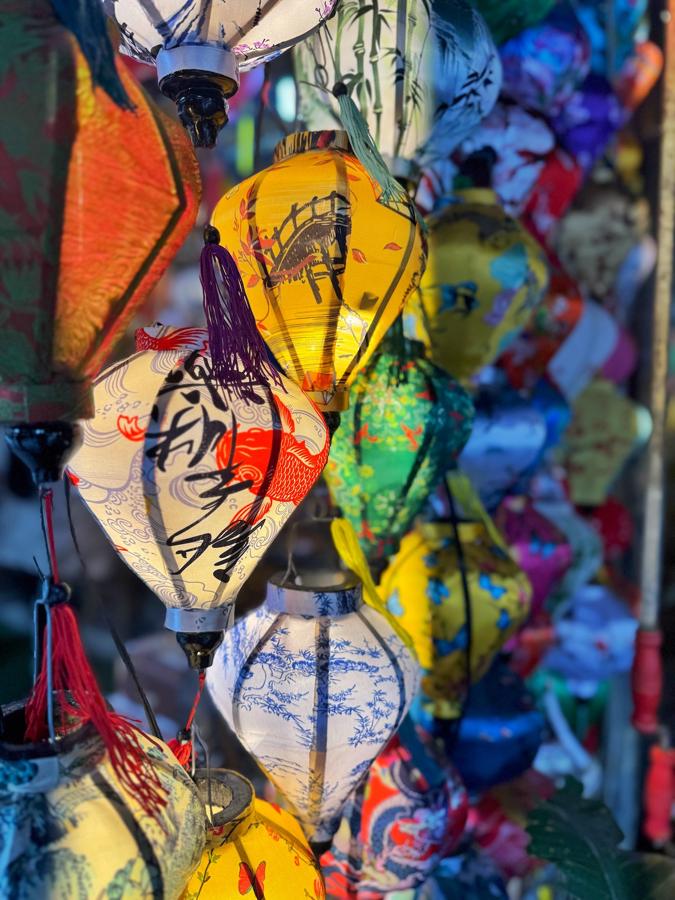
Hoi An is known for three things above all: its lantern-lit streets at night, its custom tailoring scene, and its hyper-local dishes like cao lầu and white rose dumplings. Visitors can expect a slower pace than Hanoi or Ho Chi Minh City. Days revolve around coffee, market browsing, river walks, and beach breaks. Evenings glow with silk lanterns reflecting off the water.
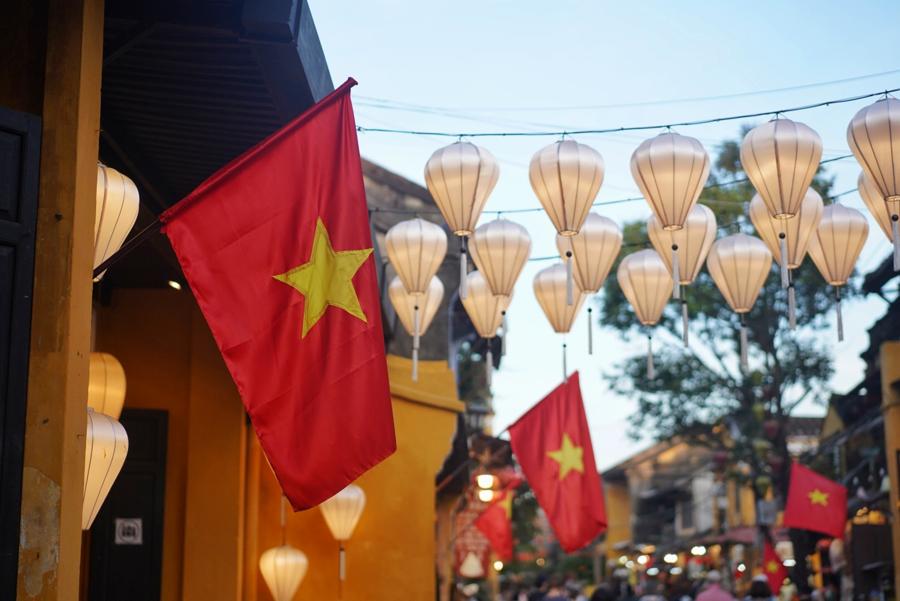
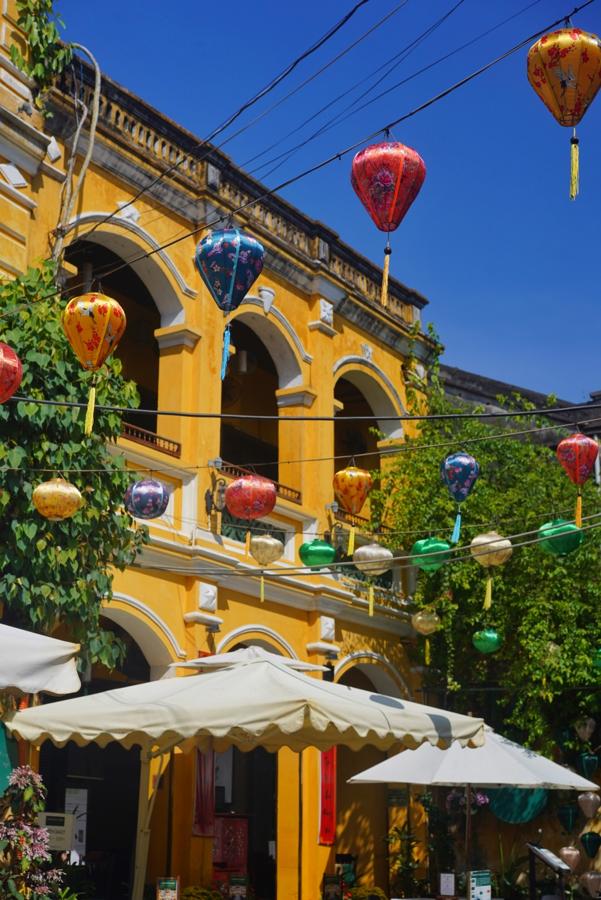
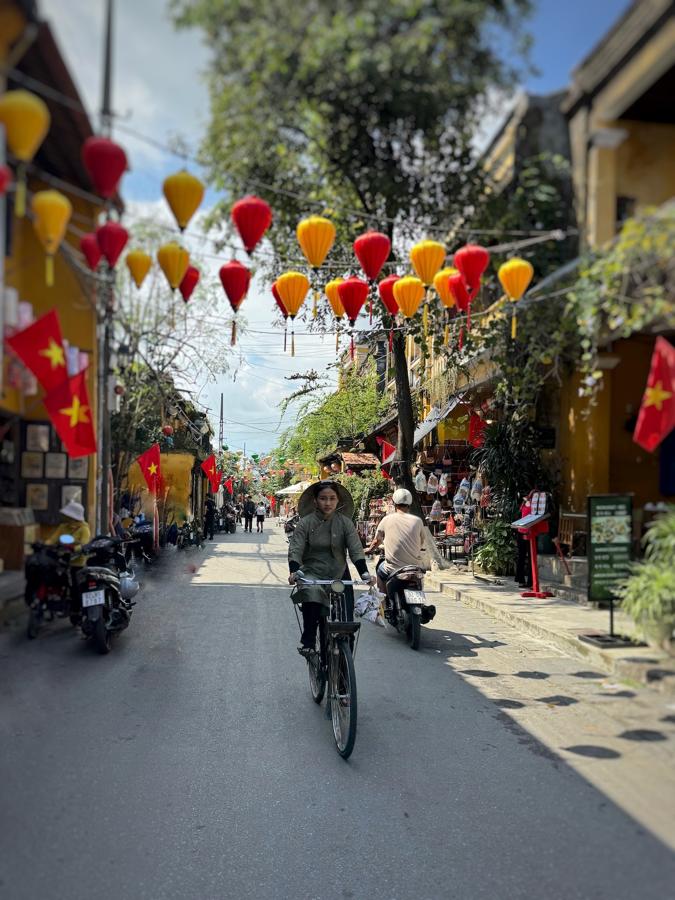
The best time to visit is from February to April when the weather is pleasant, and the lantern festival adds a dreamlike ambiance to the evenings.May through August is hot but beach-friendly, while October and November can bring flooding. December and January are noticeably chilly, rounding out the rainy season.
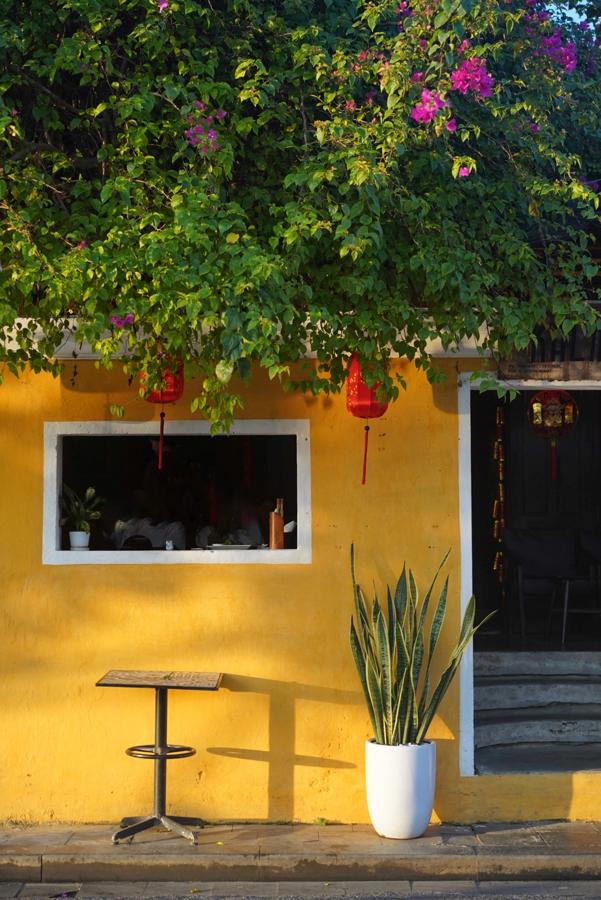
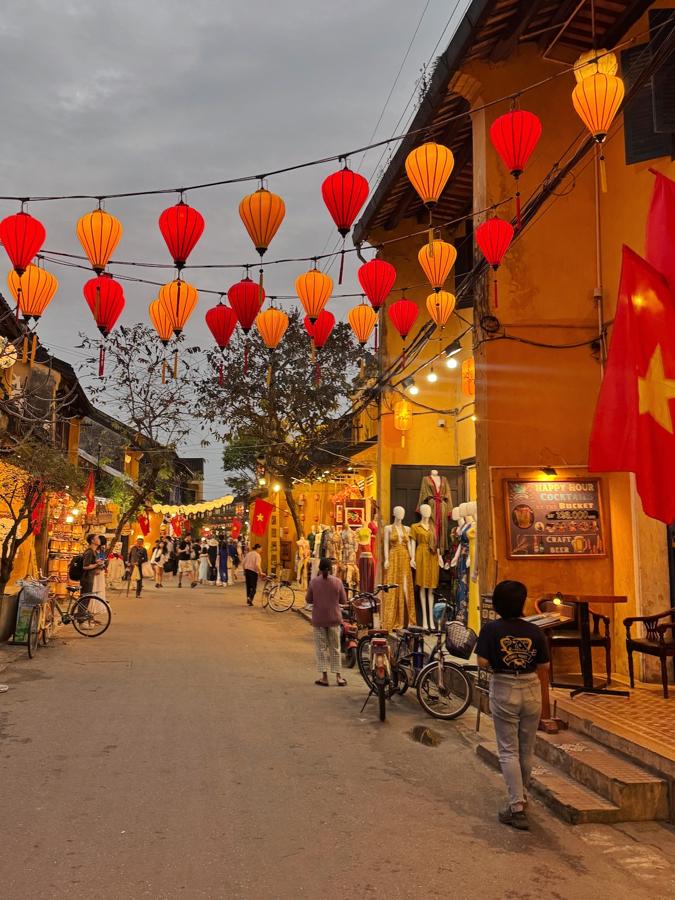
In short, Hoi An rewards slow exploration: walk without a plan, eat regionally specific dishes, book tailoring early in your stay, and save sunset for the river.
Here is a guide to visiting Hoi An that will help you find the best places to eat, wander, shop, and sip your way through Central Vietnam’s most charming trading port.
READ MORE: The Ultimate Hanoi Food & Drink Guide
READ MORE: How to Eat Your Way Through Ho Chi Minh (Saigon) Like a Local
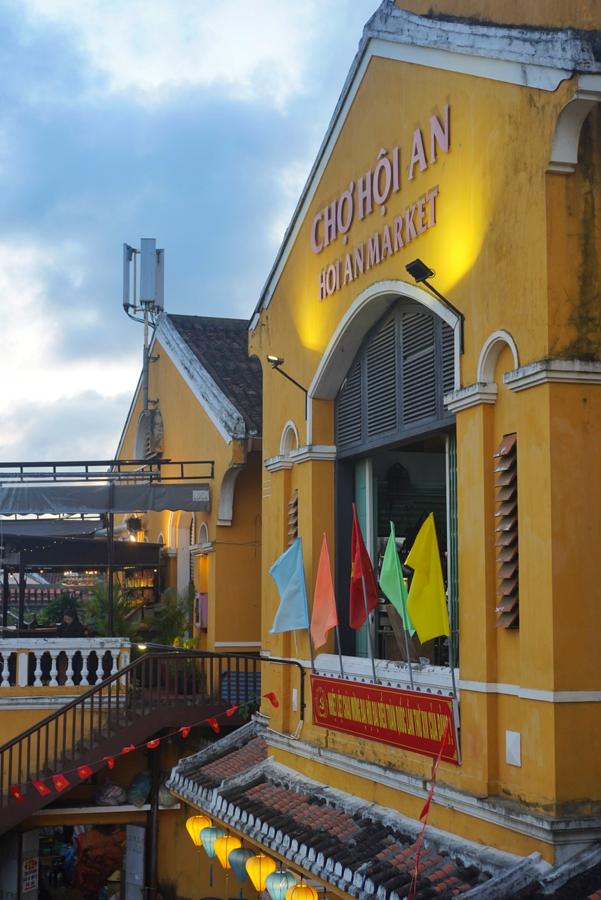
Hoi An’s Central Market is where daily life plays out. The air is filled with the tantalizing aromas of fresh produce and traditional street food. Vendors sell herbs, fresh turmeric, fish sauce, dried shrimp, and live seafood hauled in from Cua Dai. The food court is packed with local stalls serving cao lầu and bánh xèo starting from the wee hours of the morning. Here, you can explore a myriad of stalls offering everything from fruits and vegetables to handmade crafts, jewelry, textiles, and clothes. Arriving early in the morning is ideal for experiencing the market at its most lively, as vendors set up their colorful displays and locals gather to shop for the day.
19 Tran Phu Street, Hoi An
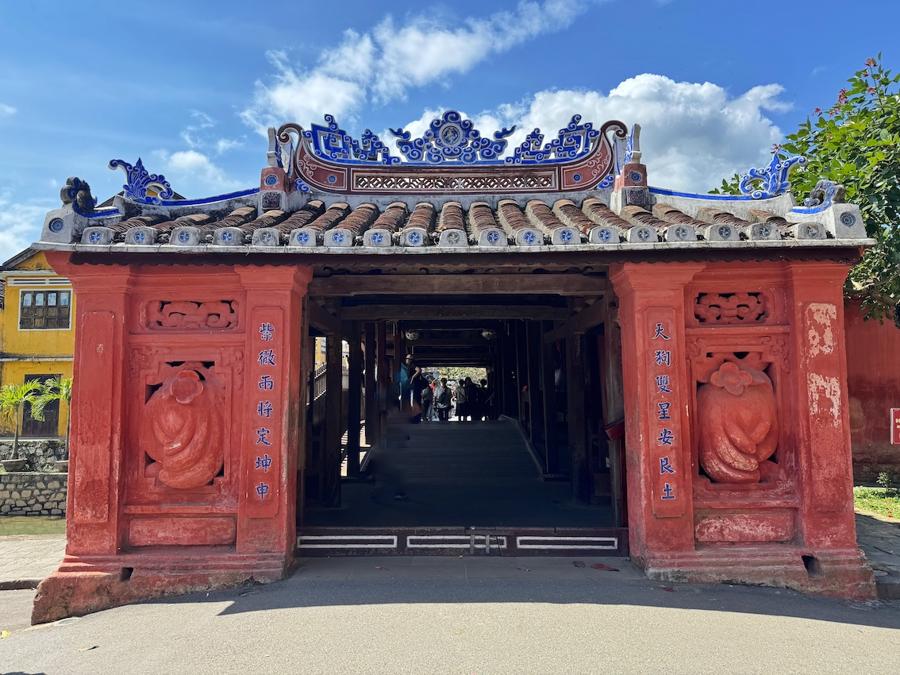
The iconic Chùa Cầu, or Japanese Bridge, is a must-visit landmark that embodies the cultural harmony of Hoi An. Constructed in the late 1500s, this wooden bridge features intricate carvings and offers a picturesque view of the surrounding area. It serves as a vital connection between the Old Town and An Hoi Island, making it a popular photo spot for both tourists and locals alike. The bridge is particularly breathtaking during sunrise and sunset, when the soft light casts a warm glow on its wooden beams, creating a perfect backdrop for photographs. The bridge also houses a small shrine dedicated to the weather deity Tran Vo Bac De, spotlighting the town's spiritual heritage. Entrance to the bridge is free.
Nguyen Thi Minh Khai Street, Hoi An
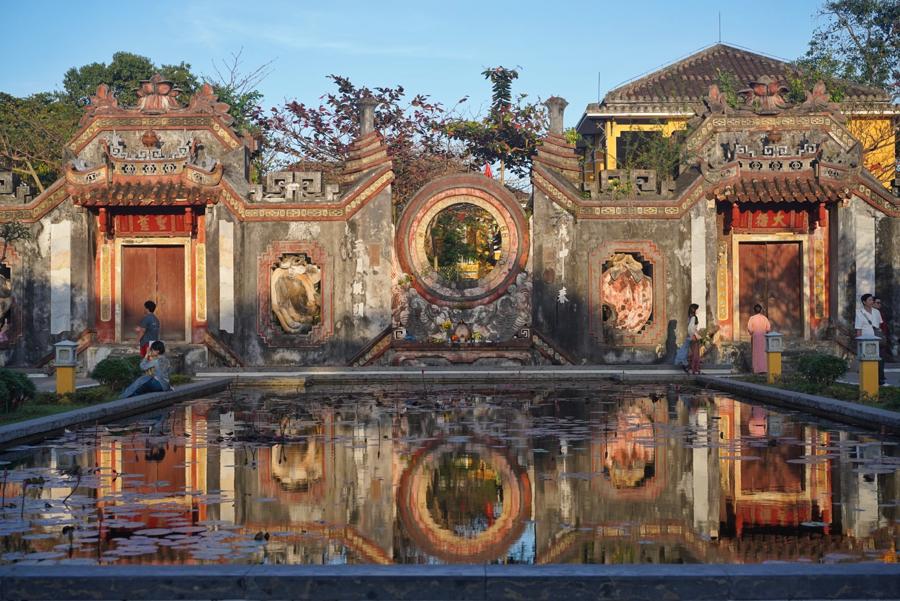
The Ba Mu Temple Gate is a beautifully crafted gate featuring intricate carvings that tell stories of the local community and its beliefs. This restored triple-arched gate is all that remains of the 17th century temple complex. Often less crowded than other attractions, it provides a peaceful setting for those looking to reflect and appreciate the town's rich history. The gate is an excellent spot for photography, especially in the early morning or late afternoon light when the shallow reflecting pool in front of it mirrors the gate. Entrance to the gate is free.
675 Hai Ba Trung Street, Hoi An
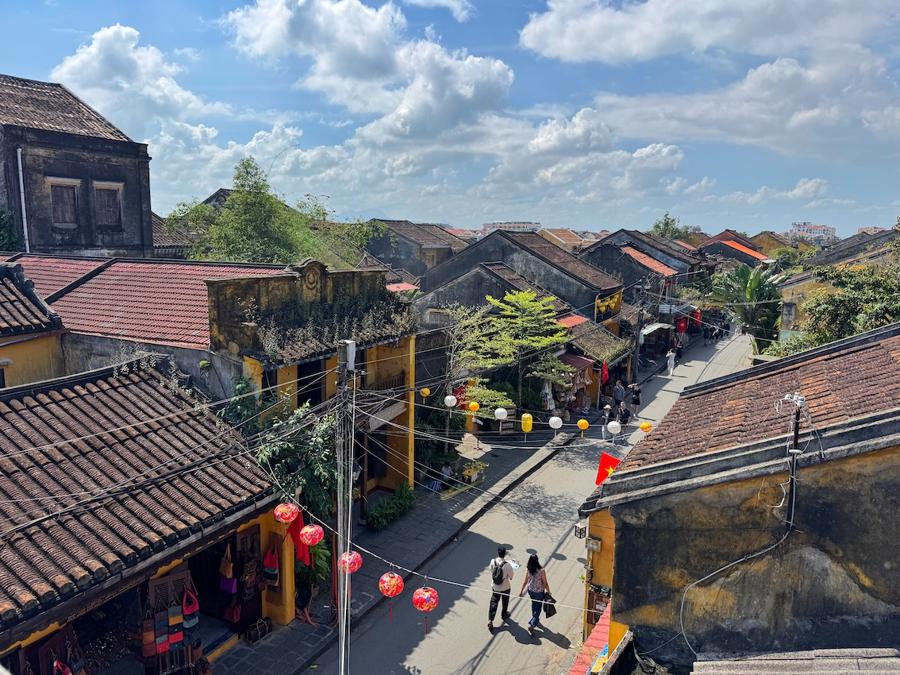
This well-preserved 200-year-old merchant's residence showcases a blend of Vietnamese, Chinese, and Japanese architectural styles, a reminder of the town's trading past. The house is filled with artifacts and furniture that date back centuries, providing a glimpse into the lives of the families that once inhabited it. Guided tours offer insights into the family's history and the home's unique features. Visitors can learn about the family's successful trading business, which contributed to the town's prosperity during its heyday. Entrance is VND30,000.
101 Nguyen Thai Hoc Street, Hoi An
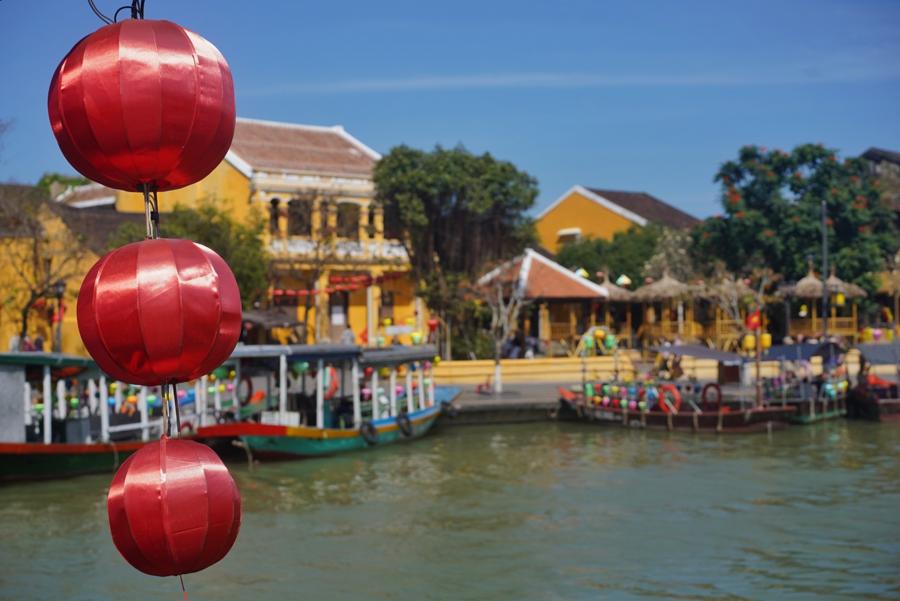
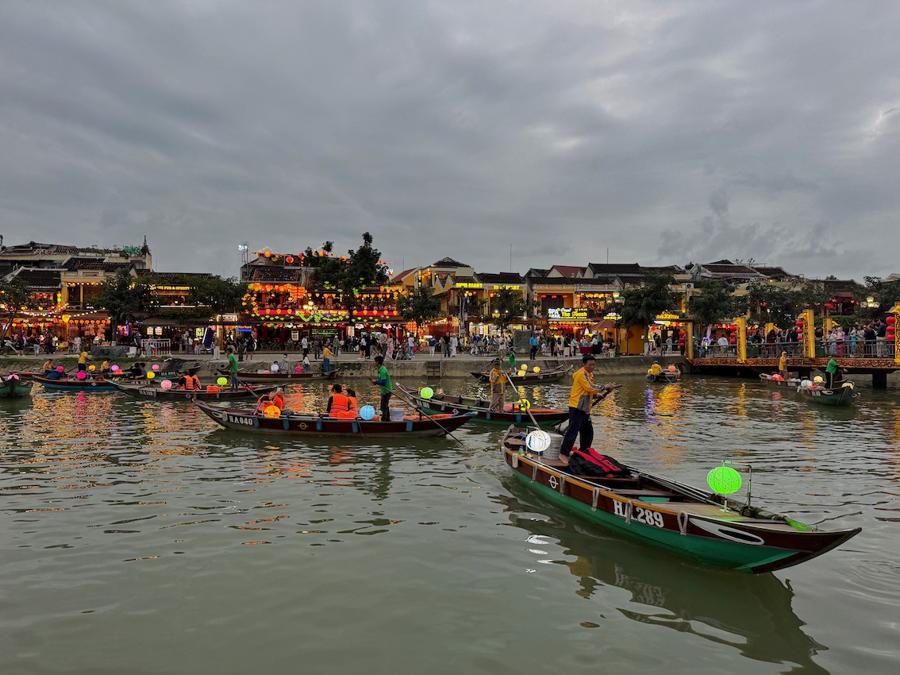
This colorful pedestrian bridge offers gorgeous views of the Thu Bon River and the town’s skyline, especially when illuminated by colorful lanterns at night. The bridge serves as a vital link between the Old Town and An Hoi Island, where the night market takes place. As you cross the bridge, take a moment to appreciate the beautifully lit lanterns that adorn its railings and boats floating by on the river, creating a mystical ambiance that captures the essence of Hoi An.
An Hoi Island, Hoi An
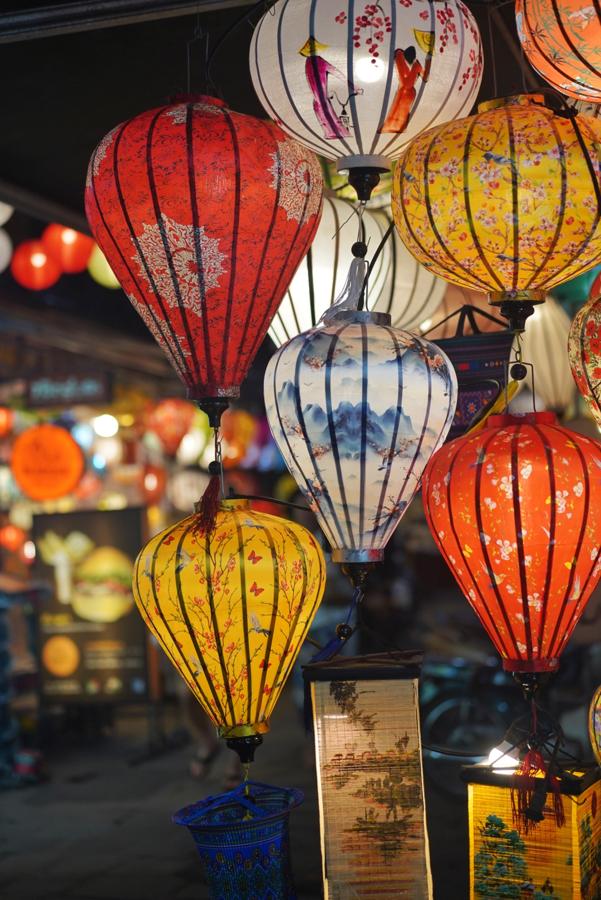
The Cantonese Assembly Hall (Hội Quán Quảng Đông) was built in the late 19th century with elaborate architecture adorned with intricate carvings (like the dragon fountain statue), ornate ceramic tiles, and vibrant colors, celebrating the contributions of the Cantonese community to Hoi An. The hall serves as a community space for gatherings and ceremonies, making it a lively spot during festivals. Visitors can learn about the hall’s significance and the traditions of the Cantonese people who settled here. The entrance fee is VND20,000.
176 Tran Phu Street, Hoi An
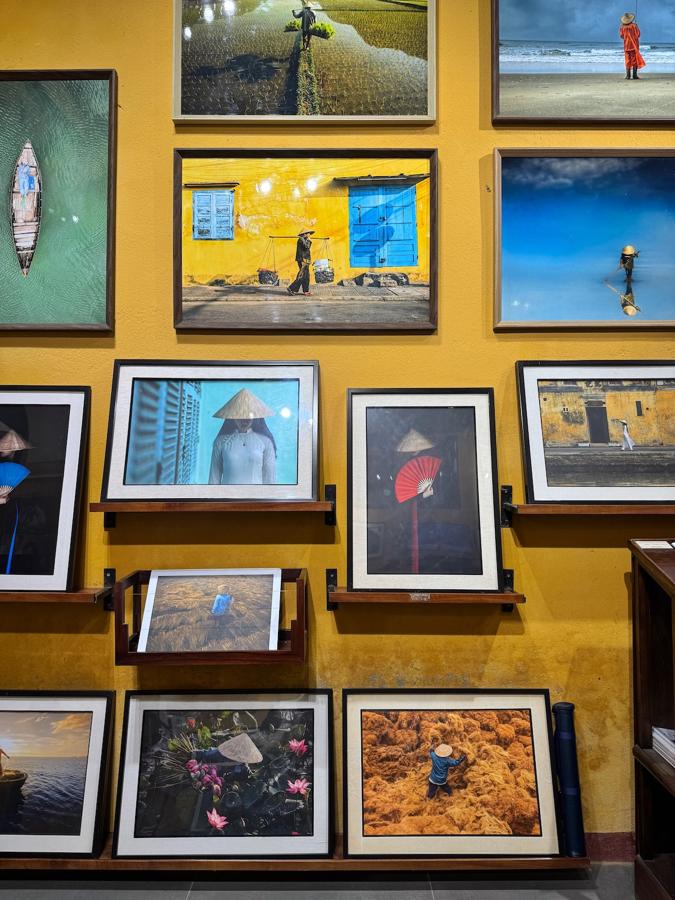
Art enthusiasts will appreciate the Precious Heritage Art Gallery Museum, a small yet captivating space showcasing the diverse cultures of Vietnam through thoughtful photography. The gallery features works by French photographer Réhahn, who has dedicated years to photographing Vietnam's various ethnic groups. Entrance is free.
Pro tip: Across the street is Hart, a home décor and fabric store with upcycled pieces and local jewelry that makes for great gifts.
26 Phan Boi Chau Street, Hoi An
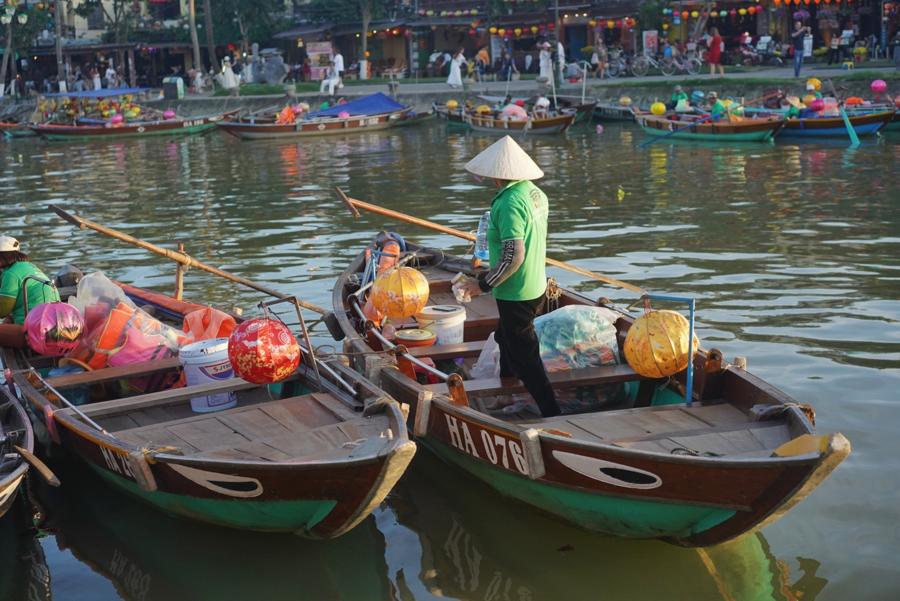
This tranquil boat ride offers breathtaking views as the sun dips below the horizon, casting a golden glow over the water, an excellent way to unwind after a day of exploration. The experience typically costs around VND 150,000 for 1-3 people for a 20-30 minute ride. There’s no need to pre-book a boat; just visit the riverside next to An Hoi Bridge anytime from late afternoon onwards, and there are dozens of lantern-adorned boats there ready to take you out.
Riverfront near the Old Town, Hoi An
From local shops to boutiques, Hoi An is all about artisan heritage goods. If you’re in the market for custom tailoring, Hoi An is renowned for its skilled tailors. Shops like Yaly Couture, Be Be Tailor, A Dong Silk, and Kimmy Tailor are among the most acclaimed, known for their attention to detail and ability to create bespoke clothing that fits perfectly.
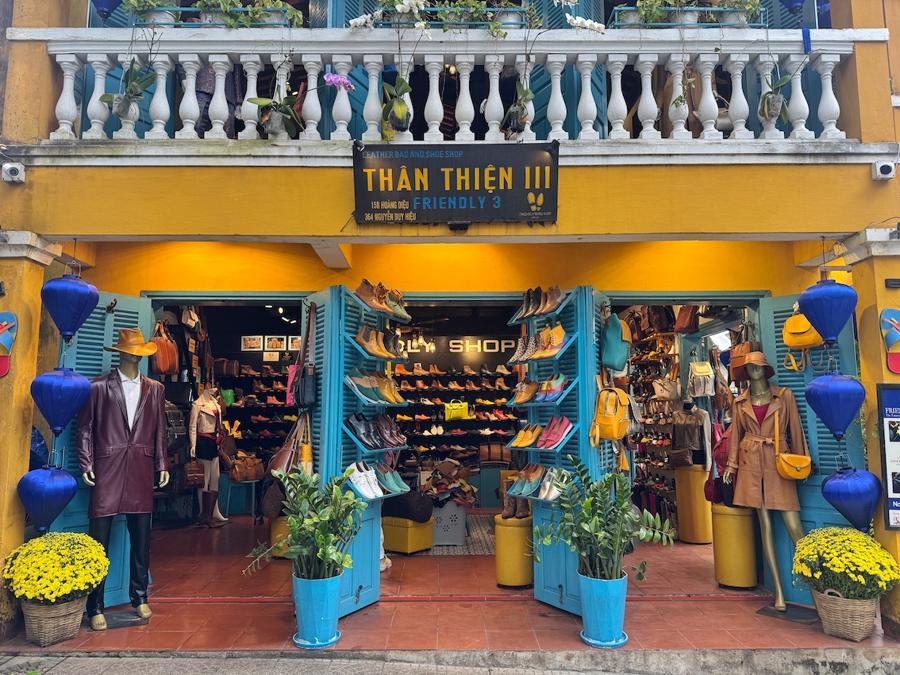
Leather goods enthusiasts will find a variety of shops specializing in custom-made shoes and bags. The Shoe Boutique offers stylish options that can be tailored to shoppers’ preferences, while Leather House provides personalized leather items ranging from wallets to handbags.
Other artisan shops include:
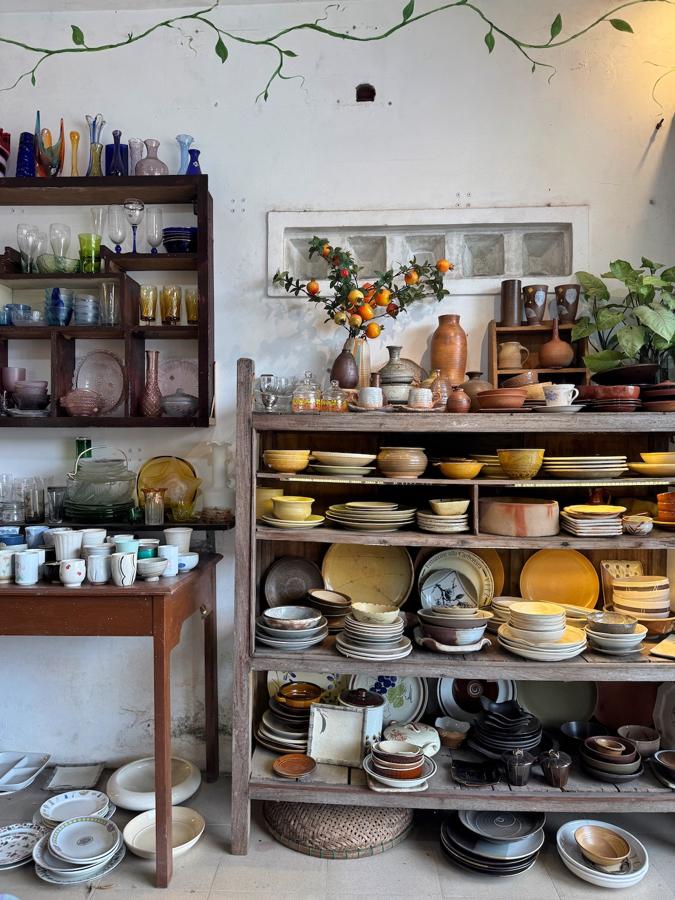
If you’re looking to venture beyond the Old Town, several nearby destinations are easily accessible by bicycle, motorbike, or taxi, ideal for day trips.
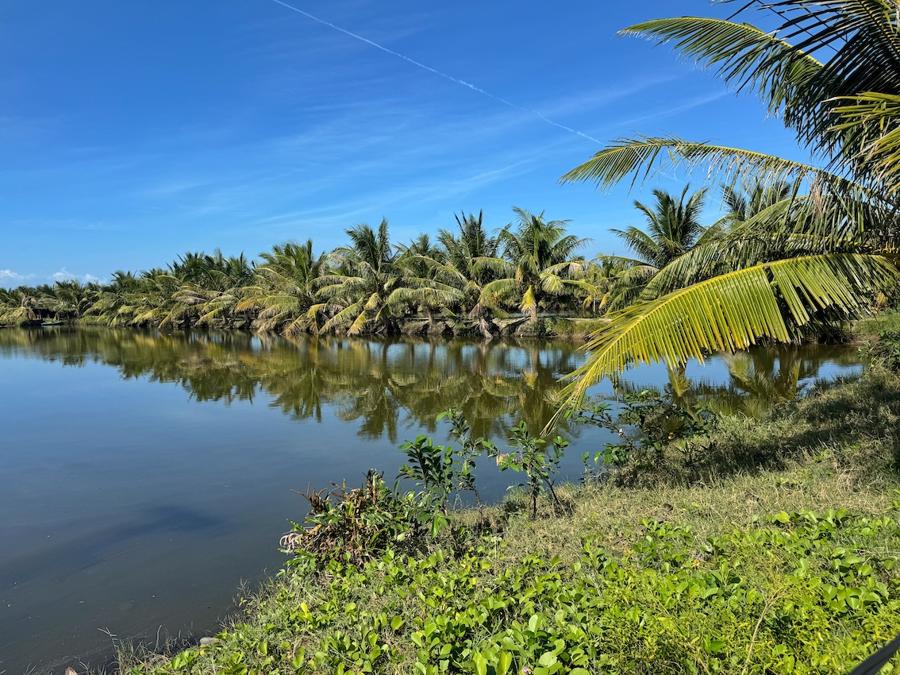
Just a 15-minute cycle outside of the Old Town, the rice terraces surrounding Hoi An offer breathtaking views and a chance to experience traditional rural life. Each terrace showcases meticulous farming practices that have been passed down through generations.
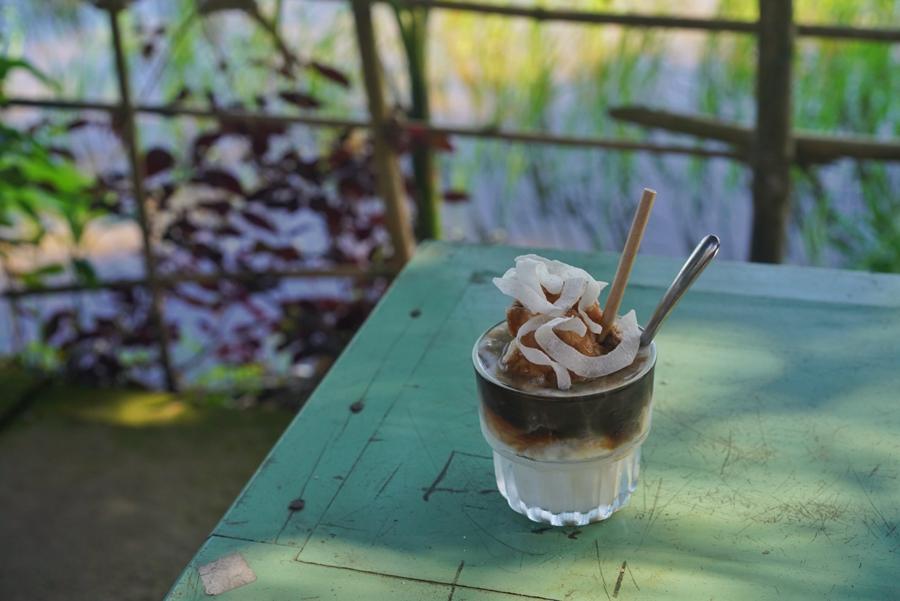
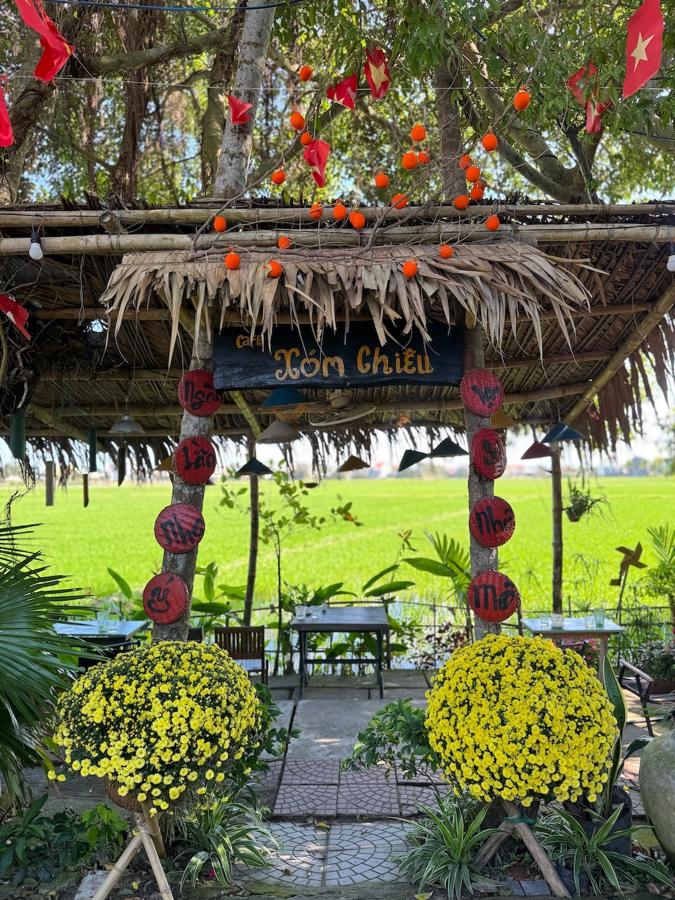
Nearby, you can find charming cafés like Coffee Xóm Chiêu, with the rice terraces providing a serene backdrop for enjoying a cup of coffee. Other cafes amongst the greenery include An Nhàn and Lò Gach Cu Farm.
55 Lê Thánh Tông, Cẩm Sơn, Hội An
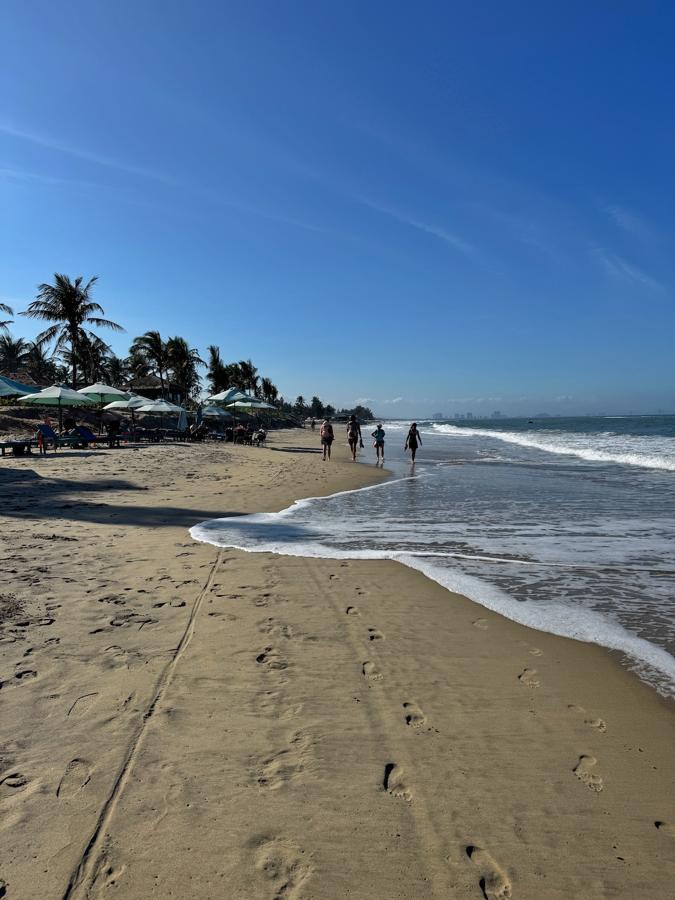
For those who crave sun and sand, Coconut Beach is a laid-back destination known for its relaxed vibe and beautiful scenery. With quaint beach shacks dotting the shoreline, it's an ideal spot for sunbathing or swimming in the clear waters. Ang Bang Beach is another popular location that offers a more lively atmosphere, complete with beach bars and water sports, making it suitable for those looking for a bit more action. Cua Dai Beach is also nearby, famous for its expansive shoreline and picturesque views. All three beaches are free to access.
Cam Thanh, Hoi An
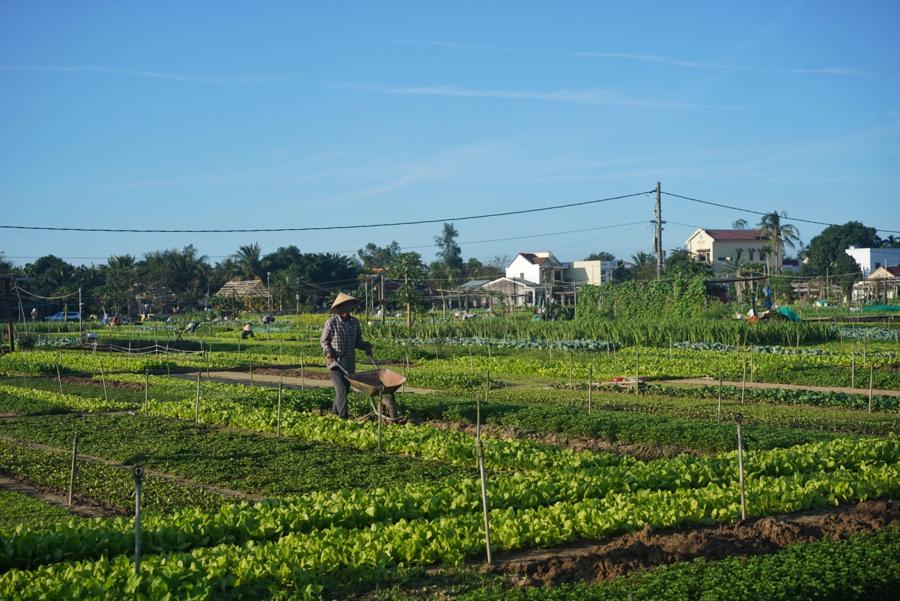
Tra Que Vegetable Village is a charming spot where visitors can learn about organic farming and enjoy fresh, locally-sourced dishes prepared with aromatic herbs and vegetables. This village is particularly celebrated for its organic farming practices, and dining at Nhà hàng Tra Que Organic (or other nearby farm-to-table restaurants and cooking schools) allows guests to savor the flavors of Hoi An while surrounded by lush greenery. The restaurant offers a menu chock-full of dishes made from ingredients grown right in the village.
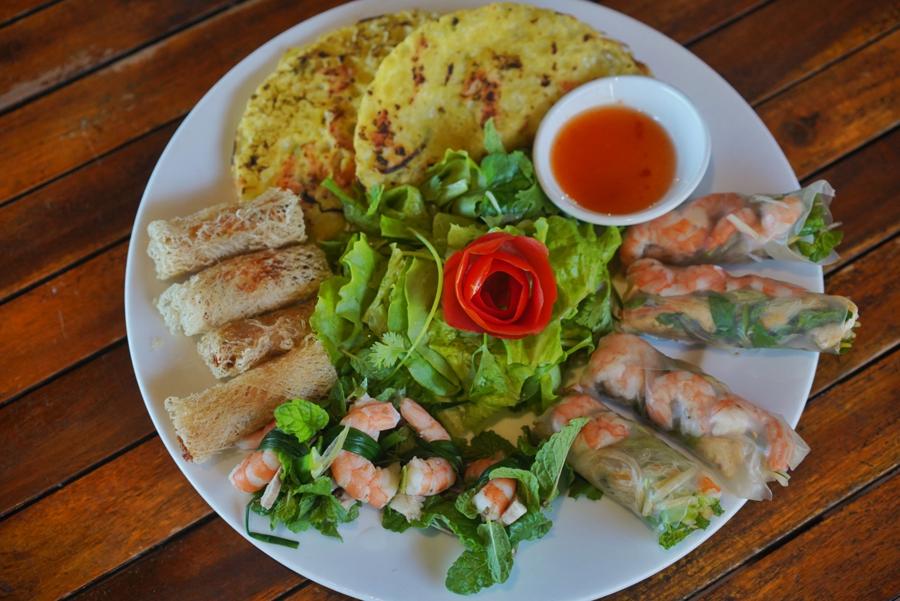
Pro Tip: This is also a great spot for taking a cooking class. If you don’t have half a day free, you can also pop by for a meal. The combination plate (VND180,000) includes banh xeo, fresh and fried spring rolls, shrimp and pork wrapped in spring onions and herbs, and a fresh herb salad, all complimented by nuoc cham sauce.
Cam Ha, Hoi An
Here, visitors can explore this 500-year-old pottery village, learn about traditional pottery techniques, and even participate in hands-on workshops. Entrance is VND35,000.
Thanh Ha, Hoi An
The Marble Mountains are a cluster of limestone hills that feature caves, temples, and stunning views of the surrounding area. The steep hike up the mountains rewards visitors with breathtaking panoramas of the landscape. Entrance fee is VND40,000.
Hoa Hai, Da Nang
Da Nang, central Vietnam’s largest metropolis, is known for its modern attractions and photogenic architectural structures, like the Dragon Bridge. It offers a mix of cultural sites and beautiful beaches, such as the famous My Khe Beach, which is known for its soft sands and clear waters. Exploring Da Nang provides a contrasting experience to the historic charm of Hoi An, making it a worthwhile day trip for those looking to expand their horizons.
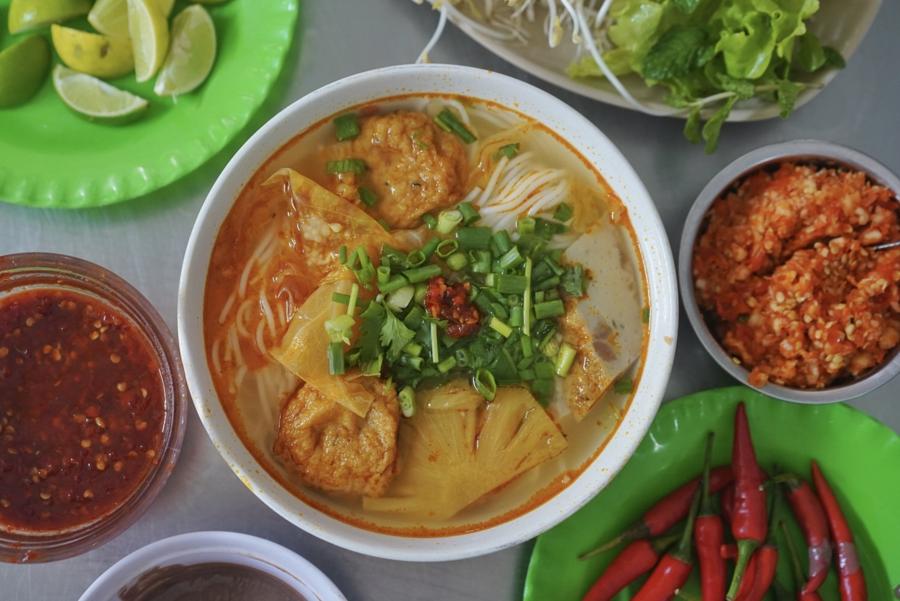
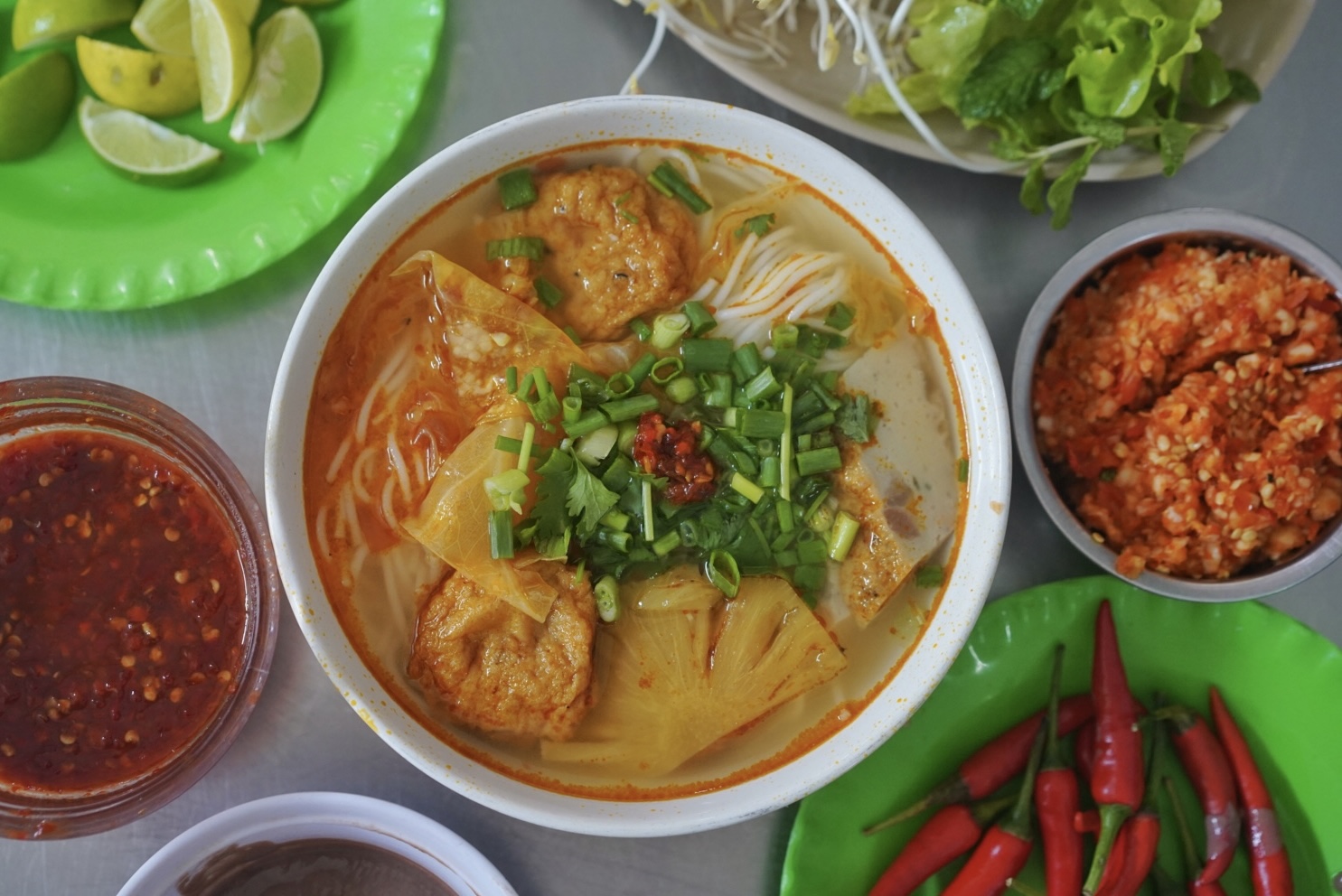
Pro tip: Don’t miss the fish cake, pineapple and tomato soup (bun cha ca) at Bún Chả Cá 109, a Michelin-recommended Da Nang institution.
Da Nang City, Vietnam
Other popular activities include: taking a cooking class, going on a food tour, partaking in a lantern making class, and doing a guided bike tour.
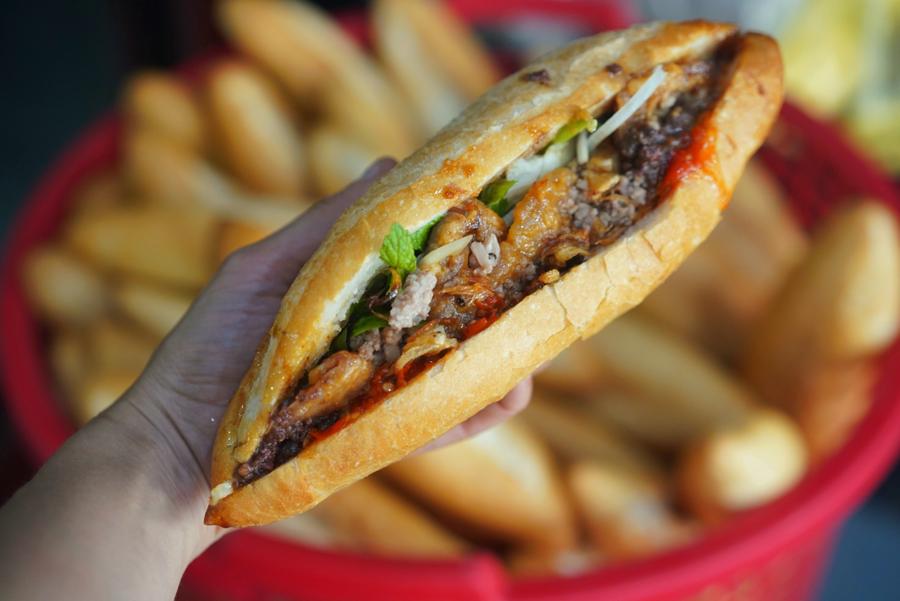
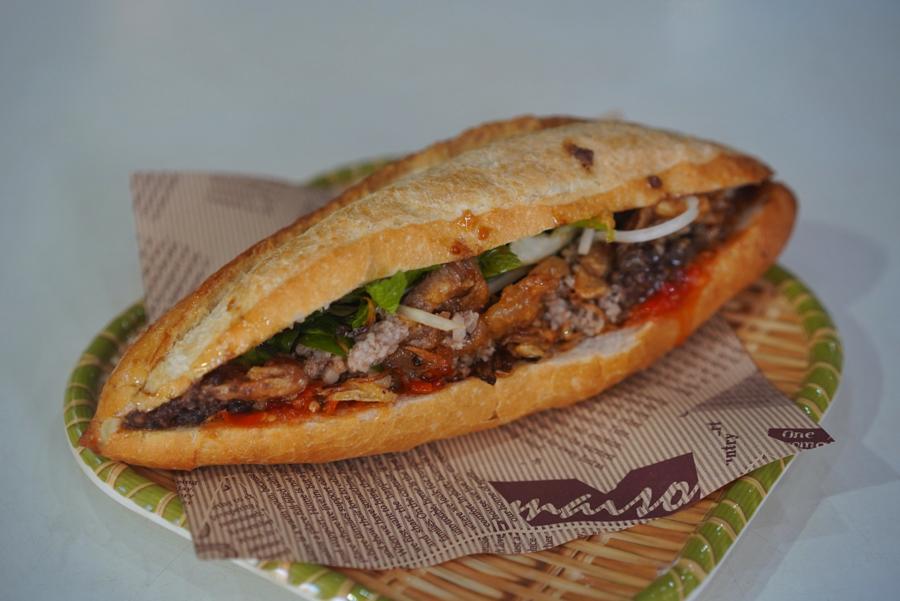
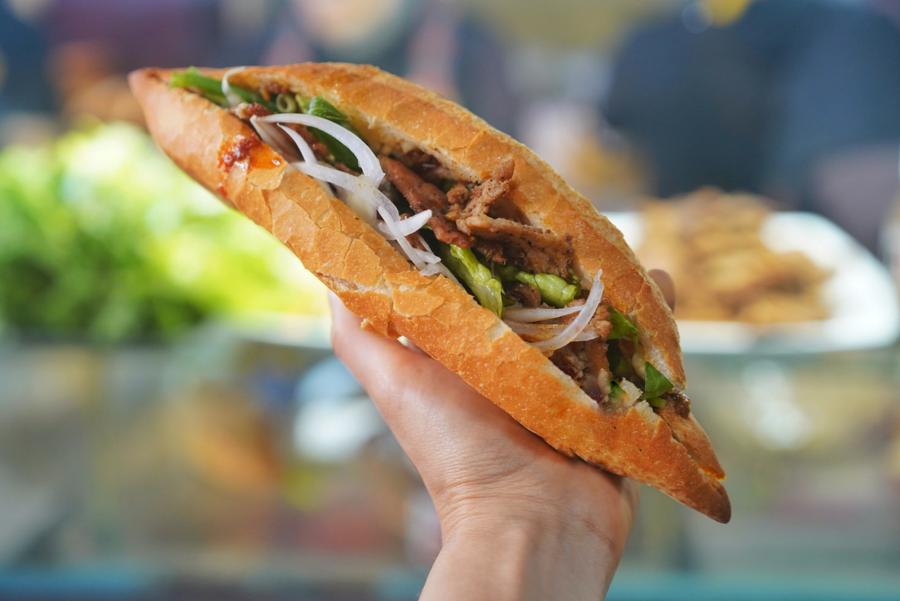
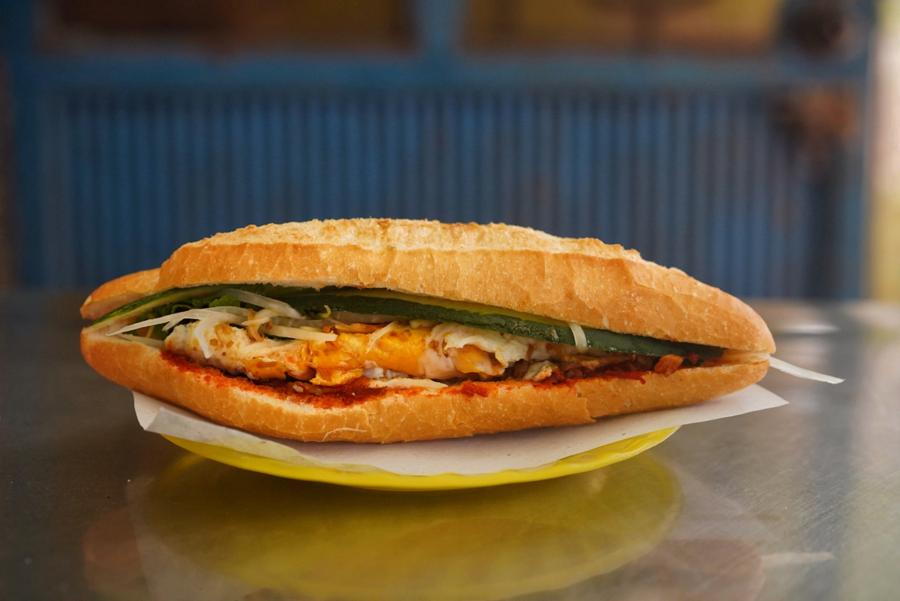
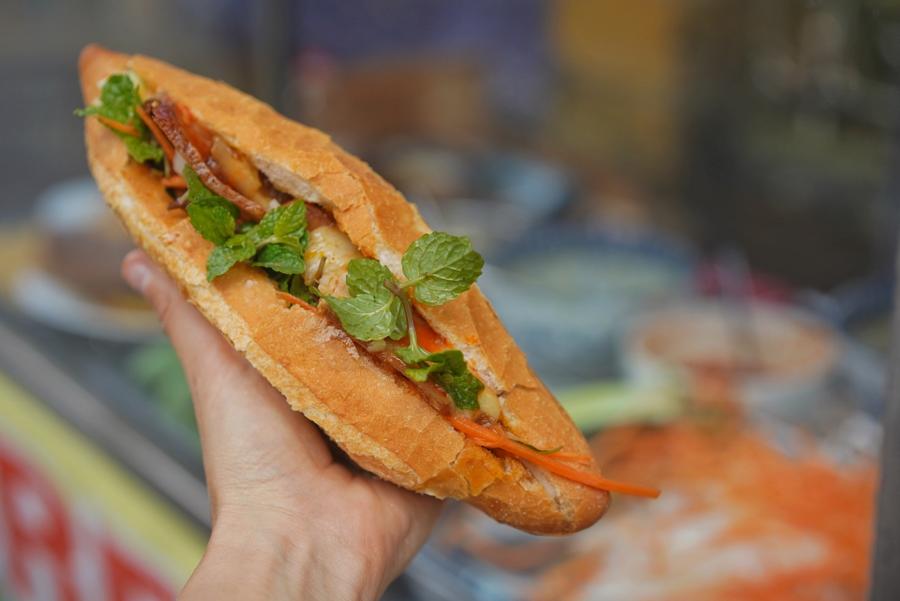
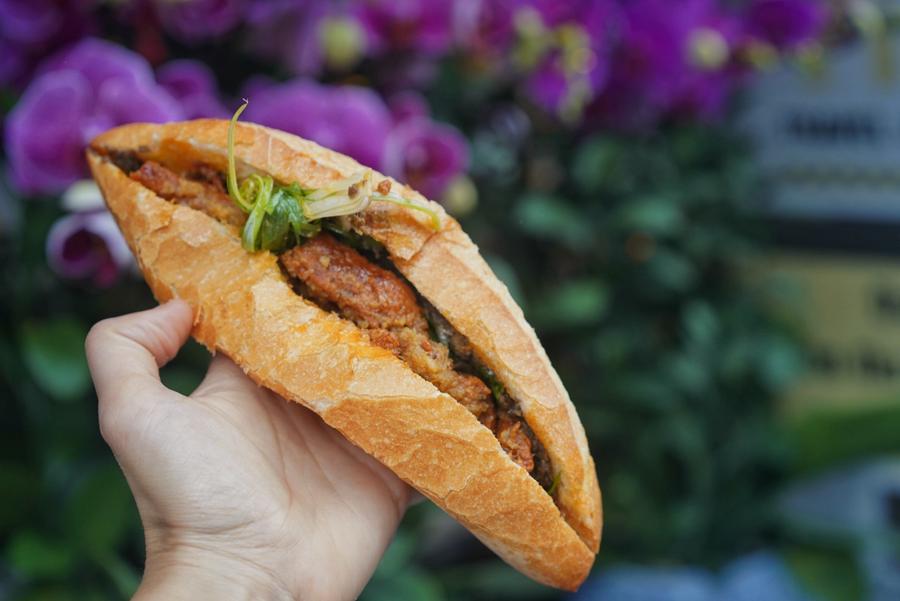
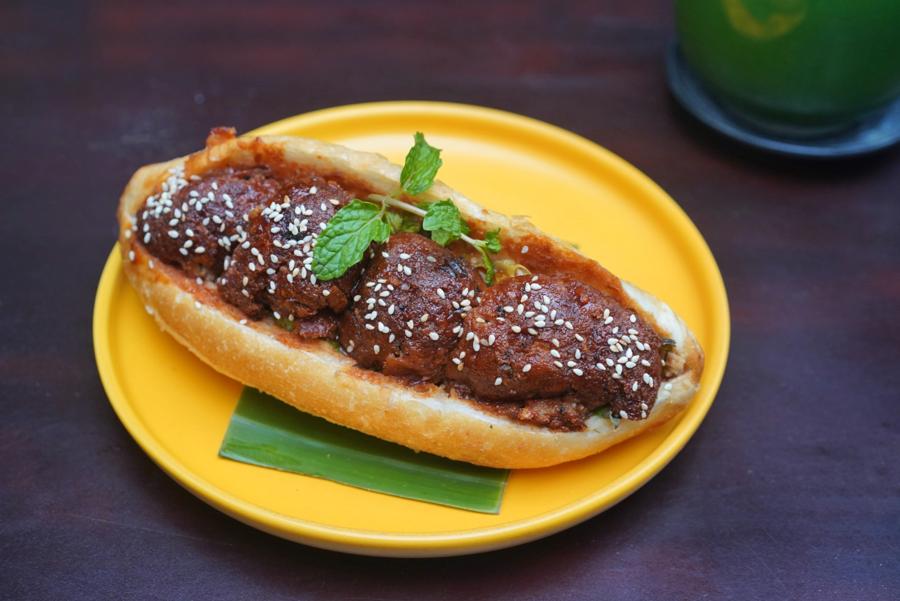
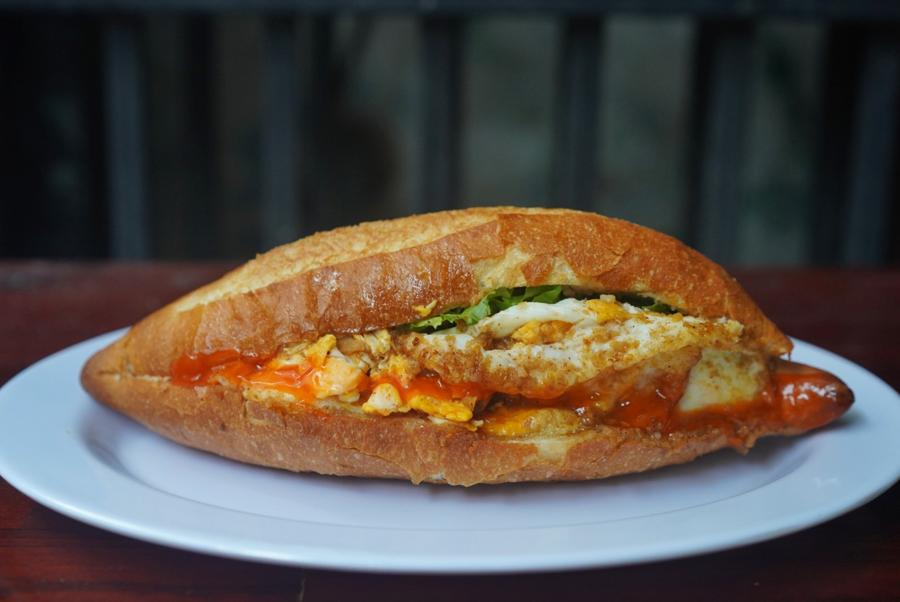
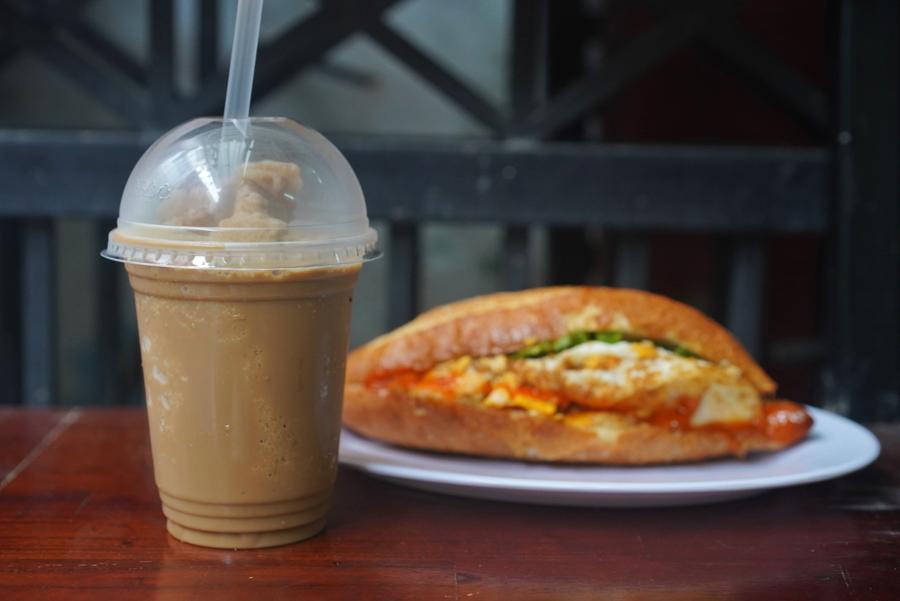
This Vietnamese sandwich features a crispy baguette filled with a medley of meats, pickled vegetables, and fresh herbs, representing the perfect fusion of French and Vietnamese culinary traditions. Hoi An’s rendition of this iconic Vietnamese street food is widely considered the best in the country. It’s distinct from other regional variations (like Saigon-style) primarily due to its unique bread texture, specific sauces, and reliance on fresh, local herbs.
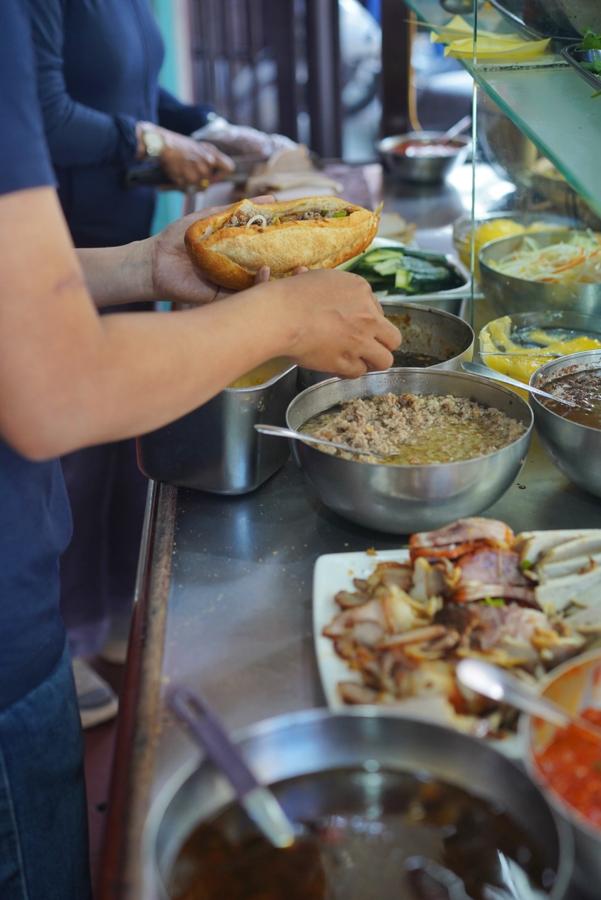
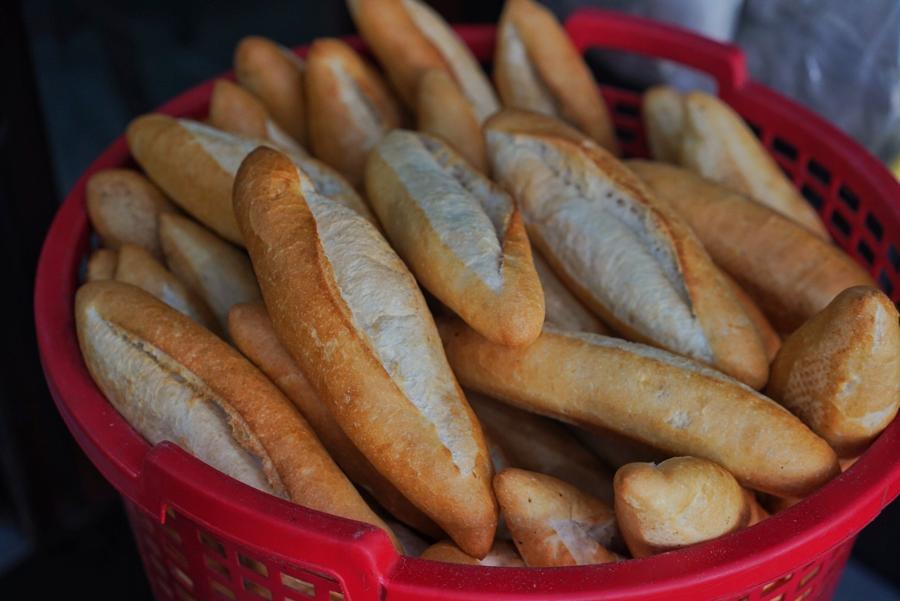
Unlike denser baguettes found elsewhere, Hoi An bread is thinner, lighter, and has a shatteringly crisp crust with an airy interior. It’s often custom-made and baked daily in traditional wood-fired ovens.
Another defining characteristic is the generous use of a special sauce, often derived from the cooking juices of the meats (like nuoc thit xiu or braised pork gravy). Many shops use a signature, closely guarded sauce formula that provides a deep, savory, and slightly spicy flavor. Because Hoi An is in central Vietnam, the bread is often packed with fresh, local herbs, sometimes sourced from the nearby Tra Que Vegetable Village.
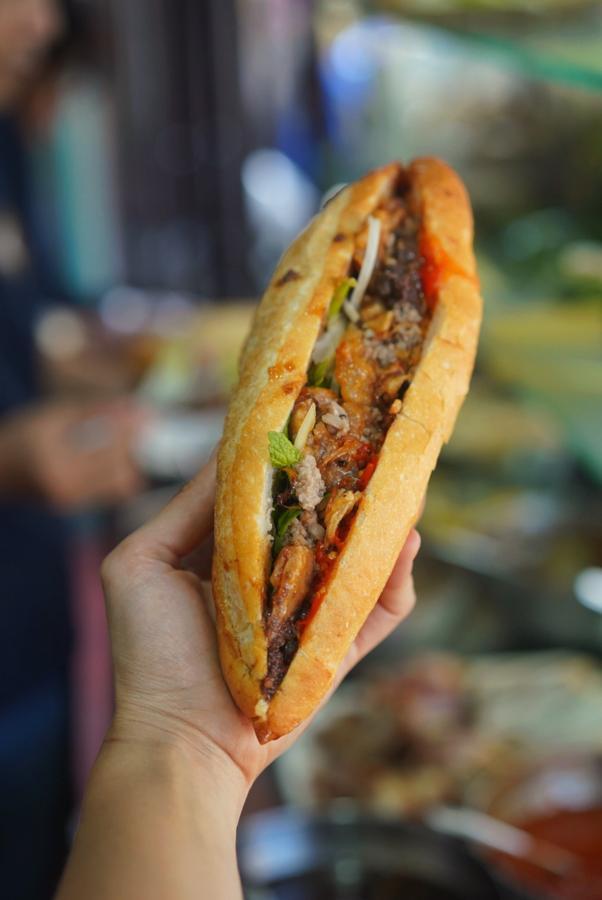
While pork is standard, Hoi An often features char siu (braised pork), pork skewers, and sometimes unique additions like shredded papaya as well in its banh mi.
Where to get it:
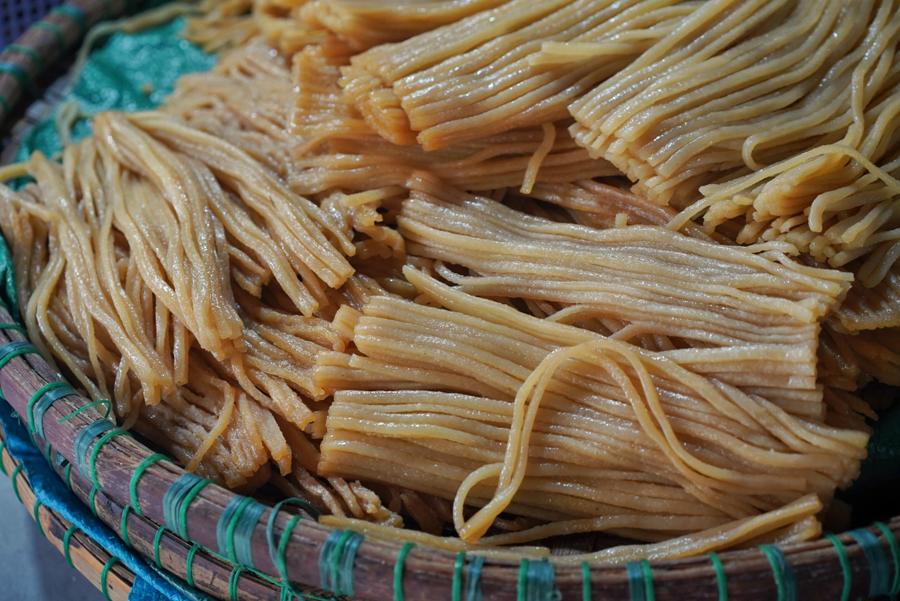
Cao Lau, a local Hoi An specialty, brings together thick rice noodles, tender pork, and fresh greens, topped with crispy pork crackling. The dish’s flavor profile comes from the use of water sourced from the Ba Le well, which is said to give the noodles their distinct texture.
Where to get it:
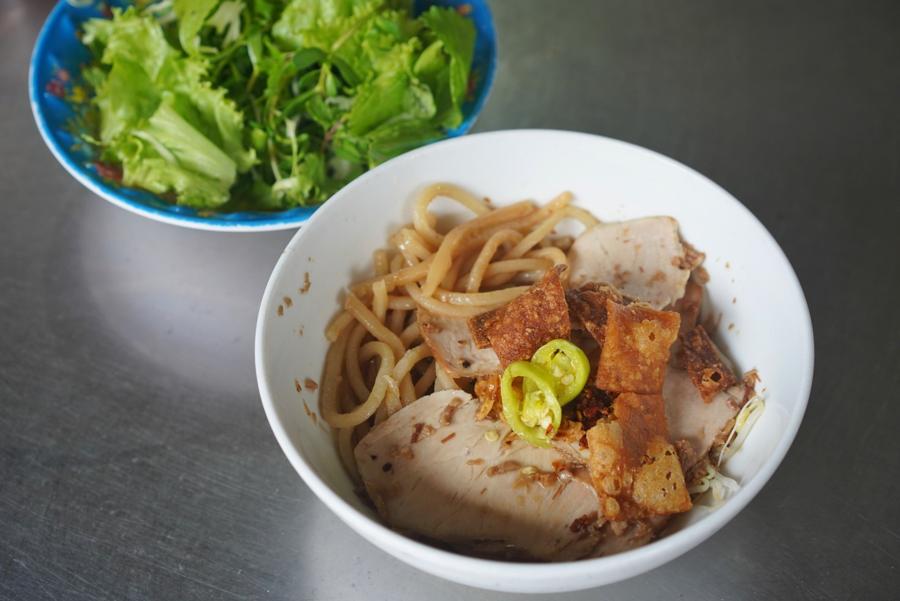
Mi Quang is another wide rice noodle dish composed of turmeric-infused noodles served with a variety of meats (typically pork and shrimp, sometimes egg) and fresh herbs swimming in a sour and tomato-forward broth. Similar to cao lau, the bowl is finished with herbs, lettuce, and other greens, plus lime and toasted peanuts.
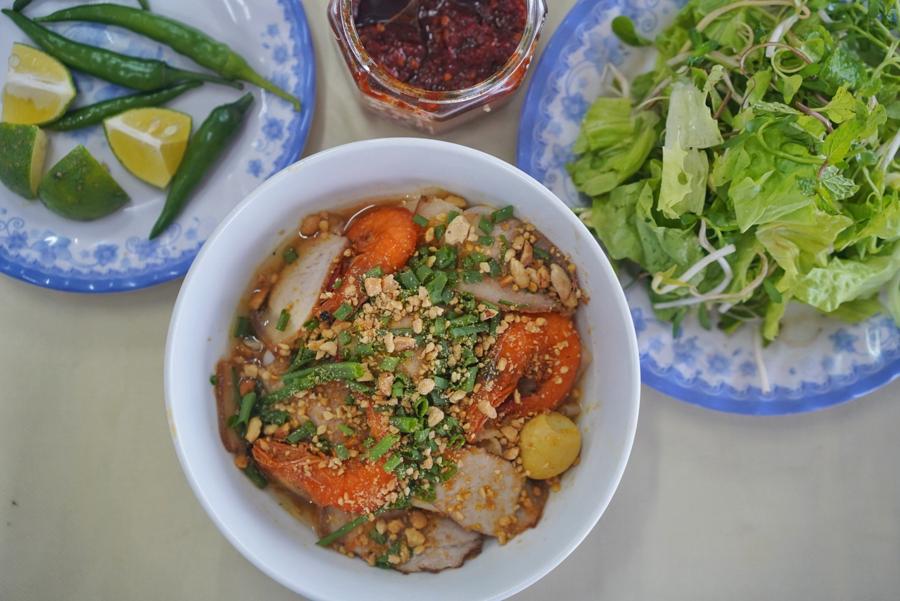
Where to get it:
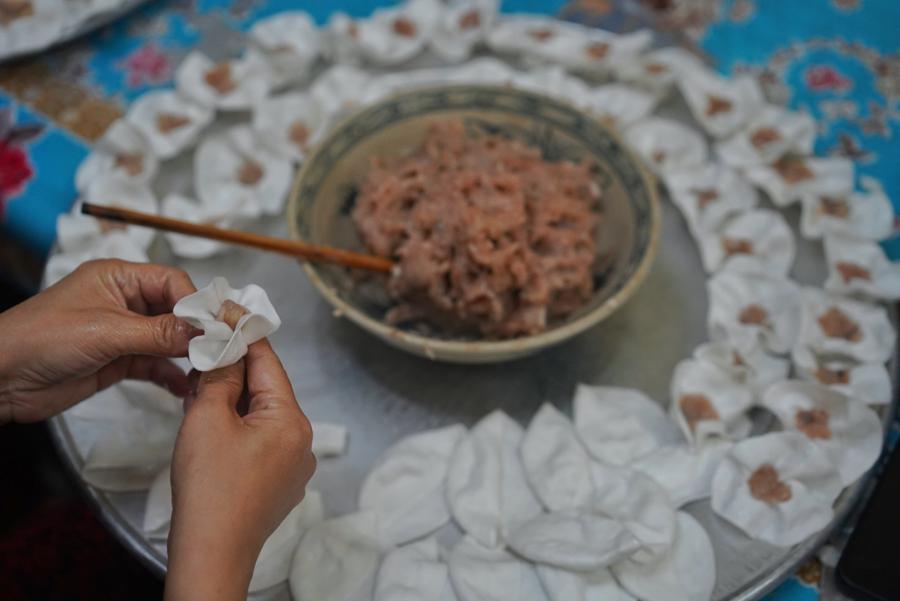
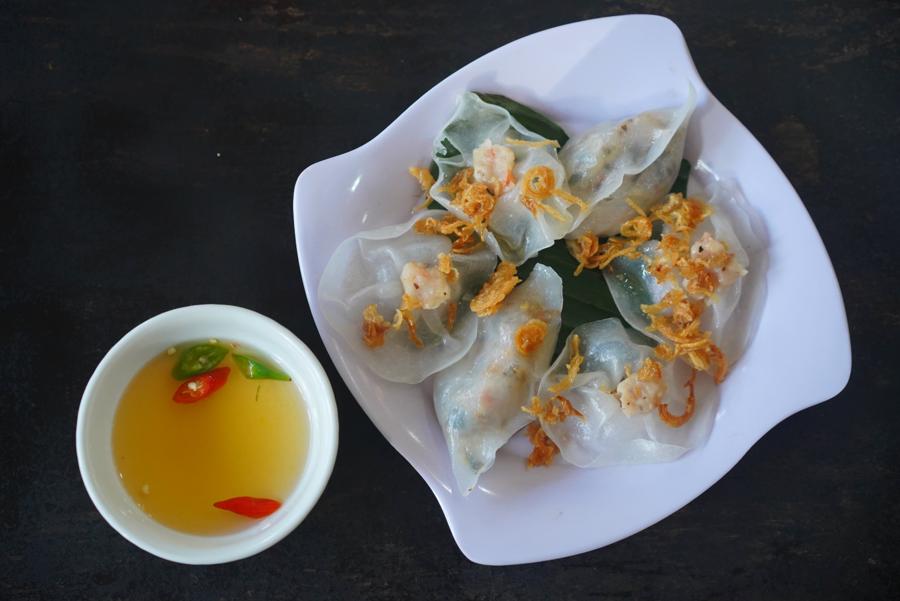
Banh bao vac, or white rose dumplings, are delicate dumplings made from rice flour and filled with shrimp, often served with a nuoc cham (fish sauce, lime, and chili) dipping sauce.
Where to get it:
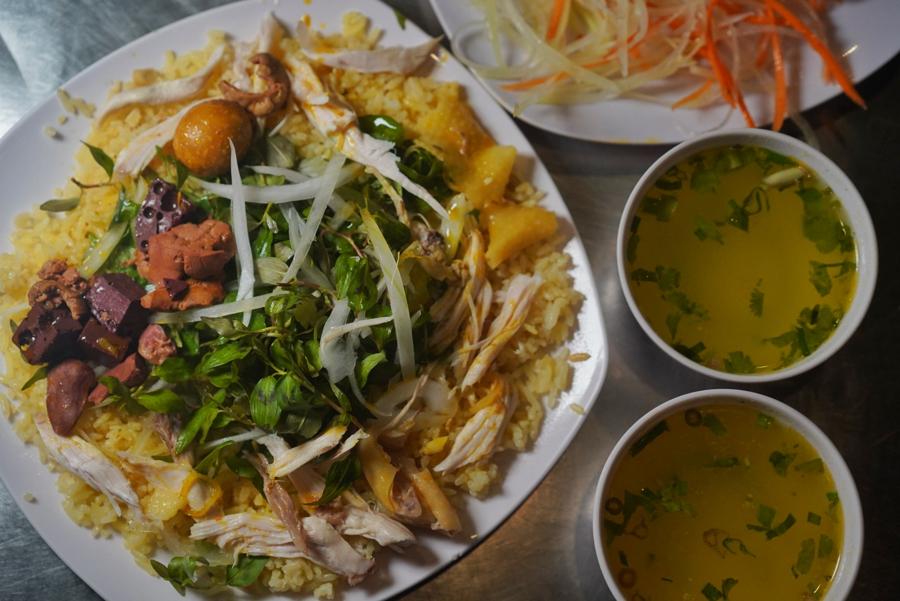
Com ga, or chicken rice is a simple dish of fragrant rice cooked in chicken broth, served with tender, shredded turmeric chicken meat, chicken skin, and chicken innards (like liver, tendon, and cubed blood). The plate is garnished with fresh herbs and homemade chili sauce that lends salt and heat to a very delicate dish.
Where to get it:
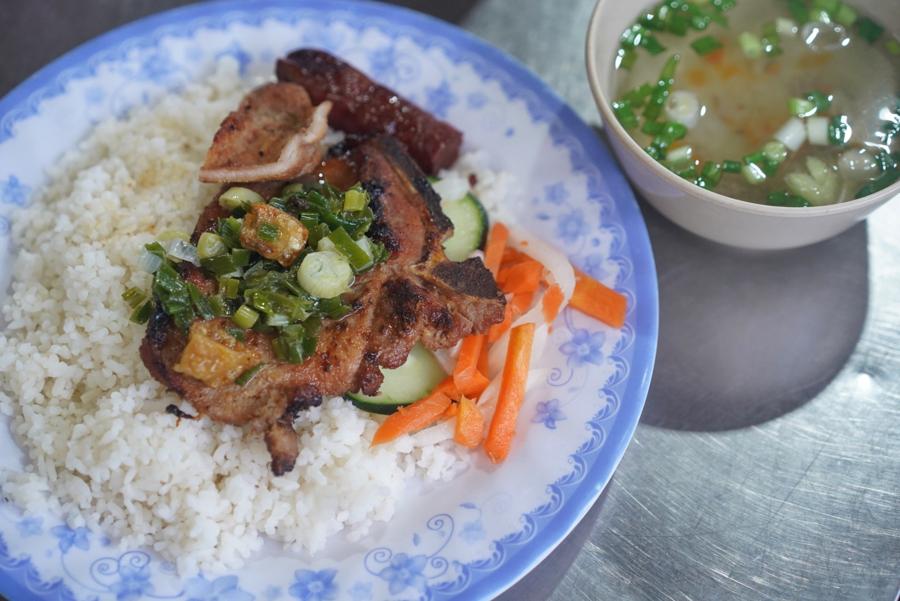
This everyday dish includes grilled pork chop and pickled vegetables atop fluffy broken rice, dribbled with fish sauce. Optional add-ons include a fried egg and sausage.
Where to get it:
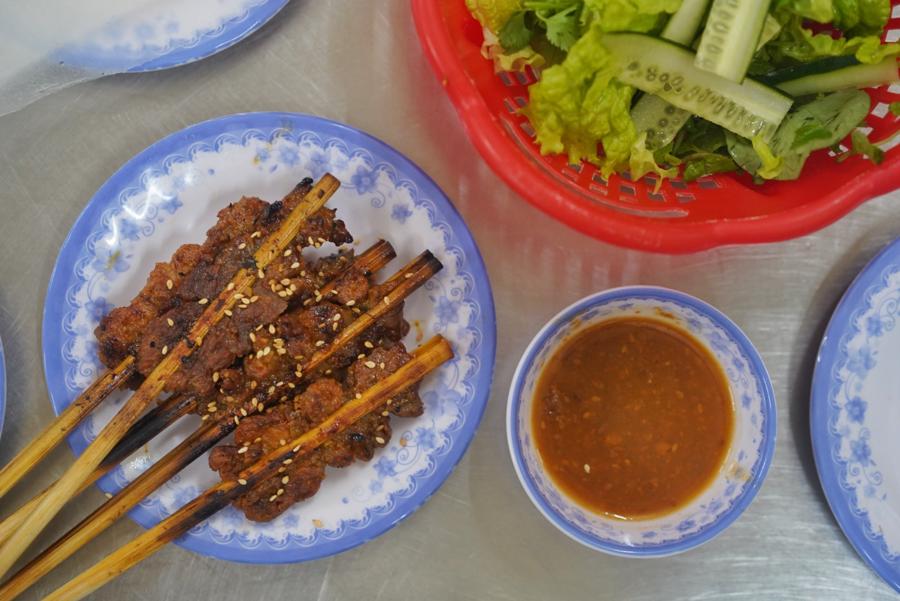
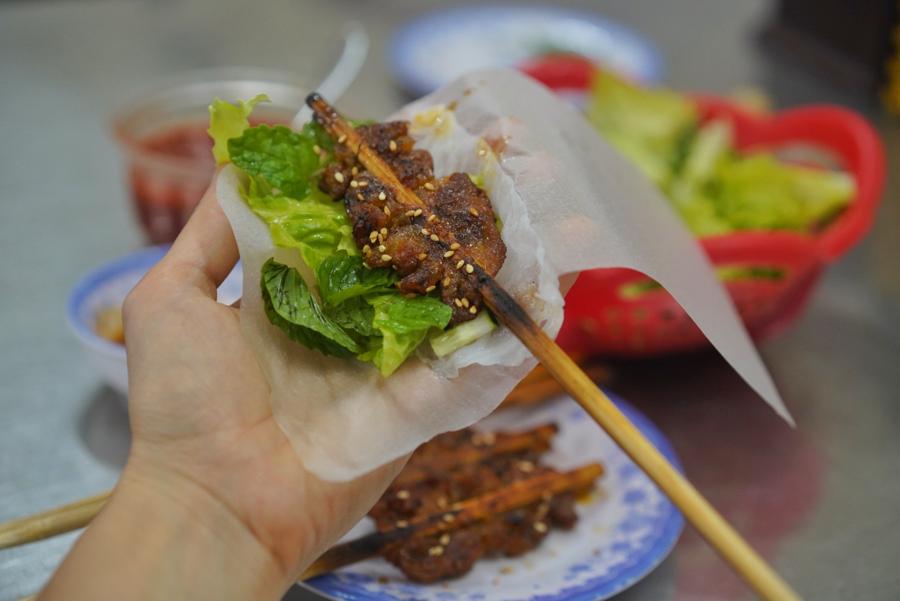
Hailing originally from Nha Trang, nem nuong cuon, or grilled pork skewers in rice paper rolls, see bamboo skewered pork (meat or sausage) grilled over open flame and presented alongside fresh spring roll wrappers, herbs, cucumbers, and dipping sauce.
Where to get it:
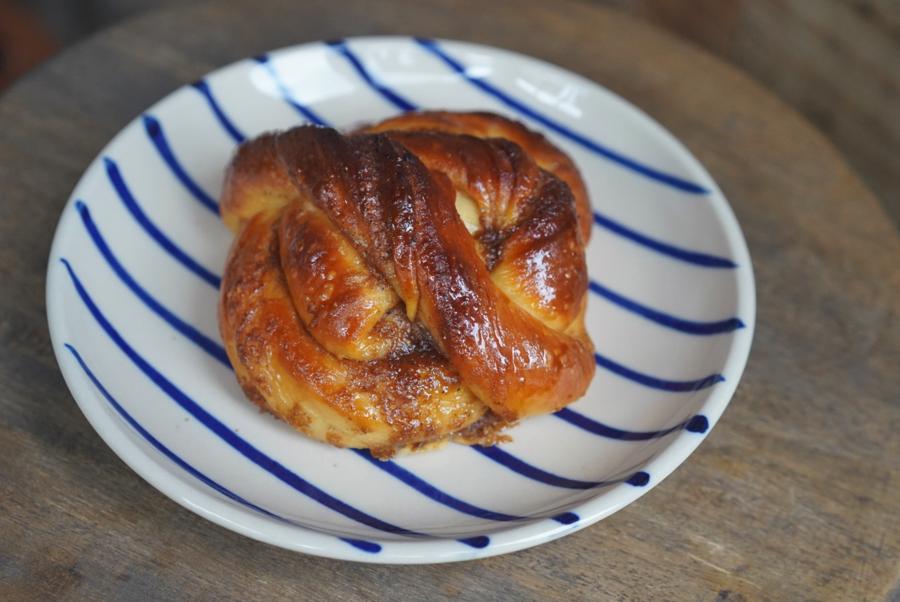
Artisan pastry shops are all the rage in Hoi An, owed to both its French colonial past and the constant influx of global tourists as of late. Numerous modern bakeries have popped up around town in the last few years, offering anything from Japanese baked confectionaries to French viennoiseries.
Where to get it:
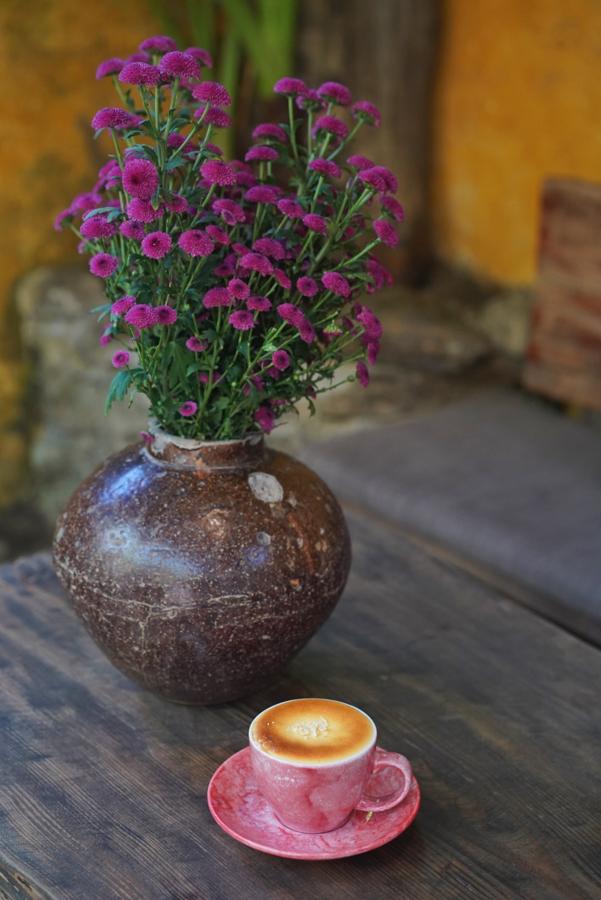
Vietnam is the world’s second-largest coffee exporter and Hoi An sits at its epicenter. Steeped in history, dating back to the French colonial period, Hoi An’s coffee culture today continues to evolve with modern styles and indulgent creations to savor amidst its historic, lantern-lit streets.
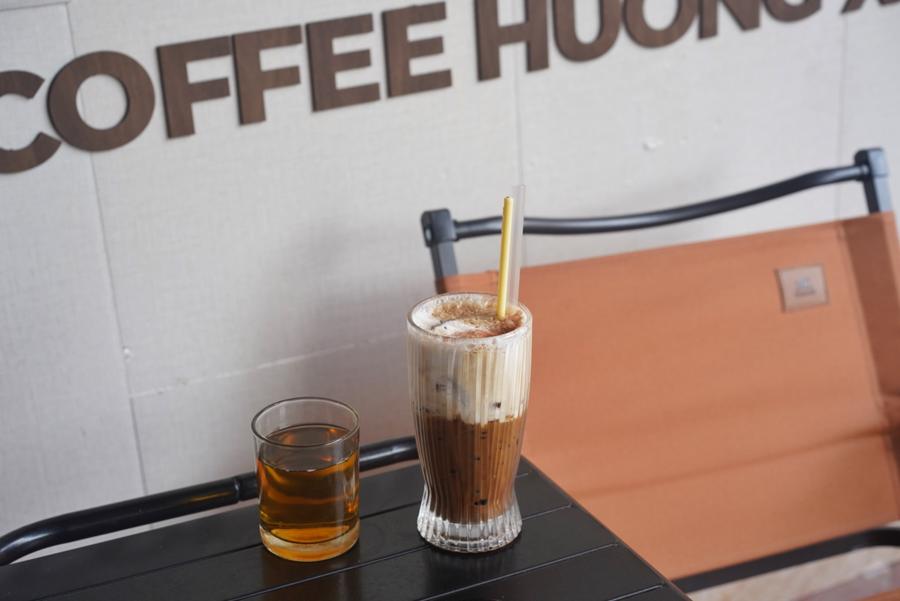
From traditional phin-drip coffee to inventive blends like salted cream, avocado, or coconut coffee, expect robusta beans, condensed milk, and creative presentations at even the humblest of shops.
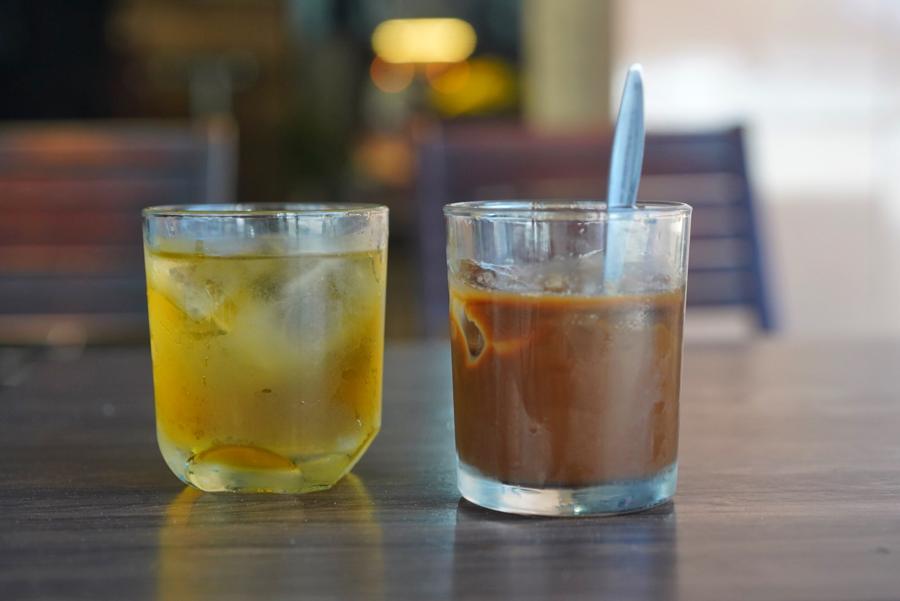
The most iconic Vietnamese coffee staple, milk coffee, or ca phe sua da (cold) / nong (hot), sees strong, dark, and aromatic brewed coffee poured directly over a metal filter (as Vietnamese drip coffee, or phin cà phê) into a glass lined with sweetened condensed milk. The result? A sticky concentrated coffee-like sludge for those seeking sweet caffeinated inspiration to start the day.
Where to get it: Hương Xuân Coffee for VND20,000 (283 Nguyễn Duy Hiệu, Cẩm Châu, Hội An), or any café in the entire country
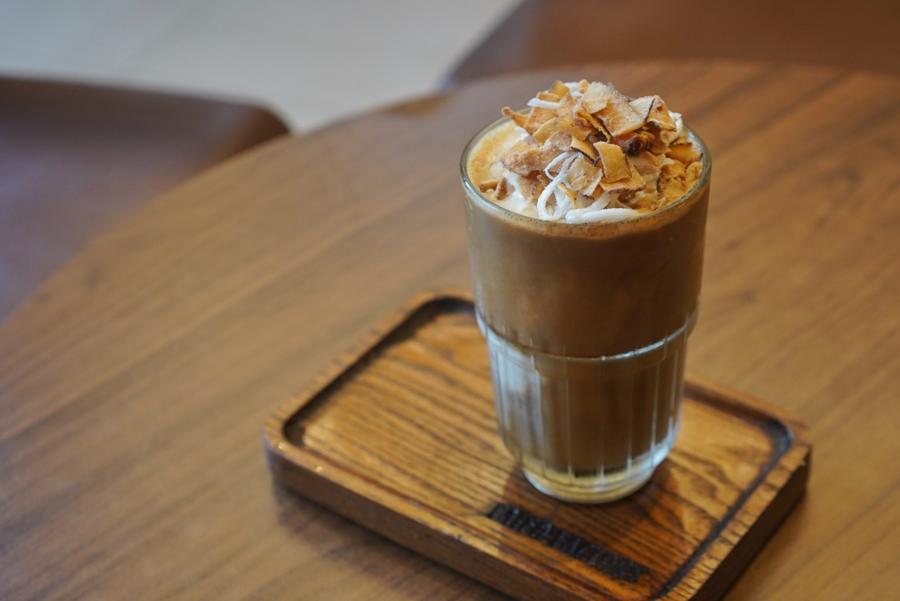
Blended coconut milk and ice form a coconut slushie base, while a shot of jet-black Vietnamese espresso is poured over the top, juxtaposing the coconut’s sweet creaminess with bitter coffee richness. Crowned with sugar-coated coconut crisps or puffed coconut flakes, this beverage tends to lean more decadent dessert than morning kickstart.
Where to get it: Faifo Coffee for VND65,000 (130 Trần Phú Street, Hội An) or Coffee Xóm Chi for VND35,000 (55 Lê Thánh Tông, Cẩm Sơn, Hội An)
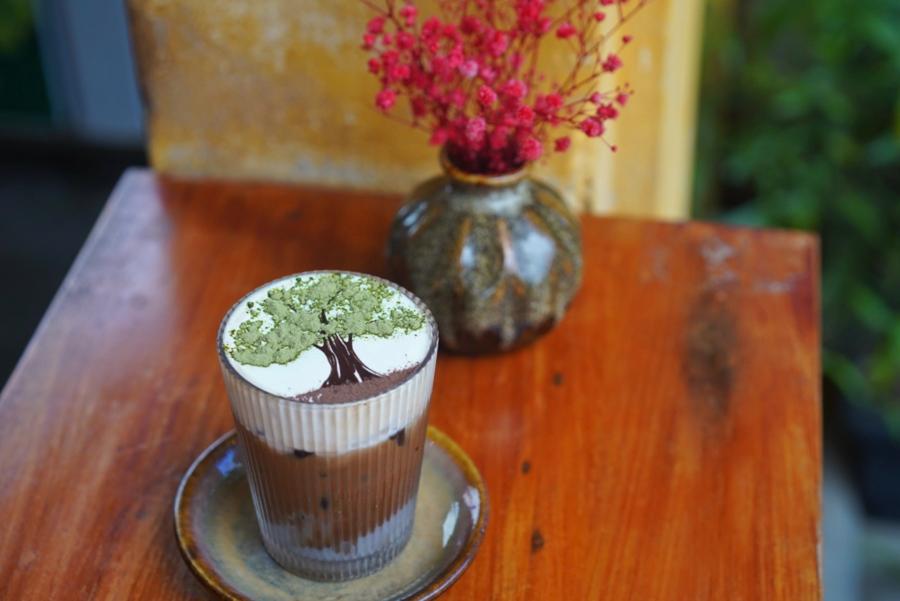
While coffee and salt may not sound like the most appetizing pair, when said salt is presented in the form of a whipped salted cream, one that tempers the milky Vietnamese coffee’s sweetness, it’s a welcome addition. The cream is a fluffy combination of salt-laced and frothed whipping cream that softens the robusta coffee’s intensity.
Where to get it: Uncle Huan for VND65,000 (675 Đ. Hai Bà Trưng, Phường Minh An, Hội An)
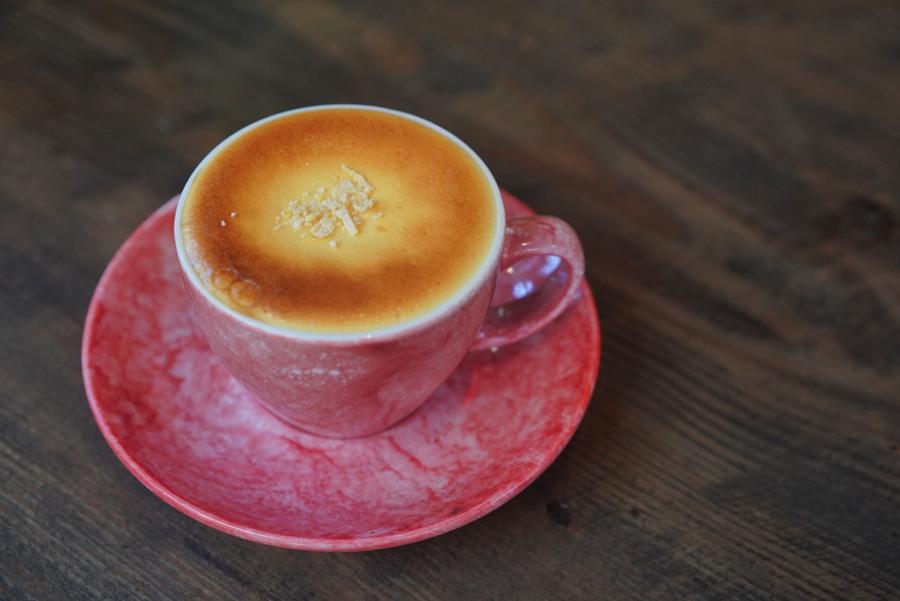
Egg yolks are whisked with condensed milk and spooned over Vietnamese coffee forming a velvety cap that is at once custardy and airy. Start with a spoonful of the creamy foam before stirring it into the coffee. That first sip leaves a guaranteed milky moustache above equally sticky and satisfied lips.
Where to get it: Hoi An Coffee Hub for VND60,000 (Hẻm 11 Nguyễn Thái Học, Phường Minh An, Hội An)
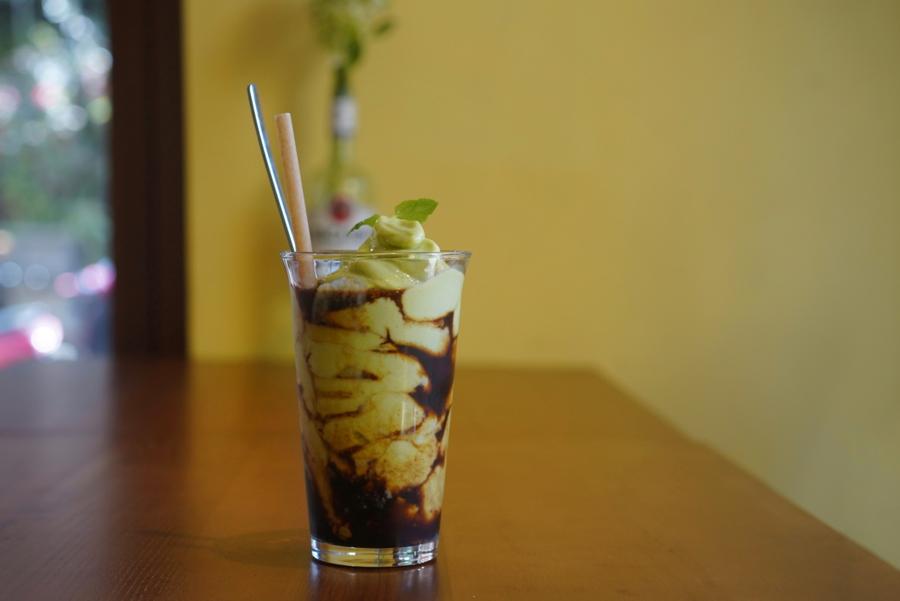
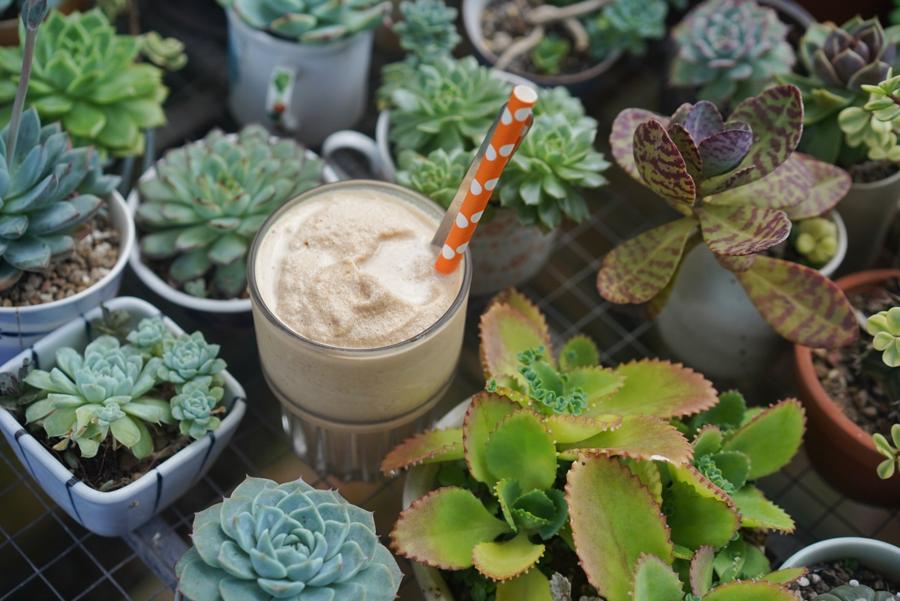
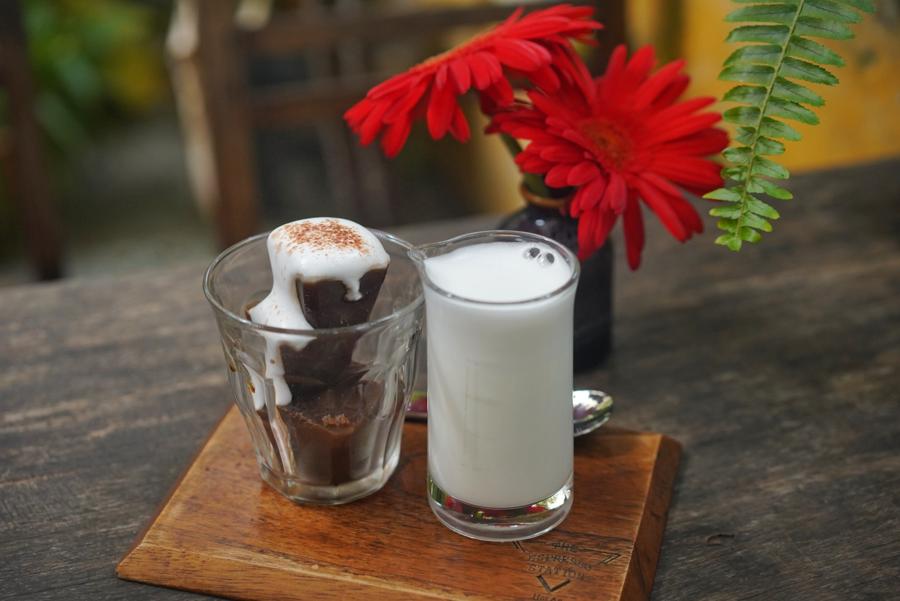
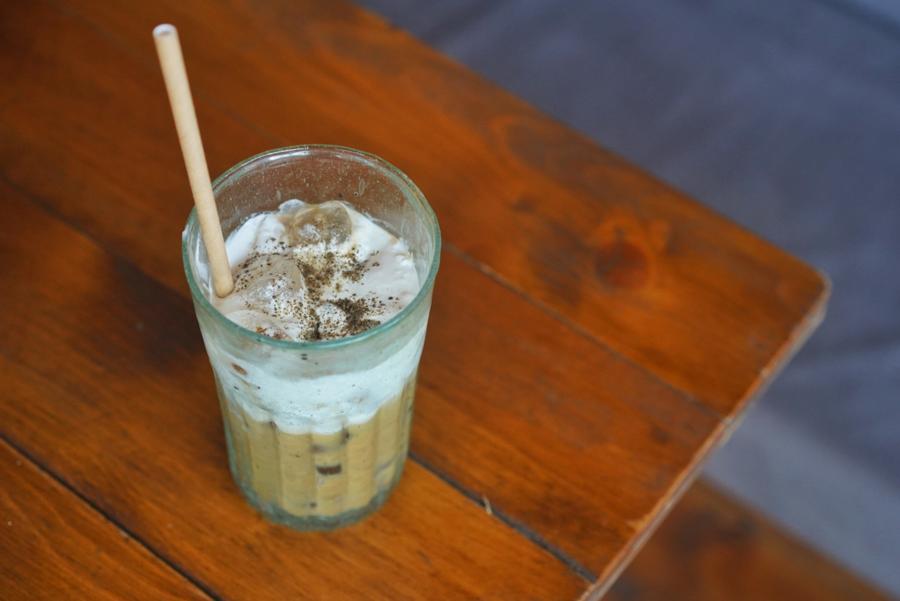
Hoi An’s cocktail scene is small but thoughtful, often highlighting local herbs, tropical fruit, and Vietnamese spirits.
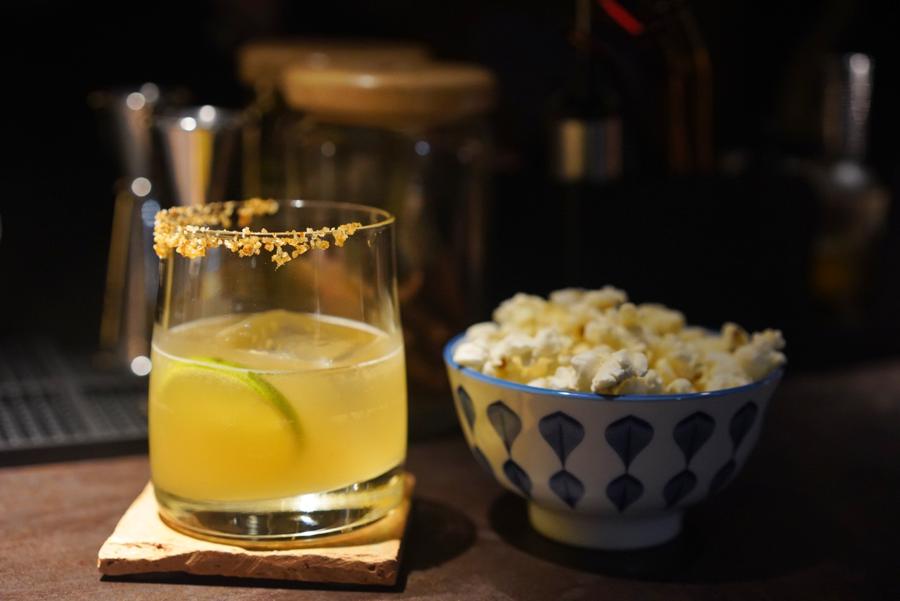
Mezcal Coctelería: This stylish bar specializes in agave-based cocktails (mezcal, tequila, and the like), providing a Latin-leaning drinking experience in a chic setting. Their expert mixologists craft drinks that highlight the complex flavors of mezcal, making it a must-visit for cocktail enthusiasts.
38 Đ. Phan Chu Trinh, Phường Minh An, Hội An
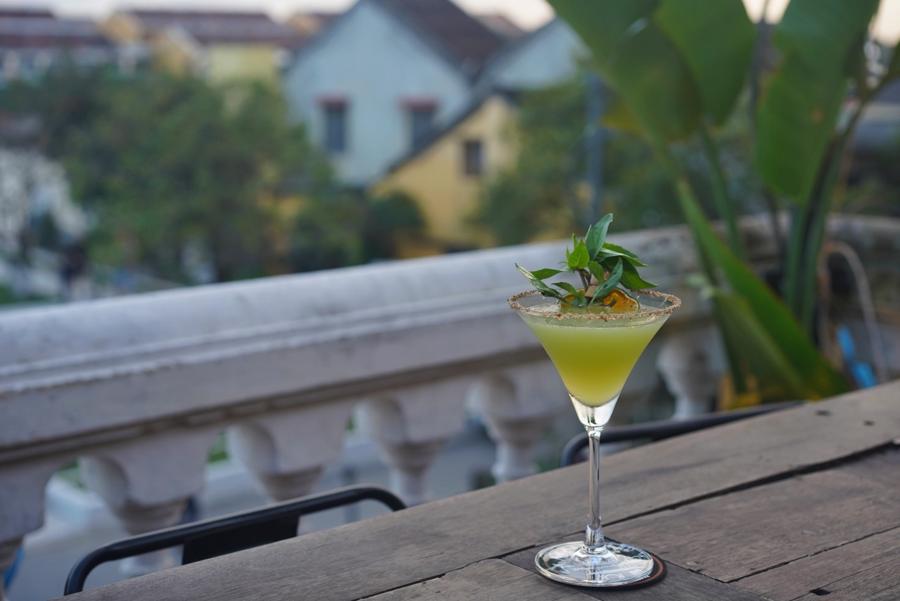
Market Bar: This lively watering hole attracts a diverse crowd, particularly during happy hour (from 4-6pm) with rooftop sunset views over the buzzing Central Market and river. The rotating cocktail menu highlights local ingredients and flavors (like a pho G&T or a Kumquat Gimlet) at pocket-friendly prices.
Đ. Bạch Đằng/02 Hoàng Diệu, Cẩm Châu, Hội An
READ MORE: The Ultimate Hanoi Food & Drink Guide
READ MORE: How to Eat Your Way Through Ho Chi Minh (Saigon) Like a Local
Visiting Hong Kong? Here's a similar guide to Hong Kong's best restaurants and bars.
Visiting Shanghai? Here's a similar guide to Shanghai's best restaurants and bars.
Visiting Bangkok? Here's a similar guide to Bangkok's best restaurants and bars.
Visiting Phnom Penh? Here's a similar guide to Phnom Penh's best restaurants and bars.
Visiting Macau? Here's a similar guide to Macau's best restaurants and bars.
Visiting Shenzhen? Here's a guide to Shenzhen's top 5 must visit destinations.
Visiting Singapore? Here's a guide to Singapore's best restaurants and bars.

My name is Sophie Steiner, and welcome to my food-focused travel blog. This is a place to discover where and what to eat, drink, and do in Shanghai, Asia, and beyond. As an American based in Shanghai since 2015 as a food, beverage, travel, and lifestyle writer, I bring you the latest news on all things food and travel.
Your email address will not be published.
Be the first to comment!

Sign up for tips on the latest Shanghai openings, and other food, beverage, and travel content
© 2026 Sophie Steiner
Privacy Policy