I've Lived in Shanghai for 10 Years. These Are 3 Local Dishes Tourists Often Skip — But Shouldn't
Exploring real Chinese food
February 27, 2026
Xi'an, the capital of Shaanxi Province, is a city steeped in history, known for its role as the starting point of the Silk Road and home to the Terracotta Warriors. This lively city’s culinary traditions reflect the mingling over centuries of a diverse makeup of cultures that resulted from its role as a major hub along the spice routes of northwest China. The city’s eclectic cuisine – an amalgamation of Chinese, Muslim, Middle Eastern, and Western influence – offers a window into the region's flavors, ingredients, and cooking techniques.
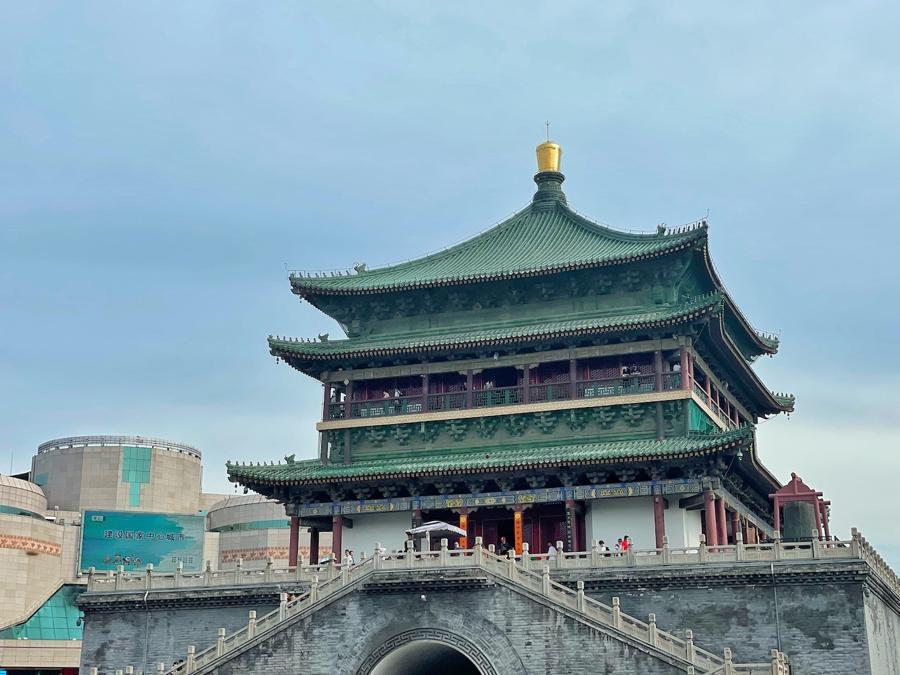
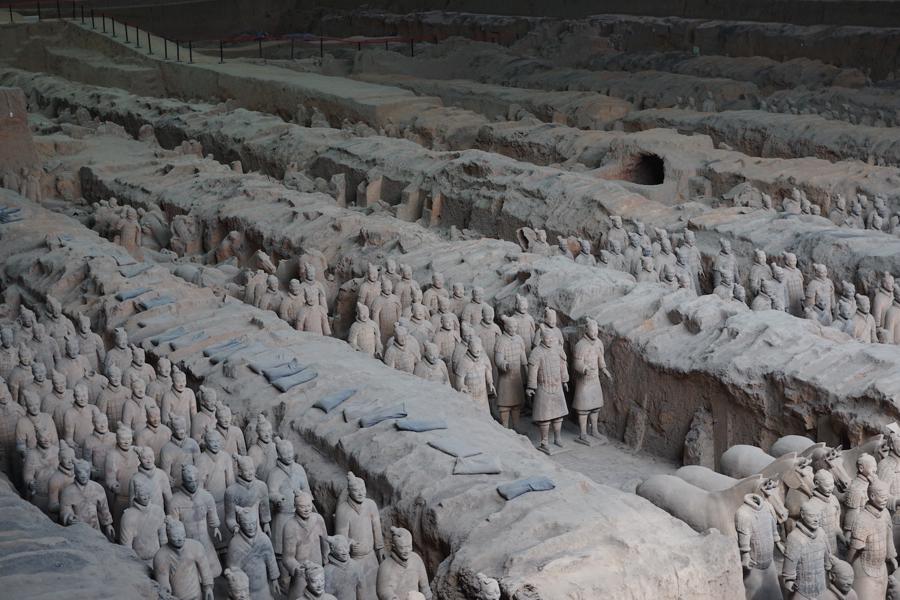
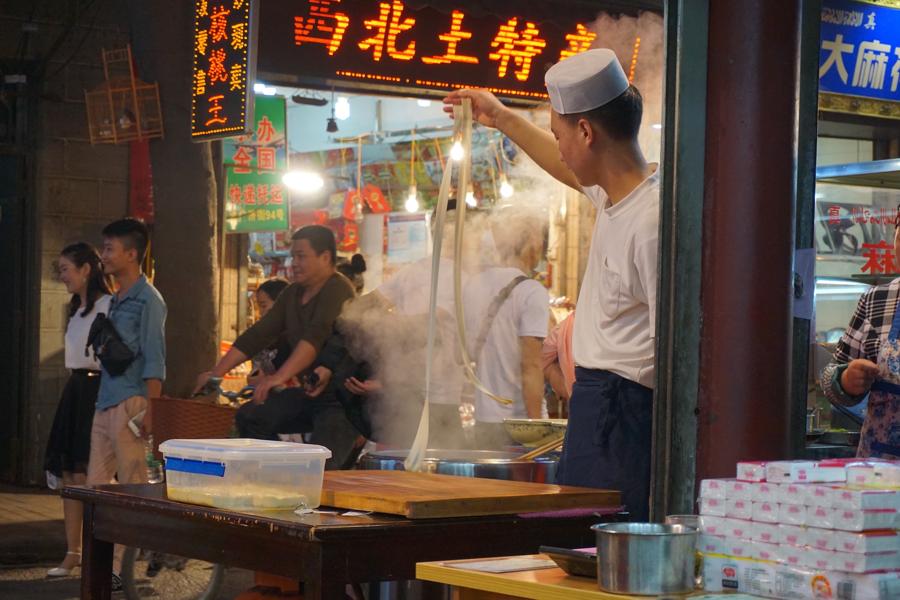
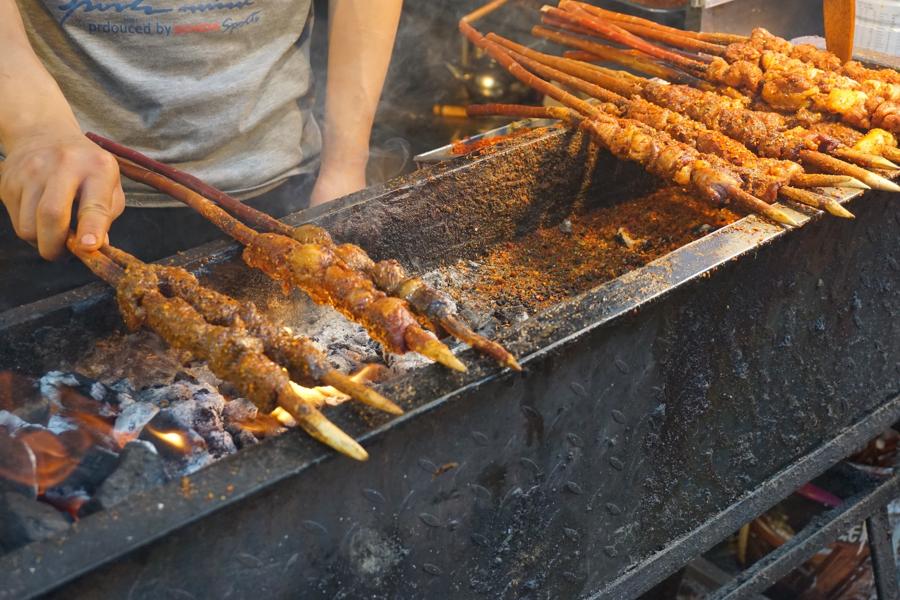
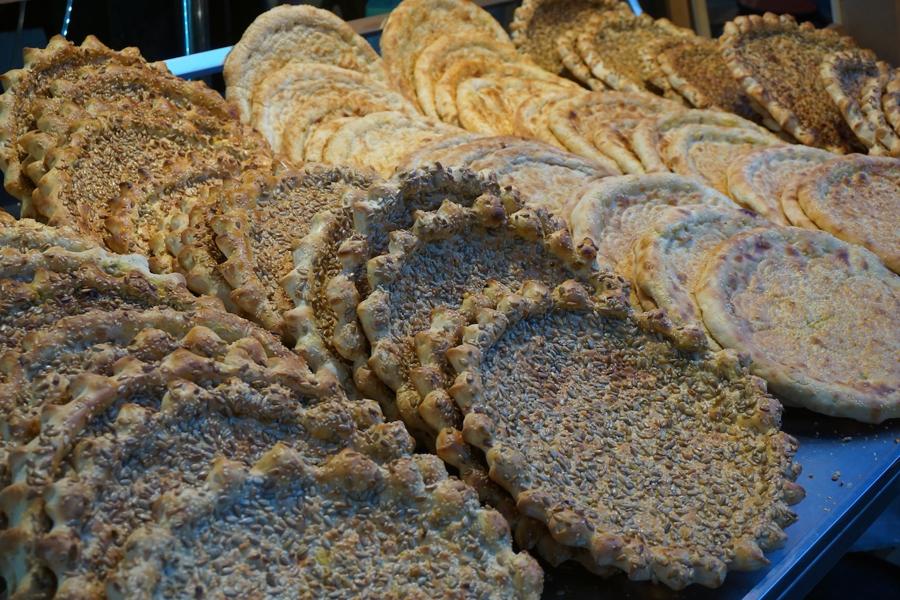
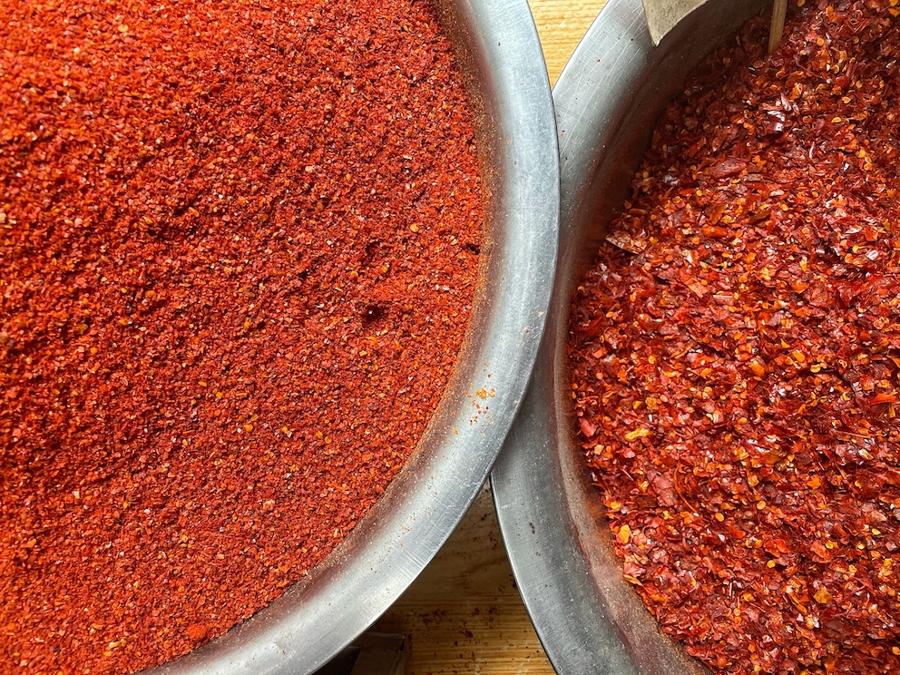
The city's food scene reaches its pinnacle on the street, with heaving pushcarts scattered throughout at all hours, laden with steaming buns, charred meat, roasting flatbreads, and sweet-smelling cakes layered with dates and nuts, hawkers luring in passers-by with “cat calls” of freshly made menu items rather than racy innuendos. From savory meat skewers dripping with cumin-laced fat to spicy, pulled noodles, Xi'an's street dining culture is an essential part of the local lifestyle, representing the heritage of this historically significant city.
Without further ado, here are eight must-try street food in Xi’an and where to get the best rendition.
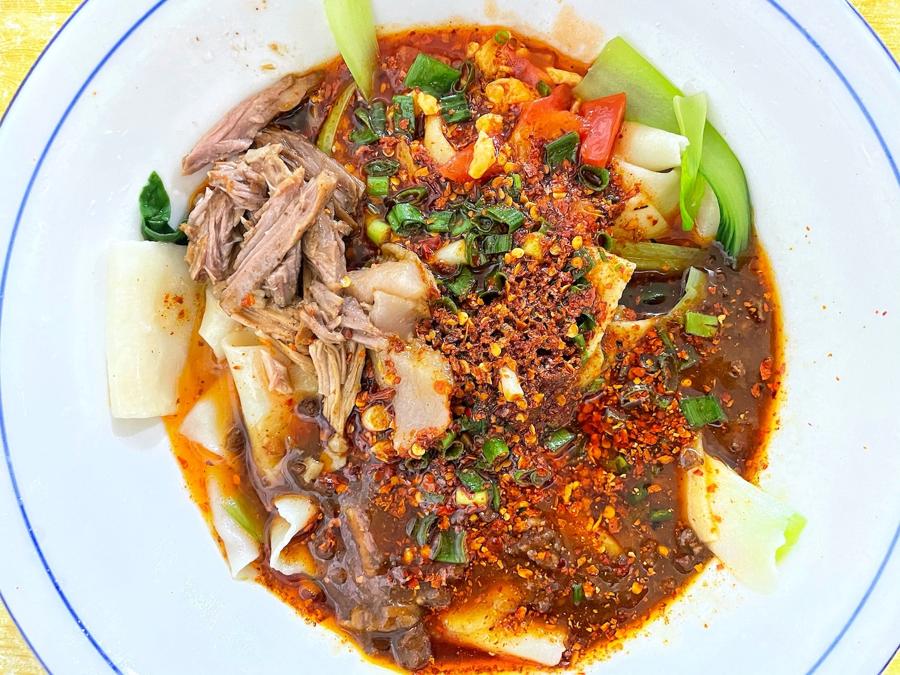
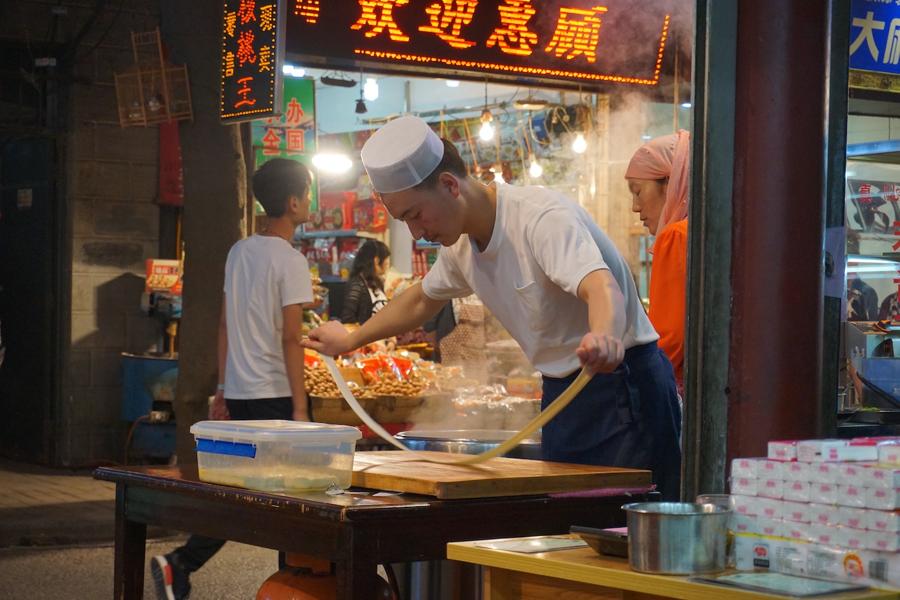
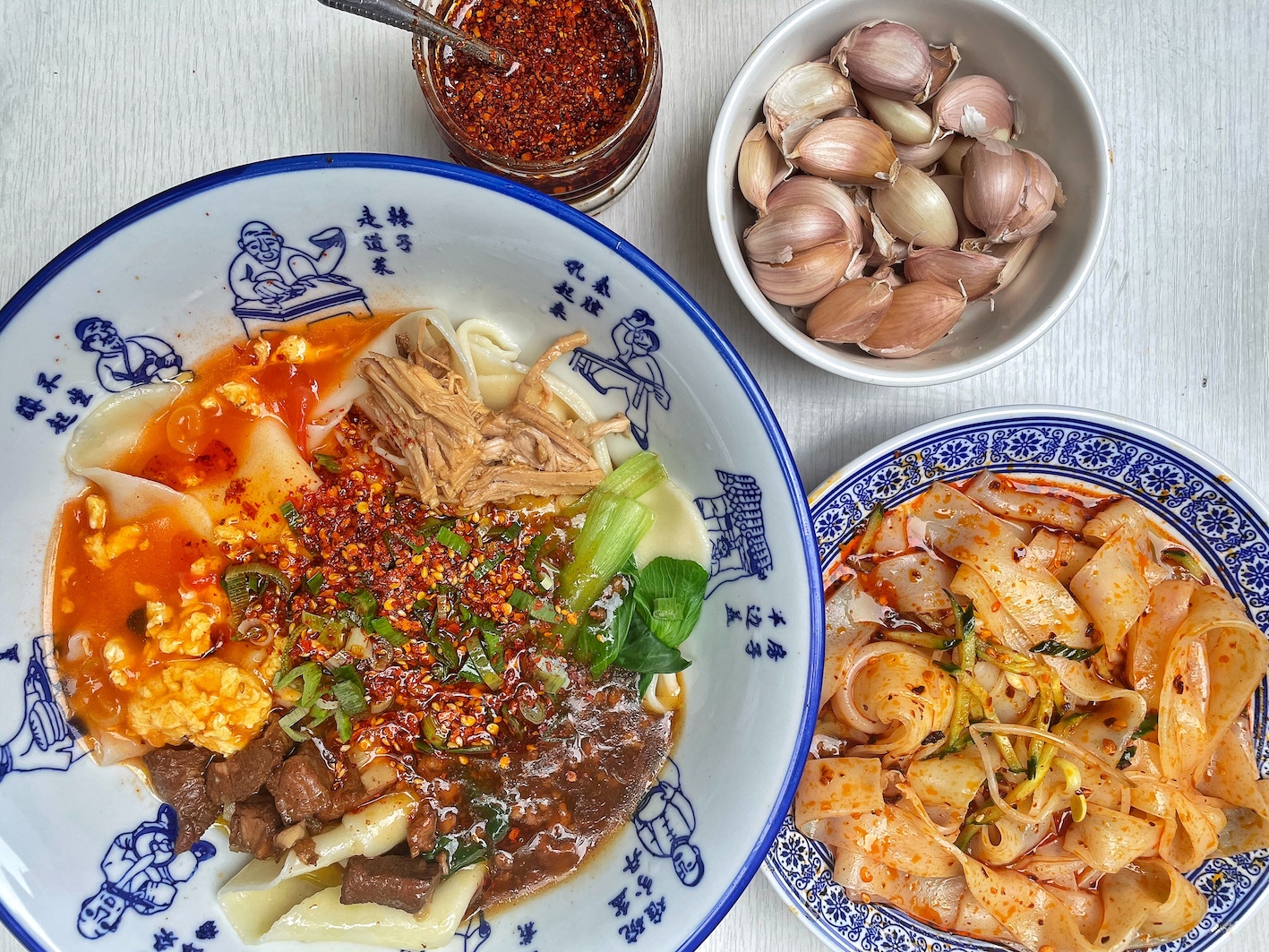
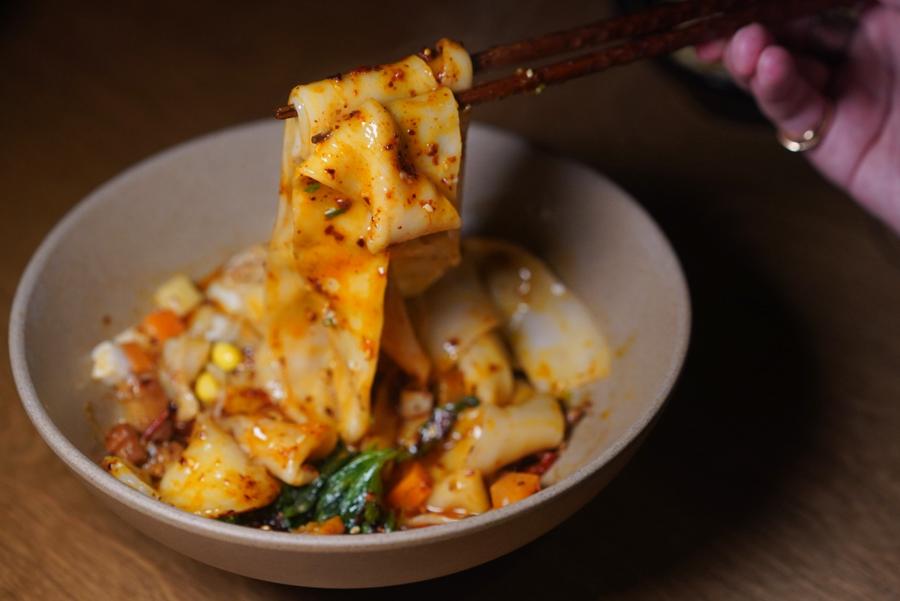
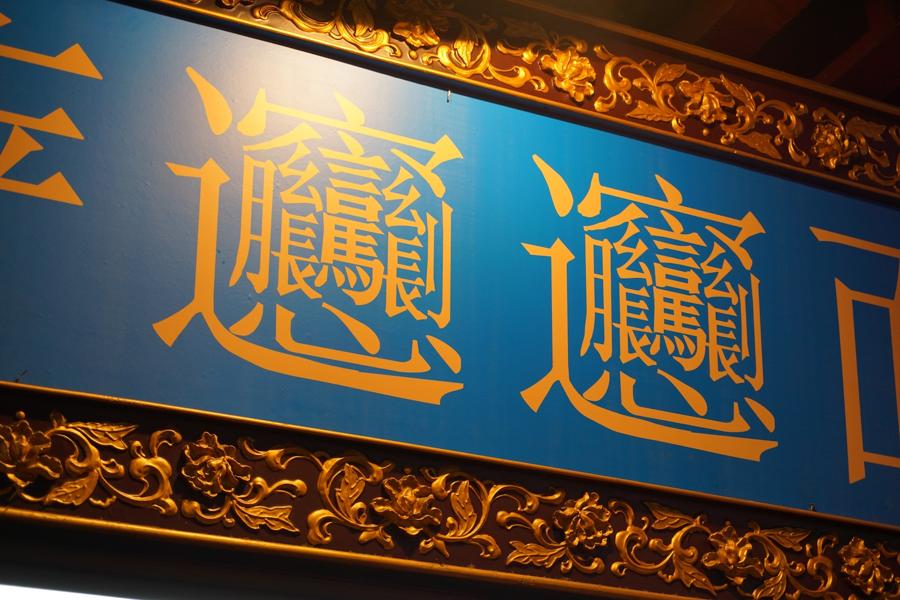
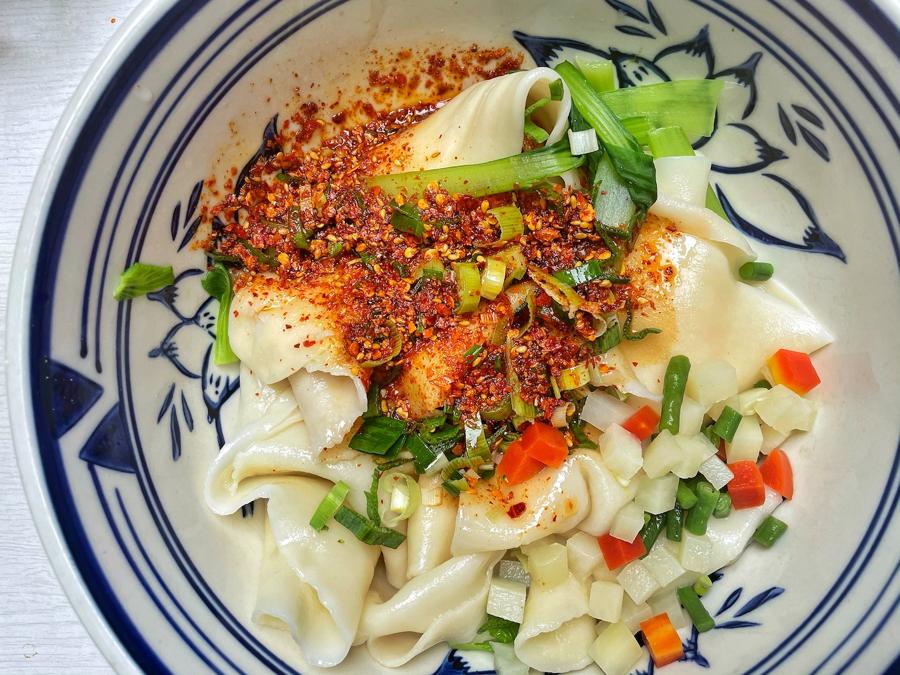
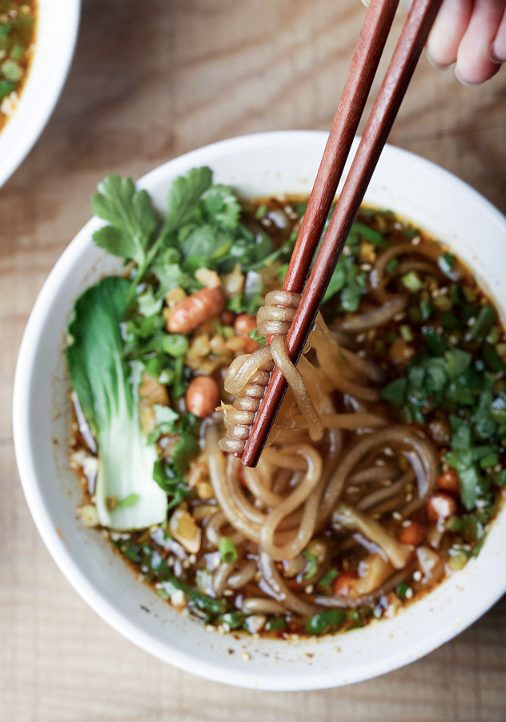
Xi’an’s signature dish, denoted by the most complicated character to write in simplified Mandarin (with 58 strokes), biang biang noodles are handmade, pulled pasta ribbons, adorned with a heaping portion of ground meat, diced vegetables (like carrot and potato), bean sprouts, and a slick coating of chili flake-flecked oil. The pleasant chew of un-even ridges that only comes from freshly pulled dough is unmatched. Each thread lifts with a satisfying tug – a good half-a-meter long – slickly coated in fiery chili oil.
Where to get it: Shanxi Small Noodles – Li Family Biang Biang Noodles 陕小面·李家biangbiang面 (Opposite the Bell Tower Residential Area, Zhubashi, 竹笆市钟楼小区对面)
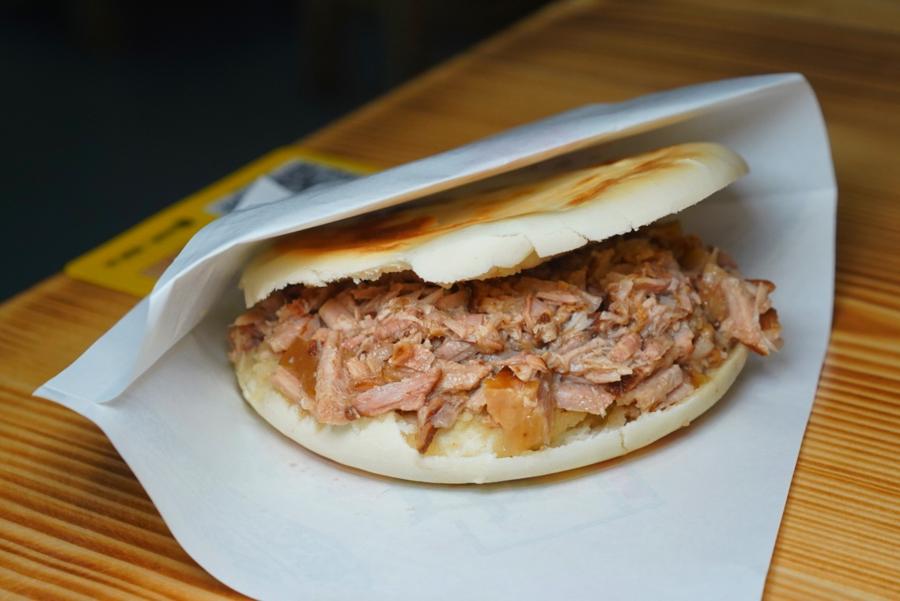
Roujiamo has been around for over 2,000 years, originating from the street vendors of the Tang Dynasty, and remains a beloved snack among locals and visitors alike. Playfully nicknamed a Chinese “burger,” roujiamo is stuffed to the gills with tender-braised, chopped pork (or sometimes beef), seasoned with cumin, peppercorn, and chili powder. Nestled inside a flaky baijiamo – or naan-like flatbread – the roujiamo sports a crunchy exterior while still remaining pillowy inside, absorbing the meat’s juices and becoming plusher by the minute.
Optional add-ons like stir-fried peppers, fried egg, and chili oil are recommended.
At some shops, patrons are given the choice of leaner cuts, fattier cuts, or a mix of the two, depending on personal preferences. Make sure to always finish it with a generous shmear of peanut chili crisp provided on each table for a true taste of Xian’s Muslim quarter.
Where to get it: Fan Ji Rou Jia Mo樊记腊汁肉夹馍 (53 Zhubashi Lu, Nanyuanmen南院门街道竹笆市街53号
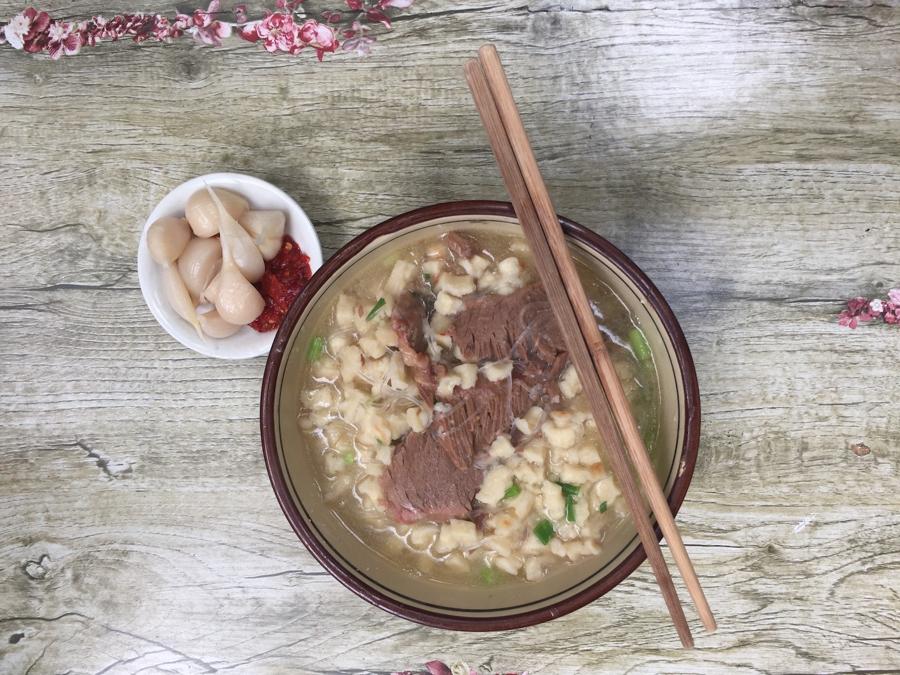
This hearty lamb stew consists of crumbled unleavened bread soaked in a savory, slowly simmered lamb broth. Diners typically add lamb meat and/or innards, raw garlic (a fundamental aspect of Xian cuisine), and fresh chilis to further enhance the flavor. Originating from the Hui Muslim community, this dish underscores the Islamic culinary influences in Xi'an and has become a symbol of local comfort food.
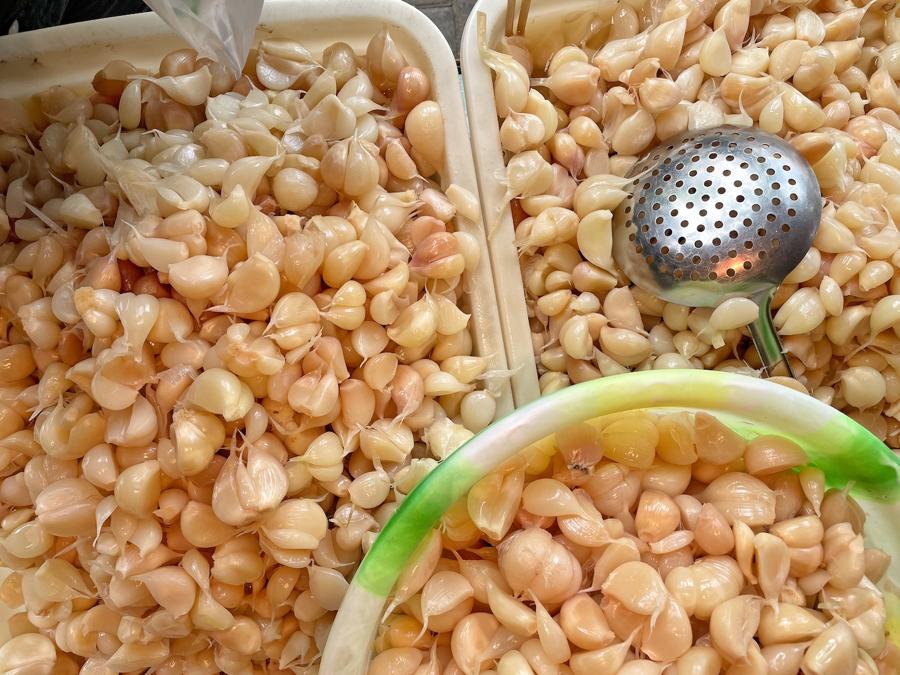
Where to get it: Halal Ma Hong Stir-fried Flatbread Restaurant 清真·马洪小炒泡馍馆 (46 Nongbu Lu 红埠街46号)
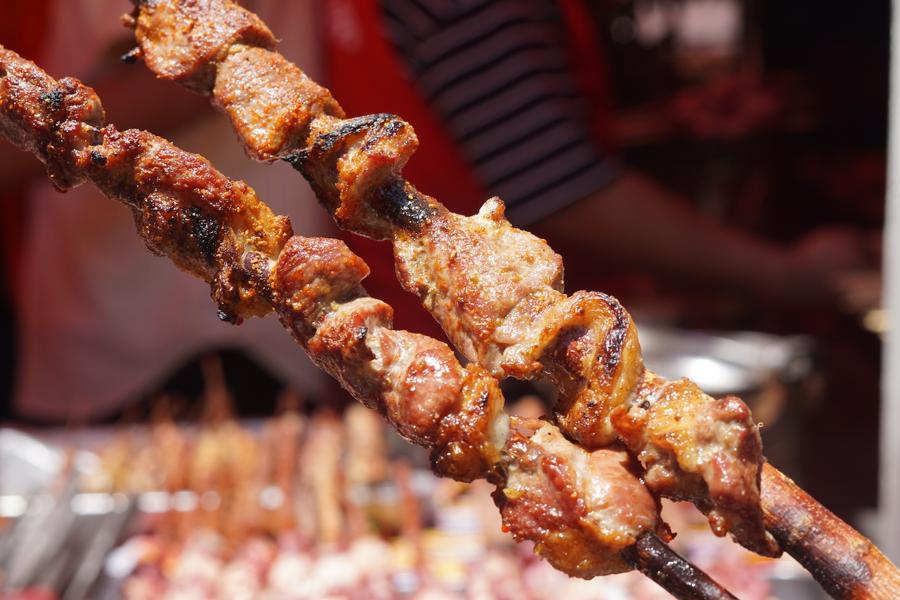
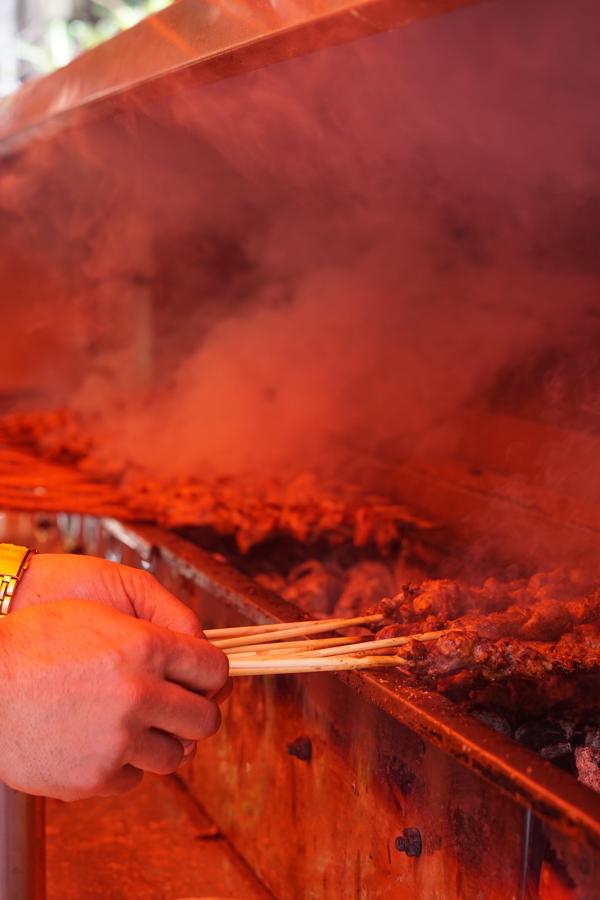
Tender chunks of meat – often lamb, chicken, or beef – are marinated in a variety of spices (like cumin, chili powder, and sesame seeds), skewered, and grilled over charcoal, resulting in flame-licked, smoky and succulent meat. While grilled meat skewers have Middle Eastern origins, they were brought to Xi’an thousands of years ago during the Tang Dynasty, and have been adapted to fit the local palate by Xi’an’s Hui Muslim community. Now, they are a common snack in all of China, representing the convivial aspect of dining at night markets with friends.
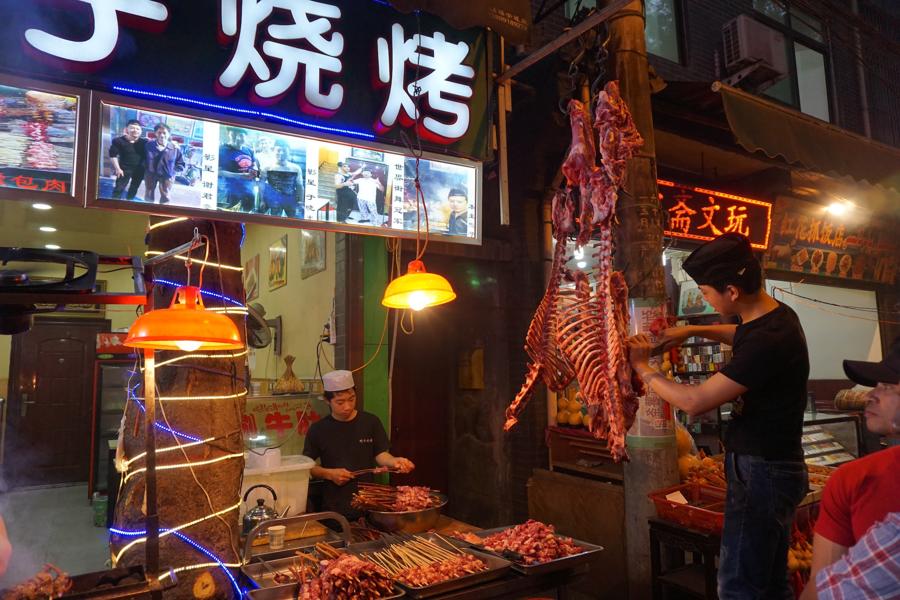
Where to get it: Qin Feng Barbecue 秦风烧烤 (Downstairs from Jiahe Business Hotel on South Street 南大街嘉禾商务酒店楼下)
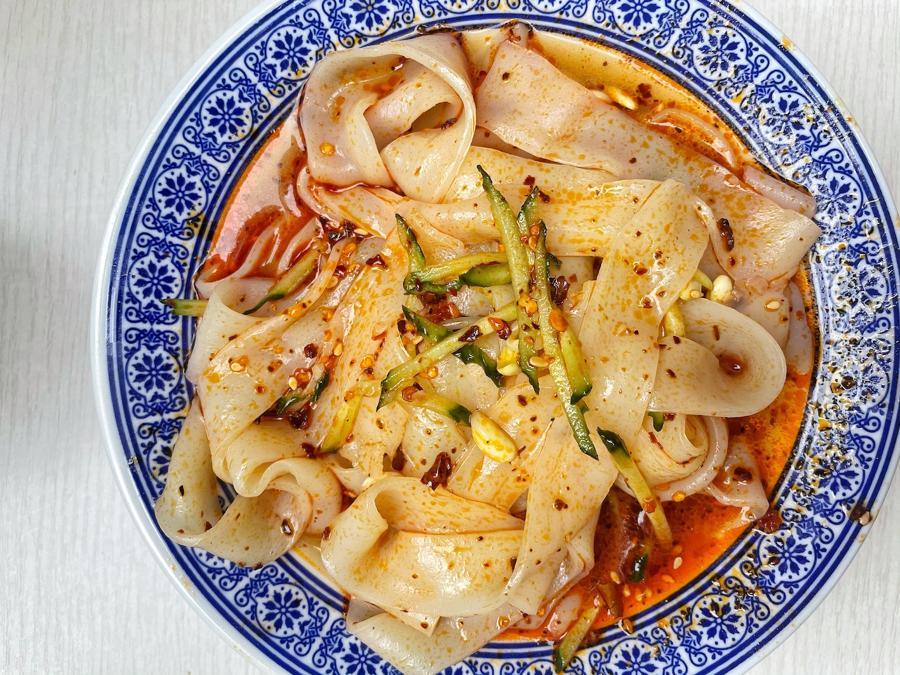
Regardless of province, liangpi, or cold skin noodles, is a venerated noodle dish, originally from Shaanxi province. These slippery, semi-translucent noodles can be made from all manner of rice or wheat flour and even assorted bean and root vegetable flours (which then becomes a sister dish called liangfen).
The common thread that runs throughout is that the starch is separated from the gluten through a dough “washing” process. The gluten itself can later be added back to the dish in the form of seitan – or kaofu – spongy cubes that soak up whatever sauce they are tossed in.
In Xi’an, noodles swim in a zippy peanut/sesame butter, chili, and vinegar dressing, tossed with shredded cabbage, julienned carrots and cucumber, strips of wheat gluten, crunchy peanuts and fresh cilantro. Typically served cold, liangpi is customarily eaten in the warmer months as a cooling dish, despite the heat from the spice.
Where to get it: Qingzhen Shengzhiwang Sesame Paste Liangpi Shop 清真盛志望麻酱酿皮铺 (Daikawain West Exit 225, 大皮院西口225号)
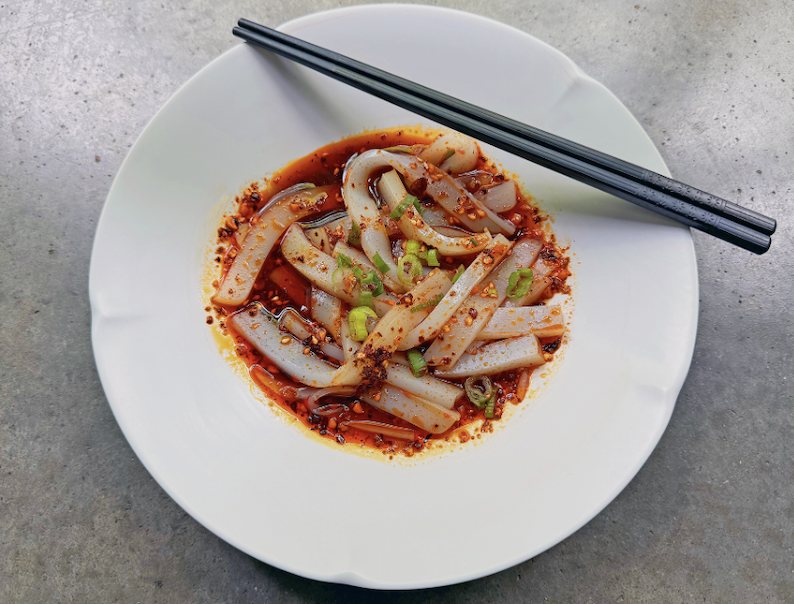
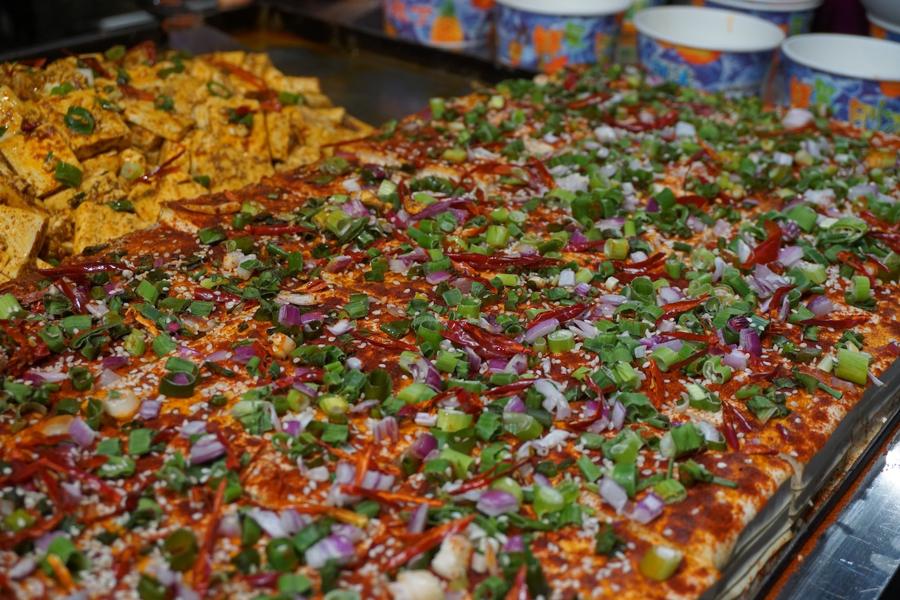
A tofu-like jelly made from fresh green bean starch is sliced into spears, fried for crispy edges, and slathered in a rich chili oil and scallions. Best enjoyed cold, the thick jelly is typically eaten on the go or while walking around a night market. In other parts of the country, like Sichuan, sweet interpretations of liangfen can also be found dribbled with brown sugar syrup and sprinkled with hawthorne fruit leather, raisins, and various candies.
Where to get it: 清真·宏顺祥卤汁凉粉 Halal Hongshunxiang Braised Jelly Noodles (No. 212, Beiguangji Lu, 北广济街212号)
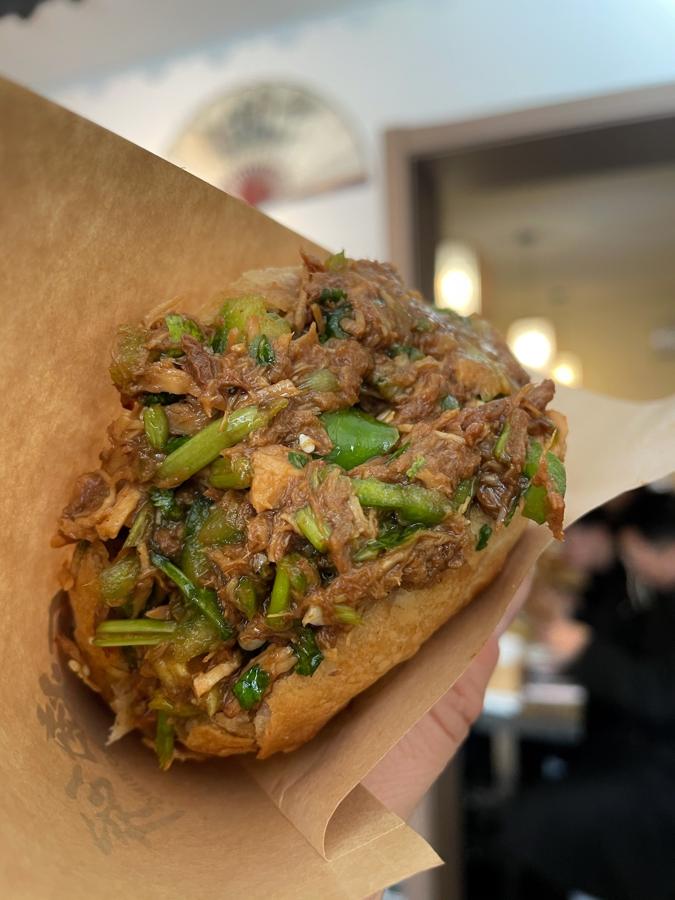
Similar to roujiamo, jiamo features a flat, pita-like bread stuffed with a variety of fillings, including spiced meats and vegetables. The bread is often baked in clay drum ovens for smoky charred edges.
Jiamo is believed to have ancient roots, with references found in historical texts illustrating its long-standing presence in local Muslim culture. Jiamo also represents the adaptability of local ingredients and flavors, making it a staple for many residents. It’s a great example of how simple ingredients can create complex flavors, embodying the essence of Xi'an's food culture while showcasing the culinary traditions of Xi'an's ethnic minorities and their influence on local cuisine.
Where to get it: Lao Jin's Egg and Vegetable Sandwich 老金家蛋菜夹馍 (No. 3 Sajinqiao, 洒金桥3号)
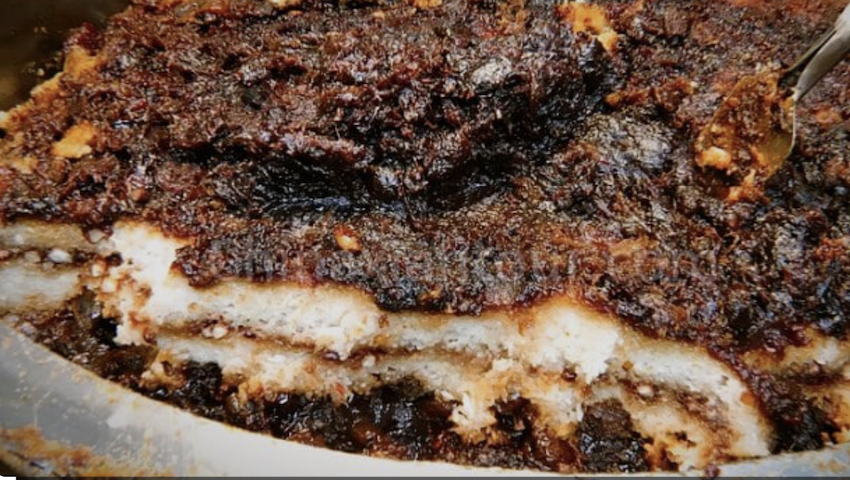
This sweet, steamed dessert is made from layered glutinous rice topped with a sticky red date and mashed sweet red bean spread, often enjoyed for breakfast. Less of a Western “cake” and more of a warm, gooey, spoonable sticky rice treat, zenggao connects to local traditions and festivals, highlighting the significance of food in cultural celebrations. Red date spread along with sweet red bean paste is commonly found in many Xi’an desserts, particularly those in the bustling Muslim Market, where all manner of cookies, cakes, buns, and tarts are stuffed, filled, piped, and slathered with it.
Where to get it: Eight Hundred Li Qin Chuan · Authentic Shaanxi Cuisine 八百里秦川·正宗陕菜 (1st Floor, Building A1, Qujiang Jin'anfang, Yannan Lu, 雁南一路曲江锦安坊A1馆1层)

My name is Sophie Steiner, and welcome to my food-focused travel blog. This is a place to discover where and what to eat, drink, and do in Shanghai, Asia, and beyond. As an American based in Shanghai since 2015 as a food, beverage, travel, and lifestyle writer, I bring you the latest news on all things food and travel.
Your email address will not be published.
Be the first to comment!

Sign up for tips on the latest Shanghai openings, and other food, beverage, and travel content
© 2026 Sophie Steiner
Privacy Policy