Beyond the Full Moon Party: Why Koh Phangan Should Be on Every Foodie's Radar
The Ultimate Foodie Guide to Koh Phangan
October 6, 2026
Shanghai is a city with a complicated relationship with the past. Entire neighborhoods can seemingly disappear overnight, replaced by shiny malls, specialty coffee shops, and buildings so new they still smell faintly of fresh concrete. Yet tucked between all that relentless forward momentum are pockets where the city's collective attic has been emptied onto the pavement.
Enter Yunzhou Ancient City.
Also known as Yunzhou Curio Town or Yunzhou Antique City (云洲古玩城), this multi-story monument to all things old, odd, dusty, and potentially valuable sits rather inconspicuously on Damuqiao Lu in Xuhui District.
During the week, Yunzhou operates as a traditional indoor antique mall. But come Saturday and Sunday morning, the sidewalks surrounding the building transform into one of Shanghai's best remaining flea markets.
And that's when things get interesting.
Arrive early enough on a weekend and Yunzhou is difficult to miss.
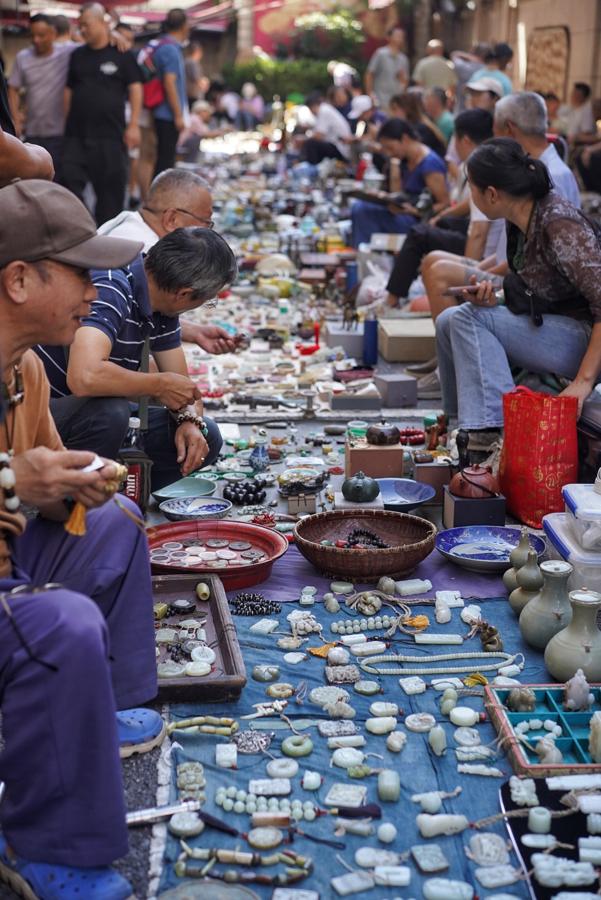
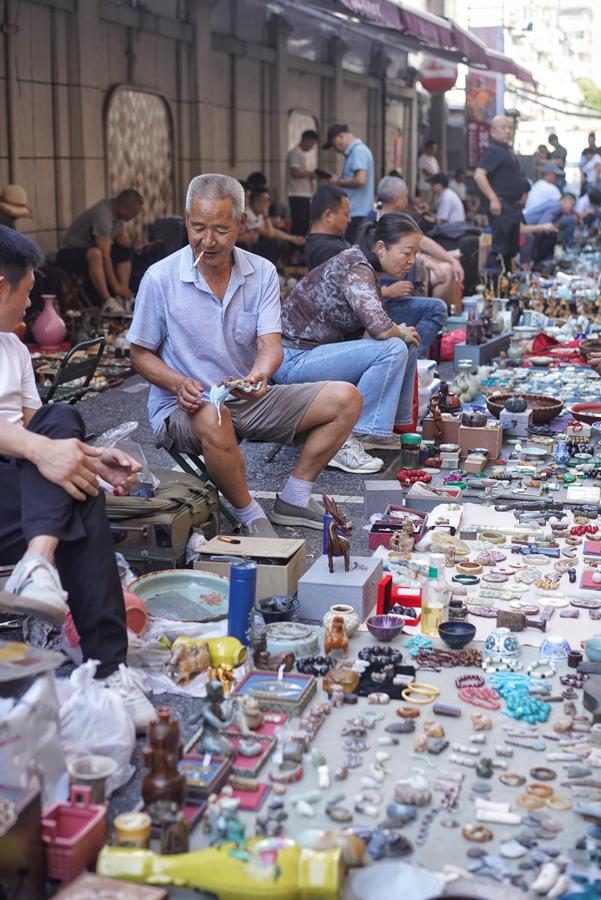
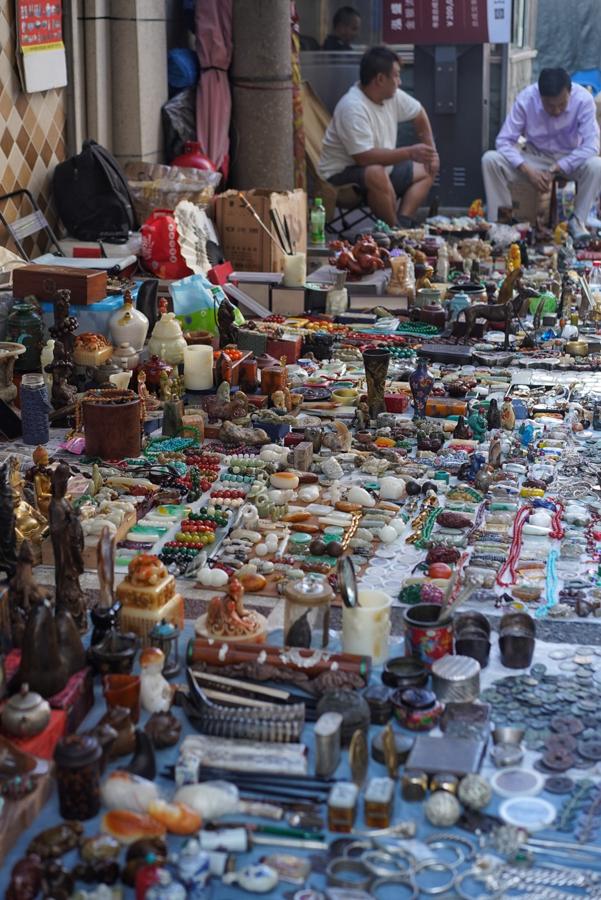
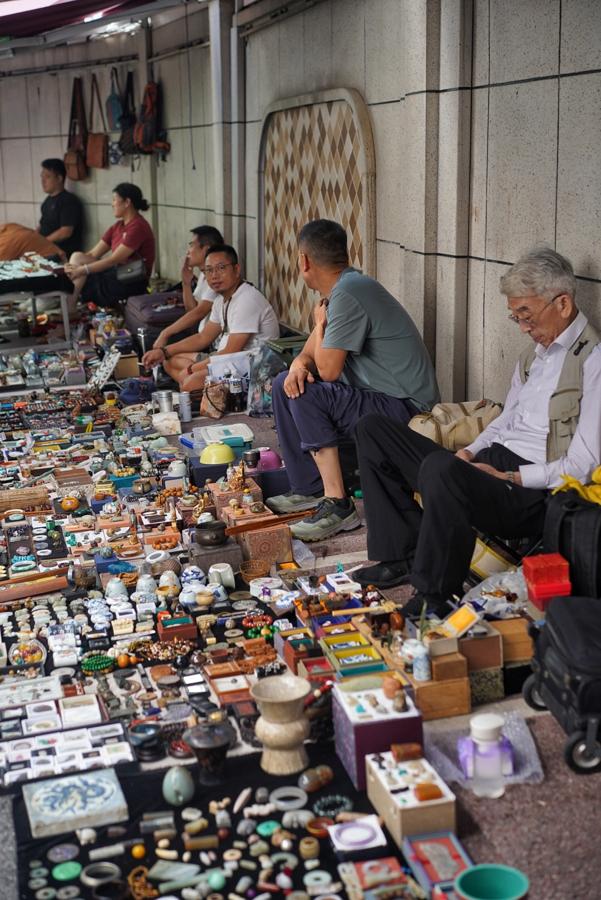
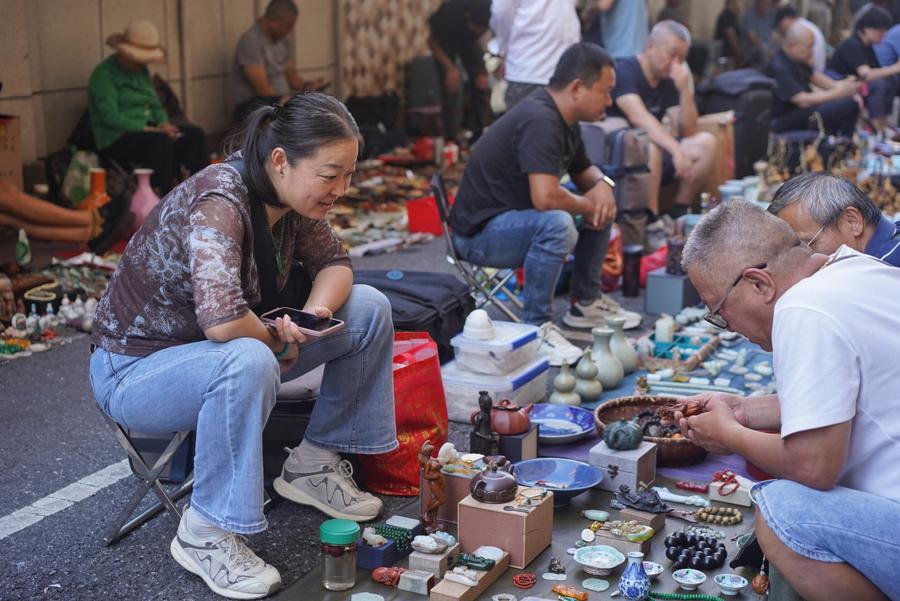
Hundreds of vendors form a horseshoe around the perimeter of the main building, spreading their wares across mismatched blankets, rugs, plastic sheets, and brightly colored scraps of fabric.
There are no beautifully styled displays here. No curated vintage boutiques with Edison bulbs and suspiciously expensive mid-century chairs. Instead, entire collections are dumped onto the ground with the general attitude of: Have at it.
And have at it you should.
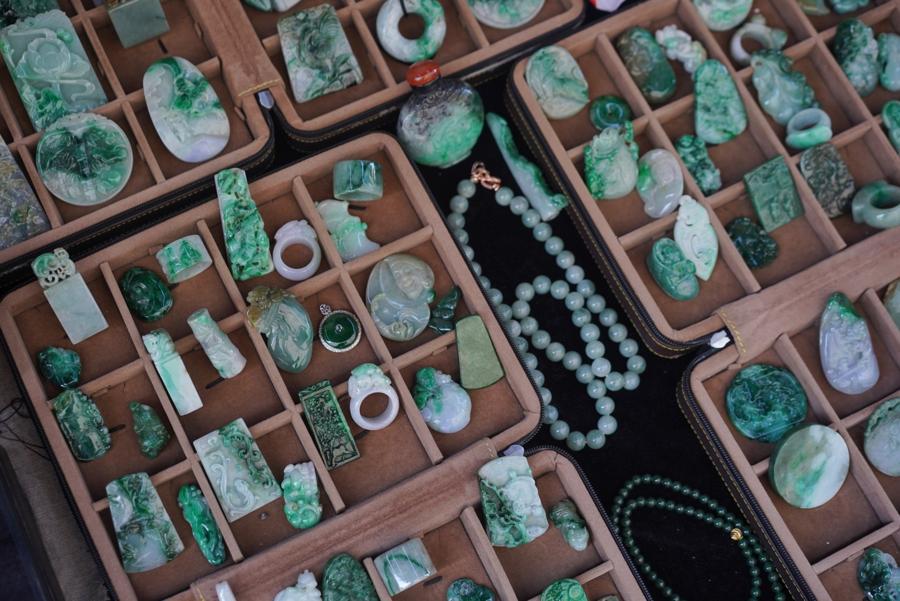
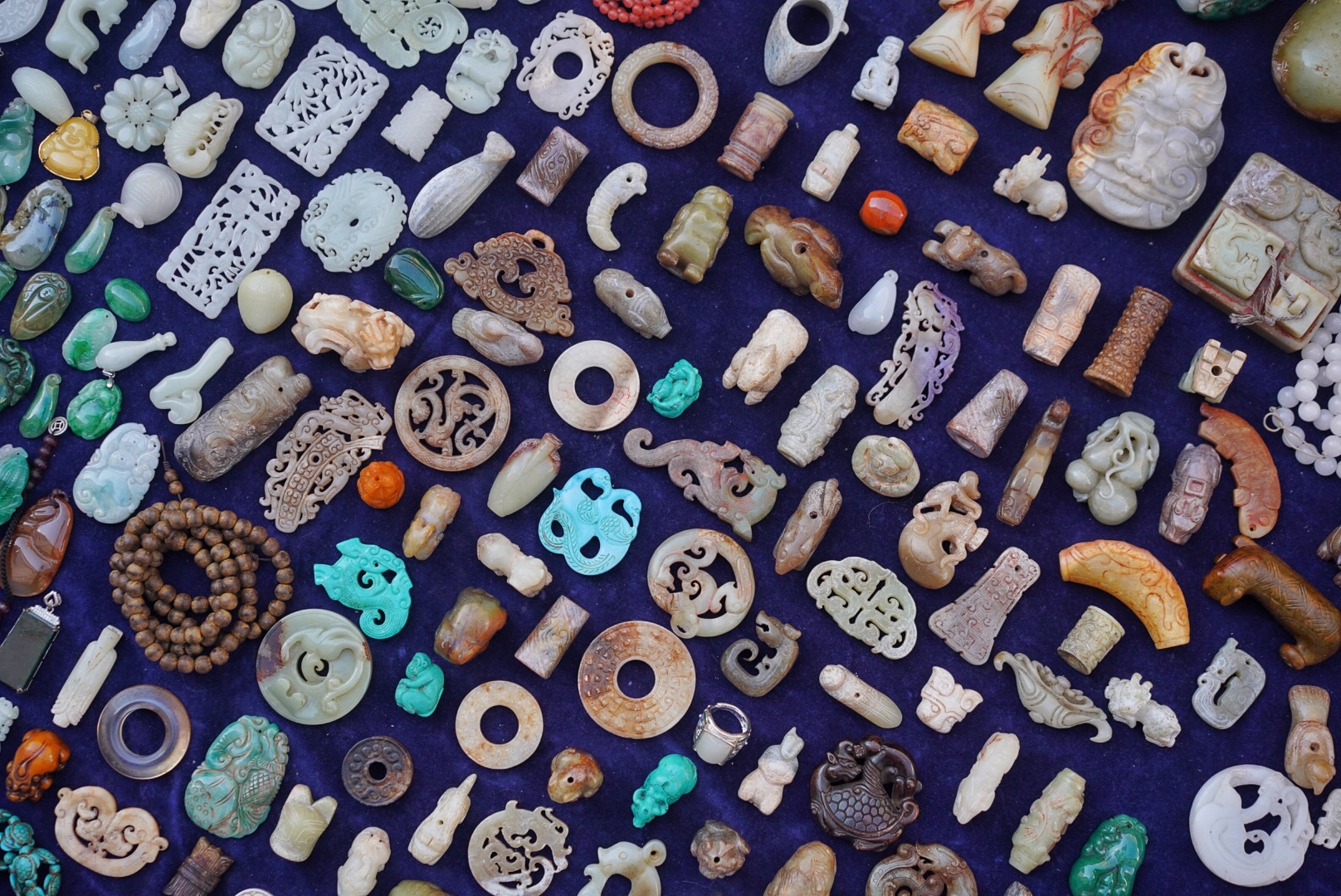
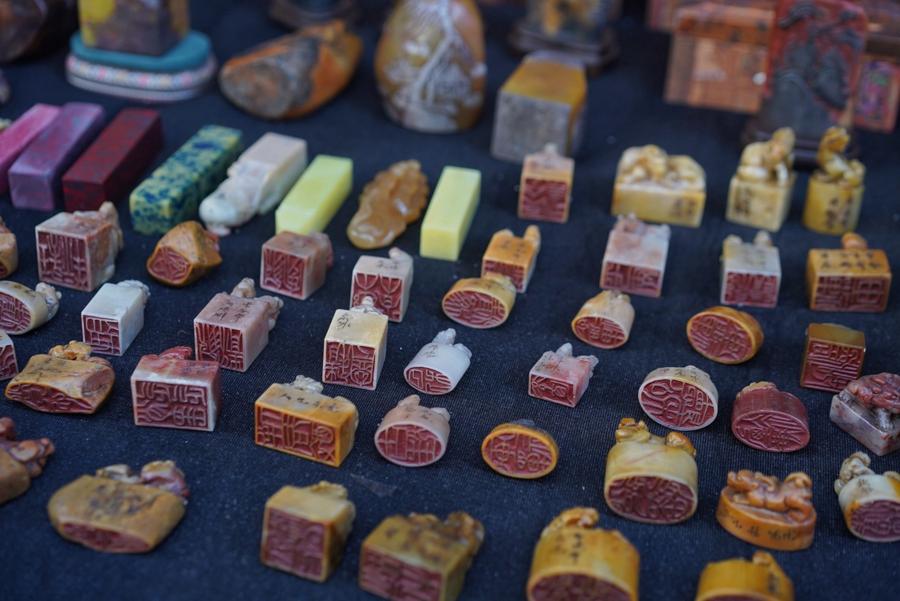
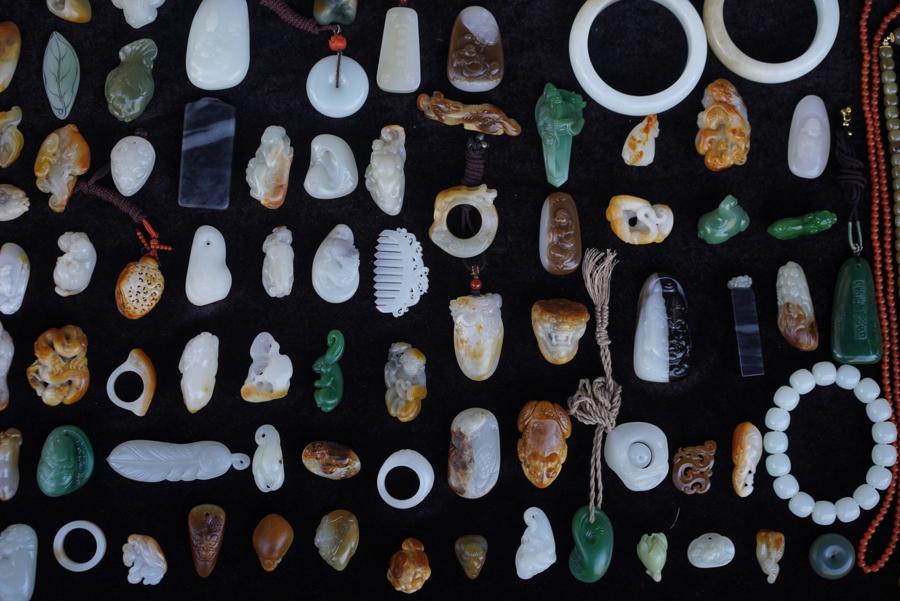
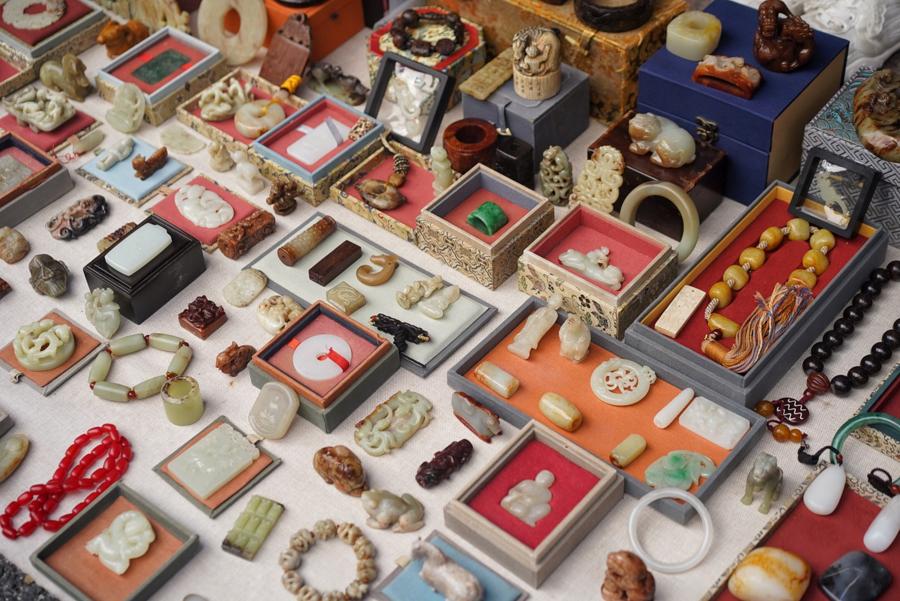
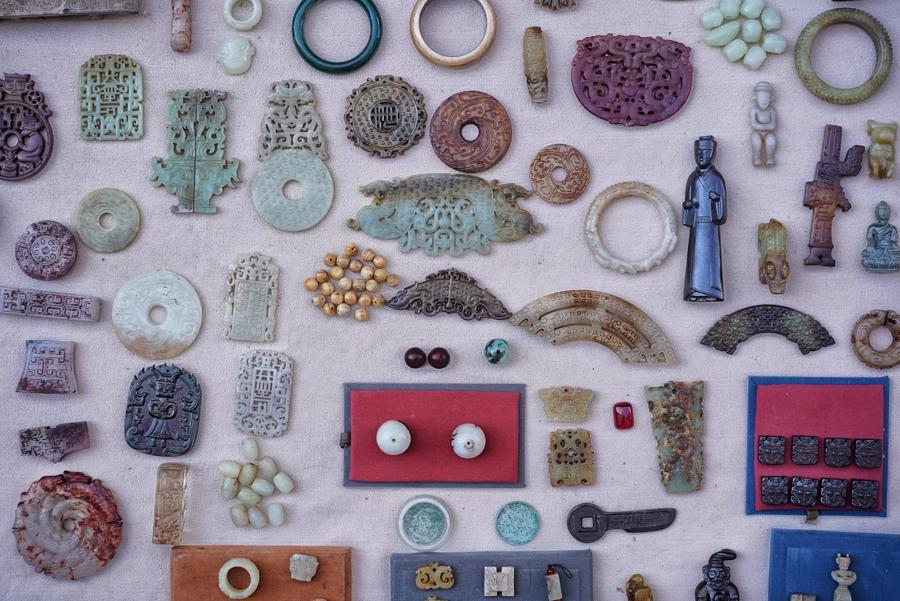
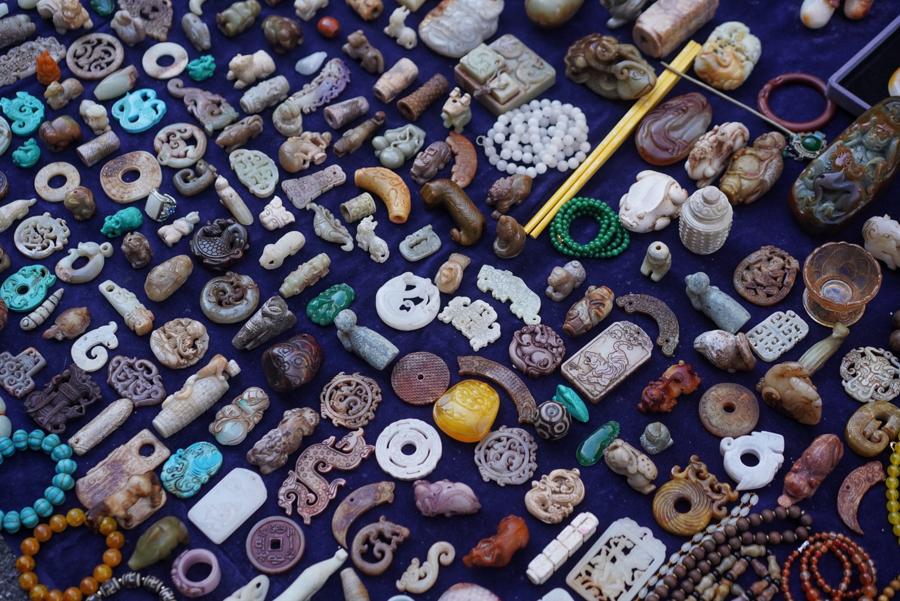
One blanket might hold stacks of Mao-era books and medals, another a jumble of fountain pens, pocket watches, jade pendants, old coins, cigarette tins, and enamel bowls. Keep walking and suddenly you're rifling through military caps, porcelain figurines, wooden jewelry boxes, opera memorabilia, faded photographs, teapots, stamps, calligraphy brushes, vintage jewelry, old banknotes, and mysterious metal objects whose original purpose has long since been lost to time.
Some items appear genuinely old.
Others appear genuinely questionable.
That is, of course, half the fun.
Unlike an antique gallery where provenance and authenticity are part of the price tag, Yunzhou is very much a buyer-beware situation. Unless you happen to possess an encyclopedic knowledge of Qing Dynasty porcelain, don't arrive expecting to casually uncover a priceless imperial vase for RMB50.
Instead, approach it as a treasure hunt.
The real joy is finding something that speaks to you – whether that's an old Shanghai advertising tin, a kitschy Chairman Mao badge, a beautifully worn teapot, or an object you cannot identify but have suddenly decided your apartment cannot possibly function without.
Technically, Yunzhou is open year-round, but weekends are when the market really earns its keep.
The outdoor flea market takes place on Saturday and Sunday, with vendors beginning to set up from around 6am and packing away by approximately 5pm. You do not necessarily need to arrive while Shanghai is still rubbing the sleep from its eyes, but earlier is better.
Serious collectors know this.
By the time you've rolled out of bed, stopped for coffee, debated whether you really want to spend your Saturday digging through somebody else's discarded possessions, and arrived at noon, the professionals have already been through. If you want first dibs, aim for around 9am.
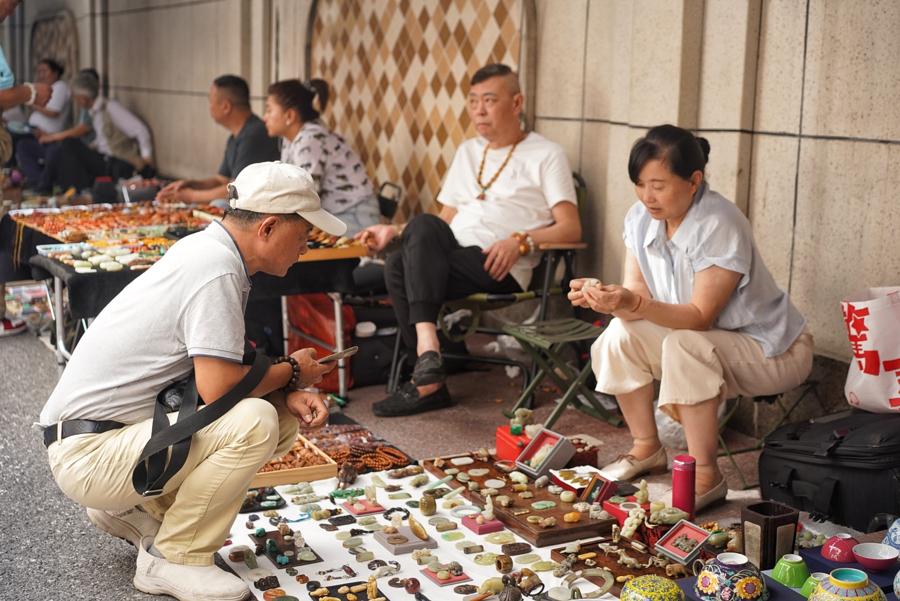
The market's atmosphere is half the attraction anyway. Vendors squat beside their blankets drinking tea, collectors inspect objects with forensic intensity, bargaining erupts over a few kuai, and shoppers crouch down to dig through piles that appear to have been transported directly from someone's grandmother's attic.
It's People Watching 101 with the possibility of purchasing communist memorabilia.
What's not to love?
Once you've completed a lap outside – or your knees begin protesting after the 47th squat to inspect a pile of trinkets – head inside.
Yunzhou's multi-story building contains a maze of permanent stalls and specialist dealers, making the outdoor market merely the appetizer to a seven-course meal of curiosities of yore.
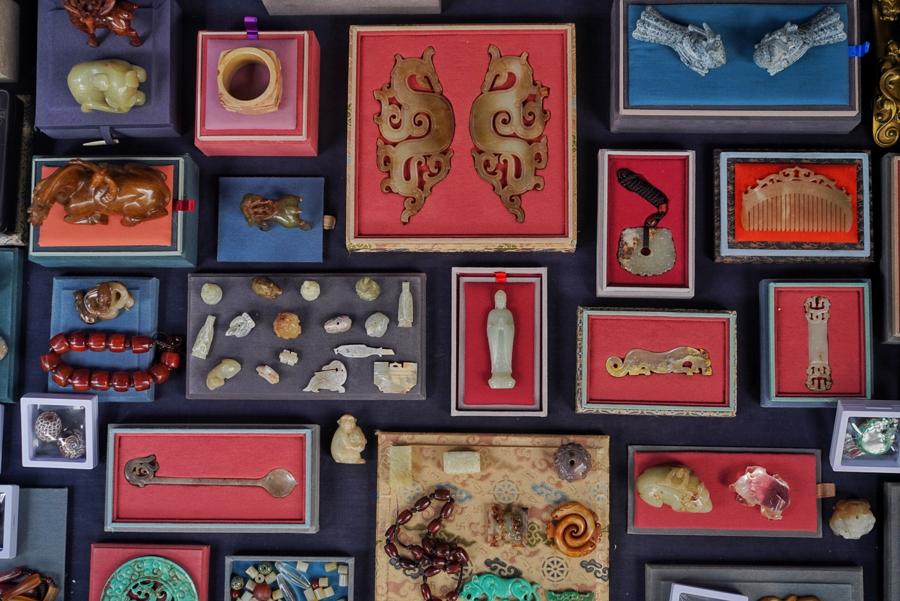
The lower floors focus heavily on traditional Chinese antiques and decorative objects. Expect teapots, porcelain, ceramics, jade, wood carvings, calligraphy supplies, traditional furniture, Buddhist figures, and enough vessels to make you question how many vases one human being reasonably needs.
Spoiler: apparently, the limit does not exist.
As you climb, the merchandise becomes increasingly specialized.
Stamp collectors can lose an alarming amount of time among the philatelic dealers around the fifth floor, while the sixth is catnip for numismatists, with old Chinese coins, commemorative currency, vintage banknotes, and medals filling display cases and albums. The upper level hosts galleries and rotating exhibitions, depending on when you visit.
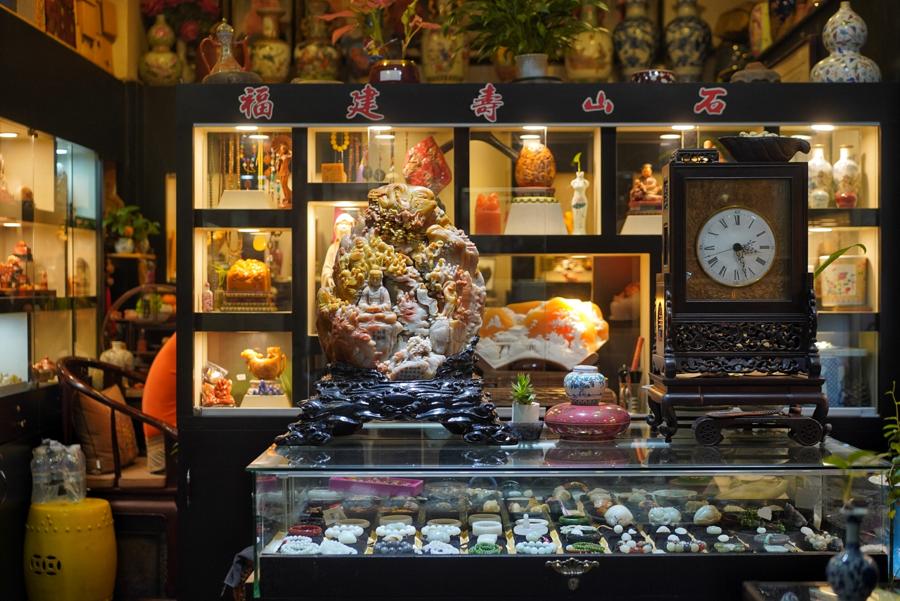
The indoor experience feels noticeably different from the free-for-all happening outside. Many dealers specialize in particular categories and know their inventory intimately. Prices can also reflect that expertise. In other words, the random RMB20 object outside and the carefully displayed antique inside are not necessarily playing the same game.
Bargaining is part of the Yunzhou experience, particularly with the outdoor vendors. Ask the price, counter politely, and expect a little back-and-forth. Buying multiple objects from one seller gives you considerably more bargaining power, so this is the perfect opportunity to justify that fifth porcelain vase you definitely didn't need.
But there's a difference between negotiating and fighting someone over RMB5.
Keep it friendly.
If the price isn't right, smile, say thank you, and walk away. Sometimes the vendor will call you back with a lower offer.
Sometimes they won't.
Sometimes you'll spend the following three hours thinking about the tiny porcelain fish you abandoned over the equivalent of 70 cents.
Such is the emotional roller coaster of flea market shopping.
Cash is worth carrying, although mobile payment is ubiquitous. More importantly, bring a reusable tote bag – preferably something sturdy. Buying an antique ceramic vase and then realizing you have nowhere to put it is a particular kind of rookie mistake.
For anything supposedly rare, expensive, or historically significant, assume nothing. Reproductions are common in Chinese antique markets, and age can be remarkably easy to manufacture.
Buy because you love something, not because a stranger has assured you it belonged to an emperor.
Yunzhou isn't somewhere to rush through. Give yourself at least two hours, and longer if you possess the dangerous combination of curiosity and poor impulse control.
Start outside while the market is at its busiest, then tackle the building. If you're not a serious collector, don't feel obliged to inspect every stall on every floor. Wander until something catches your eye, follow whichever corridor looks most promising, and embrace getting slightly lost.
That's rather the point.
Part antique mall, part flea market, part accidental museum, Yunzhou offers a glimpse into everyday Chinese material history that you're unlikely to find behind glass in one of Shanghai's formal cultural institutions.
These aren't necessarily historically important objects. They're old thermoses and biscuit tins. Family photographs and fountain pens. Chipped teacups, badges, coins, toys, and household objects that once belonged to someone, somewhere. Taken individually, many are mundane. Taken together, they're a wonderfully chaotic portrait of decades of daily life.
And yes, you can take some of it home.
Name: Yunzhou Ancient City 云洲古玩城
Address: 88 Damuqiao Lu, near Xietu Lu, Xuhui District 徐汇区大木桥路88号, 近斜土
Metro: Jiashan Road Station, Lines 9 and 12, Exit 4
When to go: Saturday and Sunday for the full outdoor flea market experience. The permanent indoor antique shops operate throughout the week.
Outdoor market: Approximately 6am-5pm on weekends; go earlier for the best selection.
How long: Allow two to three hours if you plan to browse both the o

My name is Sophie Steiner, and welcome to my food-focused travel blog. This is a place to discover where and what to eat, drink, and do in Shanghai, Asia, and beyond. As an American based in Shanghai since 2015 as a food, beverage, travel, and lifestyle writer, I bring you the latest news on all things food and travel.
Your email address will not be published.
Be the first to comment!

Sign up for tips on the latest Shanghai openings, and other food, beverage, and travel content
© 2026 Sophie Steiner
Privacy Policy