Yunzhou Ancient City: Shanghai’s Weekend Treasure Hunt
Come for the antiques, stay for the thrill of buying something you absolutely don’t need.
April 21, 2026
In today’s multicultural gastronomic landscape where sustainability is paramount, Otra in Mumbai is not just producing its own masa tortillas for the sake of embracing eco-friendly practices; it’s redefining them out of necessity. At the helm is Chef Alex Sanchez, whose journey from California to India has been anything but conventional. His mission? To bring the authentic flavors of his childhood – specifically the humble taco – to India’s eager diners, and to do so with a model of vertical integration that is as innovative as it is essential.
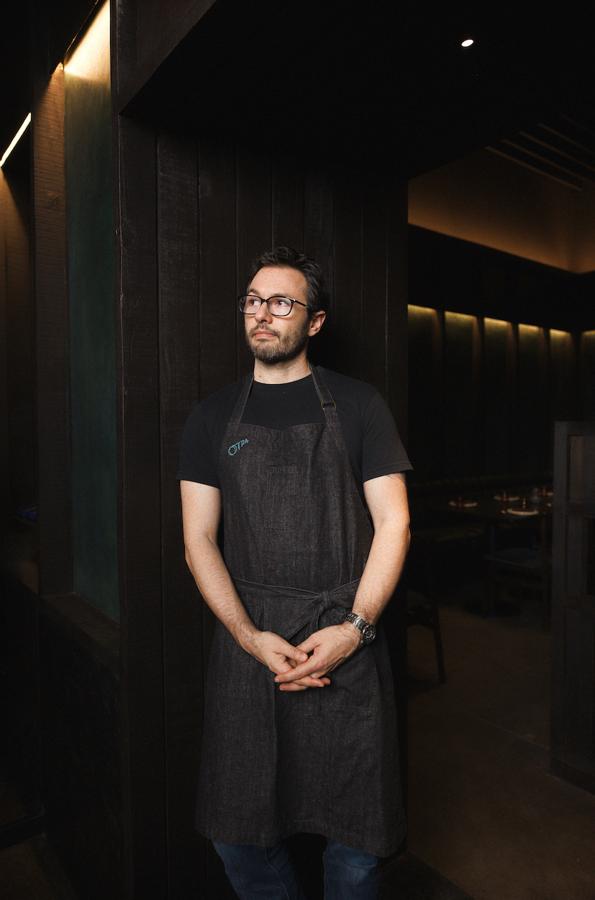
Alex Sanchez’s narrative is deeply embedded in the cross-cultural palate of San Francisco. Growing up in the city, Sanchez was immersed in a world where culinary boundaries blurred. This experience, coupled with his mixed Puerto Rican heritage, has shaped his identity as a chef and restaurateur.
After working his way up from dishwasher to sous chef, Sanchez graduated from the Culinary Institute of America in 2004 and embarked on a path that led him to kitchens of Michelin-starred venues, including Michael Mina and Eleven Madison Park. However, his course made a pivotal shift towards India in 2010. Lured by an opportunity to open The Table, a pioneering fine-dining establishment in Mumbai, he began to carve out a niche for himself and an integral role in the evolution of India’s dining scene.
“At The Table, we shaped the way people perceive Western dining by introducing the concept of small plates, now the most prevalent form of dining throughout the country,” recalls Sanchez.
But, after seven years at The Table, Sanchez and his wife, Malleyka Watsa – graduate of École Ferrandi culinary institute in Paris and granddaughter to famed cookbook author and bon vivant hostess Premila Lal – co-founded Americano in March 2019, the duo’s first foray into restaurant ownership.
“Italian cuisine has always been a part of my persona, and Americano is my not-so-traditional love letter to Italy,” says Sanchez. In the few short years since its opening, this now globally-recognized bistro and bar became one of India’s most sought-after destinations.
Despite the fanfare, Sanchez’s culinary identity was not complete.
“Over the last 15 years as an expat chef in India, I became known for my ingredient-driven European fare. But I knew there was always another side of me I wanted to share with India’s dining community. That’s where the idea for Otra stemmed from.
“Plus, I felt like there were no quality tacos in Mumbai, which lit a fire underneath my already smoldering passion for launching Otra and my obsession with making bona fide tortillas. However, I didn’t want to open just a traditional taqueria,” explains Sanchez. Influenced by the bistro-style, chef-driven restaurants he had experienced in Mexico City on a trip with Watsa, he knew he wanted his own full-service gastro-cantina. One with a Mexican backbone but a global heartbeat, particularly leaning into his Puerto Rican roots.
During the pandemic, Sanchez and Watsa launched a taqueria delivery popup called Taqueria Americano, offering tacos, burritos, quesadillas, and other Mexican fare. It held the Americano name recognition, but allowed Sanchez to tinker with masa recipes he’d been working on since 2011. From that, he saw customers enthusiastic about Latin American flavors, a cuisine style that had never succeeded previously in Mumbai.
Aatish Nath, an independent journalist based in Mumbai has witnessed Sanchez’s growth throughout his tenure. “There are many similarities between Indian and Mexican food, but that’s also why it’s been hard for the cuisine to find a foothold in India. When a Mexican salsa tastes similar to an Indian kachumbar, chances are that the kitchen brigade will send out the latter, as that’s what they’re used to tasting. However, with Otra, people were more familiar with [Sanchez’s] cooking style, which made them open to a cuisine [Mexican] they aren’t as familiar with,” states Nath.
“This positive feedback encouraged us to lean into something more comprehensive, refined, and established,” adds Watsa.
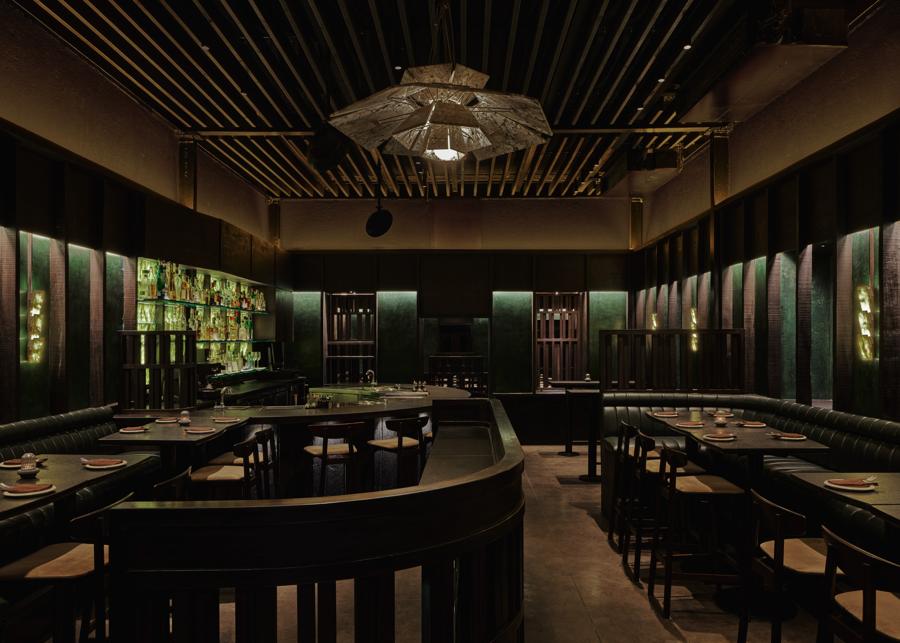
The inception of Otra in May 2024 as a neighborhood, intimate restaurant was a confluence of nostalgia and necessity. “Meaning ‘other’ or ‘another’ in Spanish, Otra is a tribute to my Hispanic lineage, the missing puzzle piece of my sense of self,” remarks Sanchez.
Rather than stuffy white tablecloths and gloved waiters, the concept is approachable, affordable, yet still elevated.
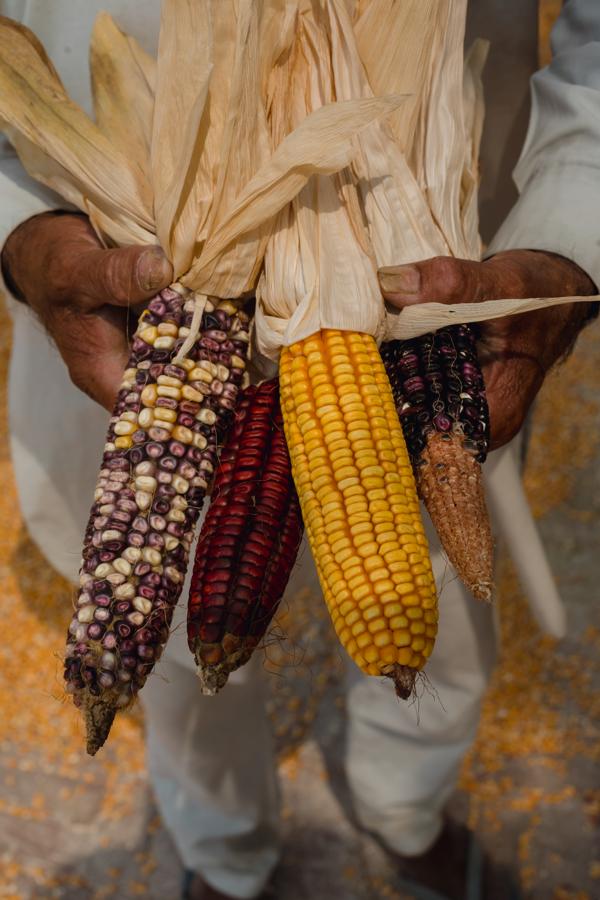
In a country with restrictive import laws, Sanchez realized that to provide a genuine taco within India’s borders, he needed to control every aspect of the supply chain. "I wanted to recreate the tortillas of my upbringing, and to do that, I had to grow the corn myself," says Sanchez.
In 2021, he met Anushka Neyol, a seventh-generation farmer and owner of Three One Farms in Ludhiana, Punjab who could cultivate a traceable heirloom species of corn from which the perfect masa for tortillas – the soul of any taco – could be ground.
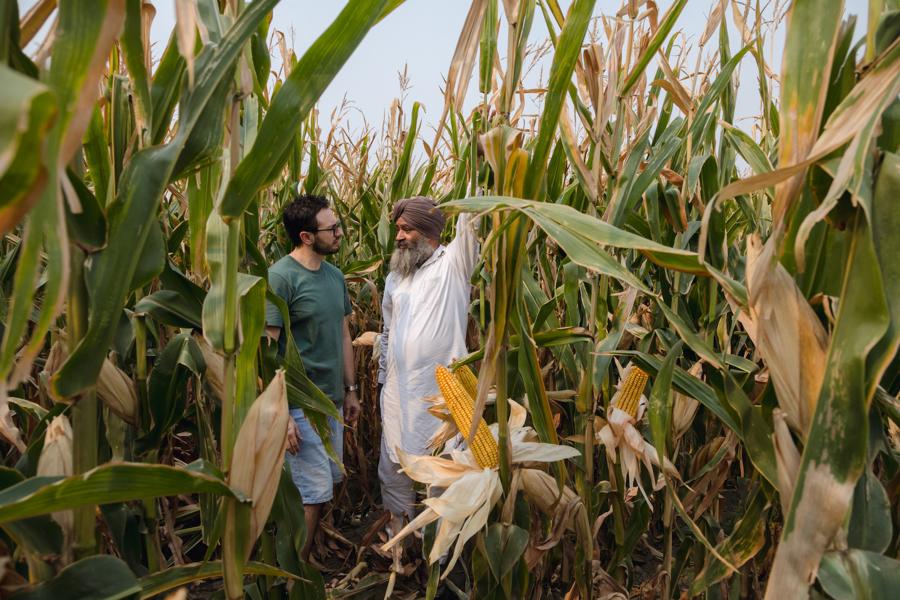
"Working with [Sanchez] transcends transactional relationships. He is present, dedicated, and beyond committed. It took us years of research, trials, and testing over 50 varietals, but because of those qualities he possesses, we finally found the right one,” mentions Neyol.
Working with a Punjab seed farmer, in late 2023, Sanchez received a call that a few thousand kilos of corn had been grown with his name on it. “We signed the restaurant lease that same day,” he muses. “From that corn, Otra was born,”
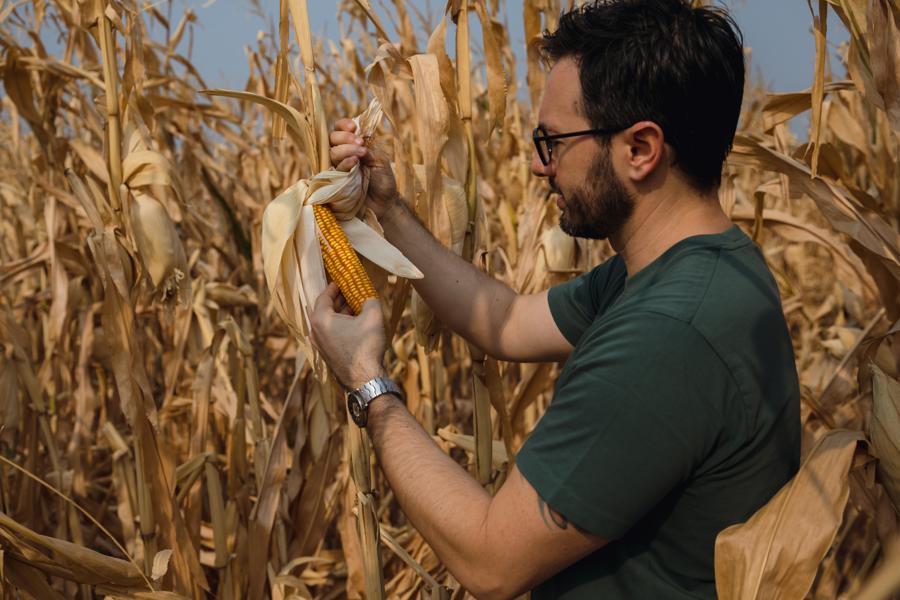
Otra went on to become the first taqueria outside of Mexico to not only grind corn into masa but also grow the corn itself. From seed to harvest to processing to plate, this level of vertical integration was not just about food; it was about a commitment to sustainability and community. It enhanced the legitimacy of the native cuisine while fostering deeper connections between the food served and the community that supports it. Without masa, there would be no Otra.
“This is the exciting thing about India. Because we don’t have access to imported produce as a result of India’s strict import laws, we have to do everything ourselves entirely from scratch. But, by doing so, we learn and appreciate the process so much more.”
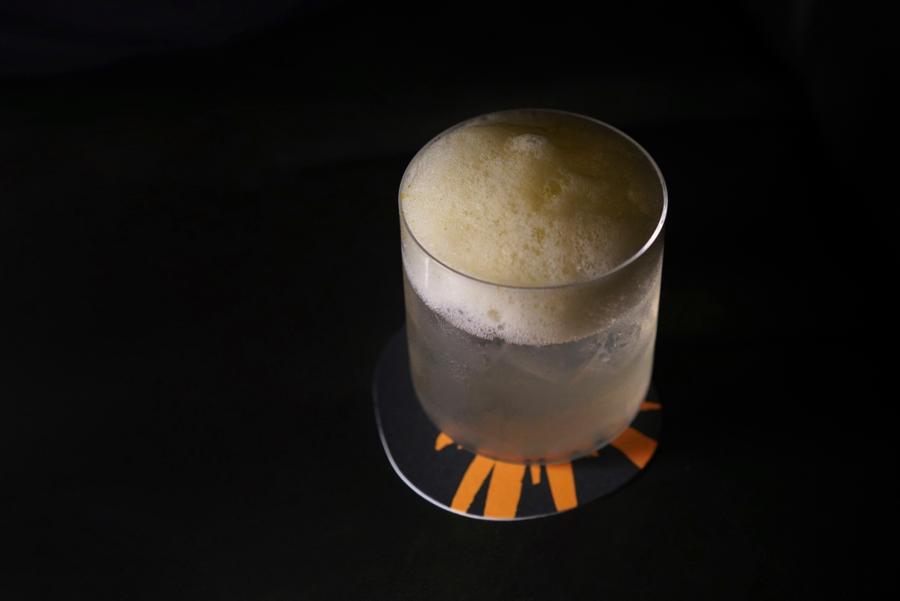
The potential for masa surpasses tortillas: from crispy tostadas to chochoyotes. Even leftover masa is infused to make a nixtamalized corn liqueur for the house specialty margarita, the Una Mas.
Otra now uses over 100 kilos of corn a month.
“For me, making fresh corn tortillas is a sophisticated process, and I felt strongly that it should be the crux of our restaurant,” lends Sanchez.
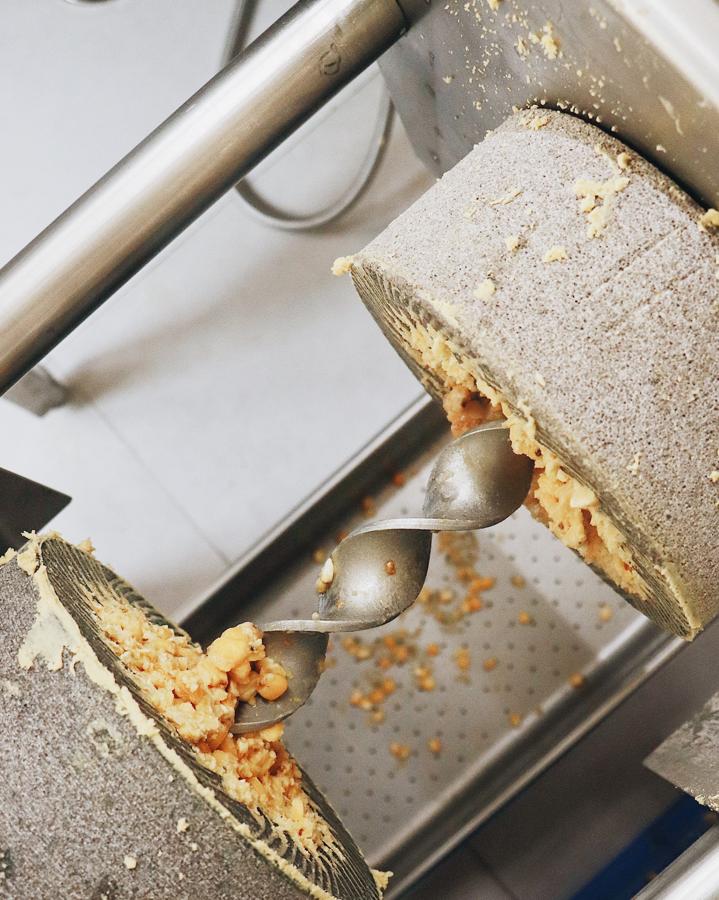
The corn species selected for Otra was chosen for its buttery aroma and pliant texture owed to Otra’s custom-made molino – a lava-stone grinding machine built by Los Angeles-based Guillermo Campbell, master artisan with 50 years of craftsmanship under his belt. The tender tortilla produced makes for a transformative experience; one bite ferries diners from Mumbai to Mexico City.
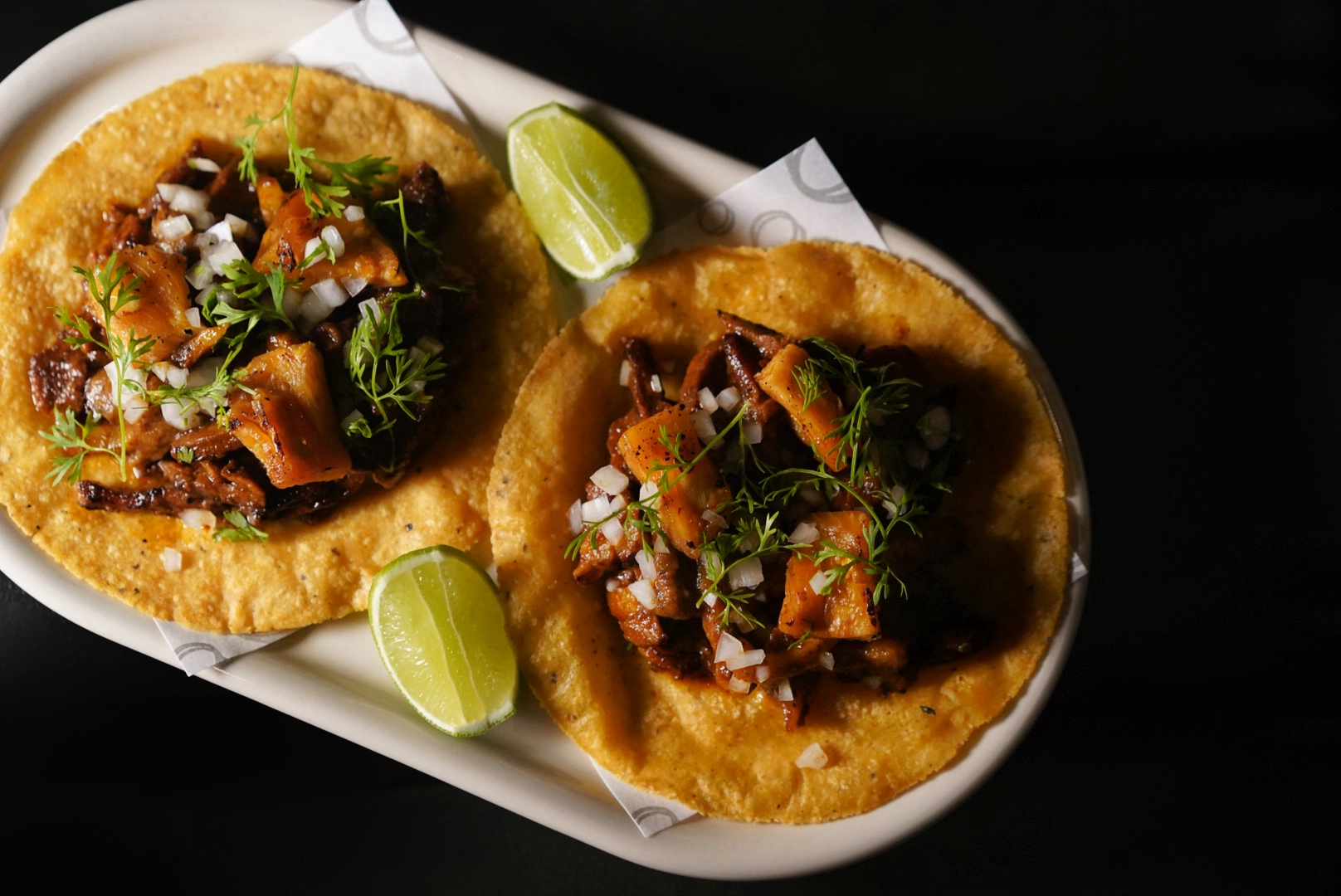
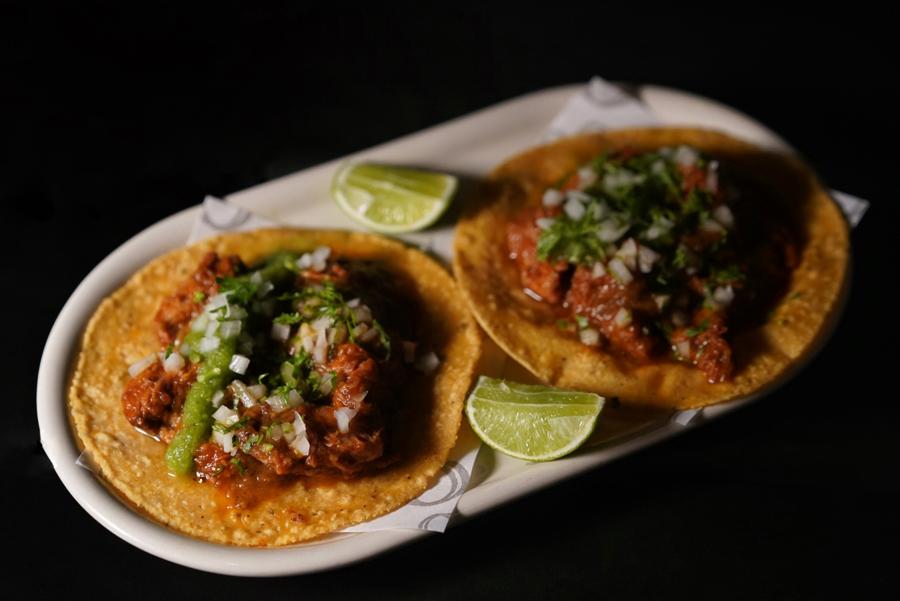
“A traditional taco is simply grilled or stewed meat with a little salsa, onions, and a few sprigs of cilantro. Our tacos are neither definitively authentic nor fusion. They lean more late-night taco cart aesthetic, with an emphasis on downright deliciousness.
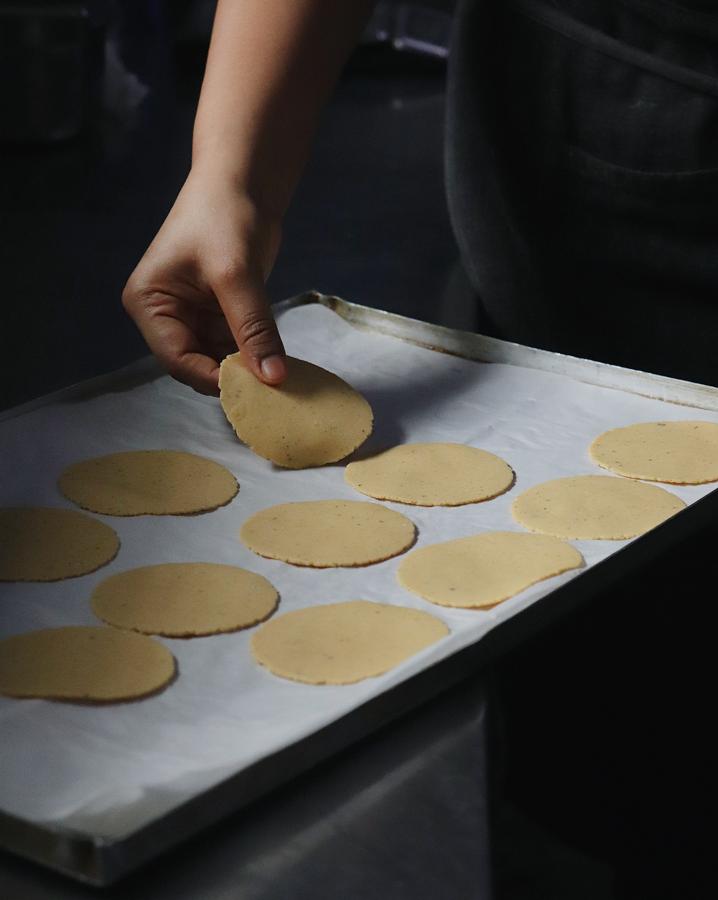
"It’s most important to create a dining experience that resonates with the local community. Over 50% of our menu is vegetarian, tailored to the sensibilities of the Indian palate. We utilize local produce, herbs, and spices to create a menu that feels familiar yet novel,” Sanchez shares, holding a half-moon-shaped taco snugly in the palm of his hand, juices dripping down the side of his wrist.
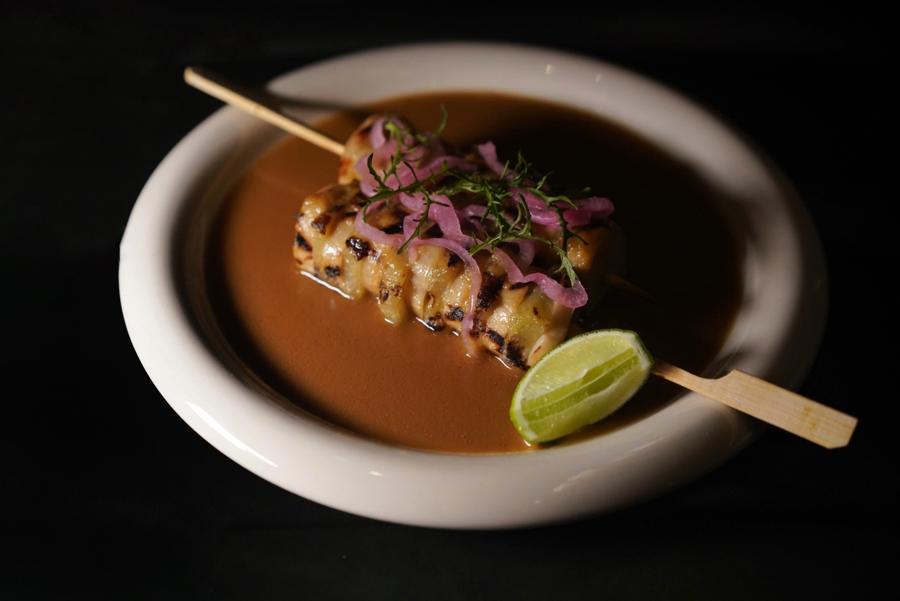
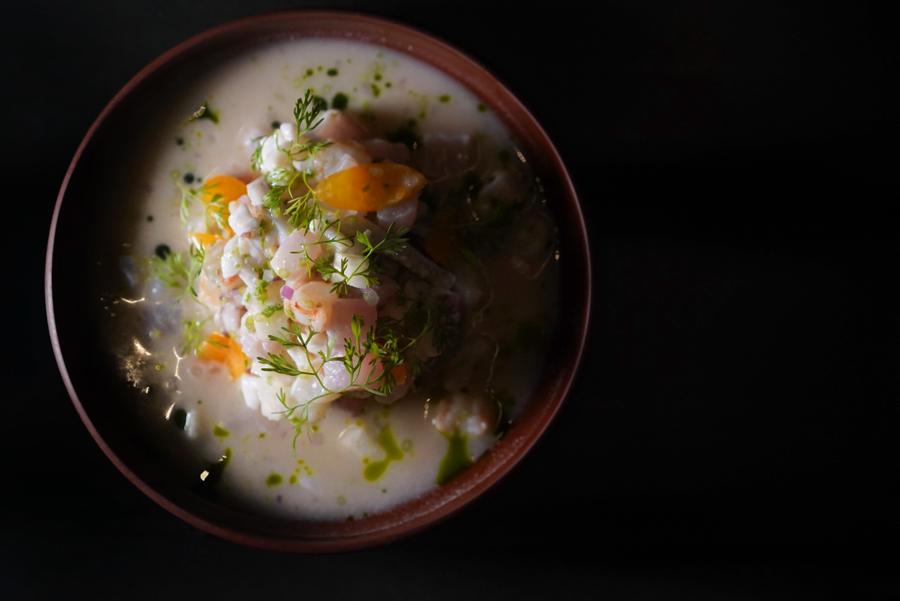
Think lacquered and charred eggplant paired with an herbaceous cabbage slaw, tempura-fried ‘buffalo wing’ cauliflower with poblano rancho sauce, or confit mushrooms in a punchy arbol chili salsa.
The tacos aren’t necessarily rooted in Mexican recipes, but they embrace the spirit of a traditional taco. “We take Mexican flavor combinations and make it personal.”
Beyond corn, Otra has since vertically integrated its supply chain for other menu items. “From tomatillos for salsa verde grown an hour south of Mysore to habanero, serrano and other chilis picked near Aurangabad, we are working directly with farmers who are growing these ingredients specifically for us,” lends Watsa.
Transcending food, Otra acts as a cultural bridge between The Americas and India. As a third-culture individual – an American chef of Puerto Rican descent cooking in India – Sanchez views the culinary world through a lens where food doesn’t follow political, religious, or geographical borders. "I believe that food is a reflection of self-image," he muses. "For me, home is now India. It's where I work, raise my family, and find inspiration every day. But I am also proudly of Hispanic and European descent, and I am American. My culinary ethos mirrors this amalgamation of cultures that allows me to think, and cook, outside of.”
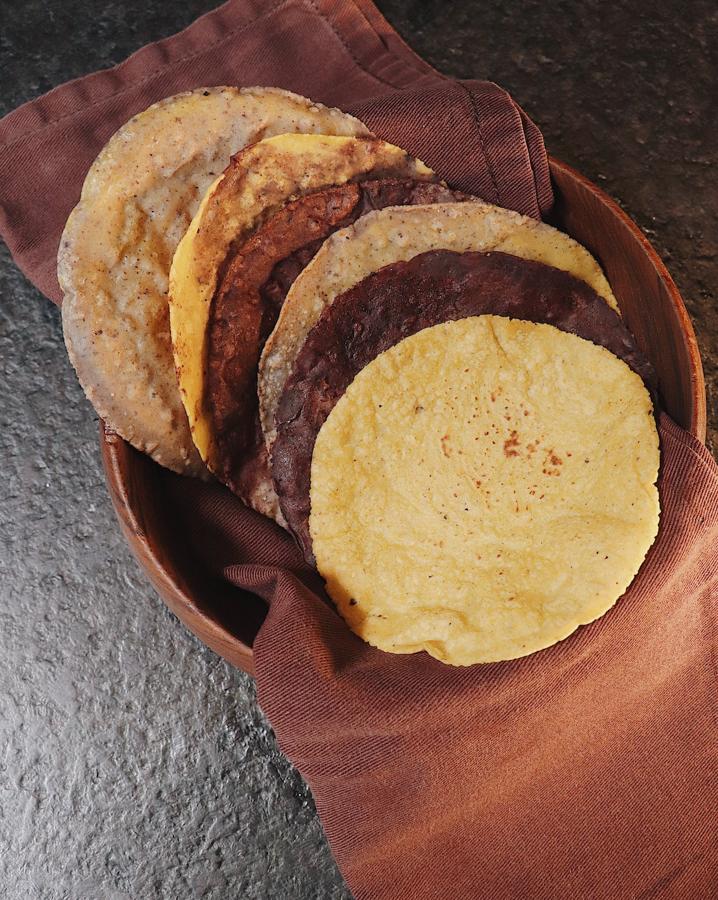
More than merely serving tacos, Sanchez is building a community of diners who are interested in learning and connection as much as they are in tasting. His trajectory from the USA to Mumbai has been marked by a desire to connect cultures through the pure love of food. In this case, the taco has become a symbol of authenticity, sustainability, and cultural exchange.
“At the end of the day, a taco is democratic. It’s for everyone, regardless of who you are. It’s about bringing people together. And that’s exactly what we want to put on the plate.”
*This article was originally written and published for Three Magazine.

My name is Sophie Steiner, and welcome to my food-focused travel blog. This is a place to discover where and what to eat, drink, and do in Shanghai, Asia, and beyond. As an American based in Shanghai since 2015 as a food, beverage, travel, and lifestyle writer, I bring you the latest news on all things food and travel.
Your email address will not be published.
Be the first to comment!

Sign up for tips on the latest Shanghai openings, and other food, beverage, and travel content
© 2026 Sophie Steiner
Privacy Policy