Where Hong Kong Chefs Eat After Hours: An Insider's Guide
Where those who cook for a living choose to eat, drink, and unwind post-shift
May 4, 2026
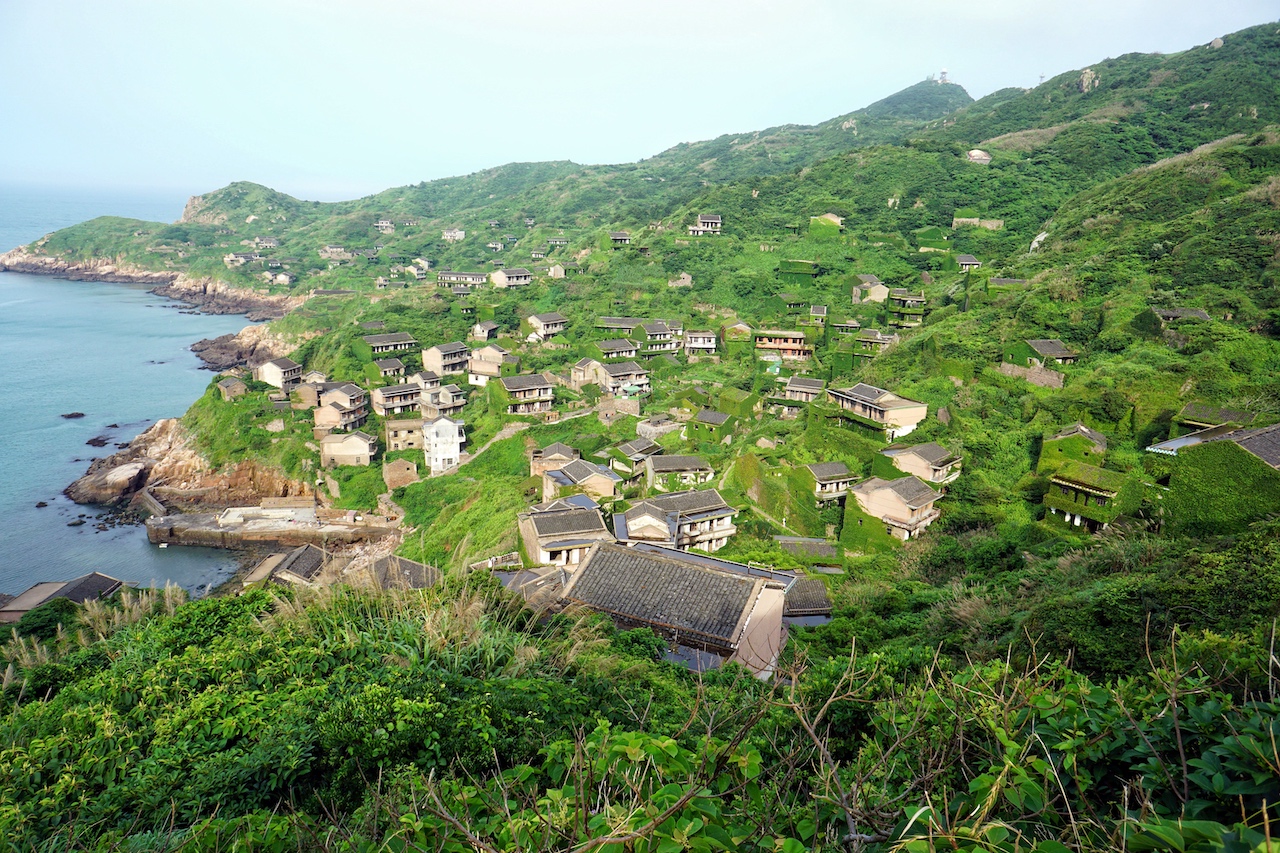
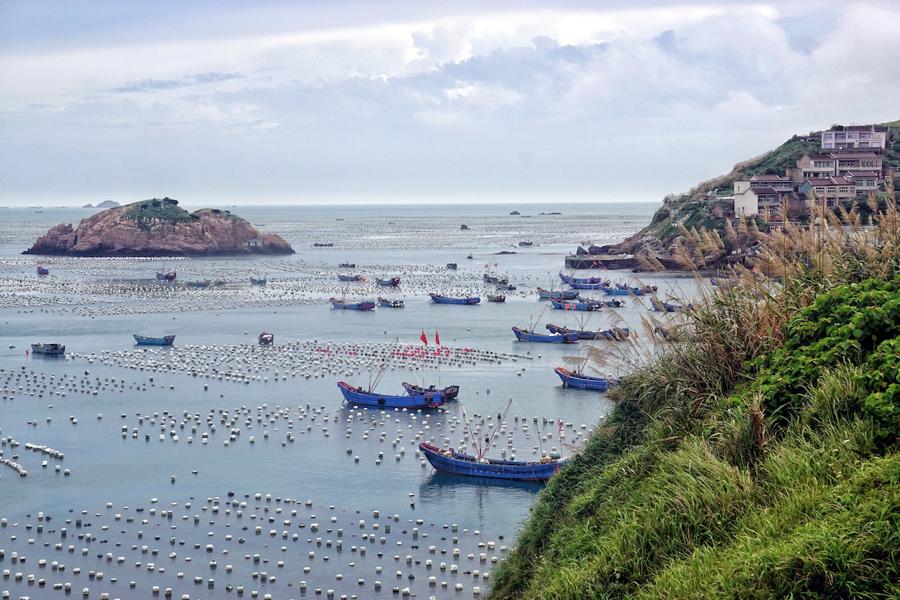
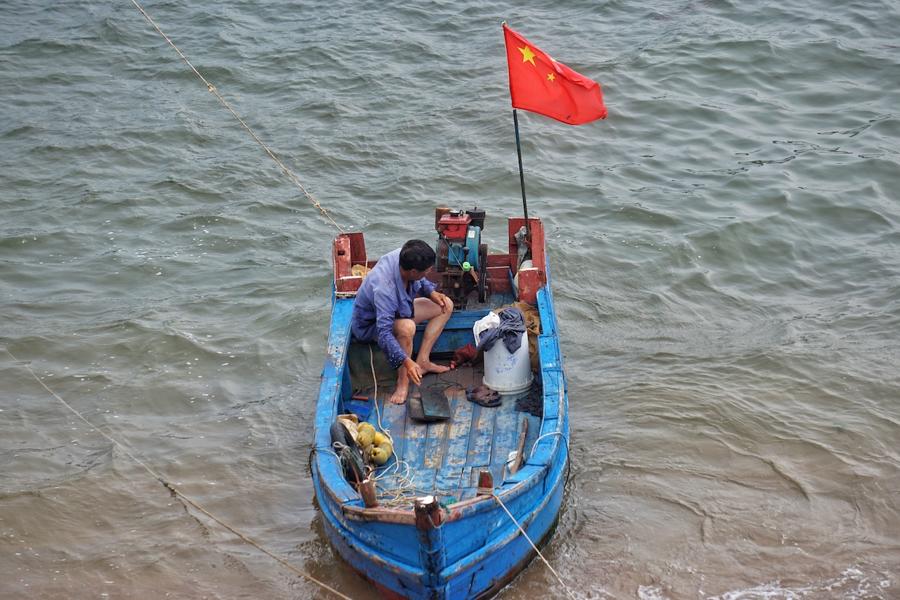
Nestled within the 400-island Shengsi Archipelago in Zhejiang Province, Gouqi Island is nicknamed the “Little Greece of China,” beloved for its dramatic coastline, rich maritime culture, and the hauntingly beautiful Houtouwan Village, now completely swallowed by creeping ivy vines.
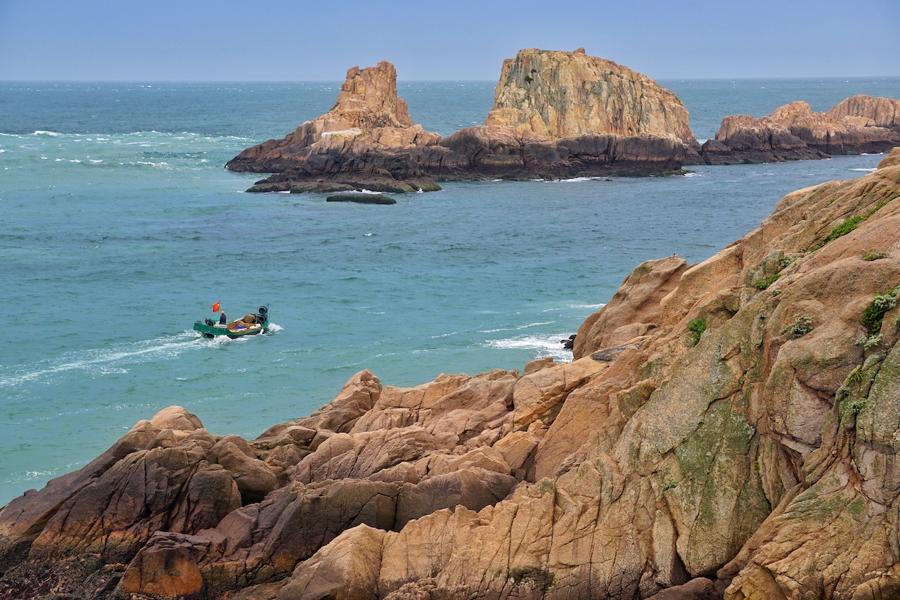
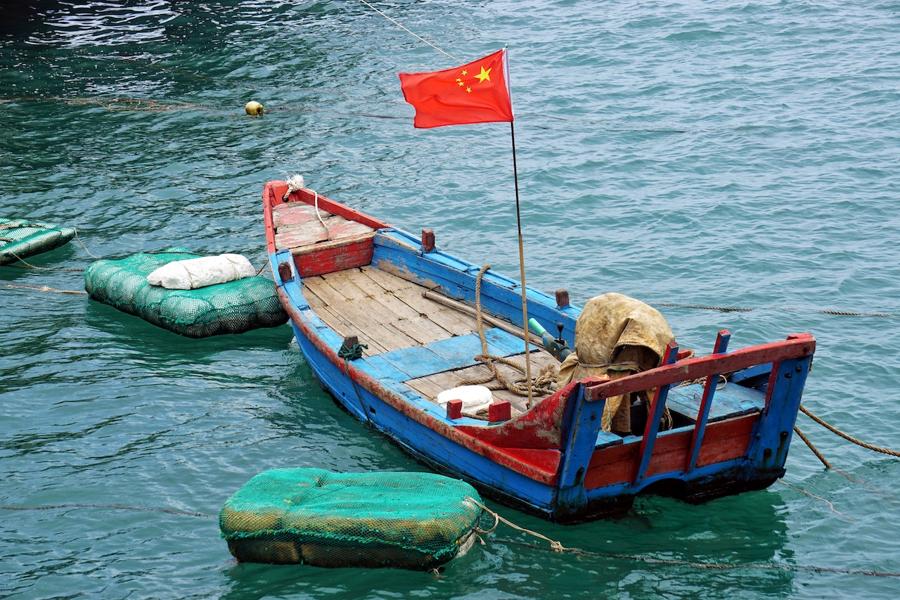

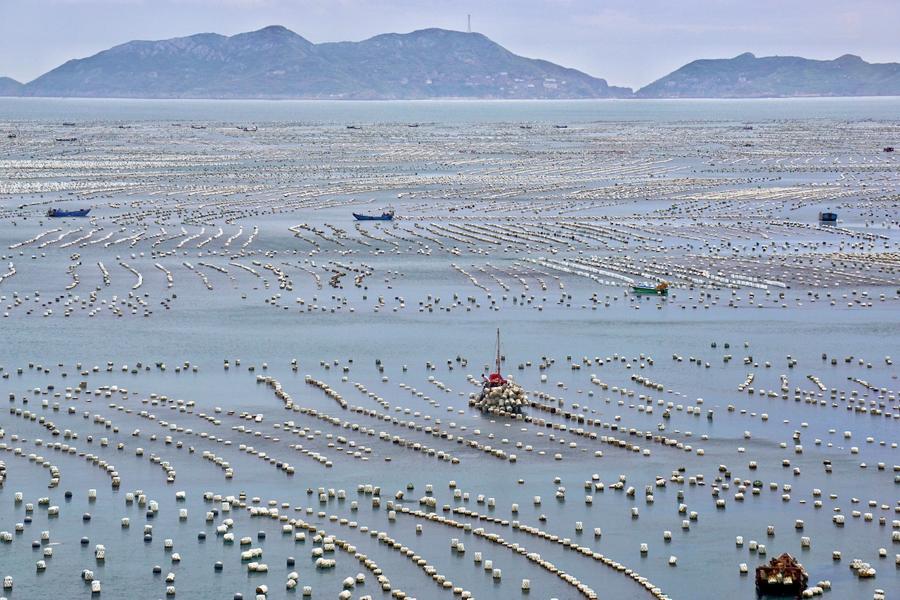
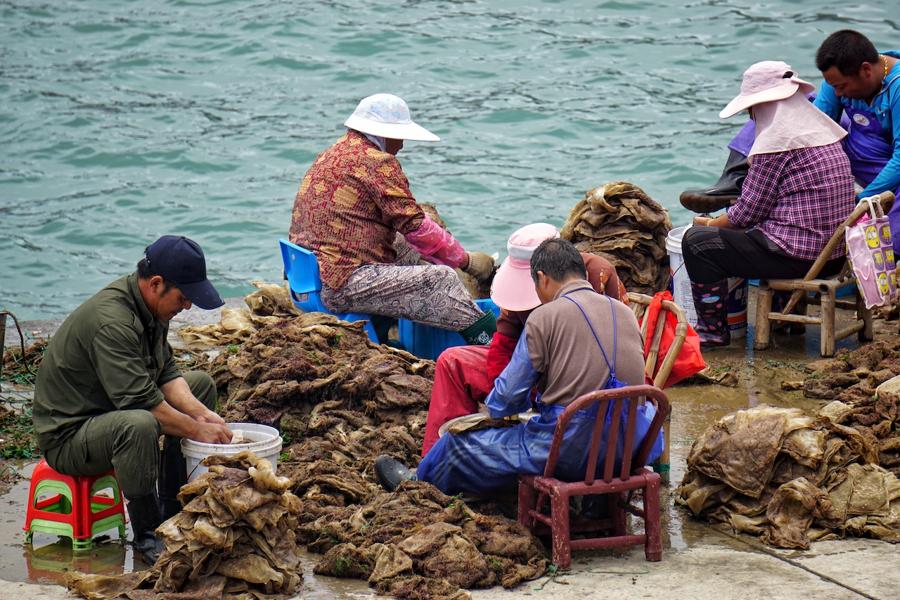
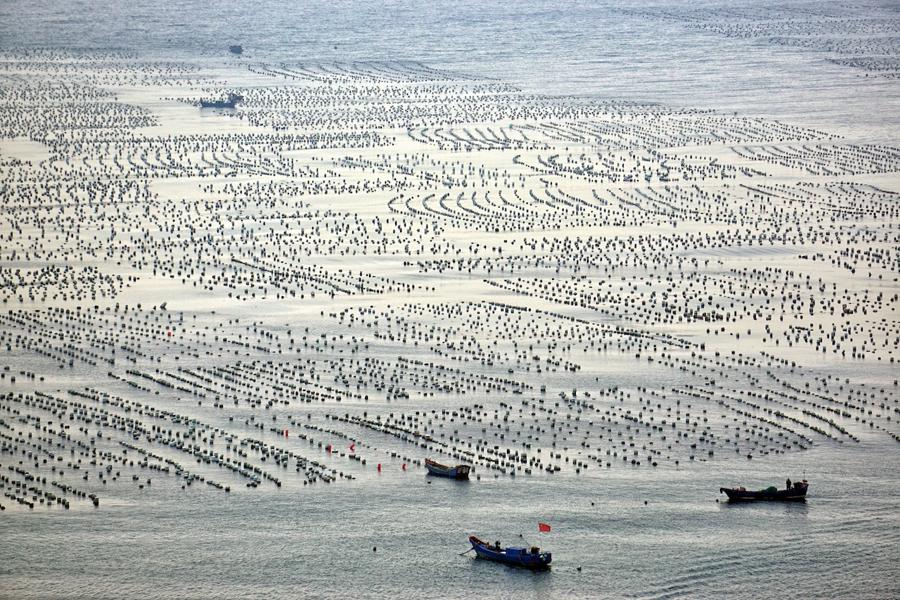
The island is also a hub for mussel farming, as it’s playfully dubbed the “Mussel Capital of China), along with bountiful shellfish and other seafood fare. With its tranquil beaches and a laid-back atmosphere, Gouqi Island makes for the ideal weekend getaway for those seeking an undiscovered escape from the energetic buzz of Shanghai.
Reaching Gouqi Island is an adventure in itself. Start from Shanghai, pre-purchase your bus-ferry combo tickets on the Shengsi Passenger Transport Official WeChat Account (嵊嗗客服), which departs (by bus) from Nanpu Bridge, or head to the Nanpu Bridge bus station a day before your departure to secure your tickets in person. From Nanpu Bridge, the bus will take passengers across the Donghai Sea Bridge (one of the longest trans-Atlantic sea bridges in the world) to Shenjiawan Ferry Terminal in about 1 hour and 15 minutes. From there, the ferry companies operate on a flexible schedule that is confirmed a day in advance.
Upon arrival at Gouqi Island, small buses are available for RMB4, making it easy to reach popular spots like Dawang Beach. Taxis are also available for RMB50-60 for short rides around the island.
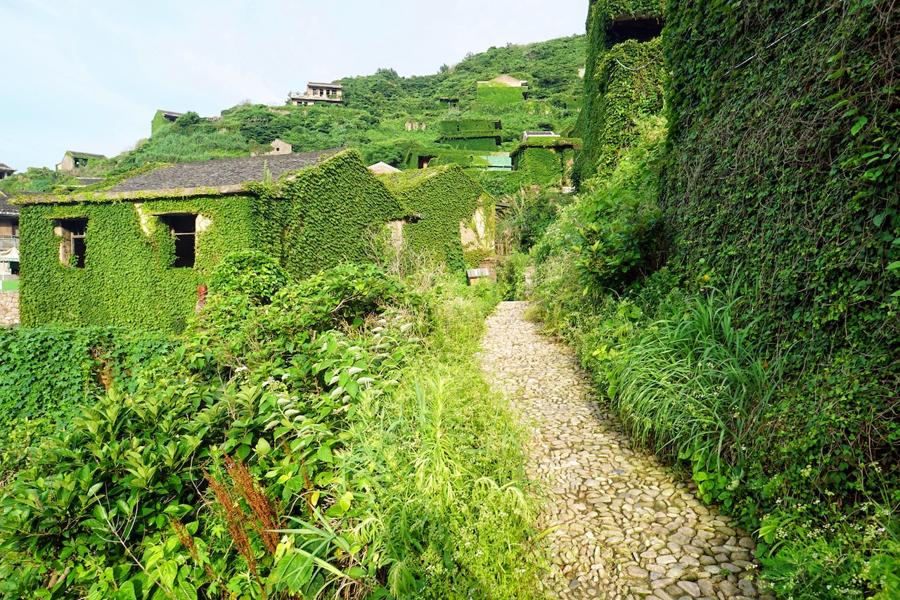


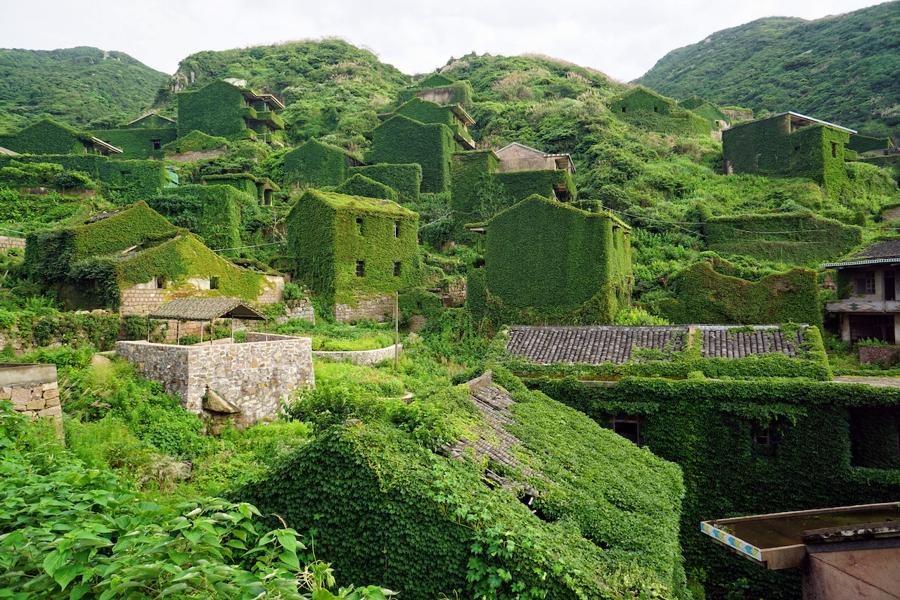
Gouqi Island’s main draw, this abandoned village has been wholly reclaimed by lush vegetation after residents departed in the 1990s due to economic isolation. What once was a prosperous fishing community is now an otherworldly, verdant ghost town where time has stopped, allowing the relentless vines to cloak sturdy stone homes in green embrace. Attracting visitors with its haunting beauty, the village’s entrance fee is RMB50. Plan to spend 1-2 hours exploring the area. Bring bug spray, and plan to visit before sunset.
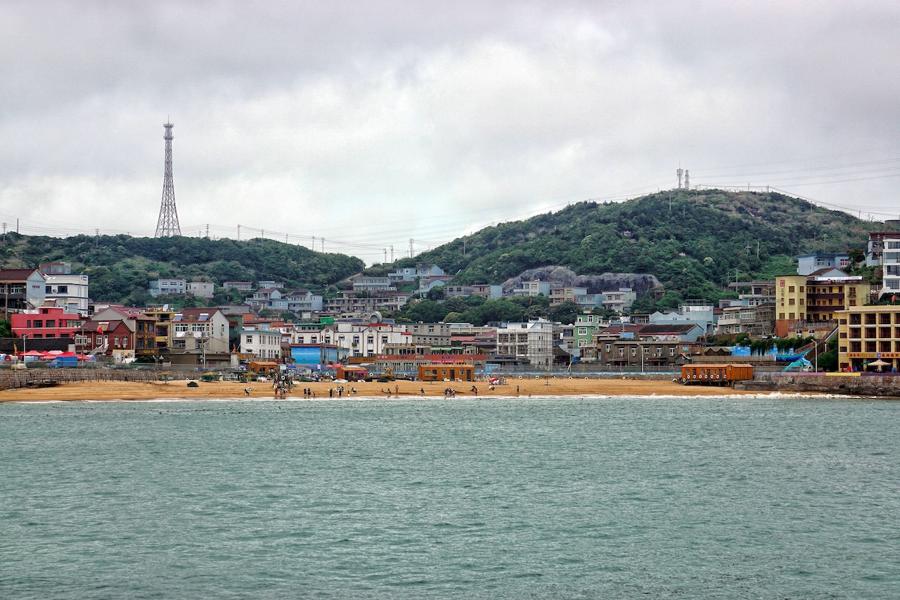
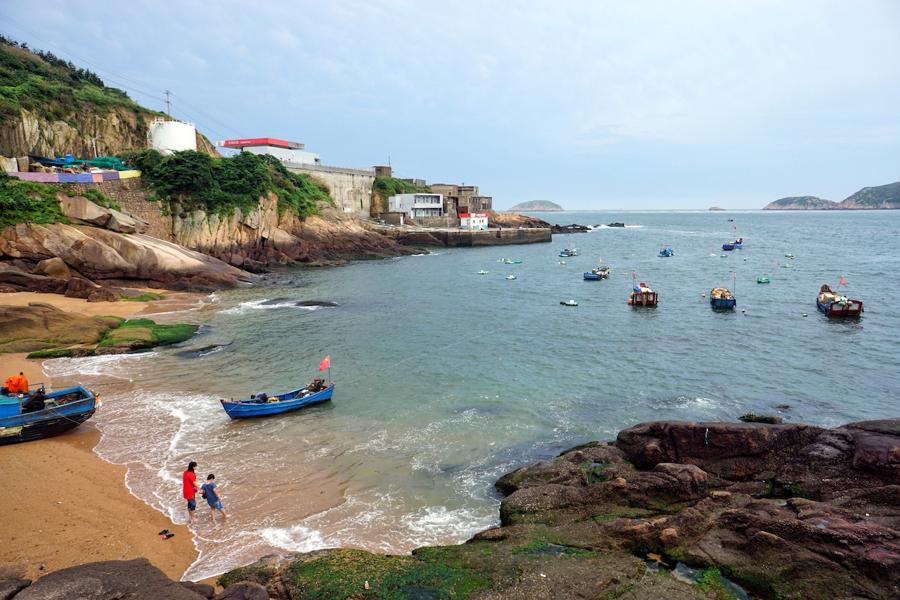
The largest beach on the island, Dawang Beach comes with a nominal entrance fee of RMB25, a small price to pay for soft sand, clear blue waters, and scenic surrounding cliffs. If you're looking for a quieter experience, simply walk a bit north to find free and less crowded beaches.
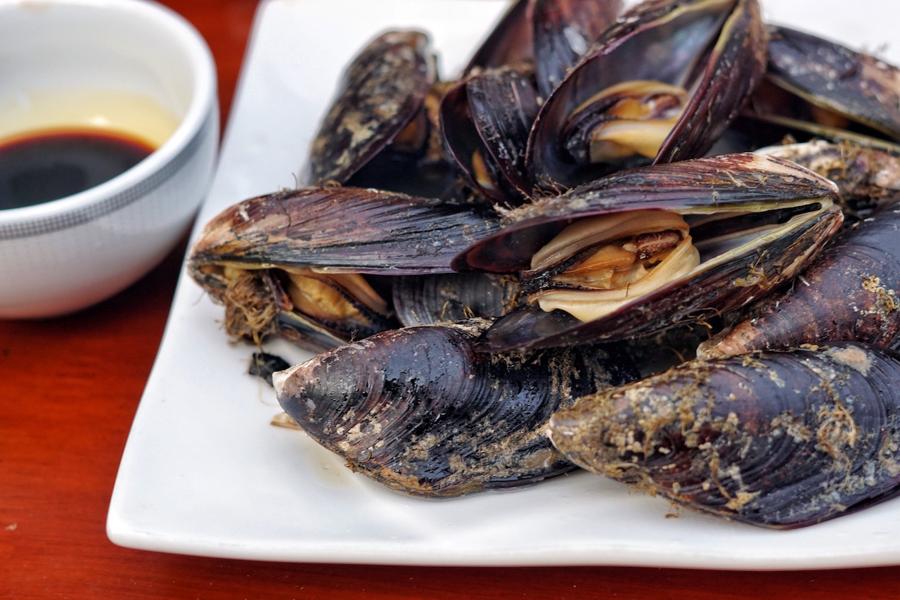
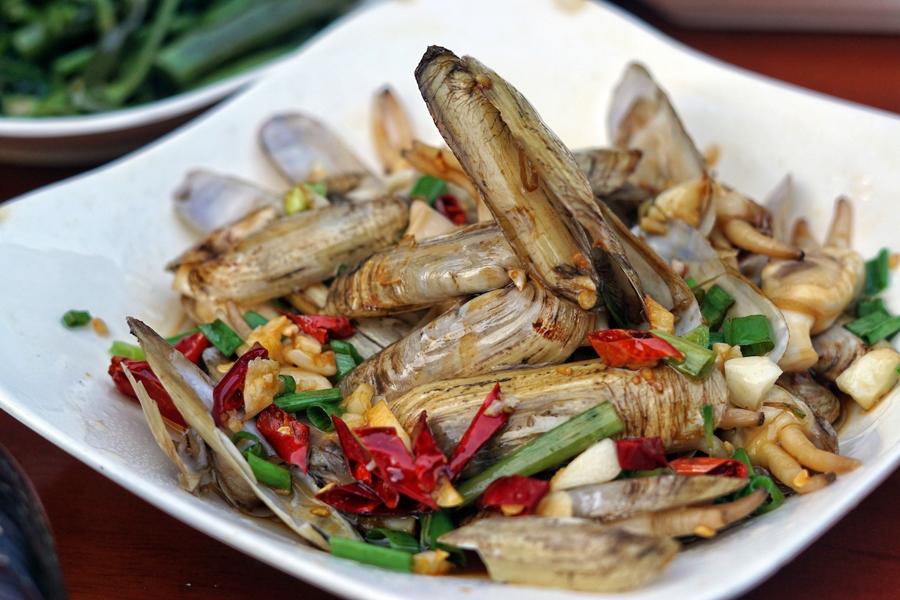
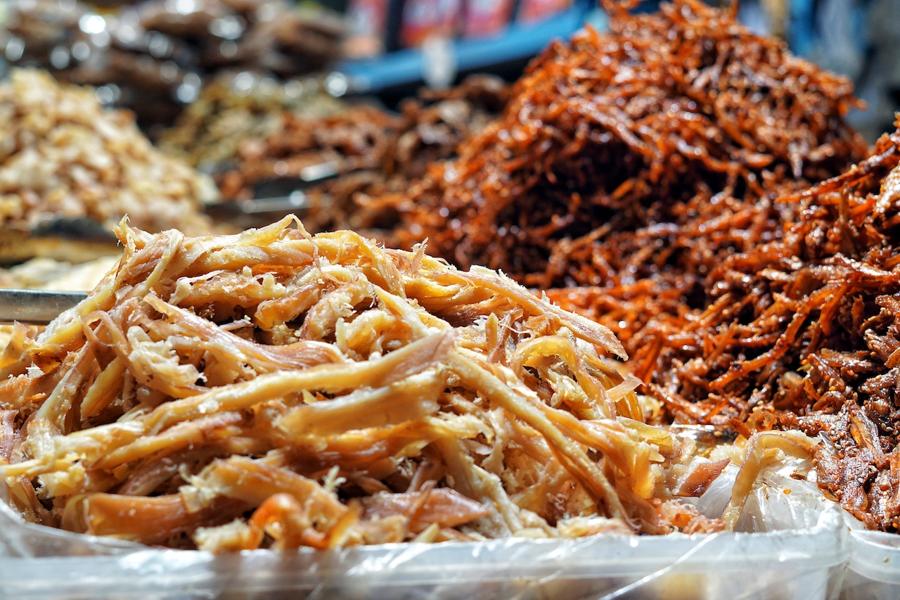
With its strong fishing heritage, Gouqi Island is famous for its mussels and shellfish. Head to local restaurants, especially around Dawang Beach for the freshest seafood straight from the tank. Expect a filling feast for two to cost RMB120-250. For an authentic experience, check out Yu Dangjia (魚當家) known for its fresh catch of the day and friendly service.
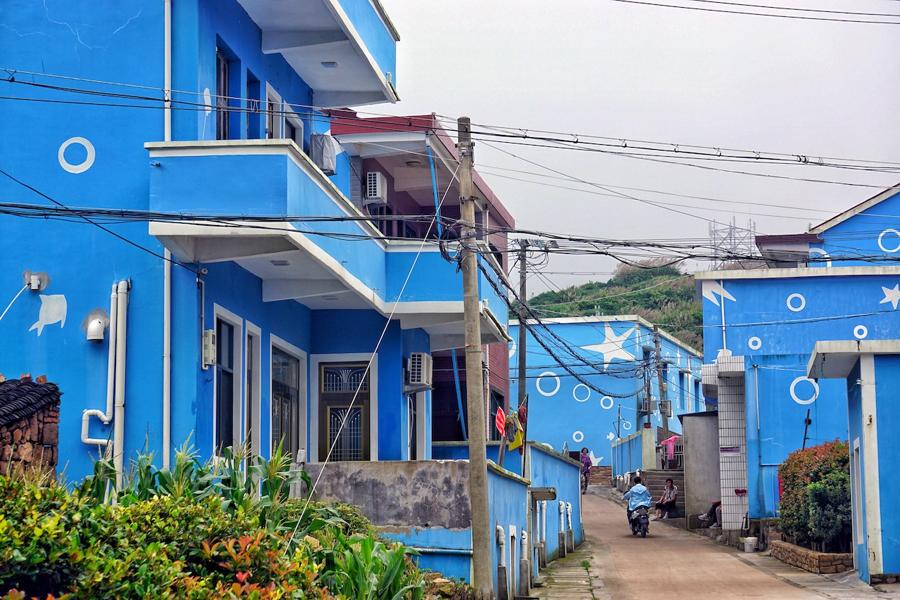
Rent a bike or electric scooter and explore the Rainbow Highway’s winding coastal roads that traverse nearby fishing villages, sprawling beaches, and scenic viewpoints.
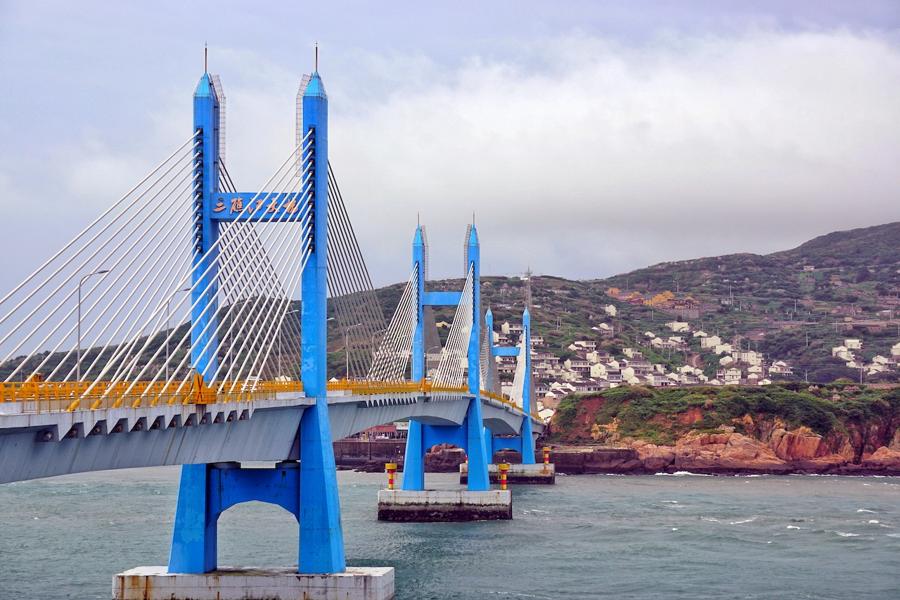
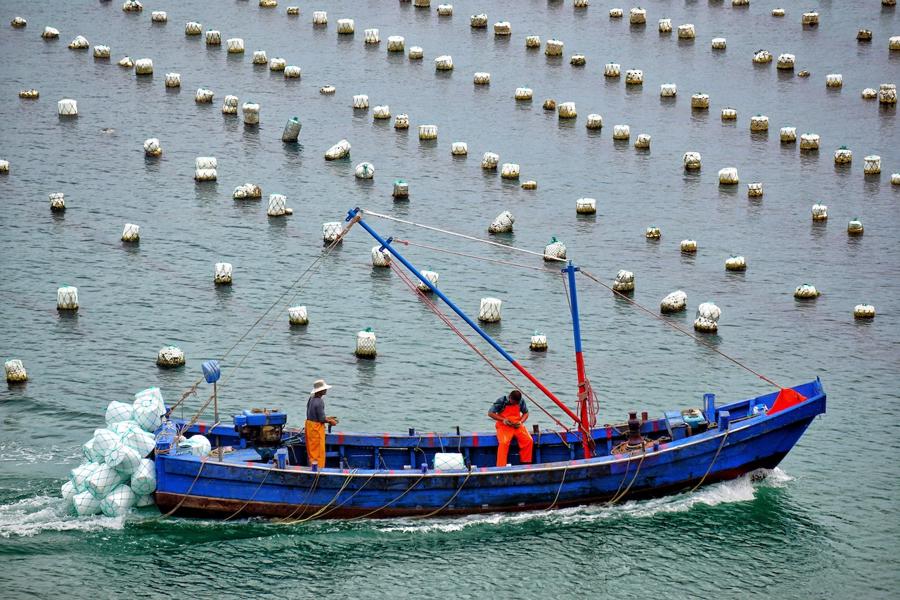
Connected by a walkable bridge, visit Shenghshan island, full of hiking trails that provide stunning vistas of mussel farms and the coastline.

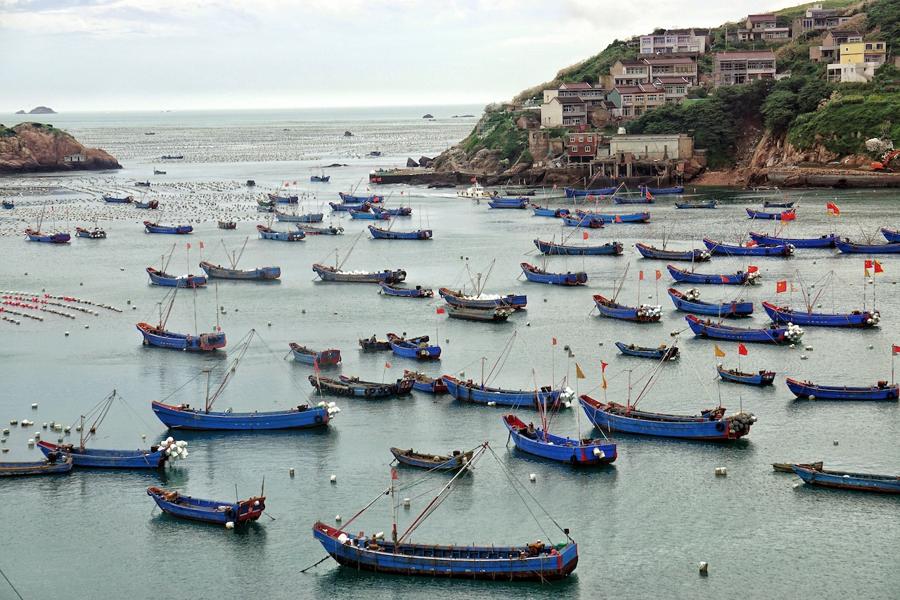
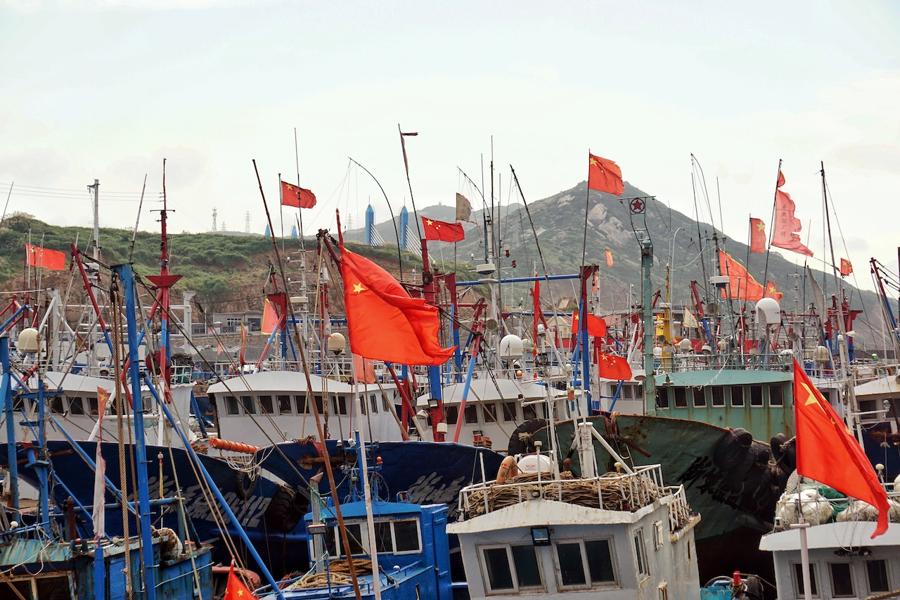
Situated on the west side of the island, Ganxie Village is ideal for watching sunset over the mussel sea ranch, where hundreds of sea boats are anchored, creating a striking backdrop to conclude an ocean-filled day.
Accommodation options on Gouqi Island are varied, from guesthouses offering a more rustic stay to established hotels providing a taste of luxury. For a more local experience, check in to Haiquanju Fisherman’s Homestay (海泉居渔家民宿) at Dawang Beach replete with ocean views family-style service, or spring for AIXIA (爱夏), a contemporary boutique property outfitted to resemble Santorini villas.

My name is Sophie Steiner, and welcome to my food-focused travel blog. This is a place to discover where and what to eat, drink, and do in Shanghai, Asia, and beyond. As an American based in Shanghai since 2015 as a food, beverage, travel, and lifestyle writer, I bring you the latest news on all things food and travel.
Your email address will not be published.
Be the first to comment!

Sign up for tips on the latest Shanghai openings, and other food, beverage, and travel content
© 2026 Sophie Steiner
Privacy Policy